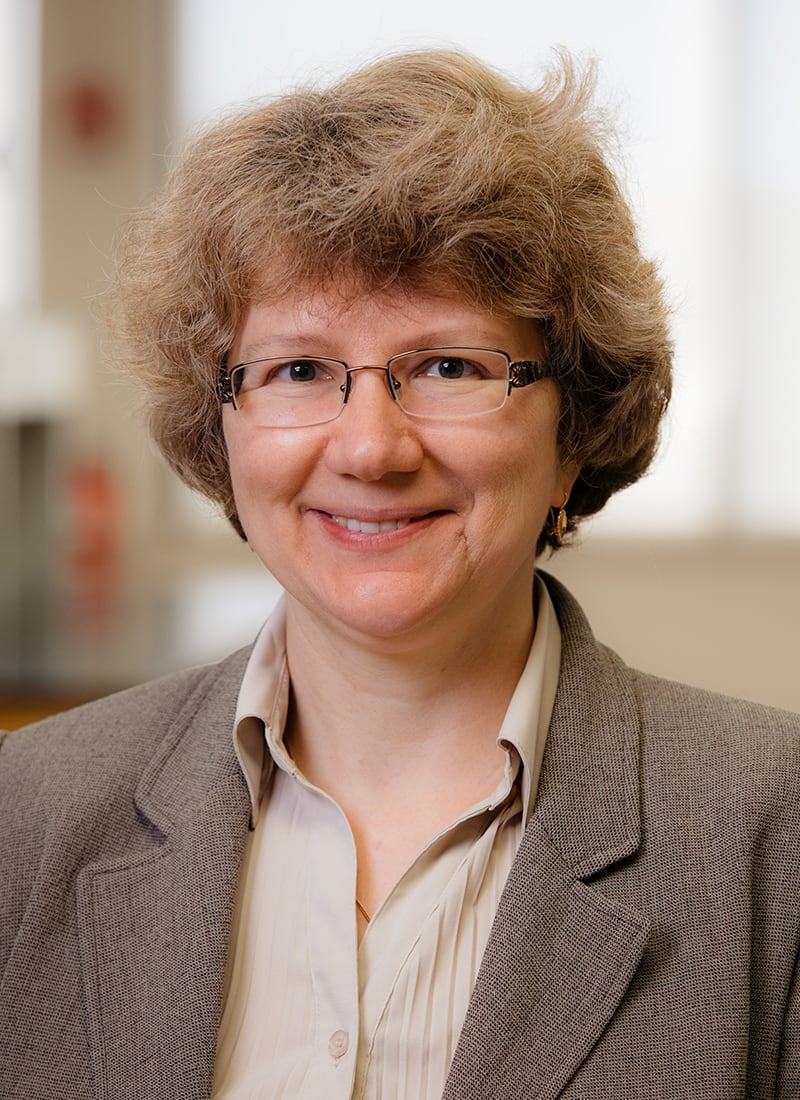
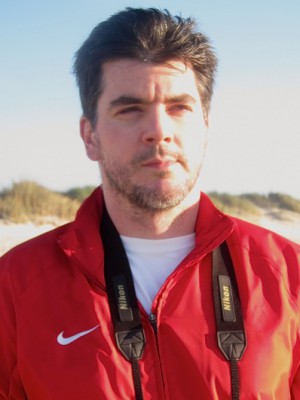
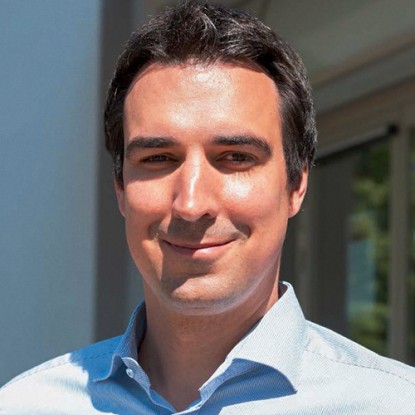
Grant Webber is a Professor in the School of Engineering at the University of Newcastle, specializing in Chemical Engineering. His research integrates chemical engineering and physical chemistry to study colloidal and interfacial phenomena with applications in personal care products, pharmaceuticals, minerals processing, and biomedical devices. Research interests include stimulus-responsive polymer coatings that alter structure in response to pH, temperature, or salt concentration; specific ion effects in electrolyte solutions; electrostatic formation of liquid marbles for applications in micro-reactors and sensors; and mineral processing technologies. His work employs neutron scattering, atomic force microscopy, and computational modeling to link nanoscale behaviors to macroscale properties. His recent publications demonstrate a strong focus on polymer brush systems (15 articles since 2023), with emerging themes in telecommunications network optimization and mineral processing. The work shows consistent application of fundamental principles to solve industrial problems, particularly in sustainable resource processing and advanced materials design.
Eugenia Kharlampieva serves as a Professor and Principal Investigator of the Kharlampieva Research Group at the University of Alabama at Birmingham (UAB) . Her research focuses on advanced polymer-based materials for biomedical and environmental applications. Research Interests: Design of stimuli-responsive hydrogels and polymer vesicles for targeted drug delivery Development of antioxidant encapsulation strategies to enhance islet transplantation outcomes Creation of shaped polymer particles with pH-temperature dual responsiveness for controlled release systems Engineering multilayer micro/nanostructures using layer-by-layer assembly techniques Application of neutron reflectometry and AFM for polymer structure analysis Recent Publications demonstrate expertise in: 2025 : Intranasal glioma therapy using PDGFRA-immunopolymersomes , cyclophosphamide-induced diabetes models for autoimmune rejection studies 2024 : Shape-controlled hydrogel microcubes , pH-responsive poly(methacrylic acid) systems , and antibody delivery via polymer conjugation 2023 : CTLA-4-Ig encapsulation for immune modulation, 89Zr-radiolabeled polymersomes for PET imaging
Liang Liang is a researcher at the University of Picardie Jules Verne, affiliated with the Doctoral School of Human and Social Sciences and the Department of Geography. Her research focuses on cultural geography, heritage studies, and memory reproduction in contemporary Chinese society, particularly in Canton and Foshan. She earned her master's degree in Culture, Heritage, and Tourism at the ITBS of the University of Angers (2010). Liang presented her work on 'World Memories' at ACHS 2016, exploring urban heritage dynamics in China. Her academic output in photovoltaic technologies spans 2010–2020, with key contributions to polymer solar cells, perovskite integration, and efficiency optimization. Articles highlight innovations in tandem architecture, solvent additives, and electro-optical cavity design, reflecting expertise in materials science and renewable energy systems despite her formal background in geography.
Thomas Jaramillo is a Professor at Stanford University in Chemical Engineering, Energy Science & Engineering, and Photon Science, with a Senior Fellowship at the Precourt Institute for Energy. His research focuses on catalytic processes for renewable energy conversion, including electrocatalysis, photoelectrocatalysis, and thermal catalysis, with a particular emphasis on CO2 reduction, hydrogen production, and ammonia synthesis using nanomaterials and transition metal systems. Education : PhD (2004), MS (2000) from UC Santa Barbara in Chemical Engineering; BS (1998) from Stanford in Chemical Engineering. Recent publications explore catalyst degradation mechanisms, interfacial microenvironments, and machine learning-driven material analysis. The Jaramillo Group at Stanford investigates fundamental catalytic processes for sustainable energy systems, supported by the SUNCAT Center for Interface Science and Catalysis, where he serves as Director since 2018. Scientific awards include the 2020 Paul H. Emmett Award in Fundamental Catalysis. Research highlights involve developing Zn-Ag catalyst matrices for CO2 conversion, optimizing Pt3Ti stability via atomic layer deposition, and advancing Cu-based bimetallic catalysts for CO2 reduction. Collaborative projects with institutions like Lawrence Livermore National Laboratory and industry partners demonstrate translational impact.
Magnus Bergström is a Senior Lecturer at Uppsala University in the Department of Medicinal Chemistry; Pharmaceutical physical chemistry . His research focuses on surfactant self-assembly, micelle and vesicle formation, and the thermodynamic and bending energetic principles governing these systems. Research Interests : Colloid and Interface Science Physical Chemistry of surfactants and lipids Pharmaceutical nanocarriers (liposomes, micelles) Bending elasticity of surfactant layers Self-assembly in mixed surfactant systems Drug delivery systems and colloidal stability Publications : His work spans theoretical and experimental studies on micellar growth, vesicle size control, and surfactant-polyelectrolyte interactions, with recent studies on ultrasmall unilamellar vesicles (2025), supramolecular amyloid structures (2024), and bile salt surfactant solubilization (2021).
Dr. Meiling Han is an ARC DECRA Fellow (2023-2025) and Group Leader at Monash Biomedicine Discovery Institute, specializing in antimicrobial resistance research. She holds a PhD in antimicrobial systems pharmacology (2018) from Monash University. She has supervised 7 students (including 4 PhD candidates) and secured grants such as the ARC DECRA Fellowship and AINSE Early Career Research Grant. Her work focuses on bacterial membrane lipid remodelling, metabolomics, and lipidomics to combat antibiotic resistance. Education: PhD in Antimicrobial Systems Pharmacology (Monash Institute of Pharmaceutical Science, 2018). Research interests include bacterial lipid metabolism, antimicrobial resistance mechanisms, and drug discovery. Recent projects include investigating polymyxin resistance in Acinetobacter baumannii and Klebsiella pneumoniae using metabolomics and neutron reflectometry. She leads 8 active research projects, including studies on lipid nanoparticles targeting Gram-negative bacteria and bacterial membrane defense mechanisms. Key achievements: Over 50 peer-reviewed publications (e.g., Nat Commun , Cell Reports ), >1500 citations, and vice-chair role at the 2023 Gordon Research Seminar in Metabolomics. Awards include the Rod Rickards Fellowship and BDI Research Accelerator Program grant. Lab activities: Han Lab focuses on lipidomics-driven antimicrobial strategies, with collaborations across institutions. She accepts PhD/Masters students in antimicrobial resistance and host-pathogen interaction research.
Xiangfeng Lai is a Research Fellow in the Department of Materials Science and Engineering within Monash University's Faculty of Engineering. His work centers on antimicrobial nanotechnology and bacterial membrane interactions, primarily collaborating with Professor Hua-Kai Shen's research group. His research focuses on developing novel nanoantibiotics targeting drug-resistant pathogens through advanced techniques like neutron reflectometry. Key areas include polysaccharide-targeting nanoparticles, lipid membrane reconstitution, and nitric oxide delivery systems against Gram-negative superbugs. Recent work explores structure-activity relationships of lipid nanoparticles and polymyxin-hexosome therapies. Publications demonstrate strong interdisciplinary trends spanning nanomedicine, infectious disease, and structural biology. His 2024-2025 output shows concentrated work on antimicrobial mechanisms against LPS-deficient pathogens and cardiac-targeted nanotherapeutics, with publications in ACS journals and eLife. Lai actively contributes to 8 major research projects (2020-2026), including Australian Nuclear Science and Technology Organisation collaborations. Current projects include 'Polysaccharide-targeting nanoantibiotics' (2024-2026) and neutron reflectometry studies on polymyxin therapies (2025). He maintains strong technical partnerships with ANSTO and international collaborators, utilizing specialized facilities for membrane protein analysis. His methodology integrates materials science with microbiological validation to address antimicrobial resistance challenges.
Kamal S. is a Researcher at the University of Twente, affiliated with the Faculty of Science and Technology and the XUV Optics group within the Nano Electronic Materials section. He joined the XUV optics group in 2025 and operates under the MESA+ Institute umbrella. His research focuses on neutron reflectometry applications to investigate hydrogen free radical and ion uptake/diffusion in thin film coatings for EUV optics. Key research domains include Materials Science, Optics, Thin Film Technology, Hydrogen Diffusion, Neutron Scattering, and EUV Lithography, with implications for semiconductor manufacturing advancements. The XUV Optics research group specializes in developing and characterizing optical components for extreme ultraviolet lithography systems. Kamal S.'s experimental work on thin film coatings directly contributes to improving reflectivity and durability of EUV optical components critical for next-generation microchip production.
Ami E. Berkowitz is a Research Professor in the Department of Physics at the University of California, San Diego (UCSD), and affiliated with the Center for Memory and Recording Research (CMRR). He joined UCSD in 1986 as an Endowed Chair Professor and has since led pioneering research in magnetic materials, particularly thin films, fine particles, and nanostructured systems for magnetic recording and storage applications. Ph.D. in Physics, University of Pennsylvania, 1953 Former positions: Franklin Institute, IBM, General Electric R&D Center Dr. Berkowitz's research centers on the synthesis, characterization, and optimization of magnetic materials. His group has made significant contributions to the development of giant magnetoresistance (GMR) materials, magneto-impedance effects, antiferromagnetic oxides for biasing, and spark erosion as a method for producing nanoparticles. Key research areas include exchange anisotropy, spin-dependent tunneling, surface effects in nanoparticles, and the development of rare-earth-free permanent magnets. His work bridges fundamental physics with practical applications in data storage and energy technologies. The 15 most recent publications reflect a strong focus on exchange bias phenomena, core-shell nanostructures, magnetic moment behavior at interfaces, and the synthesis of functional nanoparticles using spark erosion. These works span disciplines including condensed matter physics, materials science, and nanotechnology, with recurring subfields such as interface magnetism, magnetic hysteresis, neutron reflectometry, and microstructure-property relationships. Scientific honors include: Elected Fellow of the American Physical Society (1997) Two-time Distinguished Lecturer, IEEE Magnetics Society Dr. Berkowitz has advised numerous Ph.D. students whose work covers topics such as metal/oxide multilayers, exchange anisotropy, spin tunneling, and nanoparticle synthesis. His research has been supported by extensive collaborations and has led to significant advancements in magnetic materials for both storage and energy applications. He has also contributed to the field through editorial work, including co-editing Magnetism and Metallurgy . His lab emphasizes advanced characterization techniques to understand and optimize magnetic properties at the nanoscale. Notable research groups and collaborations include work with the Center for Memory and Recording Research (CMRR), the Materials Science and Engineering community at UCSD, and interdisciplinary teams focused on clean energy materials and magnetic sensors.
Dr. Amlan Biswas is a Professor in the Department of Physics at the University of Florida, where he leads experimental research in condensed matter physics. He earned his PhD from the Indian Institute of Science, Bangalore in 1999. His laboratory (MAG Lab) focuses on oxide materials like manganites and cuprates, investigating phenomena including magnetism, superconductivity, and phase separation using techniques such as thin-film deposition (pulsed laser), scanning probe microscopy, and cryogenic measurements. His research explores: Transport/surface properties of magnetic oxides Electric-field control of electronic phases Strain engineering of thin films Dynamic phase separation mechanisms Publications (2017-2009) predominantly analyze oxide thin films, revealing trends in strain-responsive electronic behavior, magnetoelectric coupling, and nanoscale phase separation. Notable technical approaches include atomic force microscopy, neutron scattering, and magnetotransport measurements. Research is supported by: National Science Foundation (DMR 1410237, 0804452) National High Magnetic Field Laboratory (DMR-00-84173) He teaches undergraduate/graduate courses including Thermal Physics, Electromagnetism, and Advanced Lab, and mentors students in nanofabrication and measurement techniques.
Rigoberto Advincula is the Governor’s Chair Professor at the University of Tennessee, Knoxville and Oak Ridge National Laboratory (ORNL), holding positions in the Department of Chemical and Biomolecular Engineering, Materials Science and Engineering, and Mechanical, Aerospace, and Biomedical Engineering. He also serves as an Adjunct Professor at Case Western Reserve University. His research focuses on advanced materials, including polymers, nanomaterials, and nanocomposites, with applications in 3D printing, energy, and biomedical engineering. Education: Ph.D. in Chemistry (1994), University of Florida B.S. in Chemistry (1987), University of the Philippines Postdoctoral Research at Stanford University and Max Planck Institute Research Interests: Design and characterization of functional polymers and nanomaterials for smart coatings, stimuli-responsive systems, and energy materials. His work spans nanotechnology, 3D printing, and sustainable materials science. He leads projects on hybrid materials, corrosion-resistant coatings, and additive manufacturing. Awards: Fellow, National Academy of Inventors International Prize, Society of Polymer Science (Japan) Fellowships from Royal Society of Chemistry, ACS, and others Over 23,000 citations and an H-index of 81 Grants & Leadership: Led DOE-funded projects on fiber composites and biomaterials. Served as Editor-in-Chief of MRS Communications and Chair of the American Chemical Society’s Polymer Chemistry Division. Active in professional societies like MRS and AAAS. Labs & Teams: Leads the Macromolecular Nanomaterials Group at ORNL’s Center for Nanophase Materials Sciences. Collaborates across disciplines, mentoring students in STEM and guiding interdisciplinary research initiatives.
Dr. David Cortie is an Honorary Fellow at the School of Physics, University of Wollongong (UoW), and a Senior Research Fellow at the Institute for Superconducting and Electronic Materials (AIIM). He holds a fractional appointment at UoW and works as a scientist at ANSTO, where he co-leads the PLATYPUS neutron reflectometer. His research focuses on electronic and magnetic properties of materials using neutron scattering, including neutron reflectometry, spectroscopy, and diffraction. Cortie specializes in studying topological insulators, spintronics, and thermoelectric materials. Education: PhD in Physics from UoW (2013). Professional roles include Guest Lecturer in the School of Physics and Honorary Associate Investigator in the ARC Centre of Excellence for Future Low Energy Electronics. Awards include the Australian Neutron Beam User Group Young Scientist Award (2020) and ARC grants. Research interests involve atomic-scale structure analysis via neutron and X-ray techniques, with applications in quantum materials and energy sustainability. He collaborates internationally and supports neutron experiments with in-house magnetometry and transport measurements.
Deepak Singh is an Associate Professor in the Department of Physics at the University of Missouri. His research focuses on quantum magnetism, condensed matter physics, and nanofabrication of solid-state materials. He leads the Quantum Magnetism Research Laboratory, specializing in artificial magnetic lattice systems and neutron scattering techniques. Prof. Singh holds a PhD from the University of Massachusetts Amherst. His work emphasizes understanding magnetic and superconducting phenomena in strongly correlated electron systems. Key methods include neutron scattering (e.g., polarized neutron reflectometry, triple-axis spectroscopy) and advanced nanofabrication for creating artificial lattices. Research highlights include pioneering studies on NiSi antiferromagnetic spintronics, magnetic diode effects in honeycomb lattices, and superconductivity in noncentrosymmetric materials. Collaborations involve facilities like the Spallation Neutron Source (SNS-ORNL) and NIST Center for Neutron Research. His recent work explores topological quasiparticle dynamics, geometric frustration in spin ice systems, and room-temperature ferromagnetic half-metals. Notable outcomes include a device concept for drastically extending electronic device battery life via magnetic diode innovations.
Luís Mafra is a Principal Researcher at CICECO - Aveiro Institute of Materials, University of Aveiro, specializing in solid-state NMR spectroscopy and porous materials. He holds a PhD from the University of Aveiro and University of Caen (France), with postdoctoral training at the Max-Planck-Institut für Polymerforschung (Germany). His research focuses on combining NMR techniques with computational methods to study materials for CO2 capture, catalysis, and pharmaceuticals. He has authored over 100 SCI publications and secured prestigious grants like the ERC Consolidator Grant (2020). Mafra is an editorial board member of Solid-state NMR and collaborates with industry through projects with BP Amoco Chemical Company and others. His research group actively explores acid site characterization in zeolites, CO2 sorption mechanisms, and functionalized mesoporous silicas. Current projects include developing microwave-synthesized metal-organic frameworks and biochar-based CO2 sorbents. Mafra supervises multiple PhD and postdoctoral researchers, including co-tutelle students with international institutions like the University of Oviedo and ETH Zurich. He has mentored over 20 researchers, fostering interdisciplinary collaboration in materials science and environmental chemistry. Key Projects: PANACEA (EU-funded NMR infrastructure), CO2 capture via amine-modified silicas, and biofuel catalyst development. Awards: ERC Consolidator Grant (2020), Celestino da Costa/Jean Perrin Prize (2006), and António Xavier Bruker Prize (2009). Labs/Teams: CICECO’s Porous Materials & Nanosystems group, active in solid-state NMR and materials characterization.
Prof. Emanuel Schneck is a Professor at the Institute for Condensed Matter Physics, TU Darmstadt. He leads the Schneck Group, specializing in Soft Matter Biophysics, focusing on lipid membranes, surfactant interfaces, and interfacial phenomena. His research integrates experimental techniques like neutron scattering, X-ray diffraction, and molecular dynamics simulations to study membrane adhesion, phase behavior, and interfacial rheology. Key research interests include glycolipid interactions, surfactant adsorption dynamics, and the biophysical mechanisms governing membrane cohesion. Recent work explores lipid bilayer properties, cavitation in biological liquids, and the structural dynamics of biomolecules at fluid interfaces. His methodologies bridge colloid science and materials science, with applications in biophysics and soft matter systems. No scientific awards or grants are explicitly listed. The Schneck Group collaborates on advanced characterization tools for interfacial systems, emphasizing interdisciplinary approaches to understand complex soft matter phenomena.