Prof. Marcy Zenobi-Wong is a Full Professor at ETH Zurich's Department of Health Sciences and Technology, specializing in biofabrication and tissue engineering. Her research focuses on cartilage regeneration using advanced biomaterials, including nanofilm coatings and 3D printing techniques. She holds patents in tissue engineering and has pioneered methods like filamented light (FLight) biofabrication for creating anisotropic tissues. Her academic journey includes a B.Sc. from MIT (1985), M.Sc. and Ph.D. from Stanford (1987, 1990), followed by postdoctoral work at the University of Michigan. She leads the Biofabrication Group at ETH, developing therapies for joint repair and regenerative medicine. Courses taught include Biomedical Engineering and Materials and Mechanics in Medicine . Research highlights include engineered hydrogels for cartilage protection, CRISPR-driven gene editing in chondrocytes, and biohybrid neural interfaces. Her work bridges material science, cell biology, and clinical applications, with a focus on translational medicine. Collaborative projects involve creating elastic cartilage grafts for microtia reconstruction and volumetric printing of complex tissue constructs.
Swiss Federal Institute of Technology in LausanneSwitzerland
Silvestro Micera is a Full Professor at the Swiss Federal Institute of Technology Lausanne (EPFL) and holds the Bertarelli Foundation Chair in Translational Neuroengineering. He directs the Translational Neural Engineering Laboratory and teaches courses including Neural signals and signal processing and Translational neuroengineering . His research bridges neural interfaces, robotics, and neuroprosthetics to restore motor functions in spinal cord injuries, stroke, and amputations. Micera's research integrates implantable neural interfaces, robotic rehabilitation, and hybrid neuro-prosthetic systems. Key focus areas include: Robotic neurorehabilitation for mobility restoration Neural control mechanisms in movement CNS/PNS neural interface development Bioelectronic modulation for sensory feedback His recent publications emphasize machine learning-driven motor recovery prediction, closed-loop sensory feedback systems, and minimally invasive neuroprosthetics. Trends include AI-optimized stimulation protocols, multimodal data fusion for rehabilitation, and clinical translation of neural bypass technologies. Awards: IEEE EMBS Early Career Achievement Award (2009) IEEE EMBS Technical Achievement Award (2021) Micera leads EU-funded projects such as TIME, CLONS, and NeuWalk, focusing on neural prostheses. He advises 8 current and 18 former PhD students in neuroengineering. His lab collaborates with MIT, Harvard, and industry partners (e.g., Plexon) to advance translational neurotechnologies.
Giacomo Indiveri is a dual Professor at the Faculty of Science of the University of Zurich and the Department of Information Technology and Electrical Engineering of ETH Zurich . He serves as the Director of the Institute of Neuroinformatics at both institutions. Indiveri holds an M.Sc. in Electrical Engineering (1992) from the University of Genoa and a Ph.D. in Computer Science (2004) from the same university. Primary Affiliation: University of Zurich (Faculty of Science, Institute of Neuroinformatics) Secondary Affiliation: ETH Zurich (Department of Information Technology and Electrical Engineering) Indiveri's research bridges neuroscience , computer science , and machine learning to develop neuromorphic cognitive systems . His work focuses on spike-based learning , recurrent neural networks , and analog/digital circuit design for real-time sensory-motor systems . He integrates emerging memory technologies into fault-tolerant event-based architectures, enabling brain-inspired computing paradigms in applications like robotics and medical monitoring. His recent publications emphasize neuromorphic hardware for epileptic seizure detection , spiking neural networks in robotic painting , and scalable processors with on-chip learning . These works explore biologically plausible neurons , delay lines , and memory arrays for temporal processing, with applications in healthcare , edge computing , and adaptive control . Scientific Awards & Recognitions: 2021 IEEE Biomedical Circuits and Systems Best Paper Award Senior Member of IEEE Society ERC Fellow with three European Research Council grants Indiveri's group at the Institute of Neuroinformatics develops event-based systems for real-world validation of brain-inspired computing. His work includes multi-core processors , feedback optimizers , and dynamic routing architectures , supported by grants for advancing neuromorphic technologies .
Dr. Elisa Donati is a researcher and independent group leader at the Institute of Neuroinformatics , affiliated with both the University of Zurich and the Swiss Federal Institute of Technology Zurich . Her work bridges neuromorphic engineering, biomedical signal processing, and wearable healthcare technologies, with a focus on creating brain-inspired systems for neuroprosthetics and rehabilitation. Affiliation: Institute of Neuroinformatics, University of Zurich & ETH Zurich Email: elisa@ini.uzh.ch Elisa’s research emphasizes developing neuromorphic signal processing strategies for wearable and embedded systems, enabling real-time closed-loop interactions with the nervous system. She specializes in translating neuroscience insights into energy-efficient technologies for digital health applications, including neuroprosthetics and personalized biomedical devices using neuromorphic hardware. Her recent publications (2024–2025) highlight advancements in gesture recognition via EMG and event-based systems, neuromorphic heart rate monitoring , and spiking neural network architectures . These works span biomedical signal processing, low-power computing, and adaptive algorithms, reflecting her commitment to robust, real-time, and brain-inspired solutions for healthcare. Elisa’s contributions to neuromorphic computing are evident in her exploration of heterogeneous population encoding , event-driven processing , and ultra-low-power microcontrollers . Her projects often integrate wearable systems with neuroscience, aiming to improve prosthetic control and rehabilitation technologies .
Swiss Federal Institute of Technology in LausanneSwitzerland
Stéphanie P. Lacour is a Full Professor at the School of Engineering, École Polytechnique Fédérale de Lausanne (EPFL), where she holds the Foundation Bertarelli Chair in Neuroprosthetic Technology. She leads the Laboratory of Soft Bioelectronic Interfaces (LSBI) and is affiliated with multiple departments including INX-STI, STI-SMT, SV-SSV, and AVP-DLE-EDOC. Since 2025, she has served as EPFL’s Vice-President for Support to Strategic Initiatives, overseeing institutional research strategy. Her research is centered at Campus Biotech in Geneva, where she was the founding director of the Neuro-X Institute. PhD in Electrical Engineering, INSA Lyon, France (1998–2001) Postdoctoral Research, Princeton University and University of Cambridge Joined EPFL in 2011 Her research focuses on soft bioelectronic interfaces that seamlessly integrate with biological tissues. She pioneers the development of stretchable, compliant electronics for implantable and wearable applications, using techniques from MEMS and microelectronics adapted to elastomeric substrates. Her work enables long-term, minimally invasive neural interfacing for applications in neuroprosthetics, rehabilitation, and health monitoring. Key innovations include soft electrocorticography arrays, liquid metal sensors, and encapsulation methods for chronic implants. Her recent publications span high-impact journals such as Nature , Science Robotics , Advanced Materials , and Nature Nanotechnology , covering topics like neural stimulation, soft robotics, wireless implants, and hydrogel-based interfaces . The work demonstrates a strong trend toward multimodal, closed-loop, and translational neurotechnologies with real-world clinical potential. Scientific Awards: No scientific awards explicitly mentioned in the provided text. She advises a large cohort of PhD students and postdoctoral researchers, many of whom have completed their theses under her supervision. Her team has received funding for projects in neural interfacing, bioelectronics, and soft robotics. She is actively involved in teaching courses such as Soft Microsystems Processing and Devices and Neural Interfaces . Lacour leads the Laboratory of Soft Bioelectronic Interfaces (LSBI) , a multidisciplinary research team focused on the fabrication, characterization, and in vivo evaluation of soft bioelectronic systems. The lab collaborates extensively across EPFL and with clinical partners to translate technologies from bench to bedside.
Dr. Parth Chansoria is a Lecturer at the Department of Health Sciences and Technology at ETH Zürich, where he leads biofabrication research within the Tissue Engineering and Biofabrication (TEB) group. His work focuses on structured light technology for regenerative medicine applications, including in vivo bioprinting and microgravity-based tissue engineering. He holds Ambizione and Spark grants from the Swiss National Science Foundation and has pioneered innovations in light-guided biofabrication, collagen-based resins, and anisotropic tissue design. Research domains include: Filamented light biofabrication for aligned tissues Minimally invasive light-based in vivo bioprinting Musculoskeletal tissue engineering in microgravity Isotonic collagen-based photocrosslinkable resins He has secured over 6 patents and received prestigious awards including the ISBF Early Career Investigator Award (2022), Marie Curie Actions Fellowship (2021), and SME 30 Under 30 recognition (2021). His interdisciplinary research bridges bioengineering, materials science, and clinical applications. Key collaborations include projects at UNC Chapel Hill (USA) and NC State (USA), where he developed biomimetic patches for dynamic organ pathologies and ultrasound-assisted cell patterning. His lab explores novel bioinks, hybrid fabrication techniques, and translational applications in regenerative medicine.
Shih-Chii Liu holds the rank of Privatdozent (Associate Professor) in the Department of Information Technology and Electrical Engineering at ETH Zürich. He is affiliated with the Institute of Neuroinformatics , a joint institute between the University of Zurich and ETH Zurich. His research focuses on neuromorphic engineering, bio-inspired neural hardware, and edge computing systems, emphasizing energy-efficient algorithms and sensor technologies. Key research areas include neuromorphic sensors for real-time data processing, sparsity-aware neural networks, and adaptive computing architectures for edge devices. His work spans applications such as speech enhancement, wearable health monitoring, and bio-inspired keyword spotting systems. He leads the Sensors Research Group, which develops neuromorphic systems integrating novel sensors, spiking neural networks, and low-power hardware accelerators. Recent projects include the DeltaKWS low-power keyword spotting IC, EFLOP computational cost metrics for spiking networks, and NeuroBench benchmarking frameworks for neuromorphic systems. His contributions emphasize bridging biological neural principles with practical engineering solutions for IoT and embedded systems. Liu teaches courses such as Neuromorphic Engineering I and collaborates on cross-disciplinary projects involving neuroprosthetics, smart wearables, and multimodal sensor fusion. His work is characterized by hardware-software co-design approaches to tackle challenges in real-time, low-latency, and energy-constrained computing environments.
Prof. Dr. Sarah Dégallier Rochat is Head of the strategic thematic field 'Humane Digital Transformation' at Bern University of Applied Sciences (BFH). She holds a joint appointment as Professor at the School of Engineering and Computer Science and serves as co-leader of the Computer Perception and Virtual Reality Lab (cpvrLab) within the Institute for Human-Centered Engineering. Her educational background includes: Ph.D. in Robotics from École Polytechnique Fédérale de Lausanne (EPFL) Master's in Mathematics from EPFL Teaching Diploma in Mathematics from Haute École Pédagogique de Lausanne Psychology studies at University of Lausanne Her research focuses on human-centered technological development with emphasis on: Designing inclusive human-machine interfaces through participatory approaches Developing upskilling strategies for industrial workforce adaptation Examining how techno-narratives shape societal perceptions of technology Creating collaborative robotic systems for agile manufacturing (Cobotics) Exploring mixed reality interfaces for worker augmentation Her publications demonstrate strong interdisciplinary focus on robotics and human-centered AI, with recent works exploring human augmentation in industry, ethical AI implementation, and participatory robot programming. The trajectory shows increasing emphasis on socio-technical systems and workforce empowerment. Significant awards include: Industry 4.0 Shapers Award (2019) CHIRA Best Paper Award (2023) She leads multiple research projects funded by Innosuisse, SNF, and EU programs, including: CODIMAN (Cobotics and workplace humanization) Agile Robotics for High-Mix Low-Volume Production Upskill at Work (digital literacy initiatives) Augmented workers with mixed reality interfaces As founder of Auto-Mate Robotics, she develops flexible robotic cells for industrial applications. She co-leads the Computer Perception and VR Lab and serves on advisory boards including the Swiss Cobotics Competence Center and EUA Task Force on AI.
Swiss Federal Institute of Technology in LausanneSwitzerland
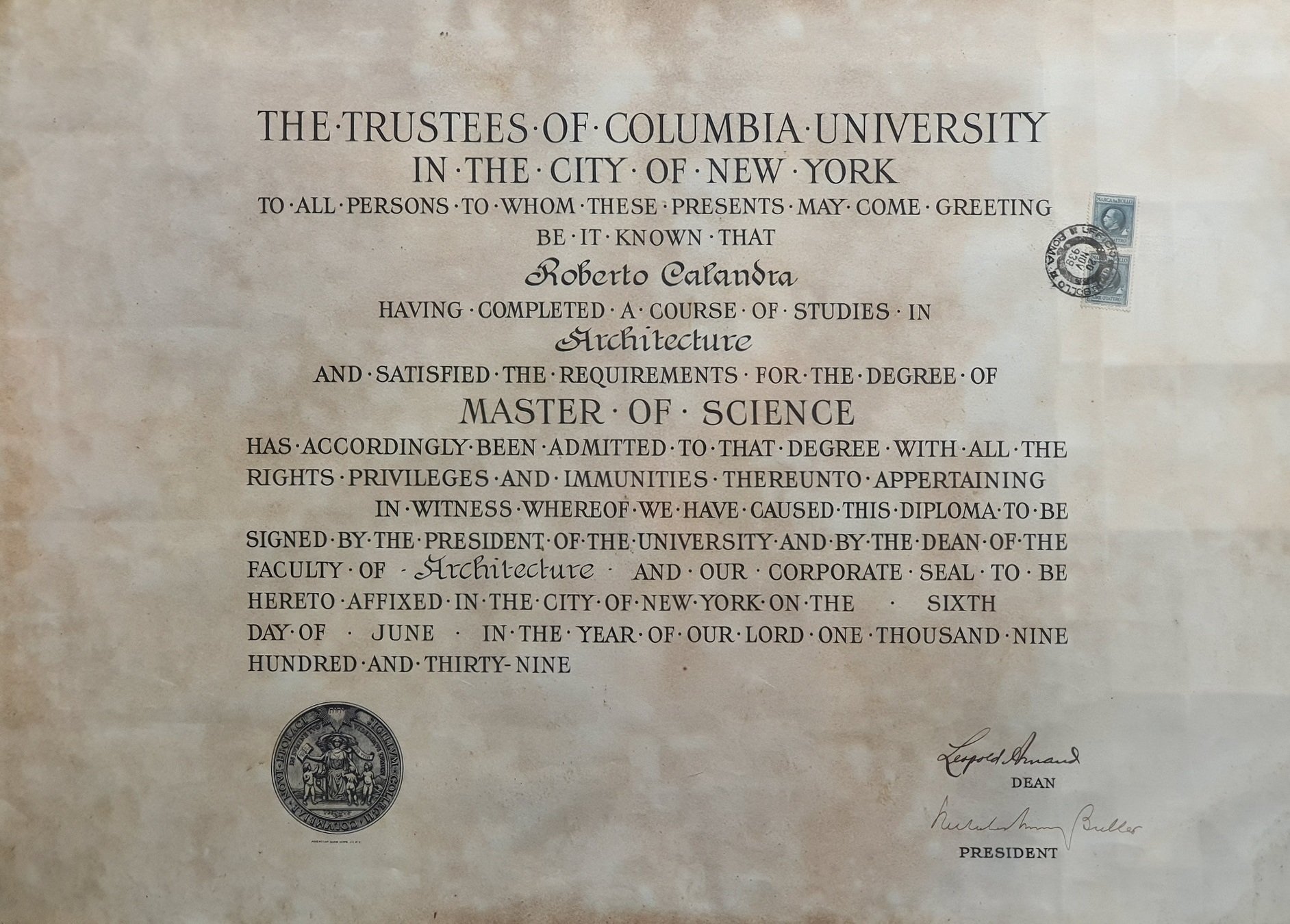
Roberto Calandra is a Full (W3) Professor at Technische Universität Dresden, where he leads the Learning, Adaptive Systems and Robotics (LASR) Lab. Previously, he served as a Research Scientist at Meta AI (formerly Facebook AI Research) and a Postdoctoral Scholar at UC Berkeley’s BAIR Lab under Sergey Levine. His academic journey includes a PhD in Robotics from TU Darmstadt, an M.Sc. in Machine Learning from Aalto University, and a B.Sc. in Computer Science from Università di Palermo. His research bridges Robotics and Machine Learning, focusing on tactile sensing, Bayesian Optimization, and model-based reinforcement learning. He pioneered the DIGIT tactile sensor , now the most widely used tactile sensor in robotics, and advocates for a computational field of Touch Processing to advance haptic understanding. His work emphasizes data-efficient learning, real-world dexterous manipulation, and multimodal perception. Recent publications highlight breakthroughs in tactile sensor design, in-hand object manipulation, and multimodal integration. He organizes workshops on robotics and machine learning (e.g., at NeurIPS, ICRA) and promotes open-source tools like PyTouch and TACTO .
Dr. Peter Wolf is a Lecturer at the Department of Health Sciences and Technology (D-HEST) at ETH Zurich. His research focuses on robot-aided motor learning and sports engineering, particularly exploring concurrent feedback strategies for efficient motor task learning and applications in rowing and climbing. He advises students in the Medical Technology and Human Movement Science & Sport majors, emphasizing interdisciplinary approaches combining biomechanics, mechatronics, and coding. His research group develops tools to support athletes and rehabilitation patients, with a focus on exosuits, exoskeletons, and robotic feedback systems. Notable projects include optimizing gait parameters for adolescents with crouch gait and enhancing wearable robotic systems for daily mobility support. Dr. Wolf also contributes to curriculum design, recommending courses like Biomedical Engineering, Neural Control of Movement, and Machine Learning for Healthcare. His work bridges biomechanical analysis, robotics, and clinical applications, with recent innovations in vestibular stimulation for sleep disorders and thermal stress monitoring for occupational workers. Collaborations span sports science, rehabilitation engineering, and human-robot interaction, reflecting his commitment to applied and interdisciplinary research.
Swiss Federal Institute of Technology in LausanneSwitzerland
Prof. Pavan Ramdya, the DSM-Firmenich Next Generation Chair in Neuroscience at École Polytechnique Fédérale de Lausanne (EPFL), leads the Neuroengineering Laboratory. His research focuses on reverse-engineering biological intelligence in Drosophila melanogaster to inspire neuroprosthetics, robotics, and AI. He holds a PhD in Neurobiology from Harvard University and completed postdoctoral training in robotics (EPFL), neurogenetics (UNIL), and bioengineering (Caltech). University: École Polytechnique Fédérale de Lausanne (EPFL) School: School of Life Sciences Academic Rank: Professor His lab employs computational, engineering, genetic, and microscopy approaches to study neural population dynamics, biomechanics, and gene expression in limb-dependent behaviors. Key research trends from his publications include neuromechanical modeling of Drosophila , sensory-motor integration, and AI-robotics synergy for biological discovery. HFSP Career Development Award Swiss National Science Foundation Eccellenza Grant UNIL Young Investigator Award in Basic Science FENS-Kavli Network of Excellence member The lab mentors doctoral researchers such as Sibo Wang, Victor Stimpfling, and Femke Hurtak, alongside postdoctoral fellows like Jasper Phelps and alumni including Victor Lobato Rios. Collaborations span robotics (Auke Ijspeert), microrobotics (Sakar), and computational imaging (Fua).
Swiss Federal Institute of Technology in LausanneSwitzerland
Giuseppe Schiavone serves as a Researcher holding the Foundation Bertarelli Chair in Neuroprosthetic Technology at the Laboratory for Sensory Processing (LSBI) within the School of Engineering at École Polytechnique Fédérale de Lausanne (EPFL). He concurrently holds Lecturer positions in the School of Life Sciences and the Doctoral Program for Engineering Education, demonstrating cross-disciplinary engagement across EPFL's academic structure. His research centers on neuroprosthetic technology and sensory processing , with emphasis on developing neural interfaces to restore sensory functions. His work bridges engineering and neuroscience through investigations into brain-computer interfaces and neural signal decoding , aiming to create therapeutic devices for sensory restoration. This interdisciplinary approach integrates computational modeling with experimental neuroscience. Dr. Schiavone operates within EPFL's Laboratory for Sensory Processing, a specialized research unit focused on understanding neural mechanisms of sensory perception and translating findings into neuroprosthetic applications. The laboratory collaborates with clinical partners to advance neural engineering solutions for neurological impairments, situated within EPFL's Institute of Neurosciences framework.
University of Applied Sciences and Arts Northwestern SwitzerlandSwitzerland
Dr. Carine Gaiser is a Researcher at the School of Life Sciences, FHNW University of Applied Sciences and Arts Northwestern Switzerland. She is affiliated with the Institute for Chemistry and Bioanalytics, focusing on cell biology and in vitro toxicology. Her research employs cell cultures and tissue engineering to investigate disease mechanisms and substance efficacy/toxicity. Key collaborations include work on blood-brain barrier models, neuroregenerative scaffolds, and liver toxicity pathways. Her research interests span regenerative medicine, drug toxicity assessment, and biomarker discovery for fibrosis. She contributes to 'New Approach Methodology' (NAM) initiatives promoting non-animal testing strategies. Dr. Gaiser has published on topics ranging from miRNA roles in liver fibrosis to 3D cell culture platforms for high-throughput screening. Her work emphasizes translational applications, including in vitro models for drug development and tissue engineering innovations. She has presented findings at conferences like the ASHP Midyear Meeting and collaborates with interdisciplinary teams to advance alternative toxicology methods.
Dr. Semih Sevim is a Researcher in the Department of Robotics and Intelligent Systems at ETH Zürich. His work focuses on advanced robotics, nanotechnology, and their biomedical applications. He leads projects involving microrobotics, smart materials, and microfluidic manufacturing systems. His research integrates engineering principles with material science to develop innovative solutions for targeted therapies, regenerative medicine, and autonomous systems. Key research themes include magnetoelectric microrobots for spinal cord injury treatment, piezoelectric catalysis for biomedical applications, and microfluidic-based synthesis of advanced materials. He has pioneered techniques for on-the-fly material fabrication and wireless neural stimulation systems. Advising: Supervises doctoral student Roshan Shankar Kaundinya in robotics and materials engineering. His work bridges fundamental research with clinical applications, emphasizing translational technologies. Publications highlight advancements in microrobot design, biodegradable materials, and microfluidic systems, reflecting a multi-disciplinary approach to robotics and nanotechnology.
Swiss Federal Institute of Technology in LausanneSwitzerland
Desirée Maulà is a Researcher affiliated with the Laboratory for Soft Bioelectronic Interfaces at the École Polytechnique Fédérale de Lausanne (EPFL) , under the School of Engineering . She is also a doctoral student in the Doctoral Program in Microsystems and Microelectronics . Primary Affiliation : Chaire Fondation Bertarelli de technologie neuroprosthétique Department : Laboratory for Soft Bioelectronic Interfaces (LSBI) Academic Status : Doctoral student in Microsystems and Microelectronics Her research focuses on neuroprosthetic technologies, integrating principles from bioengineering, soft bioelectronics, neural interfaces, and microsystems engineering. This work aligns with the development of advanced medical devices and neurotechnologies to address clinical challenges.