Hsiao-Tuan ChaoView profile
Assistant Professor
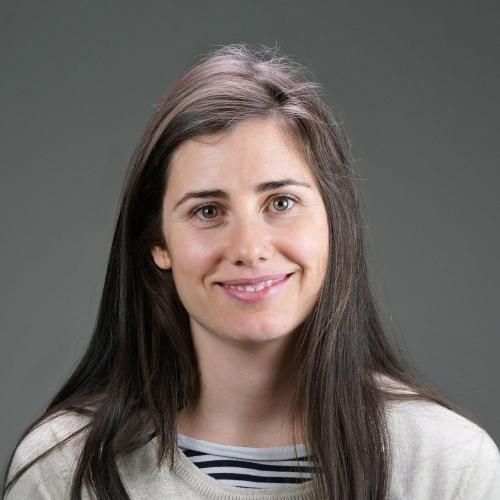
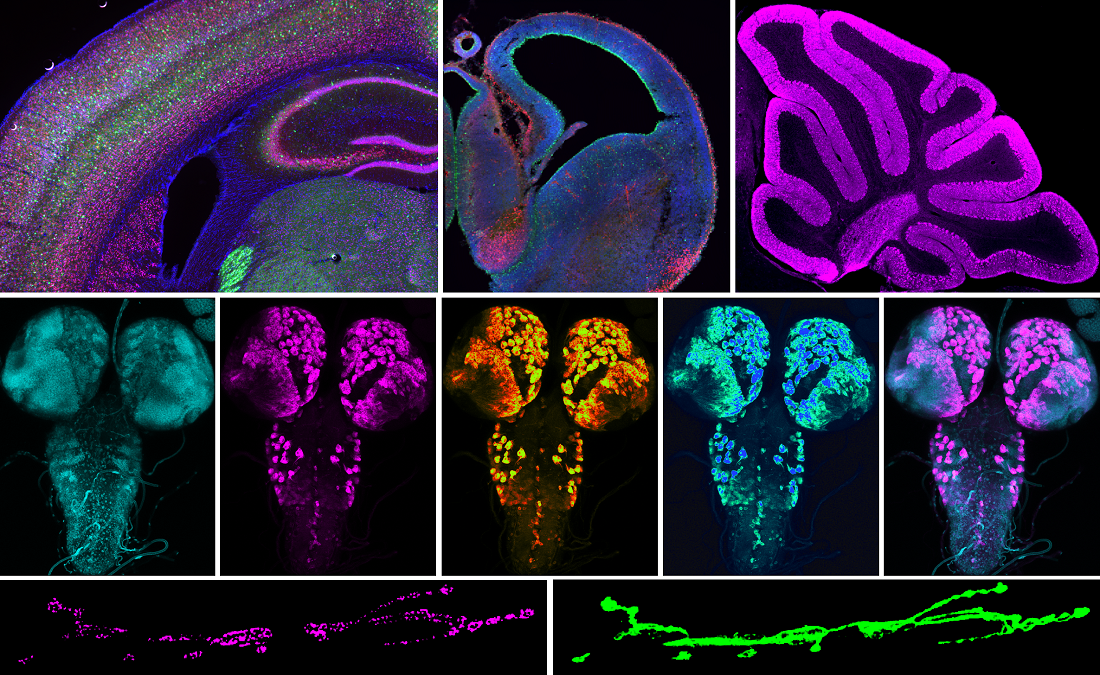
Dr. Hsiao-Tuan Chao is an Assistant Professor at Baylor College of Medicine with primary appointments in the Department of Pediatrics (Division of Neurology and Developmental Neuroscience), Department of Molecular and Human Genetics, and Department of Neuroscience. She serves as an Investigator at the Jan and Dan Duncan Neurological Research Institute and Texas Children's Hospital, and is a McNair Scholar at the McNair Medical Institute. Dr. Chao also holds leadership roles as Associate Program Director for the Basic Neuroscience Pathway in the Child Neurology Residency Training Program and as a Faculty Senator at Baylor College of Medicine. Dr. Chao's educational background includes: MD from Baylor College of Medicine (2012) PhD in Neuroscience from Baylor College of Medicine (2010) BS in Neuroscience and BA in Biochemistry (summa cum laude) from University of Texas at Austin (2002) Plan II Honors in Liberal Arts (summa cum laude) from University of Texas at Austin (2002) Her research focuses on understanding the genetic and neurophysiologic underpinnings of neurodevelopmental disorders including intellectual disability, epilepsy, autism, and schizophrenia. A central theme in her work is examining how disrupted inhibitory neuronal development and function contribute to these conditions. The Chao Lab integrates cross-species approaches using human genomics to uncover genetic etiologies, fruit flies to elucidate molecular pathways, and mice to explore consequences in the mammalian brain. Key research areas include EBF3-related disorders (HADDS syndrome), STXBP1 encephalopathy, EIF2AK variants (LEUDEN and LEMPSAD syndromes), and PPFIA3-related neurodevelopmental disorders. Analysis of Dr. Chao's recent publications reveals a strong focus on identifying novel disease genes and characterizing genotype-phenotype relationships in neurodevelopmental disorders. Her work spans multiple technical approaches including whole-genome sequencing, RNA sequencing, DNA methylation analysis, and functional validation using model organisms. A significant portion of her research examines how specific genetic variants impact protein function and neuronal development, with particular attention to transcriptional regulation, protein translation, and synaptic function. Dr. Chao has received numerous prestigious awards recognizing her contributions to neuroscience and neurology: 2022 "40 Under 40" List of Autism Researchers (Global Rising Stars in Autism Research) 2022 Young Investigator Award from Baylor College of Medicine Department of Pediatrics 2022 Induction to the Society for Pediatric Research 2020 Philip R. Dodge Young Investigator Award from the Child Neurology Society 2019 Health Care Heroes - Rising Star Award from Houston Business Journal 2017 STAT Wunderkind Award Dr. Chao actively mentors a large team of researchers including postdoctoral fellows, graduate students, medical students, and genetic counseling students. Her lab has secured significant funding including an NIH R01 grant (Molecular and Cellular Mechanisms of Cerebellar Dysfunction in Neurodevelopmental disorders), a DP5 Early Independence Award from NIH, and funding from the Burroughs Wellcome Fund. Current research initiatives include the Undiagnosed Epilepsy Genetics Initiative, EBF3-related disorders research study, and a Phase 1/2a clinical trial of CAP-002 Gene Therapy for STXBP1 Encephalopathy. The Chao Lab operates within the Jan and Dan Duncan Neurological Research Institute, leveraging multiple core facilities including the Microscopy Core, Rodent Neurobehavior Core, High Throughput Behavioral Screening Core, and Optogenetics and Viral Vectors Core. Her team collaborates extensively with the Undiagnosed Diseases Network and maintains active partnerships with clinicians at Texas Children's Hospital to translate research findings into clinical applications.