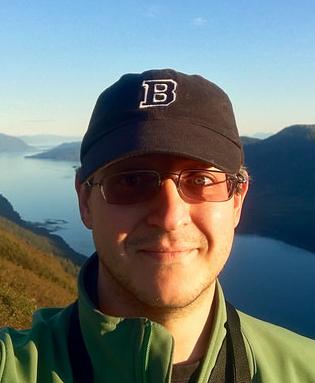
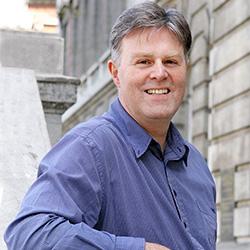
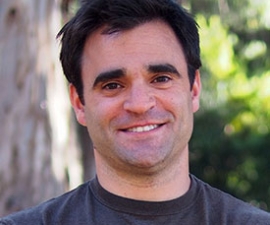
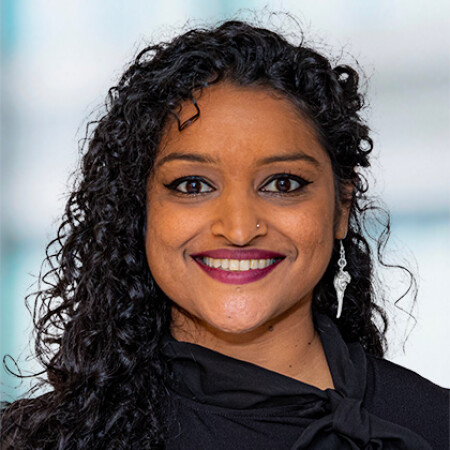
Dr. Davide Albertini is a Researcher at the Department of Medicine and Surgery, University of Parma. He teaches courses on Computer Skills , Bibliographic Research , and Neural Signal Analysis for both first and second cycle degree programs in Psychological Sciences. Neuroscience research focused on sensorimotor and sociocognitive neural mechanisms Develops visualization software (HiBoP) for intracranial EEG datasets Specializes in neural decoding of motor actions using computational methods His work combines neuroethology , machine learning , and neural signal analysis to study motor cortex functions in freely moving primates. Current projects examine: Neural coding differences between action execution and observation Clustering algorithms for premotor cortex activity patterns Shared neural representations for biological vs. nonbiological movements
Dr. Ehsan Kheradpezhouh is a Research Fellow at the Eccles Institute of Neuroscience , part of the Australian National University (ANU). With an MD from Shiraz University and a PhD in Physiology from Adelaide University (2015), his work focuses on the physiological and pathological roles of Transient Receptor Potential (TRP) channels in mammalian cortical neurons. He employs in vivo and in vitro electrophysiology, two-photon calcium imaging, and behavioral assays to investigate TRPA1 modulation in sensory processing across whisker-touch and vision, extending this to pathologies like Multiple Sclerosis and Epilepsy. Education: MD, Shiraz University PhD in Physiology, University of Adelaide (2015) Research Interests center on TRP channels, sensory processing in somatosensory and visual cortex, neuronal excitability, and their implications in neurological diseases. His work bridges molecular mechanisms with behavioral outcomes, utilizing rodent models for translational applications. Scientific Contributions include key publications in Communications Biology , Nature Communications , and Cell Reports , alongside an NHMRC 2022 Small Equipment Grant . His projects, such as "Understanding the physiological and pathological roles for TRP channels in the mammalian cortex" (2020-2023), highlight collaborations with the Arabzadeh Group at ANU. Scientific Awards: NHMRC 2022 Small Equipment Grant Collaborations include partnerships with Prof. Ehsan Arabzadeh, Prof. Jason Mattingley, and Dr. Charles Lee, focusing on cortical circuitry, sensory integration, and neurodegenerative disease modeling using brain organoids.
Friedemann Zenke is an Assistant Professor at the University of Basel and a Junior Group Leader at the Friedrich Miescher Institute for Biomedical Research (FMI), Basel, Switzerland. His research lies at the intersection of computational neuroscience, machine learning, and neuromorphic engineering, focusing on modeling memory formation and information processing in neural networks. Assistant Professor, University of Basel (2022–present) Junior Group Leader, FMI (2019–present) SNSF Eccellenza Fellow (2022–2027) Education: PhD, School of Computer and Communication Sciences, EPF Lausanne, Switzerland (2014) Diplom in Physics, University of Bonn and Australian National University (2009) Postdoctoral Fellow, Stanford University (2015–2017) Sir Henry Wellcome Postdoctoral Fellow, University of Oxford (2017–2019) His research interests center on understanding how plasticity mechanisms—such as Hebbian, homeostatic, and predictive plasticity—enable learning and memory in biologically inspired neural networks. He develops computational models using spiking and rate-based networks, leveraging high-performance computing and machine learning tools. His work integrates theoretical analysis from dynamical systems and statistical physics with practical dimensionality reduction techniques to compare model outputs with experimental data. A major focus is on surrogate gradient methods for training non-differentiable spiking networks, enabling their application in neuromorphic hardware. The recent publications highlight a strong trend toward bridging theoretical neuroscience with practical AI and hardware applications. Key themes include credit assignment in spiking networks , energy-efficient neuromorphic learning , biologically plausible plasticity rules , and benchmarking frameworks for emerging neural models. His work increasingly emphasizes the co-design of algorithms and hardware for next-generation brain-inspired computing systems. Scientific Awards: SNSF Eccellenza Fellowship (2022–2027) Wellcome Trust Postdoctoral Fellowship (2016–2019) Swiss National Science Foundation Postdoctoral Fellowship (2015–2016) Teaching Award, EPFL (2012) Marie Curie PhD Fellowship (2010–2014) DAAD Fellowship (2006) Friedemann Zenke leads an active research group at FMI, advising multiple PhD students and mentoring postdoctoral fellows. His research is supported by competitive grants, including the SNSF Eccellenza grant. He is a key member of the Computational Neuroscience Initiative Basel , fostering interdisciplinary collaboration between theoretical and experimental neuroscience. His lab develops large-scale neural network simulations and contributes to open tools for evaluating spiking neural networks, such as the Heidelberg Spiking Data Sets. Future work aims to further unify principles of biological learning with scalable, efficient AI systems.
David Sterratt is a Lecturer in the School of Informatics at The University of Edinburgh, where he has been a University Teacher and researcher since 2000. He is affiliated with the Institute for Adaptive and Neural Computation and the Centre for Statistics, and serves as Deputy Director of Learning & Teaching (Operations). His work bridges computational neuroscience, data science, and sustainability education. His educational background includes an undergraduate degree in Physics and a PhD in computational neuroscience. He is a Fellow of the Higher Education Academy (HEA), reflecting his commitment to pedagogy. PhD in Computational Neuroscience BSc in Physics David Sterratt's research focuses on computational neuroscience , particularly multiscale modelling of neurons, synaptic plasticity, and the development of neural topographic maps. He combines rule-based models of molecular interactions with compartmental models of neuronal electrical activity using tools like KappaNEURON. His work on retinal reconstruction via the Retistruct software has enabled accurate transformation of flattened retinae into 3D anatomical space. He also investigates learning mechanisms in associative memory and familiarity detection in neural networks. His recent publications reflect a deep engagement with hybrid computational models, calcium dynamics in dendritic spines, and the quantitative analysis of neural development. Themes across his work include multiscale integration , stochastic and deterministic modelling , and biologically constrained simulations . Scientific honors include: Fellow of the Higher Education Academy (HEA) He is actively involved in teaching and supervision. He co-designed and organizes the second-year undergraduate course Informatics 2 - Foundations of Data Science and teaches Modelling of Systems for Sustainability . He supervises undergraduate and postgraduate projects and welcomes PhD supervision enquiries. His current PhD students include Domas Linkevicius and Susana Román García, co-supervised with Melanie Stefan. David Sterratt leads significant educational initiatives and software development. He developed and maintains Retistruct and KappaNEURON, and has contributed R packages for computational neuroscience. He previously served as Energy Coordinator for the Informatics Forum (2011–2019), demonstrating a longstanding commitment to sustainability.
Carlos E Vargas-Irwin is an Assistant Professor of Neuroscience (Research) at Brown University. His work focuses on understanding how networks of neurons represent and transform information, with particular emphasis on the relationship between cortical neuron activity and upper limb motion control. He is affiliated with the Department of Neuroscience in the School of Engineering and collaborates extensively with researchers across Brown's neuroscience and engineering communities. Assistant Professor of Neuroscience (Research), Brown University NIH Director's New Innovator Award recipient (DP2NS111817) Member of the Donoghue Lab at Brown University Extensive collaborator with John Donoghue (14 co-publications) Dr. Vargas-Irwin's research interests center around brain-computer interfaces , cortical computation , neuroinformatics , and neuroprosthetics . His work aims to understand how neural networks encode movement information and transform it into action. He has developed mathematical 'neural decoder' models capable of reconstructing complex limb movements based solely on neural activity and has examined how visual information shapes motor planning for grasping. His research has significant implications for developing brain-controlled neuroprosthetic assistive devices for individuals with paralysis. Analysis of Dr. Vargas-Irwin's recent publications reveals a strong focus on decoding neural signals for brain-computer interfaces, particularly in human patients with tetraplegia. His work spans multiple aspects of neural decoding including movement intention, force representation, and the relationship between different neural signal types (spikes, local field potentials). He has made significant contributions to computational methods for neural data analysis, including the Spike Train Similarity Space (SSIMS) framework, which has been openly shared with the neuroscience community. NIH Director's New Innovator Award: DP2NS111817 (NINDS) 'Synergistic Effector/Environment encoding: A new perspective on motor cortex and brain-computer interfaces' Dr. Vargas-Irwin collaborates extensively with leading researchers in neuroscience and engineering at Brown University, including John Donoghue (with whom he has 14 co-publications), Matthew Harrison, Leigh Hochberg, and Arto Nurmikko. His research is supported by significant NIH funding through the prestigious New Innovator Award. He has developed openly shared software tools for neuroscience data analysis that have fostered multiple ongoing collaborations across the neuroscience community. His work is primarily conducted through the Donoghue Lab at Brown University, which focuses on understanding neural coding and developing brain-computer interfaces. The lab brings together expertise in neuroscience, engineering, and computational methods to tackle fundamental questions about how the brain controls movement and how this knowledge can be applied to assistive technologies for people with neurological disorders.
Jason Tait Sanchez serves as Associate Professor and Director of Graduate Studies in the Department of Communication Sciences & Disorders at Northwestern University's School of Communication, where he is also a Fellow of the Hugh Knowles Center. His research focuses on neural mechanisms underlying auditory processing, with emphasis on time-coding in the brainstem. His educational trajectory includes a BA in Communication Disorders from the University of Northern Colorado, MA in Audiology and Speech Sciences from Michigan State University, PhD in Audiology and Neuroscience from Kent State University, and an Otolaryngology Fellowship at the University of Washington. Dr. Sanchez's research program centers on auditory neuroscience , specifically investigating synaptic transmission, ion channel function, and developmental specialization in the auditory brainstem using avian models. His work combines electrophysiological, anatomical, and computational approaches to unravel how neural circuits encode temporal information for sound localization and speech processing, with implications for hearing disorders and neural plasticity. Analysis of his 2015-2020 publications reveals a cohesive research trajectory examining intrinsic neuronal properties and ion channel mechanisms in the avian nucleus magnocellularis. His work demonstrates how specialized cellular features enable precise temporal coding, with applications spanning molecular neuroscience, clinical audiology, and computational modeling of auditory processing. His scientific recognition includes: 2019 Faculty Appreciation Recipient (Northwestern Athletics) 2017 & 2016 Northwestern University Faculty Honor Roll 2015 Clarence Simon Award for Teacher and Mentor 2014 Young Investigator Award (American Auditory Society) Dr. Sanchez directs the Central Auditory Physiology Laboratory and has secured significant research funding, including NIH/NIDCD R01 DC017167 (Molecular Mechanisms of Tonotopy Development) and R03 DC0103841 (Synaptic Function Regulation), alongside Knowles Hearing Research Center support. His grant portfolio reflects sustained investigation into developmental auditory neuroscience with translational potential. The Central Auditory Physiology Laboratory employs integrated approaches including in vivo electrophysiology, anatomical analysis, and computational modeling to investigate neural coding principles, with particular focus on how developmental processes shape auditory circuitry for precise temporal processing.
Professor Allan E Herbison serves as Professor of Neuroendocrinology and Wellcome Trust Senior Research Fellow within the Department of Physiology, Development and Neuroscience at the University of Cambridge. His work is central to Cambridge Reproduction, an interdisciplinary research initiative focused on reproductive biology. As a Fellow of the Royal Society of New Zealand (FRSNZ), he maintains significant international recognition for his contributions to reproductive neuroendocrinology. Herbison's research program investigates the neural circuitry controlling fertility, with primary focus on gonadotropin-releasing hormone (GnRH) neurons and kisspeptin neurons. His laboratory employs advanced neuroscience approaches and mouse models to address fundamental questions about how these neural populations generate the pulsatile and surge patterns of hormone secretion responsible for puberty initiation and reproductive function maintenance. Current research examines neural mechanisms underlying infertility conditions like hypothalamic amenorrhea and polycystic ovary syndrome (PCOS), with particular interest in estrogen and progesterone modulation of reproductive circuitry. Analysis of his recent publications reveals a strong emphasis on neural pulse generator dynamics , kisspeptin neuron synchronization , and translational applications for infertility . His work increasingly integrates optogenetics , calcium imaging , and CRISPR-based molecular techniques to dissect reproductive neurocircuitry with cellular precision. The research demonstrates consistent progression from basic neural mechanisms toward disease models, particularly PCOS and lactational infertility. Scientific recognition includes: Wellcome Trust Senior Research Fellowship Fellowship in the Royal Society of New Zealand (FRSNZ) Herbison's laboratory maintains active collaborations across neuroscience and reproductive medicine, with significant contributions to understanding how stress, metabolic factors, and reproductive states modulate the GnRH pulse generator. Current projects investigate prolactin-mediated suppression of fertility during lactation, noradrenergic modulation of kisspeptin neurons, and evolutionary conservation of reproductive neurocircuitry. His work bridges fundamental neuroscience with clinical applications in contraception and infertility treatment.
Dr. Felix Aplin is a researcher at the University of New South Wales (UNSW), Faculty of Medicine, specializing in Biomedical Engineering with a focus on neural engineering and neuroprosthetics. His research spans multiple domains within neuroscience and biomedical technology, with significant contributions to understanding and developing neural modulation techniques. Dr. Aplin's primary research interests center around neural engineering and neuroprosthetics , with particular expertise in direct current neural modulation techniques. His work investigates how electrical stimulation can be used to modulate neural activity in the vestibular system, peripheral nerves, and visual pathways. He has made significant contributions to understanding how ionic direct current can be used for combined inhibition and excitation of neural systems, with applications in pain management, vestibular disorders, and visual restoration. Analysis of Dr. Aplin's publication record reveals a strong trajectory in developing implantable neural modulation technologies. His research demonstrates an evolution from basic neural mechanisms to practical applications in neuroprosthetics. A significant portion of his work focuses on pain management through peripheral nerve modulation, while another major strand explores visual restoration through retinal prostheses. His recent publications (2023-2024) show increasing translational focus, with studies moving from rodent models to human applications in pain research. Dr. Aplin collaborates extensively with leading researchers in neural engineering, particularly with G. Y. Fridman, with whom he has co-authored numerous publications including book chapters on implantable direct current neural modulation. His research bridges multiple disciplines including neuroscience, biomedical engineering, and clinical applications.
Hillel Adesnik serves as Associate Professor in the Department of Molecular and Cell Biology at the University of California, Berkeley, with additional affiliation in Neuroscience. His research program centers on deciphering how cortical microcircuits transform sensory input into perceptions and behaviors, utilizing cutting-edge approaches in awake behaving mice to bridge cellular mechanisms with cognitive functions. Adesnik's research investigates the neural basis of perception through three integrated pillars: (1) dissecting horizontal and vertical connections in cortical layers for sensory feature extraction, (2) developing high-resolution optical tools like 3D-SHOT for single-neuron manipulation in intact brains, and (3) analyzing cross-cortical communication for percept synthesis. His lab combines two-photon imaging, optogenetics, electrophysiology, and computational modeling to study tactile processing in barrel cortex and visual perception, revealing how specific neuron types and synaptic mechanisms generate perceptual codes. Key discoveries include layer-specific inhibitory control, supra-linear feature summation, and gamma-band synchronization mechanisms. Analysis of Adesnik's publication record shows consistent focus on cortical microcircuit dynamics across sensory modalities, with increasing emphasis on tool development since 2017. His work demonstrates how precise neural manipulations can establish causal links between circuit activity and perception, particularly through innovations in holographic optogenetics. Recurring themes include the role of somatostatin interneurons in layer-specific processing, cross-laminar interactions in feature coding, and the development of quantitative frameworks for neural population decoding. Scientific recognition includes: Chan Zuckerberg Biohub Investigator (2022 cohort) Adesnik mentors a robust research team comprising postdoctoral fellows (Lamiae Abdeladim, Janine Beyer, Conor Dorian, Will Hendricks, Uday Jagadisan, Mora Ogando, Masato Sadahiro, Kevin Sit, Savitha Sridharan, Andrea Zazzi) and graduate students (Genesis Ferrer Imbert, Courtney Kim, Madi McCloud, Ravi Srinivasan). His lab operates through structured collaboration with engineering groups for optical tool development and maintains active partnerships for disease-model applications. Funding sources include the Chan Zuckerberg Biohub and NIH grants supporting neurotechnology innovation. The Adesnik Lab maintains three core research thrusts through an integrated experimental pipeline: in vivo circuit interrogation in behaving animals, in vitro synaptic analysis, and novel optical instrument development. Current work emphasizes translating high-resolution manipulation techniques to disease models including autism and epilepsy, while expanding into multi-area cortical dynamics during complex behavioral tasks.
Kirupa Suthakar is an Assistant Professor in the Department of Speech, Language, and Hearing at the School of Behavioral and Brain Sciences, University of Texas at Dallas. Her research focuses on the neurophysiological mechanisms of auditory processing, with specialized expertise in descending auditory pathways, neuromodulation, and hearing loss pathologies. She maintains an office in EA5.410G and can be contacted via email or phone (972-883-3025). Research Interests: Dr. Suthakar investigates the neuroanatomy and neurophysiology of auditory efferent circuits, examining how central nervous system pathways modulate peripheral auditory function. Key areas include: Non-canonical neuromodulation in auditory feedback systems Cochlear synaptopathy and noise-induced hearing loss mechanisms Experience-dependent plasticity in central-to-peripheral auditory pathways Development of novel neurodiagnostic algorithms for auditory assessment Publications Analysis: Her research demonstrates consistent focus on auditory neuroscience with methodological expertise in electrophysiology (patch-clamp), optogenetics, and murine models. Recent works emphasize algorithm development for auditory threshold detection (2025) and serotonin's role in efferent modulation (2023), showing progression from neuroanatomical mapping toward therapeutic applications for hearing disorders.
Jean Bullier is a renowned neuroscience researcher affiliated with Grenoble Alpes University , focusing on the visual system and neural mechanisms in macaques. His work bridges neuroscience, anatomy, and electrophysiology, with a particular emphasis on visual cortex dynamics and information processing. His research explores visual cortex , receptive field modulation, and extrastriate cortex interactions. By integrating computational models and physiological studies, he investigates how feedforward and feedback connections shape visual perception and neural coding in primates. Scientific awards include the 2023 Research.com Neuroscience in France Leader Award . His publications highlight cortical feedback mechanisms, signal integration in primary visual cortex, and the role of axons in neural activation. Collaborations span institutions like McGill University and Chinese Academy of Sciences .
Professor G. Mugesh holds the Department of Inorganic and Physical Chemistry at the Indian Institute of Science, Bangalore . His research bridges chemical biology , bioinorganic chemistry , and medicinal chemistry to address biomedical challenges through redox regulation and nanomaterial engineering . Recipient of J. C. Bose National Fellowship (Second Term) and Swarnajayanti Fellowship Developed nanozymes for glutathione peroxidase , superoxide dismutase , and catalase mimicry Research focuses on thyroid hormone metabolism , reactive oxygen species detection , and ferroptosis regulation , with recent work on genetic code expansion for enhanced protein delivery . His iodine-substituted fluorescent probes revealed novel halogen bonding mechanisms in cell membrane transport . Key findings include: First chemical model for inner-ring deiodination of thyroxine Discovery of crystal facet-dependent catalytic activity in manganese oxide nanozymes Development of vanadia nanowires that modulate signaling pathways in pulmonary embolism models His group has received multiple grants from DST , DBT , and CSIR , with international collaborations like those with Hadassah Medical Organization . The team has established multidisciplinary laboratories for organic/inorganic synthesis and cell-based studies .
Vincent Breton-Provencher is an Assistant Professor in the Department of Psychiatry and Neuroscience at Laval University, where his research centers on the neuronal correlates of learning and attention with emphasis on catecholaminergic systems. His educational background includes: Undergraduate: Engineering Physics (optics and photonics) PhD: Université Laval (adult neurogenesis under Dr. Armen Saghatelyan) Postdoctoral training: Massachusetts Institute of Technology (noradrenergic circuits under Dr. Mriganka Sur) Dr. Breton-Provencher employs optogenetics , two-photon functional imaging , electrophysiology , and computational approaches to dissect spatiotemporal dynamics of neuromodulators during behavior. His work investigates how catecholamines (noradrenaline and dopamine) regulate cortical processing during learning and how their dysfunction contributes to neuropsychiatric disorders, with key contributions in reinforcement learning and arousal control mechanisms. Analysis of his 2018-2025 publications reveals a dominant focus on noradrenergic signaling in learned behavior, with increasing exploration of astrocyte interactions and cross-species neural circuit comparisons. His research consistently bridges molecular techniques with behavioral paradigms to establish causal links between neuromodulator dynamics and cognitive functions. No scientific awards are mentioned in the provided information. Dr. Breton-Provencher actively recruits students for his VBP Lab (vbplab.com) at the CERVO research center, emphasizing hands-on training in advanced neuroscience methodologies. While specific grants are not detailed, his work leverages institutional resources from Laval University and likely receives support from Canadian neuroscience funding bodies. The VBP Lab operates within Quebec City's CERVO research ecosystem, collaborating with interdisciplinary teams to translate mechanistic insights about catecholamine function into understanding neuropsychiatric disorders. Current projects integrate circuit-level manipulations with behavioral analytics to develop novel therapeutic frameworks.
Feng Wang is an Adjunct Professor at the Faculty of Dentistry, Laval University, and a Scientist at the CERVO Brain Research Center. His research focuses on somatosensory perception, particularly thermal perception and chronic pain mechanisms. PhD : Institute of Neuroscience, Shanghai (under Dr. Xu Zhang) Postdoctoral Training : Mental Health Institute, Quebec City (Yves De Koninck's lab) Research interests include: Investigating sensory encoding through in vivo calcium imaging and optogenetics Studying thermal perception mechanisms in primary sensory neurons Elucidating chronic pain pathways in spinal cord circuits Developing optogenetic tools for pain modulation His recent publications highlight applications of in vivo calcium imaging , optogenetics , and genetic/pharmacological interventions to understand pain processing and develop novel therapeutic strategies. Affiliations: Laval University (Faculty of Dentistry) CERVO Brain Research Center
Dr. Eleni Christoforidou is a Research Fellow in Neuroscience at the University of Sussex and a part-time Principal Investigator funded by the Motor Neurone Disease Association. Her research focuses on neurodegenerative diseases, particularly Amyotrophic Lateral Sclerosis (ALS) , with expertise in molecular biology, bioinformatics, and neuroinflammation. PhD in Neuroscience (University of Sussex, 2022) MSci (Hons) in Neuroscience (University of Glasgow, 2018) Her scientific work explores the interplay between dynein dysfunction , TDP-43 protein aggregation , and autophagy in ALS. She specializes in identifying non-coding RNA biomarkers for disease prognosis, utilizing long-read RNA sequencing and advanced bioinformatics tools. Recent projects include developing MATLAB-based software for neuromuscular junction image analysis , cell morphometry , and qPCR replicate analysis . Key research outputs include studies on sex-specific microRNA dysregulation in ALS and technical rigor in qPCR . Her software tools have been archived in the GitHub Arctic Code Vault for long-term preservation. Fellowship of the Higher Education Academy (FHEA) Student Rep Bronze Award As an educator, she has taught neuroscience, psychology, and biomedical topics to over 500 students across multiple degree programs. She mentors junior researchers and participates in public outreach, including Brain Awareness Week and MedSTEMPowered virtual programs.