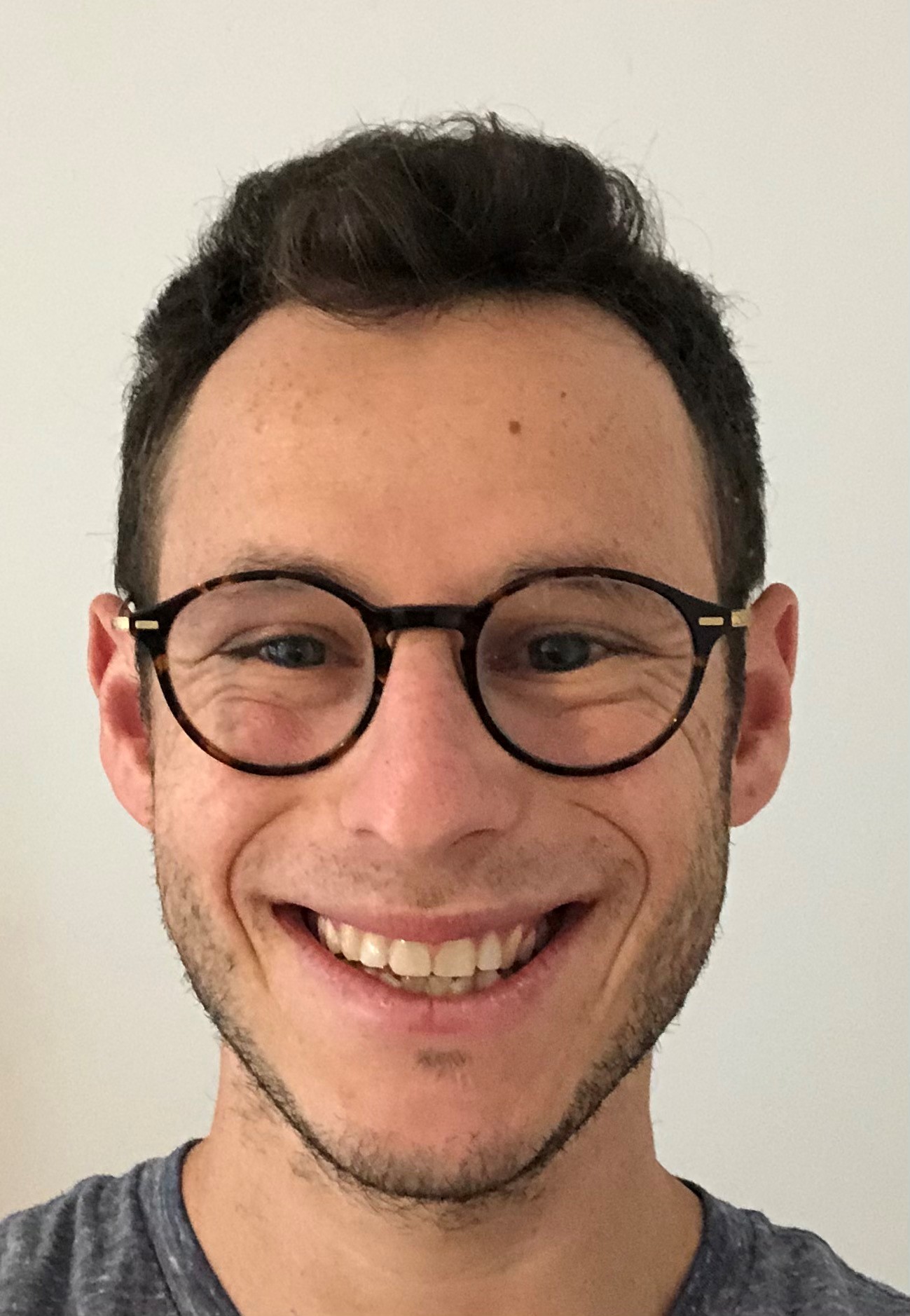
Rui CostaView profile
Professor
Rui Costa is a Professor of Neuroscience and Neurology at Columbia University's Vagelos College of Physicians and Surgeons. He previously served as Director and Chief Executive Officer of Columbia's Zuckerman Mind Brain Behavior Institute from 2017 to 2022. His research focuses on understanding brain mechanisms guiding innate and learned behaviors, particularly spontaneous movement and decision-making processes, with applications to movement disorders like Parkinson's disease. Education: Dr. Costa holds a DVM and PhD, though specific institutional details for his degrees are not provided in the texts. His doctoral training likely aligns with his current neuroscientific expertise. Research Interests: Dr. Costa investigates how the brain initiates, selects, and refines movements, studying basal ganglia circuits involved in both voluntary and habitual actions. His work connects these circuits to diverse disorders including autism, Tourette’s syndrome, Parkinson's, Huntington’s disease, and schizophrenia. He explores neuroimmune interactions, circadian rhythms' impact on gut immunity, and dopamine's role in behavioral control and navigation. Publications Trends: His recent work emphasizes corticospinal neuron connectivity, dopamine signaling in memory and behavior, and the neurobiology of habitual actions. Earlier studies investigated Notch signaling in long-term memory formation and molecular mechanisms underlying addiction behaviors. Scientific Awards: Member, National Academy of Medicine (2019) Early Career Scientist Award, Howard Hughes Medical Institute (2012-2017) Ariëns Kappers Award (2017) Knighthood (Order of Sant'Iago da Espada, 2014) Elected EMBO Member (2014) Grants & Leadership: Principal Investigator for the NIH Brain Initiative Team-Research Circuit Program (2017-present). His leadership at the Zuckerman Institute advanced interdisciplinary research on brain science. Advising includes doctoral students in Neurobiology and Behavior programs. Labs/Teams: His lab studies basal ganglia and corticospinal circuits, with collaborations on neuroimmune and dopaminergic systems. Access his lab's work at Columbia's Zuckerman Institute .