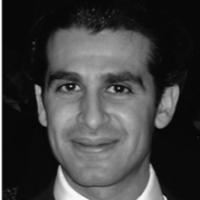
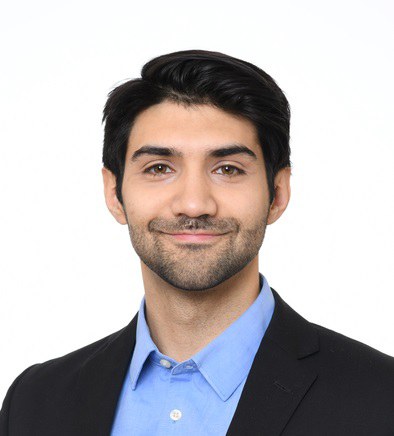
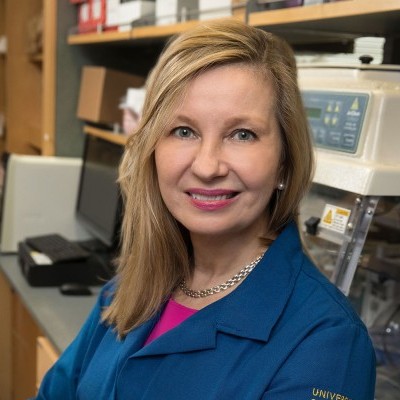
Dr. Juan Alvaro Gallego is a Senior Lecturer (equivalent to Associate Professor) in the Department of Bioengineering at Imperial College London's Faculty of Engineering. He leads the Behaviour and Neural Dynamics Lab (Be.Neural), a multidisciplinary team focused on understanding neural mechanisms underlying motor control and spinal cord learning, with applications in developing neural interfaces to restore movement in conditions like Parkinson’s disease and paralysis. His research integrates behavioral experiments, neural recordings, data analysis, and computational models, funded by the ERC, EPSRC, ARIA, and industry partners like InBrain Neuroelectronics and Meta Reality Labs. Research interests include motor control, neural dynamics, and clinical applications of neural engineering. The lab collaborates across systems neuroscience and biomedical engineering, aiming to translate fundamental discoveries into therapeutic technologies. Key areas of focus include neural manifolds, synaptic plasticity in motor learning, and closed-loop neuroprosthetics for tremor management. Funding sources include the European Research Council, Engineering and Physical Sciences Research Council, and industry collaborations. The Be.Neural Lab’s work is showcased on their dedicated website (https://beneural.ic.ac.uk).
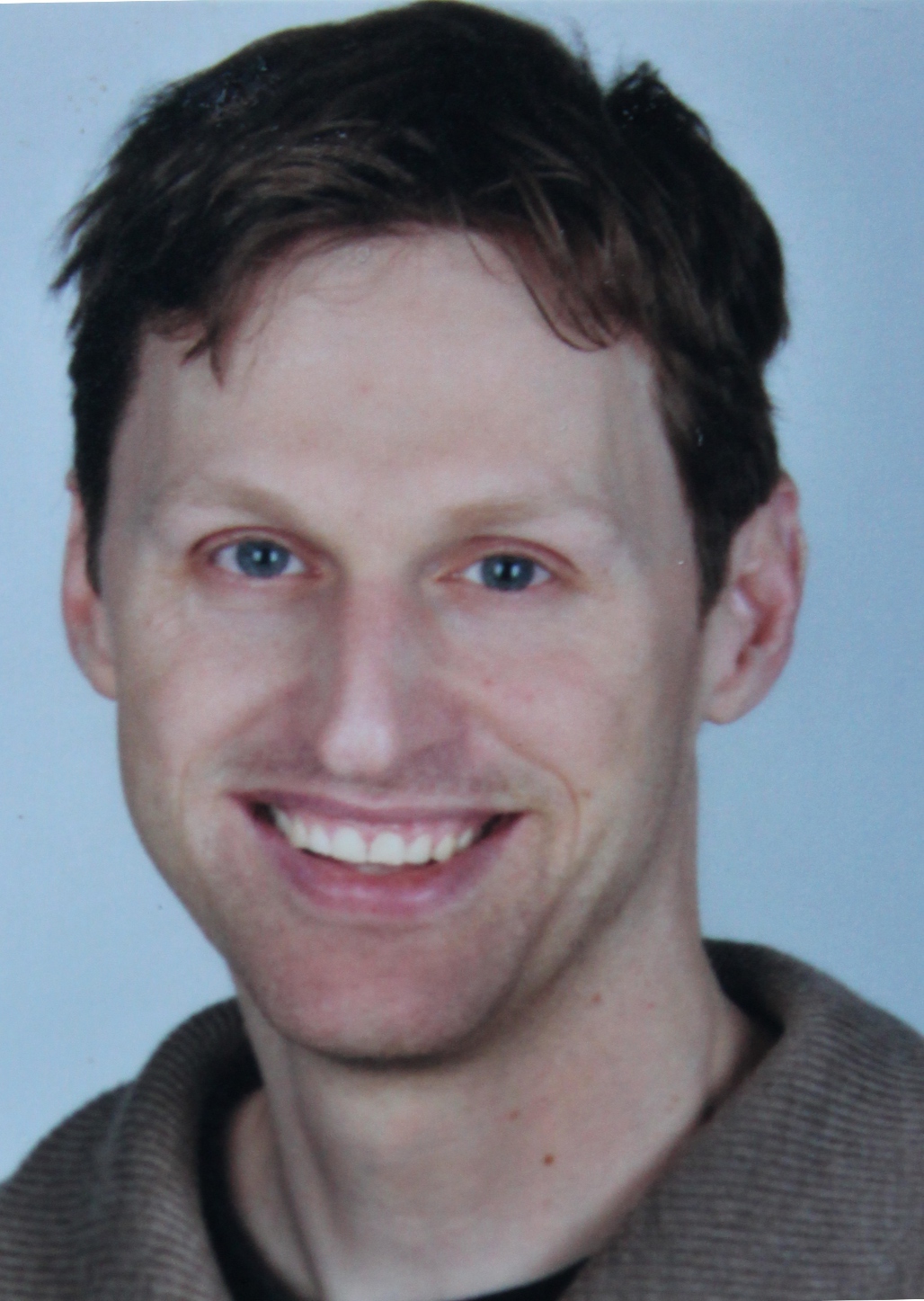
Lukas Hiendlmeier is a Researcher at the Technical University of Munich, affiliated with the Munich Institute of Biomedical Engineering (MIBE) and the Associate Professorship of Neuroelectronics led by Prof. Bernhard Wolfrum. He holds a Master of Science in Mechanical Engineering from TUM. His research focuses on advanced fabrication technologies such as 3D printing, laser micromachining, and polymer material science, with applications in neuroelectronics and biomedical devices. Hiendlmeier’s work emphasizes developing self-folding bioelectronic interfaces, flexible electrodes, and implantable neural devices for peripheral nerve interfacing. His contributions include innovations in 4D printing techniques, thermoformed materials, and origami-inspired electrode designs. He collaborates on projects involving cell manipulation, microfluidic lab-on-a-chip systems, and closed-loop neural stimulation systems. Publications span topics like self-folding bioelectronics, flexible sensor arrays, and nanorobotics, showcasing expertise in materials science and biomedical engineering. His research bridges fundamental science and translational applications, addressing challenges in neural prosthetics, wearable diagnostics, and tissue engineering. Hiendlmeier is actively involved in the neuroTUM initiative and contributes to interdisciplinary teams at TUM, focusing on advancing neurotechnology through innovative fabrication methods and biomaterials.
Prof. Mahiar Max Hamedi is a Professor at KTH Royal Institute of Technology, affiliated with the CBH School and Digital Futures Faculty. His research focuses on developing sustainable functional materials for energy storage, advanced biosensors, and nanoelectronics. He leads the research project 'Democratizing Digital DNA Diagnostics' and is PI for innovations in portable diagnostics and next-gen batteries. His work integrates biomaterials like cellulose nanomaterials with synthetic nanomaterials (e.g., MXenes, CNTs) to address global challenges in energy and healthcare. Entrepreneurial ventures include co-founding Simplygon (acquired by Microsoft) and /SALT for tech upskilling. Active in Digital Futures, a cross-disciplinary center addressing societal challenges via digital tech. Research interests emphasize biohybrid systems, wearable devices, and sustainable energy solutions. His lab’s innovations include paper-based biosensors, compressible supercapacitors, and MXene-based materials. Over 50 peer-reviewed articles showcase advancements in material science and nanotechnology.
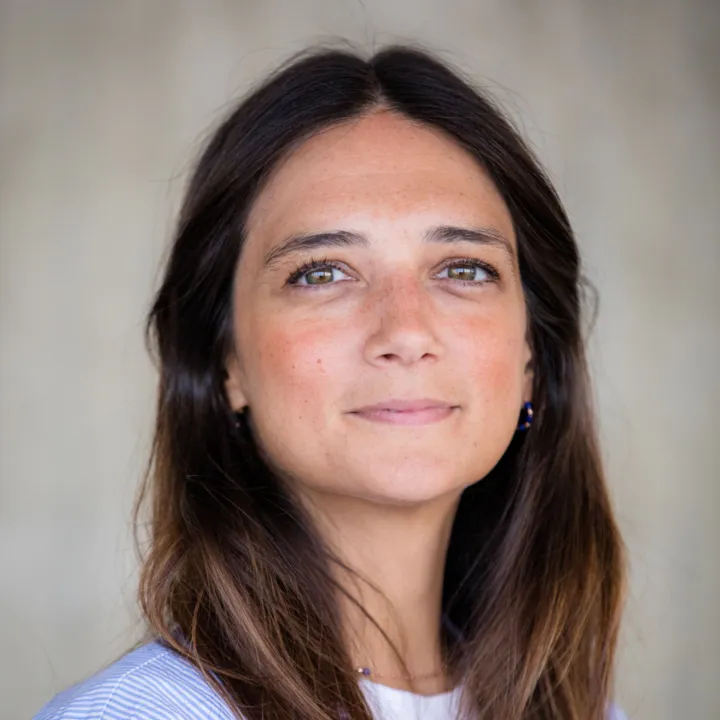
Claudia Cea is an Assistant Professor in the Department of Electrical & Computer Engineering at Yale University's School of Engineering and Applied Science. Her research focuses on developing soft, multifunctional bioelectronic devices designed to interface with the nervous system for long-term neural interrogation and modulation. She leads The Cea Group, which integrates principles from bioelectronics, materials science, and neuroscience to engineer conformable, high-resolution neural interfaces. Ph.D., Columbia University M.Sc., San Diego State University B.Sc., University of Pisa Her research interests lie at the intersection of bioelectronics , neural engineering , and soft materials design , with a focus on creating minimally invasive tools for understanding brain–body communication. By combining electrical, optical, and chemical modalities, her lab develops technologies capable of both recording and modulating neural activity in central and peripheral circuits. These innovations aim to uncover fundamental neural mechanisms and translate them into therapies for neurological, psychiatric, and systemic disorders. The recent publications demonstrate a strong trajectory in implantable bioelectronics , particularly in organic electrochemical transistors , ionic communication systems , and multimodal neural interfaces . Her work consistently appears in top-tier journals such as Nature Materials , Science Advances , and PNAS , reflecting significant impact in neuroengineering and bioelectronic medicine. The research emphasizes device autonomy, biocompatibility, and real-time neural signal processing. Her scientific achievements have been recognized with prestigious honors: MIT Technology Review 35 Innovators under 35 SEAS Ph.D. Research Symposium Winner, Columbia University CSNE Hackathon Winner, University of Washington Shiley Scholarship in Bioengineering Claudia Cea has secured competitive funding and recognition that support her lab’s innovative work. While specific grant details are not listed, awards such as the Shiley Scholarship and hackathon wins indicate strong support from institutions like the Center for Sensorimotor Neural Engineering (CSNE). Her role as principal investigator of The Cea Group suggests active mentorship of graduate students and postdoctoral researchers in interdisciplinary research. The lab fosters collaboration across engineering, neuroscience, and clinical domains to accelerate translation. The Cea Group is dedicated to advancing soft, multifunctional electronics for biomedical applications. The team focuses on designing conformable, implantable devices that seamlessly integrate with biological tissues. Their work spans materials synthesis, device fabrication, in vivo testing, and clinical translation, aiming to bridge gaps between engineering innovation and medical need. The lab environment promotes creativity, rigor, and translational thinking in next-generation neural technologies.
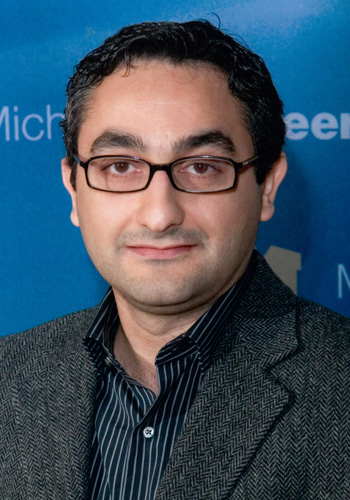
Dr. Mohammad Reza Abidian is an Associate Professor in the Department of Biomedical Engineering at the University of Houston, part of the Cullen College of Engineering. His research focuses on integrating organic bioelectronics with neural tissue to develop neuroelectronic devices for treating neurological disorders. Key areas include materials science (design of biocompatible devices), electronics (neural interface technologies), neuroscience (in vivo testing), and biomedical translation (clinical applications). Education: PhD in Biomedical Engineering from University of Michigan, Ann Arbor; Master’s and Bachelor’s in Biomedical and Mechanical Engineering from Amirkabir University of Technology, Tehran. His work emphasizes multidisciplinary innovation, such as 3D-printed organic semiconductor devices, conductive polymer nanotubes for drug delivery, and femtosecond laser fabrication. He leads the Abidian Lab, pioneering bioelectronic medicine and neural prosthetics. Awards: Single-PI NIH R01 grant (5-year award). His research bridges fundamental science with clinical applications, addressing challenges in neural regeneration, tumor-targeted therapy, and biosensor development. Grants and collaborations support his mission to advance biomedical technologies.
Fabio Biscarini is a Full Professor of Chemistry at the Università degli Studi di Modena e Reggio Emilia (UNIMORE) and Principal Investigator at the Istituto Italiano di Tecnologia (IIT) since 2019, where he leads the Organic Neuroelectronics research line. PhD in Chemistry (University of Oregon, 1991-1993; University of New Mexico, 1989-1991) Laurea in Industrial Chemistry (Università di Bologna, 1981-1986) His research spans organic bioelectronics , focusing on label-free biosensors and implantable neuroelectronics . Earlier work covered self-organized nanostructures , unconventional nanofabrication , and charge injection mechanisms . He pioneered applications of dewetting transitions and self-assembly in nanotechnology. His publications address neuromorphic devices , organic transistors , and bioelectronic interfaces . Awards include the EU Descartes Award (2007) and Premio Sapio Industria (2012). He co-invented 20 patents and founded three startups: Scriba Nanotecnologie srl (2005-2020), Nano4bio Srl (2008-2015), and Organic Bioelectronics Srl (2019-present). Scientific Honors : Member, Academia Europaea (2021) Fellow, Royal Society of Chemistry (2004) Member, Accademia Nazionale delle Scienze di Modena (2017)
Professor Daniel Simon is the Head of Unit and Principal Investigator in the Laboratory of Organic Electronics (LOE) at Linköping University (LiU). He leads research in organic bioelectronics, focusing on iontronics, conductive polymers, and bioelectronic interfaces. His work bridges electronics and biology, enabling applications in neural modulation, drug delivery, and plant electrophysiology. Simon holds a PhD in Physics from UC Santa Cruz (2007) and advanced through roles at LOE from postdoc (2007–2011) to Assistant (2013–2016), Associate (2016–2022), and full Professor (2022). He also oversees the Wallenberg Initiative Materials Science for Sustainability (WISE). His research spans iontronic pumps for targeted chemotherapy, electronic plant growth control, and neuroelectronic devices. Key projects include implantable ion pumps for brain tumor treatment, lipid membrane-integrated electronics, and biohybrid systems using conductive hydrogels. Collaborations involve Karolinska Institute, Umeå Plant Science Centre, and industry. Notable achievements include the first supercapacitor in plants, microfabricated ion pumps for epilepsy relief, and enzyme-mediated polymerization techniques. His work emphasizes translational bioelectronics, with applications in personalized medicine and sustainable materials.
Mathias Polz serves as a University Assistant and Ph.D. Researcher at Graz University of Technology's Institute of Biomechanics, Austria. His academic journey spans from Bachelor's to Doctoral studies in Biomedical Engineering at the same institution, with concurrent appointments at the Medical University of Graz through collaborative projects since 2020. His educational background includes: B.Sc. Biomedical Engineering (2015-2020, TU Graz) M.Sc. Biomedical Engineering - Biomedical Device Design and Safety (2020-2021, TU Graz) Ph.D. Candidate in Biomechanics (2023-present, TU Graz) Ph.D. Candidate in Health Care Engineering (2023-2025, TU Graz) Polz's research centers on optoelectronic neurostimulation and tissue-inspired biomaterials , with significant contributions to wireless biomimetic stimulators for cellular activation. His work bridges materials science and mechanobiology , focusing on organic semiconductor interfaces for neural and cardiac applications. Recent projects like LOGOS-TBI demonstrate his expertise in light-activated organic semiconductors for cell culture characterization. Analysis of his 8 publications (2022-2025) reveals three dominant research streams: optoelectronic neural stimulation (40% of works), cardiac electrophysiology interfaces (30%), and biomaterial biointegration (30%). His methodology consistently combines in vitro models with computational analysis , frequently employing organic photovoltaic devices for precise cellular activation. His scientific recognition includes: Zagreb Neuroelectronics Symposium Best Poster Award (1st place, 2022) Initiative Gehirnforschung Research Grant (2024) BioTechMed Best Collaborative Paper Award (2024) BioEl Best Poster Award (3rd place, 2025) Polz actively contributes to collaborative research initiatives including the LOGOS-TBI project with Medical University of Graz and B. Braun Melsungen. His grant portfolio features the Initiative Gehirnforschung award supporting neuroelectronics development. Beyond research, he mentors through Graz's Sindbad Program and organizes Pint of Science Austria events, demonstrating commitment to academic outreach. He operates within TU Graz's Biomechanics research ecosystem, collaborating with the Center for Biomarker Research in Medicine and international partners like CREAX (Belgium). His current Ph.D. focuses on wireless biomimetic stimulators for optoelectronic cellular activation , building on prior work with organic photocapacitors for neuronal network stimulation.
Prof. Bernhard Wolfrum is a Principal Investigator at the Institute for Medical Engineering (IMETUM) of the Technical University of Munich (TUM), developing advanced neuroelectronic interfaces. His work combines micro- and nanofabrication technologies with printing methods to create flexible, biocompatible devices for real-time electrochemical sensing and neural stimulation. Key research areas include cell-chip coupling, microfluidic cell culture systems, and lesion/degeneration models. He pioneers inkjet-printed 3D sensor arrays, redox-cycling techniques, and origami-inspired biohybrid devices. His group includes PostDoc Philipp Rinklin and PhD student Troung Ka My Dang. Scientific Approach: Utilizes rapid prototyping, direct integration of biomaterials, and electrochemical methods to map cellular chemical cues and design structured neuronal networks. Focuses on scalable fabrication techniques for medical applications like implantable electrodes and organ-on-chip systems. Recent Publications: Highlight trends in flexible bioelectronic interfaces, silver nanoparticle sensing, and laser-processed MOF-derived electrodes, emphasizing interdisciplinary integration of material science and neuroscience.
Colin Fernandes is a Doctoral Researcher at the Jülich Research Centre, specializing in the field of Bioelectronics under the Institute of Biological Information Processing (IBI-3). His research focuses on bioelectronic interfaces, 2D+ materials, nanofabrication, and neuroelectronic interfaces. Research Areas: Bioelectronic Interfaces 2D+ Materials Nanofabrication Neuroelectronic Interfaces Contact: Forschungszentrum Jülich GmbH, Wilhelm-Johnen-Straße, 52428 Jülich, Germany. Office located in Building 02.4v, Room 228.
Francesca Santoro is a Professor jointly appointed at RWTH Aachen University (where she heads the Neuroelectronic Interfaces Lab) and Forschungszentrum Jülich (IBI-3 research group). She specializes in neuroelectronic interfaces, bioelectronics, and tissue engineering, with a focus on treating neurodegenerative diseases using chip-based technologies. Education: PhD in Electrical Engineering & Information Technology, RWTH Aachen/Forschungszentrum Jülich (2014) Master’s in Biomedical Engineering, University of Naples Federico II (2010) Bachelor’s in Biomedical Engineering, University of Naples Federico II (2008) Research: Her work bridges bioelectronics and regenerative medicine, emphasizing neural interface design, neuromorphic devices, and nanotechnology for brain repair. Recent innovations include light-mediated bioelectronics and organic electrochemical neurons that mimic biological systems. Publications: Her 15 most recent articles (2020–2025) cluster around neurohybrid systems, nanotechnology-driven neural interfaces, and organic neuromorphic devices, reflecting a consistent focus on bioelectronic solutions for neurological disorders. Awards: ERC Starting Grant (2020) Falling Walls Science Breakthrough in Engineering (2021) MIT Innovator Under 35 Europe/Italy (2018) Leopoldina Early Career Award (2022) Heart Rhythm Society Fellowship (2016) Leadership: She founded the Tissue Electronics Lab at the Italian Institute of Technology (2017–2021), co-founded BRYLA, and leads interdisciplinary teams developing next-generation neural interfaces.
Alice Hattar is a doctoral researcher at RWTH Aachen University and Forschungszentrum Jülich since 2023, working under the supervision of Prof. Francesca Santoro and Dr. Claudia Lubrano in the field of Neuroelectronic Interfaces. Education: Bachelor's in Biomedical Engineering (2017) from German-Jordanian University; Master's in Biomedical Engineering (2021) from University of Rome III. Her research focuses on the Blebbing process , where she analyzes biomembrane uniformity and flowability on patterned substrates. This work bridges biomedical engineering, biomaterials, and cellular biophysics to explore how substrates influence membrane dynamics.
Simon Decke is a Doctoral Researcher at Forschungszentrum Jülich, working within the Institute for Biological Information Processes (IBI), specifically in the Bioelectronics department (IBI-3) located in Building 02.4u, Room 97 at the Jülich campus. Decke specializes in the microfabrication of neural interfaces with a strong focus on two-photon polymerization techniques. His research encompasses developing flexible, 3D implantable microelectrode arrays, biohybrid devices that integrate biological and electronic components, and advanced in vitro platforms for neural studies. His technical expertise bridges materials science, microengineering, and neuroscience to create next-generation neuroelectronic systems. His work contributes significantly to the advancement of brain-computer interfaces and neural prosthetics, with potential applications ranging from fundamental neuroscience research to clinical neurotechnology solutions for neurological disorders.
Sofiia Demchenko is a Doctoral Researcher at the Bioelectronics department (IBI-3) of the Institute of Biological Information Processing (IBI) at Forschungszentrum Jülich. She specializes in the biological, electrophysiological, and electrochemical characterization of ultra-thin neural implants for applications targeting the brain and peripheral nerves. Her core research areas include: Neural Implants Neuroelectronics Electrophysiology Electrochemistry Her work focuses on advancing neural interface technologies through rigorous experimental validation of implant functionality and biocompatibility in neural systems. As a member of the Neuroelectronics for in-vivo applications group, she contributes to interdisciplinary efforts developing next-generation neural implants. Her research holds significant potential for neuroprosthetics, brain-computer interfaces, and therapeutic interventions for neurological disorders affecting both central and peripheral nervous systems.
Professor Anne Andrews holds joint appointments in Chemistry & Biochemistry and Psychiatry & Biobehavioral Sciences at UCLA. She leads research in neurochemical sensing, developing implantable biosensors for real-time neurotransmitter monitoring. Her innovations include aptamer-based field-effect transistors for serotonin/dopamine detection and wearable cortisol trackers. Her laboratory advances flexible electronics for neurological applications, combining nanotechnology with machine learning to optimize neurochemical detection. Recent work establishes serotonin's role in stress response circuitry and examines pharmacological interventions during pregnancy. Honors include NSF's PECASE Award and fellowships in biomedical engineering. She currently advises six doctoral candidates and maintains NIH-funded projects on molecular sensing platforms and neuropharmacology.