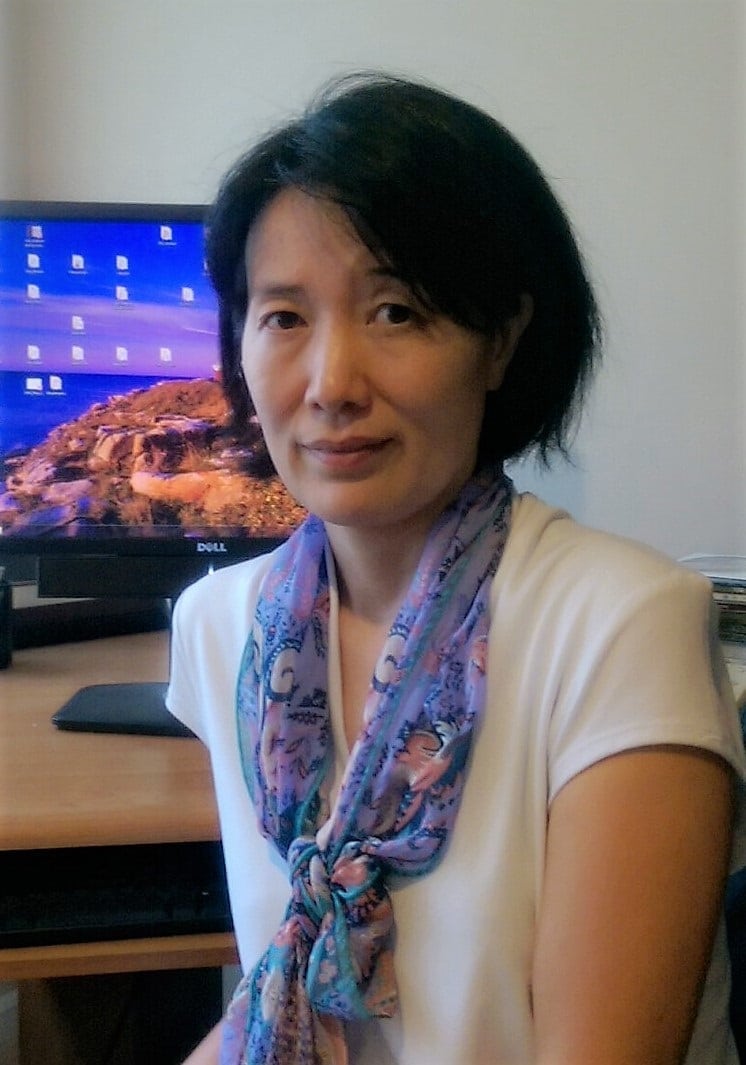
Dr. Qin Li is an Assistant Professor of Genetics at the University of Pennsylvania Perelman School of Medicine, affiliated with the Penn Institute for Immunology & Immune Health (I3H), the Penn Institute for RNA Innovation, and the Penn Center for Genomic Integrity. He earned his BS and PhD in Biological Science and Biochemistry & Molecular Biology from Peking University, followed by postdoctoral training at Stanford University. Education : BS (Peking University, 2009), PhD (Peking University, 2014) Dr. Li’s research focuses on the ADAR1-dsRNA-MDA5 axis, exploring how RNA editing mediates self/non-self discrimination in the immune system. His work connects RNA editing quantitative trait loci (edQTLs) to inflammatory disease heritability and develops computational/experimental tools for RNA editing and sensing. Recent publications highlight his contributions to understanding RNA editing’s role in autoimmune diseases, CRISPR-based regulatory principles, and novel RNA ligand engineering. He mentors PhD and Master’s students in Bioengineering, Cell and Molecular Biology, and related programs.
Joanne Wang is Professor of Pharmaceutics at the University of Washington School of Pharmacy and an Affiliate Investigator at the Fred Hutchinson Cancer Research Center. She holds additional appointments in multiple research centers including the Obstetric-fetal Pharmacology Research Unit (OPRU), Plein Center for Aging Faculty, and Pharmaceutics Faculty. Her educational background includes: PhD in Pharmaceutical Chemistry, University of California, San Francisco (UCSF) MS in Biochemistry, University of Illinois at Chicago BS in Biochemistry, Peking University Dr. Wang's research focuses on solute carrier (SLC) and ATP-binding cassette (ABC) transporters that shuttle drugs, nutrients, neurotransmitters, and hormones across cell membranes. Her work encompasses elucidating mechanisms and clinical impact of transporters in nutrient and drug disposition and their potential as drug targets. Ongoing projects include identification and functional characterization of transporters in human placenta, mechanisms of drug secretion into breastmilk using PBPK modeling, and investigation of transporters in the disposition of meta-iodobenzylguanidine for cancer therapy. Analysis of her recent publications reveals a strong emphasis on transporter-mediated drug disposition in special populations, particularly during pregnancy and lactation, and at the blood-brain barrier. Her work spans from basic transporter characterization to clinical applications, with increasing focus on translational aspects including PBPK modeling and clinical implications of transporter polymorphisms. Dr. Wang is actively involved in mentoring, as evidenced by her lab accepting students. Her research has been supported by significant grants including a UC2 grant from NICHD for placental transporter research. Her multidisciplinary approach integrates in vitro models, in vitro-in vivo extrapolation, and PBPK modeling to address critical questions in drug disposition. She is affiliated with several research centers including the Obstetric-fetal Pharmacology Research Unit (OPRU), Plein Center for Aging, and the Washington Entrepreneurial Research Evaluation and Commercialization Hub (WE-REACH), reflecting the breadth and impact of her work across multiple domains of pharmacology and therapeutics.
Philip Zelazo is the Nancy M. and John E. Lindahl Professor at the University of Minnesota's Institute of Child Development, where he investigates the development and neural bases of executive function. Previously, he held the Canada Research Chair in Developmental Neuroscience at the University of Toronto. His educational background includes: Honors BA from McGill University (1988) PhD with distinction from Yale University (1993) Zelazo's research centers on executive function—the conscious control of thought, action, and emotion—with emphasis on cognitive complexity, consciousness development through thalamo-cortical circuits, and the distinction between "cool" (dorsolateral prefrontal cortex-associated) and "hot" (orbitofrontal cortex-associated) aspects. His methodologies span experimental, cross-cultural, and electrophysiological (EEG/ERP) approaches, integrating theoretical frameworks like the Cognitive Complexity & Control theory and Levels of Consciousness model. Analysis of his 2017-2024 publications reveals consistent focus on executive function development across childhood, mindfulness-based interventions, socioeconomic impacts on cognitive development, and translational applications for education and mental health. His work increasingly addresses real-world implementation through NIH Toolbox measures and school readiness programs. His major recognitions include: Fellow of the American Psychological Association (APA) Fellow of the Association for Psychological Science (APS) Fellow of the American Association for the Advancement of Science (AAAS) Fellow of the Mind and Life Institute Boyd McCandless Young Scientist Award (APA, 1996) Canada’s Top 40 Under 40 Award 2025 Award for Distinguished Contributions to Developmental Psychology (APA) Zelazo actively mentors doctoral students (open to new advisees in fall 2026) and leads significant grant initiatives, including development of the NIH Toolbox Executive Function measures and NIH Infant and Toddler Toolbox "Cognition and Executive Function" assessments. His interventions target EF promotion in high-risk populations, such as preschoolers experiencing homelessness. He directs the Developmental Social Cognitive Neuroscience Lab, which examines neural mechanisms of executive function using EEG/ERP and behavioral paradigms, with recent projects on mindfulness training effects and socioeconomic adversity impacts.
Dr. Jason Yi is an Assistant Professor of Neuroscience at Washington University School of Medicine (WashU Medicine). His research focuses on understanding the molecular pathways that shape nervous system development and function, with particular emphasis on autism spectrum disorders (ASD). He leads the Yi Lab, which investigates the role of the ubiquitin ligase UBE3A in the brain and its implications for neurodevelopmental disorders. Dr. Yi received his BS in Biochemistry and Molecular Biology from Dickinson College in 2001 and his PhD in Pharmacology from Duke University in 2009. His laboratory is broadly interested in the molecular pathways that shape nervous system development and function, with the ultimate goal of understanding how dysfunction in these pathways contributes to disease. The current focus is on autism spectrum disorders (ASD), using genetic information from human patients to guide in vitro and in vivo experiments employing biochemical, genetic manipulation, cell biological, and microscopy techniques. Dr. Yi's research has significant clinical implications, particularly in understanding how UBE3A dysfunction relates to both Angelman syndrome (caused by lack of UBE3A activity) and autism (caused by excessive UBE3A activity). His lab discovered that a single phosphorylation event in UBE3A turns off its ubiquitin ligase activity, and that mutations in this site are linked to autism. This work bridges disease genetics with a mechanistic understanding of ASD neurobiology and aims to define developmental timepoints for ASD onset. Dr. Yi's research has been recognized with numerous prestigious awards: Ruth K. Broad Biomedical Research Foundation Predoctoral Fellowship (2006) F32 Kirschstein National Research Service Award (2011) Christina Castellana Postdoctoral Fellowship (2011-2014) The University of North Carolina Postdoctoral Award for Research Excellence (2015) Bridge to Independence Award, The Simons Foundation (2017) NARSAD Young Investigator Award, Brain and Behavior Research Foundation (2018) Whitehall Foundation Research Grant (2018) Alfred P. Sloan Foundation Research Fellowship (2019) Dr. Yi's research program is supported by significant grant funding from organizations including The Simons Foundation, Brain and Behavior Research Foundation, and the Whitehall Foundation. His work bridges basic molecular neuroscience with clinical implications for neurodevelopmental disorders, particularly autism spectrum disorders. Through his research, Dr. Yi is contributing to a deeper understanding of the molecular mechanisms underlying ASD, which may ultimately lead to new therapeutic approaches and interventions. The Yi Lab maintains a collaborative research environment focused on cutting-edge neuroscience techniques. The lab combines molecular, cellular, and genetic approaches to study UBE3A function and its role in neurodevelopment. Their work utilizes patient-derived genetic information to guide experimental approaches, ensuring clinical relevance to autism spectrum disorders. Dr. Yi is also actively involved in mentoring graduate students and postdoctoral fellows, contributing to the training of the next generation of neuroscientists.
Brian Zaboski, PhD, is an Assistant Professor of Psychiatry at the Yale School of Medicine. He holds dual expertise as a licensed Connecticut psychologist and Nationally Certified School Psychologist. His primary academic affiliation is with the Obsessive Compulsive Disorder Research Clinic within the Department of Psychiatry. Dr. Zaboski completed his PhD in School Psychology at the University of Florida, gaining clinical experience across school-based to acute inpatient settings. He specializes in cognitive-behavioral therapy (CBT) and exposure-based interventions for psychological disorders, with particular focus on OCD neurobiology and treatment innovation. His research integrates advanced quantitative methods and translational neuroscience to improve exposure therapy efficacy. Key areas include neurobiological network analysis, machine learning applications for OCD severity prediction, and neurofeedback treatment trials. He leads clinical trials investigating psilocybin therapy, pharmacotherapy combinations, and brain network changes in OCD patients. Dr. Zaboski's work has been funded by prestigious grants including the 2022 Brain & Behavior Research Foundation Young Investigator Award. Collaborations include prominent researchers like Christopher Pittenger, Terence Ching, and Michelle Hampson. His publications span peer-reviewed journals in psychiatry, neuroscience, and school psychology, with a focus on OCD mechanisms, treatment innovation, and school-based mental health interventions. Clinical trials he participates in explore novel treatments like troriluzole and psilocybin while investigating biomarkers for treatment response prediction.
Dennis Nestvogel is a Research Group Leader at the Max Planck Institute of Psychiatry in Munich, Germany, where he leads research in the department of Neural Dynamics and Behavior. His work focuses on understanding how behavioral states such as arousal, attention, and stress modulate sensory processing and decision-making in the brain. Research Interests: Dr. Nestvogel's research centers on thalamocortical network dynamics, brain oscillations, and state-dependent neural activity. He investigates how these processes influence sensory-guided behavior and how their disruption contributes to psychiatric disorders including schizophrenia, ADHD, and PTSD. His approach integrates in vivo intracellular recordings, high-density neural recordings, optogenetics, and mouse behavioral paradigms. Publication Trends: His recent publications reveal a strong focus on the neural mechanisms underlying waking states, sensory processing, and cortical dynamics. Themes include alpha oscillations, synaptic regulation, neuromodulation, and the impact of genetic mutations on stress sensitivity in psychiatric conditions. His work bridges molecular, systems, and cognitive neuroscience. Scientific Contributions: Investigating how behavioral states gate sensory input in the cortex Elucidating the role of thalamocortical circuits in arousal and attention Linking synaptic proteins like CAPS-1 to sensory adaptation Exploring genetic underpinnings of stress sensitivity in bipolar disorder Advising and Grants: While no students are listed, Dr. Nestvogel leads an independent research group, indicating leadership in mentoring junior scientists and managing research projects. His affiliation with the Max Planck Institute suggests access to substantial institutional funding and collaborative resources. Labs and Teams: He heads the research group within the Neural Dynamics and Behavior unit at the Max Planck Institute of Psychiatry, collaborating closely with leading neuroscientists such as David A. McCormick. His lab utilizes cutting-edge techniques to probe brain function in awake, behaving animals.
Philip Gehrman is a Professor of Psychology in the Department of Psychiatry at the University of Pennsylvania Perelman School of Medicine and a clinical psychologist at the Philadelphia VA Medical Center . He directs the Sleep, Neurobiology and Psychopathology (SNaP) Lab , focusing on sleep-mental health interactions. Education : PhD in Psychology Key Research Areas : Sleep dysregulation in mental health, translational sleep research, genomics/metabolomics of insomnia, neuroplasticity in depression, CBT for sleep disorders His work spans clinical research and molecular investigations , including NIH-funded studies on genetic mechanisms and neural pathways of sleep disorders. Current projects involve: Telemedicine CBT for insomnia Wearable sleep monitoring in PTSD Slow-wave activity in depression CSF biomarkers for dementia Dr. Gehrman supervises graduate students and collaborates with multidisciplinary teams. His lab's publications highlight interdisciplinary approaches to sleep-mental health links.
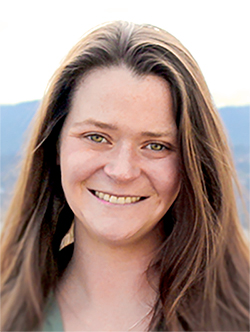
Jessica J. Walsh, PhD is an Assistant Professor in the Department of Pharmacology at the University of North Carolina at Chapel Hill School of Medicine and a member of the UNC Neuroscience Center. She leads the Walsh Lab, which focuses on understanding neural circuit mechanisms underlying motivated social behavior using a multi-level approach to elucidate the molecular and circuit mechanisms that govern social interactions and their alterations in disease states. Dr. Walsh earned her B.A. in Neuroscience & Behavior from Columbia University, where she began her research journey volunteering in Dr. Gerald Fischbach's laboratory. During her graduate work, she explored neural circuit mechanisms underlying social stress susceptibility at the Icahn School of Medicine at Mount Sinai under Dr. Ming-Hu Han. Prior to joining UNC, she completed her postdoctoral fellowship at Stanford University with Dr. Robert Malenka, investigating neural circuit mechanisms in genetic mouse models with social deficits. Her research focuses on neural circuit mechanisms underlying motivated behavior, neurodevelopmental and psychiatric disorders, and functional/anatomical brain mapping. The Walsh Lab specifically uses genetic mouse models to investigate how genetic mutations and experience lead to circuit adaptations that govern impaired behavior seen in autism spectrum disorders. They combine whole brain optical clearing methods, light sheet microscopy, in vivo imaging, and machine learning based behavioral analysis to elucidate neural adaptations responsible for motivated behavior. Her publication record demonstrates a strong focus on neural circuits related to social behavior, with particular emphasis on autism spectrum disorders, serotonin and dopamine signaling, and the neural basis of prosocial behaviors. She has published extensively in high-impact journals including Nature, Nature Neuroscience, PNAS, and Neuropsychopharmacology, with research spanning from molecular mechanisms to circuit-level analyses of behavior. Dr. Walsh mentors several trainees in her lab, including a postdoctoral fellow, multiple graduate students, and numerous undergraduate researchers. Her lab team includes researchers with diverse interests spanning from molecular biology to machine learning applications in neuroscience. The lab actively recruits postdocs and graduate students interested in joining their research on motivated behavior and psychiatric disorders. The Walsh Lab employs a comprehensive research approach including genetic manipulation, whole brain activity mapping, viral tracing, slice physiology, optogenetics, chemogenetics, fiber photometry, and machine learning based behavioral classification to gain a nuanced understanding of neural circuits involved in motivated social behavior.
Michelle CD Bridi is an Assistant Professor in the Department of Neuroscience at West Virginia University School of Medicine , with a joint affiliation at the Rockefeller Neuroscience Institute . Her research integrates synaptic plasticity , sleep physiology , and neurological conditions to investigate dynamic synaptic regulation under typical and atypical states. Education: BS , McGill University, 2006 PhD , University of Pennsylvania, 2013 Research Focus: The Bridi Lab explores how daily oscillations in excitation/inhibition (E/I) balance are disrupted in Autism Spectrum Disorder (ASD) , aging , and post-stroke states . Current projects address: 1) synaptic adaptation to sleep/wake cycles, 2) E/I imbalance in neurodevelopmental disorders, and 3) molecular mechanisms maintaining neuronal firing rate homeostasis. Publication Trends: Recent work spans REM sleep plasticity , autism models , and neurodegenerative interventions , emphasizing synaptic oscillations , NMDA receptor pathways , and gene therapy applications. Collaborative efforts with Morgan Bridi's lab extend findings to stress and stroke contexts. Grants & Collaborations: Research is funded by NIH/NIGMS , BBRF , and NSF . The lab actively collaborates with cross-institutional teams and is recruiting postdocs and students for ongoing studies.
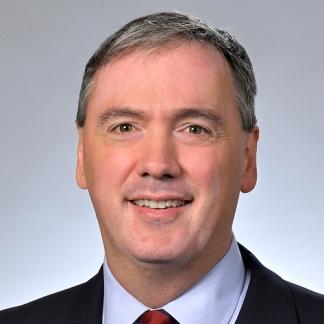
Dr. Steven P. Miller is a Professor and Head of the Department of Pediatrics at the University of British Columbia's Faculty of Medicine. He also serves as the Chief of Pediatric Medicine at BC Children's Hospital & Sunny Hill Health Centre under the Provincial Health Services Authority. Additionally, he holds the Hudson Family Hospital Chair in Pediatric Medicine and is an Investigator at BC Children's Hospital. Dr. Miller's research focuses on neonatal neurology, particularly brain development and injury in newborns. His work utilizes advanced magnetic resonance techniques and bedside brain monitoring to understand how a baby's critical care experience influences their risk of brain injury and developmental trajectory. His research areas include birth defects, concussion, preterm labor, and steroid effects on neonatal brain development. Analysis of Dr. Miller's recent publications reveals a strong emphasis on understanding the relationship between neonatal pain exposure, analgesia, and brain development in preterm infants. His work also extensively examines neurodevelopmental outcomes in infants with congenital heart disease, exploring how fetal hemodynamics, surgical interventions, and brain imaging findings correlate with long-term cognitive outcomes. A significant portion of his research investigates the impact of socioeconomic status on brain development and neurocognitive outcomes in preterm infants. Dr. Miller is actively involved in graduate education, supervising students in Neuroscience and Women+ and Children's Health Sciences programs at UBC. His research group, part of the Brain, Behaviour & Development Research Theme and the Neurodevelopmental and Neurological Disorders Visualizing the Brain Research Group, has published extensively in top-tier journals across neurology, pediatrics, and neuroscience.
Catherine Mooney is a Professor in the School of Computer Science at University College Dublin (UCD), leading the Life Science Data Analytics Group (LiSDA). Her research focuses on applying machine learning to healthcare challenges, including biomarker development, clinical decision support systems, and addressing ethical and technical barriers in healthcare AI. Education: BSc in [field unspecified] from Trinity College Dublin PhD in Computer Science from UCD Prof Dip University Teaching & Learning from UCD Research Interests: Machine Learning applications in healthcare Biomarker discovery for neurological and metabolic conditions Explainable AI for clinical decision support Promoting diversity and inclusion in STEM education Her work bridges computational methods with medical challenges, emphasizing ethical AI and translational research. Notable Awards: Best Paper Award in Applied Biosciences (2023) UCD Long-Service Award (2022) Best Poster Award at ITiCSE ’20 (2020) Her research has led to impactful tools like LiSDA’s clinical decision support systems for epilepsy and pregnancy care. She also advocates for gender diversity in computing, serving in leadership roles like Vice Principal for EDI in UCD’s College of Science (2022–2024).
Nabil Imam is an Assistant Professor at the School of Computational Science and Engineering within the College of Computing at Georgia Institute of Technology. He holds a Ph.D. in electrical engineering and neuroscience from Cornell University, advised by Rajit Manohar and Barbara Finlay. Prior to academia, he conducted research at IBM and Intel Labs, focusing on neuromorphic engineering and AI. His current research integrates computational neuroscience, probability theory, and control systems to model biological computation, with an emphasis on process algebras for asynchronous circuits and systems. Education: Ph.D. in Electrical Engineering and Neuroscience, Cornell University (Advisors: Rajit Manohar, Barbara Finlay) Research interests include computational neuroscience, parallel computing, probabilistic methods, and neuromorphic systems. His work bridges biological neural mechanisms with technological applications, such as neuromorphic olfactory circuits and cortical development models. Notable contributions include neuromorphic chips featured in Science and Nature . His publications highlight interdisciplinary trends in neural coding, neuromorphic hardware, and evolutionary neuroscience. Recent work explores dual computational systems in mammalian brain evolution and self-organizing cortical structures. Earlier projects include scalable spiking-neuron integrated circuits (Science, 2014) and neurosynaptic cores with event-driven architectures (Best Paper Award, 2012). Awards: Best Paper Award at IEEE International Symposium on Asynchronous Circuits and Systems (2012) Teaching includes CSE 8803: Computational Methods for Complex Systems. His lab investigates process algebra frameworks for asynchronous systems and biological computation principles. Collaborations span industry (IBM, Intel) and academic institutions. Future directions emphasize theoretical neuroscience and neuromorphic technology applications.
Sonia Mayoral is the Robert J. and Nancy D. Carney Assistant Professor of Neuroscience at Brown University. Her research focuses on studying cell-cell interactions in the brain, particularly the development and function of oligodendrocytes – glial cells critical for myelin formation. She explores how these cells contribute to myelination, remyelination processes, and their roles in neurological disorders like multiple sclerosis. Her work integrates cellular neuroscience, immunology, and drug screening methodologies. Research interests include glial cell biology, neuron-glial interactions, and the molecular mechanisms governing myelin repair. She investigates how environmental cues and signaling pathways regulate oligodendrocyte differentiation and function. Notable projects involve developing high-throughput screening platforms for MS therapeutics and studying sex-specific responses to neurodegenerative challenges. Her lab’s recent work includes clinical trials (Re-WRAP) evaluating Bazedoxifene for remyelination in women, and fundamental studies on regulatory T cell roles in myelin regeneration. She also examines how mechanical stimulation and epigenetic changes influence oligodendrocyte behavior. Her research bridges basic science and translational efforts, aiming to advance treatments for myelin-related disorders. Dr. Mayoral’s lab is active at Brown University, with a dedicated website detailing ongoing projects and collaborations. While no specific grants or students are listed here, her work reflects a strong focus on interdisciplinary approaches to neurodegenerative disease mechanisms.
Yukiko Gotoh is a Professor at the Department of Pharmaceutical Sciences, Graduate School of Pharmaceutical Sciences, The University of Tokyo. She serves as the Deputy Director and Principal Investigator at the International Research Center for Neurointelligence (IRCN). Her research focuses on understanding the mechanisms that regulate neural stem/progenitor cell fate during embryonic brain development and in the adult brain. Dr. Gotoh's research interests include: Genetic and epigenetic regulation of neural stem/progenitor cell fate Neuronal maturation processes Genesis and maintenance of adult neural stem cells Relevance of neural stem/progenitor cell dysregulation in neurodevelopmental disorders such as autism spectrum disorders Investigation of mechanisms regulating neural stem-progenitor cell fate during neocortical development Genetic and epigenetic regulation of neuronal activation Analysis of Dr. Gotoh's recent publications reveals a strong focus on neural stem cell biology, epigenetic regulation, and neurodevelopmental disorders. Her work demonstrates how chromatin modifiers like Polycomb group proteins and HMGA proteins regulate neural stem cell fate decisions during brain development. A significant portion of her research explores the embryonic origins of adult neural stem cells and how dysregulation of these processes contributes to conditions like autism spectrum disorders and schizophrenia. Her laboratory also investigates the basic mechanisms of cellular responses to viral infection in the brain and their relevance to neurodevelopmental disorders. Dr. Gotoh has made significant contributions to understanding: The role of Polycomb group proteins in neural development How chromatin modifiers regulate neurogenic potential Cell cycle regulation in neural stem cells The PDK1-Akt pathway in neuronal migration Layer-specific heterogeneity of astrocytes Mechanisms underlying schizophrenia-related abnormalities Dr. Gotoh's laboratory conducts research on multiple fronts related to neural development and stem cell biology. Her team investigates: Mechanisms regulating neural stem-progenitor cell fate during neocortical development Genetic and epigenetic regulation of neuronal activation The embryonic origin of adult neural stem cells Dysregulation of neural stem-progenitor cell and neuronal fate in neurodevelopmental disorders Innate immune responses in the brain
Lorna Camus is a developmental psychologist and Psychology Technician at Queen Margaret University, Edinburgh, with prior affiliation as a PhD student and Postgraduate Teaching Assistant at Heriot-Watt University. Her research centres on autistic young people’s mental health during the transition from primary to secondary school, and she explores how school transitions may influence the development or exacerbation of anxiety and depression among autistic individuals. Education & Training PhD in Psychology, Heriot-Watt University (2018–2022) Postgraduate Teaching Assistant, Department of Psychology, Heriot-Watt University Research Interests Dr Camus employs both quantitative and qualitative methodologies to investigate: • Autism Spectrum Disorders – understanding prevalence and experience of mental health challenges. • Educational Transitions – the psychological impact of moving from primary to secondary school for autistic pupils. • Social Identity & Self-Efficacy – how feelings of belonging and confidence in social situations affect well-being in autistic children and adults. Research Trends Across her publications, a clear trajectory emerges from foundational work on empathy, alexithymia, and autistic traits in children to applied studies on mental health, social identity, and educational inclusion. Recent outputs increasingly integrate participatory perspectives and widening-participation frameworks in higher education. Scientific Awards & Funding James Watt Scholarship, Heriot-Watt University Supervision & Collaboration PhD supervision: Dr Mary Elizabeth Stewart, Heriot-Watt University Professor Gnanathusharan Rajendran, Heriot-Watt University Collaborative research involves interdisciplinary teams across Heriot-Watt University, Queen Margaret University, and international partners. Labs & Teams She currently works within Mary Elizabeth Stewart's Lab at Queen Margaret University, supporting research activities and contributing to ongoing projects in developmental psychology and neurodevelopmental conditions.