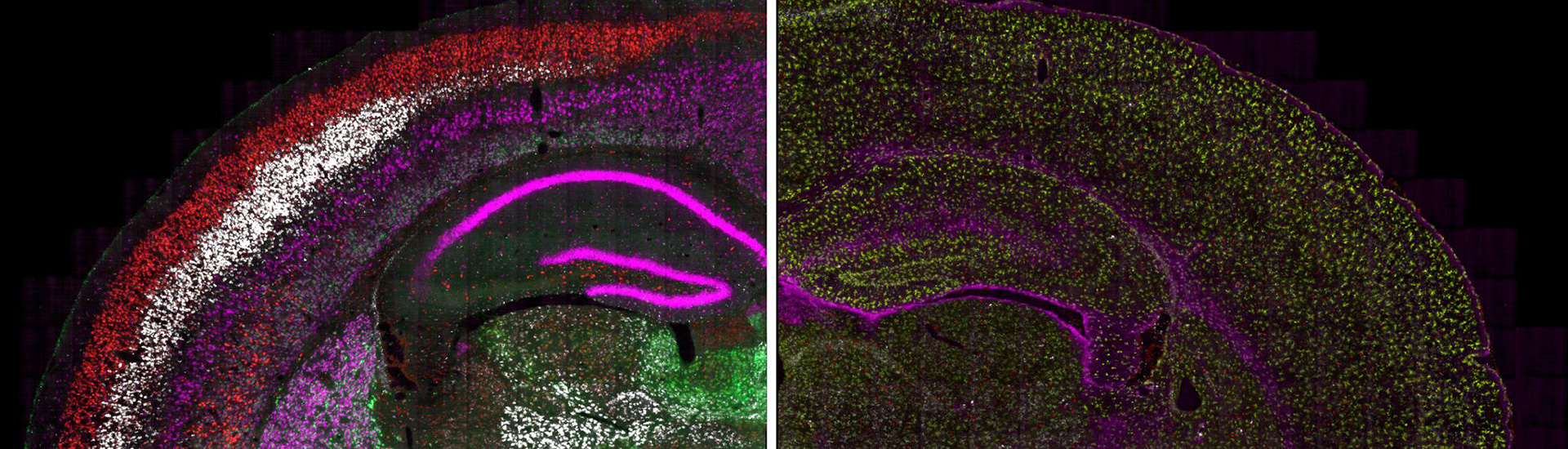
Omer Bayraktar is a Group Leader at the Wellcome Sanger Institute , leading research in the Cellular Genomics Programme. His work focuses on decoding human brain cellular diversity using spatial transcriptomics , imaging , and functional screening to study neural complexity in health and disease. Bayraktar's educational background includes a PhD from HHMI under Chris Doe, investigating neural diversity development in Drosophila , followed by postdoctoral work at University of California, San Francisco and University of Cambridge as a Life Sciences Research Foundation Fellow. He developed a spatial transcriptomic pipeline during his postdoc to analyze astrocyte heterogeneity in the cerebral cortex. His research explores neural cell type mapping , glial-neuronal interactions , and cellular pathways in neurodevelopmental disorders . Recent publications emphasize 3D tissue mapping , multi-omic integration , and computational tools like Cell2fate and WebAtlas. His work bridges neurogenetics and computational biology to advance understanding of human tissue ecosystems. Bayraktar's lab collaborates with the Human Cell Atlas initiative and develops technologies such as automated histology pipelines and highly-multiplexed smFISH for molecular cell typing. His team also investigates glia-based therapies and astrocyte functional heterogeneity in neurodevelopmental contexts. Key scientific contributions include: Discovering astrocyte layer patterns independent of neuronal laminae Developing cell2location for spatial cell mapping Characterizing Drosophila neural stem cell models with human relevance Notable awards include the Life Sciences Research Foundation Fellowship during his postdoctoral training. His current group includes a PhD student , Senior Data Scientists , and Bioinformaticians .
Daan Christiaens is a tenure track lecturer at KU Leuven's Faculty of Medicine and Faculty of Engineering Sciences. He is affiliated with the Department of Electrical Engineering (ESAT) and Department of Imaging & Pathology, serving as a member of the Medical Imaging Division and the KU Leuven Brain Institute (LBI). His academic responsibilities include membership in the Faculty Councils of Engineering Sciences and Medicine. His research focuses on: Inverse problems in medical imaging reconstruction Neuroimaging techniques for brain analysis Advanced quantitative MRI methodologies Diffusion-weighted imaging for microstructural assessment Dr. Christiaens' recent publications (2023-2025) demonstrate a consistent focus on diffusion MRI innovations, including novel reconstruction algorithms, neonatal brain development mapping, and clinical applications for neurodegenerative disorders. Key technical themes include motion correction, multi-shell modeling, and AI-enhanced image processing, while clinical applications span Alzheimer's disease, cerebral palsy, and autism research. He leads significant research projects including: MRI reconstruction with dynamic field monitoring (2024-2028) Compressed sensing for microstructure imaging (2022-2026) Neonatal diffusion MRI network connectivity analysis (2024-2028) As a core developer of the MRtrix3 software framework for medical image processing, he contributes to essential tools in neuroimaging research.
Dr. Robin Laycock is a Senior Lecturer in the Department of Health and Biomedical Sciences at RMIT University. He leads the Social and Cognitive Neuroscience (SoCoNeuro) Lab, focusing on behavioral and neural mechanisms of social perception in neurotypical and neurodivergent populations, including autism spectrum disorders and the neurocognitive effects of concussion. His research integrates methodologies such as eye-tracking, EEG, and fNIRS to study visual perception, face processing, and the impact of stress/anxiety on cognition. Dr. Laycock holds a PhD from La Trobe University, where he investigated visual processing pathways. His work also includes the BabyFace study, exploring social perception in pre-term infants using fNIRS. He is affiliated with RMIT’s Healthy Foundations Research Group and supervises research projects on topics like concussion neurocognition and social media’s neurobiological effects. Research interests span visual neuroscience, social neuroscience, and clinical applications of neuroimaging. He teaches undergraduate courses in Biological Psychology and supervises postgraduate research in vision science, neuropsychology, and affective neuroscience. His lab’s recent studies examine sex differences in sports-related concussion neuroimaging and the role of deepfakes in emotion perception research. He actively collaborates on projects addressing autism traits, stress effects on visual processing, and neuroimaging advancements.
Dr. Ting-Feng Lin is an Assistant Professor at the Cell Biology, Neurobiology and Biophysics department within the Faculty of Science at Utrecht University, Netherlands. His research focuses on understanding the mechanisms of learning and memory formation in the cerebellum, particularly how synaptic and intrinsic plasticity mechanisms coordinate to regulate neuronal signaling and behavior. He employs advanced microscopy, optogenetic, and chemogenetic techniques in transparent zebrafish models to study these processes in vivo, with implications for neurodevelopmental disorders like autism spectrum disorder (ASD) and schizophrenia. 2025: Assistant Professor, Utrecht University 2019-2025: Postdoctoral Researcher, University of Chicago 2015-2019: PhD in Neuroscience, Neuroscience Center Zurich (ZNZ) 2010-2014: MS in Physiology, National Taiwan University 2006-2010: BS in Sports Medicine, China Medical University His work investigates how sensory experiences shape cerebellar processing during development, focusing on climbing fiber pathways and their role in sensory prediction errors. His group also studies the interaction between synaptic, intrinsic, and structural plasticity mechanisms in neural circuits, using zebrafish models with genetic modifications (e.g., Grid2 knockout) to model human neurological conditions. Dr. Lin has received scientific recognition including the SfN Trainee Professional Development Award for his work on Purkinje cell plasticity and the JNS Meeting Award for research on parallel fiber ramping activity and LTD. His publications span topics from cerebellar plasticity to voltage-gated K+ channel dynamics, reflecting his interdisciplinary approach to neurobiology.
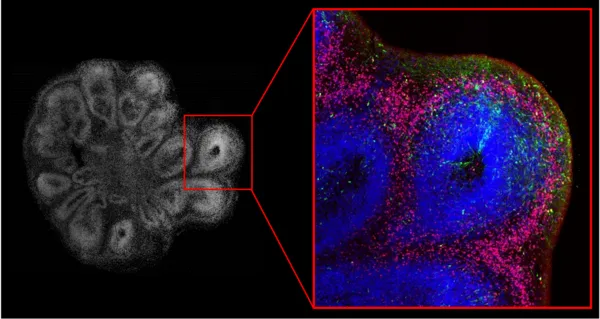
Prof. Dr. Simon Schäfer leads the Schäfer Lab at the Technische Universität München , focusing on engineering advanced organoid systems to study human brain development, disease modeling, and repair mechanisms. His work bridges stem cell biology, gene editing, and bioengineering to develop personalized therapies for brain disorders. Stem Cell & Organoid Technology Neurodevelopmental Mechanisms Neurodegenerative Disease Models Gene Editing & Neuroimmune Interactions Translational Neuroscience Recent research emphasizes brain organoid development, microglia phenotypes, and neurodevelopmental timing anomalies in autism. His team’s work also explores zika virus interactions with glioblastoma stem cells and neuronal plasticity in psychiatric disorders. Scientific awards and funding include support from the Deutsche Forschungsgemeinschaft (DFG), Brain & Behavior Research Foundation (BBRF), and Munich Cluster for Systems Neurology (SyNergy). Collaborations span institutions like the TUM Center for Organoid Systems. Advises 6 students (2 PhD, 1 MSc, 3 associated) Labs include Schäfer Lab, COS@TranslaTUM Contact: simon.schafer@tum.de
Dr. Naseem Choudhury is a Professor of Psychology and Neuroscience at Ramapo College of New Jersey, affiliated with the School of Social Science and Human Services (SSHS). She holds a Ph.D. in Experimental Psychology from the University of Vermont. Her research focuses on the neural basis of infant information processing, particularly how perceptual abilities influence typical and atypical development, with an emphasis on familial and sociocultural factors. Her work spans auditory processing in infants at risk for developmental language disorders, electrophysiological studies in children with autism, and cross-cultural analyses of artistic perception. She directs the Palestroni Integrated Neuroscience Lab, exploring neural mechanisms underlying cognitive development. Dr. Choudhury has published extensively in journals like Journal of Neuroscience and Developmental Cognitive Neuroscience , with over 50 peer-reviewed articles since 2002. Her studies often involve ERP and EEG methodologies to track developmental milestones and intervention efficacy in high-risk populations. Her research demonstrates that early auditory experiences shape prelinguistic acoustic mapping and that neuroplasticity interventions improve outcomes for language-impaired children. She collaborates internationally on projects linking sensory perception to linguistic outcomes, particularly in Italian and bilingual populations. Dr. Choudhury’s contributions bridge basic neuroscience and clinical applications, emphasizing early screening and preventive strategies for developmental disorders.
Lee Miller is a Professor in the Department of Neurobiology, Physiology, and Behavior at the University of California, Davis, College of Biological Sciences. His research integrates neural engineering, physiology, and computational methods to develop communication restoration technologies and investigate sensory processing mechanisms. His primary research interests include neural engineering for speech neuroprosthetics, electrophysiological analysis of speech production, auditory neuroscience, and geometric approaches to neuromuscular signal decoding. He employs surface electromyography (EMG), electroencephalography (EEG), and computational modeling to study brain-machine interfaces for speech restoration and multisensory integration. Recent publications reveal a dominant focus on EMG-based speech neuroprostheses, with geometric and topological analysis of neuromuscular signals emerging as a key methodology. His lab has pioneered non-invasive approaches to speech articulation decoding, created standardized EMG databases, and investigated neural mechanisms of attention in speech-in-noise processing. This work bridges engineering innovation with fundamental neuroscience to address communication disorders. Professor Miller leads the Miller Lab at UC Davis, which specializes in neural engineering for communication restoration. The lab develops real-time speech synthesis systems from neural signals and investigates the physiological basis of speech production and perception using multimodal recording techniques.
Joseph P. Bressler is an Associate Professor at Johns Hopkins University, jointly affiliated with the Bloomberg School of Public Health and the Krieger School of Arts and Sciences. He is a member of the Department of Environmental Health and Engineering and conducts research at the Kennedy Krieger Institute in Baltimore, Maryland. His work bridges public health, neuroscience, and molecular toxicology, focusing on environmental impacts on brain development. Education: PhD, Rutgers University, 1978 Dr. Bressler’s research centers on neurotoxicology, particularly how environmental pollutants such as lead, cadmium, and aluminum disrupt metal transport systems and affect neurodevelopment. His laboratory investigates the role of iron and other metal transporters at the blood-brain barrier and in glial cells, revealing mechanisms of metal uptake and toxicity. His work has implications for understanding autism, fetal alcohol syndrome, and other neurodevelopmental disorders. His recent publications highlight ongoing research into metal homeostasis, cytotoxicity in cancer and neuronal cell lines, e-cigarette aerosol variability, and epigenetic changes in sex chromosome aneuploidies. The research spans molecular mechanisms, in vitro models, and human health outcomes, demonstrating a multidisciplinary approach to environmental health. Scientific Contributions: Elucidated how lead and cadmium hijack iron transporters to enter the brain Demonstrated aluminum activation of iron uptake pathways in glial cells Investigated flavoring agents like ethyl maltol in enhancing metal toxicity Explored epigenetic and behavioral impacts in rare genetic conditions Dr. Bressler has advised numerous researchers and collaborators across disciplines. His work has been supported by federal and institutional grants, though specific funding details are not provided in the source text. He actively publishes in high-impact toxicology and environmental health journals, with research cited in policy and public health discussions. He leads a research laboratory focused on cellular and molecular mechanisms of neurotoxicity, utilizing in vitro models of the blood-brain barrier, astrocytes, and neuronal cell lines. His team collaborates widely across neuroscience, public health, and environmental engineering domains.
Cara Keifer, PhD, is an Assistant Professor of Child Psychology in the Child Study Center at Yale University's Yale School of Medicine. Her research focuses on autism spectrum disorder (ASD), particularly social cognition, electrophysiological measures of face processing, and neurodevelopmental outcomes. She holds a PhD in Clinical Psychology from Stony Brook University (2021), an MA from the same institution (2017), and a BA in Psychology from Haverford College (2013). Her work integrates behavioral and neural methodologies to understand social perception deficits in ASD. Key studies include investigations into face inversion effects, emotional face recognition biases, and EEG correlates of anxiety treatment responses. She collaborates with the McPartland Lab and contributes to translational research initiatives. Recent publications highlight advancements in phenotypic classification of ASD using machine learning and exploration of social motivation constructs. Her interdisciplinary approach bridges clinical, cognitive, and neuroscientific perspectives to advance ASD diagnosis and intervention strategies.
Suradip Das is a Research Assistant Professor in the Department of Neurosurgery at the Perelman School of Medicine, University of Pennsylvania, where he serves as a Senior Research Investigator. His work bridges neural engineering and regenerative medicine to address critical challenges in nerve and muscle repair. His academic training includes: B.Tech in Biotechnology from Heritage Institute of Technology (2010) PhD in Biosciences and Bioengineering from Indian Institute of Technology Guwahati (2016) Dr. Das specializes in biomaterials development , peripheral nerve injury models , neuromuscular interface engineering , and stem cell-based regeneration . His research pioneers innervated tissue-engineered muscle constructs, demonstrating how motor neurons and endothelial cells synergistically enhance skeletal myocyte maturation. He innovates custom mechanobioreactors that apply tensile forces to guide nanofiber alignment for optimal myofiber formation, significantly advancing volumetric muscle loss treatments. Analysis of his 15 most recent publications reveals a dominant focus on neuromuscular regeneration (75% of articles), with emerging exploration of psychedelic compounds in neural repair. His work consistently integrates human iPSC-derived models , multi-cellular co-cultures , and large-animal validation to address translational gaps. Key trends include optogenetic control of motor units (2023), porcine nerve injury models (2020), and the critical role of pre-innervation in creating pro-regenerative microenvironments (2020-2022). As a core member of the Cullen Lab, Dr. Das collaborates on developing biofabricated neural microtissues for delayed nerve fusion and rapid functional recovery. His research directly informs clinical strategies for peripheral nerve repair and muscle regeneration through rigorous mechanistic studies and innovative engineering solutions.
Evelyn Lake is an Associate Professor in the Department of Radiology and Biomedical Imaging at Yale University, with affiliations to the Wu Tsai Institute and Yale Biomedical Imaging Institute. Her research focuses on functional neuroimaging, particularly using rodent models to study brain connectivity, neurovascular coupling, and disorders like Alzheimer’s disease and autism spectrum disorder. PhD in Medical Biophysics, University of Toronto (2016) Postdoctoral Associate, Yale University (2019) BSc (Honors) in Biophysics, University of Guelph (2010) Her work spans multimodal imaging techniques (e.g., simultaneous Ca2+ and fMRI), examining how genetic mutations (e.g., PTEN, KATNAL2) affect cerebrospinal fluid dynamics and neuronal connectivity. She investigates longitudinal changes in Alzheimer’s models and methodological aspects of animal neuroimaging, such as sample size optimization and awake imaging protocols. Recent publications highlight her contributions to understanding autism-related white matter abnormalities, transdiagnostic connectome predictive modeling, and the impact of neurovascular uncoupling in awake mice. Collaborations include Todd Constable, Francesca Mandino, Xilin Shen, and Xenophon Papademetris.
Deepak Ganesan is a Professor at the Manning College of Information and Computer Sciences (CICS) at the University of Massachusetts Amherst. His research focuses on low-power sensing and communication, networked systems, and machine learning applied to pervasive health monitoring and societal challenges. PhD, Computer Science, University of California, Los Angeles (2004) MS, Computer Science, University of California, Los Angeles (2000) BTech, Computer Science, Indian Institute of Technology, Madras (1998) Ganesan's work bridges wireless sensor networks, smart textiles, and healthcare applications. He designs ultra-low-power wearable devices for tracking health signals like drug use, smoking, and cognitive performance, often integrating machine learning for robust detection. His research emphasizes societal impact, particularly in aging and Alzheimer's care through the Massachusetts AI and Technology Center for Connected Care (MassAITC) and the Center for Personalized Health Monitoring (CPHM). Recent publications highlight innovations in edge-cloud collaboration, fabric-based sensors, and longitudinal health analytics. His NIH-funded MD2K Center for Excellence and affiliations with the Center for Data Science and Computational Social Science Institute further underscore his interdisciplinary approach. ACM Fellow NSF CAREER Award (2006) IBM Faculty Award (2008) UMass Junior Faculty Fellow (2008) UMass Lilly Teaching Fellow (2009) Best Paper at CHI 2013 Best Paper Runner-up at Mobicom 2014 Honorable Mentions at Ubicomp 2013 Ganesan leads the SENSORS: Wireless Sensor Networks Group and contributes to global initiatives like the Internet of Battlefield Things. His work spans academic research, industry partnerships, and policy development in AgeTech and digital health.
Dr. Ian Wilson is a researcher at Newcastle University with a focus on medical genetics, nephrology, and genomic analysis. His work spans genetic determinants of kidney diseases, mitochondrial disorders, and biomarker development. Notable contributions include studies on uromodulin genetics in African populations, copy-number variations in rare diseases, and kidney ciliopathies. He has collaborated extensively on projects involving genome sequencing, mitochondrial replacement therapy, and muscular dystrophy biomarkers. Wilson's research integrates computational tools like machine learning for predictive modeling in urolithiasis and employs advanced imaging techniques for disease progression monitoring. Key areas: Genetic epidemiology, renal genomics, mitochondrial DNA analysis Focus on translational applications: Biomarker development for kidney stones and muscular dystrophies Interdisciplinary collaborations in ophthalmology and orthopedics His publications reflect a commitment to advancing diagnostic accuracy and understanding complex genetic disorders through multi-omics approaches.
Bertram Müller-Myhsok is a Research Professor and Research Group Leader at the Max Planck Institute of Psychiatry in Munich, Germany. His research focuses on statistical genetics and transcriptomic data analysis in psychiatric disorders, particularly major depression, PTSD, schizophrenia, and their treatment responses. He integrates machine learning with genetic and clinical data to develop predictive models and stratified treatment approaches. Professional activities include leadership roles in the International Max Planck Research School for Translational Psychiatry and collaborations with institutions like the Institut du Cerveau (Paris) and Bernhard Nocht Institute (Hamburg). His work spans genetic epidemiology, psychiatric genomics, and precision medicine, with over 400 publications in high-impact journals. Key research areas include identifying genetic risk factors for mental disorders, developing polygenic scores, and leveraging omics data to uncover disease mechanisms. He leads projects like Psych-STRATA, a Horizon Europe-funded initiative advancing personalized psychiatry through pharmacogenomics.
Dr. Susana Castro-Kemp is an Associate Professor in Psychology and Human Development at University College London's Institute of Education (IOE), where she serves as Director of the Centre for Inclusive Education (CIE) since September 2023. Previously, she was a Reader in Education at the University of Roehampton for eight years. Her work focuses on inclusive education policy and practice globally, with particular expertise in special educational needs and disabilities (SEND), early childhood intervention, and mental health in schools. The IOE has been ranked number one in the world for Education for several consecutive years, providing an ideal environment for her impactful research. Dr. Castro-Kemp holds a PhD in Psychology jointly awarded in 2012 by the University of Porto (Portugal) and the University of North Carolina at Chapel Hill (USA). Her doctoral research was fully funded by the Foundation for Science and Technology/European Commission and the Global Education and Development Studies scholarships. She is a Chartered Psychologist with the British Psychological Society, a Senior Fellow of Advance HE, and a Recognised Research Supervisor by the UK Council for Graduate Education. Dr. Castro-Kemp's research centers on policy regulating education, health, and welfare services for children, particularly those with support needs. She examines inclusive education practices from users' perspectives, policy models leading to effective inclusive pedagogy, and country-level policy impacts on outcomes for children with special educational needs. Her work moves away from diagnostic labels toward engagement and civic participation as educational outcomes. She also investigates inclusion and early intervention in low- and middle-income countries, mental health in schools, and quality of early childhood education. Her recent publications reveal several key trends in inclusive education research. There's growing emphasis on understanding educational experiences through the voices of children and families rather than diagnostic labels. Much of her work examines the implementation gap between inclusive education policy and classroom practice. She has conducted significant research on how children with special educational needs experienced the pandemic, revealing both challenges and unexpected "silver linings" for some groups. Her corpus analysis of Ofsted reports shows narrow focus in early childhood education inspections, while her work on SEND policy increasingly takes an international comparative approach. Dr. Castro-Kemp has received recognition for her impactful work, including: Best Digital Humanities Project for Community Engagement Prize (2023) from the National Institute of Humanities and Social Sciences of South Africa for her project "Optimising collaborations and reducing inequalities of Early Childhood Intervention in post-Covid-19 South Africa" Dr. Castro-Kemp has secured approximately £1.3 million in research funding from various sources including ESRC, British Academy/Leverhulme Trust, European Commission, and private sponsors. Her current major project is 'ScopeSEND' (2024-2026), funded by the Nuffield Foundation (£250,000), examining international SEND policies. She has led numerous projects including "Transdisciplinary provision for children with disabilities in the Global South" (£3,500), "Optimising collaborations in South Africa" (£47,200), and "Froebel meets Ofsted" (£19,185). As a supervisor, she mentors MA/MSc and PhD students in education policy, early childhood, and inclusive education, having been nominated for student choice awards for excellent feedback and outstanding research supervision. As Director of the UCL Centre for Inclusive Education since 2023, Dr. Castro-Kemp leads a team focused on advancing knowledge exchange and research in inclusion and special needs. The Centre works with schools, educators, parents, and early years settings to translate research into practice. Her international collaborations include work with the World Health Organization as a technical advisor on the use of the International Classification of Functioning, Disability and Health (ICF) system in educational contexts. She also serves on the SEN Policy Research Forum and has provided oral evidence to the House of Commons Education Select Committee.