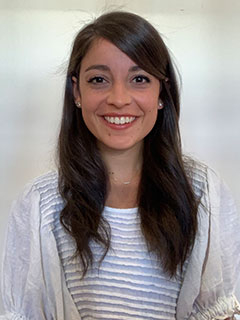
Dr. Melanie Franklin is a pediatric psychologist at Children's Hospital of Philadelphia with expertise in sleep disorders, treatment adherence, and pediatric psychology. She operates within the Department of Child and Adolescent Psychiatry and Behavioral Sciences and collaborates across multiple teams. BA in Psychology – Muhlenberg College PhD in School Psychology – Lehigh University Residency and Fellowship in Pediatric Psychology – Nemours/A.I. DuPont Children’s Hospital Her research focuses on: Sleep behavior in chronic illness populations Mental health communication barriers ADHD functional outcomes Treatment adherence strategies Recent publications demonstrate expertise in ADHD comorbidities , Cystic Fibrosis sleep interventions , and academic functioning analysis . Key collaborations include: Psychiatry and Behavioral Sciences Sleep Center Pulmonary and Sleep Medicine Division
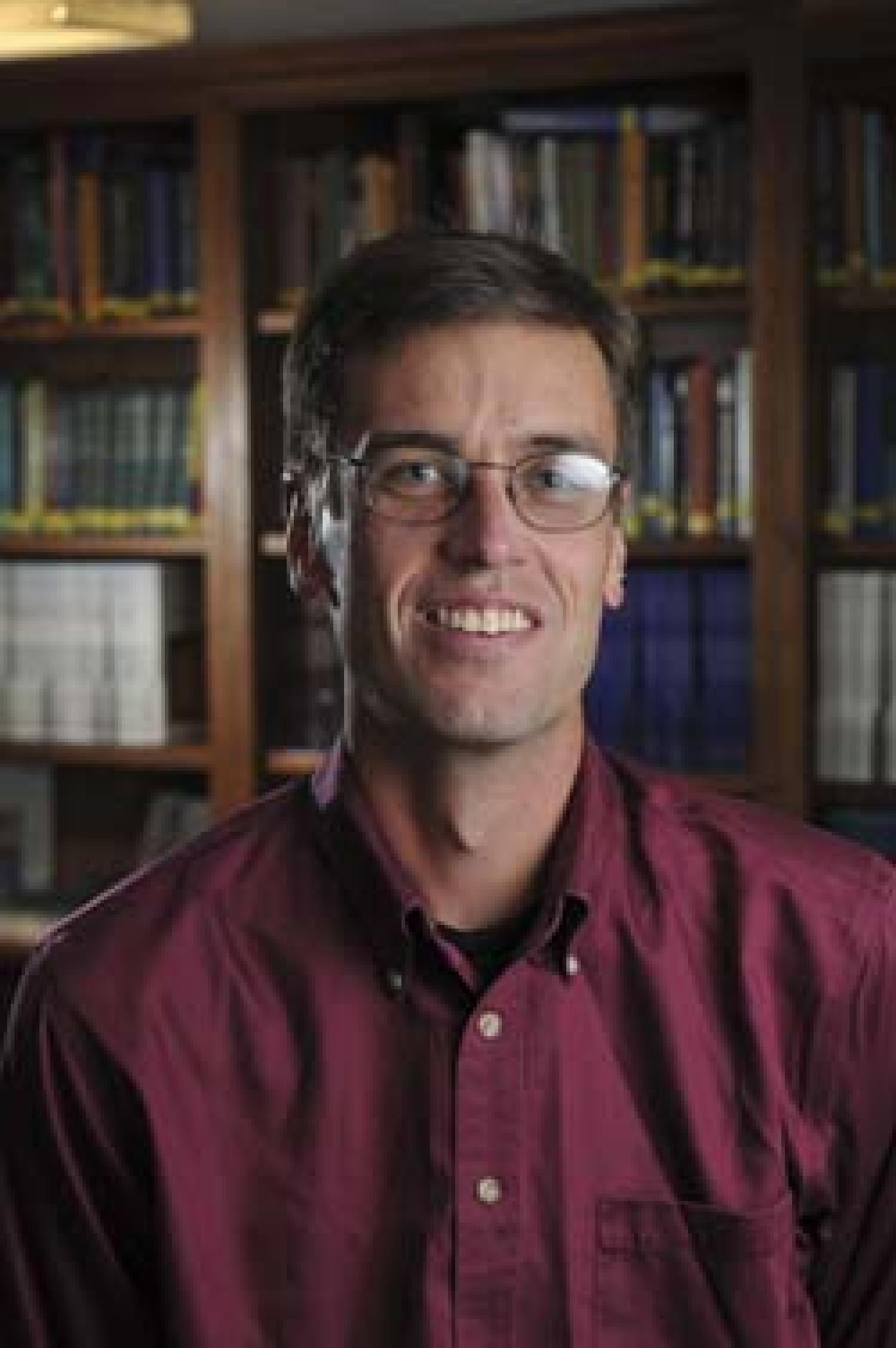
Erik Willcutt is a Professor in the Department of Psychology and Neuroscience at the University of Colorado Boulder. His research focuses on the genetic and neurobehavioral underpinnings of ADHD, learning disabilities, and developmental psychopathologies. He holds positions at the Institute for Behavioral Genetics and the Center for Neuroscience. Education: PhD in Psychology from the University of Denver (1998). Research Interests: Etiology and assessment of ADHD, reading disabilities, and developmental psychopathologies. His work integrates behavioral genetics, neuroimaging, and longitudinal twin studies to understand cognitive and psychiatric disorders. Key topics include neuroanatomical correlates of ADHD, genetic influences on dyslexia, and comorbidity between learning disabilities and psychiatric conditions. Publications highlight advanced methods like genome-wide association studies (GWAS) and phenotype harmonization (e.g., Rosetta method). His work bridges molecular genetics with clinical psychology, emphasizing translational research. Lab/Affiliations: Active in the Institute for Behavioral Genetics and collaborates with interdisciplinary teams studying neurodevelopmental disorders. Office located at Muenzinger D451B.
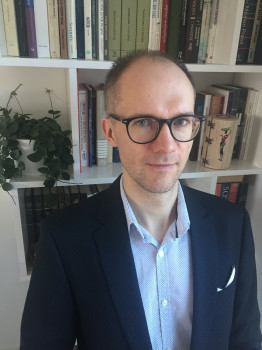
Bertram Müller-Myhsok is a Research Professor and Research Group Leader at the Max Planck Institute of Psychiatry in Munich, Germany. His research focuses on statistical genetics and transcriptomic data analysis in psychiatric disorders, particularly major depression, PTSD, schizophrenia, and their treatment responses. He integrates machine learning with genetic and clinical data to develop predictive models and stratified treatment approaches. Professional activities include leadership roles in the International Max Planck Research School for Translational Psychiatry and collaborations with institutions like the Institut du Cerveau (Paris) and Bernhard Nocht Institute (Hamburg). His work spans genetic epidemiology, psychiatric genomics, and precision medicine, with over 400 publications in high-impact journals. Key research areas include identifying genetic risk factors for mental disorders, developing polygenic scores, and leveraging omics data to uncover disease mechanisms. He leads projects like Psych-STRATA, a Horizon Europe-funded initiative advancing personalized psychiatry through pharmacogenomics.
Dr. Susana Castro-Kemp is an Associate Professor in Psychology and Human Development at University College London's Institute of Education (IOE), where she serves as Director of the Centre for Inclusive Education (CIE) since September 2023. Previously, she was a Reader in Education at the University of Roehampton for eight years. Her work focuses on inclusive education policy and practice globally, with particular expertise in special educational needs and disabilities (SEND), early childhood intervention, and mental health in schools. The IOE has been ranked number one in the world for Education for several consecutive years, providing an ideal environment for her impactful research. Dr. Castro-Kemp holds a PhD in Psychology jointly awarded in 2012 by the University of Porto (Portugal) and the University of North Carolina at Chapel Hill (USA). Her doctoral research was fully funded by the Foundation for Science and Technology/European Commission and the Global Education and Development Studies scholarships. She is a Chartered Psychologist with the British Psychological Society, a Senior Fellow of Advance HE, and a Recognised Research Supervisor by the UK Council for Graduate Education. Dr. Castro-Kemp's research centers on policy regulating education, health, and welfare services for children, particularly those with support needs. She examines inclusive education practices from users' perspectives, policy models leading to effective inclusive pedagogy, and country-level policy impacts on outcomes for children with special educational needs. Her work moves away from diagnostic labels toward engagement and civic participation as educational outcomes. She also investigates inclusion and early intervention in low- and middle-income countries, mental health in schools, and quality of early childhood education. Her recent publications reveal several key trends in inclusive education research. There's growing emphasis on understanding educational experiences through the voices of children and families rather than diagnostic labels. Much of her work examines the implementation gap between inclusive education policy and classroom practice. She has conducted significant research on how children with special educational needs experienced the pandemic, revealing both challenges and unexpected "silver linings" for some groups. Her corpus analysis of Ofsted reports shows narrow focus in early childhood education inspections, while her work on SEND policy increasingly takes an international comparative approach. Dr. Castro-Kemp has received recognition for her impactful work, including: Best Digital Humanities Project for Community Engagement Prize (2023) from the National Institute of Humanities and Social Sciences of South Africa for her project "Optimising collaborations and reducing inequalities of Early Childhood Intervention in post-Covid-19 South Africa" Dr. Castro-Kemp has secured approximately £1.3 million in research funding from various sources including ESRC, British Academy/Leverhulme Trust, European Commission, and private sponsors. Her current major project is 'ScopeSEND' (2024-2026), funded by the Nuffield Foundation (£250,000), examining international SEND policies. She has led numerous projects including "Transdisciplinary provision for children with disabilities in the Global South" (£3,500), "Optimising collaborations in South Africa" (£47,200), and "Froebel meets Ofsted" (£19,185). As a supervisor, she mentors MA/MSc and PhD students in education policy, early childhood, and inclusive education, having been nominated for student choice awards for excellent feedback and outstanding research supervision. As Director of the UCL Centre for Inclusive Education since 2023, Dr. Castro-Kemp leads a team focused on advancing knowledge exchange and research in inclusion and special needs. The Centre works with schools, educators, parents, and early years settings to translate research into practice. Her international collaborations include work with the World Health Organization as a technical advisor on the use of the International Classification of Functioning, Disability and Health (ICF) system in educational contexts. She also serves on the SEN Policy Research Forum and has provided oral evidence to the House of Commons Education Select Committee.
Gary M. Shaw is the Rosemarie Hess Professor and Professor (Research) at Stanford University , with courtesy appointments in the Department of Epidemiology and Population Health and Department of Obstetrics & Gynecology - Maternal Fetal Medicine . He serves as Co-PI of the March of Dimes Prematurity Research Center at Stanford and PI of the California Center for Finding Causes and Preventives of Birth Defects . His research focuses on the Epidemiology of birth defects Gene-environment interactions in perinatal outcomes Nutritional factors in reproductive health . He has developed machine learning approaches for precision parenteral nutrition and predictive models for preterm birth, while investigating persistent metabolomic signatures following hypertensive pregnancy disorders. Shaw's recent work explores Climate change impacts on reproductive health Maternal-fetal immune interactions Epigenetic mechanisms in perinatal disease with applications of multiomics to neonatal intensive care units. As a member of Bio-X and the Maternal & Child Health Research Institute , he contributes to translational research networks while serving as Associate Editor for Birth Defects Research and American Journal of Medical Genetics . He supervises Med Scholar Project student Richard Liang Doctoral co-advisor for Saskia Comess and Richard Liang Master's advisor for Lenae Joe while leading the Division of Neonatology as Associate Chair for Clinical Research (2012-2025). His laboratory work integrates Metabolomic profiling Proteomic analysis Computational modeling Machine learning for biomedical data to advance neonatal care through precision medicine approaches.
Julie Beth Schweitzer is a Professor in the Department of Psychiatry and Behavioral Sciences at UC Davis Health School of Medicine and a key figure at the MIND Institute. She serves as Director of the CTSC Mentoring Academy for Research Excellence (MARE), Director of the Mentored Clinical Research Training Program (MCRTP), and Co-Director of the CTSC TL1 Program. Her work bridges cognitive neuroscience and clinical psychology, focusing on ADHD across the lifespan and its comorbidities. Education: A.B. from University of Southern California (1982), M.S. (1987) and Ph.D. (1990) in Clinical Psychology from University of Massachusetts Amherst, with internship at University of Minnesota and fellowship at Emory University. Dr. Schweitzer's research explores brain-behavior-environmental relationships in ADHD, utilizing neuroimaging to study self-control development and designing tech-based interventions like virtual reality and computerized games to enhance attention and academic outcomes in ADHD and autism. Her work spans developmental psychology, translational neuroscience, and mental health technology. Recent publications highlight her focus on predicting ADHD symptom trajectories, environmental influences (e.g., phthalate exposure, neighborhood conditions), and behavioral interventions (e.g., fidget devices). Studies also address cognitive functioning in autism-ADHD comorbidity and irritability as a predictive factor. Scientific Awards & Honors Dean's Award for Excellence in Mentoring, UC Davis Health (2024) President Elect, International Society for Child and Adolescent Psychopathology (2027-2029) Selected Fellow, Association for Psychological Science (2018) Sigma Xi Grant in Aid of Research (1989) Predoctoral Traineeship, U.S. Department of Education (1984-1987) Dr. Schweitzer actively trains translational scientists through the UC Davis Clinical and Translational Science Center, emphasizing mentoring excellence. Her leadership roles and research programs underscore her commitment to advancing ADHD and developmental disorder studies, integrating clinical practice, neuroscience, and environmental health.
Dr. Angelina Vernetti is a Research Scientist at Yale University's Child Study Center, affiliated with the Social and Affective Neuroscience of Autism (SANA) Program. She holds a PhD in Developmental Neuropsychology from Birkbeck, University of London, and completed postdoctoral training at Yale. Her research focuses on social attention, reinforcement learning, and emotional regulation in children with autism, using advanced methodologies like eye-tracking and physiological recordings. Education: PhD in Developmental Neuropsychology, Birkbeck, University of London (2018) MSc in Neurosciences and Neuropsychology, University of Toulouse (2010) BSc in Cell Biology, University of Angers (2008) Research Interests : Dr. Vernetti investigates the neural and behavioral foundations of social difficulties in autism, including social attention mechanisms, emotional regulation abnormalities, and language processing deficits. Her work integrates experimental paradigms with neuroimaging and physiological measures to identify biomarkers for early intervention. Collaborations: She collaborates with prominent researchers like Katarzyna Chawarska and Suzanne Macari, focusing on neurodevelopmental mechanisms and translational research. Her team explores innovative approaches to autism assessment, including live eye-tracking and puppet-based interventions. Labs & Affiliations: Member of the Chawarska Lab and the Center for Brain & Mind Health. Active in training undergraduate, postgraduate, and doctoral students in autism research methodologies.
Fred R. Volkmar, M.D., is the Irving B. Harris Professor of Child Psychiatry, Pediatrics, and Psychology at Yale University, and Director of the Yale Child Study Center. He also serves as Chief of Child Psychiatry at Yale-New Haven Hospital. His academic affiliations include the Yale School of Medicine and leadership roles in multiple clinical and research programs. Dr. Volkmar holds an M.D. from Stanford University (1976) and a psychology master’s degree from the same institution, alongside an undergraduate psychology degree from the University of Illinois (1972). He is renowned for authoring the DSM-IV autism and pervasive developmental disorders section and has authored hundreds of publications and several influential books, including Asperger’s Syndrome and Handbook of Autism . His research focuses on autism spectrum disorders (ASD), including diagnosis, treatment, comorbidities, and transition to adulthood. His publications emphasize evidence-based practices, neurodevelopmental mechanisms, and clinical guidelines. He leads initiatives in medical care for ASD populations and advocates for improved community support systems. Notable contributions include co-developing the M-CHAT screening tool and advancing interdisciplinary approaches to ASD management. His work intersects clinical practice, policy, and education, prioritizing patient-centered care and reducing stigma.
Dr Valdas Noreika is a Senior Lecturer in Psychology at the School of Biological and Behavioural Sciences, Queen Mary University of London. He serves as Head of The Centre for Brain and Behaviour and leads the Sleep and Cognition Lab. His work bridges cognitive neuroscience, psychology, and clinical applications, with a focus on understanding consciousness and its disorders. Dr Noreika's educational background includes: BA in Philosophy from Vilnius University, Lithuania MSc in Neurobiology from Vilnius University, Lithuania PhD in Psychology from the University of Turku, Finland, focusing on altered states of consciousness and temporal distortions Dr Noreika's research explores the cognitive and neural mechanisms underlying sleep, dreaming, and consciousness. Using techniques including electroencephalography (EEG), transcranial magnetic stimulation (TMS), and psychophysics, his work investigates both basic mechanisms of consciousness and their applications to neurodevelopmental and mental health conditions. His research spans multiple domains including time processing, inter-brain synchronization across species, and environmental decision-making. A key aspect of his work involves translational research focusing on sleep, subjective experiences, and well-being in conditions such as learning disabilities, ADHD, autism, and depression. Analysis of Dr Noreika's recent publications reveals a strong focus on consciousness studies, neural mechanisms of sleep and dreaming, and applications to neurodevelopmental conditions. His work frequently employs EEG and other neuroimaging techniques to study brain activity during various states of consciousness. Recent trends show increasing emphasis on inter-brain synchronization, particularly in infant-parent interactions and cross-species communication, as well as growing interest in environmental psychology and climate change-related decision making. Dr Noreika has secured significant research funding including: The neural basis of inter-species communication - £155,098 from the Biotechnology and Biological Sciences Research Council (2024-2026) Sleep and circadian interactions with sensory sensitivity in adults with intellectual disabilities - £103,229 from the Baily Thomas Charitable Fund (2023-2025) As a supervisor, Dr Noreika advises multiple PhD students working on diverse topics including Alzheimer's disease diagnosis using information theory, emotion recognition, thermal sensation in Parkinson's disease, cultural differences in cognitive processes, and time processing. His Sleep and Cognition Lab serves as a hub for interdisciplinary research bridging neuroscience, psychology, and clinical applications. Dr Noreika leads the Sleep and Cognition Lab at Queen Mary University of London, which focuses on investigating the neural mechanisms of sleep, dreaming, and consciousness. The lab brings together researchers from diverse backgrounds to study both fundamental aspects of consciousness and their applications to clinical populations. Current projects include investigations of sleep and sensory sensitivity in adults with learning disabilities and human-dog interaction studies.
Jasmine Begeske serves as Clinical Assistant Professor of Special Education in Purdue University's Department of Educational Studies within the College of Education. She co-founded and directs CREATE: Center for Research and Equipment for Assistive Technology in Education, an AT library and makerspace providing hands-on opportunities for pre-service teachers to develop individualized solutions for students with disabilities using 3D printers, Cricut, and Glowforge equipment. Her educational background includes: PhD in Special Education with Cognate in Art Education from Purdue University MFA in Photography and Related Media from Purdue University MS in Secondary Education (Special Education specialization) from Indiana University Northwest BFA in Photography with Art History minor from Indiana University Dr. Begeske's research program examines inclusive access to arts education through program evaluation and creative assistive technology development. Her experimental printmaking practice integrates individuals with disabilities as co-creators , while her scholarly work validates instruments measuring preschool arts accessibility and develops multisensory adaptations for students with visual impairments. She bridges art education and special education through evidence-based AT interventions . Analysis of her publication history reveals consistent focus on arts/special education intersections with increasing emphasis on empirical validation of accessibility instruments and multisensory adaptations. Her 2023 work on teacher education in art classrooms and multisensory adaptations demonstrates practical applications of her CREATE center's mission, while her 2022 instrument validation study establishes methodological rigor in measuring arts accessibility. Her scientific recognition includes: 2023 USSEA Outstanding Dissertation Award 2023 Purdue Focus Award for equity initiatives 2022 AEAI President's Award for EDI service Multiple Purdue University teaching and discovery awards (2020-2023) With 15+ years of teacher preparation experience spanning 100+ course sections, Dr. Begeske mentors doctoral students while securing grant funding including $100K from Purdue's Instructional Equipment Grant for CREATE. Her professional service encompasses state-level program reviews, academic standards committees, and leadership roles in Indiana Division of Early Childhood and CEC-DARTS. The CREATE center operates as a dual-space AT innovation hub with fixed location in Beering Hall and mobile carts supporting field experiences. It empowers pre-service teachers to prototype solutions addressing specific student needs while advancing Dr. Begeske's mission of making education universally accessible through technology and creativity.
Dr. Debora M. Lee Chen is an Associate Professor of Clinical Optometry at the University of California, Berkeley’s School of Optometry & Vision Science. She serves as Co-Chief of the Binocular Vision Clinic and Chief Mentor for the Residency in Vision Therapy and Rehabilitation. Her roles also include Berkeley Optometry Disability Officer and active participation in institutional committees like the Clinical Curriculum and Instruction Committee and the Berkeley Optometry Curriculum Committee. Her research focuses on binocular vision disorders, pediatric vision, amblyopia, strabismus, traumatic brain injury, cerebral visual impairment, and innovative treatments using mobile applications. She teaches courses such as Optometry 240 (diagnosis/treatment of binocular vision anomalies), Optometry 241L (advanced strabismus management), and clinical specialty clinics (430B, 441A-C). Key research areas include pediatric vision challenges, neurodevelopmental conditions, and vision-related learning disabilities. She emphasizes community health, including barriers to eye care access and school-based screening initiatives. Her work bridges clinical practice with cutting-edge technologies like AI-driven optometry solutions. Dr. Chen’s contributions extend to neuro-optometric rehabilitation, particularly for patients with acquired brain injuries and developmental differences. She advocates for inclusive healthcare practices through her roles on the Disabled Student’s Program advisory committee and DEIB initiatives.
Katarzyna Chawarska is the Emily Fraser Beede Professor of Child Psychiatry at Yale School of Medicine, with primary affiliation in the Child Study Center and secondary appointments in Pediatrics and Statistics. She is a leading expert in autism spectrum disorders (ASD), directing the NIH Autism Center of Excellence, the Social and Affective Neuroscience of Autism Program, and the Yale Toddler Developmental Disabilities Clinic. Education: PhD in Psychology, Yale University (2000) Post-Doctoral Fellowship, Yale University School of Medicine (2000) MS in Psychology, Yale University MPhil in Psychology, Yale University MA, Jagiellonian University (1986) Her research focuses on identifying early diagnostic markers and novel treatment targets in ASD, particularly in infants at risk due to familial, genetic, or perinatal factors. Her work integrates clinical assessment, neuroimaging, eye-tracking, and longitudinal design to understand the neurodevelopmental trajectories of autism. Her recent publications explore disrupted functional connectivity, atypical visual attention, social anhedonia, and familial recurrence in autism. She employs advanced methodologies including fMRI, eye movement dynamics, and machine learning to identify biomarkers. Her research spans developmental neuroscience, clinical psychology, genetics, and pediatric psychiatry, with strong emphasis on early detection and intervention. Scientific Awards: No specific awards mentioned in the provided text. Dr. Chawarska is the Principal Investigator on active clinical trials, including studies on emotional development in infants at risk for ASD and regulation of visual attention and emotion in autism. She mentors research through her lab and collaborates extensively with experts such as Fred Volkmar, James McPartland, and Frederick Shic. She leads the Chawarska Lab, which is part of the Center for Brain & Mind Health and the Wu Tsai Institute at Yale.
Sven Bölte is a Professor at Karolinska Institutet where he leads the research group focused on Autism, ADHD and other developmental neurological conditions as part of the Center for Neurodevelopmental Disorders (KIND). His work bridges clinical research, education, and practical implementation of evidence-based approaches for neurodevelopmental conditions. Professor Bölte's research spans multiple domains within neurodevelopmental disorders, with particular emphasis on implementing the International Classification of Functioning, Disability and Health (ICF) Core Sets for autism and ADHD using digital solutions. His group has developed and evaluated social skills training programs (KONTAKT, SKOLKONTAKT, iKONTAKT) for autistic children and adolescents, conducted twin research through the Roots of Autism and ADHD Twin Study in Sweden (RATSS), and advanced diagnostic instruments for autism, ADHD, social cognition, and adaptive behavior. His recent publications reveal a strong focus on translating research into practice, with significant work on strengths-based approaches, social inclusion, neurodiversity-affirmative assessment, and the development of practical tools for clinicians and educators. The research demonstrates increasing attention to adult experiences of autism, cross-cultural validation of interventions, and the integration of digital technology in assessment and intervention. Bölte's group also delivers extensive educational components for professionals through KI-Utbildning (Assignment Education), making it one of the largest providers of training on diagnosis and support for individuals with developmental neurological conditions within Karolinska Institutet. His work frequently addresses policy implications, as evidenced by participation in Swedish parliamentary discussions about autism and ADHD.
Malin Broberg is a Professor in Psychology and the current Vice-Chancellor (since 2023) and President of the University of Gothenburg. She was previously Dean of the Faculty of Social Sciences at the same institution. Educated at Umeå University, she is a licensed psychologist with a clinical background in child and youth habilitation. Her research focuses on: Welfare systems for families with disabled children Stress coping mechanisms Neurodevelopmental impacts of brain damage in children Augmentative and Alternative Communication (AAC) Parental well-being and resilience Recent publications (2024-2023) highlight her work in neuropsychology, health-promoting learning environments, and AAC interventions for children with profound disabilities. She has collaborated with researchers in Sweden and the USA, and her work appears in journals like Child Neuropsychology and Disability and Rehabilitation-Assistive Technology . Malin Broberg has supervised doctoral and Master’s theses in developmental psychology and disability research. She has also served as General Secretary of the International Association for the Scientific Study of Intellectual and Developmental Disabilities (IASSIDD).
Hüseyin ÜNÜBOL is an Associate Professor (part-time) at Uskudar University's Department of Psychiatry. He graduated from Ege University Faculty of Medicine in 2008 and completed his PhD in Psychiatry in 2010. He achieved the title of Associate Professor in 2020. His research focuses on behavioral addictions, psychiatric epidemiology, and mental health during crises. Notable areas include ADHD diagnostic methods, pandemic-related anxiety, and addiction patterns in Turkey. Education: Ege University Faculty of Medicine (MD 2008), PhD in Psychiatry (2010) Key Roles: Part-time academic contributor to Uskudar University's Psychiatry Department Research Interests: His work spans addiction medicine, public health surveillance, and the psychological impacts of modern technologies. He has pioneered studies on social media addiction, pandemic mental health dynamics, and the neurocognitive basis of ADHD diagnosis using eye-tracking technology. His recent projects include large-scale national surveys on problematic gaming, shopping addiction, and substance use patterns. Articles Trends: Over 50 peer-reviewed publications since 2012, with recent emphasis on behavioral addictions (sex/gaming/social media), pandemic-related mental health, and diagnostic innovations. His 2020-2024 work shows strong focus on epidemiological studies and technological applications in psychiatry. Awards: None explicitly listed. Grants/Advising: Active in large-scale national health surveys like TURBAHAR but no specific grants/advising details provided here. Collaborates on addiction mapping projects and public health initiatives. Labs/Teams: Involved in multidisciplinary teams studying behavioral addictions and psychiatric epidemiology, though specific lab affiliations not detailed.