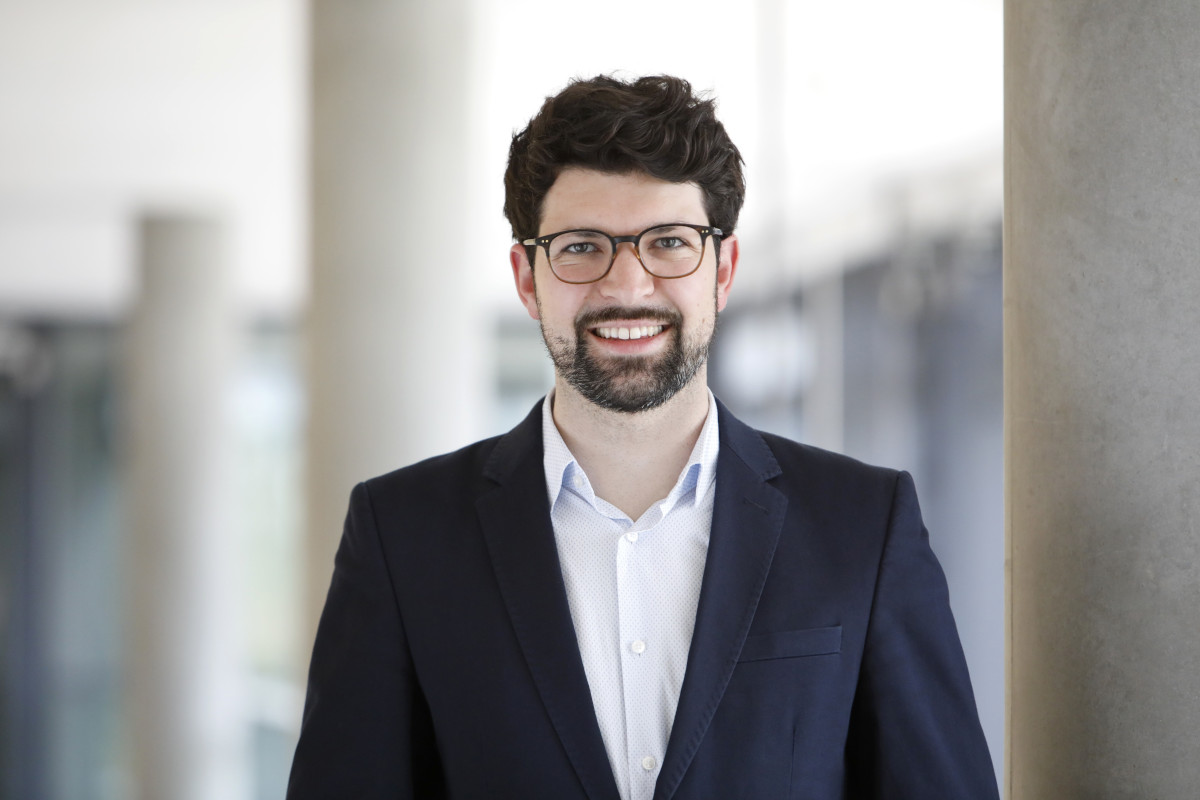
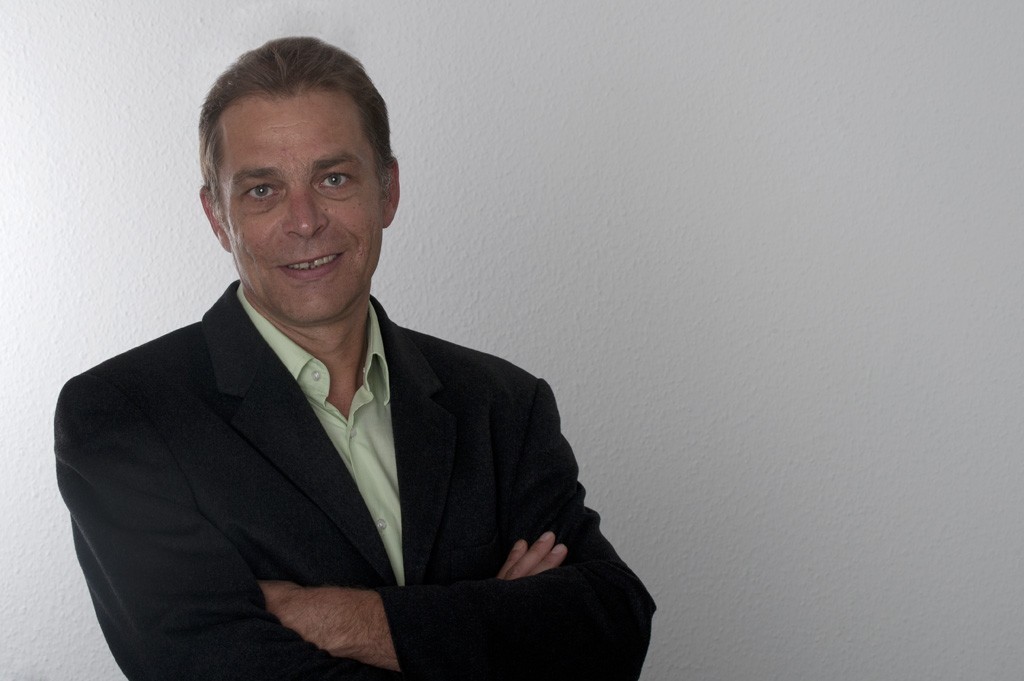
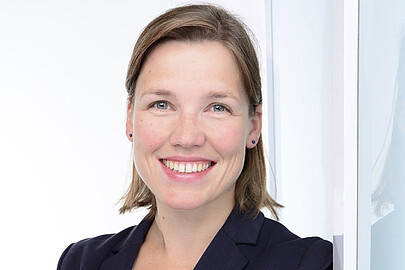
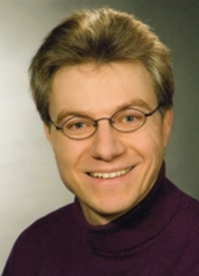
Dr. Tobias Hauser is a Professor of Computational Psychiatry at the University of Tübingen, Germany, and a Group Leader at the Max Planck UCL Centre for Computational Psychiatry and Ageing Research. His research spans clinical neuroscience, developmental psychiatry, and computational modeling, focusing on the neurocognitive mechanisms underlying psychiatric disorders like OCD and ADHD. MSc in Psychology (2010), University of Zurich PhD in Psychology (2014), University of Zurich Hauser's work employs a translational approach, integrating clinical, pharmacological, and basic neuroscience to characterize neural network deficiencies in mental health. His developmental perspective investigates how psychiatric symptoms emerge through deviations from canonical brain development trajectories. Recent publications highlight his focus on dopaminergic midbrain activity, frontostriatal myelination, and computational mechanisms of decision-making. These studies utilize techniques like fMRI, EEG, and computational modeling to explore compulsivity, impulsivity, and developmental neurocognitive processes. Sir Henry Dale Fellowship (Wellcome Trust & Royal Society) Research Fellowship (Jacobs Foundation) Kramer-Pollnow Award for ADHD research Hauser leads the Developmental Computational Psychiatry Group and co-founded the Brain Explorer app, a citizen science project investigating brain development and mental health. He actively seeks PostDocs and PhD students for collaborative research in computational psychiatry and cognitive neuroscience.
Max Planck Institute for Human Cognitive and Brain SciencesGermany
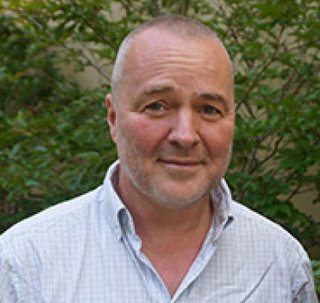
Professor Thomas R. Knösche is a Group Leader at the Methods and Development Group Brain Networks within the Max Planck Institute for Human Cognitive and Brain Sciences in Leipzig, Germany. His research focuses on computational modeling of neural networks, biophysical modeling of EEG/MEG data, diffusion tractography, and the neurocognition of language and music. He holds a professorship at the institute and leads research initiatives in brain networks and neuroimaging methodologies. His work bridges theoretical neuroscience with practical applications in understanding brain function through advanced computational techniques. Contact information includes his office phone (+49 341 9940-2619) and lab address: Stephanstraße 1A, 04103 Leipzig, Saxony, Germany.
Prof. Daniel Memmert is a Professor at the German Sport University Cologne, leading research in Sport Informatics and Sports Games within the Institute of Exercise Training and Sport Informatics. His work focuses on cognitive aspects of sports performance, decision-making, and data-driven analysis in football (soccer) and other sports. He has published extensively on topics like penalty kick strategies, home advantage dynamics, artificial intelligence applications in coaching, and route-setting in climbing. Memmert's research bridges sports science, computer science, and psychology, with over 550 publications and 41 projects to his name. He frequently engages with media, explaining complex sports phenomena to the public. Key Research Areas: Football analytics, cognitive psychology in sports, sports technology, decision-making under pressure Media Contributions: Over 50 media features discussing topics such as AI in coaching, referee bias, and athlete creativity Projects: Includes initiatives on sports data visualization, performance metrics, and prevention of sports betting addiction His work emphasizes translating academic findings into practical tools for athletes, coaches, and sports organizations, combining rigorous data analysis with real-world applications.
Babett Lobinger is a Researcher at the Institute of Psychology at the German Sport University Cologne, specializing in Performance Psychology and Applied Sport Psychology. She holds academic qualifications including Dipl.-Psych., MA Sportwiss, and Dr. in Sport Sciences. Her research focuses on Performance Psychology , Motor Control Disorders (e.g., Yips in Golf), Movement Safety in Aging , and Coaching Psychology . She has collaborated with organizations like the DFB (German Football Association) and clubs like Arminia Bielefeld and 1.FC Köln, providing sport psychological consulting and research. Key Projects include: DFG-funded studies on Yips in Golf Cross-cultural training needs analysis for football coaches Development of the Athlete Competency Questionnaire for Employability (ACQE) She teaches in the German Football Association’s (DFB) coaching academy and contributes to sport psychology curricula for trainers. Her work appears in journals like InMind and conferences such as FEPSAC.
Professor Moritz Rossner serves as Head of the Department of Molecular and Behavioral Neurobiology at the Department of Psychiatry and Psychotherapy, Faculty of Medicine, Ludwig-Maximilians-Universität München (LMU). His research integrates molecular and behavioral approaches to understand the neurobiological underpinnings of psychiatric disorders, particularly schizophrenia and bipolar disorder. Rossner's research interests focus on molecular neurobiology and behavioral analysis using mouse models. His laboratory employs advanced techniques including mouse genetics , behavioral phenotyping , biosensors , next-generation sequencing , and transcriptomics to investigate psychiatric risk genes and pathways. His work bridges cellular and molecular mechanisms with behavioral outcomes, particularly in schizophrenia and bipolar disorder research. Analysis of Rossner's 15 most recent publications (2025) reveals a strong focus on precision psychiatry , neuroimaging biomarkers , and genetic mechanisms underlying psychiatric disorders. His research increasingly incorporates multimodal approaches combining neuroimaging, genomics, and clinical phenotyping to develop biologically informed diagnostic and treatment frameworks. Key themes include blood-brain barrier dysfunction in schizophrenia, inflammatory contributions to symptom severity, and pathway-specific polygenic scores for treatment prediction. Rossner leads the Molecular & Behavioural Neurobiology working group at LMU's Department of Psychiatry and Psychotherapy, which includes specialized units like the Mouse Behavioral Unit. His research program appears well-funded through multiple collaborative projects focused on understanding the molecular basis of psychiatric disorders and developing novel therapeutic approaches.
Dr. Adrian Meier is a tenure-track Junior Professor for Communication Science at Friedrich-Alexander University Erlangen-Nuremberg (FAU), holding the Chair of Communication Science since February 2024. Previously, he served as Assistant Professor at the University of Amsterdam (2020-2021) and as a Research Associate at Johannes Gutenberg University Mainz (2015-2020), where he completed his doctorate summa cum laude in August 2020, an MA in Communication Science (2013-2015), and a BA in Journalism and Political Science (2010-2013). His research is conducted through the Junior Professorship for Communication Studies, part of the Institute for Labor Market and Socioeconomics (IAS) within FAU's School of Business, Economics and Social Sciences. Meier's research focuses on media usage and effects research, media psychology, and interpersonal communication, with particular emphasis on the consequences of digital communication for well-being, health, and self-regulation at the interface between work and leisure. His work investigates phenomena such as digital stress, procrastination, and digital communication in the home office. Methodologically, he specializes in in-situ surveys, digital behavioral data analysis, and AI-supported literature syntheses, with a strong commitment to theory-driven, media-psychological, and quantitative-empirical approaches. His research employs short-term longitudinal designs including diary studies and experience sampling, systematic literature reviews, and adheres to open science principles with pre-registration. Analysis of Meier's recent publications reveals a consistent focus on digital disconnection and its relationship to well-being, examining how temporary breaks from digital media can improve situational psychological states. His work innovates in measuring digital behavior beyond simple screen time metrics, exploring nuanced aspects of smartphone usage patterns, temporal dimensions in media effects, and the motivational factors behind digital disconnection. He has made significant contributions to understanding the complex relationship between social media use and mental health, particularly in adolescent populations, while challenging simplistic narratives about passive versus active social media use. Dordick Dissertation Award from ICA Communication & Technology Division Dissertation Prize from German Society for Journalism and Communication Studies (DGPuK) Best Paper Award at Annual Conference of the Section for Reception and Effect Research Editorial board member for Media Psychology, Journal of Media Psychology, and Mobile Media & Communication As an active researcher and educator, Meier supervises bachelor's theses and offers a range of courses in communication science. His research has been funded through prestigious grants including an ERC Starting Grant for his project 'Social Well-Being from Hybrid Interactions in Hybrid Work' (HYIHY), which received €1.5 million in funding. His work has established him as a leading voice in understanding the psychological implications of digital communication in contemporary society, particularly at the intersection of work and personal life in the era of hybrid work arrangements.
Prof. Dr. Axel Mecklinger is a leading cognitive neuroscientist at Saarland University , specializing in the neurocognition of memory and language through spatiotemporal brain imaging (EEG/MEG/fMRI). His career spans over three decades, with significant contributions to understanding visual working memory , associative recognition , and memory development . Key research areas: Memory binding, ERP subsequent memory effects, novelty detection, and cognitive aging Major grants: DFG Research Groups, Collaborative Research Centers, and international collaborations with the Chinese Academy of Sciences Scientific leadership: Organized conferences, edited journals, and served as speaker for research training groups His recent work explores unitization in memory formation , cross-cultural differences in memory processing , and theta neurofeedback interventions . Awards include the Early Career Award of the German Psychophysiology Society (1992) and the European Federation of Psychophysiology Societies' Federation Prize (1994). Current projects investigate the neural mechanisms of semantic surprisal and memory plasticity in aging populations.
Insa Feinkohl is a Professor at the Chair of Medical Biometry and Epidemiology within the Faculty of Health at the University of Witten/Herdecke . Her research focuses on risk factors for cognitive dysfunction and mental health in older adults, particularly post-surgery, with emphasis on metabolic and cognitive risk factors. Bachelor of Science (BSc) in Psychology (1 st class honors) – University of Dundee (2006-2009) Master of Science (MSc) in Psychology of Individual Differences (with distinction) – University of Edinburgh (2009-2010) PhD in Community Health Sciences – University of Edinburgh (2010-2014) Post Doc in Knowledge Construction Group – Leibniz Institute for Knowledge Media, Tübingen (2014-2015) Postdoc in Molecular Epidemiology Group – Max Delbrück Center, Berlin (2015-2022) Habilitation in Molecular Epidemiology – Charité Universitätsmedizin Berlin (2021) Her research integrates medical biometry and epidemiology to study postoperative cognitive dysfunction (POCD), delirium, and aging-related cognitive decline. Key areas include biomarker validation (e.g., leptin, interleukins), brain connectivity (dopaminergic networks, thalamus), and metabolic risk factors (diabetes, obesity). She contributed to the BioCog project , an EU-funded initiative for personalized risk prediction of postoperative cognitive impairment. Her recent publications highlight trends in perioperative neuroscience, including brain mineralization, cytokine associations with neurocognitive disorders, and structural/functional imaging in delirium. Articles also explore metabolic syndrome, cognitive reserve, and delirium prediction models using machine learning. Insa Feinkohl is affiliated with major academic societies, including the German Society for Epidemiology , German Society for Medical Informatics, Biometry and Epidemiology , and the German University Association .
Dr. Julia Mierau is a researcher at the Institute of Movement and Neuroscience, German Sport University Cologne. She is actively involved in projects related to digitalization in sports teacher education, cognitive performance, and exercise neuroscience. Her work bridges pedagogy and neuroscience, with a strong focus on EEG, motor performance, and digital learning tools. Institution: German Sport University Cologne Department: Institute of Movement and Neuroscience Email: j.mierau@dshs-koeln.de Phone: +49 221 4982-8613 Her research interests include electroencephalography, cognitive performance, exercise psychology, sports pedagogy, and digital media in education. She investigates how physical activity influences brain function and learning, particularly in educational contexts. The recent publications reflect a strong trend in digital innovation in sports education, EEG-based monitoring of exercise effects, and cognitive performance in athletes and children. Her work combines experimental neuroscience with practical pedagogical applications. Scientific Awards: ECSS Young Investigators Award (2011) Fellowship for Digital Higher Education Innovation (2019) Graduiertenstipendium (2007) Reisestipendium (2011, 2014) Dr. Mierau has been principal or co-investigator in multiple externally funded projects, including ComeSport, ComeIn, and S.P.O.R.T.S., focusing on digital competence development in teacher training. She also served as co-editor of the Journal for Study and Teaching in Sports Science in 2021 and 2022, demonstrating academic leadership. She collaborates extensively with researchers such as Jens Kleinert, Heiko Strüder, and Andreas Mierau, contributing to a robust network in sports neuroscience and pedagogy.
Prof. Dr. Melanie Krüger is a faculty member at Leibniz University Hannover , where she serves as Head of the Research Unit Sports and Cognition within the Institute of Sports Science. Her academic career spans institutions including the Technical University of Munich, University of Tasmania, and Ludwig Maximilian University. She leads research initiatives in embodiment, cognitive aging, motor decision-making, and the impact of physical activity on neurocognitive and motor functioning. Current Position: Professor, Institute of Sports Science, Leibniz University Hannover Prior Appointments: Post-doctoral roles at Technical University of Munich, University of Tasmania, and Pennsylvania State University Education: PhD in Systemic Neurosciences, Ludwig Maximilian University; Diploma in Sports Science, University of Leipzig Krüger's research focuses on: Embodiment Research: Systemic interactions between cognitive and motor development Cognitive Aging: Age-related changes in motor decision-making and coordination Human Locomotion: Collision avoidance, mixed reality interactions, and real-world movement studies Open Science: Advocacy for research data management in sports science Her recent publications explore mixed reality applications ( 2024 ), stress effects on motor function ( 2023 ), and methodological innovations in locomotion studies ( 2021-2025 ). Current projects include Moving Forward (2021-2022) and two Innovation Plus initiatives (2022-2024) developing experimental frameworks for human movement analysis. Krüger actively participates in academic governance: Spokesperson, German Society of Sport Science's Ad Hoc Committee on Research Data Management (since 2022) Board member, DVS Section 'Sports Motor Skills' (since 2022) Doctoral Committee, Faculty of Humanities Examination Board, MSc Sustainable Health Promotion in Sports Science
Max Planck Institute for Human Cognitive and Brain SciencesGermany
Dr. Gesa Schaadt is a postdoctoral research scientist at the Clinic of Cognitive Neurology , University of Leipzig, affiliated with the Medical Faculty . Holding a PhD in Psychology from Humboldt-Universität zu Berlin, her work focuses on the neurocognitive mechanisms underlying speech processing and language development in children, particularly those with writing difficulties and dyslexia. She has held research positions at both Humboldt-Universität and the Max Planck Institute for Human Cognitive and Brain Sciences. Education AS-Level (Psychology, Biology, Mathematics, Spanish), King Edward VI Sixth Form College (2003) University Entrance Certificate (Advanced Courses: English, Biology), Rübekamp School (2005) Diploma in Psychology (Cognitive Psychology), Humboldt-Universität zu Berlin (2011) Doctor of Psychology (Dr. rer. nat.), Humboldt-Universität zu Berlin (2016) Research Interests encompass visual-auditory speech integration, developmental language disorders, and the hormonal impacts on language acquisition during 'mini-puberty'. Her work bridges cognitive psychology and clinical neurology, utilizing neuroimaging and behavioral methods. Scientific Awards include fellowship support during her PhD studies at the Max Planck Institute for Human Cognitive and Brain Sciences (2011-2013). Current Work investigates neurocognitive pathways in language development and disorders, combining insights from cognitive psychology and neurology.
Prof. Dr. Kai Essig is a Professor of Human Factors and Interactive Systems at the Faculty of Communication and Environment, Rhine-Waal University of Applied Sciences, Kamp-Lintfort, Germany. He has a strong interdisciplinary background combining computer science, cognitive science, and human-computer interaction, with a focus on eye tracking, visual perception, and assistive technologies. Master of Science in Computer Science and Chemistry, Bielefeld University (1998) Ph.D. in Computer Science, Bielefeld University (2007) His research centers on eye tracking, human-computer interaction, usability engineering, visual attention, and cognitive interaction technology . He investigates how movement expertise influences visual perception and how multimodal software can support real-time human actions. His work integrates computer vision, machine learning, and neuroscience to develop intelligent systems that adapt to user behavior. The 15 most recent publications reflect a consistent trend in eye movement analysis, mental representations, brain-machine interfaces, and assistive technologies . These works span domains such as sports psychology, robotics, augmented reality, and cognitive neuroscience, demonstrating a strong interdisciplinary approach. Key themes include gaze-based interaction, automated annotation of visual behavior, and the implementation of smart systems for daily living assistance. Scientific recognition includes: Landmark in the Land of Ideas (2018) – for the ADAMAAS project, awarded by 'Land of Ideas', a joint initiative of the German government and the Federation of German Industries Prof. Essig has been actively involved in research projects such as ADAMAAS (Adaptive and Mobile Action Assistance in Daily Living Activities), which received national recognition. He has collaborated extensively with the Neurocognition and Action-Biomechanics Research Group at Bielefeld University and the Excellence Cluster CITEC. While no formal advising of students is listed, his publications suggest mentorship and collaboration with junior researchers. His lab work is centered on eye-tracking systems, multimodal interaction, and cognitive modeling , particularly within applied environments like smart glasses and assistive technologies.
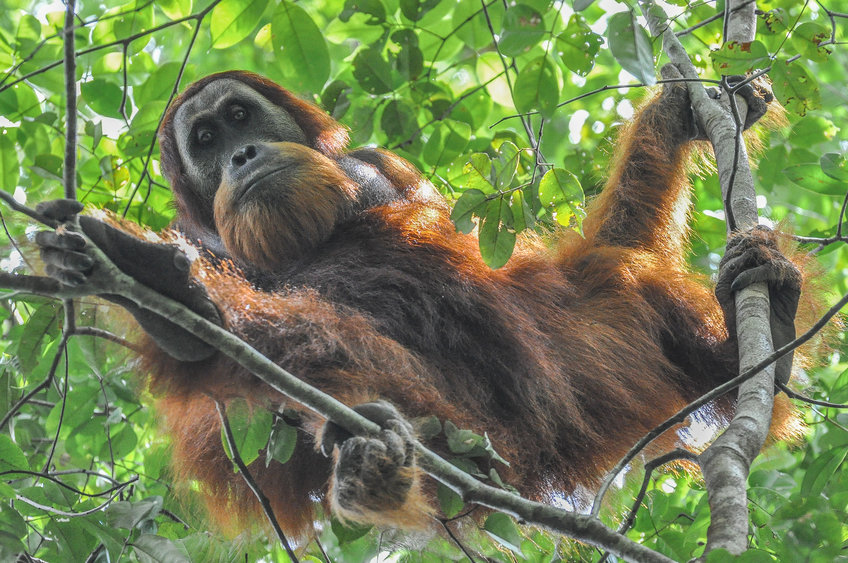
Dr. Caroline Schuppli is a Max Planck Research Group Leader at the Max Planck Institute of Animal Behavior in Konstanz and a Freigeist Fellow by the Volkswagen Foundation. She serves as IMPRS QBEE faculty , Adjunct Researcher at the University of Zürich, and Director of the SUAQ Orangutan Research Project in Indonesia since 2017. Her work bridges evolutionary biology and cognitive ecology through longitudinal studies of Sumatran orangutans. Education: PhD in Evolutionary Biology (2012-2016), University of Zürich MSc in Anthropology (2010-2012), University of Zürich BSc in Biology (2007-2010), University of Zürich Her research investigates how social learning , environmental complexity , and maternal behavior shape cognitive evolution in great apes. Key themes include: Comparative analyses of wild vs. captive orangutan cognition Development of ecological skills and cultural repertoires Role of curiosity and innovation in cognitive evolution Interplay between life history and brain size trade-offs Recent publications emphasize nested skill acquisition , maternal behavior plasticity , and cross-taxa comparisons of social learning mechanisms. She has mentored PhD candidates like Nora Slania , Adriana Luna , and Emma Lokuciejewski . Scientific Awards: Freigeist Fellowship (2021) Swiss National Science Foundation Postdoc Funding (2019-2020) As President of the SUAQ Foundation and collaborator with institutions across Switzerland and Germany, she integrates fieldwork at Suaq Balimbing with global comparative frameworks.
Prof. Matthias Schlesewsky is a Professor of Psychology at the University of South Australia. Previously, he held positions as Professor of General Linguistics at the University of Mainz and as a Junior Professor at the University of Marburg. With a unique background in chemistry and a PhD in linguistics, he specializes in interdisciplinary research at the intersection of science and humanities. His research focuses on the neurobiological foundations of language and how language processing evolves across the lifespan. Key interests include sentence comprehension mechanisms, cross-linguistic neurocognitive models, and the interplay between auditory processing and language evolution. Prof. Schlesewsky’s work integrates experimental methods like EEG and eye-tracking to explore real-time language processing. His contributions have advanced understanding of linguistic universals and neural mechanisms underlying language.
Professor J. Debus is a distinguished academic in Radiation Oncology at Heidelberg University's Medical Faculty, with extensive research focused on particle therapy, medical physics, and cancer treatment optimization. His work spans clinical trials, radiobiology, and technical innovations in radiation delivery systems. Primary Affiliation: German Cancer Research Center (DKFZ), Heidelberg Research Focus: Particle therapy, radiation oncology, medical physics Key Collaborations: Mein S., Liew H., Tessonnier T., and other leading researchers in radiation oncology Professor Debus' research interests center on advancing particle therapy techniques including proton, carbon ion, and emerging modalities like helium and oxygen ion therapy. His work addresses critical challenges in radiation oncology such as normal tissue sparing, hypoxia-induced radioresistance, and precision treatment delivery. He has made significant contributions to understanding the biological effects of different radiation types and optimizing treatment protocols for various cancer types including head and neck cancers, brain metastases, and prostate cancer. His recent publications demonstrate leadership in clinical trials (GUARD, ESTRON, PROBASE) and technical innovations in radiation delivery systems, particularly in the emerging field of FLASH radiotherapy and ultra-high dose rate treatments. Professor Debus has published extensively on treatment planning optimization, radiation-induced biological effects, and imaging techniques for precise radiation delivery. Leading clinical trials in particle therapy Developing novel techniques for normal tissue protection Advancing understanding of radiation biology across different modalities Professor Debus has secured significant research funding for his work in radiation oncology and particle therapy. His research has contributed to clinical implementation of advanced treatment techniques at the Heidelberg Ion-Beam Therapy Center (HIT), one of the world's leading facilities for particle therapy. He supervises numerous doctoral students and postdoctoral researchers in the radiation oncology field. His laboratory and research team focus on translational research bridging basic radiobiology with clinical applications, with particular emphasis on optimizing treatment protocols for challenging tumor types and improving patient outcomes through precision radiation therapy.