Prof. Dr. Magdalena Götz is the Director of the Institute of Stem Cell Research at Helmholtz Center Munich and a Professor of Physiological Genomics at Ludwig Maximilian University Munich. Her research focuses on neurogenesis, neural stem cells, and direct neuronal reprogramming of glial cells for brain repair. Education : Dr.rer.nat at Friedrich-Miescher Institute of the Max-Planck Society (1992) Postdoc : National Institute for Medical Research, London (1993-1996) Her research interests span mechanisms of neural stem cell identity, brain development, and reprogramming strategies to convert glia into neurons with up to 90% efficiency in vivo. She pioneered direct neuronal reprogramming prior to induced pluripotent stem cells and discovered key factors like Akna and Hmgb2. Her scientific awards include: Gottfried Wilhelm Leibniz Prize (2007) Advanced ERC Grant (2014, 2020) Roger de Spoelberch Prize (2017) Her recent publications highlight epigenetic remodeling during reprogramming, glial cell heterogeneity, and mitochondrial proteome contributions. These studies, spanning Nature Neuroscience , Science , and Nature Communications , underpin therapeutic strategies for neurodegenerative diseases. She leads the Stem Cell Center at Helmholtz and collaborates with networks like NSC Reconstruct, Synergy, TRR274, and SPP Ferroptosis.
Giacomo Masserdotti is an Adjunct Professor and Senior Scientist at the Department of Physiological Genomics, Faculty of Medicine, Ludwig-Maximilians-Universität München. He is affiliated with the Graduate School of Systemic Neurosciences (GSN) and conducts cutting-edge research in direct neuronal reprogramming from glial cells and fibroblasts. Research Interests: His work focuses on the molecular mechanisms—transcriptional, proteomic, and metabolic—underlying the direct conversion of astrocytes, OPCs, and fibroblasts into functional neurons. He employs advanced techniques such as primary cultures, transduction, immunofluorescence, RNA-seq (bulk and single-cell), patch-clamp, and 3D bioprinting to develop improved in vitro 3D models that mimic the in vivo environment, aiming to enhance reprogramming efficiency and neuronal subtype specificity while reducing animal use in research. Publication Trends: His recent publications highlight innovations in overcoming metabolic barriers in reprogramming, enhancing mitochondrial function via CRISPR, and understanding heterogeneity in reprogrammed neurons. These works, published in top journals like Cell Stem Cell and Cell Reports , reflect a strong focus on translational neuroscience and regenerative strategies. Scientific Contributions: Dr. Masserdotti plays a key role in advancing glia-to-neuron conversion technologies. His research bridges basic molecular neuroscience with potential therapeutic applications in neurodegenerative diseases. Mentorship and Team: He currently mentors GSN student Fabio Laredo and collaborates closely with Prof. Magdalena Götz, a leading figure in neural stem cell research. His lab integrates molecular biology with systems-level analysis to dissect reprogramming dynamics.
Prof. Dr. Rüdiger Klein is the Director and Head of the Department of Molecules – Signaling – Development at the Max Planck Institute for Biological Intelligence. His research focuses on neuronal circuit formation, cell-cell communication, and neurodegenerative mechanisms using mouse models. Research Areas : Cortex development, amygdala circuits, optogenetics, mouse behavior, neurodegeneration studies Key Techniques : Genetic circuit manipulation, single-cell RNA sequencing, optogenetics, 2-photon calcium imaging Scientific Contributions : His work includes ERC-funded studies on synthetic neurocircuit reconstruction, FLRT protein roles in cortical folding, and amyloid-like aggregate toxicity in Huntington's disease. Advising : Mentored students including Aleksa Petković and Dr. Ylenia Mastrodicasa. Collaborates with Max Planck Institute of Biochemistry departments on proteostasis and neurodegeneration.
Prof. Dr. Stefan Stricker is a full member of the Graduate School of Systemic Neurosciences (GSN) and a regular member of the Munich Center for Neurosciences (MCN) at Ludwig-Maximilians-Universität München (LMU). He leads the Physiological Genomics research group jointly housed at the Biomedical Center LMU and Helmholtz Zentrum München, where he explores CRISPR-based epigenetic engineering, neural stem cell biology and brain tumour reprogramming. Research Interests: CRISPR-based epigenetic engineering – developing precise tools to rewrite chromatin states in somatic and cancer cells. Neural stem cell identity – decoding transcriptional and epigenetic networks that govern self-renewal versus differentiation. Brain tumour reprogramming – converting malignant glioma cells to a pluripotent, non-tumourigenic state to interrogate cancer epigenetics. Long non-coding RNAs (lncRNAs) – investigating Airn and other macro ncRNAs in genomic imprinting and gene-silencing mechanisms. Across more than fifteen years his work has produced a coherent body of literature that moves from fundamental imprinting biology in embryonic stem cells to translational applications in glioblastoma. Re-occurring themes include DNA-methylation resetting, allele-specific expression biases, and the therapeutic vulnerabilities of glioblastoma initiating cells. Selected Publications & Trends: The 15 most recent publications (2004-2014) reveal a clear progression from mechanistic studies of lncRNA-mediated silencing ( Airn , Igf2r ) to high-impact investigations of glioblastoma stem-cell biology and CRISPR-mediated reprogramming. Collectively these works sit at the intersection of epigenetics , cancer biology and neurodevelopment . Scientific Awards & Fellowships: While no specific prizes are listed, multiple papers were recommended or highlighted by Faculty of 1000 and featured research highlights in Cancer Research and Nature Reviews Cancer . Advising & Training: Graduated GSN student: Dr. Valentin Baumann Laboratory & Institutional Affiliations: Prof. Stricker’s Physiological Genomics group is physically embedded within the Biomedical Center LMU and the Helmholtz Zentrum München, facilitating close collaboration between the university medical faculty and Germany’s largest biomedical research organisation.
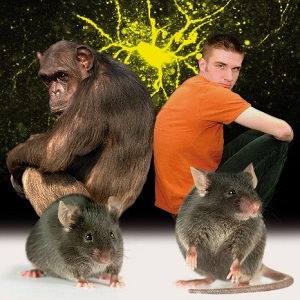
Prof. Dr. Wolfgang Enard is a faculty member at Ludwig Maximilian University of Munich, leading research in Primate Genomics , Evolutionary Biology , and Computational Biology . His work bridges evolutionary genomics with experimental molecular mechanisms to understand human-specific traits, particularly focusing on speech evolution and brain size development. Studying FOXP2 transcription factor in human speech evolution using mouse models Investigating genetic basis of brain size evolution through cross-species genomic comparisons Generating and analyzing induced pluripotent stem cells (iPSCs) from primates for evolutionary studies His laboratory employs RNA-Seq , ChIP-Seq , and proteomics to explore regulatory networks, with recent publications emphasizing cross-species comparisons, epigenetic evolution, and stem cell engineering. While no explicit awards are listed, his work has been cited in numerous high-impact publications across genomics, neurobiology, and disease modeling. Key trends in his research include comparative epigenomics of neural development, iPSC-based evolutionary studies , and multiomic approaches to disease mechanisms . His lab maintains active collaborations and generates specialized stem cell lines for cross-primate investigations.
Prof. Dr. Ralph Rupp is a Professor of Molecular Biology at the Faculty of Medicine, Ludwig Maximilian University of Munich, where he leads the Developmental Epigenetics research group at the Biomedical Center. His laboratory investigates the role of chromatin structure and histone modifications in regulating embryonic development, primarily using the African clawed frog (Xenopus) as a model system. Dr. Rupp's research focuses on stage-specific histone modification profiles during embryogenesis and how these epigenetic landscapes regulate cellular plasticity and differentiation. His group has made seminal contributions to understanding how histone modifications like H4K20 methylation and chromatin remodeling complexes such as Brg1 control key developmental transitions. The lab combines embryological approaches with molecular and biochemical techniques to study how chromatin maturation constrains cellular potency during development. His recent publications demonstrate consistent output in high-impact journals including Cell Systems, Developmental Cell, and Nucleic Acids Research, with research themes spanning histone modification dynamics, chromatin remodeling in embryonic patterning, and transcriptome analysis of differentiation processes. The work shows particular strength in bridging molecular epigenetics with developmental biology. Scientific recognition includes: Ausbildungsstipendium der DFG (1991-1992) Postdoctoral Fellowship of the American Muscular Dystrophy Association (1993) Team Grant Coordinator for the Human Frontier Science Program (1999-2003) Prof. Rupp currently leads Project A12 within the CRC 1064 research consortium and advises PhD students including Janet Tait. His lab maintains active collaborations within the Biomedical Center and participates in graduate training programs. The research group continues to advance our understanding of how epigenetic mechanisms guide vertebrate development from pluripotent embryonic cells to differentiated somatic lineages.
Professor Stefan H. Stricker is a W2 Professor of Reprogramming and Regeneration in the Department of Physiological Genomics at the Medical Faculty of Ludwig-Maximilians-University Munich. He leads Project A35 focused on 'Functional analysis and targeted manipulation of chromatin dynamics on mammalian noncoding regions' as part of the CRC 1064 research program. His laboratory is situated within the Biomedical Center (BMC) in Martinsried, which integrates natural sciences with clinical applications to study cell development and plasticity. Professor Stricker's research focuses on epigenetic regulation and cellular reprogramming, particularly investigating how chromatin dynamics can be manipulated to enable cell fate transitions. His work bridges molecular biology with regenerative medicine applications, with significant emphasis on neural lineage development and CRISPR-based technologies for epigenome editing. Recent publications demonstrate his expertise in transcriptional engineering and overcoming epigenetic barriers during cell reprogramming processes. His selected publications from 2019-2021 reveal a strong research trajectory in epigenetics and cellular reprogramming, with articles appearing in high-impact journals including Nature Communications, Cell Stem Cell, and Physiological Reviews. These works collectively explore the intersection of CRISPR technology, epigenetic regulation, and cellular plasticity with implications for regenerative medicine. Kitty Cookson award (2013) EMBO Long-term Fellowship (2009) B.I.F. Böhringer Ingelheim Fonds Scholarship (2005) As an active member of the Graduate School for Systemic Neurosciences since 2016, Professor Stricker supervises graduate students and contributes to academic training. His laboratory benefits from collaborations through the International Training Network (ITN) Nanostem and the Helmholtz@epigenetics committee, providing students with interdisciplinary research opportunities and access to state-of-the-art core facilities at the Biomedical Center.
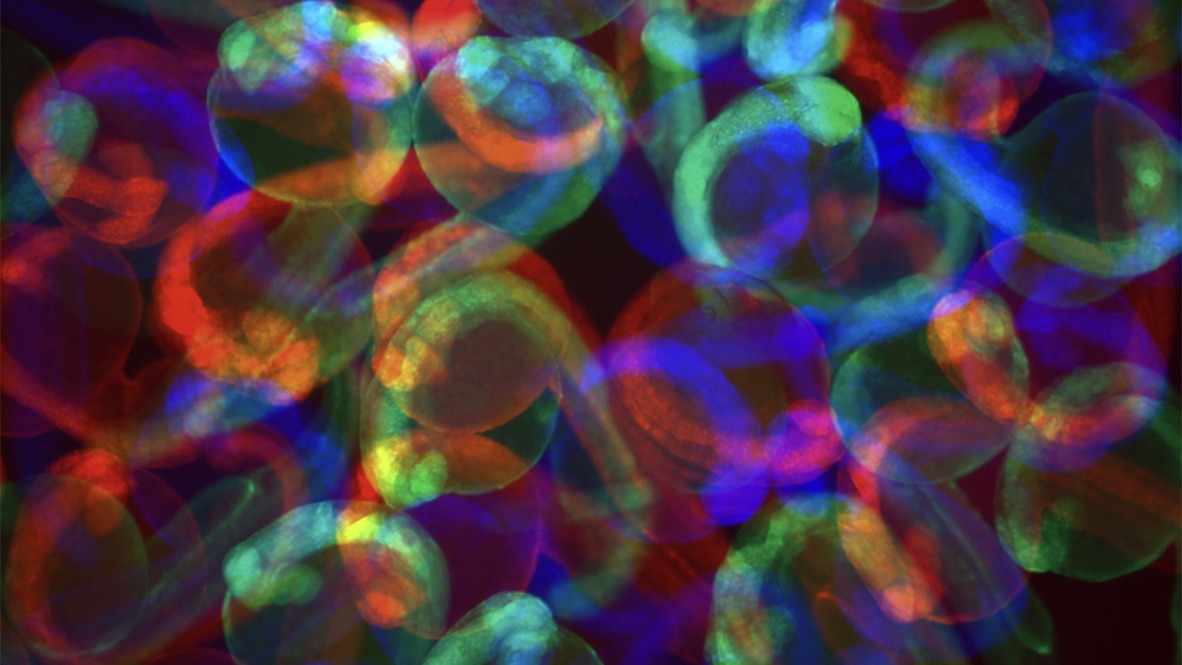
Antonio Giraldez is the Fergus F. Wallace Professor of Genetics at Yale School of Medicine, where he has led his research laboratory since 2007. He served as Director of Graduate Studies (2012-2016) and Chair of the Genetics Department (2017-2023). His academic appointments span multiple departments and centers including Biochemistry, Quantitative Biology, Biophysics and Structural Biology (BQBS), the Center for RNA Science and Medicine, Yale Cancer Center, Yale Center for Genomic Health, Yale Combined Program in the Biological and Biomedical Sciences (BBS), and the Yale Stem Cell Center. Professor Giraldez's research focuses on understanding the regulatory code that governs gene expression during vertebrate development after fertilization. His lab investigates four interconnected areas: genome activation during the maternal-to-zygotic transition, post-transcriptional regulation of gene expression, modeling of therapeutic mRNA design, and modeling of gene regulatory networks. Using zebrafish as a primary model organism combined with advanced genomic, computational, and imaging approaches, his lab has made significant contributions to understanding how transcription factors activate the embryonic genome and how RNA regulatory elements control mRNA stability and translation. Analysis of Professor Giraldez's recent publications reveals a strong focus on the molecular mechanisms of embryonic development, particularly the maternal-to-zygotic transition where control of development passes from maternal to embryonic factors. His work increasingly integrates high-throughput genomic approaches with computational modeling to decode regulatory elements in RNA that determine stability, translation efficiency, and tissue-specific expression - knowledge directly applicable to therapeutic mRNA design for gene therapy and vaccines. Scientific Awards and Honors: HHMI Faculty Scholar (2016) Blavatnik Award for Young Scientists National Finalist (2016) Vilcek Prize for Creative Promise in Biomedical Science (2014) Pew Scholar in Biomedical Sciences (2008) NYAS Blavatnik Young Investigator Award Finalist (2007) Professor Giraldez has established a productive research program with consistent funding and publication in top-tier journals. His lab maintains active collaborations with researchers across Yale and beyond, as evidenced by his frequent co-authorship with scientists from multiple departments. He has trained numerous students and postdocs who have gone on to independent research careers. The Giraldez Lab maintains a diverse team of researchers working at the intersection of developmental biology and genomics. The lab provides extensive resources including published datasets, computational tools like CRISPRscan, and detailed genomic annotations available through their data repository. Professor Giraldez's research program continues to advance our understanding of fundamental gene regulatory mechanisms with implications for both basic science and therapeutic applications.