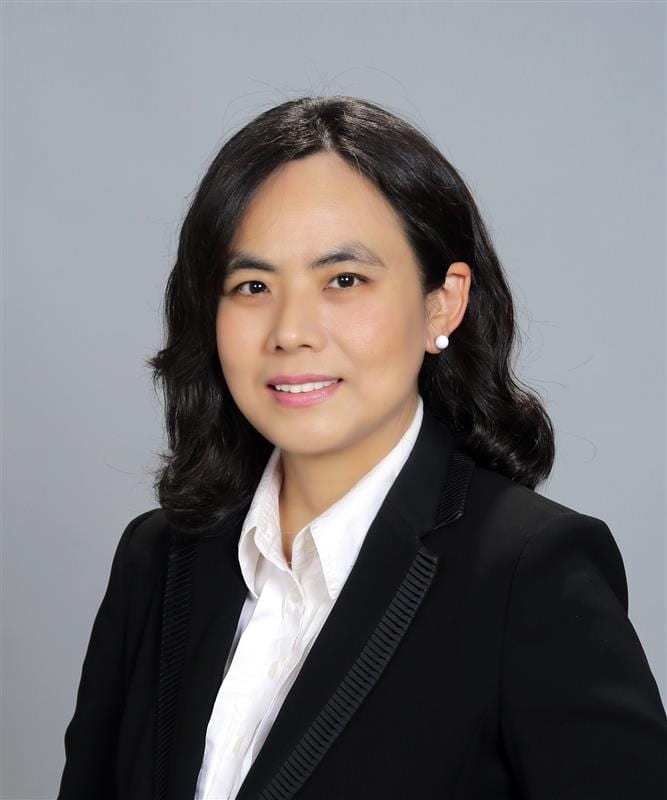
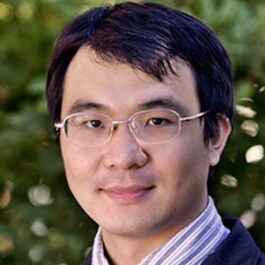
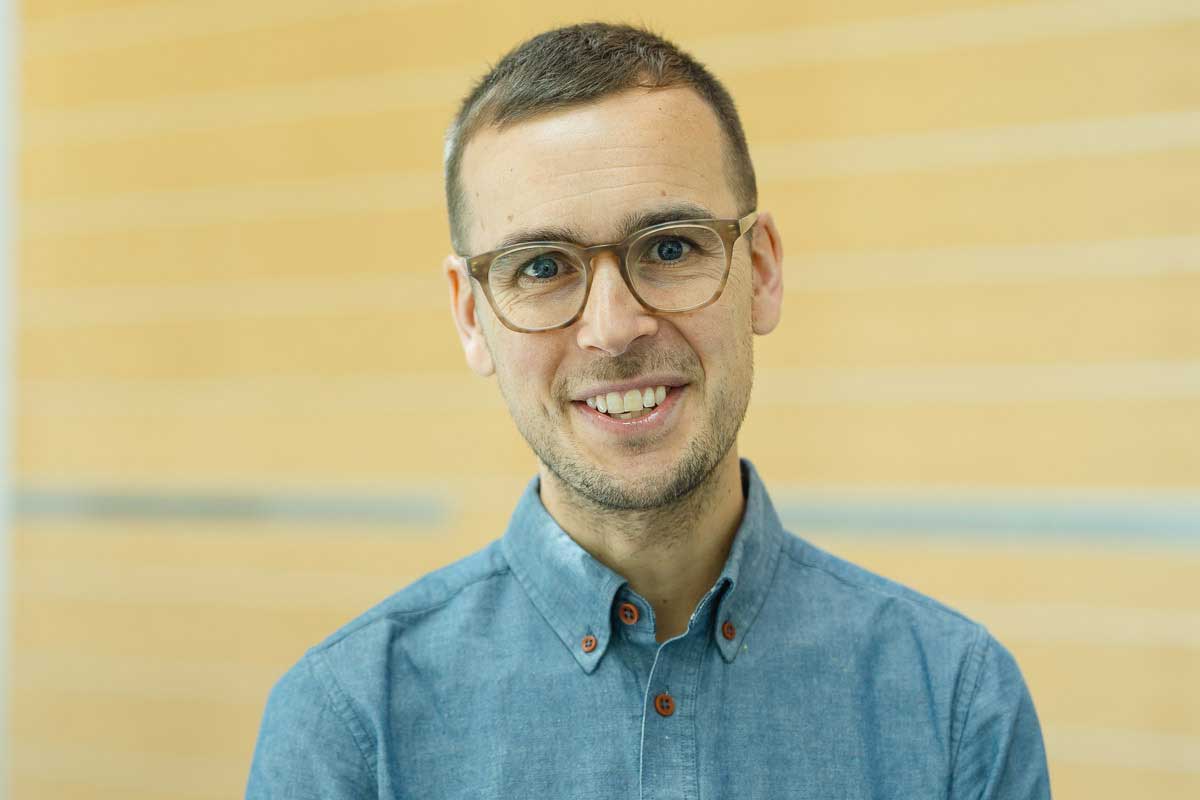
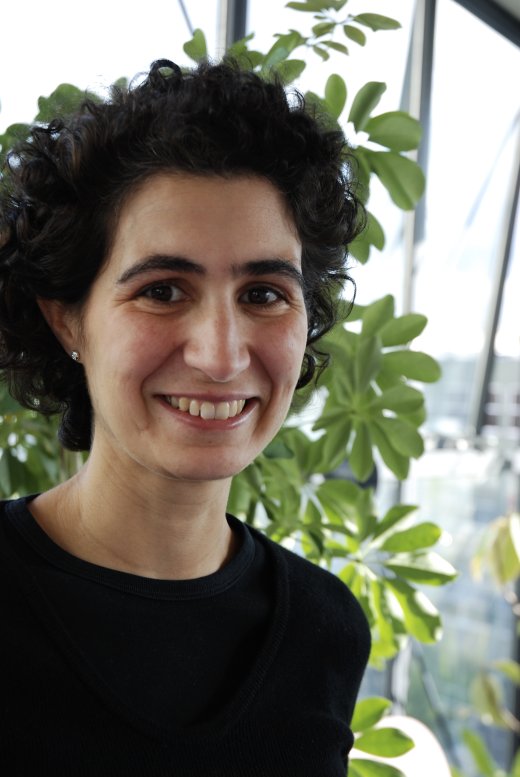
Prof. Stefan Müller is a Professor at the Institute for German Language and Linguistics , part of the Faculty of Languages and Literature at Humboldt University. His research focuses on syntax, formal grammar theories (especially Head-Driven Phrase Structure Grammar), and computational linguistics. He leads the CoreGram Project , developing cross-linguistic grammars using HPSG formalisms. His work includes analyses of German syntax, constituent order, anaphoric binding, and register phenomena. He is also involved in open-access publishing initiatives through Language Science Press . Contact: St.Mueller@hu-berlin.de . Education and academic background details are not explicitly stated in the provided text, but his professional trajectory indicates deep expertise in theoretical linguistics. His research spans multiple languages including German, Mandarin, and Persian, with a focus on grammar implementation and syntax-semantics interfaces. Key contributions include the Head-Driven Phrase Structure Grammar Handbook (2024), analyses of headless nominal structures in German (2022), and exploration of large language models' theoretical implications (2024). He actively engages in interdisciplinary projects bridging formal grammar and computational methods.
Jonas Fischer is the head of the Explainable Machine Learning group at the Max Planck Institute for Informatics, Department of Computer Vision and Machine Learning. His research focuses on interpreting complex machine learning models, particularly in genomics and healthcare, aiming to enhance robustness and alignment with human decision-making. Prior to his role at MPI, he was a postdoctoral fellow at Harvard University's Department of Biostatistics, where he worked on interpretable models for gene regulatory systems in cancer. Education: PhD in Computer Science from Saarland University (2022), with a thesis titled More than the sum of its parts , exploring the intersection of pattern mining and deep learning. He has contributed to advancing methods in neural network pruning, federated learning, and low-dimensional embeddings (e.g., dtSNE, Mercat). His work bridges computational biology, data mining, and machine learning, with applications in DNA methylation analysis, graph-based differential networks, and biomedical informatics. Key research areas include: (1) Explainable AI and neural network interpretability, (2) Biomedical applications of machine learning (e.g., gene regulatory networks, cancer genomics), (3) Low-dimensional embeddings and visualization techniques, (4) Federated learning for privacy-preserving collaborative models, and (5) Pattern mining for error analysis in NLP and classification tasks. Publications span top venues like NeurIPS, ICLR, Bioinformatics, and Genome Biology. His group develops tools such as BONOBO for omics data integration and node2vec2rank for scalable graph analysis. He actively collaborates with biomedical researchers to address challenges in data-driven healthcare and precision medicine.
Derek W Hoiem is a Professor in the Siebel School for Computing and Data Science at the University of Illinois Urbana-Champaign, where he has been a faculty member since 2009. His research focuses on computer vision and related areas, and he is also the co-founder and Chief Science Officer of Reconstruct, an AI-based construction technology company. His educational background includes: PhD in Robotics, Carnegie Mellon University (2007) Beckman Postdoctoral Fellowship (2008) Prof. Hoiem's research spans computer vision, with a focus on object recognition, scene understanding, and graphics. His work also extends to mobile robotics and 3D scene reconstruction. He has made significant contributions in areas such as visual recognition, 3D modeling, and the application of computer vision in construction monitoring. His recent publications (2023-2025) demonstrate a strong focus on advancing multimodal understanding, particularly in region-based representations, 3D vision, and neural radiance fields. There is a clear trend towards integrating language and vision, improving efficiency in neural networks, and applying computer vision to real-world problems such as construction progress monitoring. His scientific awards and honors are extensive and include: IEEE Fellow (2022) University Scholar (2022) Koendrink Prize (2022) Dean's Award for Excellence in Research, Associate Professor (2021) Campus Distinguished Promotion Award (2015) Best Paper Award: IEEE Winter Conference on Applications in Computer Vision (WACV) (2015) CW Gear Junior Faculty Award (2014) IEEE PAMI Young Researcher Award (2014) Dean's Award for Excellence in Research, Assistant Professor (2014) Sloan Research Fellowship (2013) Intel Early Career Faculty Honor Program Award (2012) NSF CAREER Award (2011) ACM Doctoral Dissertation Award, Honorable Mention (2008) Carnegie Mellon University SCS Distinguished Dissertation Award (2008) Best Paper Award: IEEE Computer Vision and Pattern Recognition (CVPR) (2006) Prof. Hoiem has secured significant research funding, including an NSF CAREER award and an Intel Early Career Faculty award. He is also actively involved in technology transfer, having co-founded Reconstruct where he serves as Chief Science Officer. His teaching excellence is reflected in multiple "List of Teachers Ranked as Excellent" awards spanning from 2010 to 2021. Prof. Hoiem leads a research group at UIUC focused on computer vision and 3D scene understanding. Additionally, he co-founded and serves as Chief Science Officer at Reconstruct, which develops AI-based solutions for construction monitoring.
Hyesoon Kim is a Professor at the Georgia Institute of Technology , affiliated with the College of Computing and leading the HPArch research group . She co-directs the Center for Research into Novel Computing Hierarchies (CRNCH) . Her research focuses on Computer Architecture , GPU , Compilers and Runtime Systems , and Hardware Security , particularly for heterogeneous systems. Contact : hyesoon@cc.gatech.edu Location : 266 Ferst Drive, KACB 2344, Atlanta, GA Research Trends Her recent work spans RISC-V extensions for security, CUDA optimization on softcore GPUs, memory safety techniques, and energy-efficient deep learning architectures. Articles emphasize heterogeneous computing , GPU performance scaling, and IoT -oriented neural network methods. Open Source Projects She leads development of Macsim (heterogeneous architecture simulator) and Vortex (open-source GPU platform).
Han Liu is a Professor in the Department of Computer Science at Northwestern University's McCormick School of Engineering. He directs the MAGICS (Modern Artificial General Intelligible and Computer Systems) Lab and the Center for Foundation Models and Generative AI at Northwestern, with prior roles as director of the Deep Reinforcement Learning Center at Tencent AI Lab and professor at Princeton and Johns Hopkins Universities. PhD in Machine Learning and Statistics from Carnegie Mellon University (2012), advised by John Lafferty and Larry Wasserman Han Liu's research focuses on integrating artificial intelligence with computer systems, particularly through foundation models and probabilistic graphical models. His work aims to revolutionize science, engineering, and business by deploying statistical machine learning methods in edge and cloud computing environments. Recent research trends include transformer-based models, modern Hopfield networks, genomic foundation models, and theoretical analysis of attention mechanisms. His 2025 publications explore topics like species differentiation with DNA embeddings, universal approximation capabilities of transformers, and metaverse spatial reasoning. Alfred P Sloan Fellowship in Mathematics IMS Tweedie New Researcher Award ASA Noether Young Scholar Award NSF CAREER Award Presidential Early Career Awards for Scientists and Engineers Han Liu serves as associate editor for the Journal of American Statistical Association, Electronic Journal of Statistics, Technometrics, and the Journal of Portfolio Management. He has directed research centers at Northwestern and contributed to major conferences as area chair (NeurIPS, ICML, ICLR).
Byron Wallace is the Sy and Laurie Sternberg Interdisciplinary Associate Professor at Northeastern University's Khoury College of Computer Sciences, where he also serves as Associate Dean for Research and Director of the BS in Data Science Program. His research focuses on Natural Language Processing and Machine Learning applications in healthcare. Education Details of formal education are not explicitly provided in the available text, though he holds a PhD from Tufts University (mentioned in thesis award context). Research Interests His work centers on developing NLP and ML models for health applications, with particular emphasis on: Biomedical evidence synthesis automation Electronic Health Record processing Model interpretability and trustworthiness Human-in-the-loop systems Learning with limited supervision Research Trends Recent publications demonstrate strong focus on large language model applications in healthcare, including factuality evaluation for medical summarization, evidence extraction from clinical trials, and interpretable risk prediction models. Notable contributions include work on GPT-3 applications in medical evidence synthesis and neural methods for EHR analysis. Scientific Awards ACL Outstanding Paper Award (2022) ICLR Spotlight (top 5% acceptance) (2024) Best Student-led Paper Award at AMIA 2021 NSF CAREER Award (2018-2023) Advising and Grants Currently advises 4 PhD students and has mentored numerous others. Major funding includes: NSF CAREER Award ($500K+) NIH R01 grant for EHR summarization NSF Medium grant for healthcare summarization Support from Army Research Office, Amazon, and Seton Hospital Labs and Teams Leads the Evidence Inference project team working on automated biomedical evidence synthesis. Collaborates with Brigham and Women's Hospital, Mass General Hospital, and Reboot Rx for clinical translation of research.
Lourdes Agapito is a Professor of 3D Vision at the Department of Computer Science, University College London (UCL), within the Faculty of Engineering Sciences. She leads research in Non-Rigid Structure from Motion (NR-SFM) and 3D reconstruction from monocular video sequences. Her work addresses dynamic scenes, deformable objects, and articulated structures, with applications in robotics and computer vision. She holds an ERC Starting Grant (2008–2014) and led the EU Horizon 2020-funded Second Hands project (2014–2019), collaborating with institutions like EPFL and KIT to develop robots with 3D visual perception for maintenance tasks. Her research group focuses on dense optical flow estimation, video registration, and deformable tracking. Agapito’s research interests include monocular 3D reconstruction, non-rigid motion analysis, and neural approaches to 3D modeling. She has supervised multiple PhD students and postdocs, including notable researchers such as Ravi Garg and Marco Paladini (Sullivan Prize recipient). Her contributions to conferences include roles as Program Chair for CVPR 2016 and CVPR 2017, and she has authored influential papers on topics like Video-Popup (ECCV 2014) and Modal Space (CVPR 2017). Current projects involve advancing neural parametric models and real-time 3D reconstruction techniques. Awards include the ERC Starting Grant and recognition for her team’s work in non-rigid reconstruction. She actively mentors students and collaborates on grants, with recent openings for postdocs and PhD candidates in 3D vision and robotics.
Dr. Mo Rastgaar is a Professor at Purdue Polytechnic Institute, Purdue University. He holds a PhD in Mechanical Engineering from Virginia Tech (2008) and completed a postdoctoral fellowship at MIT's Newman Laboratory for Biomechanics and Human Rehabilitation. He leads the Human-Interactive Robotics Lab (HIRoLab), focused on assistive and rehabilitation robots for enhanced mobility, particularly lower-extremity devices. His research emphasizes understanding agile gait dynamics through human experiments and modeling. Research interests include assistive robotics, cyber-physical systems, dynamics, and control systems. Notable awards include the 2014 NSF CAREER Award. He has secured grants such as the 2019 NRI Collaborative Grant on robotic ankle prosthetics and 2020 grants for undersea infrastructure. Dr. Rastgaar's work bridges biomechanics, robotics, and clinical applications, advancing prosthetic designs and human-robot interaction. Key contributions include developing steerable powered ankle-foot prostheses and exploring multi-robot systems for underwater exploration. His labs integrate interdisciplinary approaches to solve complex mobility challenges, emphasizing both technical innovation and real-world clinical impact.
Jiaxuan You is an Assistant Professor at the Siebel School of Computing and Data Science, University of Illinois at Urbana-Champaign, leading the U Lab focused on achieving Artificial General Intelligence (AGI) in digital environments. His research spans graph neural networks (GNNs), relational data, foundation models, and machine learning systems. PhD and MS in Computer Science from Stanford University (2021) Developed GraphGym and PyTorch Geometric (PyG) for graph learning Core member at Kumo AI (2021-2023) His research explores: Graph-enhanced LLMs: Integrating relational structures into foundation models AGI Development: Self-optimizing AI agents and tool utilization ML Systems: Scalable architectures and redundancy-free computation Interdisciplinary Applications: Financial networks, crop yield prediction, and metro systems Recent publications focus on temporal reasoning, multi-agent dynamics, and hybrid architectures for LLMs. He actively develops open-source tools like DBGYM and GraphRouter. Scientific recognition includes: JPMC PhD Fellowship Baidu Scholarship Best Student Paper at AAAI 2017 World Bank Big Data Innovation Challenge winner He mentors PhD and intern students, emphasizing machine learning systems expertise. His lab collaborates on AGI workshops (e.g., ICLR 2024) and industry projects.
Dr. Jimeng Sun is a Health Innovation Professor at the Siebel School of Computing and Data Science and Carle Illinois College of Medicine at the University of Illinois Urbana-Champaign. Co-founder of Keiji AI , he leads groundbreaking research at the intersection of artificial intelligence and healthcare, actively deploying clinical AI systems and developing frameworks like PyHealth and Therapeutics Data Commons . His research spans four major areas: Clinical AI Systems : Developing interpretable models (e.g., RETAIN) for patient similarity, temporal event prediction, medication recommendation, and clinical outcome forecasting Drug Discovery : Creating molecular optimization frameworks, drug-target interaction models, and AI-driven platforms Clinical Trials : Pioneering patient-trial matching, outcome prediction, and optimization frameworks using deep learning and graph neural networks Biosignal Analysis : Advancing sleep staging, seizure classification, and automated EEG/Cardiac monitoring systems With over 500 top-tier publications (including in Nature , NEJM AI , and leading AI conferences) and an h-index of 99, his work has been recognized with the Top 100 AI Leaders in Drug Discovery and Advanced Healthcare award. He maintains active collaborations with institutions like Massachusetts General Hospital , Medidata Solutions , and OSF Healthcare . His recent publications reveal a strong focus on: Reinforcement learning applications in medical data analysis Large language model adaptation for clinical tasks Knowledge graph integration with AI systems Synthetic data generation for healthcare Multi-modal learning in clinical contexts Explainable AI for medical applications Dr. Sun's lab ( Sunlab ) emphasizes practical impact over theoretical work, actively collaborating with hospitals and healthtech companies. He welcomes contributions from clinicians, researchers, and industry partners through initiatives like his AI for Health webinar series .
Hang Lu is a Professor and holds the Cecil J. "Pete" Silas Chair of Chemical & Biomolecular Engineering at the Georgia Institute of Technology. Dr. Lu also holds a Love Family Professorship and leads the Lµ Fluidics Group, which focuses on engineering microfluidic systems and machine learning tools to address complex questions in neuroscience, developmental biology, and cell biology that are difficult to address with conventional techniques. Dr. Lu's research lies at the intersection of engineering and biology, with primary interests including: Microfluidic systems for high-throughput screens and image-based genetics and genomics Systems biology: large-scale experimentation and data mining Microtechnologies for optical stimulation and optical recording Big data, machine vision, and automation Developmental neurobiology, behavioral neurobiology, and systems neuroscience Cancer biology, immunology, embryonic development, and stem cells Her laboratory engineers microfluidic devices and BioMEMS to study neuroscience, genetics, cancer biology, and biotechnology. These miniaturized Lab-on-a-chip tools operate at scales comparable to biological systems, leveraging unique micro and nano-scale phenomena to gather large-scale quantitative data about complex biological systems. Current projects include Microfluidics for Life Sciences, Optical Neuron Recordings and Manipulations, Machine Learning Tools for Neuroscience, Measuring and Modeling Behavior, and High-throughput, High-content Cell-based Assays. Analysis of Dr. Lu's recent publications (2024-2025) reveals a strong trend toward integrating microfluidics with advanced computational methods: Development of deep learning frameworks for biological image analysis Advanced neuron tracking and functional imaging techniques Non-invasive characterization of 3D organoid cultures Sophisticated neuromechanical modeling of locomotion Microfluidic temperature control systems for in vivo studies Label-free imaging pipelines for neural development Dr. Lu's significant professional honors include: Cecil J. "Pete" Silas Chair of Chemical & Biomolecular Engineering Love Family Professorship The Lµ Fluidics Group actively mentors students and postdocs, currently accepting new postdoctoral researchers. The lab receives substantial funding for interdisciplinary projects at the engineering-biology interface, with research implications spanning fundamental biological understanding to therapeutic development. The group operates within Georgia Tech's School of Chemical & Biomolecular Engineering, with specialized facilities for microfluidic device fabrication, biological experimentation, and advanced imaging, maintaining strong collaborative ties across engineering, neuroscience, and biological disciplines.
Chris Atkeson is a Professor at the Robotics Institute of Carnegie Mellon University. His research focuses on achieving human-level competence in machines through humanoid robotics and human-aware environments. He explores machine learning techniques such as reinforcement learning, nonparametric methods, and memory-based learning to develop robots capable of complex tasks like manipulation, locomotion, and perception. His work emphasizes bridging the gap between simulation and real-world applications (sim2real transfer), with contributions to tactile sensing (e.g., FingerVision), dynamic walking control, and human-robot collaboration. Notable projects include participation in the DARPA Robotics Challenge with Team WPI-CMU, where his team developed reliable humanoid behavior for disaster response scenarios. Atkeson’s research spans robotics, computer vision, and control systems, with a focus on enabling robots to perceive, learn, and act in unstructured environments. His recent work includes advancements in 3D scene capture, soft robotics, and energy-based planning for compositional tasks.
Prof. Marcy Zenobi-Wong is a Full Professor at ETH Zurich's Department of Health Sciences and Technology, specializing in biofabrication and tissue engineering. Her research focuses on cartilage regeneration using advanced biomaterials, including nanofilm coatings and 3D printing techniques. She holds patents in tissue engineering and has pioneered methods like filamented light (FLight) biofabrication for creating anisotropic tissues. Her academic journey includes a B.Sc. from MIT (1985), M.Sc. and Ph.D. from Stanford (1987, 1990), followed by postdoctoral work at the University of Michigan. She leads the Biofabrication Group at ETH, developing therapies for joint repair and regenerative medicine. Courses taught include Biomedical Engineering and Materials and Mechanics in Medicine . Research highlights include engineered hydrogels for cartilage protection, CRISPR-driven gene editing in chondrocytes, and biohybrid neural interfaces. Her work bridges material science, cell biology, and clinical applications, with a focus on translational medicine. Collaborative projects involve creating elastic cartilage grafts for microtia reconstruction and volumetric printing of complex tissue constructs.
Simon King is a Professor of Speech Processing at the University of Edinburgh , affiliated with the School of Philosophy, Psychology and Language Sciences . He serves as Director of the Centre for Speech Technology Research (CSTR) and teaches courses like Speech Processing and Speech Synthesis , while directing the MSc in Speech and Language Processing . Research Interests His research focuses on: Developing new acoustic models (e.g., Linear Dynamical Models, factorial-HMMs) for speech recognition Advancing unit selection and HMM-based speech synthesis Integrating articulatory measurement data for enhanced modeling Exploring perceptual measures in synthesis criteria Building multilingual speech systems to identify universal speech building blocks Publication Trends Simon's recent work emphasizes deep learning (DNNs, LSTMs) in speech synthesis, multilingual frameworks , and articulatory-acoustic feature integration . His studies often bridge grapheme-based modeling , perceptual error reduction , and noise-robust synthesis . Scientific Awards EPSRC Advanced Research Fellowship (2005-2009) Students & Collaborations He has supervised numerous PhD students including Rasmus Dall, Tom Merritt, and Srikanth Ronanki. Current research fellows like Mirjam Wester and Zhizheng Wu contribute to projects such as Natural Speech Technology (NST) and Simple4All .
Raul Vicente Zafra is a Professor of Data Science at the University of Tartu, Faculty of Science and Technology, Institute of Computer Science, where he has been working since 2013. His research spans computational neuroscience, artificial intelligence, and data science, with a particular focus on bridging biological and artificial models of intelligence. Education: PhD in Physics (2001-2006), University of the Balearic Islands BSc in Physics (1997-2001) Professor Zafra's research interests center on computational neuroscience and artificial intelligence, with specific expertise in brain-computer interfaces, reinforcement learning, neural modeling, and explainable AI. His work bridges the gap between biological and artificial intelligence systems, exploring how neural principles can inform machine learning algorithms and vice versa. He has made significant contributions to understanding neural coherence, time interval learning in neural systems, and the application of information theory to brain-computer interfaces. His research often involves interdisciplinary collaboration between computer science, neuroscience, and medicine. Analysis of Zafra's recent publications reveals a strong focus on the intersection of artificial intelligence and neuroscience. His work spans explainable AI methods, brain-computer interfaces, reinforcement learning models that mimic cognitive processes, and neurophysiological studies of brain activity. A notable trend is his exploration of how biological principles of neural computation can inform and improve artificial intelligence systems, particularly in areas like time-based learning, consciousness modeling, and neural coherence. Scientific Awards: 2012: Attendee at the 62nd Lindau Nobel Laureate Meeting 2007: Quantum Electronics and Optics Division Prize of the European Physical Society for the best PhD Thesis in Applied Optics in Europe 2006: PhD Extraordinary Award of the Physics Department of the University of the Balearic Islands 2001: Physics Degree Extraordinary Award (First Class Honors, best GPA) 1997: Bronze Medal in the "8th Spanish Physics Olympiad" Professor Zafra has been principal investigator on numerous significant research projects including the Estonian Centre of Excellence in Artificial Intelligence, Cardiovascular Stress Impacts On Neuronal Function, and Bridging biological and artificial models of vision. His grant portfolio demonstrates strong funding support from the Estonian Research Council, European Commission, and other major funding bodies. He has supervised multiple PhD students and mentored early-career researchers in computational neuroscience and AI. His laboratory work focuses on developing computational models of neural systems and applying these insights to artificial intelligence. Current research directions include explainable AI methods, brain-computer interfaces, modeling of consciousness and cognitive processes, and the application of AI to healthcare challenges.