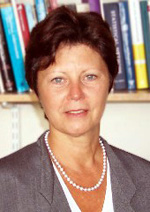
John A. WhiteView profile
Professor
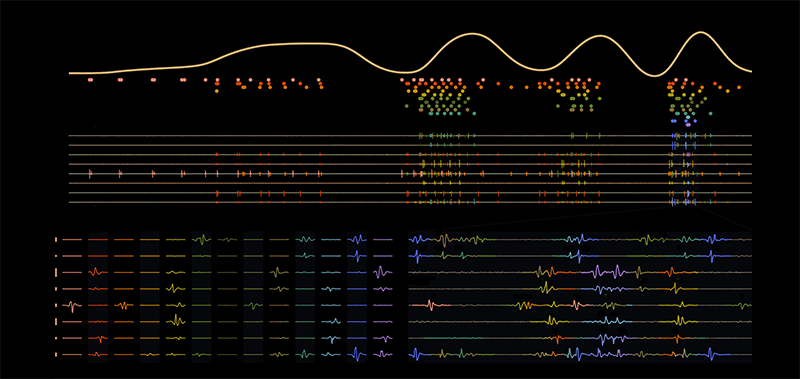
John A. White serves as Professor and Deputy Chair in the Department of Biomedical Engineering at Boston University, with joint appointments in Pharmacology and Experimental Therapeutics and Neuroscience. He directs the Neuronal Dynamics Lab and maintains affiliations with the Center for Systems Neuroscience, Neurophotonics Center, and Photonics Center. Education: PhD, Biomedical Engineering, Johns Hopkins University B.S., Biomedical Engineering, Louisiana Tech University His research integrates engineering principles with neuroscience to decode brain information processing mechanisms. Key focus areas include episodic memory formation, epilepsy pathophysiology, computational modeling of neural networks, real-time instrumentation design, and advanced imaging of neuronal and astrocytic activity. Current work targets therapeutic interventions for memory disorders through precisely timed brain stimulation and develops computational frameworks for understanding cortical coherence in cognitive functions. Analysis of his 2022-2025 publications reveals dominant themes in hippocampal memory coding (time/distance representation, engram segregation), theta-gamma oscillation dynamics, and neurotechnology development. Recent work emphasizes ultrasound-based deep brain stimulation, calcium imaging analysis toolboxes, and computational models of inhibitory networks, demonstrating consistent innovation at the engineering-medicine interface. Scientific Awards: 2019: Elected Fellow of the International Academy of Medical and Biological Engineering 2019: Elected President of the Biomedical Engineering Society 2014: Meeting Chair, Biomedical Engineering Society Fall Meeting 2011: Distinguished Alumnus Award, Dept. of BME, La. Tech U. 2006: Elected Fellow, Biomedical Engineering Society 2005: Elected Fellow, American Institute for Medical and Biological Engineering 2003-2008: Co-Director, Methods in Computational Neuroscience, Marine Biological Lab Professor White actively collaborates across Boston University's interdisciplinary centers while advancing his lab's mission to translate neural dynamics research into clinical applications, particularly for memory restoration in neurological disorders. His leadership in the Biomedical Engineering Society and ongoing development of real-time electrophysiology tools underscore his commitment to bridging engineering innovation with neurological therapeutics.