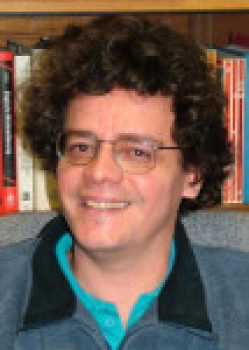
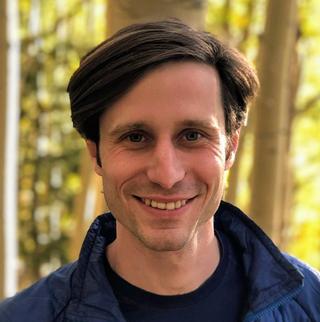
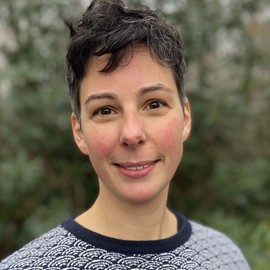
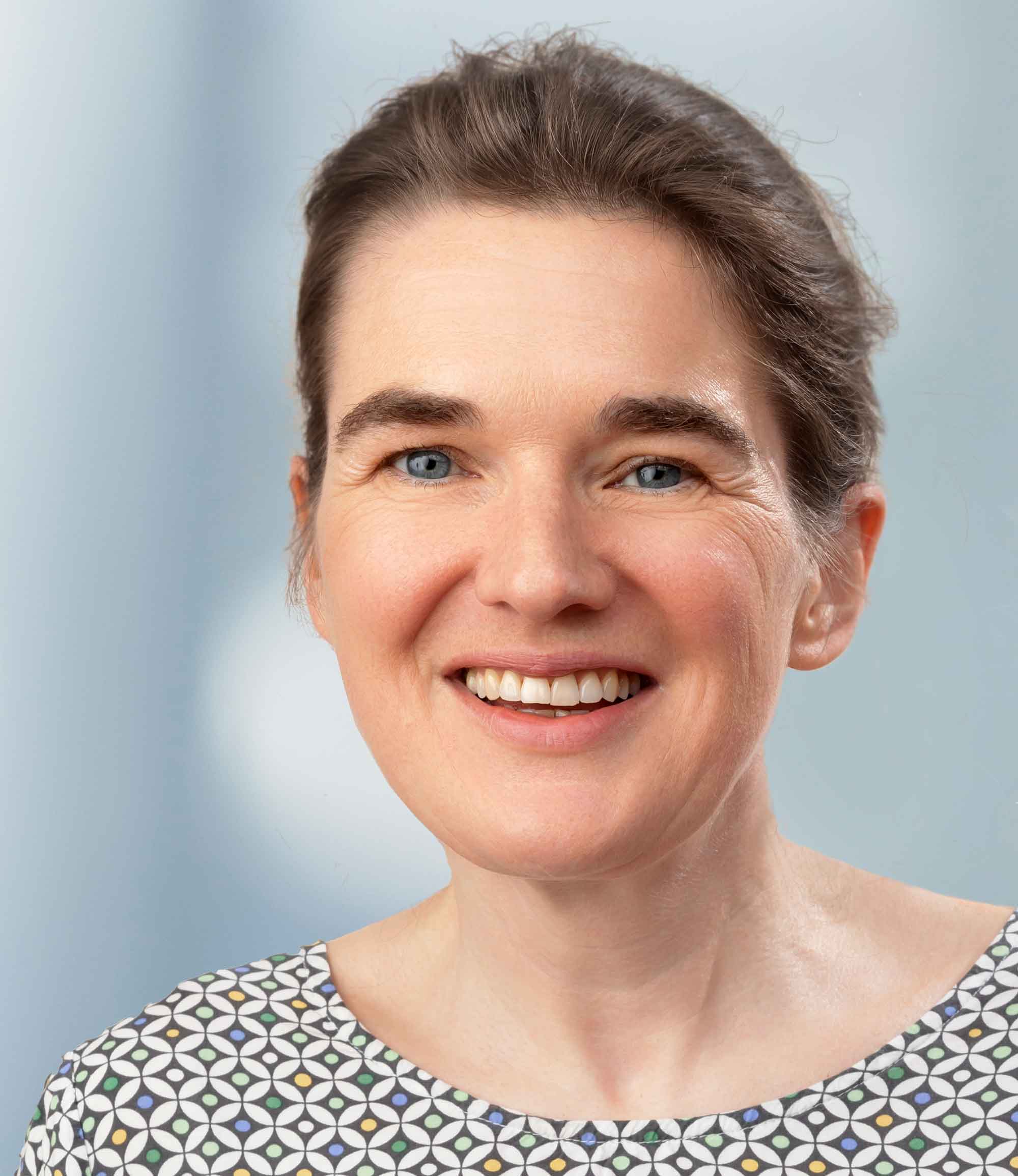
Prof. Jelmer Borst is an Associate Professor in Computational Cognitive Neuroscience at the University of Groningen's Faculty of Science and Engineering, affiliated with the Artificial Intelligence department within the Bernoulli Institute. His research focuses on integrating computational models with neuroimaging data to understand cognitive processes like multitasking, working memory, and decision-making. He advises three PhD candidates and collaborates internationally on projects involving EEG/fMRI analysis and cognitive modeling frameworks such as ACT-R and Nengo. Research Interests: Neuroimaging analysis methods, cognitive bottlenecks in multitasking, memory retrieval localization, and adaptive learning systems. Key Projects: Developed the PREDICTOR tool for semi-automated driving response timing, and advanced models linking symbolic process stages to brain activity via MEG/EEG. Recent work includes large-scale evaluations of adaptive learning systems and interventions to mitigate mind-wandering in driving scenarios. He has received the Allen Newell Best Student-led Paper Award (2021) for contributions to cold-start adaptive learning research. His research group maintains active collaborations on datasets involving working memory, decision-making, and cognitive architecture validation through neuroimaging experiments. He also contributes to open-source tools for cognitive modeling and neuroimaging analysis.
Professor Ebroul Izquierdo holds a position at Queen Mary University of London's School of Electronic Engineering and Computer Science. His academic background includes a BSc, MSc, and PhD. He specializes in Multimedia Signal Processing, Machine Vision, and Mathematical models in image processing. His research focuses on video coding, computer vision, AI applications in agriculture, and security systems. He leads major grants such as the £305k Smart Farm project and the £370k SHIFT initiative. His work includes innovations in camera calibration for sports videos, self-supervised learning models, and federated learning architectures. He is affiliated with the Centre for Multimodal AI and collaborates with organizations like BBC and Innovate UK. His email is ebroul.izquierdo@qmul.ac.uk . Research Grants : Smart Farm and Agri-environmental Big Data Space (£305,116 EPSRC) SHIFT Project (£370,577 EPSRC) KTP: Machine Learning for Sport Broadcast Graphics (£214,061 Innovate UK) Labs & Teams : Centre for Multimodal AI, collaborating with BBC and EU Horizon 2020 initiatives.
Samuel Norman-Haignere is an Assistant Professor holding joint appointments in the Department of Biostatistics and Computational Biology, Department of Neuroscience, and Department of Biomedical Engineering at the University of Rochester's School of Medicine and Dentistry (SMD). His research focuses on the computational and experimental mechanisms underlying human auditory perception, particularly speech and music processing. He earned his PhD in Neuroscience from MIT (2015) and completed postdoctoral training at MIT, École Normale Supérieure, and Columbia University. Education: BA in Cognitive Science from Yale University (2010), PhD in Neuroscience from MIT (2015). Postdoctoral positions included work with Josh McDermott/Nancy Kanwisher (MIT, 2015-2017), Shihab Shamma (École Normale Supérieure, 2017-2018), and Nima Mesgarani (Columbia, 2018-2021). Research interests emphasize developing statistical methods to analyze high-dimensional neuroimaging data and modeling neural responses in auditory cortex. His lab uses fMRI, intracranial recordings, and computational approaches to study hierarchical auditory processing and cross-species comparisons. Key findings include identifying speech/music-selective neural populations and demonstrating music-sensitive cortex independent of musical training. Selected awards include the NSF Graduate Research Fellowship (2010-2015) and multiple poster awards. Collaborations span neurology, neurosurgery, and animal physiology labs to bridge computational models with experimental insights. Labs/Teams: Computational Neuroscience of Audition Lab, affiliated with the Del Monte Institute for Neuroscience and UR Medicine's CABIN imaging facility. Active in training students through UR's Neurobiology & Anatomy and Neuroscience PhD programs.
ABDERRAHIM FICHOUCHE, MOHAMED is an Associate Professor in the Department of Systems Engineering and Automation at the Carlos III University of Madrid (UC3M), where he also serves as Deputy Director of the Doctorate. He is affiliated with the Robotics Lab research group and the Pedro Juan de Lastanosa Institute of Technology Development and Innovation. His academic and research profile spans robotics, control systems, biomedical engineering, and power systems. His research interests include robotics , automation , control systems , biomedical signal processing , computer vision , and renewable energy integration . His work focuses on intelligent robotic systems, rehabilitation robotics, EEG-based brain-computer interfaces, fault detection in power systems, and advanced control strategies for industrial and autonomous systems. The recent publications reflect a strong trend in interdisciplinary research, combining machine learning with signal processing for applications in medical diagnostics , robotic control , and smart grid monitoring . His work increasingly integrates deep learning , wavelet analysis , and adaptive control across domains. He has led major research projects such as: HANDLE (EU and national funding): Focused on dexterous in-hand manipulation. SARAH: Enhancing robot autonomy with artificial hands. PAPREC: Automatic grasping of disordered parts. PROSAVE: Eco-efficient aircraft systems. GRAND-PA: Assistive technologies for the elderly. He currently participates in ongoing projects including: SEGVAUTO5G-CM (2025–2028): Future mobility innovation. RoboCity2030-DIH-CM (2019–2023): Madrid Robotics Digital Innovation Hub. HYPER: Neuroprosthetic and neurorobotic devices for rehabilitation. He has supervised several theses on topics such as transmission line fault detection , autonomous decision-making in robots , and 3D perception . His research is conducted primarily within the Robotics Lab at UC3M, a multidisciplinary team focusing on advanced robotic systems for industrial, medical, and service applications.
Kim Dremstrup is Head of Department at the Department of Health Science and Technology, Faculty of Medicine, Aalborg University, Denmark. He is a leading researcher in biomedical engineering with a focus on brain-computer interfaces (BCI), EEG analysis, sleep research, and rehabilitation technology. He has played a pivotal role in establishing BCI and sleep research at AAU and leads the Aalborg BCI group, recognized internationally for early applications in stroke, spinal cord injury, and ALS rehabilitation. PhD in Computerized Sleep Analysis (1993) MSc in Biomedical Engineering (1984) His research centers on decoding brain signals for clinical applications, with major contributions including the invention of the Nightingale Automatic Sleep Analyzer and co-invention of the EDF bio-signal format used globally. His work enables assistive technologies for severely disabled individuals, particularly through hybrid control systems integrating brain and tongue signals. He is also involved in telerehabilitation and neonatal care technologies. Recent publications highlight advancements in error-related potential detection in stroke and motor disabilities, hybrid BCI-tongue control for ALS, and assistive robotics. His work spans neuroscience, biomedical engineering, robotics, and clinical medicine, with a strong translational focus. Inventor of the Nightingale Sleep Analyzer Co-inventor of EDF bio-signal format President, Danish MedTech Society (DMTS) Danish representative in IFMBE Chairman, Den Nordjyske Trivselsfond He actively supervises PhD students and participates in multiple research projects, including assistive robotics and multimodal control systems. He is also engaged in public discourse through media contributions on digital health and personalized medicine. He leads the Center for Rehabilitation Robotics and contributes to UN Sustainable Development Goals in health and well-being.
Manuel Eder is a researcher affiliated with the Faculty of Computer Science's Research Group Neuroinformatics. He holds a Diplom-Ingenieur (Dipl.-Ing.) engineering degree and a Bachelor of Science (BSc), indicating strong technical foundations in computational neuroscience and engineering disciplines. His research centers on the critical intersection of artificial intelligence and neural systems, with primary expertise in Brain-Computer Interfaces (BCIs), neural network architectures, and neuroprosthetic applications. He investigates how AI can decode neural signals to create assistive technologies, particularly focusing on cognitive psychology aspects of human-machine interaction and addressing communication impairments through innovative BCI solutions. Analysis of his 2024 publications reveals a cohesive research trajectory advancing practical BCI implementations. His work demonstrates methodological rigor in benchmarking algorithmic approaches while maintaining strong clinical relevance, particularly in developing EMG-integrated systems for patient populations and conversational interfaces that bridge neural activity with natural language processing. This dual focus on theoretical algorithm development and real-world medical applications represents a significant contribution to the neurotechnology field. Eder operates within the Neuroinformatics research group, which specializes in computational modeling of neural systems and developing AI-driven tools for neuroscience research. While specific laboratory infrastructure details aren't provided, his publication patterns indicate active collaboration with both computational researchers and clinical specialists in neuroscience and rehabilitation medicine.
Mingshuai Chen is an Assistant Professor at Zhejiang University, leading the Formal Verification Group. He previously held a postdoctoral position at RWTH Aachen University. Education: Ph.D. in Computer Science from Institute of Software, Chinese Academy of Sciences (2019) B.Sc. in Computer Science from Jilin University (2013) His research focuses on formal verification, synthesis, programming theory, and probabilistic/quantum systems. Notable contributions include Exact Bayesian Inference and Lower Bounds for Probabilistic Programs . Scientific awards include: NSFC Excellent Young Scientists Fund Program (Overseas) Distinguished Paper Award at ATVA 2018 Best Paper Award at FMAC 2019 CAS-President Special Award (2019) 2nd Prize@ChinaSoft'24 He serves on program committees for OOPSLA 2026, TACAS 2026, and multiple other conferences.
Dana Klatt Shaw is an Assistant Professor in the Department of Biological Sciences at the University of Notre Dame, where she leads a research lab focused on spinal cord regeneration using zebrafish models. Her work bridges regenerative biology and neuroimmunology, aiming to uncover mechanisms that enable complete functional recovery after spinal cord injury. Ph.D., Human Genetics, University of Utah School of Medicine B.S., Biochemistry, University of Missouri Postdoctoral Research Scholar, Washington University in St. Louis School of Medicine (2019–2025) Her research interests center on understanding the cellular and molecular basis of regeneration, particularly the role of immune cells in zebrafish spinal cord repair. She investigates how injury-responsive cells drive regeneration, how the microenvironment shapes immune function, and how these insights can be translated to mammalian systems. Her lab employs transcriptomics, histology, genetic screening, and cell transplantation to dissect regenerative pathways. The recent publications reflect a strong focus on immune-mediated repair, glial cell reprogramming, and advanced genetic tools in zebrafish. Collectively, the work emphasizes the interplay between immune dynamics and neural regeneration, with translational implications for treating spinal cord injuries in humans. Scientific Awards and Recognitions: Selected as online cover image, G3 (Genes, Genomes, Genetics), 2021 Disease Models and Mechanisms Editor’s Choice, 2020 Highlighted on Faculty of 1000, Developmental Cell, 2019 Highlighted in Best of Developmental Cell 2018 Dana Klatt Shaw advises a research team actively exploring regenerative mechanisms. Her lab is currently recruiting and has developed novel tools for genetic manipulation and functional screening in adult zebrafish. While specific grant details are not listed, her research is likely supported by federal or foundation funding given the scope and publication record. The Klatt Shaw Lab is at the forefront of regenerative neuroimmunology, combining cutting-edge approaches to decode nature’s solutions for CNS repair. The lab utilizes multiple techniques including transcriptomics, histology, loss-of-function screening, immune cell transplantation, and development of new genetic tools. The team is interdisciplinary, integrating developmental biology, immunology, and neuroscience to tackle the challenge of spinal cord regeneration.
Britta Westner is an Assistant Professor and researcher at the Donders Institute and Radboud University Medical Center (Radboudumc) in Nijmegen, the Netherlands. She works in the Department of Medical Neuroscience and serves as an Associate Investigator and Collaborator in the Lab of Vitória Piai, focusing on language production and memory research. Her academic journey spans Radboud University, Aarhus University, and the University of Konstanz. Her educational background includes: PhD in Neuroscience (2017) from University of Konstanz MSc in Psychology (2013) from University of Konstanz BSc in Psychology (2011) from University of Konstanz Westner's research centers on the intersection of language and memory , with complementary interests in language and vision interactions . Her expertise spans visual processing from retina to cortex and specializes in source reconstruction methods and MEG decoding for electrophysiological data. As a core developer of MNE-Python since 2019 , she actively promotes open-source neuroscience tools. Her methodological innovations are evident in publications addressing beamforming techniques, functional connectivity assessment, and predictive language processing. Her publication record reveals a dual trajectory: advancing M/EEG analysis methodologies while exploring cognitive neuroscience questions. Recent work demonstrates particular strength in developing robust approaches for source reconstruction, functional connectivity analysis, and decoding neural representations during language tasks, often bridging technical innovation with substantive cognitive questions. Her scientific recognition includes: Marie Curie Postdoctoral Fellowship (EU Horizon 2020 scheme, 2020-2022) Core developer role in MNE-Python (since 2019) Westner actively contributes to neuroscience education through teaching workshops on MEG/EEG data analysis and MNE-Python. She developed comprehensive teaching resources including source reconstruction pipelines in FieldTrip specifically for language and dyslexia research. Her Marie Curie Fellowship supported research on visual anticipation and memory at the Donders Institute, though progress was impacted by the COVID-19 pandemic. She maintains close collaboration with the Lab of Vitória Piai at the Donders Institute, where she has developed specialized analysis pipelines and teaching materials. Her GitHub repositories demonstrate active contributions to open-source neuroscience tools, with particular focus on making MEG/EEG analysis more accessible through well-documented workflows and educational materials.
Corey Keller, Associate Professor at Stanford University , specializes in neuroscience, neuroimaging, and brain stimulation . His work focuses on transcranial magnetic stimulation (TMS) mechanisms, neural plasticity, and treatment-resistant psychiatric disorders. He teaches graduate research courses and advanced bioengineering labs across multiple departments. Key research areas: TMS/EEG biomarkers, depression neurophysiology, and neural network modeling Recent work emphasizes machine learning applications for predicting rTMS outcomes and decoding pain states Developed open-source tools like NaviNIBS for brain stimulation applications Scientific Contributions: Investigates cortical excitability, connectivity gradients, and non-invasive neuromodulation in depression and addiction. Combines intracranial recordings with whole-brain modeling to map stimulation effects.
Loris D'Antoni is an Associate Professor at the University of California San Diego, affiliated with the Programming Systems Group and serving as a visiting academic at AWS . Previously, he co-founded a research group at UW-Madison. His research focuses on trustworthy software through Program synthesis (e.g., SemGuS toolkit) Formal verification of machine learning and network protocols Automata theory and symbolic constraints Trustworthy LLMs with grammar alignment Recent work explores semantics-guided synthesis and unrealizability logic , with applications to decision trees, LSTMs, and network routing. Publications span top venues like PLDI , OOPSLA , NeurIPS , and CAV . Notable scientific awards include Best Paper Award at ICDCN 23 Distinguished Paper Award at SBES 21 Oral Presentation at EMNLP 21 Nomination for EAPLS Award (part of ESOP 20 ) He teaches courses in programming languages ( CS-536 ) and synthesis/verification ( CS-703 ), and actively contributes to program committees at conferences like PLDI , CAV , and POPL .
Andrea Bruera is a Researcher at the Max Planck Institute for Human Cognitive and Brain Sciences in Leipzig, Germany, affiliated with the Cognition and Plasticity research group. His work bridges cognitive neuroscience, computational linguistics, and machine learning to investigate how the brain processes semantic information. Research Focus: Bruera's interdisciplinary research examines: Neural mechanisms of semantic processing using EEG/fMRI Applications of language models to decode brain activity Causal effects of brain stimulation on cognition Neuroplasticity in conceptual and executive control systems Computational modeling of semantic memory and entity representation Publication Trends: His 15 most recent articles (2019-2025) demonstrate consistent focus on: Brain-language interactions through multimodal neuroimaging Integration of AI models (GPT-2, distributional semantics) with neuroscience Experimental paradigms involving semantic control, entity recognition, and plasticity Methodological innovations in data generation and privacy-preserving techniques No awards, grants, or student mentorship details are available in the provided sources. Laboratory Affiliation: Bruera conducts research within the Cognition and Plasticity group, which employs interdisciplinary approaches to study adaptive neural mechanisms in cognitive processing.
Prof. Dr. Ilka Diester is a Full Professor of Optophysiology at the Faculty of Biology, Albert-Ludwigs-University Freiburg, and Spokesperson of the BrainLinks-BrainTools Center. She serves as Managing Director of IMBIT (Intelligent Machine-Brain Interfacing Technology) and Section Spokesperson for Systems Neurobiology on the Board of the German Neuroscience Society (2025-2027). Her educational background includes a Doctorate in Neurobiology from the University of Tübingen (2003-2008) and a Diploma in Biology from Humboldt University of Berlin (1998-2003). Prior positions include Group Leader at the Ernst Strüngmann Institute (2011-2014) and Postdoc at Stanford University (2008-2011). Her research focuses on the neural basis of motor control and cognitive control , investigating interactions between prefrontal and motor cortex using electrophysiological recordings, optogenetic manipulations, and behavioral analysis. Current projects include developing optoelectronic probes, studying prefrontal flexibility in strategy choice, and examining movement decoding in rodent models. Recent publications reveal strong trends in neural decoding (2022 cross-subject decoding study), optogenetic methodology (2022 multichannel interrogation), and AI-neuroscience integration (2024 internal world models). Her work bridges basic neuroscience with applications for prosthetic devices and understanding movement disorders. Prof. Diester leads multiple DFG-funded projects including CRC 1690 on Disease Mechanisms of Sensory and Motor Systems. Her lab actively recruits PhD students for projects on prefrontal flexibility, movement decoding, and virtual reality effects on neural activity. The Optophysiology Lab maintains strong institutional connections through BrainLinks-BrainTools and IMBIT, recently developing the open-source FreiLaser system for cost-effective optogenetic experiments. The lab participates in major neuroscience symposia including the German Neuroscience Society meetings.
Professor Xiaohui Liu is a distinguished Professor of Computing at Brunel University London, serving within the Computer Science department of the College of Engineering, Design and Physical Sciences. He maintains his office in the Wilfred Brown Building (Room 218) and has established himself as a leading figure in intelligent data analysis and artificial intelligence research. With over 20 years of academic leadership, Professor Liu has held significant visiting appointments including Honorary Pascal Professor at Leiden University (2004), Visiting Scientist at Harvard Medical School (2005), and Visiting Professor at the Chinese Academy of Sciences (2010). Professor Liu's research spans intelligent data analysis, deep learning, dynamical systems, human factors, innovative AI applications, optimisation, statistical pattern recognition, and trustworthy decision making. His work bridges theoretical advances with practical implementations across various industries, demonstrating exceptional translational impact. He has pioneered approaches that integrate artificial intelligence with data science to enable effective data interpretation and trustworthy decision-making systems, with applications spanning healthcare, manufacturing, and business domains. Analysis of Professor Liu's recent publications reveals a strong focus on transformer architectures, transfer learning, and optimization techniques applied to real-world problems. His work demonstrates consistent innovation in neural network architectures, particularly for anomaly detection, fault diagnosis, and recommendation systems. The publications show interdisciplinary applications spanning manufacturing, healthcare, digital marketing, and network science, reflecting his commitment to solving practical challenges through advanced computational methods. Clarivate Highly Cited Researcher for 11 consecutive years (2014-2024) World's top 2% of scientists by Stanford University (2020-2024) ScholarGPS Highly Ranked Scholar – Lifetime: Neural Network (2022-2024) Daniel Berg Award (2023) Research.com United Kingdom Leader Award in Computer Science (2023-2025) IDA Founders Award (2025) Professor Liu has secured substantial research funding from diverse sources including the European Commission, Innovate UK, Royal Society, and EPSRC. His current projects include AI-assisted tax assessment, intelligent data-driven pipelines for manufacturing certified metal parts, and maintenance models for zero-unexpected-breakdowns. He leads collaborative efforts through knowledge transfer partnerships with industry partners like Veritas Advisory Limited and has directed multiple European Commission-funded initiatives focused on IoT platforms, water resource management, and predictive maintenance systems. His research group actively mentors PhD students and collaborates with international partners across multiple continents. Professor Liu leads research activities within the IEHS and CSSB research groups at Brunel University, fostering interdisciplinary collaboration between computer scientists, engineers, and domain experts. His teams integrate expertise in neural networks, optimization algorithms, and statistical pattern recognition to develop innovative solutions for complex real-world problems. The research environment emphasizes both theoretical rigor and practical application, with strong industry partnerships ensuring that research outputs deliver tangible societal and economic impact.
Manish Saggar is a Research Fellow at Stanford University specializing in the application of topological data analysis to human brain dynamics. His interdisciplinary work bridges neuroscience, mathematics, and computer science to develop novel computational frameworks for understanding complex neural systems. His core research interests include: Topological Data Analysis for neural networks Computational modeling of brain dynamics Advanced neuroimaging spatiotemporal representation Network neuroscience methodologies Mathematical frameworks for cognitive processes Dr. Saggar's publication record demonstrates consistent innovation in topological approaches to neuroscience, particularly through the development of the DyNeuSR framework and simplicial modeling techniques. His work reveals emerging trends in using algebraic topology to decode dynamic brain network properties, with significant implications for understanding neurological disorders and cognitive function. Collaborations with leading researchers like Olaf Sporns and Giovanni Petri highlight his integration within cutting-edge neuroscience consortia.