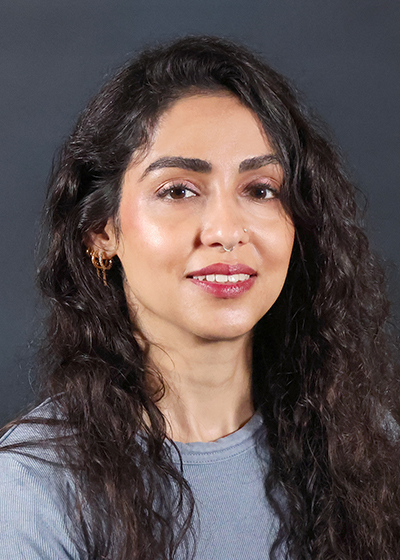
Ye (Sarah) Sun is an Associate Professor in the Department of Mechanical Engineering at the University of Virginia (UVA), part of the School of Engineering and Applied Science. She joined UVA in 2021 after serving as an Associate Professor at Michigan Technological University. Her work focuses on wearable sensors, robotics, smart health systems, and cyber-physical systems. She leads the WEARLab research group. Education: Ph.D. in Electrical Engineering from Case Western Reserve University (2021), B.S. in Instrumentation Engineering from Tianjin University (not specified). Research interests include wearable electronics, health monitoring, and human-technology interaction. Her interdisciplinary approach integrates engineering innovations with healthcare applications. Notable projects involve self-powered triboelectric sensors and optical fiber-based health monitoring systems. Recent publications highlight advancements in photodiode technologies for high-frequency applications, including millimeter-wave generation and photonic integrated circuits. Awards include the NSF CAREER Award (2018) and NSF BRITE Award (2022). She has organized major conferences and holds editorial roles in health technology journals. Grants include NSF funding for cyber-physical systems and smart health initiatives. Her lab collaborates on projects involving wearable robotics and connected health solutions, with a focus on real-world applications in healthcare and IoT.
Amol Deshpande is a Professor in the Department of Electrical Engineering and Computer Sciences at the University of California, Berkeley, College of Engineering. With over 160 publications spanning from 2000 to 2025, his research has significantly impacted the database systems community. His work bridges theoretical foundations with practical systems, evidenced by numerous publications in top-tier venues including SIGMOD, VLDB, and ICDE. Professor Deshpande's research focuses on database systems, with particular expertise in graph databases, data management, probabilistic databases, query optimization, and data provenance. His work addresses fundamental challenges in managing complex data, including efficient graph analytics, dataset versioning, streaming data processing, and privacy-preserving data management. Recent research directions include entity-relationship abstractions beyond traditional relations, standalone catalog engines for large data systems, and graph theoretical approaches to dataset versioning. His publication trends show a consistent focus on evolving database technologies, with early work on probabilistic databases and query optimization, transitioning to graph analytics and data provenance, and more recently addressing modern challenges in data cataloging, privacy-first data management, and serverless stream processing. His research spans both theoretical contributions (e.g., approximation algorithms for stochastic optimization) and practical systems building (e.g., RStore, TreeCat). Professor Deshpande has mentored numerous PhD students who have become active researchers in the database community, including Hui Miao, Souvik Bhattacherjee, and Konstantinos Xirogiannopoulos. His collaborative work spans across institutions, with frequent collaborations with researchers from MIT, University of Maryland, and other leading institutions. His research has been supported by major funding agencies and has influenced both academic research and industry practices in data management. The evolution of his work reflects the changing landscape of data management, from traditional relational systems to modern graph and streaming data challenges.
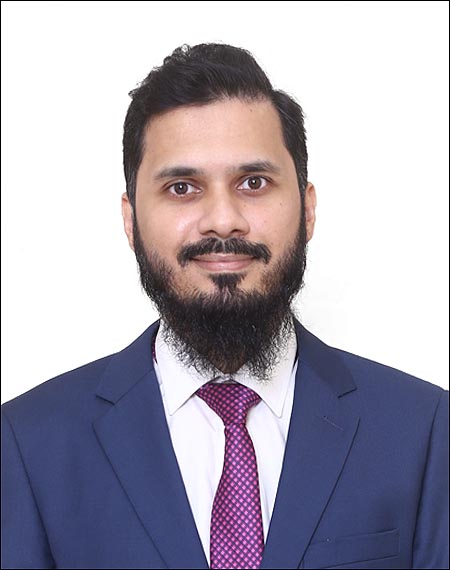
Dr. Anas Iftikhar is an International Lecturer (Assistant Professor) in Logistics and Supply Chain Management at Lancaster University's Management School, United Kingdom. He is affiliated with the Centre for Productivity and Efficiency and contributes to the Supply Chain Management department with research focusing on contemporary supply chain challenges. Dr. Iftikhar completed his Ph.D. in Economics, Management, and Quantitative Methods from the University of Salento, Italy in May 2021. During his doctoral studies, he held visiting researcher positions at Ghent University (Belgium) and Cardiff Business School at Cardiff University (UK), gaining valuable international research experience. Prior to his academic career, he accumulated industry experience in inventory planning and operations management. Dr. Iftikhar's research primarily investigates how supply chain capabilities enhance resilience in disruptive and complex environments. His work explores the intersection of supply chain complexity, digital technologies, and resilience strategies. He employs methodological approaches including systematic literature reviews, meta-analysis, and structural equation modeling. His research has significant implications for organizations navigating geopolitical uncertainties, digital transformation, and supply chain disruptions. His publication portfolio demonstrates a clear evolution from foundational work on network trust and ripple effects to more sophisticated examinations of digital transformation's role in supply chain resilience. Recent publications increasingly focus on the synergistic effects of multiple capabilities (network capability, innovation ambidexterity) in addressing complex challenges like geopolitical turmoil. The research trajectory shows a progression from single-factor analyses to more complex, integrated models that better reflect real-world supply chain dynamics. Dr. Iftikhar actively participates in the academic community through presentations at major conferences including the European Operations Management Association (EUROMA) annual conference, IFAC Conference on Manufacturing Modelling, Management & Control, and Industrial Engineering Operations Management (IEOM) society events. He has also delivered invited talks such as 'Contemporary Issues in Logistics Management' at Bukhara State University. As an educator, Dr. Iftikhar is willing to supervise PhD students in supply chain resilience, disruption management, supply chain complexity, and innovative technologies in supply chain management. His industry experience enriches his teaching approach, bridging theoretical concepts with practical applications. His research outputs have been published in leading Operations and Supply Chain Management journals including International Journal of Production Research, Production Planning and Control, Annals of Operations Research, and Journal of Business Research.
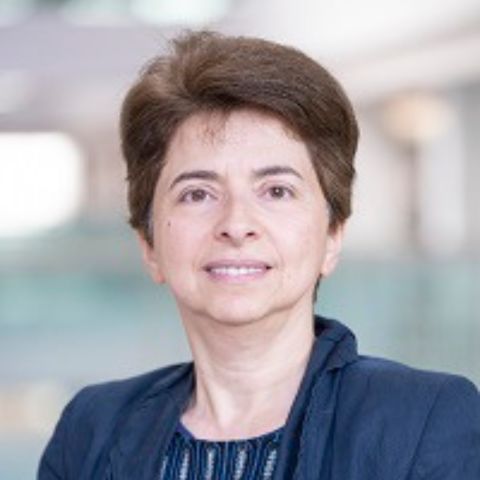
Maria Elena Valcher is a Professor at the Department of Information Engineering, University of Padova, Italy. She is an IEEE Fellow (since 2012), IFAC Fellow (since 2023), Socio Effettivo of Istituto Veneto di Scienze, Lettere ed Arti (since 2017, previously Socio Corrispondente 2008-2017), and Socio Effettivo of Accademia Galieliana di Scienze, Lettere ed Arti in Padova (since 2022, previously Socio Corrispondente 2017-2022). She currently serves as Administrator of the Istituto Veneto and holds leadership positions including EUCA President (2024-2025) and IEEE Control Systems Society Past President. Her research focuses on control systems, systems theory, optimization, Boolean control networks, multi-agent systems, and consensus problems. She has made significant contributions in distributed control, data-driven methods, and network optimization, with recent work exploring applications in opinion dynamics and social networks. Recent publications demonstrate a strong emphasis on data-driven approaches to control systems, particularly in distributed state estimation, unknown-input observer design, and multi-agent coordination. Her work shows consistent development in theoretical frameworks for networked systems with practical applications. Awards and Honors: IEEE Fellow (2012) IFAC Fellow (2023) Socio Effettivo, Istituto Veneto di Scienze, Lettere ed Arti (2017-present) Socio Effettivo, Accademia Galieliana di Scienze, Lettere ed Arti in Padova (2022-present) She teaches 'Controlli Automatici' (Bachelor in Information Engineering) and 'Systems Theory' (Master in Control Systems Engineering) during the 2024/2025 academic year. She has chaired major conferences including the 61st IEEE Conference on Decision and Control (CDC 2022) and serves as Program Chair for ICSTCC 2025.
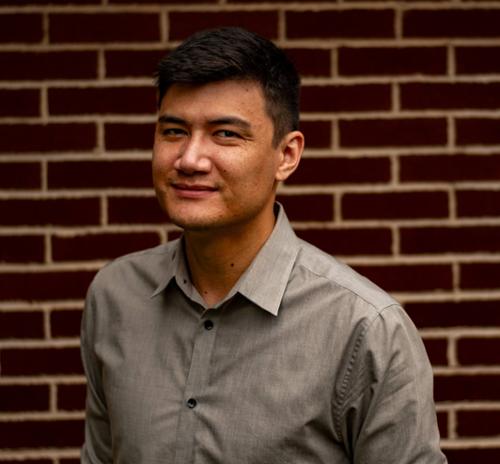
Edward Andò is a Principal Scientist and Lecturer at École Polytechnique Fédérale de Lausanne (EPFL) , with affiliations to the IMAGING group and the College of Engineering (ENAC) . His work bridges software development, experimental geomechanics, and educational initiatives in image analysis. Principal Scientist, IMAGING-GE (EPFL) Lecturer, Sciences et Génie Civil (SGC-ENS) Lecturer, Enseignement à la Défense (EDEE-ENS) Research Interests Andò specializes in 3D image analysis , with a focus on X-ray tomography , digital volume correlation (DVC) , and micromechanical modeling of granular materials. His work addresses geomechanical failure mechanisms, soil dynamics, and open-source software tools like SPAM for practical material analysis. Publication Trends His recent articles (2025–2023) emphasize X-ray tomography for studying granular deformation , rock failure , medical imaging , and soft particle compaction . Topics span geomechanics, computational modeling, and software development for experimental validation. Labs and Teams Andò contributes to the IMAGING group at EPFL, where he co-develops the SPAM (Software for Practical Analysis of Materials) . His teaching includes courses like Fundamentals of Image Analysis and Quantitative Imaging for Engineers , which integrate hands-on training with theoretical frameworks.
Dr. Leila Notash is a Professor in the Department of Mechanical and Materials Engineering at Queen's University, where she has been a faculty member since 1997. She is a Fellow of Engineers Canada (FEC) and a licensed Professional Engineer with Professional Engineers Ontario (PEO), with significant contributions to engineering education and professional service. Her educational background includes: Bachelor of Science in Mechanical Engineering, Middle East Technical University (Ankara, Turkey) - High Honor Student (2nd out of 166) Master of Applied Science in Mechanical Engineering, University of Toronto PhD in Mechanical Engineering, University of Victoria Dr. Notash's research centers on robotics and mechatronics, with specialized expertise in cable-driven parallel manipulators. Her work integrates kinematics, fault-tolerant design, and neural network applications to address challenges in robot calibration, workspace analysis, and motion control under real-world constraints like cable mass and elasticity. She investigates both theoretical frameworks and practical implementations for industrial and specialized robotic systems. Analysis of her recent publications (2020-2024) reveals a clear trajectory toward intelligent control systems, where machine learning techniques—particularly neural networks and reinforcement learning—are increasingly applied to solve complex problems in cable-driven robotics. This includes motion control optimization, path generation, and kineto-static analysis while accounting for physical limitations such as cable elasticity and mass effects, demonstrating a shift from traditional mechanical analysis to data-driven adaptive control methodologies. Her scientific recognition includes: Fellow of Engineers Canada (FEC) University of Toronto Open Fellowship University of Toronto International Differential Fee Waiver Charles S. Humphrey Graduate Student Award NSERC Doctoral Prize Nominee (1996) Dr. Notash has mentored 161 undergraduate students as Faculty Advisor for the Mechanical '06 cohort and pioneered international educational initiatives like the International Undergraduate Student Design project (IVDS), connecting Queen's University with Middle East Technical University and Union College. Her service extends to editorial leadership for Mechanism and Machine Theory and ASME journals, and governance roles including Faculty Senator at Queen's University (2009-2025) and PEO Council Councillor-at-Large (2019-2025). She has established collaborative research networks through initiatives like the Reading Week shop course 'Design Basics 1.0' and sustained leadership in the Canadian Committee for the Promotion of Mechanism and Machine Science (CCToMM) and the International Federation for the Promotion of Mechanism and Machine Science (IFToMM), where she chaired the Permanent Commission on Communications (2006-2011).
Christopher Han-Fai Seto is an Assistant Professor of Sociology at Purdue University, having joined the Department of Sociology in 2023. His research sits at the intersection of criminology, public health, and the sociology of religion, with a strong computational and spatial-methods orientation. Education: Ph.D. in Criminology, Pennsylvania State University Research Interests: Dr. Seto’s substantive work revolves around hate crime, violence, health, and religion/morality , approached through ecological lenses. He leverages spatial data , large-scale network analysis , and big social & digital data to understand how community contexts shape deviance and well-being. Publication Profile: Between 2020 and 2025 he has published extensively in leading journals—including Justice Quarterly , Health & Place , Social Science & Medicine , British Journal of Criminology , Sociology of Religion , and Journal of Adolescent Health . The body of work reveals a consistent focus on anti-Asian hate incidents , Christian nationalism and gun policy , religious ecology of crime , and COVID-19 spillover effects . Contact & Web Presence: Office: BRNG 1156, Purdue University Email: setoc@purdue.edu Personal website: chseto.com
Guy Dove is a Professor in the School of Arts & Sciences Humanities at the University of Louisville. His research bridges philosophy, cognitive science, neuroscience, linguistics, and artificial intelligence, focusing on the philosophy of psychology and abstract concept formation. PhD in Philosophy from the University of Chicago His work explores how language shapes cognition, advocating for a multimodal and flexible framework to understand abstract concepts. Recent publications address the implications of large language models for human cognition and the role of linguistic scaffolding in semantic memory. Key journals include Philosophical Transactions of the Royal Society B , Cognitive Neuropsychology , and Topics in Cognitive Science . He co-authored the book Consciousness and Physicalism: A Defense of a Research Program . Prior to his current role, Dove worked in the Developmental Neuropsychology and Electrophysiology Lab (2002-2003) and taught in the Department of Psychological and Brain Sciences (2004-2008).
Christopher Ferrie is an Associate Professor at the University of Technology Sydney (UTS), where he is affiliated with the Faculty of Engineering and Information Technology and the Centre for Quantum Software and Information (QSI). His academic career spans quantum information science, machine learning, and scientific education, with a strong emphasis on both theoretical research and public engagement through science communication. Full-time faculty member at UTS Active researcher in quantum information science Director of the Centre for Quantum Software and Information Author of numerous scientific publications and popular science books Dr. Ferrie earned his PhD in Applied Mathematics from the Institute for Quantum Computing and University of Waterloo in Canada in 2012. His doctoral work focused on quantum information and laid the foundation for his subsequent research career in quantum computing and related fields. Dr. Ferrie's research interests span several interconnected domains within quantum information science. His primary focus is on quantum estimation and control, with particular emphasis on applying machine learning techniques to solve statistical problems in quantum information science. He investigates how quantum systems can be characterized, controlled, and optimized for practical applications. His work bridges theoretical quantum physics with practical implementations, exploring how quantum phenomena can be harnessed for computational advantage. Recent research directions include quantum machine learning, quantum neural networks, and quantum optimization algorithms, with applications ranging from quantum state tomography to solving combinatorial optimization problems. Analysis of Dr. Ferrie's recent publications reveals a strong focus on practical quantum computing challenges. His work consistently addresses the intersection of quantum information theory and machine learning, with particular emphasis on making quantum algorithms more efficient, interpretable, and robust against noise. A significant portion of his recent research explores variational quantum algorithms and their optimization, reflecting the current priorities in near-term quantum computing. His publications also demonstrate growing interest in quantum machine learning applications and the development of techniques for quantum error mitigation and characterization. Dr. Ferrie has secured multiple research grants supporting his work in quantum computing and related fields. His funded projects span quantum control, quantum probability, quantum machine learning, and statistical decision theory, reflecting the breadth of his research program. While specific major awards aren't detailed in the available information, his sustained funding and publication record indicate significant recognition within the quantum information science community. Dr. Ferrie is actively involved in research supervision and teaching, with current funding supporting multiple PhD students and postdoctoral researchers. His teaching responsibilities include courses on quantum computing, where he introduces students to the fundamentals of quantum information processing. His research group at the Centre for Quantum Software and Information focuses on developing novel quantum algorithms and exploring the practical implementation challenges of quantum computing. The Centre for Quantum Software and Information at UTS serves as the primary research environment for Dr. Ferrie's work. This center brings together researchers working on various aspects of quantum computing, from hardware development to algorithm design and applications. Dr. Ferrie's team within the center focuses specifically on quantum software development, quantum algorithm design, and the application of machine learning techniques to quantum information problems. The collaborative environment enables interdisciplinary research that bridges theoretical quantum physics with practical computing applications.
Paul Withers is a Professor and Chair of the Department of Astronomy at Boston University. He leads research on planetary atmospheres and ionospheres, with a focus on Mars and Venus, and serves as Principal Investigator on multiple NASA-funded research projects. Education: B.A. in Physics, 1998, Queens' College, Cambridge University M.S. in Physics, 1998, Queens' College, Cambridge University M.A., 2001, Queens' College, Cambridge University Ph.D. in Planetary Science, 2003, University of Arizona Professor Withers' research focuses on the upper atmospheres and ionospheres of terrestrial planets, particularly Mars and Venus. His work involves analyzing spacecraft data and developing theoretical models to understand how solar flux, neutral atmospheres, magnetic fields, and ionospheres interact under unique planetary conditions. He has made significant contributions to understanding the response of the Martian ionosphere to solar flares, the structure of the Venus ionosphere, and meteoric plasma layers in planetary ionospheres. His research often involves multi-instrument campaigns and coordinated observations across different spacecraft missions including Mars Express, MAVEN, and Venus Express. Analysis of Professor Withers' recent publications reveals a strong emphasis on Martian ionospheric dynamics, particularly its response to solar activity and its variability under different conditions. His work frequently combines data from multiple missions to create comprehensive models of planetary upper atmospheres. He has developed important methods for analyzing radio occultation data and reconstructing atmospheric properties from entry, descent, and landing measurements. Major Funded Projects: "Characterizing the topside bulge in the ionosphere of Mars" (NASA Mars Data Analysis Program, 2014, $144K) "Integration of MAVEN neutral and plasma observations" (NASA MAVEN Participating Scientist Program, 2013, $284K) "Radio occultation studies at Mars" (NASA Early Career Fellowship Program, 2013, $99K) "EDL reconstruction for MSL" (NASA, JPL contract, 2012, $199K) "Meteoric plasma layers on Venus and Mars" (NASA Planetary Atmospheres Program, 2012, $232K) Professor Withers has been actively involved in mentoring students and collaborating with international researchers. He serves as a key member of the Mars Upper Atmosphere Network (MUAN) and has contributed to community white papers for planetary science decadal surveys. His work supports future Mars landers through atmospheric modeling and surface pressure prediction, with direct applications to mission planning and execution. He has presented his research at numerous international conferences including the American Geophysical Union meetings, Division for Planetary Sciences meetings, and European Planetary Science Congress. His work has important implications for understanding planetary climate evolution, space weather effects on technological systems, and the search for habitable environments beyond Earth.
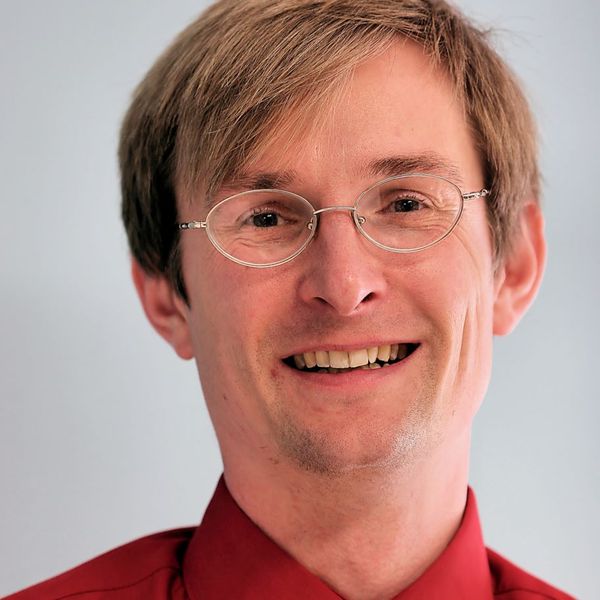
Jeff Linderoth is the Harvey D. Spangler Professor in the Department of Industrial and Systems Engineering at the University of Wisconsin-Madison. His research focuses on large-scale numerical optimization, mixed-integer nonlinear programming, and stochastic programming, with applications in energy systems, global routing, and industrial processes. Education: BS in General Engineering (highest honors) from University of Illinois at Urbana-Champaign, MS in Operations Research from Georgia Institute of Technology, PhD in Industrial Engineering from Georgia Institute of Technology. Linderoth's work addresses theoretical and applied challenges in optimization, including developing algorithms for mixed-integer programming, analyzing knapsack polytopes, and creating tools like the Minotaur optimization toolkit. His recent publications explore integer programming techniques for subspace clustering, complementarity constraints, and customized coverage instrumentation. Selected trends in his research include advancements in stochastic programming, orbital branching for symmetric integer programs, and congestion analysis in power systems. His group contributes to optimization software and data-driven libraries like MIPLIB. Scientific Award: Harvey D. Spangler Professor.
Lifeng Zhou is an Assistant Professor in the Department of Electrical and Computer Engineering at Drexel University, where he leads the Zhou Lab focused on advancing robustness and reliability in multi-robot systems through integration of foundation models. His research addresses real-world challenges in environmental monitoring, disaster response, and urban mobility. Education PhD, Electrical and Computer Engineering, Virginia Tech, 2020 MS, Control Science and Engineering, Shanghai Jiao Tong University, 2016 BS, Automation, Huazhong University of Science and Technology, 2013 Research Focus Dr. Zhou's work integrates robotics, algorithms, game theory and machine learning to develop secure and scalable autonomous systems. Primary research thrusts include: Resilient multi-robot coordination in adversarial environments Large language model integration for robotic decision-making Game-theoretic resource allocation strategies Risk-aware planning for autonomous vehicles Publication Trends Recent work (2024-2025) demonstrates strong focus on large language model applications in multi-robot systems, with 12/15 articles exploring LLM integration for flocking, scene segmentation, and decision-making. Additional emphasis includes adversarial robustness in target tracking (5 articles) and autonomous driving applications (4 articles). Awards and Recognition Best Paper Award, WACV 2025 LLVM-AD Workshop Professional Service Associate Editor, ICRA Conference Editorial Board Laboratory Focus The Zhou Lab develops foundational algorithms for secure and scalable multi-robot systems, with current projects spanning environmental monitoring drones, disaster response coordination, and autonomous vehicle perception systems.
Haipeng Shen is a Professor of Innovation and Information Management at HKU Business School, The University of Hong Kong, serving as Associate Dean (EMBA and IMBA) and holding the Patrick S C Poon Professorship in Analytics and Innovation. He chairs the Business Analytics and Innovation program and joined HKU in 2015 after previously holding a professorship at the University of North Carolina at Chapel Hill. His academic credentials include: PhD in Statistics, The Wharton School of Business, University of Pennsylvania, 2003 MA in Statistics, The Wharton School of Business, University of Pennsylvania, 2000 BS in Mathematics, School of Mathematical Sciences, Peking University, 1998 Professor Shen's research focuses on data-driven decision making under uncertainty, with expertise spanning big data analytics, business analytics, healthcare analytics, and service engineering. He develops advanced statistical and machine learning methodologies to solve complex operational problems in call centers, optimize stroke care protocols, and enhance financial risk modeling, emphasizing real-time applications in high-stakes environments. Analysis of his recent publications reveals a consistent interdisciplinary approach bridging operations research, statistics, and domain-specific knowledge. His work demonstrates strong methodological innovation in time-series forecasting for service systems, risk assessment frameworks for medical complications, and covariance structure analysis for financial markets, with direct translational impact on business operations and clinical outcomes. His scientific contributions have been recognized with prestigious awards including: Most Influential Publication Award from China Stroke Association (2018) Fellow of the American Statistical Association (2015) Best Advisor of the Year Award from Academy of Asian Business (2018) Elected Member of International Statistical Institute (2015) Cluster Chair for Big Data Analytics at INFORMS International (2015) As an academic leader, Professor Shen has secured significant research funding from organizations including The Xerox Foundation and National Institute on Drug Abuse. He serves as Associate Editor for Management Science, Journal of the American Statistical Association, and Technometrics, while mentoring graduate students in statistical methodology and applied analytics. His current initiatives position HKU Business School at the forefront of healthcare innovation through big data analytics, driving collaborations with medical institutions to transform stroke care and hospital operations in Asia.
Nazanin Tajik is an Assistant Professor in the Department of Industrial and Systems Engineering at Mississippi State University (MSU). She holds a Ph.D. from the University of Oklahoma, an M.S. from the University of Tehran, and a B.S. from Sharif University of Technology. Her research focuses on integrating artificial intelligence, machine learning, and social science concepts to develop cross-disciplinary frameworks for infrastructure resilience, smart transportation systems, and disaster management. Her academic journey includes a Ph.D. at the University of Oklahoma where she contributed to the Risk-Based Systems Analytics Laboratory. At MSU, she established a research center bridging AI/ML tools with socio-technical systems. Key research domains include cyber-physical-social infrastructure resilience, search-and-rescue planning, and game-theoretic robotic designs. Tajik's work emphasizes optimization algorithms for network vulnerability assessment, resource allocation in disaster scenarios, and adaptive recovery strategies. She is actively involved with professional organizations such as INFORMS, ISE, and POMS, reflecting her commitment to advancing operations research and systems engineering methodologies.
Albert Atserias is a Professor in the Department of Computer Science at the Universitat Politècnica de Catalunya (UPC), affiliated with the Faculty of Informatics of Barcelona (FIB) and the ALBCOM research group (Algorithms, Bioinformatics, Complexity, and Formal Methods). He is also associated with the Institut de Matemàtiques de la UPC-BarcelonaTech. His research is central to theoretical computer science, with a strong emphasis on logic and complexity. Atserias's research interests span Computational Complexity, Logic in Computer Science, Finite Model Theory, Proof Complexity, and Constraint Satisfaction Problems . His work explores the fundamental limits of computation, the expressive power of logical languages over finite structures, and the complexity of proving mathematical statements. He investigates the algebraic and combinatorial properties of proof systems, the limits of efficient algorithms for constraint solving, and the theoretical foundations of databases. His research often bridges logic, algebra, and combinatorics to provide deep insights into computational phenomena. The trends in his recent publications show a sustained focus on the logical and algebraic underpinnings of computational problems. Key themes include the consistency and complexity of database queries , the power and limitations of proof systems (like resolution and sum-of-squares), and the expressive power of homomorphism counts in graph theory. His work on the hardness of automating resolution and the development of circular proof systems are particularly significant contributions to proof complexity. The 2024 PODS Best Paper Award for work on relational consistency underscores the impact and timeliness of his research. Among his notable scientific awards are the prestigious ICREA Acadèmia , the PODS 2024 Best Paper Award , the Premi Extraordinari de Doctorat (Extraordinary Doctoral Prize), and the Kleene Award for Best Student Paper . These accolades reflect both the excellence of his early work and his continued leadership in the field. Atserias has been a principal investigator on numerous competitive research projects, including funding from the European Research Council (ERC) and the Spanish Ministry of Science. He has advised doctoral students, such as Toni Hakoniemi, whose thesis on proof complexity he supervised. His extensive collaborative network includes leading researchers like Phokion Kolaitis, Anuj Dawar, and Victor Dalmau. He has also served on the scientific committees of major conferences, contributing to the academic community. He is a core member of the ALBCOM research group , a leading team at UPC focused on theoretical aspects of computer science, which provides a vibrant environment for research in algorithms, complexity, and formal methods. His work is also connected to the broader Institut de Matemàtiques de la UPC, fostering interdisciplinary collaboration between computer science and mathematics.