Scott K. RobinsonView profile
Professor
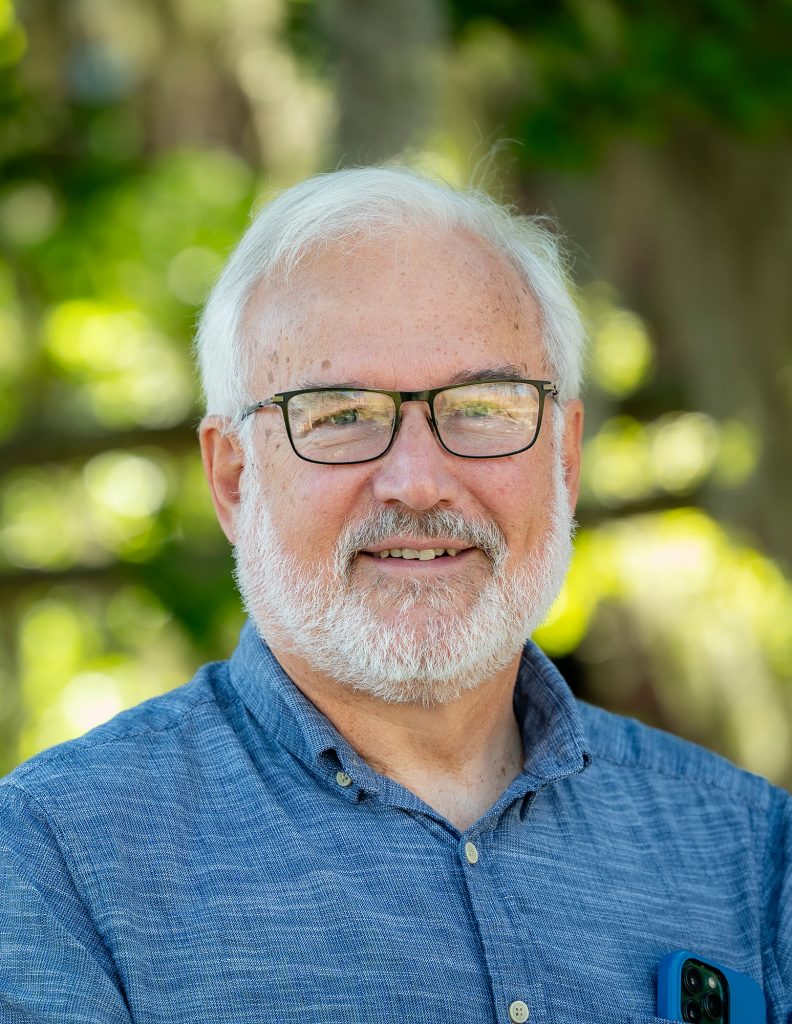
Dr. Scott K. Robinson is the Katharine Ordway Professor of Ecosystem Conservation at the University of Florida’s Florida Museum of Natural History and affiliated with the UF School of Resources and the Natural Environment and UF Biology. He holds a Ph.D. from Princeton University. His research focuses on avian ecology, behavior, and conservation, with particular emphasis on tropical ecosystems, urbanization impacts, and brood parasitism. Current projects include studies on forest and grassland conservation in North America, tropical Andean bird communities, and avian decision-making in human-modified habitats. Key research interests include understanding how birds adapt to fragmented habitats, the role of flocking behavior in ecological communities, and the conservation implications of human-induced environmental changes. Dr. Robinson has secured significant funding, including an $800,000 NSF grant for avian range research. His work bridges theoretical ecology with applied conservation, emphasizing the interplay between species interactions and environmental drivers. Recent publications highlight topics such as the effects of plantation forestry on bird communities, genomic insights into wren hybridization, and the sensitivity of tropical montane birds to deforestation. While no formal awards are listed, his extensive contributions to biodiversity conservation are evident through collaborative projects and field-based studies in regions like the Andes and Amazonia. Advising activities are not detailed here, but his involvement in interdisciplinary initiatives underscores a commitment to training future conservation scientists. Laboratory affiliations include the Ordway Lab of Ecosystem Conservation and participation in programs like SEACAP (Southeast Aquatic Connectivity Assessment Project). His research frequently addresses the ecological consequences of landscape changes, offering critical insights for sustainable management strategies in agricultural and urbanized landscapes.