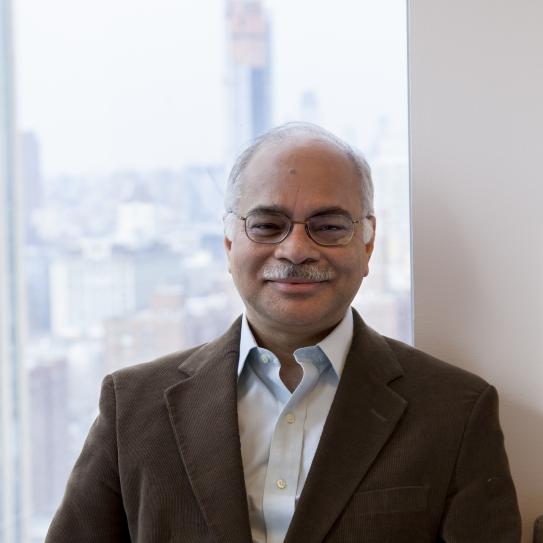
Shivendra Panwar is a Professor in the Electrical and Computer Engineering Department at the NYU Tandon School of Engineering and Director of the New York State Center for Advanced Technology in Telecommunications (CATT). He holds IEEE Fellow and NAI Fellow distinctions. His research focuses on wireless networks (5G/6G, mmWave, terahertz), video distribution over wireless, AR/VR/XR applications, and R&D policy. Education: B.Tech from IIT Kanpur (1981), M.S. and Ph.D. from University of Massachusetts Amherst (1983, 1986). He co-founded the NY City Media Lab and is a member of NYU Wireless. Notable awards include the IEEE Leonard G. Abraham Prize (2004), 2011 Multimedia Best Paper Award, and Sony Research Awards (2016-2017). Recent work addresses challenges in millimeter wave systems, full-duplex cellular networks, and latency-sensitive applications. His contributions span protocol design, network architecture innovation, and economic analysis of telecom systems. He has authored/co-authored influential books on TCP/IP and network management.
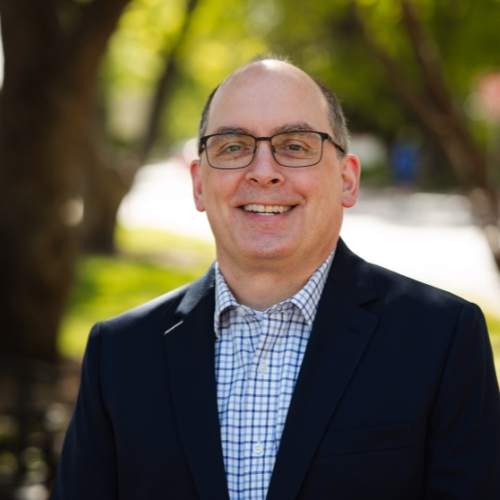
Dr. Donald Warsing is an Associate Professor of Operations and Supply Chain Management in the Department of Business Management at North Carolina State University's Poole College of Management. He holds a Ph.D. in Operations Management from UNC Chapel Hill, an M.S. in Management from NC State, and a B.S. in Industrial Engineering from Ohio State University. His research focuses on developing analytical tools for managing inventory, logistics, and business operations, with expertise in production/inventory management, additive manufacturing, and logistics/distribution. Dr. Warsing bridges academic research and industry practice through his work with the Supply Chain Resource Cooperative (SCRC), where he advises student teams solving real-world supply chain challenges. Prior to academia, he held engineering and management roles at IBM Corporation. His research has been published in leading journals including Production and Operations Management, Journal of Operations Management, and Decision Sciences. He co-authored the graduate textbook Supply Chain Engineering: Models and Applications .
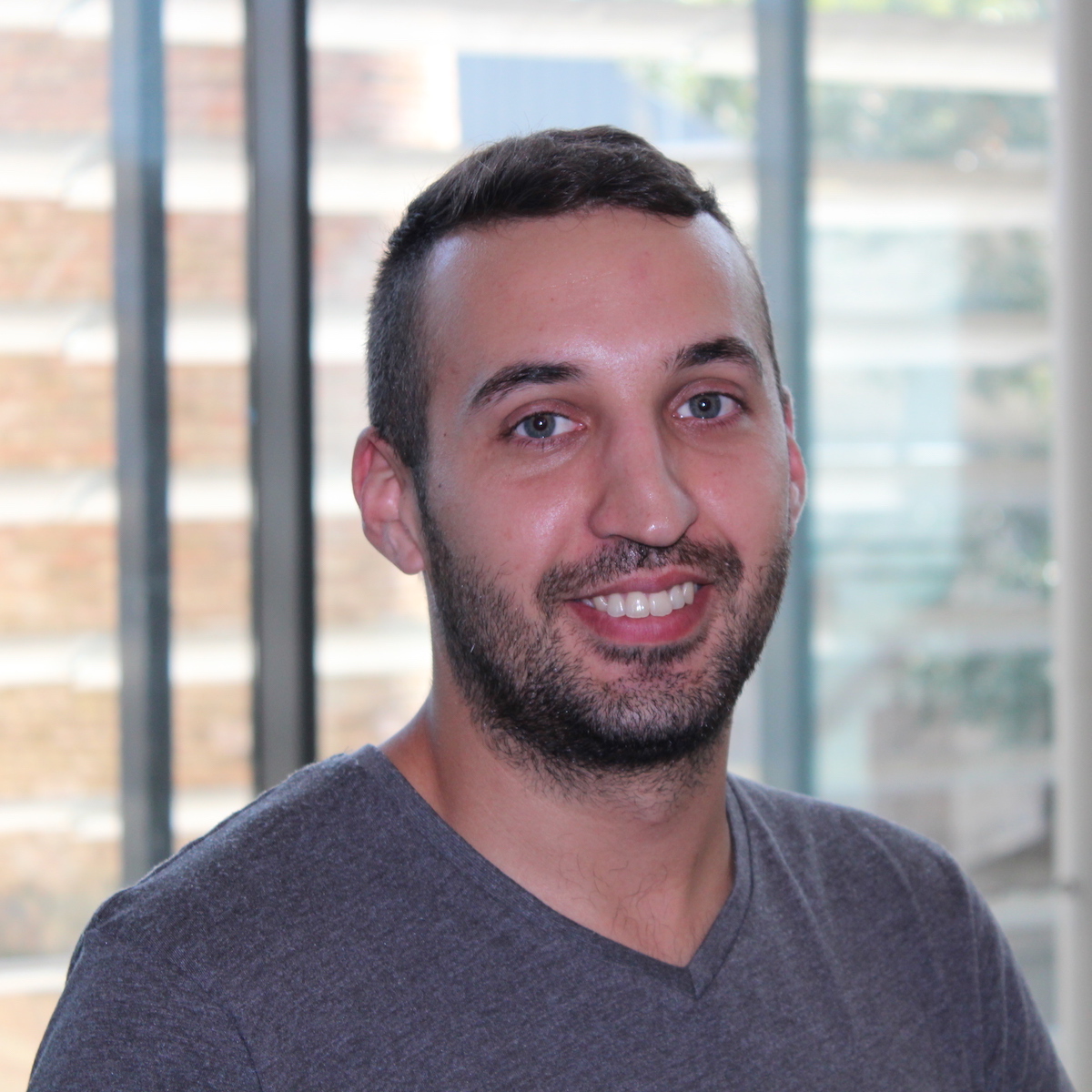
Francesc Wilhelmi is a Tenure-Track Professor at Universitat Pompeu Fabra (UPF) and a Research Engineer at Nokia Bell Labs . He holds a Ph.D. in Information and Communication Technologies (2020) and an M.Sc. in Intelligent and Interactive Systems (2016), both from UPF. His research focuses on Wi-Fi technologies , machine learning , decentralized learning , and blockchain applications in telecommunications . He previously served as a researcher at CTTC and taught at UPF (2015–2020) and Universitat Oberta de Catalunya (2020–2022), specializing in networking courses. Key contributions include the Komondor wireless network simulator and standardization work at ITU-T , notably editing recommendation Y.3181 on Machine Learning Sandboxes. Active in FG-ML5G , organizing problem statements for the ITU AI/ML in 5G Challenge. Explores blockchain for O-RAN sharing and AI-driven spatial reuse in 5G/6G networks. His work bridges network simulation with machine learning to address challenges in dense wireless environments, emphasizing practical implementations and open-source tools.
Besmir Tola is an Associate Professor at the Department of Information Security and Communication Technology, NTNU. His affiliations include the Faculty of Information Technology and Electrical Engineering, where he holds a permanent academic position. Previously, he served as an Assistant Professor (2020-2022), Researcher (2019-2020), and held a Marie S. Curie Fellowship (2015-2019) within the same institution. He earned his Master's from the University of Siena (Italy) and PhD from NTNU. His research focuses on dependability modeling of software-defined networks, performance analysis of virtualized networks, wireless security, and NFV orchestration. He has published extensively on topics like NFV service resilience, redundancy allocation, and network availability modeling. His work emphasizes practical solutions for carrier-grade service provisioning and network reliability in cloud-native architectures. Dr. Tola has collaborated with industry partners such as Nokia Bell Labs and SIKT (Norway), contributing to both academic and applied research. He is also an accredited Cisco Networking Academy instructor, teaching courses like Cisco Certified Network Associate and Cloud Security. His voluntary roles include leadership in IEEE NTNU Student Branch and PhD/postdoc advocacy organizations.
Antonio Brogi is a Full Professor at the Department of Computer Science, University of Pisa. He leads the Service-Oriented, Cloud and Fog Computing (SOCC) research group and is actively involved in multiple editorial roles, including for Electronics , Heliyon Computer Science , and Journal of Computer Languages . His research focuses on cloud-edge computing, quantum software engineering, and formal methods for distributed systems. He chairs program committees for major conferences like ESOCC, ADAPTIVE, and IEEE ICWS. Research Interests: Service computing, fog computing, quantum software engineering, system coordination, resilience, and sustainability. He has pioneered declarative approaches for managing distributed systems and has contributed to frameworks like ECLYPSE and FREEDA. Teaching: Teaches Cloud Computing (BSc) and Advanced Software Engineering (MSc) at the University of Pisa. Supervises master's and bachelor's theses in related areas. Grants & Projects: Participated in EU-funded initiatives like SeaClouds and national projects DECLware and Through the Fog. Active in industry collaborations for cloud-edge infrastructure optimization.
Markus Perola serves as a University Researcher at the University of Helsinki, holding dual roles as Supervisor for the Doctoral Programme in Biomedicine and the Doctoral Programme in Population Health. He maintains an active external position at THL (Finnish Institute for Health and Welfare) since 2001, demonstrating long-term commitment to national public health research. His research spans Biomedicine , Genetic Epidemiology , and Population Health , with particular focus on Genetic determinants of autoimmune diseases and diabetes Chronobiology and socioeconomic interactions Mitochondrial mechanisms in liver disease Large-scale biobank analytics (FinnGen) Electronic health record mining for clinical insights cutting-edge methodologies in precision medicine and population-scale data integration. Analysis of his 367 publications reveals dominant themes in genomic epidemiology and translational biomedicine , with recent work emphasizing AI-driven risk prediction (particularly for COVID-19 outcomes), mitochondrial pathways in chronic diseases, and fine-scale genetic ancestry mapping. His research increasingly integrates multi-omics data with real-world clinical records. His scientific leadership includes major EU-funded initiatives: B1MGplus (€10,420 funding) EU/PROPHET (€66,681 funding) PRIMUS privacy-preserving meta-learning project GoE: Genome of Europe initiative FinnGen biobank consortium Perola actively supervises doctoral candidates through two university programs while contributing to 34 media engagements that translate complex genomic findings for public understanding. His work demonstrates consistent translational impact from basic genetic mechanisms to clinical applications and public health policy.
Prof. Toktam Mahmoodi is a Professor of Communications Engineering at King's College London, affiliated with the Department of Engineering under the Faculty of Natural, Mathematical & Engineering Sciences. She leads the Centre for Telecommunications Research, focusing on advanced networking, edge computing, and 5G/6G technologies. Her academic journey includes a BSc from Sharif University of Technology and a PhD from King's College London. Education: BSc in Electrical Engineering, Sharif University of Technology PhD in Telecommunications, King's College London Research Interests: Her work spans ultra-low latency networking, network virtualization, edge intelligence, and sustainable communication systems. She explores integration of cloud and mobile networks, autonomous networks, and energy-efficient solutions. Key areas include federated learning, tactile internet, and telemedicine applications. Grants & Projects: Principal Investigator for the Native Sensing in 6G Networks - Capgemini project (2023-2027). Co-Investigator in the VERGE project for AI-driven edge architectures (2023-2025). Lead in the ANIARA initiative for connected car communications (2020-2022). Pioneered projects like SoftEdge Networking and Primo-5G for immersive telepresence. Labs & Teams: Director of the Centre for Telecommunications Research, a global leader in telecommunications and cybersecurity research.
Roua TOUIHRI is a Lecturer at Telecom SudParis and an associate member of the ACMES group. She is affiliated with the SAMOVAR research laboratory, which focuses on networking and distributed systems. She holds a PhD in Hardware Architecture from Paris-Est University (2021), where her thesis addressed optimizing routing and resource allocation in SDN-based server-only data center networks for private cloud architectures. Her research interests center on Software-Defined Networking (SDN), cloud computing, and service-level agreement (SLA) management. She explores topics such as autonomous multi-cloud SLA adaptation, process mining for SLA reporting, and optimizing routing protocols in data center networks. Her work often intersects with network protocol design, resource allocation strategies, and improving network throughput in distributed systems. Her publications span conferences like IEEE BigData, IEEE ICC, and GLOBECOM, focusing on SDN-based solutions for data center networks, multi-cloud SLA management, and protocol optimization. She has contributed to developing novel routing schemes like M-CRP and CRP for CamCube server-only architectures, addressing latency reduction and resource utilization challenges. Roua TOUIHRI’s academic contributions are anchored in practical applications of SDN and cloud technologies, with a focus on scalable and efficient network designs for modern distributed systems.
Jinhua Guo is an Associate Professor in the Department of Computer and Information Science at the University of Michigan-Dearborn's College of Engineering and Computer Science. He holds a Ph.D. from the University of Georgia and B.E./M.E. degrees in Computer Science from Dalian University of Technology. His research spans vehicular networking , mobile/cloud computing , cybersecurity , and optimization algorithms . His recent work focuses on data center energy optimization using neural networks, cache robustness in named data networks , and real-time task scheduling on multi-core processors . Earlier contributions include MAC protocols for vehicular networks and context-aware routing in VANETs . Scientific awards and grants include: NSF Grant (co-PI): Enhancing Pervasive/Mobile Computing Security Education (2014-2016) Amazon AWS in Education Grant (PI): 2012-2015 NSF Grant (PI): Mobile Computing Research for Automotive Applications (2005-2010) He has advised 14 graduate students, including: John P. Baugh (Ph.D., 2018) Vishal Singh (Ph.D., 2016) Jun Liu (Ph.D., 2015) Ryan Bankston (Ph.D. in progress)
Gareth Clegg serves as a Senior Clinical Lecturer at the Centre for Population Health Sciences within the Usher Institute, College of Medicine and Veterinary Medicine at the University of Edinburgh. Based at the Edinburgh BioQuarter (5-7 Little France Road, Edinburgh EH16 4UX), his work focuses on optimizing out-of-hospital cardiac arrest (OHCA) response systems through interdisciplinary approaches spanning emergency medicine, public health, and behavioral science. Dr. Clegg's research centers on critical gaps in the OHCA 'chain of survival,' with particular emphasis on bystander intervention barriers , defibrillator accessibility equity , and resuscitation communication dynamics . His methodology integrates geospatial modeling of AED placement, linguistic analysis of emergency calls, and behavioral interventions to address socioeconomic disparities in survival outcomes. Recent work demonstrates innovative applications of narrative medicine to improve clinical practice and examines how depression and sex characteristics modify resuscitation outcomes. Analysis of his 2023-2025 publications reveals a strategic shift toward implementation science , with increasing focus on feasible real-world solutions like bystander support services and socially primed CPR training. His Scottish-centric research leverages national health data to address rural-urban divides and develop equity-focused interventions, while maintaining rigorous mixed-methods approaches combining quantitative modeling with qualitative insights from emergency call recordings. No scientific awards were documented in the source materials. Though specific student mentorship isn't listed, Dr. Clegg's work involves substantial collaboration with Scottish Ambulance Service, NHS Scotland, and public health agencies. His research program appears grant-funded through UK public health initiatives, particularly evident in geospatial modeling projects and nationwide cohort studies spanning 2011-2020. As part of the Centre for Population Health Sciences, he contributes to Edinburgh's leadership in emergency care epidemiology. His current work suggests active involvement in Scotland's OHCA strategy development, with emerging focus on post-resuscitation psychological support systems and advanced resuscitation technologies like extracorporeal CPR.
Dr. Michel van Genderen serves as a Researcher in the Department of Intensive Care at Erasmus MC's Erasmus School of Medicine, Rotterdam. His work focuses on advancing critical care through innovative research in mechanical ventilation protocols, AI integration, and sustainable ICU practices. With 69 research outputs including 50 articles and 7 reviews, he actively contributes to European critical care initiatives. His research spans Intensive Care Medicine , AI applications in critical care , and environmental sustainability . Key interests include developing standardized data models for ICU networks, optimizing mechanical ventilation strategies, and implementing large language models for clinical decision support. Recent work examines green ICU initiatives from multiple stakeholder perspectives and leverages GPT-4 to improve patient understanding of radiology reports. Analysis of his 15 most recent publications reveals strong emphasis on data standardization for European ICU networks , AI-driven clinical decision tools , and sustainable critical care practices . His work consistently bridges technical innovation with practical clinical implementation, particularly in mechanical ventilation optimization and pandemic response protocols. Dr. van Genderen has supervised at least two graduate students and participates in multi-center collaborations across Europe. His research receives significant attention with news mentions and Mendeley readership. Current projects include the SWITCH study on ventilation strategies and development of the Common Data Model for Intensive Medicine Data Space in Europe. He contributes to critical care innovation through participation in European research networks focused on data interoperability and sustainable healthcare infrastructure. His work on "The green ICU" examines environmental sustainability from healthcare professional, procurement specialist, and regulatory perspectives.
Guoyuan Li is a Professor at the Department of Ocean Operations and Civil Engineering, Faculty of Engineering, Norwegian University of Science and Technology (NTNU), Ålesund Campus. His work bridges digitalization , artificial intelligence , and maritime engineering , focusing on ship maneuvering, robotics, and human-machine interaction. Ph.D. in Computer Science, University of Hamburg (2013) M.S. & B.S. in Computer Science, Chongqing University (2009 & 2006) Research Interests: Digital twin systems for ships, adaptive locomotion control in bio-inspired robotics, trajectory prediction for marine vessels, and human visual attention analysis in maritime operations. He integrates machine learning and physics-based models to enhance safety and efficiency in marine environments. Publications highlight trends in ship motion prediction , collision avoidance , and environmental disturbance modeling , with applications in digital twin technology and remote control centers . His work spans IEEE and Springer journals. Awards include multiple Best Paper Awards at IEEE conferences (2024-2014). He serves as Associate Editor for IEEE Journal of Oceanic Engineering and IEEE Transactions on Intelligent Transportation Systems . Projects include EU’s RoboSapiens (robot adaptation), Digital Twin for Green Ship Operations (Norway), and AuReCo (remote control systems). He collaborates with the Intelligent Systems Lab at NTNU.
Arturo Azcorra is a Full Professor at the University Carlos III of Madrid in the Telematics Engineering Department and serves as Director of the IMDEA Networks Institute . His career spans academic leadership and research in network architectures, communication protocols, and wireless technologies. Full Professor at Universidad Carlos III de Madrid (since 1998) Director of IMDEA Networks Institute (since 2006) Senior Member of IEEE Communications Society Research Interests: His work focuses on network architectures, communication protocols, wireless and mobile networks, peer-to-peer systems, and energy-efficient networking. Current projects include 5G network slicing, microsleep techniques for WiFi, and collaborative file distribution systems. Publications Trends: Recent articles address 5G network optimization, energy-efficient protocols, ad traffic filtering systems, and multicast video delivery mechanisms. His research combines theoretical modeling with practical implementations in real-world network environments. Scientific Awards: IEEE Communications Society Senior Member President of the Association for Telematics Academic Leadership: He has held significant administrative roles including Deputy Vice-Provost and Department Director at UC3M. Currently supervises the NETCOM Research Group and collaborates with IMDEA Networks .
Lo’ay Abu Salah is a Clinical Professor in the Department of Electrical and Computer Engineering at the University of Illinois at Chicago (UIC), affiliated with the College of Engineering. His research focuses on wireless sensor networks, network security, computer networking, communications and signal processing, and interdisciplinary product development. He has contributed extensively to trust-aware routing protocols in mobile ad hoc networks and network security. PhD (2006), Electrical and Computer Engineering, University of Illinois at Chicago MSc (1999), Communication Engineering, University of Jordan BSc (1997), Electrical and Computer Engineering, Philadelphia University His work spans wireless network security, trust management, and simulation models, with a particular emphasis on adaptive protocols for dynamic environments. Recent publications analyze trust metrics, mobility impacts, and fuzzy logic applications in mobile ad hoc networks. He received the IDEAL Scholar award from the Institute for the Development of Excellence in Assessment Leadership in 2008. He is a member of IEEE since 1993 and served on technical program committees for network security symposia. He founded and directed the UIC Industry Training and Collaboration Center (ITCC) in 2009. His professional service includes technical program committee roles for IEEE and Globecom conferences.
Dmitriy Dunaev is an Associate Professor at the Budapest University of Technology and Economics, affiliated with the Department of Automation and Applied Informatics. His research focuses on hardware security, particularly through Physical Unclonable Functions (PUFs), software obfuscation, and FPGA-based security solutions. Current position: Associate Professor Institution: Budapest University of Technology and Economics Department: Automation and Applied Informatics Research spans cryptographic security enhancement via configurable hardware designs, machine learning vulnerability analysis, and optimization of security protocols in embedded systems. Recent publications investigate temperature sensitivity, bit configuration in PUFs, and FPGA implementation challenges. Contact: dunaev@aut.bme.hu