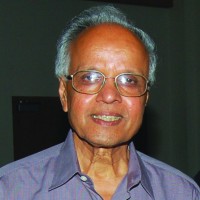
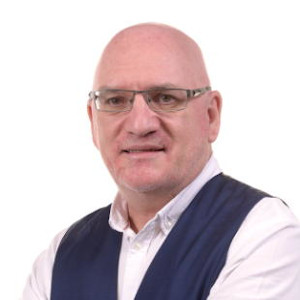
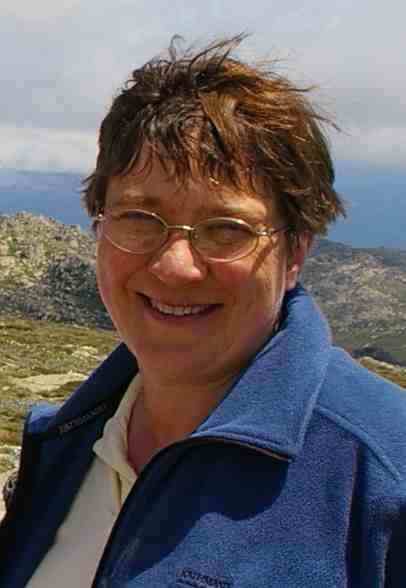
J.N.K. Rao is a Distinguished Research Professor in the Department of Mathematics & Statistics at Carleton University. A leading expert in survey sampling and statistical inference, he has made groundbreaking contributions to small area estimation (SAE) and data integration methodologies. Research Focus: Specializes in survey methodology, poverty mapping, Bayesian inference, and empirical likelihood techniques. Honors: Gold Medal of the Statistical Society of Canada (1993), Fellow of the Royal Society of Canada (1991), Waksberg Award (2005), SAE Outstanding Achievement Medal (2017). His recent work explores model-based SAE, combining probability and non-probability samples, and improving inference validity through robust calibration. Awards highlight his decades-long impact on statistical theory and practice. Email: jrao@math.carleton.ca
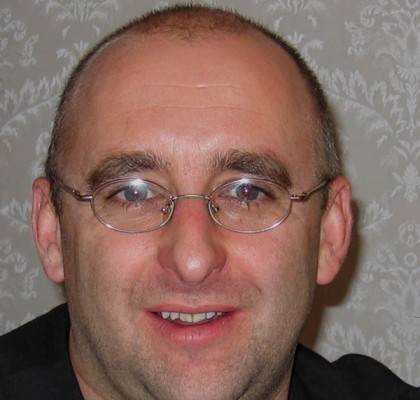
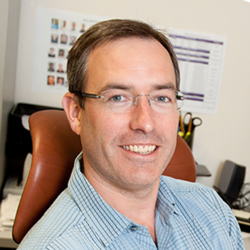
Assoc. Prof. Dr. Wayne FULLER is a faculty member at Near East University's Faculty of Veterinary Medicine, Department of Genetics. He earned his BSc in Zoology from the University of Oxford before pursuing doctoral research at Exeter Universities' Centre for Ecology and Conservation in North Cyprus. Specializing in Mediterranean marine turtle conservation and ecology, his work spans climate change impacts, plastic pollution, and stable isotope applications. Education: BSc in Zoology, PhD in Marine Ecology Current Roles: Head of Department of Genetics, Near East University Key Projects: IUCN Marine Turtle Specialist Group (2017-present), EU Nature 2000 implementation in Cyprus (2008) His recent research explores phenological shifts in sea turtle offspring under climate change, macroplastic ingestion patterns, and avian conservation in Mediterranean forests. Publications emphasize ecological monitoring, habitat connectivity, and conservation technology applications like GPS and stable isotopes. Scientific recognition includes: Member of IUCN Marine Turtle Specialist Group
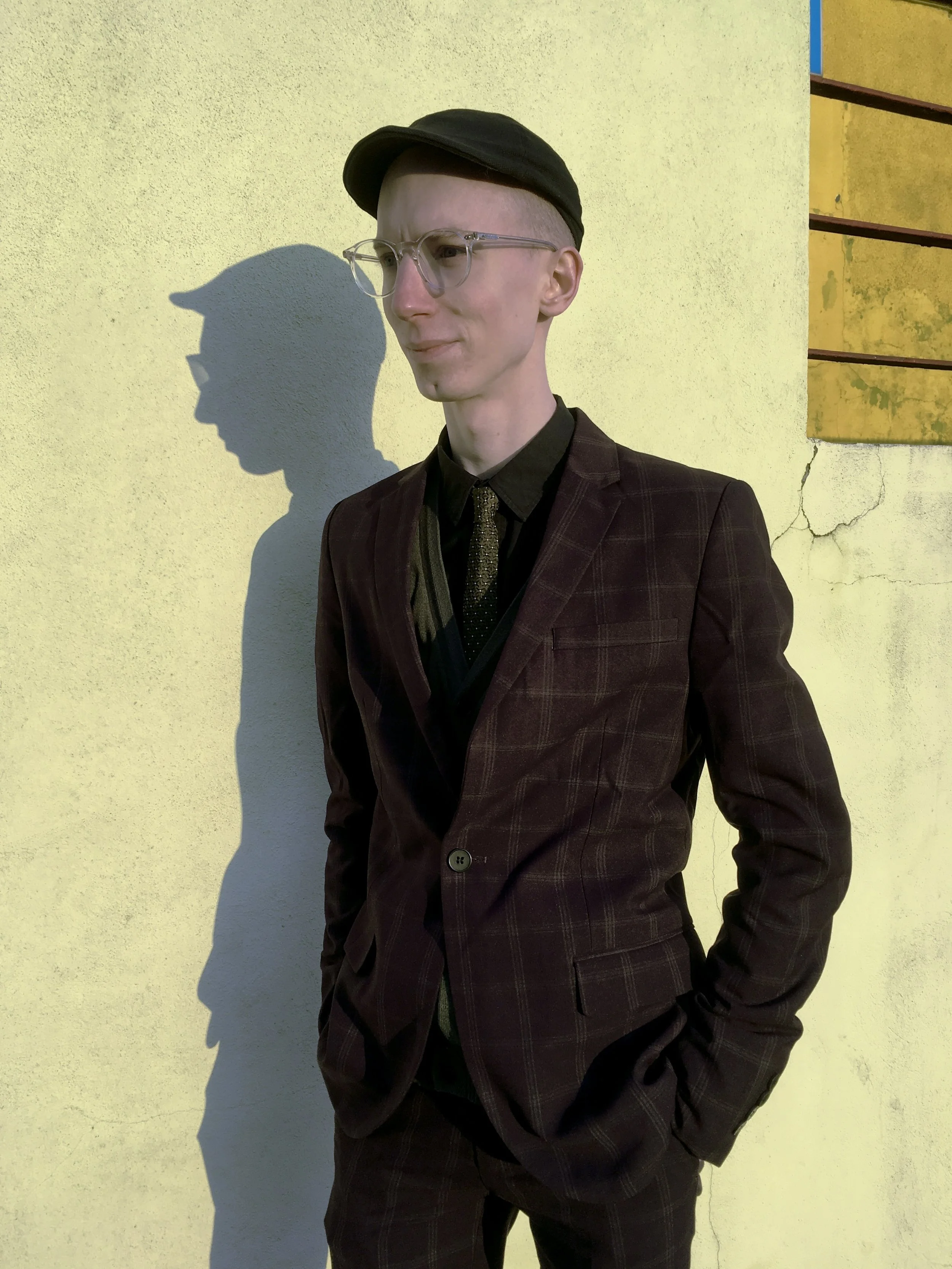
Maurice S. Fabien is an Assistant Professor in the Department of Mathematics at the University of Wisconsin-Madison and a SIAM-MGB Early Career Fellow. In 2025, he will join MIT's Schwarzman College of Computing as an MLK Assistant Professor while on leave from UW-Madison. His research focuses on computational mathematics with specialization in partial differential equations, high-performance computing, and numerical methods including discontinuous Galerkin formulations and multigrid solvers. Research interests span: Development of structure-preserving discretizations for hyperbolic systems GPU-accelerated computational algorithms Hybridizable discontinuous Galerkin (HDG) frameworks Multiscale modeling in porous media and biomechanics Numerical analysis of nonlinear PDEs Publications demonstrate strong focus on: High-order methods for conservation laws Efficient solvers for elliptic/parabolic systems Applications in fluid dynamics and materials science GPU-based performance optimization Error analysis of energy-stable schemes Awards & Honors: SIAM-MGB Early Career Fellowship (2025) Research Team: Austin Anyanwu (Undergraduate) - Finite precision arithmetic Alexis Liu (Alumni) - GPU-accelerated elliptic solvers Patrick Li (Undergraduate) - GPU-based mesh refinement Neer Mehta (Alumni) - Adaptive mesh refinement algorithms Significant involvement since 2007 in STEM diversity initiatives focused on recruitment/retention of underrepresented groups in academia.
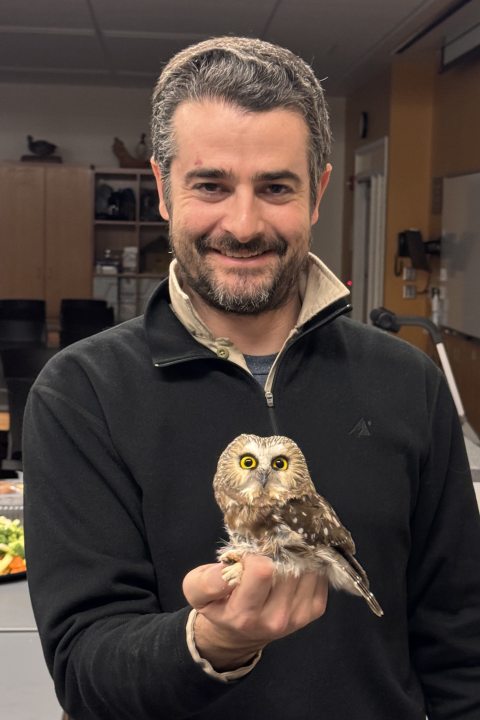
Dr. Andreas Nord is an Affiliate Researcher at the University of Glasgow's School of Biodiversity, One Health & Veterinary Medicine. His work focuses on avian physiology, thermal biology, and environmental stressors. Nord has contributed to over 13 peer-reviewed publications since 2015, with recent emphasis on avian thermoregulation mechanisms, urbanization impacts on wildlife, and methodological advancements in thermal imaging. He served as a Guest Editor for the 2021 Special Issue on thermal imaging in the Journal of Thermal Biology . Research interests include comparative physiology, urban ecology, and the physiological responses of birds to environmental changes. His studies combine fieldwork with laboratory techniques to explore topics like mitochondrial thermogenesis in birds, oxidative stress in urban environments, and plumage development effects on heat loss. Nord collaborates extensively with international researchers across ornithology, thermal biology, and conservation science. Publications consistently demonstrate interdisciplinary approaches, linking molecular biology (e.g., telomere dynamics) with ecological observations (e.g., food restriction effects). His methodological contributions include evaluating body temperature measurement techniques for free-ranging animals, published in Animal Biotelemetry (2015) and Journal of Avian Biology (2015). No academic awards or grants are explicitly listed, though his editorial role highlights scholarly influence. Advising/mentoring relationships aren't detailed in the provided materials. Lab affiliations or team projects aren't specified, though collaborative work with institutions like the University of Glasgow and international partners is evident through co-authorship networks.
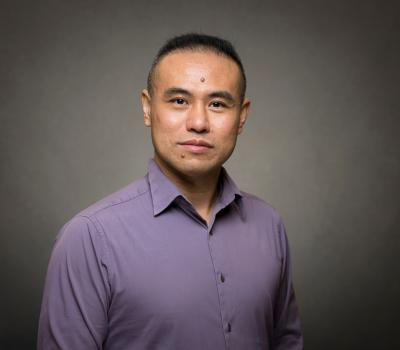
Zhenxing Feng is an Associate Professor in the School of Chemical, Biological, and Environmental Engineering at Oregon State University (OSU). He leads the Feng Research Group, focusing on energy storage and conversion systems, including lithium-ion batteries, aqueous metal-ion batteries, fuel cells, and electrocatalysts for water splitting and CO₂ reduction. His work integrates advanced synchrotron X-ray techniques for in situ, time-resolved studies of material behavior under operational conditions. Education: Ph.D. in Materials Science and Engineering, Northwestern University (2011) M.S. in Physics, McGill University (2006) B.S. in Physics, Peking University (2004) His research interests span thin film synthesis, electrochemical testing, and advanced X-ray characterization techniques such as surface X-ray diffraction, X-ray absorption spectroscopy, and imaging. He has received notable awards, including the 2023 ONR Summer Fellowship and the 2021 Action Research Scholar award. His group actively explores novel materials for sustainable energy systems and has published extensively on topics like solid-state battery interfaces and atomically dispersed catalysts. Recent projects include developing durable aqueous sodium-ion batteries, improving oxygen evolution reaction (OER) catalysts, and studying interfacial processes in energy storage devices using synchrotron-based methods. He mentors graduate and undergraduate students in experimental and theoretical aspects of materials science and electrochemistry. Feng collaborates with institutions like Argonne National Laboratory and MIT, contributing to initiatives in renewable hydrogen and energy storage. His lab emphasizes interdisciplinary approaches, combining computational modeling, synthesis, and advanced characterization to innovate in sustainable energy technologies.
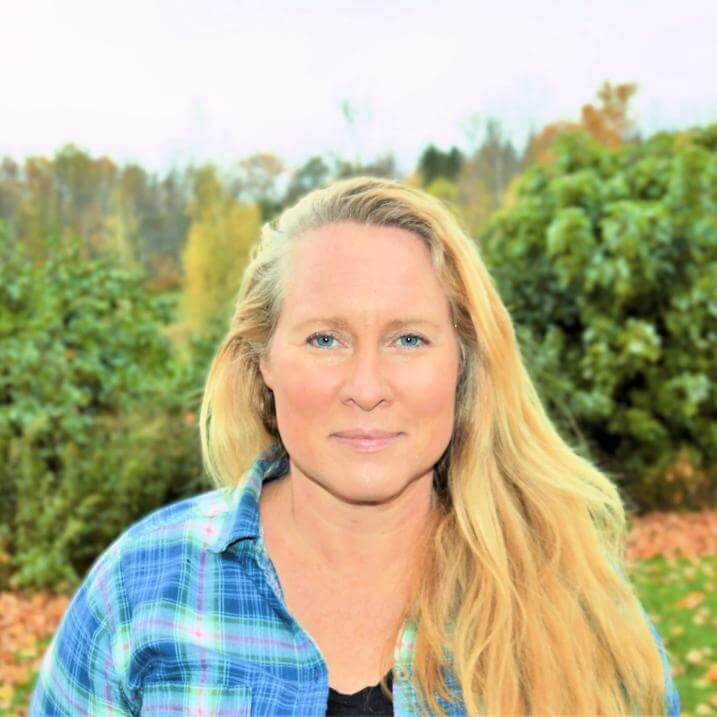
Jennifer Pontius is a Senior Lecturer and serves as Director of the Environmental Sciences Program and Geospatial Technologies Program at the Rubenstein School of Environment and Natural Resources, University of Vermont. She is also Assessment Coordinator for the Rubenstein School and Principal Investigator for the Forest Ecosystem Monitoring Cooperative (FEMC). Her work focuses on integrating geospatial tools like remote sensing and GIS to address forest health challenges across scales, collaborating with USDA Forest Service, Vermont Agency of Natural Resources, and others. She holds a Ph.D. in Earth and Ecosystem Science from the University of New Hampshire and dual B.A. degrees in Environmental Science and Spanish from the University of Virginia. Research Expertise: Her research emphasizes scaling field observations to landscape-level insights using remote sensing and GIS, particularly in detecting forest decline caused by invasive species, climate change, and nutrient depletion. Current projects include novel forest structure mapping techniques and decision support tools for sustainable forest management in the northeastern U.S. Education: Ph.D. 2004 (University of New Hampshire), M.S. 1998 (University of New Hampshire), B.A. 1993 (University of Virginia). Grants & Projects: Principal Investigator on high-impact projects like the Regional Forest Health Monitoring Program (1992–present), Climate Change Exposure Mapping (2021–2024), and Vermont Forest Health Monitoring Program. Active in EPSCOR initiatives and fragmentation risk assessments. Labs/Teams: FEMC collaborator and leader in geospatial technology development. Directs Environmental Sciences program with curricula in forestry, sustainability, and policy.
Dr. Mike Waddington is a Professor in the School of Earth, Environment & Society at McMaster University and holds a Canada Research Chair in Ecohydrology . With over 30 years of expertise in wetland science and ecosystem restoration, he co-founded the journal Ecohydrology and focuses on the impacts of wildfire, drought, and resource development on wetland ecosystems. Research Areas: Climate, Water & Sustainability; Ecological impacts of climate change; Near surface hydrology; Surface water hydrology Teaching: Courses like Field Techniques in Hydrology and Advanced Ecohydrology His work combines field experiments and modeling to analyze ecohydrological feedbacks, particularly in boreal peatlands. Recent studies examine fire refugia, post-fire metal release, and carbon storage resilience. He collaborates with resource managers, fire agencies, and industrial partners to develop habitat restoration strategies. Scientific Awards: Canada Research Chair in Ecohydrology Co-founder of the journal Ecohydrology
Giovanni Camanni is an Associate Professor at the Department of Chemical and Geological Sciences, University of Modena and Reggio Emilia. His work focuses on structural geology, fault mechanics, and seismic hazard assessment, with extensive research in fault segmentation, reactivation processes, and 3D geological modeling. Research Interests: Structural geology, tectonic inheritance, fault kinematics, petrophysical reservoir characterization, and volcano-tectonic processes. Teaching: Courses on Seismic Sources and Microzonation , Structural Geology and Tectonics , and Geological Survey , covering advanced fault mapping, displacement analysis, and field methodologies. Techniques: Utilizes 3D seismic reflection data, photogrammetry, unsupervised learning algorithms (DBSCAN/OPTICS), and U-Pb dating for fault and reservoir studies. Applications: Findings contribute to seismic risk mitigation, fluid flow prediction in fractured reservoirs, and urban subsidence management, particularly in southern Italy and Taiwan. Recent Publications (2020-2025): Advanced understanding of fault zone architecture in dolostones, displacement transfer mechanisms in relay zones, Wilson cycle fault reactivation, and multidisciplinary approaches to ground deformation studies.
William Foster is the College Professor of History at Homerton College, University of Cambridge, and Director of Studies for History and History/Modern Languages. He has been a Fellow since 2007 and served as Vice-Principal (deputy Head of House) from 2013 to 2019. His research explores how individual lived experiences intersect with large-scale historical processes such as imperialism, superpower rivalry, and military conscription in Modern Europe. Research Focus: Imperial history, armed neutrality in Europe, and US-Russia imperial perceptions. Current Projects: 'Russians and Americans: Connected Histories of Empire,' 'The Ordeal of Neutral Europe,' and 'The Conscription Map of Europe.' Teaching: Courses on 'Europe's Modern Age of Violence' and 'Connected Histories of the US and USSR/Russia.' Publications: Over 40 articles in entomology, biodiversity, and tropical ecology, with a focus on oil palm plantations and rainforest ecosystems. His work bridges historical analysis with ecological studies, though no scientific awards are documented in the provided materials.
Marc Girondot is a Professor of Ecology at University Paris Saclay, where he conducts research in the Laboratoire Écologie, Société et Évolution – IDEEV (Institute of Ecology and Evolutionary Sciences). His work focuses on marine turtle ecology, conservation, and the impacts of climate change on these species. Girondot leads the "Ecological Processes and human Impact" research team and has developed several analytical tools including BoneProfileR for bone microanatomy analysis and Embryogrowth for modeling embryonic development. His primary research interests span marine turtle conservation, temperature-dependent sex determination, phenology, bone microanatomy, ecotoxicology, and biostatistics. Girondot has made significant contributions to understanding how climate change affects sea turtle populations, particularly through his work on thermal reaction norms for sex determination and embryonic development. His research combines field studies with sophisticated statistical modeling to address conservation challenges. Analysis of his recent publications reveals a strong focus on sea turtle conservation under climate change, with particular attention to sex ratio determination, nesting behavior, and innovative conservation strategies. His work spans multiple geographic regions including the Caribbean, Pacific, Mediterranean, and Atlantic, demonstrating a global perspective on marine turtle conservation. Key trends in his research include the development of new methodologies for data analysis, the application of biostatistical approaches to conservation problems, and interdisciplinary collaborations that bridge ecology, physiology, and conservation practice. Girondot has supervised numerous graduate students whose theses reflect the breadth of his research program, covering topics from sea turtle nesting behavior to bone microanatomy analysis. His collaborative approach is evident in his extensive co-authorship network that includes researchers from institutions worldwide, reflecting the international nature of marine turtle conservation efforts. His laboratory work centers on understanding ecological processes that impact sea turtle populations, with particular emphasis on developing tools for conservation practitioners. The BoneProfileR software represents a significant contribution to paleontological and ecological studies, allowing for quantitative analysis of bone sections that was previously difficult to achieve. His work on temperature-dependent sex determination has provided critical insights for predicting how climate change will affect sea turtle populations globally.
Daniel W. Apley is Professor of Industrial Engineering and Management Sciences at the McCormick School of Engineering and Applied Science, Northwestern University, where he has served since 2003. He is Editor-in-Chief-Elect of Technometrics and previously Editor-in-Chief of the Journal of Quality Technology . He is also affiliated with Northwestern’s Master of Science in Machine Learning and Data Science Program. Education PhD Mechanical Engineering, University of Michigan, Ann Arbor MS Electrical Engineering, University of Michigan, Ann Arbor MS Mechanical Engineering, University of Michigan, Ann Arbor BS Mechanical Engineering, University of Michigan, Ann Arbor Research Interests Professor Apley is an industrial statistician whose work sits at the intersection of engineering modeling, statistical analysis, and predictive analytics. His major thrusts include statistical modeling of complex engineering and enterprise systems, machine learning for manufacturing data, quality engineering and Six Sigma methodologies, and computer-experiment–based design optimization under uncertainty. Recent applications span healthcare risk modeling, credit-risk analytics, materials microstructure prediction, and autonomous process control. Scientific Awards NSF CAREER Award IIE Transactions Best Paper Award (Quality & Reliability) Wilcoxon Prize for best practical application paper in Technometrics Teaching & Advising At Northwestern he teaches undergraduate courses in Statistical Methods for Quality Improvement, Introductory Statistics, and Statistical Tools for Data Mining, as well as graduate courses in Predictive Analytics, Engineering Applications of Data Mining, and Intermediate Statistics. His research has been supported by numerous industrial partners and federal agencies, underscoring a strong record of funded graduate and post-doctoral advising. Leadership & Service Beyond editorial roles, Professor Apley has chaired the Quality, Statistics & Reliability Section of INFORMS and served as Director of the Manufacturing and Design Engineering Program at Northwestern, shaping interdisciplinary curriculum and research initiatives.
Luke Roelofs is an Assistant Professor of Philosophy at The University of Texas at Arlington , specializing in the metaphysics, epistemology, and ethics of consciousness. His work focuses on panpsychism, collective subjectivity, and the implications of consciousness for ethics and social theory. He holds a PhD from the University of Toronto (2015) and a BA from the University of Oxford (2009). Prior to UTA, he held postdoctoral positions at NYU, Ruhr-Universität Bochum (Germany), and the Australian National University. Education: PhD in Philosophy, University of Toronto (2015) BA in Philosophy & Psychology, University of Oxford (2009) Research Interests: Panpsychism and consciousness theories Collective minds and subjectivity Ethics of consciousness (e.g., environmental, reproductive rights) Empathy, imagination, and moral reasoning Consciousness structure and boundaries Recent Article Trends: Recent work explores ethical and existential implications of panpsychism, defends non-nesting criteria for collective consciousness (e.g., ant colonies), critiques sentientist ethics, and redefines desire theory through 'I-desires'. Awards/Funding: No specific awards listed, but his research has been supported through postdoctoral fellowships at leading institutions. Teaching & Service: Teaches courses on moral problems, philosophy of mind, and epistemology Chair of Departmental Scholarship Committee at UTA Member of multiple academic committees (curriculum, planning, ethics) Presenter at APA conferences and international philosophy events Labs/Teams: Affiliated with NYU’s Center for Mind, Brain, and Consciousness (pre-UTA).
Jaime Jahncke is an Adjunct Professor in the Department of Biology at San Francisco State University (SFSU) and Director of the California Current Group at Point Blue Conservation Science. He leads applied marine research, policy engagement, and partnerships to advance climate-smart ocean conservation. As a Principal Investigator at SFSU's Estuary & Ocean Science Center, he mentors graduate students and develops collaborative initiatives in marine science education. His work focuses on marine ecosystems, climate change impacts, and conservation policy, leveraging long-term datasets from the Farallon Islands and the ACCESS program. Education: BS in Biology from Universidad Nacional Agraria La Molina (Peru, 1992), PhD in Biological Sciences from UC Irvine (2004). Research Interests: Marine ecology, seabird and marine mammal behavior, climate-driven ecosystem changes, fisheries sustainability, and ocean zoning. His Connected Conservation approach integrates science, community engagement, and policy to enhance ocean resilience and protect coastal communities. He oversees a team of 17 staff, coordinates with 20–25 seasonal volunteers, and advises 6–10 graduate students annually. Key Collaborations: Federal and state agencies, academic institutions, and NGOs to translate scientific insights into actionable conservation strategies. Projects include modeling whale habitat, assessing vessel strike risks, and informing fisheries policies. Lab/Affiliations: Estuary & Ocean Science Center (SFSU), California Current Group (Point Blue Conservation Science).
Daniel T. Baldassarre is an Associate Professor in the Department of Biological Sciences at SUNY Oswego. He holds a Ph.D. in Neurobiology and Behavior from Cornell University and a B.S. in Biology from Syracuse University. His research integrates field studies and genomic analyses to investigate avian diversity, urbanization impacts on bird behavior, speciation dynamics, and sexual selection. Research focuses include: Behavioral syndromes in Northern Cardinals under urban-rural gradients Plumage reflectance and sexual dichromatism in waterbirds Genomic underpinnings of itinerant breeding in desert birds His publications consistently explore adaptations to environmental stressors, with recent work emphasizing climate change impacts on avian physiology and mating systems. He mentors undergraduate researchers at the Rice Creek Bird Observatory and collaborates internationally on avian morphology databases. No major scientific awards are documented.
Professor Mary Myerscough is an Associate Professor in the School of Mathematics and Statistics at the University of Sydney. Her research focuses on mathematical biology, particularly modeling atherosclerosis progression, honeybee colony dynamics, and social insect behavior. She has contributed to understanding macrophage lipid dynamics, plaque regression mechanisms, and hive thermoregulation. Her work combines mathematical models with biological systems, addressing topics like cell behavior, population dynamics, and disease mechanisms. Myerscough has secured grants including an ARC Discovery Project on atherosclerosis and collaborations in mathematical biology. Her research spans interdisciplinary areas from cardiovascular science to ecological modeling, with over 55 peer-reviewed publications. Education background and affiliations: Affiliated with the University of Sydney's Faculty of Science. Research interests include mathematical modeling of biological systems, atherosclerosis, and social insect behavior. Grants include projects on lipid-cell interactions and educational initiatives like shark bite analytics. Key contributions include models of honeybee colony collapse, termite architecture, and atherosclerotic plaque development. Her work bridges applied mathematics with life sciences, addressing both theoretical and applied questions in health and ecology.