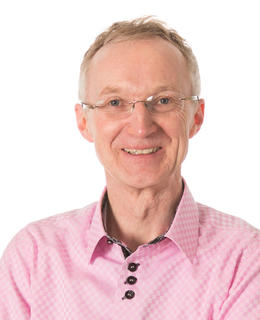
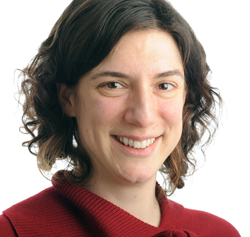
Anna Levina is an Assistant Professor for Computational Neuroscience at the University of Tübingen , affiliated with the Department of Computer Science under the Faculty of Science. Her research focuses on the self-organization of neuronal activity, critical dynamics in neural networks, and the excitation/inhibition balance in cortical circuits. Current positions: Assistant Professor (since 2018), Group Leader (2017-2018), Equality Officer (Computer Science) Previous roles: IST Fellow (2015-2017), Associated Researcher (2011-2015), Postdoc/PI (2011-2015), Postdoc (2008-2011) Her research integrates mathematical modeling , statistical physics , and computational neuroscience to study criticality phenomena, neural avalanches, and adaptive network dynamics. Key interests include: Self-organized criticality in neural systems Excitation/Inhibition balance mechanisms Network topology and dynamics Timescale analysis in neural processing Stochastic modeling of neural activity Recent publications reveal trends in understanding critical dynamics across biological and artificial networks, with applications to memory systems, sensorimotor integration, and disease modeling. She has received recognition as an IST Fellow .
Dr. Peter Bartsch serves as curator of the fish collection and construction project officer at the Museum für Naturkunde (MfN), Leibniz Institute for Evolution and Biodiversity Science, which is affiliated with Humboldt University Berlin. With expertise in ichthyology, embryology, and comparative anatomy, Dr. Bartsch has been instrumental in the museum's collection management and building renovation projects since joining the institution as a research associate before becoming curator in 2000. Dr. Bartsch received his academic training in ichthyology, embryology, and comparative anatomy at the University of Cologne. His academic career includes positions as a research assistant at the University of Tübingen and a postdoctoral fellowship at the Natural History Museum in Stockholm before joining the Museum für Naturkunde. Dr. Bartsch's primary research focuses on the evolution and systematics of major groups of bony fishes (Osteichthyes), with particular emphasis on primitive ray-finned fish lineages. His work integrates morphological analysis of both fossil and extant species to understand evolutionary relationships. A significant portion of his research centers on the developmental biology of ancient fish groups, especially the Polypteridae (bichirs), examining embryonic development, skeletal formation, and sensory systems. More recently, his interests have expanded to include the logistics and optimal management of research collections, reflecting his administrative responsibilities at the museum. Analysis of Dr. Bartsch's recent publications reveals a consistent focus on fish morphology, evolution, and development, with particular attention to primitive actinopterygian lineages. His work spans both systematic taxonomy and functional morphology, with increasing attention to museum collection management challenges. The publications demonstrate expertise in comparative anatomy across diverse fish groups including chondrichthyans (sharks, rays, and chimaeras) and basal actinopterygians. Recent work shows integration of molecular phylogenetic approaches with traditional morphological analysis. Dr. Bartsch has held significant administrative roles at the Museum für Naturkunde, serving as head of the collections department from 2011 to 2013. He was responsible for the museum's construction program for the east wing reconstruction, completed in 2010, which created modern facilities for the storage and scientific processing of the museum's wet collections. Currently, he manages the second phase of the building's renovation that began in 2011 and participates in planning for the future development of the museum's facilities. The Museum für Naturkunde houses extensive ichthyological collections that form the basis for Dr. Bartsch's research. His work involves close collaboration with various research teams within the museum, particularly in the areas of molecular phylogenetics, collection preservation, and paleontological research. The museum's facilities include specialized laboratories for morphological analysis, molecular studies, and collection management that support his research activities.
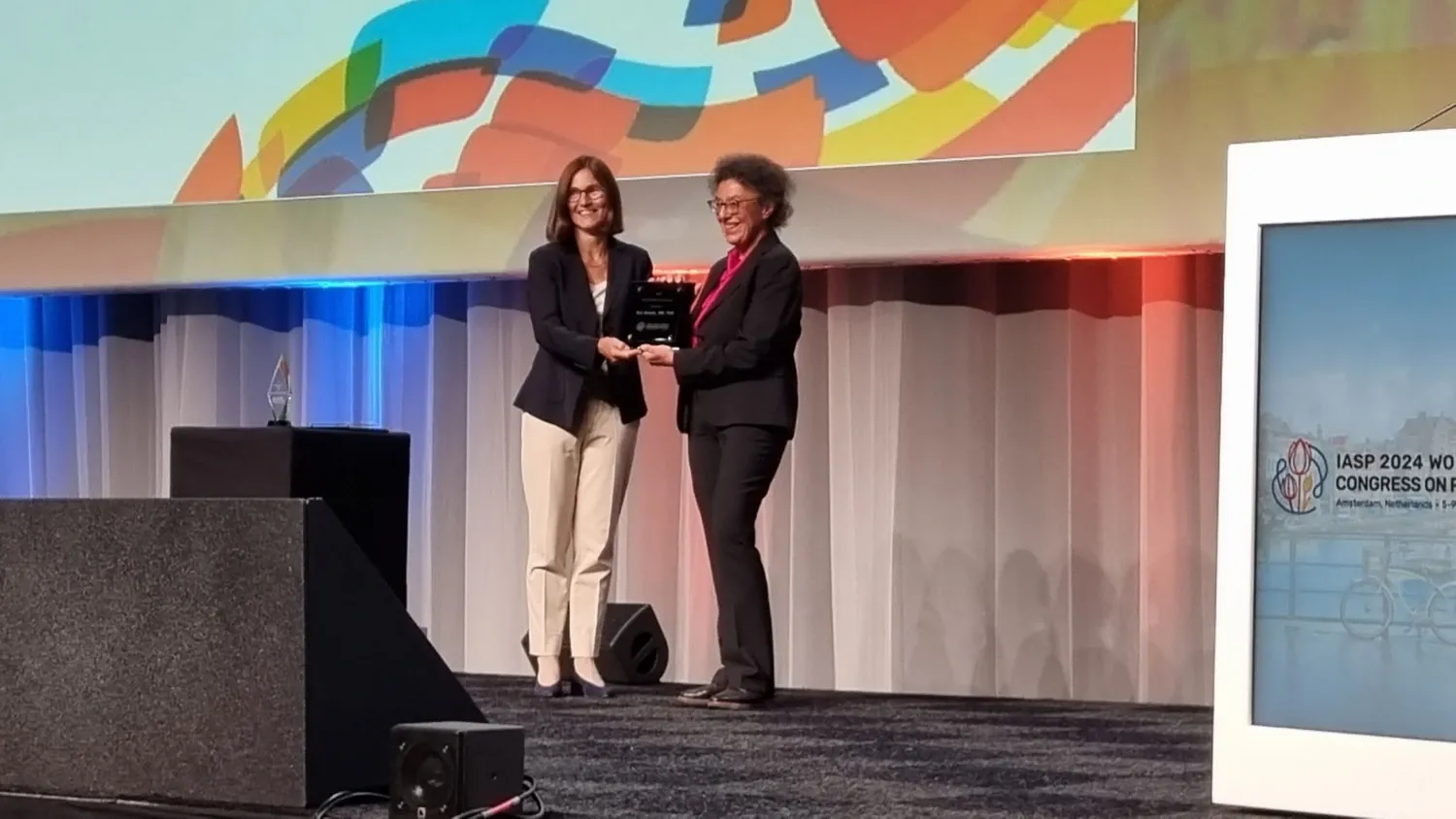
Professor Eva Kosek holds dual academic positions as Professor of Clinical Pain Research at Karolinska Institutet (since 2015) and Uppsala University (since 2020). She is affiliated with the Department of Clinical Neuroscience and leads the Mechanisms of Pain and Treatment Research Group . Her roles include senior consultant at Uppsala University Hospital's Pain Center. Education: MD from Uppsala University (1986), PhD from Karolinska Institutet (1996). Specializations: Rehabilitation Medicine (1998), Pain Relief (2001). Academic promotions: Associate Professor at Karolinska (2004), Full Professor (2015). Research Focus: Chronic pain mechanisms, neuroimmune interactions, fibromyalgia, and autoimmune pathways. Key projects include the RAFT trial (Rituximab for fibromyalgia autoantibody therapy) and the BACPAP consortium for low back pain phenotyping. She chairs IASP's Terminology Task Force, introducing the 'nociplastic pain' concept. Key Contributions: Discovered anti-satellite glial cell IgG antibodies in fibromyalgia patients, linked to symptom severity. Pioneered neuroimaging studies on pain modulation circuits. Authored over 300 publications, with recent work on cerebrospinal fluid biomarkers and lipid metabolite profiles. Awards: 2024 Roland Melzack Lecture Award from IASP. Recognized for redefining pain taxonomy and translational research. Grants: Active funding includes Swedish Research Council grants on fibromyalgia autoimmunity, environmental exposures, and neuroinflammation. Total grants exceed SEK 100M over her career. Labs/Teams: Leads a multidisciplinary team at Karolinska's Pain Research Center, collaborating internationally on translational pain studies. Active in biobanking initiatives like the Swedish Chronic Pain Biobank.
Brandon Weissbourd is an Assistant Professor in the Biology department at the Massachusetts Institute of Technology (MIT) and holds a joint appointment as an Investigator at the Picower Institute for Learning and Memory. He joined MIT in 2023 after completing a postdoctoral fellowship in the lab of David Anderson at the California Institute of Technology (Caltech). Prior to that, he earned his PhD in Biology from Stanford University in 2016 under the mentorship of Liqun Luo, and a BA in Human Evolutionary Biology from Harvard University in 2009. His research interests encompass systems neuroscience, evolutionary biology, and molecular biology. He uses jellyfish models, such as Clytia hemisphaerica, to study the evolution and functional mechanisms of nervous systems. His work combines computational techniques like single-cell RNA-seq and advanced microscopy with traditional genetic and anatomical approaches to dissect neural circuits and their roles in behaviors like feeding and social interaction. Additionally, he has explored serotonin and noradrenaline systems in mammals, focusing on their heterogeneity and functional connectivity. Recent publications emphasize the utility of non-traditional model organisms for evolutionary studies and underscore his expertise in computational methods for neurobiological analysis. Earlier work includes groundbreaking studies on the dorsal raphe serotonin system and basal forebrain circuits governing sleep-wake cycles. No scientific awards or honors have been explicitly mentioned in the provided text. Weissbourd’s academic trajectory reflects a strong emphasis on interdisciplinary research, merging evolutionary, molecular, and systems-level perspectives to understand neural systems across species. His advising record is not detailed here, though he has been affiliated with prestigious research labs during his training. Current affiliations include the MIT Biology department and the Picower Institute, where he likely contributes to collaborative projects in systems and evolutionary neuroscience. Weissbourd’s work is grounded in experimental models such as Clytia medusa and mouse brain studies, enabling him to investigate both ancient nervous system architectures and modern mammalian neural pathways. His lab’s focus on functional genomics and circuit mapping positions him at the forefront of studies on neural diversity and evolutionary innovation.
Anders Backlund is Professor of Pharmacognosy at Uppsala University's Department of Pharmaceutical Biosciences, with dual institutional roles including Garden Director at Uppsala Linnaean Gardens. His work bridges pharmaceutical sciences and botanical heritage through the university's historic gardens. His research centers on pharmacognosy and natural products chemistry, with pioneering development of the ChemGPS-NP platform for chemical space navigation. This computational tool maps biological activity in chemical property space, enabling prediction of pharmacological effects and mechanisms of action. His work spans plant metabolomics, evolutionary chemography, and drug discovery from natural sources including marine organisms, fungi, and medicinal plants. Recent publications (2019-2023) demonstrate strong continuity in applying ChemGPS-NP to diverse problems: predicting membrane permeability of Alpinia galanga constituents (2022), evaluating Ononis isoflavonoids for CNS targeting (2022), and decoding multi-functional bioactivities in Maca (2021). His work increasingly integrates computational prediction with experimental validation across anti-inflammatory, anti-allergic, and antimicrobial domains. As Garden Director of Uppsala Linnaean Gardens, he maintains institutional connections to botanical heritage while advancing modern pharmacognosy. His dual roles exemplify the integration of historical plant knowledge with contemporary drug discovery methodologies.
Ben Larson is an Assistant Professor in the Department of Biological Sciences at Rensselaer Polytechnic Institute (RPI), affiliated with the Center for Biotechnology and Interdisciplinary Studies (CBIS). His research bridges biological physics, cell biology, and evolutionary principles to study complex cellular behaviors without nervous systems. BA in Physics, Reed College (2012) Postbaccalaureate Research Fellow, NIH NHLBI (2012-2014) PhD in Biophysics, UC Berkeley (2019) Postdoctoral Scholar, UCSF (2019-2024) Research Focus: The Larson Lab applies interdisciplinary tools from physics and computation to investigate sensorimotor activity in unicellular organisms like Euplotes , exploring how cells achieve sophisticated behaviors through cytoskeletal dynamics and finite-state mechanisms. Key themes include cellular decision-making, evolutionary biophysics, and multicellular morphogenesis. Scientific Awards: 2013 Orloff Science Award 2016-2019 NSF Graduate Research Fellowship 2016 Society of General Physiology Scholar 2020-2023 Merck Postdoctoral Fellowship 2022 Porter Prize for Research Excellence (ASCB)
Markus Riessland is an Assistant Professor at Stony Brook University’s Renaissance School of Medicine, part of the Empire Innovation Program focused on the Aging Brain. He holds a PhD from the University of Cologne, Germany, specializing in molecular biology, neuroscience, and neurodegenerative diseases. His research centers on cellular senescence in neurons, particularly post-mitotic dopaminergic neurons linked to Parkinson’s disease. He discovered that these neurons can undergo senescence, a process typically absent in non-dividing cells, which has implications for aging and neurodegeneration. Dr. Riessland’s lab employs stem cell models, mouse studies, and advanced sequencing techniques (TRAP-seq, RNA-seq) to investigate senescence mechanisms, identify genetic modifiers influencing neuronal vulnerability, and explore therapies to counteract senescence-driven pathology. His work bridges molecular biology and clinical implications, emphasizing translational approaches for age-related diseases. Notable achievements include an F1000 Exceptional Rating for his 2017 Cell Stem Cell paper and an AJHG Editor’s Corner Highlight for his ribosome profiling study. His research has led to insights on SATB1’s role in senescence, lipid-driven senescence in dopaminergic neurons, and midbrain inflammation in Parkinson’s. Collaborative efforts span international projects on SMA and neuroprotective modifiers like Neurocalcin Delta. While no students are listed here, his work impacts therapeutic development in neurodegenerative diseases through senolytic strategies and genetic interventions. Education: PhD in Molecular Biology from University of Cologne, Germany. Awards: F1000 Exceptional Rating (2017), AJHG Editor’s Corner Highlight (2017). Labs/Teams: Leads research on neuronal senescence mechanisms and therapeutic targets, integrating stem cell biology and systems biology approaches.
Julien Diogo serves as Adjunct Professor at Polytechnic Institute of Viseu's School of Education of Viseu since 2020, teaching Market Analysis, Consumer Behavior, Strategic Communication, and Innovation/Creativity courses. He concurrently holds Visiting Professor positions at ISAG (Higher Institute of Administration and Management) since 2018 for Executive MBA programs and was Professor of Organizational Communication at ISCA-UA (2022-2023). His academic roles extend to Visiting Facilitator positions at Brazil's Personal Branding Academy and ISLA's Postgraduate Program in Innovation. His educational background includes: PhD in Communication Sciences (in progress, 2023-2026) at University of Coimbra Specialization in Teacher and Trainer Training (2022-2023) from Employment and Training Institute of Braga Marketing Specialist title (2019) from Polytechnic Institute of Viseu Master's in Communication and Marketing (2010-2012) from Polytechnic Institute of Viseu (Final Grade: 17/20) Bachelor's in Social Communication (2005-2008) from Polytechnic Institute of Viseu (Grade: 17/20) Diogo's research integrates neuromarketing with consumer behavior analysis, focusing on emotional responses in digital environments, Generation Z consumption patterns, and neuroscience applications in place branding. His work examines how cognitive processes influence purchasing decisions through physiological measurements and behavioral experiments, particularly investigating caffeine's neuropharmacological effects on consumer arousal and shop window design's attentional impact. He bridges theoretical neuroscience with practical marketing strategy development. His publication trajectory reveals increasing focus on digital-emotional consumer interfaces, with recent work analyzing pandemic-era behavior shifts and Gen Z's narrative processing. Key thematic clusters include neuromarketing validation in retail architecture, emotional sustainability in e-marketplaces, and neuroscientific foundations of territorial branding, demonstrating consistent application of cognitive neuroscience to contemporary marketing challenges. Scientific recognition includes: 2008 Academic Merit Award for Best Social Communication Student (Polytechnic Institute of Viseu) 2021 Nomination for Global Teacher Prize Portugal Diogo actively supervises master's research including thesis on territorial brand communication (2024), language informality in digital contexts (2024), and Apple's Lovemarks strategy for Generation Z (2024). He contributes to research projects like INOV C+ Intelligent Innovation Ecosystem (2024-present) and co-orientated neuromarketing studies on advertising reception decoding (2020). His academic service includes peer review for IGI Global and International Journal of Marketing. Through his dual leadership as CCO of ICN Agency (neuromarketing consultancy), co-director of PsicoSoma (publishing/training), and expertMind (LMS platform), Diogo maintains robust industry-academia integration, developing neuromarketing frameworks applied across retail, urban planning, and digital experience design contexts.
Michael Skinnider serves as Assistant Professor at Princeton University's Lewis-Sigler Institute for Integrative Genomics and Assistant Member of the Ludwig Princeton Branch. His research develops AI-driven computational methods to identify unknown small molecules in mass spectrometry data, with applications in cancer biology and forensic drug detection. His educational background includes: BArtsSc from McMaster University (2015) PhD from University of British Columbia (2021) MD from University of British Columbia (2023) Skinnider's work centers on illuminating the "metabolomic dark matter" —unidentified chemical entities in mass spectrometry data. His lab pioneers machine learning approaches for metabolite identification, focusing on connections between unknown metabolites, cancer risk, and the microbiome. Recent innovations include chemical language models that transform mass spectrometry outputs into chemical structures, with applications spanning cancer diagnostics to forensic analysis of designer drugs. His research bridges computational biology, chemistry, and clinical medicine through low-data learning techniques. Publication trends reveal three dominant themes: (1) AI-driven metabolite identification (25% of recent work), (2) single-cell/spatial data analysis (40%), and (3) molecular interaction networks (35%). His 2024 Nature Machine Intelligence paper demonstrated that invalid SMILES strings enhance chemical language models , overturning previous assumptions. Articles consistently apply computational methods to biological discovery, with growing emphasis on cancer metabolism and translational applications. Major recognitions include: Forbes 30 Under 30 (2022) International Birnstiel Award (2022) Dan David Prize Borealis AI Fellowship NIH Award C&EN's Talented Twelve (2023) Young Explorer Award Grand Prize Skinnider leads the Skinnider Research Lab at Princeton's Carl Icahn Laboratory, which collaborates with forensic laboratories and Ludwig cancer researchers. The lab specializes in transforming mass spectrometry data into biological insights through innovative algorithms. During his undergraduate studies, he co-founded Adapsyn Bioscience to translate natural product discovery research into commercial applications. Current projects include developing metabolome-wide identification tools and exploring diet-derived metabolites that modulate cancer progression.
Nevil Singh is an Associate Professor in the Department of Microbiology and Immunology at the University of Maryland School of Medicine, where he has been a faculty member since 2013. He is also a Member of the Marlene and Stewart Greenebaum Comprehensive Cancer Center. His research focuses on understanding the mechanisms of T cell activation, tolerance, and memory formation. Dr. Singh received his graduate training at the Tata Institute of Fundamental Research (TIFR) in Bombay, India, where he worked on vaccine-antigens against the malarial parasite Plasmodium falciparum . He then completed a post-doctoral fellowship with Ron Schwartz's group at the NIAID, NIH, examining T cell tolerance to self-proteins. Following this, he worked as a Research Scientist at the NIAID studying mechanisms controlling the responsiveness and frequency of helper T cells. Dr. Singh's research spans several interconnected areas in immunology. His laboratory investigates how T cells discriminate between pathogens, tumors, and self-antigens through mechanisms of negative regulatory signaling. They study how T cells calibrate their sensitivity to antigen through a process called "T cell tuning." The lab also examines how T cell responses are tailored to both pathogen type and affected tissue niche. Additionally, they investigate the mechanisms by which neurotransmitters regulate T cell function, exploring the intersection of nervous and immune systems. Dr. Singh's research has significant implications for understanding autoimmune diseases, developing more effective vaccines, and improving cancer immunotherapies. His work on T cell tuning provides insights into how the immune system maintains tolerance to self-antigens while remaining responsive to pathogens, with potential applications for treating both autoimmune disorders and cancer. Dr. Singh has received funding from diverse sources including DARPA for his work on immunological memory formation. His laboratory collaborates with teams at UMSOM, Arizona State University, and the NIAID/NIH in Bethesda, and with the Fuerst group at IBBR for preclinical HCV vaccine evaluation. Dr. Singh actively mentors graduate students and postdoctoral fellows, with several former trainees now in prominent positions in academia and industry. His laboratory culture emphasizes both experimental training and intellectual development, encouraging independent thinking and project development skills.
Christian Jacob is a Professor in the Department of Computer Science within the Faculty of Science at the University of Calgary . He holds a B.S. in Computer Science and a Doctor of Engineering Science from Erlangen University . His research focuses on nature-inspired algorithms, biocomputing, and agent-based simulations applied to biological systems and education. Key initiatives include the LINDSAY Virtual Human Project , which uses immersive virtual reality to explore human anatomy and physiology. He contributes to the university's strategic priorities in Digital Worlds and Health and Life initiatives. His work integrates evolutionary algorithms, cellular automata, and swarm intelligence into creative and medical applications. Notable achievements include the ASTech Award (2015) from Alberta Science and Technology. His projects emphasize interactive education through tools like LeukemiaSIM , Eukaryo , and the Giant Walkthrough Gut . Jacob also explores visualization techniques, such as evoVision3D and LifeBrush , to enhance scientific understanding. His research bridges computational methods with real-world applications in healthcare, architecture, and game design. Collaborative efforts include developing agent-based models for immune systems, nervous responses, and crowd behavior. Jacob's work spans interdisciplinary fields, blending computer science with biology, engineering, and the arts.
Dr. Marta Zlatic is a Principal Research Associate at the Department of Zoology , part of the School of Biological Sciences at the University of Cambridge. She leads the Zlatic Lab, focusing on the structural and functional relationships within neural circuits. Her research explores how nervous systems integrate sensory information and prior experiences to enable decision-making, emphasizing learning and memory , sensorimotor transformations , and connectomics . Using Drosophila melanogaster larvae as a model organism, her work combines optogenetics , electron microscopy , and functional imaging to decode circuit principles. Recent publications highlight trends in connectome analysis and behavioural neuroscience , with subfields spanning synaptic architecture , neural network modeling , and genetic manipulation techniques . She collaborates with interdisciplinary teams and maintains active research partnerships at the MRC Laboratory of Molecular Biology. Group members include Bernd Breuer, Nicolo Ceffa, Michael Clayton, and other researchers advancing understanding of Drosophila neurobiology. The lab contributes to Cambridge's Athena Swan Bronze Award initiatives for equality and inclusion in research environments.
David Weisblat is a Professor in the Department of Molecular and Cell Biology at UC Berkeley's College of Letters & Science. His research focuses on developmental and evolutionary processes in glossiphoniid leeches (e.g., Helobdella ), particularly their segmentation mechanisms and molecular phylogeny within Lophotrochozoa. He leads studies integrating embryological, genomic, and genetic approaches to understand how developmental pathways evolved across bilaterian animals. Research Interests: Weisblat’s work addresses how cell fates and signaling pathways (WNT, NOTCH, TGFβ) shape leech development, with emphasis on the evolutionary origins of segmentation. His lab combines microinjection techniques, transcriptome analysis, and CRISPR mutagenesis to explore stem cell dynamics and conserved developmental programs. Key Projects: Current efforts investigate grandparental stem cell divisions in segmentation and intercellular signaling during early embryogenesis. The lab’s genomic resources—including BAC libraries and EST databases—facilitate comparative studies across Lophotrochozoan taxa. Lab Contributions: The Weisblat lab pioneered Helobdella as a model organism, enabling breakthroughs in Evo-Devo. Their findings bridge developmental plasticity and evolutionary innovation, particularly in annelids versus arthropods/deuterostomes.
Lucy Glover is a Researcher and Group Leader of the Trypanosome Molecular Biology laboratory at the Department of Parasites and Insect Vectors, Institut Pasteur, Paris, France. She joined the institute in March 2016 as a G5 group leader, focusing on the molecular mechanisms of antigenic variation and DNA repair in Trypanosoma brucei , the causative agent of Human African Trypanosomiasis. Her research integrates molecular, biochemical, and high-throughput approaches to study DNA recombination and immune evasion. Institut Pasteur, Paris (2016–Present) PhD, London School of Hygiene and Tropical Medicine Her research interests center on antigenic variation , DNA repair , and homologous recombination in trypanosomes. She investigates how DNA double-strand breaks influence variant surface glycoprotein (VSG) switching, a critical process for parasite survival in the host. Her lab uses advanced techniques such as RIT-seq, phosphoproteomics, and CRISPR-based tools to dissect these mechanisms at the molecular level. The recent publications of Lucy Glover span molecular parasitology, DNA damage response, and diagnostic development. Key themes include the role of the MRN complex in DNA repair, phosphoproteomic profiling of DNA damage responses, and the design of CRISPR-based diagnostics for HAT. Her work reveals how chromosomal context influences repair pathways and antigenic variation, contributing to a deeper understanding of parasite biology. While no formal scientific awards are listed in the provided text, her contributions are evident through high-impact publications and leadership in collaborative research projects. Lucy Glover advises several PhD and postdoctoral researchers, including Emilia MacLaughlin, Nuria Sima Teruel, and Alix Thivolle. Her lab is supported by institutional initiatives such as LabEx IBEID and transversal drug discovery programs. She collaborates with teams working on host-pathogen interactions, genomics, and infectious disease epidemiology. Her laboratory is part of the Department of Parasites and Insect Vectors and participates in departmental retreats and seminars. The team includes post-docs, research engineers, and administrative staff, reflecting a collaborative and interdisciplinary research environment focused on combating neglected tropical diseases.
Matthew Ronshaugen is a Senior Lecturer in the Division of Developmental Biology & Medicine (L5) at the Faculty of Life Sciences, University of Manchester. He has held academic positions since 2007 as a Manchester Fellow, followed by Lecturer (2012-2017), and Senior Lecturer since 2017. 1991-1995: Bachelor of Arts in Philosophy and Linguistics, University of Nevada, Las Vegas 1995-1997: Master of Science in Systematics, University of Nevada, Las Vegas 1997-2002: Doctor of Philosophy in Cell and Molecular Biology, University of California, San Diego 2003-2007: Ruth L. Kirschstein NIH Postdoctoral Fellow at University of California, Berkeley His research focuses on non-coding RNAs (ncRNAs), particularly their roles in gene expression and developmental differentiation. His lab investigates how ncRNA evolution contributes to metazoan body plan diversification, centering on the Hox complex—a conserved genomic region rich in ncRNAs. He uses tiling microarrays and fluorescent in situ hybridization to analyze ncRNA dynamics in Drosophila, Tribolium, and Parhyale. Recent publications highlight his work on miRNA functions in embryonic development, aging-related changes in myeloid cells, and comparative transcriptomics across arthropods. His team employs genetics tools to dissect ncRNA roles in transcriptional regulation, epigenetic control, and silencing mechanisms. Scientific Awards: Ruth L. Kirschstein NIH Postdoctoral Fellow Manchester Fellow He supervises research on developmental transcriptomes and contributes to datasets on piRNA expression and Hox complex analysis. Collaborations span immunology, genomics, and evolutionary development, with outputs cited in fields like RNA interference, transgenics, and wound healing.