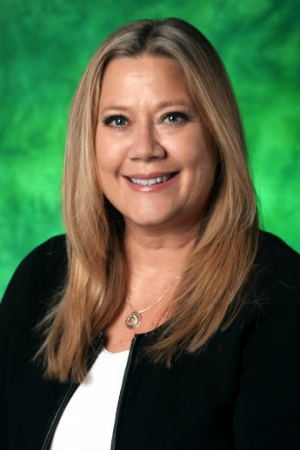
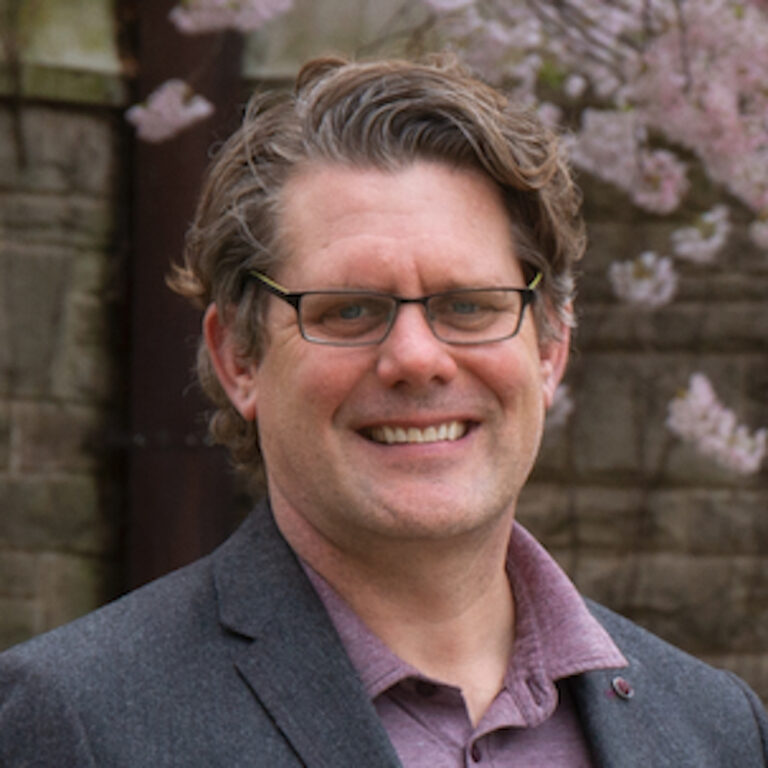
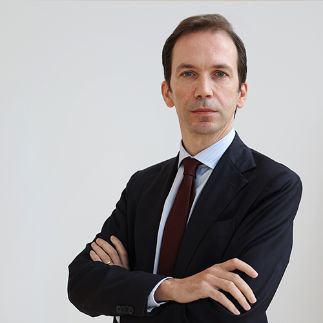
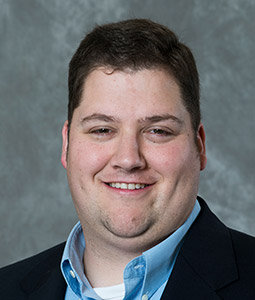
Amie Lund is an Associate Professor of Environmental Toxicology at University of North Texas, serving as Director of the Advanced Environmental Research Institute. Her research investigates environmental pollution impacts on human health, particularly cardiovascular disease, neurovascular disorders, and microbiome alterations. Key research themes include air pollution-mediated disease mechanisms, particulate toxicity, and neurodegenerative pathways. Recent publications demonstrate expertise in particulate matter exposure models, nanotoxicology, and pollutant interactions with metabolic systems. Laboratory techniques encompass transcriptomic analysis, microbial profiling, and behavioral assessment in rodent models. Articles frequently employ multi-stressor approaches examining interactions between pollutants, diet, and UV radiation.
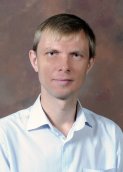
Dr. Helga Vitzthum is a Researcher in the Institute of Cellular and Integrative Physiology at the University Medical Center Hamburg-Eppendorf (UKE), affiliated with the Faculty of Medicine. Her work focuses on renal and cardiovascular physiology, ion transport mechanisms, and cellular processes in kidney and heart function. Key research areas include podocyte biology, protein regulation, electrolyte balance, and acid-base sensing in renal systems. Her recent studies explore the role of ADAM10 in kidney function, AE4 transporter mechanisms, and hypertension pathophysiology. Dr. Vitzthum's contributions span experimental models (e.g., murine heart transplantation) and genetic studies of kidney disorders. She holds a PhD (Dr. rer. nat.) and is based at the UKE's Center for Experimental Medicine. Publications highlight investigations into chloride-induced aldosterone resistance, genetic mutations linked to Bartter's syndrome, and vascular ion channel effects on blood pressure. Her research bridges basic science and clinical applications, addressing mechanisms underlying renal and cardiovascular diseases. Collaborations involve interdisciplinary teams studying transporters, electrolyte homeostasis, and hypertension etiology.
Dr. Carl M Grushkin serves as Clinical Professor of Pediatrics (Part-Time) at the University of Southern California's Keck School of Medicine. His clinical and research expertise centers on pediatric nephrology, kidney transplantation, and dialysis, with particular emphasis on metabolic complications and hypertension management in children with renal disease. Dr. Grushkin's publications span five decades of nephrology practice, documenting advancements in pediatric renal transplantation protocols, immunosuppressive therapies, and management of transplant complications. Early research established foundational knowledge in renal osteodystrophy treatment and dialysis techniques for children. Key clinical investigations include studies on cyclophosphamide therapy for nephrotic syndrome, juxtaglomerular cell tumors, and acid-base regulation in transplanted kidneys. Recent work focuses on refinement of immunosuppression regimens and acute kidney injury stratification systems. No specific students, research teams, or scientific awards are documented in available materials, though Dr. Grushkin maintains active clinical responsibilities at Children's Hospital Los Angeles alongside academic duties.
Monika Zimanyi is a researcher at James Cook University (JCU), Australia, specializing in medical education, anatomy, physiology, and nephrology. Her work focuses on curriculum design for allied health students, particularly integrating active learning strategies and innovative assessment methods. She has extensively studied the effects of maternal conditions on renal and cardiovascular development, glomerular structure-function relationships, and the implications of nephron number variations in human populations. Her research bridges educational innovation with biomedical sciences, addressing both pedagogical challenges and clinical nephrology questions. Her research interests include anatomical education methodologies, developmental nephrology, and the long-term health consequences of intrauterine growth restriction. She has collaborated on studies exploring the impact of maternal alcohol consumption, low birth weight, and dietary restrictions on offspring health outcomes. Key contributions include defining glomerular hypertrophy and its clinical implications, particularly in African American populations. In medical education, Dr. Zimanyi has pioneered creative teaching approaches such as the 'digi-explanation' assessment technique, enhancing student engagement through technology. Her work emphasizes practical applications of anatomy and physiology principles in healthcare education. She has presented at major conferences like the Society for Experimental Biology and the Australian Conference on Science and Mathematics Education.
Nathaniel Whitaker is a Professor in the Department of Mathematics and Statistics at the University of Massachusetts Amherst. His research focuses on Math Biology, Fluid Mechanics, and Numerical Analysis. He holds a Ph.D. from the University of California, Berkeley (1987), an M.S. from the University of Cincinnati (1981), and a B.A. from Hampton Institute (1974). His work includes modeling tumor growth, kidney nephron dynamics, and fluid systems like multiphase flow and turbulence. He employs numerical methods such as finite difference, spectral, and continuation techniques. Notable projects involve rogue wave stability and ecological modeling of foundation species. His research bridges theoretical analysis with practical applications in biology and engineering. Teaching is emphasized, with courses including calculus and numerical analysis. Collaborations include studies with colleagues like P.G. Kevrekidis and interdisciplinary projects in biophysics and ecology.
Christopher A Warlick is a Professor and Head of the Department of Urology at the University of Minnesota Medical School. He is a leading expert in prostate and bladder cancer, with a strong focus on cancer screening, prevention, active surveillance, and novel therapeutic strategies including focal and immune-mediated treatments. Research Interests: Prostate Cancer Etiology and Survivorship Bladder Cancer Management Active Surveillance and Risk Stratification Minimally Invasive and Focal Therapies Transurethral Ablation Techniques Immunotherapy for Advanced Prostate Cancer His recent publications reflect a consistent and impactful research trajectory, emphasizing clinical trials, surgical outcomes, and innovative diagnostics. Themes include comparative effectiveness of robotic vs open surgery, microbiome implications in prostate cancer, and AI-driven therapeutic development. His work bridges clinical practice and translational research, with strong industry and multi-institutional collaborations. Scientific Awards and Recognition: No specific awards listed in the provided text. Advising and Grants: Dr. Warlick serves as Principal Investigator on multiple funded research projects, including a Phase II randomized trial (HEAT study), a multicenter ablation pilot, and an AI-designed mini-protein project funded by the U.S. Department of Defense. He collaborates with institutions such as Johns Hopkins University and industry partners including MacroGenics Inc., Francis Medical, Inc., and Photocure Inc. While formal student advisees are not listed, his role as PI indicates mentorship of junior researchers and clinical fellows. Labs and Research Teams: Dr. Warlick leads a multidisciplinary research team focused on urologic oncology, with active projects spanning from early detection to advanced therapeutics. His work is supported by a robust network of clinical collaborators, bioengineers, and data scientists, particularly in the areas of imaging, immunotherapy, and surgical innovation.
Darren Bridgewater is an Associate Professor and Principal Investigator in the Department of Pathology and Molecular Medicine at McMaster University's Faculty of Health Sciences, focusing on developmental nephrology and molecular mechanisms of kidney disease. Education: Ph.D. (2004) and Honours B.Sc. (1999) from the University of Western Ontario, followed by a Research Fellowship (2004–2009) at the Hospital for Sick Children. His research explores the developmental origins of kidney disease, emphasizing the roles of Shroom3 and β-catenin in nephron patterning, stromal-epithelial interactions, and repair after injury. The lab employs genetically altered mouse models, cell culture, and molecular techniques like immunofluorescence, transcriptomics, and proteomics. Recent publications highlight Shroom3's role in epithelial recovery post-AKI, TDAG51's impact on vascular calcification, and quercetin as a therapeutic for renal dysplasia. Collaborations include Dr. Thomas Drysdale (University of Western Ontario), Dr. Matthew Lanktree (McMaster), and The Hamilton Centre for Kidney Research. He has mentored graduate students such as Felix Boivin (PhD), Melody Napoleone (MSc), Hadiseh Khalili (MSc), and Sanjay Sarin (MSc), while securing grants from The Kidney Foundation of Canada, NSERC, CIHR, and McMaster University.
Andrea Necchi is an Associate Professor of Medical Oncology at Università Vita-Salute San Raffaele, specializing in urological malignancies including renal cell carcinoma and bladder cancer. His research focuses on surgical oncology outcomes, tumor biology, and precision medicine approaches. Key research areas include tumor thrombus management, lymph node metastasis detection, and frailty assessment in oncology patients Current clinical trials investigate FGFR inhibitors and immunotherapy biomarkers Recent publications highlight his work on microbiome signatures predicting immunotherapy response and extracellular matrix changes in early bladder cancer development. His clinical practice emphasizes advanced imaging techniques for lymph node assessment and surgical outcome optimization. Email: necchi.andrea@unisr.it
Joo-Seop Park is a Professor in the Department of Medicine, specializing in Nephrology and Hypertension, at the Feinberg School of Medicine, Northwestern University. He maintains a primary research affiliation with the Feinberg Cardiovascular and Renal Research Institute, where his laboratory investigates molecular mechanisms underlying kidney development and disease pathogenesis. Dr. Park's research centers on transcriptional regulation during renal organogenesis, with particular emphasis on the roles of Tcf21, Hnf4a, and β-catenin in nephron formation, stromal cell differentiation, and podocyte development. His work integrates single-cell transcriptomics, genome-wide cistromic analyses, and sophisticated mouse genetic models to dissect cell fate determination processes in renal progenitors. Key investigations include the molecular basis of proximal tubule development, mechanisms of renal fibrosis, and transcriptional networks governing urinary bladder morphogenesis. His publications consistently bridge fundamental developmental biology with clinical implications for kidney disorders. Analysis of Dr. Park's recent publications (2018-2025) reveals a cohesive research trajectory focused on transcriptional control in renal development. His work demonstrates how specific transcription factors orchestrate nephron segmentation, stromal cell differentiation, and epithelial maturation. Notable contributions include elucidating Tcf21's role in renal stromal fate determination, Hnf4a's critical function in proximal tubule development, and Wnt/β-catenin signaling in nephron formation. His research increasingly incorporates single-cell technologies to resolve cellular heterogeneity in kidney fibrosis and developmental processes. Scientific Awards: No scientific awards or honors mentioned in the provided text Advising and Grants: No information regarding students, mentees, or research grants was provided in the source material Dr. Park conducts his research within the Feinberg Cardiovascular and Renal Research Institute, leveraging institutional resources for advanced genomic and imaging technologies. His laboratory maintains active collaborations with nephrology clinicians and developmental biologists to translate basic findings into potential therapeutic approaches for kidney diseases.
Jonathan Nizar, MD, is a Clinical Assistant Professor of Internal Medicine-Nephrology at the University of Iowa and serves as the Associate Director of the Nephrology Fellowship Program. His academic journey includes an MD from the University of California, San Diego, followed by residency and chief residency in Internal Medicine at Scripps Mercy Hospital, and postdoctoral research at Stanford University. MD: University of California, San Diego (2005) Residency: Scripps Mercy Hospital Postdoctoral Training: Stanford University Nizar’s research focuses on renal physiology, hypertension mechanisms, and insulin signaling in kidney function. His work explores sodium-sensitive hypertension in metabolic syndrome, glucose reabsorption regulation, and experimental models for studying urinary electrolyte excretion using rodent protocols. His recent publications examine topics such as physiological blood pressure variations in West African populations, ENaC-independent pressure regulation in obesity models, and technical advancements in distal nephron cell culture. These studies span molecular mechanisms, translational research, and clinical physiology. At the University of Iowa, Nizar contributes to the Fraternal Order of Eagles Diabetes Research Center and maintains a clinical focus in nephrology while advancing research methodologies in renal disease.
Dr. Kristina Anevska serves as a Casual Academic in the Department of Microbiology, Anatomy, Physiology & Pharmacology at La Trobe University, specializing in reproductive physiology and developmental origins of health and disease. Her research focuses on maternal exercise interventions, placental adaptations, and transgenerational effects of growth restriction using rat models. Her primary research interests span Reproductive Physiology , Developmental Origins of Health and Disease , and Exercise Physiology , with specific expertise in maternal exercise effects on pregnancy outcomes, placental adaptations to stress, and transgenerational bone and metabolic health. Her work frequently examines sex-specific responses and interactions with high-fat diets in growth-restricted pregnancy models. Analysis of her 15 most recent publications reveals consistent focus on rat pregnancy models investigating how maternal exercise modifies outcomes in growth-restricted pregnancies. Key trends include placental mTOR signaling, IGF-system regulation, microbiome alterations in gestational diabetes, and transgenerational transmission of bone deficits. Her research demonstrates particular attention to sex-specific adaptations and timing of exercise interventions. Dr. Anevska maintains active research collaborations with prominent scientists including Wlodek ME, Briffa JF, Cuffe JSM, and Mangwiro YTM across multiple publications. Her work appears in high-impact journals such as The Journal of Physiology , Placenta , and FASEB Journal , with significant citation impact in developmental physiology fields.
Andreas Rosenblad is an Associate Professor of Applied Medical Statistics and Epidemiology at Uppsala University, with dual appointments in the Department of Statistics and Department of Medical Sciences (Clinical diabetology and metabolism). His research bridges epidemiology, biostatistics, and clinical medicine, with particular expertise in cancer epidemiology, diabetes outcomes, and advanced statistical methodologies. Research Focus Dr. Rosenblad's work spans several interconnected domains: Medical Statistics: Development of novel statistical methods for longitudinal data analysis, quantile regression, and model validation Cancer Epidemiology: Prognostic factor analysis, survival modeling, and machine learning applications in oncology Public Health: Population studies on disease prevention, health literacy, and quality of life assessment Clinical Applications: Outcomes research in diabetes, renal cancer, and malnutrition in aging populations Publication Trends His recent articles (2022-2025) demonstrate three key research trajectories: Advanced statistical modeling for clinical data, particularly in oncology and urology Machine learning applications for early cancer detection and risk prediction in primary care Health services research focusing on treatment outcomes, quality metrics, and healthcare disparities Historical genealogy studies complementing his methodological expertise in data analysis Earlier foundational work established his expertise in longitudinal data analysis, nutritional epidemiology, and statistical methodology development.
Donald J. Schepker is an Associate Professor of Strategic Management and Research Director at the Center for Executive Succession within the Darla Moore School of Business at the University of South Carolina. He holds a Ph.D. from the University of Kansas and a B.S. from Babson College. His research focuses on executive succession, corporate governance, and board dynamics, with over 40 peer-reviewed publications in journals like Academy of Management Journal and Strategic Management Journal . Schepker has received multiple awards for research excellence and peer review contributions. He teaches strategic management courses at both undergraduate and graduate levels and has led executive education programs for organizations like Coca-Cola Consolidated and Nephron Pharmaceuticals. His work explores how boards make critical leadership decisions, the consequences of CEO turnover, and the role of human capital in organizational strategy. Education: Ph.D. in Business Administration (Strategic Management), University of Kansas (2012) B.S. in Business Administration (Finance/Economics), Babson College (2003) Research Interests: Executive Succession Planning Board Decision-Making Processes CEO Turnover and Labor Market Consequences Corporate Governance Mechanisms Awards & Honors: Moore Research Fellow (2021-2023) Outstanding Reviewer Awards from Academy of Management Review and Journal of Management Doctoral Teaching Awards (University of Kansas) Service & Leadership: Associate Editor, Leadership Quarterly Editorial Board Member, Journal of Applied Psychology Member, University of South Carolina Athletics Advisory Committee Executive Education: Specializes in strategic leadership development for corporate clients, emphasizing decision-making frameworks and succession planning.
Mykola Mamenko is an Assistant Professor in the Department of Physiology at the Medical College of Georgia, Augusta University. He holds a tenure-track academic appointment and is actively engaged in research, teaching, and service. His academic background includes a PhD in Biophysics from the Bogomoletz Institute of Physiology, Kyiv, Ukraine, and postdoctoral training at the University of Texas Health Science Center at Houston. Education: BS in Biology, Taras Shevchenko National University of Kyiv, Ukraine (1998–2002) MS in Biophysics, Taras Shevchenko National University of Kyiv, Ukraine (2002–2004) PhD in Biophysics, Bogomoletz Institute of Physiology, Kyiv, Ukraine (2007–2010) Postdoctoral Fellow, Department of Integrative Biology and Pharmacology, McGovern Medical School, University of Texas Health Science Center at Houston (2010–2015) Dr. Mamenko's research focuses on the molecular mechanisms of calcium signaling in renal epithelial cells, particularly in the collecting duct, and its role in water and electrolyte homeostasis. His work investigates how disruptions in TRPV4 and store-operated calcium entry (SOCE) contribute to diseases such as polycystic kidney disease (PKD) and nephrogenic diabetes insipidus (NDI). He employs techniques including patch-clamp electrophysiology, calcium imaging, confocal microscopy, and molecular biology. His recent publications (2011–2023) reveal a consistent focus on ion channels (especially TRPV4 and ENaC), hormonal regulation (angiotensin II, aldosterone, vasopressin), sex differences in hypertension, and the pathophysiology of renal diseases. The articles span experimental models in rodents and cellular systems, emphasizing translational insights into human kidney disorders. Scientific Awards: Epithelial Transport Group Meritorious Research Award, American Physiological Society (2017) Renal Section Research Recognition Award, American Physiological Society (2017) Dean’s Excellence in Research Award, University of Texas Medical School (2015) Renal Section Postdoctoral Excellence in Research Award, American Physiological Society (2015) Young Investigator Award, Society of Experimental Biology and Medicine (2015) Dr. Mamenko mentors graduate and undergraduate students, including Alena Cherezova and Vadym Buncha, and has secured multiple research grants. He serves on professional committees, including for the American Heart Association and the American Physiological Society, and has chaired sessions at national meetings. He is actively involved in the Graduate School and departmental seminar series, contributing to academic leadership and student development. His laboratory, part of the Kidney and Hypertension Research Group, continues to explore novel therapeutic targets for PKD and NDI by modulating calcium signaling pathways. Future work is likely to expand on sex-specific mechanisms and pharmacological interventions targeting TRPV4 and SOCE.
Jason Bylund, MD, MPH is an Associate Professor of Urology and serves as the Urology Residency Program Director at the University of Kentucky College of Medicine. He specializes in endourology and focuses on improving clinical outcomes and medical education. Medical Degree & MPH: University of Kentucky Residency & Fellowship: University of Kentucky Chandler Medical Center His research bridges urology with public health, emphasizing health disparities in Appalachian Kentucky and optimizing endourology practices. Publications highlight ureteroscope damage analysis, perinephric fat associations, and nephrectomy outcomes. Recent work explores functional health literacy in ureteroscopy patients (2024) and tumor scoring systems for nephrectomy planning (2012).