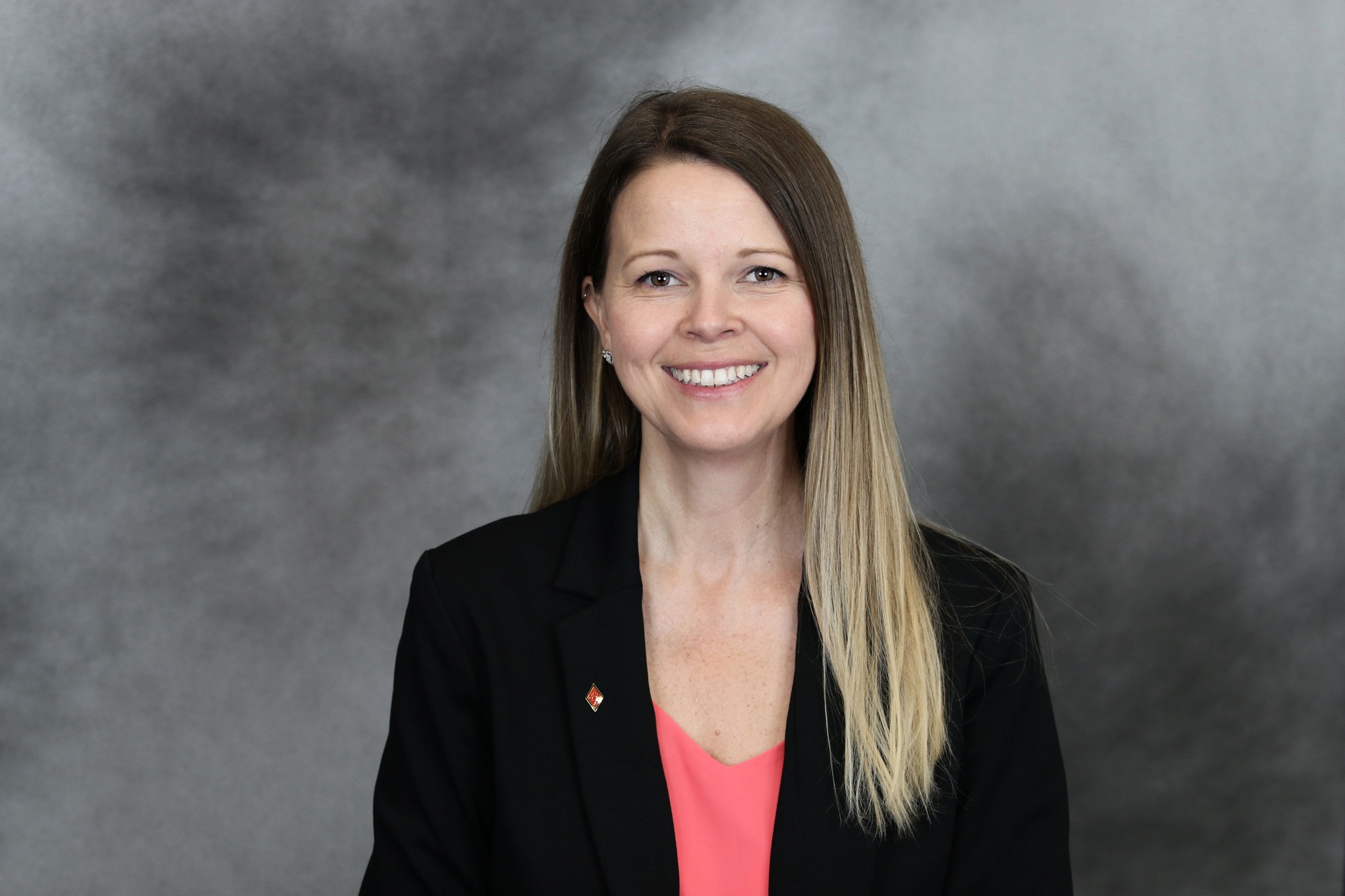
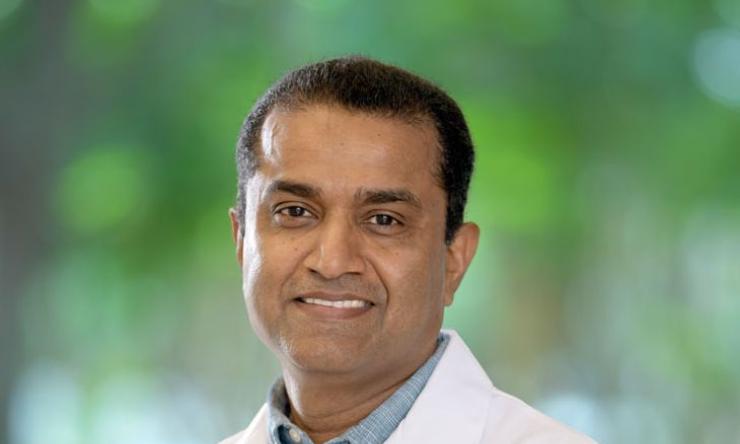
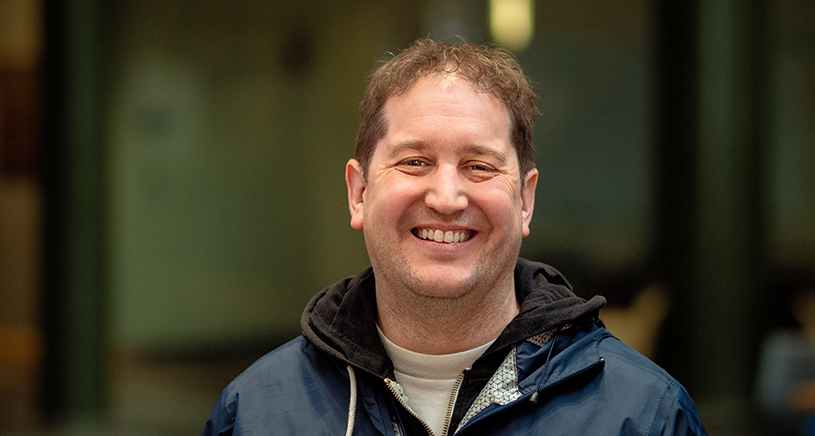
Jillian Bohlen is an Associate Professor at the University of Georgia within the College of Agricultural & Environmental Sciences , specifically the Department of Animal and Dairy Science . Her work focuses on dairy cattle reproduction, teaching, and youth development in agricultural sciences. Education: B.S. in Dairy Science, University of Georgia (2003) M.S. in Dairy Science, University of Georgia (2005) Ph.D. in Animal Sciences, Clemson University (2012) Dr. Bohlen's research emphasizes applied reproduction in cattle , including synchronization techniques, ultrasound applications in reproductive programs, and embryo competency. She integrates students into all research projects despite lacking a formal research appointment. Her teaching interests span dairy cattle production , reproductive management , and contemporary agricultural issues , with courses like ADSC 3620 (Dairy Cattle Production), ADSC 4010 (Issues in Animal Agriculture), and ADSC 4410 (Applied Reproductive Management). Scientific awards include: Student Career Success Influencer Award (2024) Russell Award for Excellence in Undergraduate Teaching (2023) UGA Creative Teaching Award (2022) CAES Early Career Teaching Award (2022) Hoard's Dairyman Youth Development Award (2021) Larry Benyshek Teaching Award (2017) She actively promotes agricultural education through programs like the Commercial Heifer Project , Dairy Cattle Judging , and Dairy Quiz Bowl . Additionally, she participates in funded projects related to methane emissions , heat stress mitigation , and antibiotic alternatives in dairy farming.
Thomas R Overton serves as Department Chair and Professor of Dairy Nutrition and Management in the Department of Animal Science at Cornell University's College of Agriculture and Life Sciences (CALS). He also directs PRO-DAIRY, an extension program focused on enhancing dairy farm profitability and efficiency in New York through research-based strategies for transition cow management. Education: Doctorate, University of Illinois, 1998 Master of Science, University of Illinois, 1994 Bachelor of Science, Cornell University, 1991 Dr. Overton's research centers on the transition period (late pregnancy to early lactation) in dairy cows—the most critical phase for health and productivity. His work integrates nutritional physiology with practical farm applications, targeting hypocalcemia management, protein supplementation strategies, inflammation control, and biomarker validation for metabolic health. This research directly informs his extension efforts through PRO-DAIRY, which delivers actionable knowledge to dairy producers and industry professionals. Analysis of his 15 most recent publications (2022-2024) reveals consistent emphasis on transition cow nutrition, with growing focus on metabolic analytics, precision feeding, and real-world herd management. His work bridges controlled studies at Cornell's Ruminant Center with observational research on commercial New York dairy farms. Scientific Awards: 2024 Nutrition Professionals Applied Dairy Research Award (American Dairy Science Association) 2010 CALS Extension/Outreach Team Award (PRO-DAIRY) 2007 Foundation Scholar Award (American Dairy Science Association) 2007 CALS Extension/Outreach Team Award Dr. Overton advises undergraduate and graduate students in Animal Science while leading PRO-DAIRY's extension initiatives. His program secures industry partnerships and grants focused on improving dairy farm sustainability through nutritional science. The July 2025 'Farm of the Future' showcase at Cornell's Ruminant Center exemplifies his commitment to translating research into practical innovation. He operates within Cornell's PRO-DAIRY program and the Cornell University Ruminant Center—a living laboratory for dairy technology testing—collaborating closely with industry stakeholders to address emerging challenges in dairy production.
Gary M. Shaw is the Rosemarie Hess Professor and Professor (Research) at Stanford University , with courtesy appointments in the Department of Epidemiology and Population Health and Department of Obstetrics & Gynecology - Maternal Fetal Medicine . He serves as Co-PI of the March of Dimes Prematurity Research Center at Stanford and PI of the California Center for Finding Causes and Preventives of Birth Defects . His research focuses on the Epidemiology of birth defects Gene-environment interactions in perinatal outcomes Nutritional factors in reproductive health . He has developed machine learning approaches for precision parenteral nutrition and predictive models for preterm birth, while investigating persistent metabolomic signatures following hypertensive pregnancy disorders. Shaw's recent work explores Climate change impacts on reproductive health Maternal-fetal immune interactions Epigenetic mechanisms in perinatal disease with applications of multiomics to neonatal intensive care units. As a member of Bio-X and the Maternal & Child Health Research Institute , he contributes to translational research networks while serving as Associate Editor for Birth Defects Research and American Journal of Medical Genetics . He supervises Med Scholar Project student Richard Liang Doctoral co-advisor for Saskia Comess and Richard Liang Master's advisor for Lenae Joe while leading the Division of Neonatology as Associate Chair for Clinical Research (2012-2025). His laboratory work integrates Metabolomic profiling Proteomic analysis Computational modeling Machine learning for biomedical data to advance neonatal care through precision medicine approaches.
Overview Catherine O'Neill Buck is an Assistant Professor in the Department of Pediatrics, Division of Neonatal-Perinatal Medicine at Yale School of Medicine. She is a neonatologist and clinical researcher focused on maternal metabolic health during pregnancy and its influence on infant growth, body composition, and neurodevelopment. Her work bridges clinical care and translational research, with a particular emphasis on preterm infants and obesity prevention. Education & Training MD: University of Connecticut School of Medicine BS: University of Connecticut (Molecular/Cell Biology and Spanish) Pediatric Residency: University of Texas Southwestern Medical School (2015) Neonatal-Perinatal Medicine Fellowship: Brown University/Women and Infants Hospital (2019) MHS (Clinical Investigation): Yale School of Medicine (2025) Research Focus Dr. Buck's research investigates how maternal metabolic conditions (e.g., diabetes) and early neonatal nutrition affect preterm and term infants' growth trajectories, adiposity, and long-term cardiometabolic health. Key areas include: Adipokine and metabolite profiling in newborns Ultrasound-based body composition assessment in preterm infants Optimizing nutritional protocols for preterm growth Impact of maternal diabetes on neonatal morbidities Clinical Trial Principal Investigator for the trial Preventing Obesity in Preterm Infants (HIC ID 2000031084), exploring strategies to mitigate obesity risks in preterm populations. Labs/Teams Leads the Yale Neonatal NOuRISH Team , focusing on nutritional and metabolic interventions for neonates.
Saifuddin Ahmed, PhD, MBBS, is a Professor at the Bloomberg School of Public Health, Johns Hopkins University. His primary department affiliation is Population, Family and Reproductive Health, with a joint role in Biostatistics. He is affiliated with the William H. Gates Sr. Institute for Population and Reproductive Health and the Hopkins Population Center. His research focuses on reproductive epidemiology, maternal mortality estimation, family planning, and complex population surveys. Key interests include reducing maternal mortality disparities, improving access to family planning services, and enhancing healthcare systems in low-resource settings. Dr. Ahmed’s work spans global health challenges, particularly in South Asia and sub-Saharan Africa. His projects address maternal and child health, neonatal care, and the integration of technology (e.g., mobile health surveys) into public health monitoring. He has authored over 200 publications, with recent contributions on maternal mortality frameworks, neonatal hypothermia management, and contraceptive equity. His research often bridges clinical practice and policy, aiming to translate evidence into actionable health strategies. Dr. Ahmed’s grants and collaborations involve international organizations and institutions, focusing on population health surveillance and intervention efficacy. He actively participates in global initiatives to address gaps in maternal healthcare and improve birth outcomes.
Dr. Oluwabunmi (Bunmi) Olaloye is an Assistant Professor of Pediatrics in the Division of Neonatology at Yale School of Medicine. She holds appointments in Neonatal-Perinatal Medicine and is affiliated with the Janeway Society. Her academic background includes an MD from Rutgers New Jersey Medical School, pediatrics residency at University of Texas Medical Branch, and neonatology fellowship at University of Pittsburgh Medical Center. Dr. Olaloye's research focuses on immune dysfunction underlying neonatal intestinal diseases such as necrotizing enterocolitis (NEC) and spontaneous intestinal perforation (SIP). Using cutting-edge techniques like single-cell RNA sequencing and mass cytometry, her work identifies biomarkers and therapeutic targets to improve outcomes for premature infants. Key research areas include fetal immune system maturation, placental immune interactions, and gestational age-specific inflammatory responses. Her publication record spans 12 peer-reviewed articles between 2019-2025, emphasizing translational immunology and neonatal pathophysiology. Notable contributions include defining immune cell trajectories in preterm infants and developing gating guidelines for high-dimensional cytometry data. Current projects involve constructing immune cell atlases across human lifespans and investigating nutritional interventions for intestinal disorders. Laboratory affiliations include the Laboratory for Surgery, Obstetrics & Gynecology where she explores neonatal mucosal immunity. Her work integrates clinical observations with systems immunology approaches to address critical gaps in understanding prematurity-associated gastrointestinal pathologies.
Anne G Hoen is an Associate Professor at the Geisel School of Medicine , Dartmouth College, with joint appointments in Epidemiology , Biomedical Data Science , and Microbiology and Immunology . Her research focuses on microbiome development in infants, environmental exposures, and their associations with health outcomes, using interdisciplinary approaches including statistical modeling and bioinformatics. Research Interests: She explores how microbial communities in early life influence disease risk through environmental and dietary factors. Her work integrates microbiome-metabolome interactions, computational methods for microbial network analysis, and epidemiological studies of infectious diseases. Recent Article Trends: 2025-2024 publications highlight maternal diet-microbiome links, microbial interaction networks, ECHO consortium collaborations, and novel computational approaches for microbiome data. Key sub-fields include perinatal exposome, microRNA profiling, and longitudinal metabolomic analysis. Scientific Awards: K01LM011985: Bioinformatics strategies for early life microbiomics R01LM012723: Multi-omic functional integration using networks Advising: Mentors current PhD students in Dartmouth's Quantitative Biomedical Sciences (QBS) program, including Becky Lebeaux and Quang Nguyen, while alumni like Sara Lundgren and Wes Viles hold postdoctoral and academic positions.
Shaji K Chacko, Ph.D., is an Instructor in the Department of Pediatrics – Nutrition at Baylor College of Medicine, where he leads an independent research laboratory at the USDA/ARS Children's Nutrition Research Center in Houston, Texas. His work focuses on metabolic regulation, particularly glucose production pathways in health and disease. BS, Nagpur University (1990) MS, Barkatullah University (1992) MS, University of Houston, Clear Lake (2000) PhD, University of Groningen (2011) Dr. Chacko's research centers on glucose metabolism , specifically gluconeogenesis and glycogenolysis , using stable isotope tracers and mass spectrometry. His lab investigates metabolic dysfunctions in conditions such as insulin resistance, type 2 diabetes, and post-surgical states, with a strong focus on pediatric and neonatal populations. He also studies total energy expenditure using the doubly labeled water method in free-living subjects. The 15 most recent publications reflect a consistent focus on metabolic regulation, particularly in insulin resistance , obesity , diabetes , and parenteral nutrition . Key themes include hormonal regulation (e.g., leptin), amino acid metabolism (glycine, BCAA), liver function, and therapeutic interventions like metformin and nutritional supplements. His work frequently involves translational models, including human clinical studies and genetically modified animal models. Dr. Chacko has not received any explicitly mentioned scientific awards in the provided texts. He mentors lab members such as Zhensheng Chen (Research Associate) and collaborates extensively with clinicians and scientists, including M.W. Haymond and F. Jahoor. While no specific grants are listed, his research likely involves externally funded projects given the scope and equipment required for stable isotope and mass spectrometry studies. His lab benefits from the state-of-the-art facilities at the Children's Nutrition Research Center, including a metabolic kitchen, greenhouse, and advanced instrumentation. The Shaji Chacko Lab is embedded within the USDA/ARS Children's Nutrition Research Center, a multidisciplinary hub housing elite scientists conducting cutting-edge research in pediatric nutrition and metabolism. The center provides extensive resources including specialized laboratories, research accommodations, and a collaborative scientific environment.
Lorin D. Warnick is currently serving as the Austin O. Hooey Dean of Veterinary Medicine at Cornell University College of Veterinary Medicine. He is a tenured Professor in the Department of Population Medicine and Diagnostic Sciences, where his research focuses on the epidemiology of Salmonella infections and antimicrobial resistance in enteric bacteria affecting both domestic animals and humans. A key contributor to Cornell's response to the COVID-19 pandemic, he has led research on SARS-CoV-2 diagnostic testing and campus outbreak dynamics. Education : B.S. in Microbiology (1984) from Brigham Young University DVM (1988) from Colorado State University Ph.D. in Veterinary Medicine (Epidemiology) and Statistics from Cornell University (1994) Professional Experience : Assistant Professor (1994-1996) at Virginia-Maryland Regional College of Veterinary Medicine Assistant/Associate Professor (1996-2008) and Professor (2008-present) at Cornell University Section Chief in Ambulatory and Production Medicine (1997-1999) Research Interests span veterinary epidemiology, antimicrobial resistance, foodborne pathogens, and public health. His work connects animal and human health through One Health frameworks, particularly in Salmonella transmission dynamics between dairy cattle and humans. He has pioneered surveillance systems for infectious diseases, including the model used during Cornell's COVID-19 response. Scientific Awards include: Phi Zeta Veterinary Honor Society (1987) Phi Kappa Phi Honor Society (1988) Honorary Diploma from American Veterinary Epidemiology Society (2018) One Cornell Award for Leadership in Pandemic Testing (2021) Advising and Grants highlight his role in mentoring students and leading interdisciplinary research teams. His grants focus on antimicrobial resistance mitigation, dairy calf health, and pandemic response infrastructure. He has collaborated extensively with institutions like USDA and CDC on foodborne disease research. Labs and Collaborations include leadership in Cornell's Veterinary Diagnostic Laboratories and contributions to the American College of Veterinary Preventive Medicine. His work integrates epidemiological modeling, microbiome analysis, and policy development for sustainable agricultural practices.
Dr. Dave Bridges is an Associate Professor in the Department of Nutritional Sciences at the University of Michigan School of Public Health . Trained as a molecular biologist and biochemist, his research focuses on the regulation of macronutrient metabolism with emphasis on obesity, diabetes, and cardiovascular disease. The Bridges Lab employs Drosophila , mouse, and human clinical models to investigate nutrient sensing pathways like mTORC1, glucocorticoid signaling, and precision nutrition approaches. Education: PhD, University of Calgary (2005) BS, University of Calgary (2000) Research areas include nutrient signaling pathways , stress-hormone interactions , and precision nutrition through ketogenic diet studies. Collaborations with Dr. Brigid Gregg examine breastmilk lipid variability and maternal health impacts. Recent work explores Bayesian statistical approaches for nutritional research, advocating for brms package implementation. Contact: Email: davebrid@umich.edu Phone: 734-764-1266 Address: 1415 Washington Heights, Ann Arbor, MI 48109
Katherine Elizabeth Chetta, M.D., serves as an Assistant Professor of Pediatrics in the College of Medicine at the Medical University of South Carolina (MUSC), practicing neonatology at Shawn Jenkins Children's Hospital in Charleston. Her clinical focus centers on critically ill newborns in the Neonatal Intensive Care Unit (NICU), with specialized expertise in preterm infant care and nutritional management. Dr. Chetta completed her educational journey with a B.S. in Chemistry (Honors) from the University of Kansas (2005), followed by her M.D. from Baylor College of Medicine (2009) where she earned Alpha Omega Alpha (AOA) distinction and High Honors. She completed Pediatrics Residency (2013) and Neonatology Fellowship (2016) at Baylor College of Medicine and the University of Texas Health & Science Center in Houston. Her research program investigates critical aspects of neonatal nutrition, particularly the biochemical properties of human milk and its role in preventing gastrointestinal disorders. Key focus areas include necrotizing enterocolitis (NEC) pathogenesis, free fatty acid metabolism in preterm milk, maternal vitamin D impacts on infant immunity, and quality improvement initiatives for human milk utilization. Collaborations span the Digestive Disease Research Center Core and Darby Children's Research Institute at MUSC, integrating laboratory science with clinical epidemiology. Analysis of her 15 most recent publications reveals dominant research trajectories: (1) Human milk composition and storage effects on infant outcomes, (2) NEC risk stratification through clinical/laboratory markers and imaging, (3) Social determinants of growth in preterm infants, and (4) Microbiome interactions with milk components. Her work bridges basic science (in vitro cytotoxicity studies) with clinical implementation (NICU quality improvement). Scientific recognition includes: Induction into Alpha Omega Alpha (AOA) Honor Medical Society Dr. Chetta actively collaborates with multidisciplinary teams across MUSC's research infrastructure, though specific grant details aren't provided in source materials. Her mentorship extends to medical trainees within the neonatology division, focusing on translational research methodologies. Current projects emphasize standardizing NEC diagnostic protocols and optimizing human milk feeding systems for vulnerable infants. She contributes to laboratory-based investigations at the Darby Children's Research Institute, particularly studying HAMLET complexes in human milk and their effects on intestinal cell metabolism. Her clinical work directly informs ongoing quality improvement initiatives aimed at increasing mother's own milk usage rates in the NICU.
Shayesteh Jahanfar is a Professor in the Department of Public Health and Community Medicine at Tufts University School of Medicine, with a secondary appointment in Community Health at the Tufts School of Arts and Sciences. As a reproductive epidemiologist with expertise in public health and biostatistics, she directs the Cochrane Affiliate at Tufts and co-directs the Pregnancy and Childbirth US Satellite with Cochrane. Her global research spans reproductive health, maternal-child health, and genetic versus environmental studies across Australia, Malaysia, Canada, and the USA. Education: Doctor of Philosophy, University of British Columbia, Vancouver, Canada (2016) Doctor of Philosophy, University of New South Wales, Sydney, Australia (1995) Master of Science in Community Health, Universiti Putra Malaysia, Seri Kembangan, Malaysia (2009) Postdoc Epidemiology and Public Health, Universiti Putra Malaysia, Seri Kembangan, Malaysia (2008) Dr. Jahanfar's research program focuses on reproductive health, maternal-child health, global health, HIV/AIDS, opioid use, and twin studies. She leads WHO-funded projects related to reasons for Cesarean sections, family planning, and assisted vaginal birth, and collaborates with WHO's Department of Sexual and Reproductive Health and Research. Her work with twin studies spans multiple international settings, examining genetic versus environmental influences on health outcomes. She actively develops training materials for Cochrane trainers and promotes evidence-based healthcare practices globally. Her recent publications (2025) demonstrate a strong focus on women's health issues, particularly reproductive health, maternal outcomes, and interventions during pregnancy and childbirth. Her research combines epidemiological methods with clinical trials and systematic reviews, often with a global health perspective. She frequently collaborates on research in Iran and other international settings, addressing both clinical and social determinants of health. Her work spans from molecular diagnostics in cancer to behavioral interventions in maternal health, reflecting her interdisciplinary approach to public health research. Scientific Awards: Equity & Inclusion Fellow (2023) Most Stimulating Paper (2019) President and Provost's Research Award Nomination (2019) With over 35 years of teaching experience, Dr. Jahanfar has trained more than 800 clinicians and scientists through over 80 Cochrane workshops worldwide. Her grant portfolio includes multiple WHO-funded projects on family planning, Cesarean sections, and assisted vaginal birth. Under her leadership, Tufts University established a memorandum of understanding with the University of Malaya, facilitating student research projects in Malaysia during Summers 2022-2024. She actively seeks students and researchers to collaborate on Cochrane's work, twin studies, and reproductive health research projects. Dr. Jahanfar directs the Cochrane Affiliate at Tufts and co-directs the Pregnancy and Childbirth US Satellite. She collaborates with WHO's Maternal and Perinatal Health department, Department of Sexual and Reproductive Health and Research, and serves as a consultant for WHO and EMRO. Her global health research initiatives span Australia, Malaysia, Egypt, Iran, Europe, and the Middle East, reflecting her commitment to advancing global health education and research through international partnerships.
Dr. Ruth F. Lucas, PhD, RNC, CLS, is an Associate Professor at the University of Connecticut School of Nursing. Her research focuses on breastfeeding equity through biopsychosocial and molecular mechanisms, infant breastfeeding biomechanics, and pain self-management. Education: PhD in Nursing from University of Illinois at Chicago (2011) Dr. Lucas leads projects translating the PROMPT study for WIC-eligible populations and testing biomedical lactation devices for real-time intraoral pressure measurement. Her work integrates genetic factors (e.g., COMT and OXTR variants) with social determinants of health, particularly in African American communities. Her recent research trends span genomics education for nurses, maternity care deserts in the U.S., breastfeeding self-efficacy metrics, and global lactation disparities. Current efforts include competency frameworks for genomics nurse educators and meta-ethnographies on diverse breastfeeding experiences. Contact: ruth.lucas@uconn.edu
Nicola Hawley is an Associate Professor of Epidemiology (Chronic Disease) at the Yale School of Public Health with a secondary appointment in the Department of Anthropology at Yale University. She serves as Associate Director for Dissemination and Implementation Science at the Yale Center for Clinical Investigation and is affiliated with the Yale Institute for Global Health and Yale Network for Global Non-Communicable Diseases. Dr. Hawley is an internationally recognized expert in maternal and child health, with particular expertise in the developmental origins of obesity and related chronic diseases. Her interdisciplinary research bridges epidemiology, anthropology, and global health to examine how early life exposures during pregnancy, infancy, and childhood shape long-term health. She employs a life-course perspective and mixed-methods approaches across cross-sectional, cohort, and randomized controlled trial designs to identify critical windows for intervention. A hallmark of her work is the integration of community-engaged and culturally responsive strategies to address maternal and child health disparities in under-resourced and Indigenous settings. Her research primarily focuses on Pacific Islander communities in Samoa, American Samoa, and the US, with additional collaborations in South Africa, Uganda, New Zealand, and the United States. Dr. Hawley's current research portfolio includes NIH- and PCORI-funded studies addressing gestational and Type 2 diabetes, prevention of excess gestational weight gain, childhood obesity, and cardiometabolic risk across generations. Her recent publications demonstrate strong emphasis on Samoan health issues, including studies on genetic adaptations, sleep patterns, mental health, and food security, with a consistent focus on culturally appropriate interventions and community engagement. Yale School of Public Health Teacher of the Year (2016) As a mentor, Dr. Hawley plays a central role in training the next generation of US and global health scientists, serving as primary mentor on multiple NIH career development awards (K01, K99, F30, F31) focused on Pacific Islander health. She leads the Obesity, Lifestyle and Genetic Adaptations (OLaGA) Study Group, which uses a life course approach to understand the origins of obesity and related cardiometabolic diseases among Samoans and other Pacific Islanders. Her laboratory work emphasizes community partnerships and capacity building, with core values centered on equity, community engagement, interdisciplinary collaboration, and mentorship. The OLaGA Study Group is driven by the belief that innovative research should not only advance scientific understanding but lead to tangible improvement in health outcomes for all, particularly for populations often neglected in public health and genetic research.
University of Massachusetts Chan Medical SchoolUnited States
Margaret G.K. Parker, MD, MPH is a Professor at UMass Chan Medical School in the Department of Pediatrics and also holds a position in the Department of Population and Quantitative Health Sciences at the T.H. Chan School of Medicine. She practices at UMass Memorial Medical Center in Worcester, Massachusetts, where she focuses on neonatal care, breastfeeding support, and addressing health disparities among vulnerable populations. Dr. Parker received her BS in Biochemistry & Cell Biology from the University of San Diego, her MPH from Harvard University School of Public Health, and her MD from Albert Einstein College of Medicine. Her educational background has prepared her for a career focused on the intersection of clinical care, public health, and health equity. Dr. Parker's research primarily focuses on neonatal care, breastfeeding practices, health disparities, and social determinants of health. She has conducted extensive research on racial and ethnic disparities in mother's milk provision among mothers of preterm infants, communication practices for non-English speaking families in neonatal care units, and interventions to support vulnerable populations including low-income mothers and those with opioid use disorder. Her work often examines how social factors impact infant health outcomes and how healthcare systems can better address these challenges through quality improvement initiatives and policy changes. Her publication trends reveal a consistent focus on health equity in neonatal care, with growing emphasis on social determinants of health screening and intervention in the NICU setting. Recent work shows increased attention to financial support programs for low-income families, communication barriers for non-English speakers, and specialized care approaches for infants exposed to substances prenatally. Dr. Parker has been involved in numerous interdisciplinary research collaborations across pediatrics, public health, and social services to address complex challenges in infant care. Her work has been cited extensively, demonstrating significant impact in her field, particularly in the areas of breastfeeding disparities and safe sleep practices. She leads research teams focused on quality improvement in neonatal care, with particular attention to equity and addressing disparities. Her recent projects include evaluating the CuddleCard protocol for financial support to low-income mothers of preterm infants and developing communication strategies for non-English speaking families in the NICU.