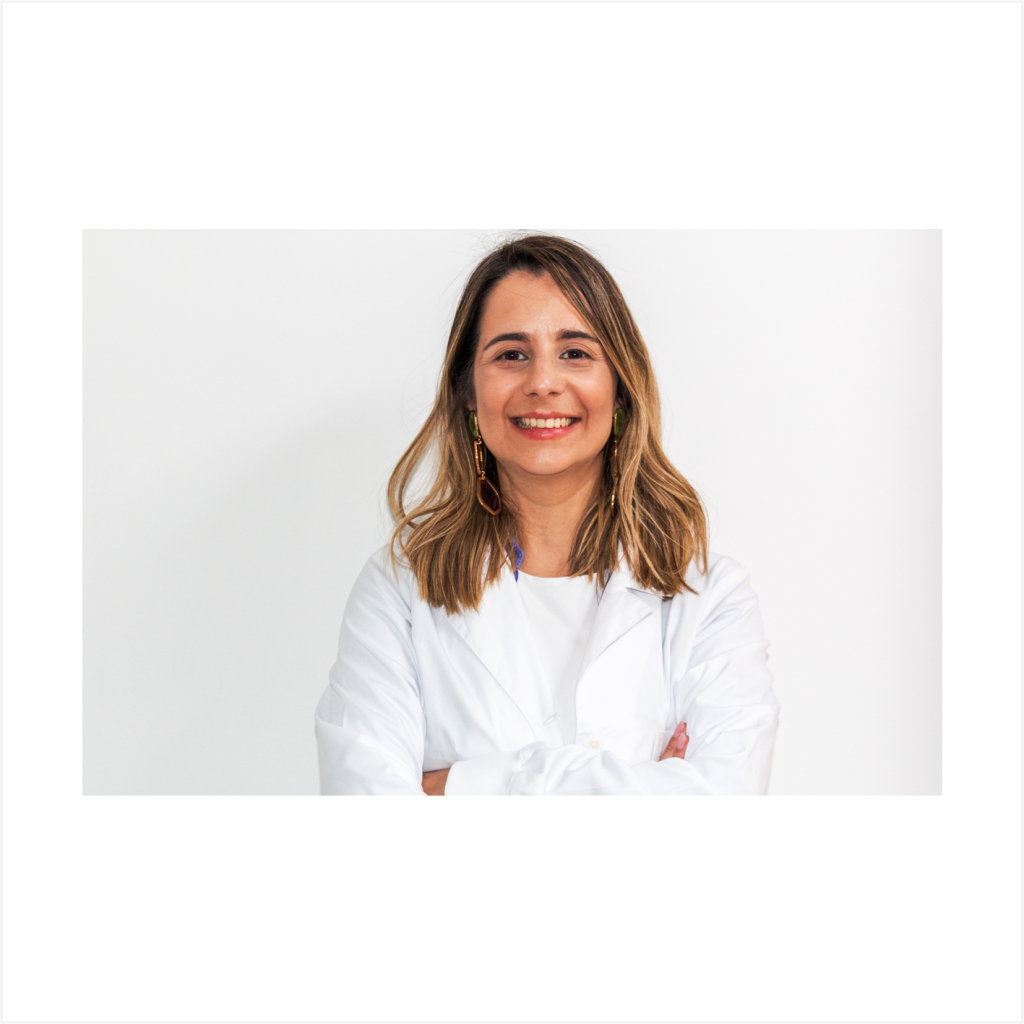
Dr. Fabia Franco is an Associate Professor in Psychology at Middlesex University , specializing in developmental psychology, music therapy, and cross-modal communication. With over two decades of research, her work bridges music cognition, language acquisition, and social-emotional development across the lifespan. Key research themes include infant communication through pointing, musical predictors of language development, and therapeutic applications of music for cognitive disorders. Her interdisciplinary collaborations span neuroscience, music therapy, and autism studies. Recent publications (2021-2024) focus on neonatal intensive care soundscapes, music-based cognitive interventions for aging populations, and cross-cultural studies of infant-directed communication in hunter-gatherer societies. She also develops assessment tools like the Music@Home questionnaire to quantify early musical environments.
Jocelyn C. Leung serves as Associate Professor in the Department of Pediatrics at the University of Maryland School of Medicine, where she has held faculty appointments since 2007 and currently directs the NICU Follow-up Program at the University of Maryland Medical Center (UMMC). Her academic training includes: Medical degree from State University of New York - Downstate Medical Center Residency in Pediatrics at Montefiore Medical Center (Bronx, NY) Fellowship in Neonatal-Perinatal Medicine completed across Montefiore Medical Center and Thomas Jefferson University Hospital Dr. Leung's research program investigates neonatal kidney disease mechanisms and clinical outcomes, with dual emphases on molecular NMDA receptor pathways in renal physiology and translational studies of antenatal factors affecting preterm infant development. Her work bridges basic science investigations of receptor-mediated renal toxicity with clinical epidemiology examining hearing outcomes in vulnerable newborn populations. Publication analysis reveals a distinct research evolution from foundational molecular studies (2002-2008) exploring NMDA receptor roles in renal development and toxicity, toward contemporary clinical focus (2014) on antenatal predictors of neonatal hearing outcomes. This trajectory demonstrates progression from laboratory-based mechanistic research to patient-centered outcomes investigation within neonatal care. No scientific awards were documented in the source material. Administrative responsibilities include leadership of the NICU Follow-up Program, though no student mentorship activities or research funding details were specified. Her clinical-academic role integrates direct patient care with program oversight for infants transitioning from intensive care.
Steven Threlkeld is an Associate Professor of Neuroscience and Neuroscience Program Director at Regis College's School of Health Sciences. Since joining Regis in 2016, he has developed over a dozen neuroscience courses and established the department's major/minor programs while directing the Regis College Brain Sciences Association for community outreach. Education: Postdoctoral Training: Research Associate in Pediatrics, Perinatal Brain Research Laboratory, Women & Infants’ Hospital/Brown University (2008-2010) Ph.D. & M.A. in Behavioral Neuroscience, University of Connecticut B.A. in Psychology, University of Portland His research investigates anatomical and behavioral consequences of disrupted forebrain development from injury or teratogenic events, focusing on how behavioral experience or pharmacological intervention improves outcomes. Current projects examine inflammation in neonatal hypoxia/ischemia and mild traumatic brain injury, specifically anti-inflammatory treatments' effects on learning, auditory processing, and neuroanatomy using rodent models. He emphasizes undergraduate research integration, developing hippocampal slice culture techniques for introductory labs through recent MLSC funding. Analysis of his 14 publications (2007-2022) reveals consistent focus on neonatal hypoxic-ischemic injury and traumatic brain injury, with Inter-alpha inhibitor proteins as a recurring therapeutic target. Key trends include developmental windows of plasticity, auditory processing deficits, and experience-dependent recovery mechanisms across juvenile and adolescent periods. Research Funding: Principal Investigator: NIH R15HD077544 ($329,762; 2013-2017) & competitive renewal 2R15HD077544 ($275,000; 2018-2023) on neonatal brain injury; RI-INBRE Award ($267,690; 2011-2013) Co-investigator: NIH R01NS094440 ($130,350; 2016-2022) on TBI neuroprotection; MLSC Workforce Development Grant ($748,000; 2024-2025) for neuroscience equipment Dr. Threlkeld maintains active collaborations with Brown University's Perinatal Brain Research Laboratory and Rhode Island Hospital's Neurotrauma and Brain Barriers Lab. His Regis laboratory trains undergraduates in neuron culture, behavioral testing, and neuroanatomical analysis, with recent MLSC funding enabling advanced brain tissue preparation techniques for student training.
Claus Andreas Klingenberg is a Professor at the Department of Clinical Medicine, UiT The Arctic University of Norway . His research focuses on neonatal medicine, infectious diseases, and neonatal intensive care , with a particular emphasis on neonatal sepsis, antibiotic stewardship, and preterm infant health . His recent publications highlight trends in neonatal resuscitation, gut microbiome modulation, and inflammatory mechanisms in preterm infants . Collaborative studies span multinational clinical trials, experimental models, and population-based epidemiology across Norway and Tanzania. Key research areas include Staphylococcus borealis pathogenesis, neonatal ventilation strategies, and vaccine safety for maternal infections . He contributes to national guidelines for cerebral palsy and psychosocial support in neonatal intensive care . Current teaching roles involve Pediatrics at the 4th and 6th year and Neonatal Medicine at the Midwifery School .
Nathan D. Vandjelovic, D.O., serves as Assistant Professor in the Department of Otolaryngology at the University of Rochester School of Medicine and Dentistry. Board-certified in Otolaryngology and Facial Plastic Surgery, he practices pediatric otolaryngology through UR Medicine Faculty Group and Accountable Health Partners in Rochester, NY, accepting new patients at Lattimore Medical Center. His educational pathway includes: Doctor of Osteopathic Medicine (DO) from Edward Via College of Osteopathic Medicine (2013, with high honors) Residency in Otolaryngology–Head and Neck Surgery at Detroit Medical Center/Michigan State University (2014-2018), serving as chief resident Fellowship in Pediatric Otolaryngology at Nemours Alfred I. duPont Hospital for Children (2018-2019) Dr. Vandjelovic specializes in pediatric airway and ear disorders, with clinical emphasis on complex congenital anomalies, cleft palate management, and airway reconstruction. His research examines surgical outcomes in tonsillectomy/adenoidectomy, tympanostomy tube efficacy, and rare conditions like pyriform aperture stenosis. Patient reviews consistently highlight his exceptional communication skills, thorough explanations using anatomical charts, and gentle bedside manner with children, though occasional comments note rushed interactions during high-volume periods. His 23 publications (2012-2025) reveal evolving expertise from basic science (e.g., oxidative DNA damage studies) to clinical pediatric ENT, with recent work focusing on airway interventions, surgical innovations, and global health initiatives like establishing ENT services in Malawi. Key trends include outcome analysis of pediatric procedures and management of complex airway emergencies. Dr. Vandjelovic maintains active clinical practice within UR Medicine's academic health system, participating in multidisciplinary care for craniofacial and airway disorders. His work integrates surgical innovation with patient-centered communication, as evidenced by high patient satisfaction scores (4.8-4.9/5) across all measured domains including treatment explanations and compassionate care.
Michael Burman is a Professor of Psychology at the University of Maine, affiliated with the School of Social and Behavioral Sciences. He holds roles as COBRE Academic Director and Project Leader. His education includes a B.A. from Carleton College (2001) and a Ph.D. in Behavioral Neuroscience from the University of Minnesota (2006), followed by postdoctoral training at the University of Delaware (Newark). Research Interests: Dr. Burman's lab focuses on the neurological substrates of fear, anxiety, and learning in rodents , particularly memory components in anxiety disorders like phobias and PTSD. Current work includes modeling pediatric anxiety. Techniques employed span Stereotaxic surgery Pharmacology Immunohistochemistry PCR Grant Activity: He led a $404,000 NIH (NIMH) grant (2012–2015) assessing hippocampus-amygdala interactions in emotional learning. This work aligns with his broader focus on developmental neuroscience and translational models of anxiety. Advising & Outreach: While no formal advisees are listed, Dr. Burman has contributed to educational outreach via K-12 neuroscience programs. His research bridges behavioral and molecular neuroscience, emphasizing early life experiences' impact on adult emotional processing. Labs/Teams: His lab integrates behavioral analysis with neurobiological techniques, collaborating with institutions like the University of Delaware and the University of Minnesota. Key projects involve rodent models of PTSD and pediatric anxiety, leveraging pharmacological interventions and developmental approaches.
Reza Hoseinabadi is a Lecturer in the Division of Psychology Communication and Human Neuroscience at the University of Manchester. His research focuses on vestibular disorders, neurotology, and neurological rehabilitation, with a particular emphasis on conditions such as tinnitus, vestibular schwannoma, Ménière’s disease, and Parkinson’s-related balance impairments. He leads the Manchester Centre for Audiology and Deafness (ManCAD), a multidisciplinary research hub addressing hearing impairment and sensory aid innovations. His work integrates clinical trials, diagnostic testing advancements, and cross-cultural validation studies. Key research contributions include pioneering studies on vestibular rehabilitation efficacy, post-surgical tinnitus management, and the application of galvanic stimulation in cognitive impairment. He has authored over 25 peer-reviewed articles, with notable work on Parkinson’s disease ocular motor function and neonatal hearing screening satisfaction in Iran. His research aligns with UN Sustainable Development Goals targeting health equity and disability inclusion. Research Themes: Vestibular pathophysiology, audiological device validation, neurorehabilitation strategies Collaborations: Global projects on Meniere’s disease monitoring and pediatric hearing screening Grants: Principal Investigator for ManCAD’s Hearing Impairment Research Program Labs/Teams: Core member of the Manchester Centre for Audiology and Deafness (ManCAD), collaborating with interdisciplinary teams in audiology, neurology, and biomedical engineering.
Lisa J Ecklund-Flores is a Professor of Psychology at Mercy University, serving since 2004 after starting as an adjunct professor in 1997. She earned tenure in 2010 and was promoted to full professor in 2018. She led the graduate Psychology program as Program Director from 2005–2016. Her research focuses on fetal and newborn responses to sound, with publications in Developmental Psychobiology and conference presentations at the International Society for Developmental Psychobiology and International Society for Infant Studies. She emphasizes student research mentorship, creating opportunities at NYSPI and guiding numerous student projects. Outside academia, Dr. Ecklund-Flores founded and served as Executive Director of the Church Street School for Music and Art in Manhattan from 2000–2021. She prioritizes interactive, seminar-style teaching, fostering student-led discussions in her classes.
María José Corral López is an Associate Professor at the University of Barcelona's Faculty of Psychology, affiliated with the Department of Clinical Psychology and Psychobiology. She leads the Brainlab - Cognitive Neuroscience Research Group and holds roles in education, research, and clinical psychology. Her work focuses on psychobiology, cognitive neuroscience, and electrophysiological measures of auditory processing. She has been Principal Investigator (PI) of projects like La competència informacional en el grau de Psicologia (2015–2021) and contributes to studies on neonatal neurocognitive development and psychological resilience in cancer patients. Education: 2000: Diplomatura/Llicenciatura (Grau) in Psychology, University of Barcelona (thesis: Electrophysiological indexes of the detection and processing of auditory distractors ) 2008: Doctorate in Psychology, University of Barcelona Research Interests: Her work spans psychobiological mechanisms of auditory processing, neurodevelopmental markers in newborns, and resilience in clinical populations. Recent projects include the predictive value of neonatal frequency-following responses (FFR) for neurocognitive development and psychosocial interventions in oncology. Grants & Projects: 2022–2025: Valor predictivo de la respuesta de seguimiento de frecuencia (RSF) neonatal (Ministerio de Ciencia, PI: Carles Escera) 2015–2021: Innovación Docente project on information competence in Psychology degrees (PI: M.J. Corral) Labs/Teams: Brainlab - Cognitive Neuroscience Research Group.
David Dayya, DO, PhD, MPH is a physician-scientist and educator affiliated with Yale University School of Medicine. He serves as an Associate Medical Director in the Division of Undersea and Hyperbaric Medicine within the Department of Surgery at Northwell Health - Phelps Hospital, with additional medical staff appointments at Yale New Haven Health System - Greenwich Hospital and Nuvance Healthcare System - Norwalk Hospital. His educational background includes a DO from University of Medicine and Dentistry of NJ, PhD and MPH in Biostatistics from University of Connecticut, and BA in Chemistry from Rutgers University. His training includes residency at New York Institute of Technology - Saint Barnabas Hospital Health System and internship at University of Medicine & Dentistry of NJ - University Hospital. Dr. Dayya's research spans multiple disciplines with a focus on Undersea and Hyperbaric Medicine, Wound Care, and Public Health. His work demonstrates consistent interdisciplinary collaboration with emphasis on clinical trials and practical applications of research findings. Analysis of his publication record shows a strong focus on diving-related barotrauma, diabetic wound care, and respiratory conditions, with increasing attention to pandemic-related research in recent years. His scientific achievements have been recognized with multiple teaching awards including three 'Teaching Attending of the Year' honors and a National Resident Teacher Award from the Society of Teachers of Family Medicine. He has also received clinical excellence recognition early in his career. As an educator, Dr. Dayya has developed educational programs and taught healthcare professionals at all levels from medical students through fellows. His commitment to knowledge discovery is demonstrated through ongoing roles in cutting-edge research and service on national committees including the Undersea & Hyperbaric Medical Society's Education Committee and Diving Committee.
Beth M. Bolton is an Associate Professor and Vice Dean of Faculty and Academic Affairs at the Boyer College of Music and Dance, Temple University. She previously chaired the Department of Music Education and Therapy (2002-2006) and directs the Early Childhood Music Foundations program at Temple Music Prep. She holds a PhD from Temple University, a Master of Music from Emporia State University, and a Bachelor of Music Education from Ft. Hays State University. Her research specializes in early childhood music development, music learning theory, and educational assessment. She authored/co-authored influential curricula including Jump Right In: The Music Curriculum and Music Play , translated into multiple languages, and composed over 600 songs for educational use. Bolton's publications emphasize early childhood music pedagogy, developmental responses to music, and curriculum design. Her work consistently explores the intersection of auditory learning, cognitive development, and teaching methodologies across diverse age groups. She has supervised 10 PhD dissertations, 1 master’s thesis, and 3 master’s projects, and regularly serves on academic committees. She founded the international consortium One Vision, Many Mirers and is Honorary President of Musica in Culla , promoting global early childhood music education.
George Taylor is a Professor in the Department of Psychological Sciences at the University of Missouri-St. Louis with an extensive research portfolio spanning behavioral neuroscience, neurodegenerative diseases, and cognitive function. His work from 2005-2019 demonstrates sustained scholarly productivity using sophisticated animal models to investigate neurological conditions and pharmacological interventions. Specializes in murine models of Infantile Batten Disease, characterizing Parkinson-like symptoms independent of dopaminergic dysfunction Investigates developmental neurotoxicity of anesthetics, showing neonatal isoflurane exposures induce neuroapoptosis with mild behavioral consequences Explores cognitive aging mechanisms and unexpected memory effects of low-dose memantine His research employs comprehensive behavioral assessments including water maze testing, running wheel performance, and auditory cue conditioning. Dr. Taylor maintains active collaborations with Washington University in St. Louis researchers and has mentored numerous students, contributing significantly to translational neuroscience with potential clinical applications for neurodegenerative conditions and pediatric anesthesia safety. 2015 Scientific Reports paper on Batten disease has 28 citation indexes Research bridges basic neuroscience with clinical relevance Methodological expertise in behavioral phenotyping of neurological conditions
Joana Carvalho dos Santos is an Adjunct Professor at the Environmental Health Department of the School of Health, Polytechnic University of Porto. She coordinates the master’s program in Safety and Hygiene in Organizations and leads research in Ergonomics, Occupational Fatigue, and Human-Robot Collaboration (HRC) risk management. Her work integrates interdisciplinary approaches to workplace safety and health. She holds a PhD in Occupational Health and Safety (University of Porto, 2015) focusing on fatigue in assembly work. Her research spans ergonomic interventions, healthcare acoustics (e.g., NICU noise reduction via NeoNoise project), and occupational safety protocols during pandemics. Key contributions include validation of fatigue assessment tools (e.g., Portuguese OFER scale) and systematic reviews on posture analysis and movement interventions. Her work has been recognized with the 2023 PAPRE award from the Polytechnic University of Porto. She coordinates research groups at the Center for Translational Health and Medical Biotechnology Research and the Biomechanics and Health Unit (INEGI/LAETA). Her projects include ActionSAFE, ASA, NeoNoise, and COBOSHe, addressing real-world occupational health challenges.
Anibal Gutierrez, Jr. is a Research Professor in the College of Arts and Sciences at the University of Miami. He serves as Division Director of Behavioral Consultation and Outreach Services, Co-Director of the Intensive Behavioral Intervention Services Clinic (IBIS), and Director of the University of Miami Applied Behavior Analysis Program. He also leads the UM-NSU Center for Autism & Related Disabilities (CARD) and oversees the Graduate Studies program. His work focuses on autism spectrum disorder (ASD), behavioral interventions, and applied behavior analysis (ABA). Research Interests: Gutierrez specializes in developing and evaluating evidence-based interventions for ASD, including robotic-assisted therapy, dietary analysis in children with ASD, and genetic research through initiatives like the SPARK cohort. He explores behavioral strategies to improve social, communication, and adaptive skills in individuals with developmental disabilities. His recent studies include genetic risk factors, repetitive behavior measurement using technology, and optimizing reinforcement techniques. Leadership & Programs: He directs multiple programs, including the IBIS Clinic offering intensive behavioral services and the ABA program training professionals. His roles emphasize bridging research and clinical practice to enhance outcomes for individuals with ASD and their families.