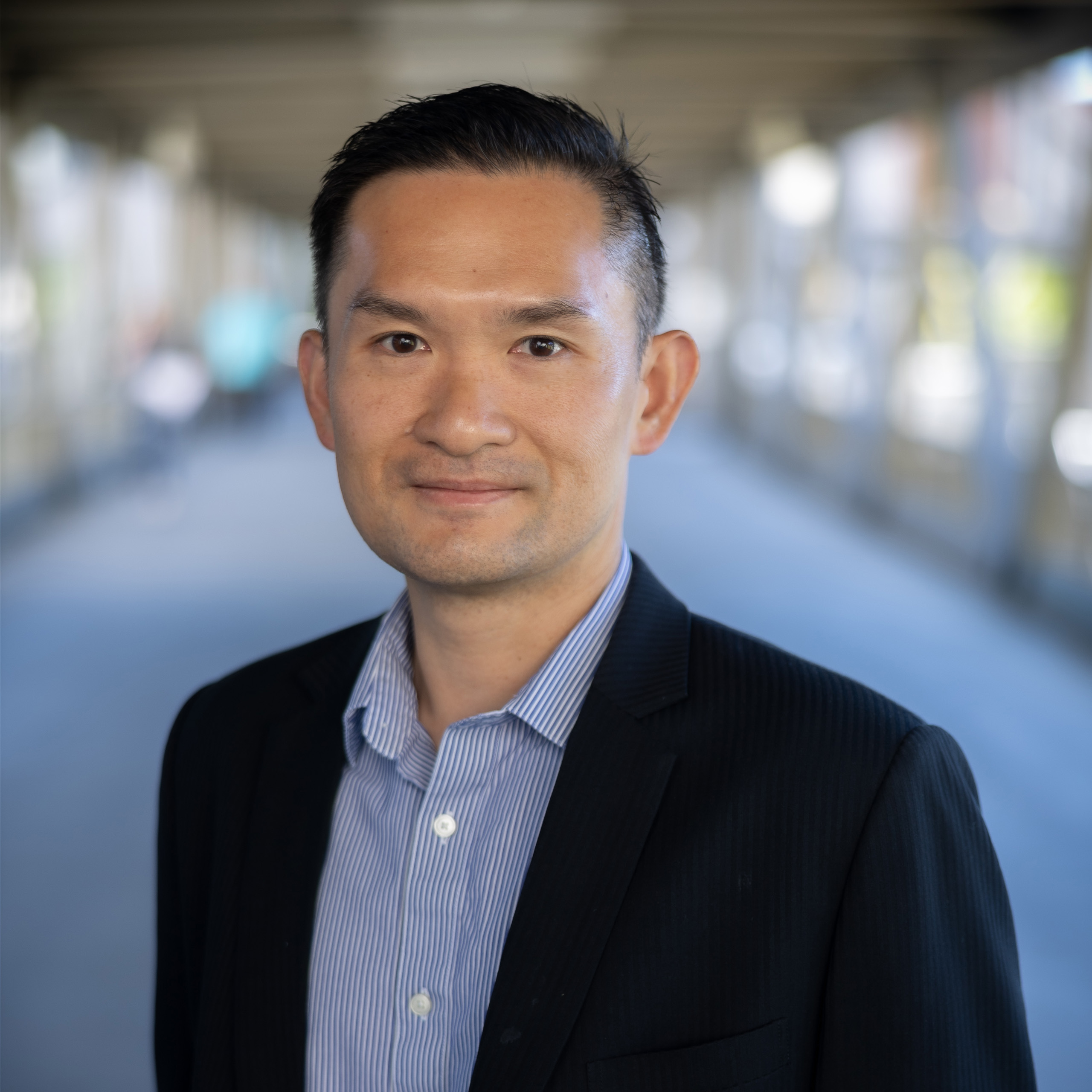
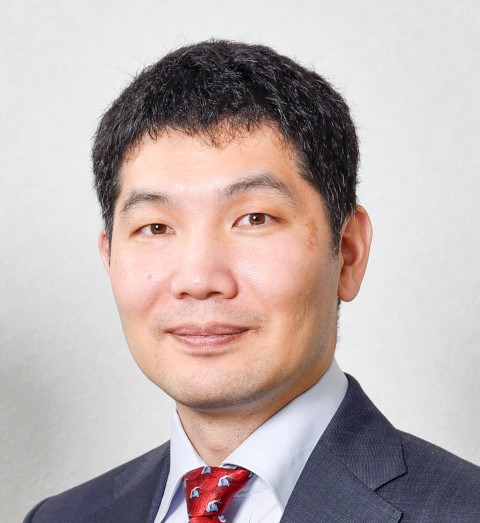
Dr. Pew-Thian Yap is a Professor in the Department of Radiology at the University of North Carolina at Chapel Hill and serves as Director of the Image Analysis Core of the Biomedical Research Imaging Center (BRIC). His roles include Associate Chair of Basic Science Research and Co-Director of Radiological Sciences Faculty Development. He leads research in medical imaging innovations, focusing on MRI analysis, neural modeling, and clinical applications in neuroscience and disease diagnosis. Educations: PhD from University of Malaya, Malaysia Postdoctoral Fellowships at Nanyang Technological University, Singapore, and University of North Carolina His research spans image acquisition, reconstruction, harmonization, and analysis, with applications in brain development, neurodegenerative diseases (e.g., Alzheimer’s), and surgical planning. Notable projects include federated learning for multisite MRI analysis, infant brain MRI super-resolution, and generative AI in oncology imaging. Dr. Yap’s work emphasizes cross-disciplinary collaboration, integrating machine learning with medical imaging to address clinical challenges. His lab develops open-source tools and datasets for advancing imaging standards and accessibility.
Serena Bovetti serves as Associate Professor in the Department of Life Sciences and Systems Biology at the University of Turin, Italy. Her research integrates advanced optical techniques with cellular neuroscience to investigate neural circuit dynamics and adult neurogenesis, primarily within the olfactory system and neocortex. Her primary research interests encompass adult-born neuron integration in olfactory circuits, molecular mechanisms of neural plasticity, and the development of cutting-edge two-photon imaging methodologies. She specializes in patterned illumination techniques, optogenetic manipulation, and microendoscopic approaches for high-resolution in vivo brain imaging. Her work bridges molecular neuroscience with systems-level circuit analysis to understand how sensory experience shapes neural network organization. Analysis of her recent publications reveals a consistent focus on developing and applying optical tools to dissect neural circuit function. Her research demonstrates strong interdisciplinary integration between biomedical engineering and neuroscience, with particular emphasis on cortical state transitions, inhibitory circuit control, and experience-dependent plasticity in adult-born neurons. The work spans cellular, circuit, and systems neuroscience levels. No scientific awards were explicitly documented in the provided materials. Dr. Bovetti leads the Adult Neurogenesis research group and participates in the PRIN PNRR 2022 DELIMIT project (Discovering the Effectors of Lifestyle-driven Memory enhancement via Inflammation). While specific students aren't listed, her extensive publication record with junior co-authors indicates active mentorship of graduate researchers. She serves on the Departmental Council and teaches Comparative Anatomy courses across multiple biology degree programs. Her laboratory develops and applies advanced optical techniques including two-photon microscopy, patterned illumination systems, and microendoscopic platforms. The research team collaborates extensively on interdisciplinary projects involving neural circuit mapping, optogenetic control, and the molecular regulation of adult neurogenesis, with particular focus on the olfactory bulb as a model system for neuroplasticity studies.
Associate Professor Sean Millard is affiliated with the University of Queensland as an Affiliate Associate Professor at the Queensland Brain Institute and the Centre for Motor Neuron Disease Research , both under the Faculty of Health, Medicine and Behavioural Sciences . He is also an Associate Professor at the School of Biomedical Sciences . His academic journey began with a BA in Biology from Columbia University , followed by a PhD in Molecular Biology from Weill Cornell Graduate School of Medical Sciences . Postdoctoral work in Larry Zipursky's lab at UCLA established his focus on Drosophila genetics and Dscam-family proteins . Research interests center on molecular mechanisms for brain wiring specificity , exploring how Dscam2 performs neuron-specific functions despite broad expression. His work addresses synaptic dysfunction in neurological diseases , using Drosophila melanogaster as a model organism. Additional projects investigate mitophagy regulation via SCFFBXL4-PPTC7 and the role of WDR62 in glial growth and microcephaly. Recent publications highlight his contributions to mitophagy receptors , neurotransmission , and venom composition evolution . He actively supervises PhD and Master’s students in projects related to neurodevelopmental mechanisms , synaptic disease models , and cell signaling .
Gianfilippo Coppola, PhD, is an Assistant Professor in the Department of Pathology at Yale School of Medicine. His research integrates computational and systems biology with neuroscience and genetics, focusing on neurodevelopmental disorders and cortical astroglial dynamics. Undergraduate: Chemical Engineering, Universita' di Napoli 'Federico II' PhD: Mechanical Engineering, Yale University His work explores autism spectrum disorders , Tourette syndrome , and stress-induced neuroplasticity using advanced models like 3D organoids and translatomic sequencing . Key publications examine HMGB1 regulation in astrocyte development and ENPP1 deficiency pathways in bone diseases. Recent studies highlight sex differences in cortical astroglia and optogenetic neuroprotection in degenerative models. His interdisciplinary approach bridges computational biology with clinical neuroscience , emphasizing applications in psychiatric and neurodegenerative diseases.
Johanne Egge Rinholm is an Associate Professor at the University of Oslo's Section of Physiology. Her research focuses on oligodendrocyte biology, myelin physiology, and metabolic regulation in the nervous system, particularly investigating lactate signaling, mitochondrial dynamics, and oxidative stress. Institution: University of Oslo Academic Rank: Associate Professor Research Interests include: brain metabolism, ischemic brain injury, mitochondrial function in oligodendrocytes, neuroglial interactions, and lactate receptor (HCAR1) mechanisms. She has pioneered studies on lactate's role in neuroprotection and angiogenesis. Recent Publications highlight her work on: neurodevelopmental epigenetics (2023), HCAR1-mediated microglial activation (2022), mitochondrial dysfunction in metabolic disorders (2021), and long-standing expertise in oligodendrocyte physiology dating to 2007. Teaching includes courses in Molecular Medicine and Physiology (MED1100/MED2200) covering membrane transport, reproduction, and neuroenergetics. Research Groups : Active member of the Oligodendrocyte Group, contributing to projects on transplanted brain organoids and metabolic regulation in white matter.
Aree Widya Witoelar is a Researcher at the University of Oslo , affiliated with the Neural Systems department. Previously held positions include Researcher at Oslo University Hospital (2017-2018) and Postdoctoral Researcher roles at the University of Oslo and Kavli Institute for Systems Neuroscience, NTNU. Ph.D. in Machine Learning (2005-2010), M.Sc. in Physics (2002-2005) - both from University of Groningen Key research areas: Neural process modeling, statistical machine learning, genetic mechanisms in neurodegenerative diseases Her work applies machine learning to analyze neural data and genetic factors across conditions like Alzheimer's, Parkinson's, and schizophrenia. Articles span computational neuroscience, genetic epidemiology, and molecular psychiatry, with a focus on cross-disorder genetic analyses and cortical function modeling. Scientific Awards: Marie Curie Career Development of Researchers (2016) Ubbo Emmius doctoral scholarship (2005)
Matthew Evan Larkum is a Professor at Humboldt University Berlin , specializing in neuroscience with a focus on cortical circuits , dendritic processing , and memory consolidation . He collaborates extensively within the SFB 1315 Berlin-Bochum Memory Alliance and contributes to understanding brain states via higher-order thalamocortical systems . Academic Rank: Professor Key Research Areas: Dendritic Integration, Consciousness, Neural Oscillations, Memory Consolidation His work explores how apical dendrites and layer 6b neurons regulate attention and wakefulness through orexin/hypocretin pathways. Recent studies investigate optogenetic tools like the Double-μ Periscope for multi-layer cortical manipulation and the role of dendritic spikes in conscious processing. Articles highlight his contributions to anesthesia mechanisms , spatial memory , and motor learning via presynaptic supervision. Collaborations span institutions including Charité - Universitätsmedizin Berlin and Ruhr University Bochum. Projects under SFB 1315 include systems memory consolidation ( A04 ) and mTORC1's role in neocortical memory ( A10 ). His lab develops neuroimaging technologies to advance cortical microcircuit research.
Esther Klingler serves as a Lecturer in the Department of Neuroscience at KU Leuven's Faculty of Medicine and leads the Laboratory for Emotional Circuit Development at the VIB-KU Leuven Center for Brain and Disease Research since September 2023. She holds additional memberships in the VIB-KU Leuven Center for Brain Research, KU Leuven Brain Institute (LBI), and KU Leuven Institute for Single Cell Omics (LISCO). Her academic foundation includes a PhD from Université Pierre & Marie Curie (Paris) investigating cytoskeleton-associated proteins in axon guidance using transgenic mice, followed by postdoctoral research at the University of Geneva under Prof. Denis Jabaudon where she pioneered the ConnectID barcoding method for neuronal projection mapping. Dr. Klingler's research focuses on developmental mechanisms of emotional circuits , examining how intrinsic genetic programs and environmental experiences shape neuronal diversity in the amygdala and prefrontal cortex. Her lab integrates cutting-edge experimental techniques (transgenic models, single-cell sequencing) with computational approaches to identify neural cell types vulnerable in disorders like autism spectrum disorder (ASD) and dementia, with particular emphasis on sensorimotor connectivity governed by genes such as Sox11. Analysis of her 15 most recent publications reveals dominant trends in single-cell and spatial transcriptomics applied to cortical development, with increasing emphasis on cross-species data integration (via pipelines like humous.org) and multi-omics approaches to model human brain diseases. Her work consistently bridges molecular identity with neural connectivity, uncovering principles of developmental timing and regional specification in emotional circuit formation. Dr. Klingler has not received any publicly listed scientific awards according to available information. She actively mentors three doctoral students, one master's student, and one postdoctoral researcher while securing substantial grant funding as promoter or co-promoter on seven active projects including Building Fear Circuits (2025-2028), Addressing Synaptic Dysfunction in Dementia (2025-2031), and Role of Amygdala in ASD Etiology (2024-2026), demonstrating strong leadership in both basic and translational neuroscience research. The Laboratory for Emotional Circuit Development employs innovative methodologies including ConnectID barcoding, MAPseq, and scRNA-Seq to investigate how genetic and environmental factors interact during emotional network development, with current work exploring the developmental origins of anxiety-related behaviors and neural circuit vulnerabilities in neurodevelopmental disorders.
Joseph Cichon, MD, PhD, serves as Assistant Professor of Anesthesiology and Critical Care at the Perelman School of Medicine, University of Pennsylvania, where he directs the In Vivo Imaging Center for Anesthetics and Psychedelics. His dual clinical expertise in neuroanesthesia and research focuses on neural circuit mechanisms underlying rapid-acting antidepressants. His educational background includes: BS in Pennsylvania State University, 2008 MS in Pennsylvania State University, 2009 PhD in Neuroscience & Physiology, NYU School of Medicine, 2015 MD, NYU School of Medicine, 2017 Dr. Cichon investigates how anesthetics and psychedelics like ketamine and nitrous oxide produce rapid antidepressant effects through modulation of prefrontal cortical circuits. His work combines in vivo imaging , electrophysiology , and rodent behavioral models to decode cellular mechanisms of neural plasticity, with emphasis on SK2 channel function, somatostatin interneuron activity, and dendritic calcium dynamics. This research bridges anesthesiology, psychiatry, and neuroscience to develop novel therapeutics for depression and neuropathic pain. His publication record demonstrates consistent contributions to high-impact journals including Nature Neuroscience and Nature Communications , with recent work revealing nitrous oxide's antidepressant mechanism via prefrontal SK2 channel inhibition (2025) and ketamine's disruption of cortical calcium spikes (2020). Key research themes include neural circuit modulation by rapid-acting agents, sleep-dependent synaptic plasticity, and neuropathic pain mechanisms. No scientific awards are documented in available sources. Dr. Cichon directs the In Vivo Imaging Center for Anesthetics and Psychedelics at Penn, where his team employs advanced GCaMP-based imaging and transgenic models to visualize real-time neural activity during anesthetic and psychedelic interventions. His laboratory focuses on translating circuit-level discoveries into clinical applications for mood disorders.
Professor Stefano Pluchino is a faculty member at the University of Cambridge , affiliated with the School of Clinical Medicine and Department of Clinical Neurosciences . His research focuses on regenerative neuroimmunology , particularly the role of stem cells and metabolic pathways in treating neuroinflammatory and neurodegenerative diseases like Multiple Sclerosis (MS) . He leads clinical trials, including the first-in-kind use of allogeneic neural stem cells in progressive MS patients. Research Interests : Neuroimmunology, stem cell biology, neuroinflammation, metabolic therapies, and regenerative medicine in MS and other neurodegenerative disorders. Article Trends : Recent work highlights mitochondrial metabolism , extracellular vesicles , and metabolic fuels in modulating neuroinflammation and promoting brain repair. Labs & Teams : His lab employs CRISPR gene editing , human organoid models , single-cell RNAseq , and imaging mass spectrometry to study smoldering neuroinflammation and develop precision therapies.
Dr Uda Ho is a Research Fellow at the School of Biomedical Sciences , The University of Queensland , with expertise spanning centrosome biology, DNA damage response, and inflammation. Her work intersects cancer development, cardiotoxicity, and developmental genetics. Bachelor of Science (The University of Queensland) Bachelor (Honours) (The University of Queensland) Doctor of Philosophy (The University of Queensland) Research interests include: Centrosome dynamics in cell differentiation Role of WDR62 in neurogenesis and cilia formation SMG1 in genomic stability and tumor suppression RNA metabolism in inflammatory regulation Cardiotoxicity mechanisms in cancer therapy Recent publications highlight work in: Trastuzumab-induced cardiotoxicity Centrosome reduction in cardiomyocytes WDR62's role in spermatogenesis and hippocampus development Microcephaly protein interactions DNA damage in hematopoietic cancers Grants and funding: Maternity Funding (2017-2018) from Advance Queensland Women's Academic Fund
Masaki Kakeyama is a Professor at the Faculty of Human Sciences , Waseda University, Japan. With a Ph.D. from Waseda University, he leads research at the intersection of behavioral neuroscience, environmental toxicology, and developmental neurobiology. Key Affiliations: Japan Society of Endocrine Disrupters Research, Japanese Society of Toxicology, Japan Neuroscience Society Research Focus spans neurodevelopmental impacts of environmental chemicals (dioxins, BPA, PCB congeners), neuronal migration mechanisms, and schema-based memory consolidation. His work explores how prenatal exposures alter medial prefrontal cortex and hippocampal function, leading to behavioral inflexibility and cognitive deficits in rodent models. Scientific Contributions include: Characterizing aryl hydrocarbon receptor (AhR) overactivation effects on cortical development Developing FlavorMap and IntelliCage automated behavioral assays Demonstrating neuronal heterotopia -induced distant brain region dysfunction Identifying developmental origins of metabolic disorders via maternal dioxin exposure Awards: Encouragement Award, Japanese Society for Hygiene (2012) Methodological Innovations include fluorescence laser microdissection-RTqPCR for single-cell gene expression analysis and live imaging techniques for neurochemical dynamics assessment. Education: Ph.D. in Life Sciences (1995) from Graduate School of Human Sciences, Waseda University.
Jessica Cardin is an Associate Professor in the Department of Neurobiology at Yale University. She previously conducted postdoctoral research at the University of Pennsylvania and MIT's McGovern Institute. Her research explores: Functional flexibility in cortical circuits Neural mechanisms of perception and behavior Autism-related disruptions using mouse models Her publications focus on spatiotemporal neural coordination and developmental circuitry, with recent work in Nature Neuroscience and Journal of Neuroscience . Awards include: 2024 SFARI Pilot Award (CDKL5 deficiency disorder) 2018 SFARI Research Award (autism circuit impairments) 2013 SFARI Pilot Award (GABA interneurons in autism) She leads the Cardin Laboratory, investigating cortical dysfunction in neurodevelopmental disorders.
Gordon MG Shepherd, MD, PhD is a Professor of Neuroscience at Northwestern University's Feinberg School of Medicine, where he leads a research laboratory focused on neural circuit organization in motor-frontal cortex. His work bridges cellular, synaptic, and systems neuroscience to understand the neural basis of motor control, executive functions, and working memory. Dr. Shepherd's research interests center on elucidating the functional 'wiring diagrams' of neocortical neurons in motor-frontal cortex. His laboratory applies multiple tools of quantitative synaptic circuit analysis, including laser scanning photostimulation microscopy based on glutamate uncaging and channelrhodopsin-2 excitation. His team investigates circuit-level mechanisms in mouse models of disease, including autism, Rett syndrome, epilepsy, and motor neuron diseases. They also develop software tools for imaging and electrophysiology applications ( www.scanimage.org , www.ephus.org ). His research portfolio demonstrates a consistent focus on cortical connectivity, synaptic organization, and motor control systems. The articles reflect an evolution from basic circuit mapping to increasingly sophisticated multiscale modeling approaches that integrate cellular, circuit, and behavioral data. His work spans molecular, cellular, and systems neuroscience with strong translational implications for neurological disorders. Dr. Shepherd has received significant recognition for his contributions to neuroscience: Javitz Neuroscience Investigator Award, NIH, NINDS (2023) Research Award, Evans Foundation (2011) Albert and Ellen Grass Faculty Award, Grass Foundation (2008-2010) Member, MBL Society (2010) Professionally, Dr. Shepherd serves as Associate Editor for Science Advances (2019-present) and on several editorial boards. He has held leadership positions including Chair of the Society for Neuroscience (2012) and serves on scientific advisory boards for the Emory-Udall Parkinson's Disease Center and NINDS. His laboratory contributes to the Northwestern University Interdepartmental Neuroscience Program (NUIN), which trains 20-25 PhD students annually through a six-year program involving laboratory rotations and thesis research. Dr. Shepherd's laboratory maintains active collaborations and develops computational tools that support neuroscience research community-wide. His work on cortical cells, circuits, and signals aims to understand the cellular mechanisms for motor control in behaving animals and how these are affected in neurological diseases that impair sensorimotor function.
Hajime Hirase is a Professor at the Center for Translational Neuromedicine within the Faculty of Health and Medical Sciences at the University of Copenhagen. His research focuses on astrocytic signaling and its impact on neural circuit dynamics and behavioral performance. His educational background is not explicitly stated in the provided text, but he leads the Hirase Lab: Division of Neuron-Glia Circuitry, which develops advanced tools for neuroscience research. Dr. Hirase's research interests span multiple areas of neuroscience with a particular emphasis on astrocyte function. His work explores how astrocytes influence neural circuits, cerebral blood flow, and behavioral outcomes. He has made significant contributions to understanding the glymphatic system, neuron-glia interactions, and the role of astrocytes in sleep physiology and emotional regulation. His laboratory has developed numerous genetic tools including fluorescent blood AAVs (pAAV-P3-Alb-mNG, pAAV-P3-Alb-mScarlet) and astrocyte markers/biosensors that are available through Addgene and viral vector cores worldwide. Analysis of his recent publications reveals a strong focus on the intersection of astrocyte biology, neural circuit dynamics, and neurovascular coupling. His work consistently demonstrates how astrocytic signaling mechanisms influence broader brain functions including sleep-wake cycles, anxiety regulation, and seizure control. The research employs cutting-edge imaging techniques and genetic tools to investigate these complex systems. Dr. Hirase maintains active collaborations with prominent researchers including Maiken Nedergaard, as evidenced by multiple co-authored publications in high-impact journals such as Cell, PNAS, and Cell Metabolism. His work has received significant attention in the scientific community with several papers accumulating substantial citations and media coverage. His laboratory has developed important research resources including fluorescent blood AAVs, CRISPR AAVs, and astrocyte biosensors that are widely shared with the neuroscience community through Addgene and viral vector facilities. These tools have enabled researchers worldwide to study neurovascular and astrocyte functions with greater precision.