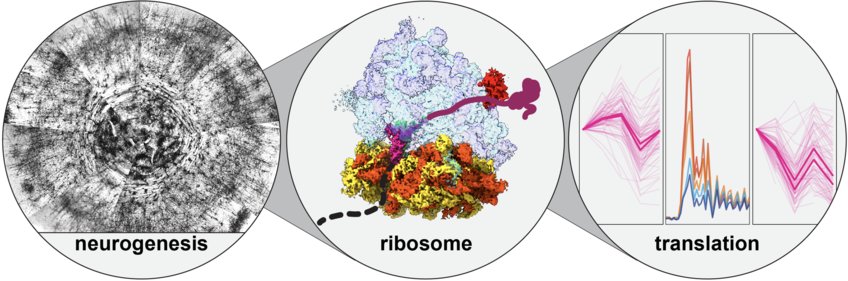
Dr. Matthew Kraushar is a Research Group Leader at the Max Planck Institute for Molecular Genetics (MPIMG) in Berlin, Germany, where he has been leading his lab since 2021. His research combines neuroscience, biochemistry, bioinformatics, and biophysics to investigate the fundamental mechanisms underlying neurodevelopment and translation control.
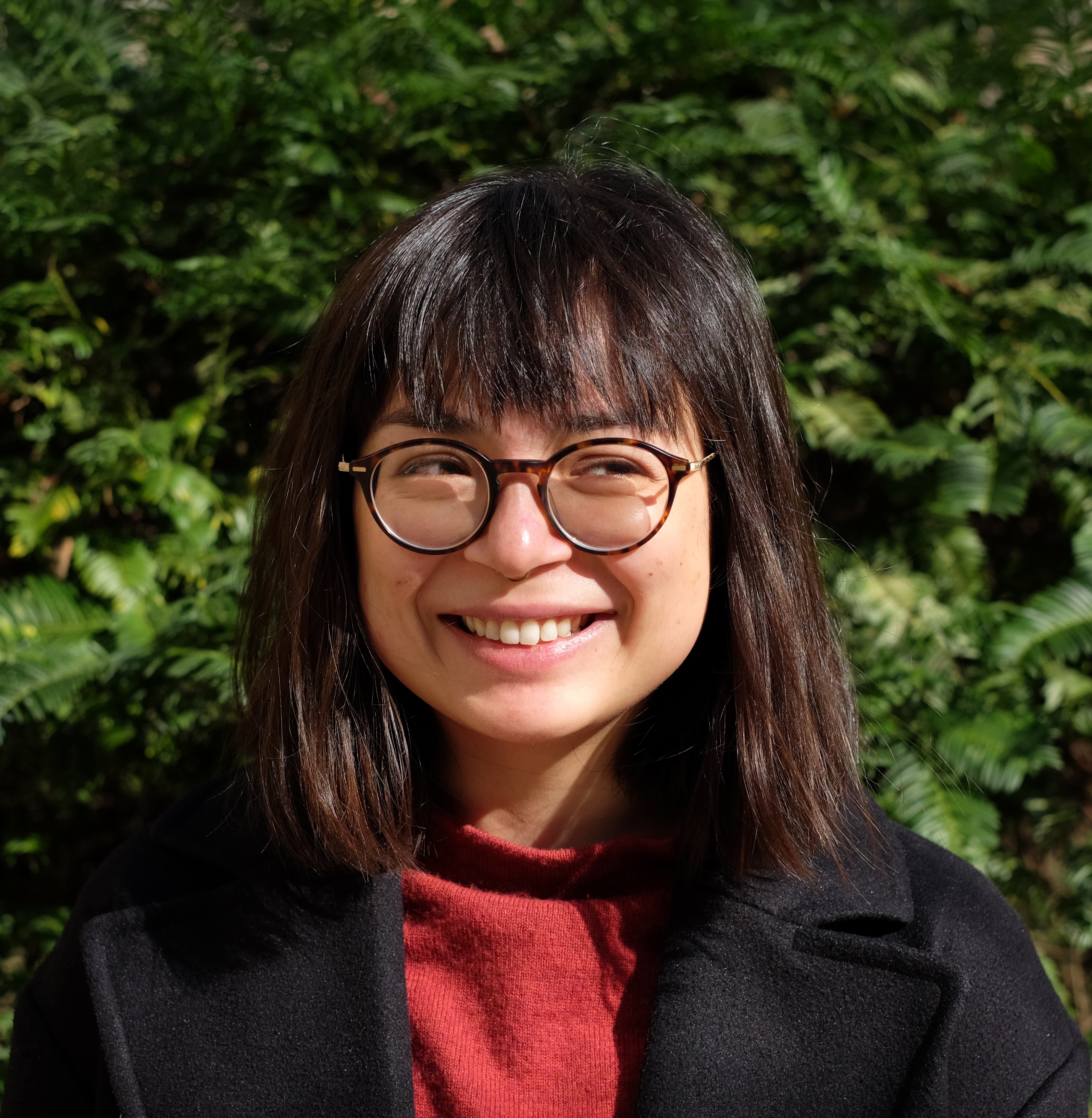
Alex Cayco Gajic is a Professor in the Department of Cognitive Studies at École Normale Supérieure , Paris, with affiliations to the ENS Quantitative Biology Centre and the Paris Artificial Intelligence Research Institute . Their research bridges machine learning , mathematical modeling , and systems neuroscience , focusing on cerebellar function and neural dynamics during learning. Education: Ph.D. in Applied Mathematics, University of Washington (2015) B.Sc. in Applied and Computational Mathematics, Caltech (2009) Research interests center on neural coding , dimensionality reduction , and reinforcement learning . Key contributions include elucidating the cerebellum’s role in high-dimensional representations, pattern separation, and task-dependent neural dynamics. Recent work on tensor rank analysis reveals how synaptic changes during motor learning evolve in low-dimensional subspaces. Advising: Supervising PhD students: Leonardo Agueci, Mattia Della Vecchia, Hugo Ninou Collaborating with EMBO Postdoc Heike Stein The lab collaborates with Boris Gutkin , Sophie Deneve , and Srdjan Ostojic within the Group for Neural Theory at Laboratoire de Neurosciences Cognitives . Their work aims to challenge classical views of the cerebellum as a forward model and explore its interactions with the neocortex and basal ganglia in motor and cognitive domains.
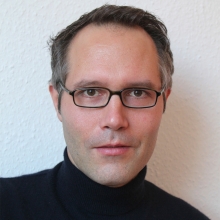
Dr. Ariel Agmon is a Professor at the West Virginia University School of Medicine, affiliated with the Department of Neuroscience and the Rockefeller Neuroscience Institute. He earned his PhD from Stanford University. His research focuses on understanding the cerebral cortex's structure, function, and development, with emphasis on thalamocortical circuits, neural synchrony, and object recognition. He employs advanced techniques like optogenetics, intracellular recordings, and behavioral assays in transgenic mouse models. His research interests span: Cortical Circuitry : Decoding synaptic connectivity patterns in the neocortex. Thalamocortical Development : Live imaging of axonal growth and activity-driven development. Neural Synchrony : Mechanisms of submillisecond firing precision in inhibitory networks. Behavioral Neuroscience : Neural correlates of tactile object recognition in awake mice. Agmon's publications reveal a consistent focus on interneuron subtypes (especially somatostatin-expressing cells), thalamocortical interactions, and novel methodologies. Recent trends include genetic taxonomy of interneurons, ultrafast network oscillations, and educational neuroanatomy tools. He leads a research program exploring: Optogenetic manipulation of neural circuits. Paired recordings in brain slices. Collaborations (e.g., Tucker Lab for thalamocortical development). No grants, awards, or advised students are detailed in available sources.
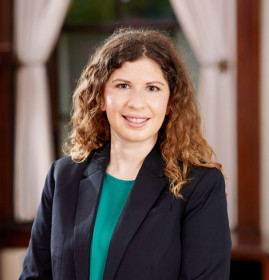
Johan Lind is a senior associate professor in ethology at Linköping University and deputy director of the Centre for Cultural Evolution at Stockholm University. His research focuses on the evolutionary mechanisms underlying animal and human cognitive capacities, particularly in memory, associative learning, and cultural development. He has held postdoctoral and visiting fellowships at St Andrews University and Cambridge University, respectively. Key Research Areas: Cognitive evolution, associative learning, human cultural uniqueness, and behavioral ecology Notable Contributions: Critique of Dunbar's number, development of A-learning theory, analysis of sequence representation in cognition Scientific Awards: No explicit awards mentioned in the provided texts. Collaborations: Regular collaborator with Stefano Ghirlanda and Magnus Enquist on associative learning models and cognitive evolution.
Matthias Kaschube is a Professor at the Department of Computer Science and Mathematics, Goethe University Frankfurt. He is affiliated with the Frankfurt Institute for Advanced Studies (FIAS), focusing on interdisciplinary research combining mathematics, computer science, and neuroscience. His work explores cortical circuit organization and development, neural population dynamics, and coding mechanisms. His research methodology integrates mathematical and computational modeling with machine learning and advanced statistical data analysis . Recent studies investigate universal architectural principles in cortical development, learning-induced neural biases, and distributed network interactions in the neocortex. Collaborative work also spans evolutionary biology, as evidenced by computational modeling of cuttlefish skin patterning. Selected publications reveal a strong emphasis on computational neuroscience , neural circuit development , and biological pattern formation . The research trajectory demonstrates consistent contributions to understanding brain architecture across species and developmental stages.
Dr. Zhenyu Gao is an Associate Professor in the Department of Neurosurgery at Erasmus MC, specializing in Neurosciences. His research focuses on the cerebellum, motor cortex, and neurodegenerative diseases, with a particular emphasis on motor timing, neuronal dynamics, and cortico-cerebellar loops. Role: Associate Professor (Neurosurgery, Erasmus MC) Research Themes: Cerebellar circuits, motor planning, glioblastoma drug discovery, and axonal myelination Research Interests: Dr. Gao’s work explores the neuronal mechanisms of adaptive motor timing, cerebellar control over neurological processes, and therapeutic strategies for glioblastoma. His studies often bridge computational neuroscience, neurosurgical practice, and translational pharmacology. Recent Publications: His research output includes high-impact articles on cerebellar dynamics in motor planning, CNS-penetrant drug development for glioblastoma, and structural correlates of myelination in the neocortex. These works reflect interdisciplinary collaborations across neuroscience, oncology, and pharmacology.
Adrienne Romer is an Assistant Professor in the Department of Psychology at Virginia Tech. She holds Core Faculty positions in Clinical Science and Affiliate roles in Cognitive Neuroscience & Biopsychology. As Director of the SPAN Lab, her research focuses on transdiagnostic and dimensional approaches to psychopathology, leveraging neuroimaging (MRI), behavioral testing, and clinical data to study mental disorder comorbidity in adolescents and adults. She completed her PhD at Duke University and postdoctoral work at Harvard Medical School/McLean Hospital. Her work emphasizes identifying shared risk markers across diagnostic categories to inform interventions. Education includes a PhD in Clinical Psychology from Duke (2019), MA from Duke (2016), and BS in Human Development from Cornell (2011). She is actively involved in graduate training, accepting students in Clinical Science, and directs the SPAN Lab's translational research initiatives. Current projects explore cerebellar circuitry, executive dysfunction, and neural correlates of general psychopathology. She collaborates internationally and integrates multi-modal data to advance mental health research. Research interests include transdiagnostic mechanisms, cognitive-affective processes, neuroimaging methods, and adolescent development. Recent studies focus on brain structure trajectories in youth, factor structure of psychopathology across cultures, and meta-analyses of executive function. Awards and grants are not explicitly listed here but are reflected in her active research portfolio.
Jagruti Pattadkal is a Research Fellow at the Center for Perceptual Systems within the College of Liberal Arts at the University of Texas at Austin. Her research focuses on understanding neural mechanisms underlying sensory processing, particularly in visual systems and oculomotor behaviors. She employs advanced neurophysiological techniques and comparative approaches in rodents and primates to investigate neural circuit dynamics. Her work bridges basic neuroscience with applied neurotechnology, emphasizing long-term neural recording methods and functional characterization of neuronal subtypes. Current projects include studying interactions between eye movement control systems in marmosets and exploring how sensory amplification mechanisms operate in primate neocortex. Past work has examined visual system development in mice and functional organization of motion-sensitive neurons using 2-photon imaging. Key research themes include: neural synchrony dynamics, primate oculomotor behavior, sensory plasticity, and cross-species comparisons of visual processing. This multidisciplinary approach integrates experimental neuroscience with computational modeling to uncover fundamental principles of brain function. Pattadkal's publications since 2015 reflect her sustained focus on sensory systems, with recent emphasis on neural recording technology advancements and understanding how cortical circuits process complex visual information. She collaborates across disciplines to advance our understanding of perceptual systems in both health and disease contexts.
Jochen Fritz Henry Meyer, Ph.D., is an Assistant Professor in the Department of Neurology at Baylor College of Medicine (Houston, Texas). His research focuses on neural networks, visual cortex function, and epilepsy mechanisms, particularly in mouse models. He holds a Ph.D. and postdoctoral training from Baylor College of Medicine following his studies at the Technical University of Munich. Education: Ph.D., Technical University of Munich (2010-2015) Postdoctoral Training, Baylor College of Medicine (2015-) M.S. & B.S., Technical University of Munich (2004-2007) Research interests include inhibitory neuronal networks in visual processing, absence seizure dynamics, and neuro-oncological hyperexcitability. His publications span over a decade, with recent work addressing CRISPR-based glioblastoma models and visual cortex suppression during seizures.
Prof. Catherine Hall is a Professor of Neurovascular Stuff at the University of Sussex's School of Psychology. Her research focuses on how the brain balances energy supply and demand, particularly in contexts like Alzheimer’s disease and obesity. She holds roles in academic governance, including membership in the Sussex Neuroscience Steering Committee and the University Senate. Education: PhD under Prof. John Garthwaite at UCL, studying nitric oxide (NO) consumption in brain tissue. Postdoctoral work with Prof. David Attwell at UCL, investigating NO’s role in oxygen use and neuronal transmission. Research Interests: Neurovascular coupling mechanisms and their impairment in diseases. Impact of APOE4 and sedentary lifestyles on neurovascular function. Vascular contributions to dementia and long-term cognitive decline. Grants & Awards: Funded by MRC, Wellcome Trust, and other bodies for projects on neurovascular mechanisms and Alzheimer’s research. Recipient of grants investigating SARS-CoV-2 infection in blood vessels and cerebral autoregulation. Teaching & Outreach: Convenes the core Psychobiology module for first-year students. Lectures on basic neuroscience, neurovascular function, and dementia. Lab actively engages in community outreach through educational initiatives.
Dr. Tim Heistek is a Research Associate in the Faculty of Science at Vrije Universiteit Amsterdam, affiliated with the Integrative Neurophysiology department and the Amsterdam Neuroscience - Cellular & Molecular Mechanisms research group. His work focuses on understanding neuronal diversity and synaptic mechanisms in the human brain, particularly in the hippocampus and neocortex. Research Interests: Neuronal morphology and electrophysiology Interneuron diversity and function Human vs. mouse neocortex comparisons Transcriptomic and morphological analyses Recent work highlights studies on hippocampal CA1 pyramidal neurons, GABAergic circuits in alcohol memory encoding, and fast-spiking neuron specializations. Collaborations span international teams including Leiden University Medical Center and the Allen Institute for Brain Science. No scientific awards are explicitly listed, though contributions to high-impact journals like Science and Cell Reports reflect his scholarly impact. He co-teaches courses on Neuronal Networks and Behavior and Neurosciences .
Kerry Tucker is an Associate Professor at the Graduate School of Biomedical Science and Engineering, University of New England. He holds a B.A. in Biochemistry from Harvard College (1990) and a Ph.D. in Biomedical Science from MIT (1997). His research focuses on the role of primary cilia in central nervous system (CNS) development and congenital disorders. He previously conducted postdoctoral research at the Max Planck Institute of Neurobiology and led a group at the University of Heidelberg from 2003 to 2013, developing fluorescent protein tools to study CNS development in mice. His work revealed primary cilia’s critical role in morphogenesis, boundary formation, and neurogenesis. Recently, he investigates postnatal phenotypes linked to cilia dysfunction and congenital heart defects. His lab collaborates internationally to model neurodevelopmental disorders like ciliopathies and congenital heart defects. Education: B.A., Biochemistry, Harvard College, 1990 Ph.D., Massachusetts Institute of Technology, 1997 Research Interests: Primary cilia in CNS development, neurogenesis, congenital heart defects, ciliopathies, and neuronal apoptosis. His lab combines genetic mouse models with imaging techniques to study cilia’s role in developmental signaling pathways, such as Sonic Hedgehog and BMP. Scientific Contributions: Over 13 publications exploring primary cilia’s role in heart development, cortical morphogenesis, and neuronal integration. Recent work bridges basic science and clinical applications, aiming to model human diseases using mouse models. Advising & Labs: Supervised at least one Ph.D. student (Lindsey Avery Fitzsimons) and leads the Tucker Lab at UNE. Collaborates with institutions globally to advance understanding of cilia in health and disease. Labs/Teams: Active in the Tucker Lab, focusing on cilia’s impact on neurodevelopment and congenital defects.
Huib Mansvelder is a Full Professor at the Vrije Universiteit Amsterdam, leading the Department of Integrative Neurophysiology within the Faculty of Science. He is also affiliated with Amsterdam Neuroscience - Cellular & Molecular Mechanisms. His research focuses on prefrontal cortex function, neuronal microcircuits in human neocortex, and synaptic mechanisms underlying cognition. Mansvelder holds a PhD in Neurophysiology from Vrije Universiteit Amsterdam (1999) and completed postdoctoral training at the University of Chicago and Columbia University. He has published over 205 research articles and supervised 49 PhD theses. Currently, he serves as a guest researcher at the University of Aachen (2024-2025). Education: PhD in Neurophysiology, Vrije Universiteit Amsterdam (1999) Postdoctoral Research: University of Chicago (dopamine neurons) and Columbia University (dendritic calcium dynamics) Research Interests: Prefrontal cortex attention mechanisms, human neocortical organization, synaptic plasticity, and neurophysiological correlates of cognition. His lab combines electrophysiology, optogenetics, and human post-mortem tissue analysis to study brain circuitry. Collaborations & Impact: Mansvelder’s work addresses UN Sustainable Development Goals related to health and well-being. Recent studies explore astrocyte roles in neurological disorders (e.g., MLC), synaptic communication in human neurons, and therapeutic interventions in Alzheimer’s disease. Awards & Recognition: No specific awards listed, but his extensive publications and leadership roles highlight scholarly impact. Labs & Teams: Heads the Integrative Neurophysiology lab at VU Amsterdam, collaborating with international researchers on projects involving human brain slice cultures, synaptic dynamics, and cognitive neuroscience.
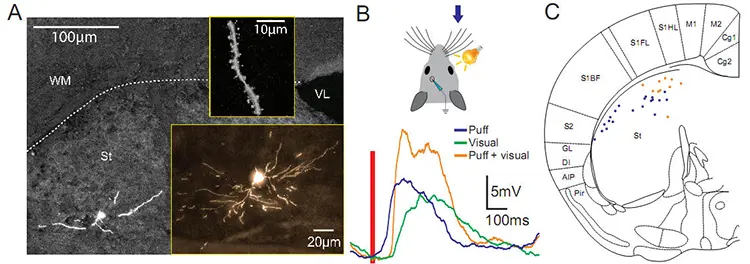
Gilad Silberberg is a Professor in the Department of Neuroscience at Karolinska Institutet, Stockholm. His research focuses on the functional organization of neuronal circuits in the basal ganglia and neocortex, particularly their roles in sensory and motor functions. He leads the Gilad Silberberg group, which employs electrophysiological, optical, and computational methods to study synaptic connectivity and microcircuit dynamics. Education: Docent (Associate Professor) at Karolinska Institutet (2011). Key research interests include striatal microcircuits, cortico-striatal pathways, and dopamine regulation. His work has been supported by grants from the Wallenberg Academy Fellowship (2012, 2017), Swedish Research Council, StratNeuro program, and EU Horizon 2020 (AND-PD project). Scientific achievements include identifying polysynaptic inhibitory pathways in the striatum, characterizing cortico-striatal sensorimotor interactions, and elucidating the role of astrocyte-derived neurons in striatal circuits. Awards include the Wallenberg Academy Fellowships for outstanding research contributions. Lab activities involve collaborations across multiple institutions, including Umeå University and Royal Institute of Technology. Ongoing projects explore bilateral sensorimotor processing, dopamine's impact on sensory integration, and the claustrum's role in functional modules. The lab also investigates mechanisms of bacterial brain invasion in meningitis and nicotine's effects on reward circuits. Key funding sources: Knut and Alice Wallenberg Foundation, Swedish Medical Research Council (VR-M), Hjärnfonden Key collaborations: StratNeuro Strategic Research Program, EU AND-PD consortium
Maria Antonietta Tosches is an Assistant Professor of Biological Sciences at Columbia University's Faculty of Arts and Sciences, where she leads the Tosches Lab focused on evolutionary neuroscience. Her research program bridges cell biology, developmental biology, and evolutionary neuroscience to investigate how neural cell types and circuits have evolved across vertebrates. Dr. Tosches' research interests span multiple interconnected fields: Cell, Developmental, and Stem Cell Biology Evolutionary Biology, Comparative Genomics and Population Genetics Molecular, Cellular, Developmental and Circuit Neuroscience Genomics, Computational and Systems Biology Her laboratory employs an evolutionary approach to understand the fundamental principles of brain organization and function across diverse vertebrate species. By studying non-traditional model organisms like salamanders, lizards, and lampreys alongside mammals, her work reveals both conserved and novel features of brain evolution. Much of her research utilizes cutting-edge single-cell RNA sequencing technology to create comprehensive molecular profiles of neural cell types across different species, allowing for detailed comparative analyses. Dr. Tosches' publications demonstrate a clear research trajectory examining how specific brain structures like the forebrain, amygdala, and olfactory cortex have evolved. Her work shows that mammalian brains retain molecular signatures of ancestral cell types while also developing new innovations. The most recent publications (2023-2025) expand this comparative framework to include comprehensive cellular atlases of entire brains across multiple species, revealing deep evolutionary conservation alongside species-specific adaptations. Her significant contributions to the field have been published in high-impact journals including Science, Nature, and Cell, establishing her as a leading researcher in evolutionary neuroscience. Dr. Tosches' work provides crucial insights into how complex brains have evolved from simpler ancestral forms, offering fundamental context for understanding the organization and function of the human brain.