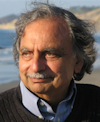
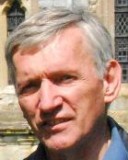
Farooq Azam is a Distinguished Professor of Microbial Oceanography at the Scripps Institution of Oceanography, University of California San Diego. He has held this position since 1996, following roles as Professor-in-Residence and Research Biologist at the same institution. His research focuses on marine microbial ecology, coral reef microbiology, microbial biogeochemistry, and the ocean carbon cycle. Azam earned his Ph.D. in microbiology from the Czechoslovak Academy of Science, Prague, and completed a postdoctoral fellowship at Stony Brook University. Affiliations: Scripps Institution of Oceanography, UCSD Key Roles: Long-term leadership in microbial oceanography research Research Interests: His work explores how marine microbes influence biogeochemical cycles, coral health, and organic matter dynamics. He has pioneered studies on microbial regulation of the ocean carbon cycle and the ecological roles of marine phages. Awards: Includes election to the American Academy of Arts and Sciences (2015), Tiedje Award (2004), and recognition as an ISI Highly Cited Researcher (2002). He holds an honorary doctorate from Linnaeus University (2004).
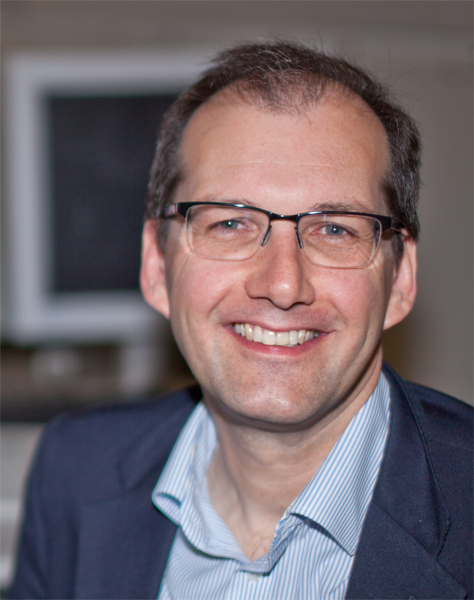
Professor Paul Midgley is a leading academic in Materials Science at the University of Cambridge's Department of Materials Science and Metallurgy, serving as Professor since 2007 and Head of Department from 2018–2020. He is a Fellow of Peterhouse College and holds multiple prestigious awards, including the Royal Society Fellowship and the Ernst Ruska Prize. Education: PhD in Physics (University of Bristol, 1991), MSc (Distinction) in Semiconductor Materials (1988), BSc (Hons) Physics (1987). Administration: Director of the Wolfson Electron Microscopy Suite, and active on various University committees including Research, Teaching, and REF. His research focuses on advanced electron microscopy techniques such as convergent beam diffraction, electron tomography, and nanostructure analysis, with applications in nanoscale materials science and 3D reconstruction using compressed sensing. He has pioneered methods like precession electron diffraction and multi-dimensional electron microscopy, contributing to fields like plasmonic nanoparticles and catalytic materials. Key Research Themes: Electron crystallography, nanomaterial characterization, energy materials, and defect analysis in perovskites. Midgley has delivered over 20 invited/plenary lectures globally, including at EUROMAT, the Welch Symposium, and the John Cowley Memorial Lecture. His grant income exceeds £16M as Principal Investigator. Labs/Teams: Leads the Wolfson Electron Microscopy Suite and collaborates internationally on microscopy advancements and materials innovation.
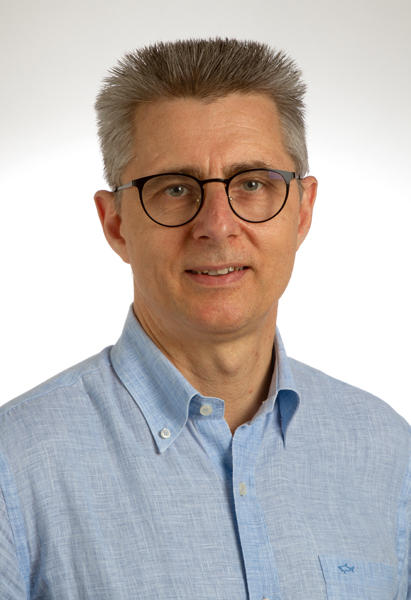
Professor Paolo Fornasiero is a Full Professor of Inorganic Chemistry at the University of Trieste, Department of Chemical and Pharmaceutical Sciences, where he has worked since 1998. He serves as Deputy Director of the department since 2021 and Scientific Responsible of the CNR Research Unit associated with the Institute of Chemistry of OrganoMetallic Compounds (ICCOM) since 2008. His career spans EU projects, bilateral collaborations with China, India, and Argentina, and leadership roles in journals like ACS Catalysis (Executive Editor since 2021). Full Professor (2016–present) Associate Professor (2006–2016) Assistant Professor (1998–2006) Post-Doc, University of Reading (1996–1997) His research focuses on multi-functional metal-oxide nanosystems for energy and environmental catalysis, including green hydrogen production , CO2 valorization , and methane emission control . He pioneered core-shell catalysts and single-atom systems for stability and selectivity. His work extends to solid oxide fuel cells and photocatalytic water depollution . Recent publications highlight trends in photothermal catalysis , single-atom catalysts , and CO2 electroreduction . His 280+ papers (3 in Science , 2 in Nature Communications ) reflect expertise across Environmental Catalysis , Nanomaterials , and Green Energy . 2022 Malatesta Medal 2021 European Academy of Sciences member 2017 Edoardo Kramer Award 2016 Heinz Heinemann Award 2013 Chiusoli Gold Medal He oversees PhD/postdoc advising and participates in global capacity-building via UNIDO and World Academy of Sciences . His lab collaborates with institutions like KAUST , Czech Academy of Sciences , and Dalian Institute of Chemical Physics .
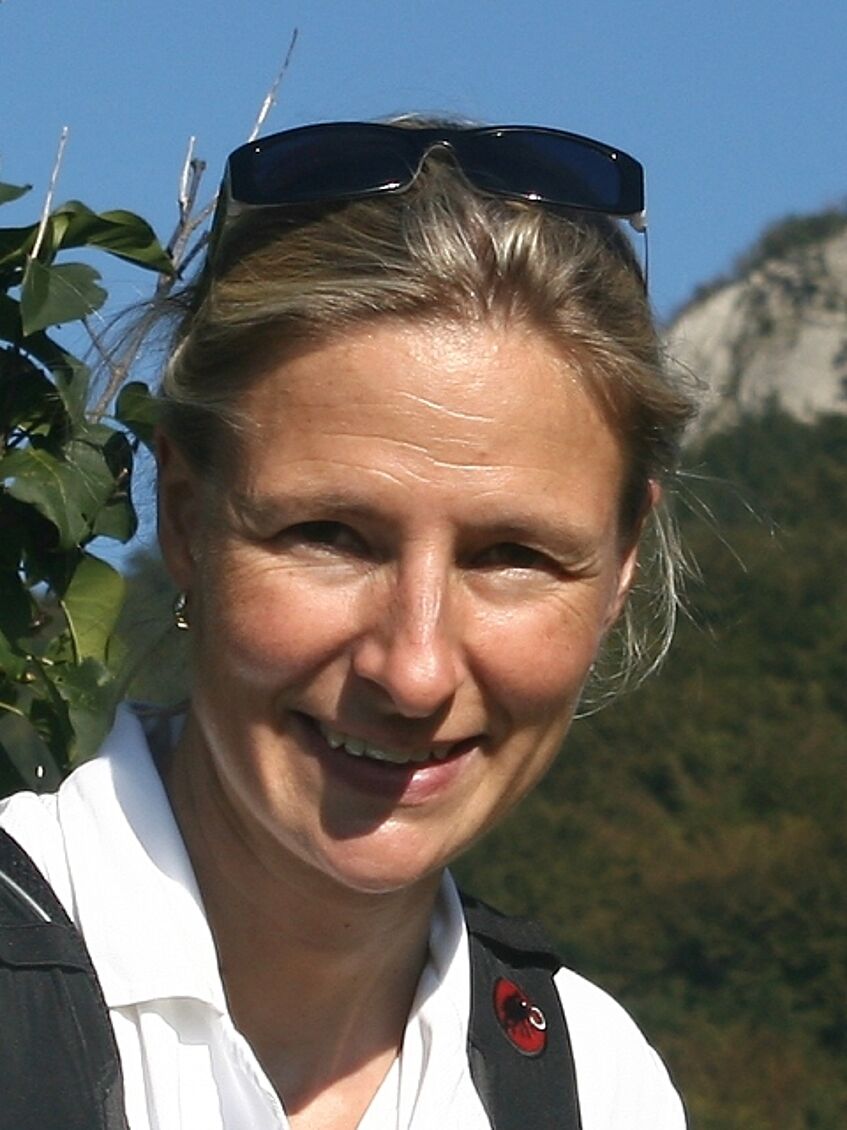
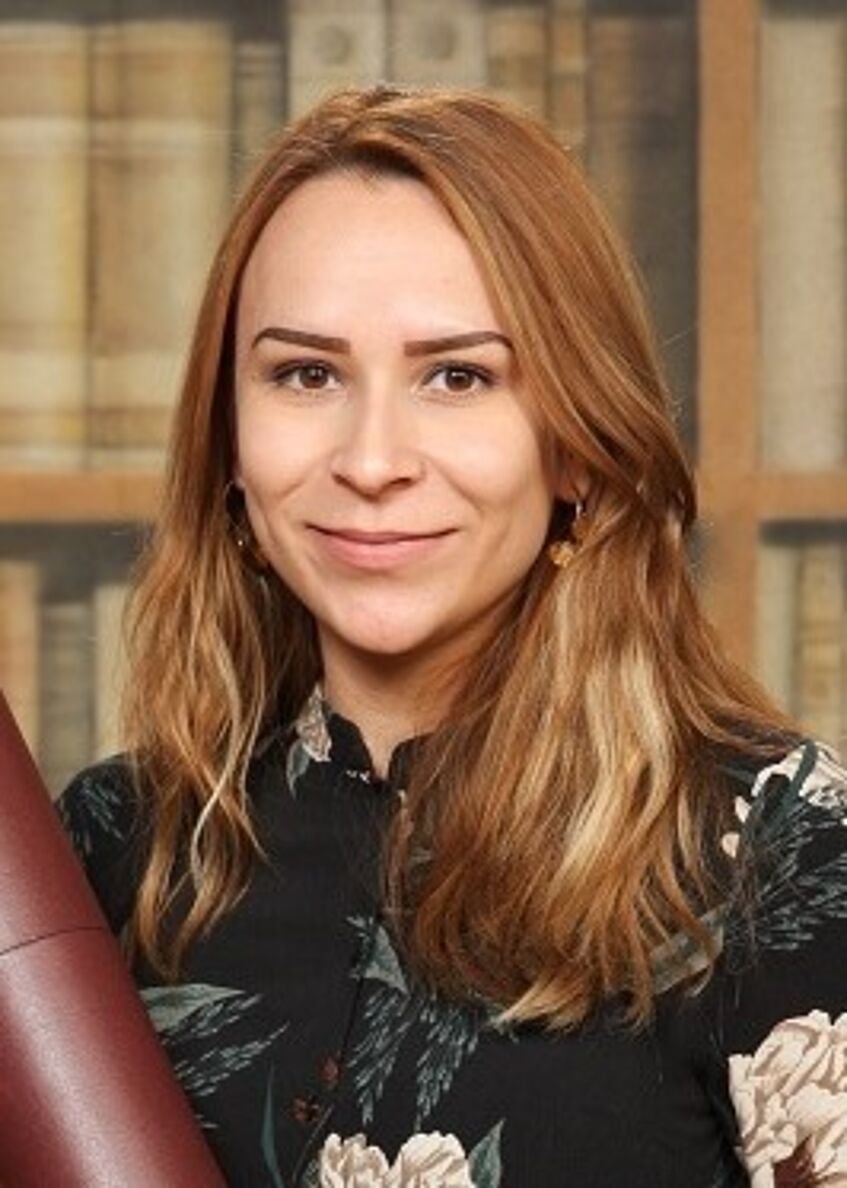
Jia Min Chin is an Associate Professor at the Faculty of Chemistry , affiliated with the Institute of Functional Materials and Catalysis . Her research focuses on advanced materials, particularly Metal-Organic Frameworks (MOFs), Gold nanoparticles, and N-Heterocyclic Carbene (NHC) chemistry, with applications in catalysis, environmental remediation, and sustainable technology. Her scientific work contributes to United Nations Sustainable Development Goals (SDGs) through innovations in functional materials and catalytic systems. Key projects include Breaking the ice – novel energy efficient hybrid de-icing systems and DYNAMOF: Electric Field Assisted Dynamic MOF Alignment , funded by major research grants. She received the prestigious ERC Grant in 2020 for her contributions to materials science. Chin's research spans MOF-based nanocomposites, photonic assemblies, and biomedical applications. Her publications highlight trends in Stimuli-responsive materials (electric/magnetic fields) Green catalytic systems Anti-icing and humidity-sensing coatings Cancer therapy platforms Scientific Awards ERC Grant (2020) She collaborates globally on cutting-edge topics like MOF alignment, nerve agent decomposition, and CO2 reduction, with recent activities including lectures at international conferences and workshops on material structuring.
University of Natural Resources and Life Sciences ViennaAustria
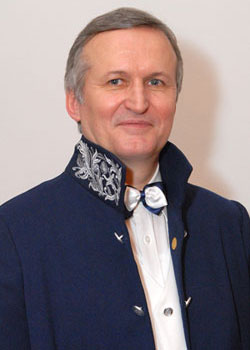
Alois Jungbauer is a full Professor and Head of the Institute of Biochemical Engineering at the University of Natural Resources and Life Sciences Vienna (BOKU), within the Department für Biotechnologie und Lebensmittelwissenschaften. He is a leading expert in bioprocess engineering, with a focus on downstream processing, continuous manufacturing, and sustainable biopharmaceutical production. Doctorate, University of Natural Resources and Life Sciences Vienna Habilitation, 1991 His research interests center on advanced purification technologies for biologics, including monoclonal antibodies, viral vectors, virus-like particles (VLPs), and gene therapy products. He is a pioneer in continuous integrated biomanufacturing, real-time process monitoring, and the development of platform processes for non-mAb proteins. His work integrates computational modeling, digital twins, and process intensification to improve efficiency and reduce environmental impact. He has made significant contributions to affinity chromatography, membrane adsorbers, and non-chromatographic separation methods. Recent publications highlight trends in continuous downstream processing, water conservation, in-situ buffer preparation, and the purification of complex biomolecules like secretory IgA and VLPs. His work spans both fundamental biophysical studies and industrial applications, reflecting a strong industry-academia interface. His scientific awards include: ISMR Thermo Fischer Award for Affinity Technologies (2011) Bia Separations Award (2000) Fulbright Award, Austrian-American Fulbright Commission (1996) Award of Japanese Society for Promotion of Science (1994) Golden Award 93 Professor Jungbauer actively supervises university theses and leads a dynamic research group. He has delivered numerous lectures and keynotes worldwide, indicating active engagement in knowledge transfer. His research is supported by ongoing projects and collaborations, with a strong emphasis on environmental and economic modeling of bioprocesses. He is affiliated with the Institute of Biochemical Engineering at BOKU, a hub for innovation in bioprocessing and industrial biotechnology.
Sabine Glasl-Tazreiter is a Lecturer at the University of Vienna's Faculty of Life Sciences , specifically within the Department of Pharmaceutical Sciences and its Division of Pharmacognosy . Her office is located in room 2E 412 on the 4th floor at Josef-Holaubek-Platz 2, Vienna, Austria (1090). Contact details include telephone number +43-1-4277-55207 and email sabine.glasl@univie.ac.at . Principal research focus: Phytochemistry & Biodiscovery Specialization: Secondary metabolites from ethnomedicinally used plants across Europe, Mongolia, and Latin America Key techniques: Isolation of bioactive compounds, structural elucidation, pharmacological evaluation Quality control expertise: Macroscopic/microscopic identification, chemical analytics Recent publications highlight her work in: 2024 - Development of the VOLKSMED Database for Austrian folk medicine wound healing plants 2025 - Advanced mucociliary clearance research in respiratory systems 2023 - Innovations in optoacoustic imaging technology 2019 - Structure-function analysis of phycobiliproteins for medical imaging 2017 - Phytochemical characterization of Latin American antidiabetic plants
Ulrich Lächelt is an Assistant Professor in the Department of Pharmaceutical Sciences at the Faculty of Life Sciences. His research focuses on nanoparticle technology, drug delivery systems, and gene therapy, with a particular emphasis on CRISPR/Cas9 genome editing and RNA-based therapeutics. He leads a project on nanoformulations of prime editing ribonucleoproteins (2025–2029), aiming to advance precision medicine. His work contributes to UN Sustainable Development Goals, particularly in health and innovation. Research Interests: Nanoparticle design and material science CRISPR/Cas9 delivery systems siRNA and mRNA therapeutic formulations Cancer-targeted drug delivery Biomedical engineering applications Publications (2025–2023): Highlighted studies include dual pH-responsive CRISPR delivery systems and accelerated endosomal escape mechanisms. His work spans 40+ peer-reviewed articles, with recent trends focusing on xenopeptide carriers and tumor-targeted therapies. Grants & Projects: Current research funding includes a nanoformulations project (2025–2029). He actively collaborates on international initiatives, with recent presentations at global conferences on CRISPR delivery and gene editing strategies. Labs/Teams: Involved in interdisciplinary teams developing novel drug delivery platforms and screening tools for prime editor RNPs.
Yuri Y. Gleba is a renowned academic scientist affiliated with the Institute of Cell Biology and Genetic Engineering at the Ukrainian Academy of Sciences in Kiev, Ukraine. As Founder and Director (1989–2010) and current Honorary Director, he has shaped plant biotechnology research through pioneering work in transient expression systems and molecular farming. Key Roles: Founder and Director of Institute of Cell Biology and Genetic Engineering (1989–2010), Honorary Director (2010–present) Research Interests Plant genetics , plant physiology , and biotechnology underpin his work in genetic engineering , viral vector systems , and transgenic plant applications . His innovations include the Magnifection platform for rapid plant-based vaccine production and methods for RNA silencing enhancement in molecular farming. Scientific Recognition includes membership in six international academies (World Academy of Arts and Science, Academia Europaea, Leopoldina, Ukrainian Academy of Sciences, Lithuanian Academy of Science, Bavarian Academy of Sciences) and prestigious awards like the Koerber Prize , A. von Humboldt Prize , and state prizes from the USSR and Ukraine. His work has appeared in top journals including Proceedings of the National Academy of Sciences USA and FEBS Letters . Publications : Gleba's 15 most recent articles (2004–2010) focus on plant biotechnology applications, viral vector engineering, and molecular farming. Key trends include plant-based pharmaceutical production , transient expression systems , and transgene containment strategies . Laboratory and Collaborations : Founded and led the Institute of Cell Biology and Genetic Engineering, fostering international collaborations in plant biotechnology and genetic engineering research.
Dr. Monika Neuffer is a Senior Scientist at the Institute for Chemistry Education, University of Vienna. She holds a BSc and MSc in Chemistry from the University of Vienna and earned her Dr. rer. nat. (natural sciences doctorate) in 2021. Her research focuses on molecularly imprinted polymers, chemical sensors, and nanotechnology applications in environmental monitoring and material science. Education: Bachelor's in Chemistry (2011–2015) Master's in Chemistry (2015–2018) PhD in Natural Sciences (2018–2021) Research Interests: Monika specializes in developing polymer-based sensors for detecting nanoparticles and environmental contaminants. Her work emphasizes systematic approaches to molecular imprinting, surface characterization, and real-time monitoring systems. She leads the chemistry didactics research laboratory, integrating educational innovation with cutting-edge analytical techniques. Professional Background: Senior Scientist, Institute for Chemistry Education (2025–present) QC Specialist at DSM-Firmenich (2021–2025) Research Associate/Doctoral Student at Institute of Physical Chemistry (2018–2021) Lecturer/Tutor in Analytical Chemistry and Practical Courses (2015–2021) Labs & Teams: Head of the chemistry didactics research laboratory, focusing on curriculum development and hands-on experimental methods for teaching chemistry. Collaborates on projects like the Children's University curriculum.
Prof. Chunli Bai is a distinguished academic leader serving as President of the Chinese Academy of Sciences (CAS) since 2011 and President of TWAS (The World Academy of Sciences) since 2013. He previously led the University of Chinese Academy of Sciences (UCAS) from 2001-2014 and directed the National Center for Nanoscience and Technology (2003-2008). His research focuses on nanotechnology, molecular self-assembly, scanning probe microscopy, and catalyst characterization. Education highlights include a Research Associate position at the California Institute of Technology (1985-1987) and Visiting Professorships at Tohoku University (1991-1992). He has held progressively senior administrative roles within CAS since 1996, culminating in his current presidencies. Research interests emphasize nanomaterials synthesis, STM-driven structural analysis, and molecular-level surface interactions. His work bridges fundamental nanoscience with applied technologies, particularly in catalytic systems and nanodevice development. Prof. Bai has received over 15 major international honors including membership in 8 national academies, 6 honorary doctorates, and prestigious medals from UNESCO and the National Academy of Sciences (USA). He authored/co-authored influential books on nanotechnology and pioneered China's nanoscience advancement through visionary leadership. His extensive network includes global collaborations through TWAS and CAS, driving scientific capacity development in developing countries. Leadership in major institutions has positioned him as a pivotal figure in both Chinese and global scientific communities.
Ion Tiginyanu is a prominent materials scientist and academic leader. Currently serving as President of the Academy of Sciences of Moldova since 2019, he previously held roles including Vice-President (2012-2019), and has been Director of the National Center for Materials Study and Testing at Technical University of Moldova since 2001. His academic career includes visiting professorships at the University of Michigan (USA) and Technical University Darmstadt (Germany). He holds a Doctor Honoris Causa from Gheorghe Asachi Technical University and is a Fellow of SPIE. Education: Graduated Moscow Institute of Physics and Engineering (1978), PhD in Semiconductor Physics from Lebedev Institute (1982), Habilitation from Institute of Applied Physics (1991), and became Full Professor in 1993. Research focuses on nanotechnologies, metamaterials, and nanoarchitectures with applications in photonics, electronics, and biomedical engineering. His work produced over 400 publications (H-index 42) and 52 patents. Key achievements include developing novel semiconductor compounds and aero-materials for electromagnetic applications. Grants & Awards: Over 20 major recognitions including National Prize in Science (2004), WIPO 'Outstanding Inventor' (2011), and Honorary Doctorates from Romania/Japan. Labs: Leads the National Center for Materials Study and Testing, and collaborates internationally with institutions like TU Darmstadt and University of Michigan.
University of Natural Resources and Life Sciences ViennaAustria
Assoc. Prof. Dietmar Pum is a leading researcher at the Institute of Biophysics, University of Natural Resources and Life Sciences, Vienna (BOKU). With a career spanning over three decades, he has pioneered work on S-layer proteins as nanobiotechnological tools and biomimetic surface functionalization. His research bridges microbiology, biophysics, and nanomaterials science. Education & Career Doctorate (1984) and Habilitation (1992) at Vienna University of Technology Awarded FEBS (1987) and EMBO (1982) fellowships Assoc. Univ. Prof. since 1997, Deputy Head of Biophysics Institute since 2014 Research Focus Dr. Pum's work centers on leveraging S-layer proteins for nanoscale fluid mechanics , molecular imprinting , and biohybrid materials . His projects explore: Self-assembly of 2D protein crystals Functionalization of carbon nanotubes Biomimetic sensor development Applications in diagnostics and environmental technology Publication Trends His recent publications (2025-2019) highlight interdisciplinary advancements in: Nanoscale biofluid dynamics Gold nanoparticle synthesis via microbial enzymes Archaeal S-layer characterization Protein-directed nanomaterials Biosensor platforms Lipid quantification via machine learning Scientific Recognition Philip Morris Research Prize (1998) Cardinal Innitzer Prize (1992) ÖAGM Prize (1986) Peer reviewer for Nature Materials , Advanced Materials , and Biophysical Journal Advising & Collaborations Dr. Pum has supervised over 15 theses, mentoring students in topics ranging from Caenorhabditis elegans imaging to nanomembrane fabrication. He leads international collaborations under EU Horizon and FWF grants, including the Stimuli Responsive Materials project (2020-2025). Labs & Networks As a core member of BOKU's Center for NanoBiotechnology and the Ludwig Boltzmann Institute for Molecular Nanotechnology , he develops bioinspired nanomaterials and contributes to global programs in molecular self-assembly.
Dr. Ajay V. Singh is an Associate Professor in the Department of Aerospace Engineering at the Indian Institute of Technology Kanpur, India. He leads the Combustion and Propulsion Laboratory and has established himself as a leading researcher in combustion science and propulsion technology in India. His work on detonation physics has positioned IIT Kanpur at the forefront of this field with the unveiling of "India's First Detonation Tube Research Facility". Dr. Singh's educational background includes: PhD in Mechanical Engineering from University of Maryland, College Park (2015) M.Tech in Aerospace Engineering from Indian Institute of Technology Kanpur (2008) B.Tech in Mechanical Engineering from U.P. Technical University, Lucknow (2006) His research spans fundamental and applied aspects of combustion science with particular focus on high-speed propulsion systems, detonation cycle engines, gas turbine combustion, soot formation and oxidation, flame-synthesized functional nanoparticles, and fire dynamics. His innovative work bridges theoretical understanding with practical applications in aerospace propulsion, energy systems, and fire safety engineering. The media has widely covered his research, with features in India Today, Times of India, Hindustan Times, and Republic Bharat. Dr. Singh's publication record shows a clear trend toward increasingly sophisticated detonation research and fire dynamics studies, with recent work focusing on turbulent wind-driven flames, detonation inhibition mechanisms, and alternative fuel combustion. His articles consistently address challenges in high-speed propulsion and fire safety, demonstrating both theoretical depth and practical relevance. His scientific contributions have been recognized with numerous prestigious awards including the Distinguished Paper Award from the Combustion Institute (the only faculty member in India to receive this honor), a nomination for the Silver Combustion Medal, multiple Best Paper Awards, and the Exemplary Performance in Teaching Award. As an educator and mentor, Dr. Singh has guided numerous PhD and Master's students through their research. His Combustion and Propulsion Laboratory is supported by multiple research grants from agencies including ISRO, ARDB, SERB, and ANRF. He has developed specialized courses including "Explosion and Detonation Physics," which is the first of its kind at IIT Kanpur. Dr. Singh's laboratory serves as a hub for cutting-edge research in combustion science, featuring India's first Detonation Tube Research Facility and advanced experimental setups for studying flame dynamics, soot formation, and detonation physics. His international collaborations include institutions such as Stanford University, University of Maryland, Peking University, and Beijing Institute of Technology.
Harald Pichler is an Associate Professor and Team Leader at the Institute of Biotechnology (IMBT) at Graz University of Technology. His research focuses on membrane biology, enzyme engineering, and industrial biotechnology using yeast systems like Pichia pastoris . Key projects include engineering microbial membranes for protein secretion, optimizing biocatalysts for terpenoid synthesis, and studying lipid interactions with membrane proteins. Collaborations with companies like DSM and LONZA highlight industrial applications of his work. Research interests span microbial membrane modifications, sterol biosynthesis, and metabolic engineering for producing valuable metabolites. Major contributions include developing yeast strains for high-throughput screening of terpenoids and engineering hydratases for biocatalytic applications. His team also explores protein secretion pathways and membrane protein expression in yeasts, with patent filings for key genetic targets. Current projects involve lipid raft dynamics, SARS-CoV-2 spike protein interactions with membranes, and low-cost cell culture media alternatives. Collaborations with academic partners like the University of Geneva and Wageningen University emphasize interdisciplinary approaches. Publications frequently address membrane biophysics, enzyme mechanisms, and yeast strain engineering, reflecting a blend of fundamental and applied research.
Institute of Science and Technology AustriaAustria
Antoine Aubret is a postdoctoral fellow at the University of California San Diego, working in the Soft Condensed Matter Lab under Pr. Jeremie Palacci. His research focuses on self-assembly and self-organization in active micro-particle systems. PhD in Physics (2015), Université Claude Bernard Lyon 1, with advisors Pr. Christophe Dujardin and Pr. Joel Bellessa Expertise in nano-optics and non-equilibrium soft matter physics Develops custom microscopes with optical tools for colloidal architecture manipulation Recent work includes experimental studies on dissipative structures and interfacial transport in active matter systems. Publications span journals like Nature Physics , Soft Matter , and ChemPhysChem .