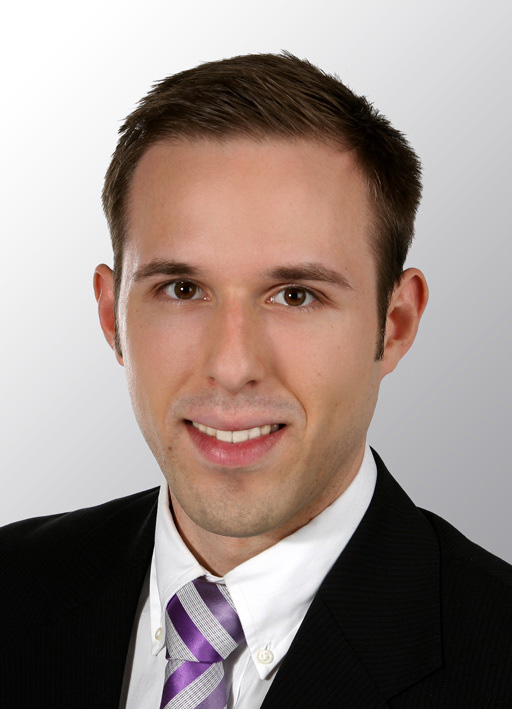
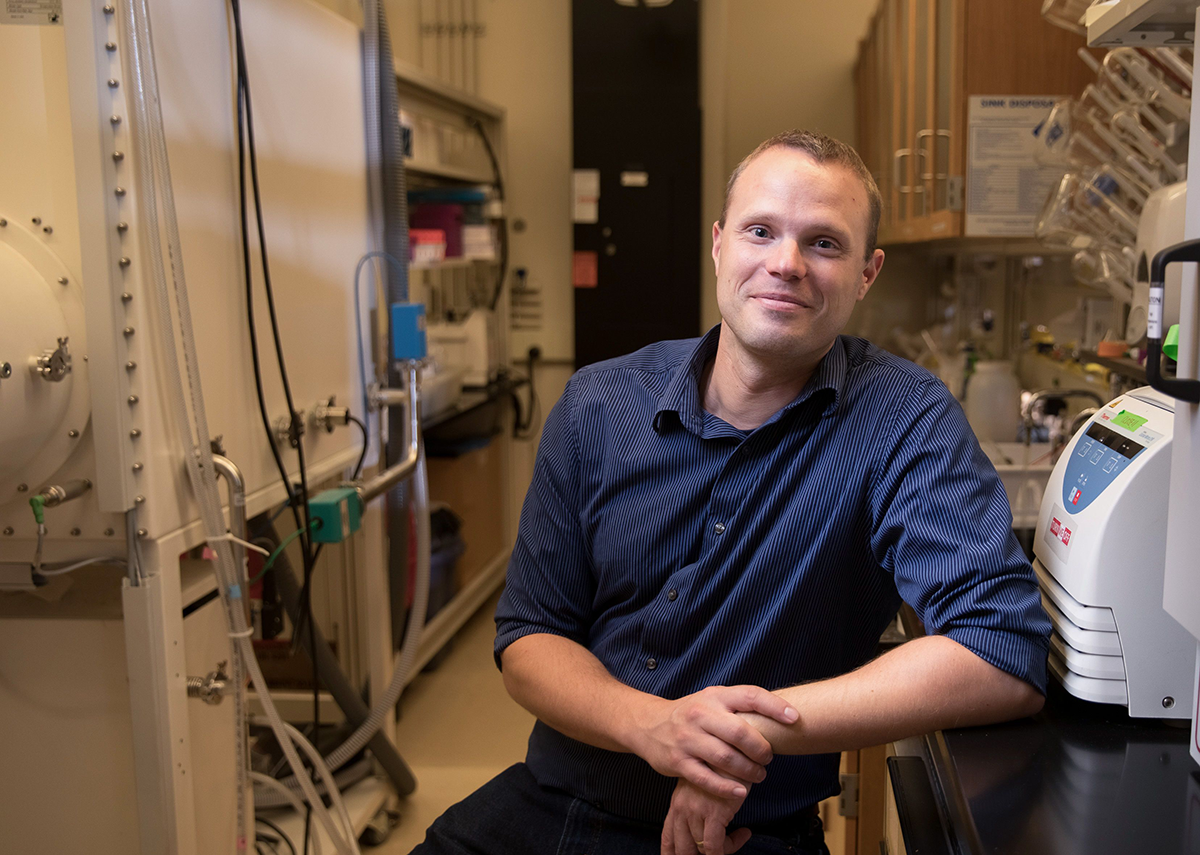
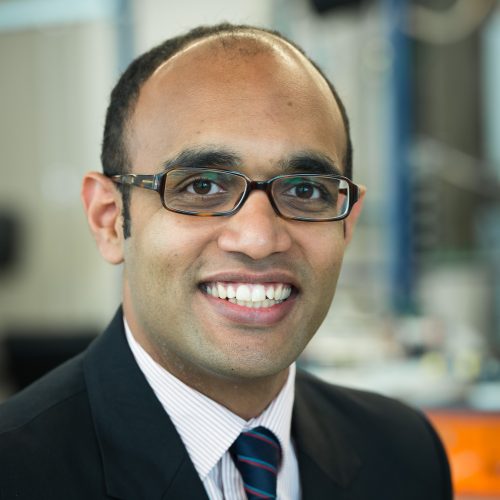
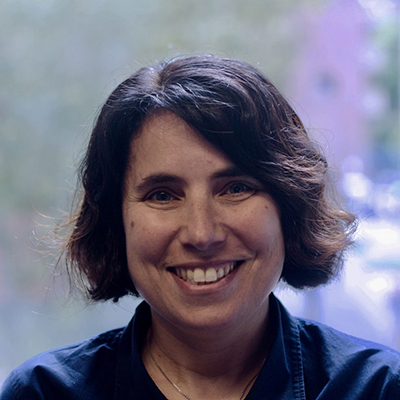
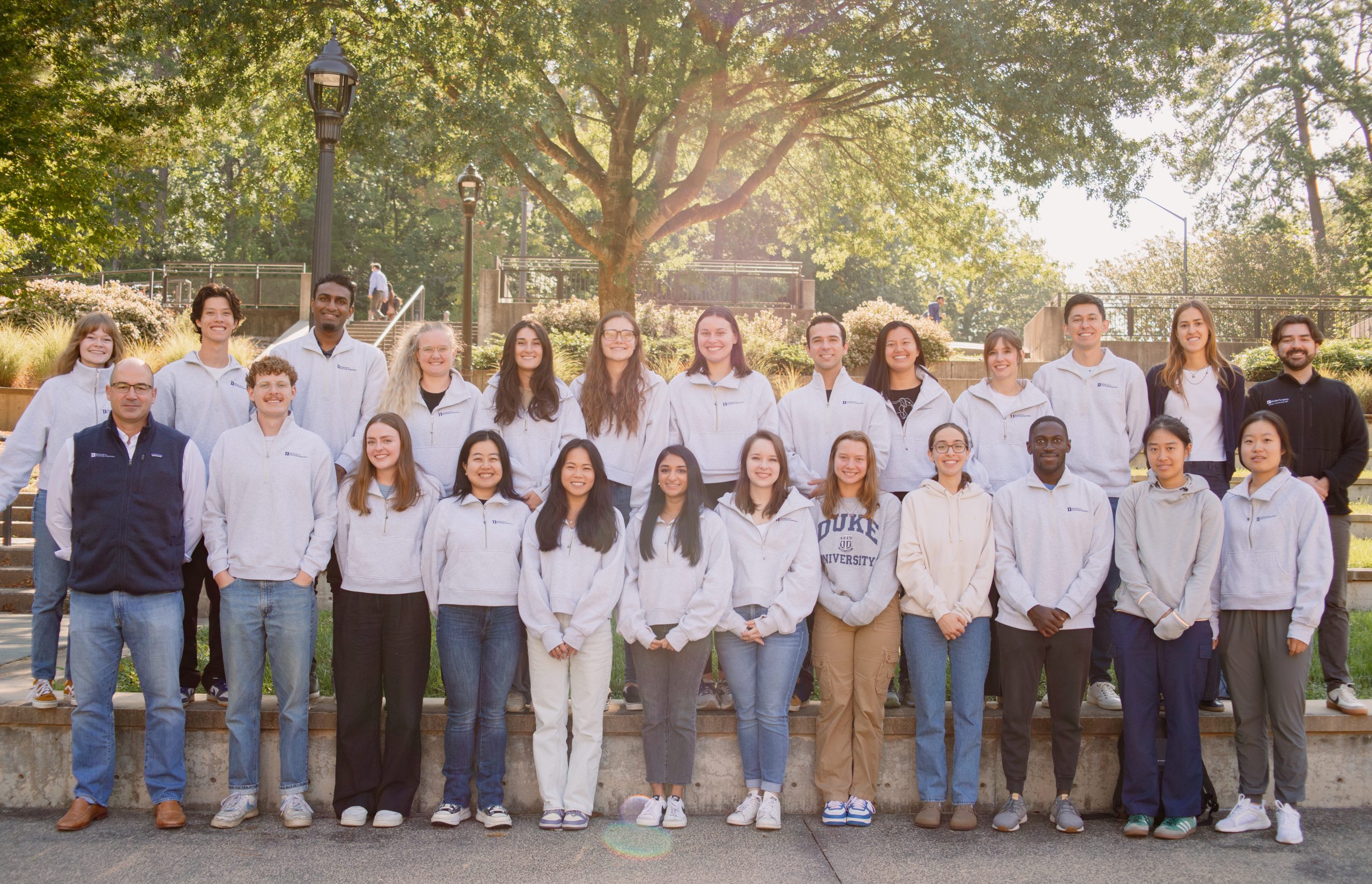
Prof. Kai S. Exner is a Professor of Theoretical Inorganic Chemistry at the University of Duisburg-Essen's Faculty of Chemistry and a member of the Zentrum für Medizinische Biotechnologie (ZMB). His research focuses on electrocatalysis , particularly optimizing electrode materials for energy applications such as batteries, electrolyzers, and fuel cells. He employs computational methods like ab initio calculations and microkinetic modeling to bridge theoretical insights with experimental and industrial applications, emphasizing sustainable catalyst design without relying on noble metals. His work integrates basic research with applied medical biotechnology through ZMB collaborations, though his primary affiliation lies in the Faculty of Chemistry. Exner has pioneered concepts like the electrochemical-step asymmetry index and free-energy span model, which are critical for screening electrocatalysts. His research group, 'Theoretical Inorganic Chemistry,' actively explores mechanisms behind oxygen and chlorine evolution reactions, emphasizing selectivity control and reaction pathway complexity. Exner received the Gottschalk-Diederich-Baedeker-Preis (2024) for advancing the energy transition through foundational electrocatalysis research. He leads Aktuelles Projekt funded by third-party grants and collaborates with facilities like the Analytics Core Facility Essen (ACE) and Imaging Center Campus Essen (ICCE). His advisory role focuses on guiding theoretical and computational approaches in electrochemistry, and he has established a reputation for interdisciplinary research connecting computational chemistry with practical energy solutions.
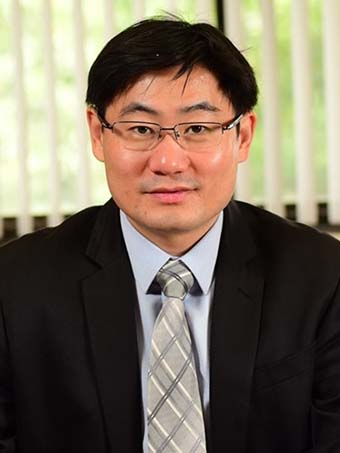
Professor CHEN Wei (National University of Singapore) holds the Provost's Chair Professorship (2023-2026) and serves as Vice-Dean (Research) with joint appointments in the Departments of Chemistry and Physics. His research focuses on molecular-scale interface engineering for 2D materials-based devices and interface-controlled nanocatalysis in energy/environmental applications. PhD in Material Science, NUS (2004) Lee Kuan Yew Research Fellow (2006-2008) Established Surface and Interface Lab (2009) Director, NUS Research Institute (Fuzhou) His work on 2D optoelectronic memory (Nat. Comm. 2018), Kagome lattice design (Nano Lett. 2020), and single-atom catalysis (Nat. Comm. 2021) has been recognized by multiple high-impact publications and the Clarivate Highly Cited Researcher status (2017-2021). Awards include the NRF Investigatorship (2023) , Mitsui Chemicals-SNIC Industry Award (2020) , and Singapore Young Scientist Award (2012) . Grants from NUS, Singapore MOE, CREATE/CRP programs, and A*STAR support his exploration of interface engineering for neuromorphic computing and energy-efficient nanocatalysts . Current projects include monolayer blue phosphorus synthesis and solid electrolyte interphase engineering for lithium batteries.
Massachusetts Institute of TechnologyUnited States
Bradley Olsen is a Professor of Chemical Engineering at the Massachusetts Institute of Technology (MIT), holding the Alexander and I. Michael (1960) Kasser Chair in Chemical Engineering. He is affiliated with MIT's School of Engineering and directs research in the Plastics and the Environment Program. His academic career spans over two decades with numerous prestigious appointments and recognitions. Olsen earned his S.B. from MIT in 2003 followed by a Ph.D. from the University of California Berkeley in 2007. His educational background is complemented by postdoctoral fellowships including NIH and Beckman Institute Postdoctoral Fellowships (2008-2009) and the Hertz Fellowship (2003-2007). Research Interests Professor Olsen's research focuses on designing materials to address important challenges while understanding the fundamental science necessary for materials design. His primary research areas include block copolymers, soft condensed matter physics, protein-based materials, and bioelectronics. His group specializes in polymer networks, protein-polymer conjugates, self-assembly phenomena, and sustainable polymer development. The research has significant implications for biomaterials, sustainable polymers, and advanced materials design. Publication Trends Analysis of Professor Olsen's recent publications reveals a strong focus on polymer network topology, protein-polymer conjugates, and sustainable materials. His work increasingly integrates computational methods with experimental approaches, particularly in polymer characterization and data science applications to materials science. Recent publications show growing emphasis on biodegradable polymers, polymer informatics, and biomedical applications of advanced materials. Scientific Recognition Professor Olsen has received numerous prestigious awards throughout his career, including: American Physical Society (APS) Fellow (2023) Fulbright Amazonia Scholar (2023) Alexander and I. Michael Kasser Chair in Chemical Engineering (2021) ACS Macro Letters/Biomacromolecules/Macromolecules Young Investigator Award (2021) AIChE Owens Corning Early Career Award (2019) American Physical Society Dillon Medal (2018) Alfred P. Sloan Research Fellow in Chemistry (2014) Advising and Funding Professor Olsen has secured significant research funding from multiple federal agencies including NSF, NIH, AFOSR, and DOE. His group has produced numerous high-impact publications across top journals in polymer science, materials science, and chemistry. He has advised multiple graduate students and postdoctoral researchers who have gone on to successful careers in academia and industry. The MIT OGE's Committed to Caring Honor (2019) recognizes his excellence in graduate student mentoring. Research Infrastructure Professor Olsen leads a research group with capabilities spanning polymer synthesis, protein engineering, materials characterization, and computational modeling. His lab maintains strong collaborations with other MIT departments, national laboratories, and international research institutions. The group participates in several interdisciplinary initiatives including the Plastics and the Environment Program and has developed significant data infrastructure for polymer science through projects like CRIPT and BigSMARTS.
Hai-Quan Mao is a Professor of Materials Science and Engineering at Johns Hopkins University, with a joint appointment in the Biomedical Engineering Department (School of Medicine). He directs the Institute for NanoBioTechnology (INBT) and leads the Translational Tissue Engineering Center. His research focuses on biomaterials, regenerative engineering, and immunoengineering, particularly developing nanomaterials for therapeutic delivery and tissue regeneration. Mao holds 35 U.S. patents, co-founded two biotech companies, and received prestigious awards including National Academy of Inventors Fellow and NSF CAREER Award. Education: BS in Chemistry (1988) and PhD in Polymer Chemistry (1993) from Wuhan University. Postdoctoral training at Johns Hopkins (1995–1998), followed by roles at Johns Hopkins Singapore (1999–2003) before joining the Whiting School faculty. Research emphasizes nanofiber scaffolds for liver/nerve regeneration, DNA/lipid nanoparticle engineering for gene therapy, and artificial lymph node matrices for immunotherapy. His lab translates biomaterials innovations into clinical applications, with NIH-funded projects addressing cancer, malaria, and tissue damage. Awards include over 60 provisional patents, multiple Johns Hopkins translational awards, and Thalheimer Awards for research. He serves as associate editor of Biomaterials and editorial board member of major journals. Lab activities include scalable nanoparticle manufacturing, machine learning for material design, and collaborations with industry/clinical partners. Recent work includes lipid nanoparticle optimization for mRNA vaccines and exosome-based therapies for Crohn’s disease.
Irene Taurino is an Assistant Professor (tenure track) in the Faculty of Engineering Science at KU Leuven, affiliated with the Department of Physics and Astronomy and the Department of Electrical Engineering (ESAT). She leads the Laboratory of Electrochemical Materials and Bio Interfaces (eMATI), focusing on nano- and microtechnologies for biomedical applications. Her work emphasizes developing advanced electrochemical systems for therapeutic and sensing purposes, including biodegradable platforms and stretchable substrates. Research Interests: Electrochemistry, Nanotechnology, (Bio)sensing, Drug delivery, Bimetals/Metal Oxides, and Smart materials. Projects include HumiPlast (plant transpiration sensors), QuantPAH (firefighter health monitoring), and TALENT (thin-film deposition technologies). She holds leadership roles in Leuven One Health, LIMNI, and the Plant Institute. Advising & Grants: Promotes/Co-promotes 10+ projects on biosensors, CO2 electroreduction, and smart farming. Key roles in funding initiatives like EU Horizon and industry partnerships. Labs/Teams: Heads eMATI, fostering interdisciplinary research in bioelectronics and soft materials. Emphasizes creativity and translational research from fundamental science to practical applications.
Massachusetts Institute of TechnologyUnited States
Bradley D. Olsen is a full professor in the Department of Chemical Engineering at the Massachusetts Institute of Technology (MIT), where he leads research at the intersection of polymer science, soft matter physics, and bioengineering. His work focuses on designing materials for critical applications in biotechnology, hemostasis, and sustainable polymer development while advancing fundamental understanding of polymer network mechanics and self-assembly. Education: Ph.D. in Chemical Engineering, University of California Berkeley (2007) S.B. in Chemical Engineering, Massachusetts Institute of Technology (2003) Olsen's research spans protein-based materials, block copolymer phase behavior, and mechanochemical hydrogels. He has pioneered methods for quantifying polymer network topology, developing hemostatic nanoparticles, and creating bio-inspired materials for selective biomolecular transport and medical applications. His recent publications emphasize data-driven approaches to polymer characterization and educational outreach in materials science. Scientific Awards: American Physical Society (APS) Fellow (2023) Fulbright Amazonia Scholar (2023) Alexander and I. Michael Kasser Chair in Chemical Engineering (2021) ACS Macro Letters Young Investigator Award (2021) MIT Committed to Caring Honor (2019) AIChE Owens Corning Early Career Award (2019) APS Dillon Medal (2018) Kavli Emerging Leader in Chemistry (2017) ACS Polymer Division Fellow (2016) Camille Dreyfus-Teacher Scholar (2015) Alfred P. Sloan Research Fellow (2014) NSF Career Grant (2013) NIH Postdoctoral Fellowship (2008-2009) Hertz Fellow (2003-2007) Barry M. Goldwater Scholarship (2002) Olsen has received significant grant support including NSF Career (2013) and AFOSR (2012) awards. His teaching activities include innovative international outreach like the 2025 soccer-themed science camp in Brazil. The Olsen Group at MIT explores advanced materials with applications ranging from trauma care to sustainable polymers.
Vikramaditya G. Yadav is an Associate Professor at the University of British Columbia (UBC) in the Department of Chemical and Biological Engineering, Faculty of Applied Science. He directs the Master of Engineering Leadership (MEL) Program in Sustainable Process Engineering and leads the BioFoundry research group. Education: B.A.Sc., University of Waterloo (2007) Ph.D., Massachusetts Institute of Technology (2013) Postdoctoral Associate, Harvard University (2014) His research spans sustainable chemical manufacturing, metabolic engineering, and biotechnology. Key areas include: Designing biosynthetic enzymes for biomass valorization Developing bioremediation strategies for industrial water quality Creating innovative drug delivery systems and tissue engineering solutions Advancing synthetic biology for pharmaceutical and bioenergy applications His recent work focuses on ocular drug delivery, cannabinoid biosynthesis in E. coli, lignin-based nanoparticles for cancer therapy, and computational analysis of plant secondary metabolites. Collaborations with start-ups, industry, and medical labs drive innovation in Canada's bioeconomy. Professional Leadership: Chair, Biotechnology Division of the Chemical Institute of Canada Associate Editor, The Canadian Journal of Chemical Engineering He is affiliated with UBC's BioProducts Institute and contributes to project-based learning pedagogy.
Cherie Kagan serves as the Stephen J. Angello Professor at the University of Pennsylvania, holding primary appointment in the Department of Electrical and Systems Engineering within the School of Engineering and Applied Science, with secondary appointments in Chemistry and Materials Science and Engineering. Her interdisciplinary research bridges chemistry, materials science, and electrical engineering to develop novel functional materials and devices that integrate optical, electrical, magnetic, mechanical, and thermal properties. Professor Kagan's research group combines the flexibility of chemical synthesis and bottom-up assembly with top-down fabrication techniques to design innovative nanomaterials. They employ advanced characterization methods including spatially- and temporally-resolved optical spectroscopies, AC/DC electrical measurements, electrochemistry, and various microscopy techniques. Her recent work demonstrates particular strength in colloidal nanocrystals and quantum dots for applications in quantum information science, sensing technologies, and energy conversion devices. Scientific Recognition Induction to the American Academy of Arts and Sciences (2025) IEEE Fellow (2024) for contributions to colloidal nanocrystals and their integration in optical and electronic devices George H. Heilmeier Faculty Award for Excellence in Engineering (2024-25) Humboldt Research Award Fellowship (2024) MRS Fellow for distinguished research accomplishments in materials science National Academy of Inventors Fellow for innovation in nanomaterials Professor Kagan actively mentors PhD students across multiple departments, with recent graduates including Gary Chen, Chavez Lawrence, and Shobhita Kramadhati. Her research is supported by significant grants including the IoT4Ag project focused on precision agriculture sensing systems. She maintains active collaborations with Nobel Laureate Moungi Bawendi, her former PhD advisor at MIT, and works with institutions including the Max-Planck Institute for Chemical Physics of Solids through her Humboldt Fellowship. The Kagan Research Group operates comprehensive facilities for nanomaterials synthesis, characterization, and device fabrication, combining expertise across chemistry, physics, and engineering disciplines. Current team members include PhD students from Electrical and Systems Engineering and Chemistry departments, postdoctoral researchers like Anamika Singh and Akhila Mallavarapu, and undergraduate researchers supported through programs like CURF.
Robert J. Hamers is a Professor of Chemistry and the Steenbock Professor of Physical Science at the University of Wisconsin-Madison . He serves as the Director of the Center for Sustainable Nanotechnology , a multi-institutional collaboration, and is a Senior Editor for Accounts of Chemical Research . Additionally, he co-founded the startup Silatronix, Inc. and leads the ACS/UW-Madison Bridge to the Chemistry Doctorate Program . B.S. in Chemistry, University of Wisconsin-Madison (1980) Ph.D. in Chemistry, Cornell University (1986) Hamers' research focuses on surface chemistry, nanotechnology, and renewable energy , with specific interests in electrochemical energy storage, photoelectron emission mechanisms, and environmental impacts of nanomaterials . His group develops ultra-stable surface chemistries for energy devices and investigates charge-transfer processes at material interfaces . Recent publications highlight advances in diamond-based materials , organosilicon electrolyte additives , and environmental fate of nanomaterials . Scientific recognitions include the Wisconsin Distinguished Professor title. His work bridges fundamental surface science with applied technologies through collaborations with academic institutions, national laboratories, and industry partners like Dow Chemical . The Hamers Group actively trains graduate students and postdoctoral researchers in multidisciplinary approaches.
Matthew L Becker is the Hugo L Blomquist Distinguished Professor of Chemistry at Duke University, with additional appointments in Mechanical Engineering and Material Science, and Biomedical Engineering. His research focuses on polymer chemistry, bioconjugate chemistry, molecular imaging, additive manufacturing, and degradable materials for bone, soft tissue, neural, and vascular tissue engineering. Education: B.S. from Northwest Missouri State University (1998), M.A. (2000) and Ph.D. (2003) from Washington University in St. Louis Research interests include developing tunable degradable polymers for flexible electronics, tissue engineering (bone, neural, vascular), and additive manufacturing. His group is pioneering 3D printing of bioresorbable medical devices and custom inks for biomaterials. Recent work explores stereochemistry-dependent polymer properties, mechanochromism, and machine learning-driven biomaterials design. Key applications: Drug delivery systems Biodegradable adhesives Tissue regeneration scaffolds Scientific honors include: Fellow, National Academy of Inventors (2022) Fellow, American Chemical Society (2020) Carl S. Marvel Award in Creative Polymer Chemistry (2019) Fellow, American Institute for Medical and Biomedical Engineering (2018) Fellow, Royal Society of Chemistry (2017) Biomacromolecules/Macromolecules Young Investigator Award (2015) He teaches advanced courses in mechanical engineering and polymer chemistry, with a focus on 3D printing and biomaterials. His group has developed novel medical devices including resorbable suture anchors, hernia mesh coatings, and neuroprosthetic scaffolds.
Catherine Pinel is a Research Director (DR2) at the Institute for Research on Catalysis and Environment of Lyon (IRCELYON, UMR 5256), a joint research unit of the French National Center for Scientific Research (CNRS) and Claude Bernard University Lyon 1. She has held this senior research position since October 2008, following progression from CR1 (1998-2008) and CR2 (1994-1998) roles at the same institution. Her academic journey includes postdoctoral research at Cambridge University (1992-1993) under Professor S.V. Ley and with Professor M. Lemaire (1993-1994). Her educational foundation includes: Diplôme Universitaire de Technologie in Chemistry from Paris XI University (1986) Engineering Degree from École Nationale Supérieure de Chimie de Paris (1989) Advanced Studies Diploma in Organic Chemistry from Paris VI University (1989) PhD in Organic Chemistry from Paris VI University (1992) on chiral ruthenium complexes and enantioselective reductions Habilitation à diriger des recherches from Lyon I University (1999) on catalysis and fine chemistry Dr. Pinel's research pioneers sustainable catalytic processes with emphasis on biomass valorization, green chemistry, and heterogeneous catalysis. Her work bridges fundamental catalyst design with industrial applications, particularly in hydrogenation, oxidation, and biorefinery processes. Current focus areas include catalytic conversion of biomass-derived platform molecules (glucose, succinic acid, polyols), development of bimetallic catalysts, and valorization of hemicellulose streams. Her approach integrates advanced catalyst characterization with reaction engineering to create environmentally benign chemical transformations. Analysis of her recent publication trajectory (2019-2025) reveals evolving expertise from fundamental organometallic chemistry toward applied sustainable catalysis. Key trends include increasing focus on biomass-derived feedstocks (glucose, succinic acid, polyols), development of metal-carbide/nitride catalysts, and optimization of aqueous-phase reactions for industrial biorefineries. Her work demonstrates strong interdisciplinary collaboration across catalysis, materials science, and green chemistry, with growing emphasis on circular economy principles and renewable chemical production. No scientific awards were explicitly mentioned in the source materials. Dr. Pinel actively contributes to academic training through graduate instruction at University of Lyon (Master 2 'Catalysis and Physical Chemistry' since 2007) and University of Savoie (M2 courses in New Catalysts in Organic Chemistry since 1999 and Coordination Chemistry since 2012). While specific grant details aren't provided, her extensive publication record across high-impact journals indicates sustained research funding. She maintains collaborative networks within IRCELYON and internationally, particularly in biomass conversion and catalyst characterization. As a core researcher at IRCELYON (celebrating 60 years of catalysis research in 2021), she operates within a world-class facility housing specialized equipment for catalyst synthesis, characterization (including in situ techniques), and testing. Her work aligns with the institute's focus on sustainable catalysis for energy transition, air/water depollution, and biomass valorization, contributing to France's strategic research priorities in green chemistry.
Yao Yang is an Assistant Professor in the Department of Chemistry and Chemical Biology at Cornell University's College of Arts and Sciences. His research focuses on developing multimodal operando electron microscopy and synchrotron X-ray methods to probe electrochemical dynamics at solid-liquid interfaces for energy materials. PhD, Cornell University (2021) Miller Postdoctoral Fellow, UC Berkeley (2021-2024) Research interests span fundamental electrochemistry and energy material interfaces, particularly CO2 reduction, clean H2 production, and rechargeable batteries. The Yang group specializes in operando electrochemical liquid-cell scanning transmission electron microscopy (EC-STEM) and correlative synchrotron X-ray methods at Cornell Center for Materials Research (CCMR) and Cornell High Energy Synchrotron Source (CHESS). Recent publications highlight atomic-scale imaging of catalyst dynamics, Tafel slope analysis, and epitaxial growth techniques for enhanced electrocatalysts. Articles demonstrate interdisciplinary approaches combining electrochemistry, nanoscience, and advanced characterization. Scientific Awards: 2025 ACS Materials and Interfaces Outstanding Presentations by Young Investigators Award 2024 Journal of Materials Research Distinguished Invited Speaker Miller Postdoctoral Fellowship (2021-2024) 2023 Best Early Career Presentation at MRS Spring 2022 ACS AC/DC Rising Stars in Analytical Chemistry Contact: yaoyang@cornell.edu
California Institute of Technology (Caltech)United States
Katherine T. Faber is the Simon Ramo Professor of Materials Science at the California Institute of Technology, part of the Division of Engineering and Applied Science. She leads the Faber Research Group, focusing on mechanical behavior of brittle materials, ceramics for extreme environments, porous solids, and cultural heritage science. Her work bridges engineering, art conservation, and space technology. Education: B.S., Alfred University, 1975; M.S., Penn State, 1978; Ph.D., UC Berkeley, 1982. Academic roles include Ramo Professor since 2014 and leadership in the American Ceramic Society. She collaborates with NASA, JPL, and institutions like the Art Institute of Chicago for cultural heritage projects. Research interests span energy materials (thermal barrier coatings, lunar regolith electrolysis), functional porous ceramics (battery separators, biomedical filters), and art conservation (nanoparticle analysis in historical artifacts). Recent projects include shape-memory ceramics and fracture mechanics studied via synchrotron X-rays. Publications highlight innovations in freeze-casting, environmental barrier coatings, and interdisciplinary studies. Awards include the W. David Kingery Award (2024) and American Academy of Arts and Sciences membership. Her group emphasizes sustainability, with a Platinum Green Lab certification. Advises numerous graduate and undergraduate students, including those in SURF and WAVE programs. Grants and collaborations span NASA, NSF, and industry partnerships. Labs focus on ceramic processing, advanced characterization, and additive manufacturing.
Dr. Yogambha Ramaswamy is a Senior Lecturer in the School of Biomedical Engineering at The University of Sydney and a member of the Sydney Nano Institute. She holds a Master’s in Biotechnology from the University of Queensland and a PhD in Biomedical Engineering from the University of Sydney (2009). Her postdoctoral career began as a Vice-Chancellor’s Postdoctoral Research Fellow at the University of New South Wales, followed by a Peter Doherty Early Career Fellowship in 2013 before joining the University of Sydney in 2015. Dr. Ramaswamy’s research focuses on biomaterials, tissue engineering, and mechanobiology, with a particular emphasis on developing calcium silicate-based ceramics and biopolymers for orthopedic and regenerative applications. Her recent work explores the role of physical cues in modulating stem and cancer cell behavior. She teaches courses such as AMME1961 (Introduction to Biomedical Engineering B) and AMME5962 (Introduction to Mechanobiology). Her research has been supported by grants including the NHMRC Early Career Fellowship and collaborations with institutions like the CSIR-Indian Institute of Chemical Technology and the University of Otago. Her publications span biomaterials, nanotechnology, and mechanobiology, with recent work addressing atherosclerosis, hydrogel design, and nanomedicine. She currently supervises PhD students Frank (biomaterials) and Alexander (atherosclerosis research).
Dr. Simon Beaumont is an Associate Professor in the Department of Chemistry at Durham University , with additional responsibilities as Associate Dean (PGR) in the Faculty of Science. His research program integrates heterogeneous catalysis , nanomaterials , and in situ spectroscopic techniques to develop sustainable chemical processes. BA & MSci Natural Sciences, University of Cambridge (2003-2007) PhD in Heterogeneous Catalysis, University of Cambridge (2010) Postdoctoral Fellowship at UC Berkeley (2010-2012) Research foci include mechanistic studies of catalytic processes, nanoparticle synthesis , and in situ characterization via X-ray absorption (NEXAFS), DRIFTS, and Raman. His work addresses challenges in CO2 hydrogenation , biomass conversion , and environmental remediation , supported by national/EU/industrial funding. Recent publications highlight trends in selective hydrogenation (furfural), multi-functional catalysts (acid-base systems), and nanoparticle stability under reactive conditions. All studies emphasize molecular-level understanding for practical catalyst design. Scientific awards include Leverhulme Trust and Addison Wheeler fellowships. Teaching portfolio spans first-year laboratories , organic chemistry tutorials , and advanced catalysis lectures . Supervision of five research postgraduates and leadership of industry-funded projects further demonstrate his academic impact.