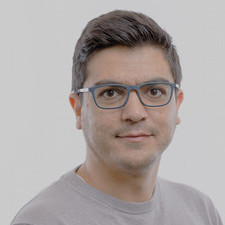
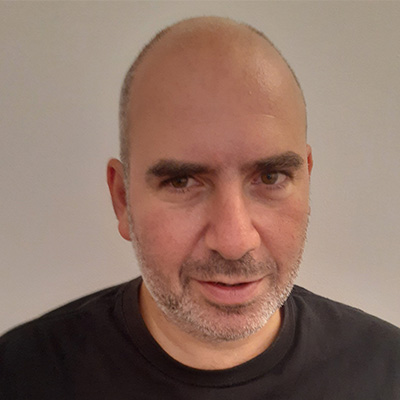
John Davis is a Professor in the Department of Physics at the University of Alberta, Faculty of Science. He holds a PhD and MSc from Northwestern University and a Bachelor’s from Washington University. His research focuses on nanomechanics, superfluidity, and superconductivity, particularly in confined geometries and quantum properties of nanomechanical systems. His lab develops superfluid-based technologies for dark matter detection and precision measurement. He has held academic positions since 2010, including roles at the Canadian Institute for Advanced Research and postdoctoral training at the University of Alberta with Prof. Mark R. Freeman. Education: PhD in Physics (2008), Northwestern University MSc in Physics (2003), Northwestern University Bachelor’s in Physics with Honors (2001), Washington University Research Interests: Superfluid nanomechanical resonators Ultralow-temperature superfluid 3He Nanofluidic cavity quantum electrodynamics Quantum-limited torque magnetometry Applications in dark matter detection and gravitational wave sensing His recent work emphasizes magnomechanics and optomechanical transduction , integrating superfluid systems with quantum sensors. Articles highlight advancements in cryogenic devices, nonlinear dynamics, and hybrid quantum systems. Ongoing projects include the HElium-based Light Operated Superfluid (HELIOS) dark matter detector. Grants & Labs: His lab operates a cryogen-efficient low-temperature facility, focusing on microfluidic quantum fluid experiments. Collaborations involve advanced photonic crystal cavities and diamond-based optomechanical platforms.
Dr. Zia Saadatnia is an Assistant Professor at Ontario Tech University's Department of Mechanical and Manufacturing Engineering, part of the Faculty of Engineering and Applied Science. He holds affiliations with the KITE Research Institute (University Health Network) as an Affiliate Scientist and the University of Toronto's Department of Mechanical and Industrial Engineering as an Assistant Professor (Status-only). His research focuses on advanced materials, energy harvesting, and biomedical devices, with notable contributions to aerogel composites, triboelectric nanogenerators, and functional electrical stimulation technologies. Education: Ph.D., Mechanical Engineering, University of Toronto (2019) M.Sc., Mechanical Engineering, Ontario Tech University (2015) B.Sc. (Hons), University of Science and Technology, Iran (2007) Research Interests: Smart structures and materials Nonlinear vibration dynamics Energy harvesting systems Sensors and actuators Biomedical devices Polymer composites and aerogel fabrication Awards and Honors: Mitacs Accelerate Fellowship (2021-2024) William Dunbar Memorial Scholarship (2019) Pierre Rivard Hydrogenics Graduate Fellowship (2018) Ranked First in Undergraduate Class (2011) Advising and Grants: Dr. Saadatnia has led research projects supported by grants from Mitacs and the Government of Canada. His work integrates interdisciplinary approaches to address challenges in energy systems, biomedical engineering, and material innovation. Labs and Teams: Collaborates with KITE Research Institute and University of Toronto teams on advanced materials and biomedical applications. His lab focuses on experimental and computational studies of energy harvesting and smart materials.
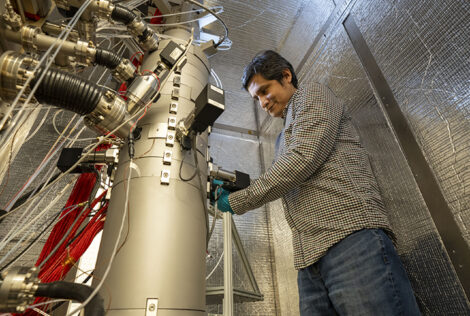
Dr. Maureen Joel Lagos is an Associate Professor in the Department of Materials Science and Engineering at McMaster University. He holds the Canada Research Chair (Tier 2) in Imaging and Spectroscopy of Advanced Nanomaterials using Electron Microscopy and serves as Associate Scientific Director of the Canadian Centre for Electron Microscopy (CCEM). His research focuses on advanced material characterization using electron microscopy techniques, particularly electron energy-loss spectroscopy (EELS) and in-situ transmission electron microscopy (TEM), to study phonons, plasmons, and excitons in nanomaterials for applications in infrared photonics, quantum materials, and energy systems. Dr. Lagos' academic background includes a Ph.D. from The State University of Campinas, followed by postdoctoral research at the University of Antwerp and Rutgers University. He has received notable awards such as the Microscopy Society of Canada Early Career Investigator Award (2022) and NSERC Early Career Research Award (2019). His work emphasizes interdisciplinary approaches, combining nanotechnology with photonics engineering, smart materials, and micro-nano systems. His research group develops novel methodologies for nanoscale material characterization, including nanothermal analysis and real-time TEM studies. Key projects involve designing ultra-quiet environments for advanced electron microscopes and investigating nanoscale heat transfer mechanisms. Dr. Lagos teaches graduate courses MATLS 4G03 (Characterization of Nanomaterials) and MATLS 6FF3 (Synthesis and Applications of Nanomaterials), emphasizing practical applications in energy storage, environmental impact, and biomedical engineering. Recent publications highlight breakthroughs in coupled plasmon-phonon modes, nanoscale temperature measurements, and vibrational spectroscopy techniques. His lab (ABB 429) collaborates widely, contributing to national initiatives like the Canada Foundation for Innovation-funded projects. Dr. Lagos is actively recruiting undergraduate and graduate students for research in nanomaterials and microscopy-driven material science.
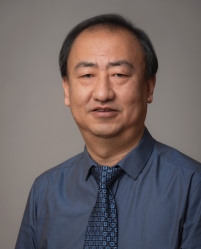
Professor Hongbin Li is a Professor and Canada Research Chair in the Department of Chemistry at the University of British Columbia. His research program focuses on single molecule biophysical chemistry, biomaterials, and protein engineering. He leads an active research group investigating the mechanical properties and conformational dynamics of elastic proteins using advanced single molecule techniques. Professor Li received his B.Sc in Polymer Engineering from Tianjin University, China in 1993. He earned his Ph.D. in Polymer Chemistry and Physics from Jilin University, China in 1998 under the supervision of Profs. Jiacong Shen, Xi Zhang and Hermann E. Gaub. During his doctoral studies, he was a visiting PhD student at Ludwig-Maximilians-Universität München, Germany (1996-1997) working with Prof. Hermann E. Gaub. Following his Ph.D., he completed a Research Fellowship at Mayo Medical Center, USA (1999-2002) with Prof. Julio M. Fernandez. Professor Li's research program centers on understanding the mechanical properties and conformational dynamics of elastic proteins at the single molecule level. His laboratory combines protein engineering with single molecule atomic force microscopy (AFM) and computational approaches to rationally design and engineer proteins with tailored mechanical properties. Using AFM as their primary tool, his team directly manipulates proteins one molecule at a time to measure mechanical properties and monitor folding/unfolding trajectories in real time. His research spans four main directions: (1) Protein Mechanics and Engineering, where they design proteins with specific mechanical properties; (2) Single Protein Folding/Unfolding Dynamics, investigating folding mechanisms at the single molecule level; (3) Protein-based Biomaterials, designing biomaterials with tailored mechanical properties for biomedical applications; and (4) Polymer physical chemistry using single molecule AFM. His work bridges fundamental protein mechanics with practical applications in biomaterials design. Professor Li has received numerous prestigious awards recognizing his contributions to biophysical chemistry and protein engineering: 2020: AAAS Fellow (the American Association for the Advancement of Science) 2012: Changjiang Guest Chair Professorship (Jilin University, China) 2011: JILA Visiting Fellowship (JILA and University of Colorado, Boulder) 2011: Alexander von Humboldt Fellowship (Technical University of Munich, Germany) 2010: JILA Distinguished Short-term Visiting Fellow 2010: Charles McDowell Award for Research (UBC) 2006: Michael Smith Foundation for Health Research Career Investigator Award 2005: Peter Wall Institute for Advanced Studies Early Career Award (UBC) Professor Li has mentored numerous graduate students and postdoctoral fellows throughout his career at UBC. His research has been supported by multiple grants, including his Canada Research Chair position which he has held continuously since 2004. His work bridges chemistry, physics, and biology, attracting funding from diverse sources including the Natural Sciences and Engineering Research Council of Canada (NSERC), the Michael Smith Foundation for Health Research, and international collaborations. His laboratory maintains strong connections with research groups worldwide, particularly in China and Germany, reflecting his international research profile. Professor Li leads an active research group within the Department of Chemistry at UBC that combines expertise in protein engineering, single molecule biophysics, and biomaterials science. His laboratory is equipped with state-of-the-art atomic force microscopes and optical trapping systems, enabling cutting-edge single molecule studies. The group maintains close collaborations with researchers in the Michael Smith Laboratories and other interdisciplinary centers at UBC, fostering a highly collaborative research environment focused on understanding protein mechanics and developing novel protein-based materials.
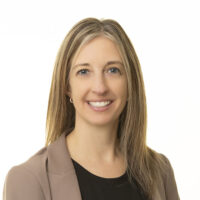
Dr. Kyla Sask is an Assistant Professor in the Department of Materials Science and Engineering and Associate Member of the McMaster School of Biomedical Engineering. Her research focuses on biomaterials development and surface modification strategies for medical devices, particularly blood-contacting applications and pediatric devices. Dr. Sask holds a B.Sc. in Chemical Engineering from Queen's University (2006) and a Ph.D. in Biomedical Engineering from McMaster University (2012). Her educational background combines engineering principles with biomedical applications. Her research examines biomaterial interfaces with biological systems, with specific interests in: Surface modification strategies for enhanced biocompatibility Protein and cell interactions at material interfaces Antithrombogenic biomaterials for blood-contacting devices Polymer functionalization using bioactive molecules Nanostructured biomaterials for medical applications Dr. Sask's publications focus on surface modification techniques including polydopamine coatings, covalent immobilization strategies, and nanostructured surfaces to control biological responses. Recent work explores multifunctional surfaces that combine antithrombotic and antimicrobial properties. She teaches courses on biomaterials synthesis and characterization, including MATLS 4LB2 (Synthesis and Characterization of Biomedical Coatings) and MATLS 4Y03 (Advanced Biomaterials: Applications and Device Design). Her industry experience includes previous work at Interface Biologics Inc. developing antithrombogenic polymer technologies.
George Psofogiannakis is an Assistant Professor in the Department of Chemical and Biological Engineering at the University of Ottawa's Faculty of Engineering. His research integrates computational modeling with energy storage and conversion systems, focusing on advanced materials for sustainable technologies. His academic credentials include: Ph.D. in Chemical Engineering, University of Ottawa (2007) M.A.Sc. in Chemical Engineering, University of Ottawa B.A.Sc. in Chemical Engineering, University of Toronto Professor Psofogiannakis' research spans computational materials science and chemical engineering , specializing in fuel cells , redox flow batteries , and gas storage materials . He employs advanced simulation techniques including Density Functional Theory (DFT) , Reactive Molecular Dynamics (ReaxFF) , and Computational Fluid Dynamics (CFD) to investigate reaction mechanisms and material properties at atomic scales. His work bridges theoretical modeling with practical energy applications, particularly in hydrogen storage and catalytic processes. Recent publications (2021-2024) reveal a dominant focus on two-dimensional carbon materials (carbophenes) for gas adsorption, with significant contributions to understanding functionalization effects, mechanical properties, and band-gap engineering. His research consistently applies DFTB and ReaxFF methodologies to solve complex problems in energy materials. Professional recognition includes: Marie-Curie Fellowship (2008-2013) He teaches core Chemical Engineering courses including Catalysis by Metals and Zeolites, Electrochemical Processes, and Computational Methods. His research group develops computational frameworks for next-generation energy materials, with ongoing projects in battery systems and catalytic converters. Future work emphasizes predictive modeling of material degradation and optimization of adsorption mechanisms for industrial-scale gas storage. Professor Psofogiannakis leads a computational laboratory focused on atomic-scale simulation of energy materials, collaborating with experimental groups to validate theoretical predictions and accelerate materials discovery.
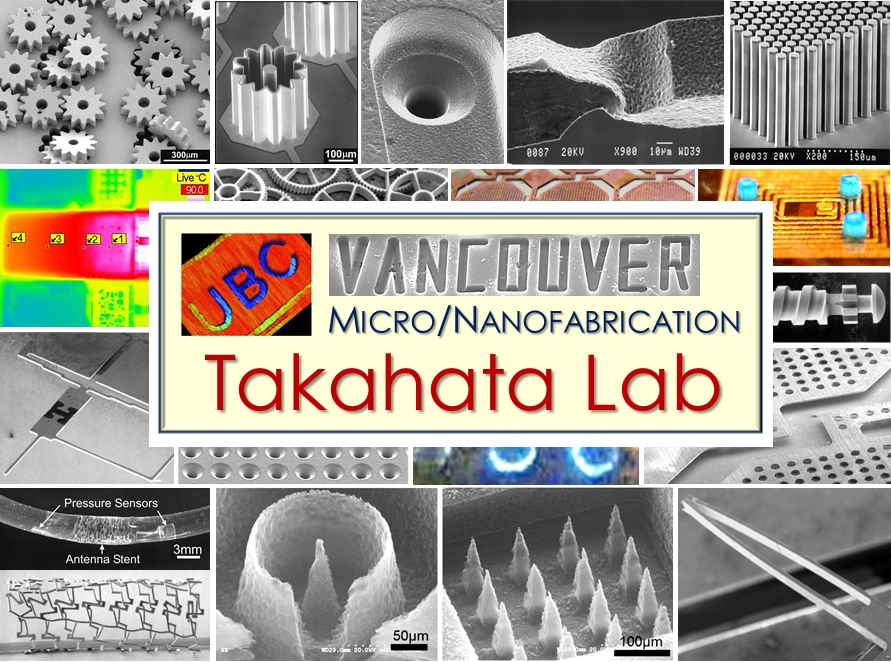
Prof. Kenichi Takahata is a Professor at the University of British Columbia's Department of Electrical & Computer Engineering, with an associate membership in the School of Biomedical Engineering. He holds a PhD from the University of Michigan (2005) and has over 25 years of experience in micro/nanofabrication and MEMS. His research focuses on developing advanced microdevices for biomedical applications, including implantable sensors, smart stents, and wireless drug delivery systems. Education: B.S. Physics (Sophia University, 1990), M.S. and Ph.D. in Electrical Engineering (University of Michigan, 2004/2005). Professional experience includes roles at Panasonic (Japan) and 3M (USA) before joining UBC in 2008. He leads the Takahata Lab, which pioneers innovations in micro/nanofabrication, medical MEMS, and energy harvesting. Research interests span microplasma control, wireless microactuators, and ferrofluid-based micromachines. Over 150 peer-reviewed publications and 10 patents highlight his contributions. His work includes developing the 'smart stent' for real-time vascular monitoring and microendoscopic imaging systems using ferrofluid actuators. Grants include a Canada Research Chair (2008–2018) and NSERC funding. Advising over 50 graduate students, he emphasizes interdisciplinary training across engineering, materials science, and biomedicine. The lab collaborates with industry and hospitals to translate technologies into clinical tools. Labs/Teams: Takahata Lab (UBC Microsystems & Nanotechnology Group), affiliated with the Canadian Institute for Advanced Research (CIFAR) and NSERC CREATE programs.
R. Klassen is a Professor in the Department of Mechanical and Materials Engineering at Western University, located in London, Ontario. He holds a Ph.D. from the University of Toronto (1990) and has extensive industry experience as a Scientist/Engineer at Atomic Energy of Canada Ltd. (1990–1999). His research focuses on experimental studies of rate-dependent plasticity, particularly the role of microstructural interfaces (e.g., grain boundaries) in material deformation. Education: Ph.D., Metallurgy and Materials Engineering, University of Toronto (1990) M.Sc., Mechanical Engineering, University of Manitoba (1986) B.Sc., Mechanical Engineering, University of Manitoba (1984) Awards: Dr. Terry Base Memorial Teaching Award (2009, 2013) R. Klassen’s lab is equipped with high-temperature nano/micro-indentation facilities and collaborates with specialized characterization centers like Surface Science Western and the Brockhouse Institute. His research group investigates materials such as zirconium alloys, nickel-based superalloys, and magnesium, focusing on deformation mechanisms, irradiation effects, and high-temperature behavior. Current students include postdoctoral researchers and Ph.D. candidates exploring topics like ion-implanted nickel alloys and irradiated zirconium. His articles emphasize nanomechanical testing, indentation-based stress analysis, and the impact of microstructural features on material performance. Key themes include FCC alloy behavior, flow forming processes, and the mechanical properties of nuclear materials. In teaching, he instructs graduate courses on plasticity and undergraduate courses in materials science and nuclear engineering. His lab also hosts projects like micro-pillar compression and micro-sphere testing, supported by advanced microscopy and diffraction techniques.
Alejandro Diaz Ortiz is an Adjunct Associate Professor in the Department of Engineering Physics at McMaster University. His research focuses on material science, condensed matter physics, and computational physics, with a strong emphasis on magnetism, alloy thermodynamics, and surface science. Key research themes: Magnetism in nanoscale systems Thermodynamics of confined materials Computational modeling of alloys Self-assembly of organic semiconductors His scholarly work spans 15 years (1993–2014) and includes 15 publications in journals like Physical Review Letters , Journal of Alloys and Compounds , and Physical Chemistry Chemical Physics . These works highlight trends in nanotechnology , surface science , and computational material modeling , particularly through cluster expansion methods and ab-initio calculations. Alejandro has contributed to understanding phase transitions in confined antiferromagnets , configurational order in disk packings , and stress engineering in photonic components . His legacy includes foundational studies on size mismatched alloys and quantum well structures .
Pawel Hawrylak is a Full Professor and University Research Chair in Quantum Theory of Materials, Nanostructures and Devices at the University of Ottawa. He leads the Quantum Theory Group, focusing on computational design of materials at the nanoscale, including graphene, 2D crystals, topological insulators, and quantum devices. His work integrates quantum theory, nanoelectronics, spintronics, and photonics to advance quantum computing and nanotechnology. Education: Ph.D., Condensed Matter Theory, University of Kentucky (1984) M.Sc. (with Honours), Wroclaw University of Technology (1979) Research Interests: Theoretical condensed matter physics, quantum information, quantum dots, graphene, topological quantum matter, and nanoscale device design. His group develops tools like QNANO for atomistic simulations of nanostructures. Awards & Grants: Brockhouse Medal (2002), Humboldt Research Prize (2023, 1999) NSERC Strategic Grant (2018-2021), NRC IoT Challenge Program (2022-2025) Editorial roles at Physica Status Solidi , Solid State Communications Lab & Collaborations: The Quantum Theory Group operates a local Linux cluster (Zeus/Hercules) and collaborates with institutions globally. Key projects include quantum circuits in 2D materials, spin-based qubits, and quantum simulators.
Professor Raffi Budakian is a faculty member at the University of Waterloo, affiliated with the Faculty of Engineering. He holds roles at the Institute for Quantum Computing (IQC), Waterloo Institute for Nanotechnology (WIN), and is an associate faculty member at the Perimeter Institute for Theoretical Physics. His research focuses on ultra-sensitive spin detection, nanomechanical systems, and quantum phenomena in condensed matter. He has received notable awards, including the World Technology Award (2005) for single spin detection innovations. Education: PhD Physics (2000), University of California, Los Angeles MS Physics (1995), UCLA BS Physics (1994), UCLA (summa cum laude) Research Interests: Professor Budakian develops tools for nanoscale magnetic resonance imaging, spin-oscillator coupling, and quantum control. Current projects include nanowire-based MRI, imaging single dopants in semiconductors, and combining MRFM with ENDOR for nuclear spin detection. His work bridges quantum materials, nanotechnology, and biophysics. Teaching: Recent courses include PHYS 233 (Quantum Mechanics), PHYS 234 (Quantum Physics), and advanced electromagnetism modules. Affiliations: Senior Fellow at CIFAR (Quantum Materials & Quantum Information Science), and active in interdisciplinary collaborations at IQC and WIN.
Louis Cuccia is a Professor in the Department of Chemistry and Biochemistry at Concordia University, serving as Graduate Program Director. He holds a PhD from McGill University and teaches courses including Introductory Organic Chemistry I (Chem-221) and Advanced Organic Chemistry IV - Structure & Stereochemistry (Chem-325), with plans to introduce a new course on Supramolecular Materials exploring biological hierarchical structures as inspiration for advanced materials. Education: PhD in Chemistry, McGill University His research focuses on chiral crystals, mirror symmetry breaking, chiral amplification, and supramolecular chemistry. His work spans mechanochemical synthesis of organic compounds, chiral crystallization mechanisms, triboelectric nanogenerators, and biomimetic materials. Recent publications highlight innovations in solvent-free reactions, chiral induction, and applications of supramolecular principles to nanotechnology and energy devices. The 15 most recent articles (2019–2025) demonstrate expertise in mechanochemistry, supramolecular assembly, and chiral materials. Key themes include triboelectric energy harvesting, chiral amplification through grinding/abrasion, and design of bioinspired materials. Collaborative work extends to pedagogical tools for nanogenerator education and fundamental studies of molecular interactions at interfaces. Professional activities include leading the Cuccia Research Group , though specific scientific awards or grants are not detailed in available information. His teaching integrates current literature on bioinspired materials, polymer science, and nanomechanics.
John R. Dutcher is a Professor and Research Chair in Novel Sustainable Nanomaterials at the University of Guelph's Department of Physics. His work bridges soft matter physics, biophysics, and sustainable nanotechnology through experimental studies of polymers, biopolymers, and bacterial systems at surfaces and interfaces. PhD in Condensed Matter Physics (Simon Fraser University, 1989) NSERC Postdoctoral Fellow (University of Arizona, 1989-1990) Director of University of Guelph’s B.Sc. Nanoscience program Research focuses on: Phytoglycogen nanoparticles from sweet corn for biomedical/personal care applications Machine learning analysis of polymer degradation in cross-linked pipes Bacterial motility and biofilm formation via optical microscopy Hydration forces and mechanical properties of nanomaterials His lab employs state-of-the-art equipment including AFMs, SPRi, and rheometers, with industrial partnerships like HeatLink. Recent publications analyze β-VAE applications in IR spectroscopy, acid hydrolysis effects on nanomaterials, and bacterial colony dynamics. Scientific honors include: Tier 1 Canada Research Chair in Soft Matter and Biological Physics (2006) Fellow, American Physical Society (2007) University of Guelph Innovation of the Year (2017) He has co-founded spin-off company Mirexus Biotechnologies and mentored over 50 graduate/undergraduate researchers, with alumni holding faculty positions at Waterloo, McMaster, and Lakehead University. Lab facilities include: Custom self-nulling ellipsometer TA Instruments DHR-3 rheometer Brookhaven BI200-SM light scattering system Thermo/Nicolet Continuum infrared microscope Wyatt SEC-MALS system Advanced microbiology/Biophysics equipment
Mathieu Juan serves as an Assistant Professor in the Department of Physics at the University of Sherbrooke, where he conducts cutting-edge research at the intersection of quantum mechanics and nanoscale systems. Education: M.Sc. in Nano-physics, nano-components and nano-measurements, Toulouse, France (2005) Ph.D. in Optics and Nanotechnologies, Troyes, France (2008) Post-doctoral fellow at ICFO - Institute of Photonic Sciences, Spain (2008-2011) Post-doctoral fellow at Macquarie University, Australia (2011-2016) Post-doctoral fellow at IQOQI - Institute for Quantum Optics and Quantum Information, Austria (2016-2020) Research Focus: Dr. Juan specializes in quantum optomechanics and magnetomechanics within microwave regimes , with particular emphasis on open quantum systems . His experimental work integrates superconducting qubit architectures , collective quantum phenomena , and levitated mechanical resonators to explore fundamental quantum behavior in engineered systems. Current projects investigate quantum-to-classical transitions and novel quantum sensing modalities through microwave-frequency mechanical oscillators. Professional Activities: Maintains active collaborations with international quantum research institutes and supervises graduate students in experimental quantum device development.
Chong-Qing Ru is a Professor in the Department of Mechanical Engineering, Faculty of Engineering at the University of Alberta, specializing in Solid and Applied Mechanics. Education PhD, Peking University (China) Research Interests Particle-laden Fluids Flow Stability Rotational/Oscillatory Flows Elasticity Solid Mechanics Applied Mechanics Soft Matter Mechanics MetaComposite Mechanics Mechanics and Materials Fluid Mechanics Teaching MEC E 380 - Advanced Strength of Materials I MEC E 682 - Nanomechanics No information is available regarding scientific awards, student advising, grants, or laboratory facilities.