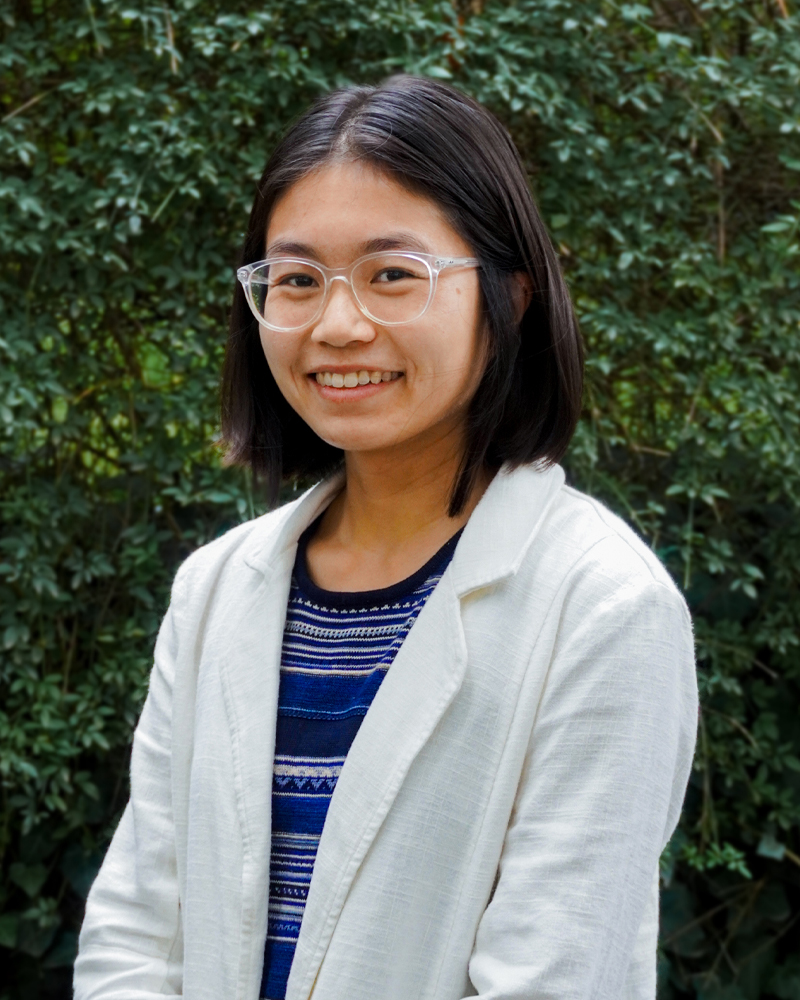
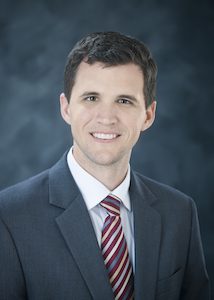
Jessica Ng is a Research Fellow at Princeton University affiliated with the High Meadows Environmental Institute (HMEI). Her primary research focuses on extractivism and the energy transition, particularly examining lithium mining and decolonial climate justice frameworks. She explores just transition strategies rooted in land and labor movements, bridging environmental humanities, earth history, and energy engineering disciplines. Her academic work combines environmental policy analysis with technical investigations into sustainable resource management. Though her current HMEI affiliation emphasizes socio-environmental research, her scholarly outputs include significant contributions to insect olfactory neuroscience, reflecting prior research on mosquito host-seeking mechanisms and odor coding systems. Ng holds a Princeton University email address (jn0090@princeton.edu). Her publications span both environmental humanities and biological research, demonstrating interdisciplinary engagement. While no specific awards or grants are listed, her dual focus areas indicate active participation in both climate justice advocacy and life sciences research. Her work uniquely connects ecological systems analysis with social justice frameworks, offering critical perspectives on resource extraction's socio-environmental impacts. Though no formal student advisement is recorded, her research teams likely engage graduate students in these interdisciplinary projects.
Simon Moxon is an Associate Professor in Bioinformatics at the University of East Anglia (UEA), part of the School of Biological Sciences. His research focuses on applying next-generation sequencing (NGS) technologies to study biological problems, particularly small RNA bioinformatics and mechanisms of gene regulation at transcriptional and post-transcriptional levels. He has developed tools like miRCat2 and the UEA sRNA Workbench for miRNA detection and analysis. Notable collaborations include projects funded by the British Heart Foundation, NIH, and the Natural Environment Research Council, exploring topics such as chromatin landscapes, microRNA biogenesis, and epigenetic reprogramming. His work spans plant genomics, developmental biology, and molecular mechanisms in diseases like cancer. Recent publications highlight advancements in understanding miRNA regulation in plants and animals, epigenetic marks during zygotic reprogramming, and antimicrobial resistance in Bacillus species. Moxon actively mentors PhD students and contributes to editorial roles in journals like Frontiers in Molecular Biosciences.
Robbert van Renesse is a Professor in the Department of Computer Science at Cornell University, Ithaca, NY. He is a member of the Systems and Networking group. His research focuses on distributed systems, particularly fault tolerance and scalability. He co-authored Chain Replication and contributed to projects like Harmony (a model checker for concurrent systems) and EGOS (a minimalist operating system). He has held roles such as Chair of ACM SIGOPS and Editor-in-Chief for ACM Transactions on Computing Systems. His work spans academic contributions, industry collaborations (e.g., Exotanium, Inc.), and over 30 conference/workshop papers annually since the 1990s. Education: M.Sc. (1985) and Ph.D. (1989) in Mathematics/Computer Science from Vrije Universiteit Amsterdam under Andrew Tanenbaum. Professional experience includes roles at AT&T Bell Labs, Cornell since 1991, and co-founding companies like Reliable Network Solutions and D.A.G. Labs. Research interests include blockchain technology (e.g., Bitcoin-NG for scalability), consensus protocols (BFT and Turtle consensus), and system frameworks like Ovid and Escher. His publications emphasize distributed algorithms, replication, and security. He advises over 30 Ph.D. students and co-founded Exotanium, Inc. in 2018. Notable contributions: Chain Replication (OSDI 2004), Horus toolkit (commercialized as Sphinx), and foundational work in Amoeba OS. His recent work explores metastable failures and programmable memory segments.
Amos H.C. Ng is a Professor of Automation Engineering at the School of Engineering Science, University West (Högskolan i Skövde). His academic qualifications include BEng, MPhil, and PhD degrees, complemented by professional certifications such as Chartered Engineer (UK) and membership in the Institution of Engineering and Technology (UK). His research focuses on production simulation, multi-objective optimization, simulation-based innovization, and digital human modeling, with applications in manufacturing systems, Industry 4.0, and smart manufacturing. Ng has contributed to over 150 publications since 2000, spanning topics like decision support systems, maintenance optimization, and reconfigurable manufacturing. His work integrates simulation, data mining, and evolutionary algorithms to address challenges in production systems, including bottleneck analysis, energy efficiency, and human-robot collaboration. Notable projects include developing the Mimer knowledge discovery tool and frameworks for digital twin applications in production lines. His research emphasizes practical industry applications, collaborating with organizations to improve production processes through advanced methods like trend mining and cloud-based optimization. Ng also serves as a course coordinator and contributes to educational initiatives in automation engineering.
Elias N. Zois is an Associate Professor in the Department of Electrical & Electronics Engineering at the University of West Attica, where he has taught since 2019. Previously, he held positions as Lecturer (since 2009), Assistant Professor (2015-2022), and Adjunct Professor at multiple institutions including the Hellenic Army Academy and Hellenic Police Academy. He received his B.Sc. (1994), M.Sc. (1997), and Ph.D. (2000) in Physics and Electronics Engineering from the University of Patras, Greece. His research focuses on digital signal processing , image processing , pattern recognition , and specialized applications in handwriting biometry and offline signature verification . Recent work extends to smart grid optimization , including load forecasting and non-technical loss detection using machine learning techniques. Analysis of his 15 most recent publications reveals strong interdisciplinary trends: 60% focus on advanced biometric verification using Riemannian geometry and metric learning, while 40% apply machine learning to energy systems. Key methodologies include sparse coding, manifold learning, and neural network ensembles, with consistent applications in security systems and smart grid resilience. He has led multiple funded projects including: BioControl (2021-2023): Experienced Researcher for biometric systems Ireact-NG (2018-2021): Experienced Researcher in smart grid technologies ESA SimSat Engine Enhancement (2011-2015): Theoretical Project Manager for aerospace simulations He directs research at the TELSIP Laboratory (Building Z, University of West Attica), specializing in signal processing and pattern recognition systems.
Louis Tay is the William C. Byham Professor in the Department of Psychological Sciences at Purdue University’s College of Health and Human Sciences. His research bridges methodology, data science, and well-being, focusing on cross-disciplinary inquiries in measurement, Big Data, and organizational psychology. Education: PhD in Psychology (2011), University of Illinois at Urbana-Champaign Key research areas include: Methodological innovations (measurement, latent class modeling, Big Data) Societal and workplace well-being (happiness, wellness programs, work-leisure interfaces) Positive humanities integration (arts/humanities in psychological studies) Algorithmic bias mitigation in personnel selection Recent publications analyze social media language for well-being indicators, bias detection in machine learning, and cross-cultural psychological assessments. Collaborators include Munmun De Choudhury , Angela Duckworth , and Lyle Ungar . Scientific recognition includes Fellowships from APA, APS, SIOP, and SPSP, plus Purdue’s 2021 Trailblazer Award. Former Students: Stuti Thapa, Cassie Batz-Barbarich, Louis Hickman, Vincent Ng, Lauren Kuykendall, Daphne Hou, Hoda Vaziri, Chris Wiese Current Research Team: Victoria Scotney, Daphne Hou, Fanyi Zhang, Gloria Liou He leads the WAM Lab and ExpiWell initiatives, emphasizing mentoring as his greatest professional joy. Graduate recruitment for Fall 2026 is open.
Dr. Gabriella Sonnante is a Research Director at Italy's National Research Council (CNR), leading research programs at the Institute of Biosciences and Bioresources (IBBR) in Bari. With over 25 years at CNR, she has progressed from Researcher to Senior Researcher before assuming her current leadership role in 2021. She holds a Biology degree from the University of Bari and has conducted research internationally at institutions including UC Davis, John Innes Centre, and University of Frankfurt. Her research focuses on plant molecular evolution, domestication processes, and genetic resource characterization, utilizing molecular markers (SNP, SSR, AFLP), genomics, and transcriptomics. Key species in her studies include wheat, legumes, and globe artichoke, with emphasis on genes involved in polyphenol synthesis, nitrogen utilization, and abiotic stress responses. She manages the Cynara (artichoke) germplasm collection and studies genetic diversity conservation in agricultural systems. Her extensive publication record demonstrates consistent focus on crop genetics and genomics, with recent work emphasizing molecular characterization of traditional landraces, stress-responsive genes in wheat, and biodiversity conservation in Mediterranean crops. Research frequently integrates advanced techniques like NMR metabolomics, SNP genotyping, and whole-genome analysis. Dr. Sonnante serves on the PhD teaching faculty at the University of Bari (PhD program: 'Biodiversity, Agriculture and Environment') and represents CNR in the European Plant Science Organization. She leads multiple national and EU-funded projects including Agritech National Research Center (PNRR), BiodiverSO (Puglia region), and PON ALIFUN on functional foods.
Tehseen Aslam is a Senior Lecturer in Automation Engineering at the School of Engineering Science , University of Skövde. As Deputy Vice-Chancellor for Industry Collaboration , they bridge academic research with industrial applications through projects like WISER (2021-2026) and Strategic Production Optimization (2017-2020). Research Interests : Simulation-based optimization, reconfigurable manufacturing systems, AI in industrial vision, digital twins, and sustainable production. Grants & Projects : Involved in Network City Skaraborg (2024), Digital Models for Energy Systems (2022), and Virtual Factory (2018-2020). Publications : 15+ works on multi-objective optimization, system dynamics, and digital manufacturing. Collaborations : Partnerships with Anna Syberfeldt, Amos H.C. Ng, and Gary Linnéusson.
Aaron Smith is an Associate Clinical Professor at the Michael W. Hall School of Mechanical Engineering, Mississippi State University (MSU), part of the Bagley College of Engineering. He holds a Ph.D. (2012) and B.S. (2008) in Mechanical Engineering from MSU. Before academia, he worked as a Senior Engineer at Eaton Aerospace (2013-2015) and as a Graduate Research Assistant at MSU (2009-2012). His research interests focus on engineering education, uncertainty analysis, energy systems, and control systems design. He has received multiple teaching awards, including the Mechanical Engineering Outstanding Faculty Teaching Award (2022, 2017) and the Schillig Special Teaching Projects Award (2020). Dr. Smith teaches courses such as Thermodynamics, Engineering Analysis, and Mechanical System Design. His work emphasizes student engagement through innovative pedagogical methods, including gamification and project-based learning. He has authored patents related to hydraulic systems and control logic, demonstrating his industry-academia bridge. His publications span thermal system modeling, educational strategies, and uncertainty analysis in engineering systems. Notable achievements include the Eaton Aerospace Innovation Award (2015) and Green Belt in Design for Six Sigma Certification (2015). His research and teaching contributions reflect a commitment to advancing both mechanical engineering practice and education. He currently leads efforts in curriculum development and student motivation strategies within the mechanical engineering program.
Univ.Prof. Harald Meimberg is a Professor at the Institute of Integrative Nature Conservation Research (DIÖ, BOKU University) with a focus on evolutionary genetics , population ecology , and biodiversity conservation . His career spans academic positions at Technical University Munich, CIBIO Portugal, Colorado State University, and UC Davis. University: University of Natural Resources and Life Sciences, Vienna (BOKU) Academic Rank: Professor Location: Gregor-Mendel-Straße 33, 1180 Wien Meimberg's research explores interspecific gene flow , adaptive evolution , and conservation genomics , particularly in island flora like Micromeria (Canary Islands). He pioneered NGS-based microsatellite genotyping (SSR-GBS) for population structure analysis in plants and animals. His recent work (2022-2025) includes automated biodiversity assessment , insect population monitoring , and climate warming impacts on wild bees . Collaborative studies involve European mink conservation , Reteporella evolution , and Grapsidae dispersal patterns . Key methodological contributions: multilocus DNA barcoding , phylogenomic approaches , and metabarcoding for ecological studies. He has delivered over 30 invited presentations at international conferences (GfÖ, Island Biology) since 2014.
Kaiguang Zhao is an Associate Professor of Environmental Modeling and Spatial Analysis at The Ohio State University's School of Environment and Natural Resources. His research focuses on mapping, monitoring, modeling, and managing terrestrial environments across scales, especially in the context of global environmental changes. He employs a combined toolset including geotechnology, spatial analysis, machine learning, biophysical & climate modeling, ecological modeling, Bayesian statistics, and eddy-covariance to characterize ecosystem status and changes. Ph.D. in Forestry, Texas A&M University, 2008 M.S. in Geography, Beijing Normal University, 2004 B.S. in Physics, Beijing Normal University, 2001 Dr. Zhao's research interests span remote sensing & GIS, spatial modeling, data analytics, environmental modeling, climate change, and machine learning applications to environmental systems. His work particularly emphasizes developing geospatial applications using hyper spectral imaging, high-resolution imagery, hyper-temporal remote sensing, and lidar to characterize ecosystem structure and functioning. His research addresses critical questions about carbon storage in forests, ecosystem disturbance patterns, vegetation community mapping, climate change impacts on vegetation activities, and climate regulation services from forestry and land-use activities. His extensive publication record demonstrates strong trends in applying advanced statistical and machine learning methods to environmental remote sensing data. His work increasingly focuses on integrating multiple data sources and developing novel algorithms for environmental monitoring, with particular emphasis on crop modeling, water quality assessment, carbon cycling, and climate change impacts. The research shows a clear trajectory toward more sophisticated modeling approaches that combine physical principles with data-driven techniques. 2022 Best Paper award for 'Mapping crop types in fragmented arable landscapes using AVIRIS-NG imagery and limited field data' published in the International Journal of Image and Data Fusion Dr. Zhao actively seeks self-motivated graduate students with quantitative and computational backgrounds to apply their skills to environmental issues in natural or human-dominated ecosystems. His research has been supported by numerous grants focused on environmental monitoring, climate change impacts, and sustainable resource management. While specific grant details aren't listed in the provided text, his extensive publication record suggests substantial research funding across multiple environmental domains. His work involves collaboration with various research teams and laboratories focused on remote sensing, environmental modeling, and climate change research. He has developed significant computational tools including the Rbeast package for Bayesian Change-Point Detection and Time Series Decomposition, indicating leadership in developing methodological approaches for environmental data analysis.
Wei-Shou Hu is a Professor in the Department of Chemical Engineering and Materials Science at the University of Minnesota , affiliated with the Institute for Engineering in Medicine and the Cellular Mechanisms of Cancer initiative. His research bridges chemical engineering principles with biomedical applications, focusing on synthetic biology, biopharmaceutical manufacturing, and viral vector production. Develops synthetic cell lines for recombinant adeno-associated virus (rAAV) production Investigates metabolic robustness in fed-batch cell culture systems Applies multi-omics approaches (transcriptomics, proteomics) to bioprocess optimization Contributes to biomanufacturing standards through collaborations with NIIMBL and NIST Key research areas include: Synthetic Biology: Designing engineered mammalian cell systems and CHO lines for therapeutic applications Metabolic Engineering: Enhancing cellular metabolism for improved biopharmaceutical yields Viral Vector Production: Optimization of AAV production systems for gene therapy Genomic Analysis: Developing algorithms for sequencing data interpretation and integration Recent publications show expertise in: Comparative transcriptomic/proteomic analysis of viral production systems Systematic characterization of synthetic cell line productivity Elucidation of capsid assembly mechanisms in viral vectors Development of mechanistic-empirical models for bioprocess control Dr. Hu has received multiple research grants including: National Institute for Innovation in Manufacturing Biopharmaceuticals (NIIMBL) membership NIH/NIGMS funded projects on biotechnology development Collaborative grants with University of Massachusetts Lowell on biomanufacturing His work contributes to UN Sustainable Development Goals through advancements in biopharmaceutical manufacturing and disease treatment technologies.
Kaveh Amouzgar is an Associate Professor in Production Engineering at the Department of Engineering, School of Engineering Science, University of Skövde. With a doctoral thesis completed in 2018 titled 'Metamodel Based Multi-Objective Optimization with Finite-Element Applications,' he has established himself as a significant contributor to the field of production engineering and optimization. Dr. Amouzgar's research primarily focuses on simulation-based optimization techniques, multi-objective optimization approaches, and the integration of augmented reality in manufacturing environments. His work bridges theoretical optimization methods with practical industrial applications, particularly in CNC machining, energy efficiency in manufacturing, and Industry 4.0 technologies. His research demonstrates a consistent trajectory of increasing complexity and industrial relevance since his doctoral work. His publication record reveals a strong trend toward interdisciplinary research at the intersection of manufacturing engineering, computer science, and human factors. Recent work (2023-2025) increasingly incorporates extended reality (XR) technologies, machine learning applications, and sustainability considerations into traditional manufacturing optimization problems. This evolution reflects the broader shift in production engineering toward digitalization and human-centered smart manufacturing systems. Dr. Amouzgar maintains extensive collaborations with researchers at the University of Skövde, particularly with Amos H.C. Ng, and has co-authored numerous publications with international partners. His work appears in reputable journals including Procedia CIRP, Journal of Manufacturing Systems, IEEE Access, and International Journal of Production Research, demonstrating both academic rigor and industrial relevance. At the University of Skövde, Dr. Amouzgar appears to be actively involved in research projects related to smart manufacturing, digital transformation of production systems, and optimization methodologies. His recent publications suggest involvement in learning factory environments and research initiatives focused on Industry 4.0 implementation in manufacturing contexts.
Prof John Lloyd is a Professor at the School of Computing, Australian National University. His research focuses on computational logic, agent systems, declarative programming languages, and machine learning. He holds qualifications including a BSc(Hons), MSc from Newcastle University, a PhD from ANU, and a DipComp from Melbourne. His research interests span foundational theories in logic programming, probabilistic reasoning, and agent architectures. He has contributed to projects like Feature Reinforcement Learning and Foundations and Architectures for Agent Systems. His work emphasizes integrating logic and probability for robust AI systems. Prof Lloyd has advised student Kee Siong Ng and led over nine research projects. His publications explore topics like probabilistic logic frameworks, declarative agent languages, and higher-order logic systems. He actively participates in international conferences, contributing to proceedings and workshops. His academic leadership includes convening the Bachelor of Computer Science (Honours) program. His research bridges theoretical foundations with practical AI applications, emphasizing declarative approaches for complex systems.
Christopher Bryant is a Visiting Professor in the Natural Language and Information Processing group at the University of Cambridge's Department of Computer Science and Technology. He holds a PhD from the University of Cambridge (2019), supervised by Prof. Ted Briscoe, and previously worked as a Research Assistant at the National University of Singapore under Prof. Hwee Tou Ng. His research focuses on grammatical error correction (GEC), automatic annotation, and codeswitching analysis. He developed the ERRor ANnotation Toolkit (ERRANT), widely used in GEC research, and led the BEA-2019 Shared Task. Bryant also serves as an Applied AI Research Scientist at Writer, Inc., and maintains active collaborations in NLP. Education: PhD in Computer Science, University of Cambridge (2019) MSc in Speech and Language Processing, University of Edinburgh (Year not specified) MA(Hons) in Chinese and Linguistics, University of Edinburgh (Year not specified) Research Interests: Automatic grammatical error detection/correction (GEC) for non-native English Codeswitching analysis in multilingual contexts Robust evaluation methodologies and artificial data generation Discourse parsing and linguistic annotation frameworks Applications of large language models in educational technology Key Contributions: ERRANT: Open-source tool for GEC error annotation and evaluation BEA-2019 Shared Task on GEC for educational applications Industry collaboration with Writer, Inc. on AI-driven writing tools Grants & Collaborations: Supported by the Institute for Automated Language Teaching and Assessment (ALTA) during his PhD. Active in academic-industrial partnerships through his role at Writer.