Christine F. Wildsoet is a Professor of Optometry and Vision Science at the School of Optometry, University of California, Berkeley. Her research focuses on eye growth regulation, refractive development, and myopia, utilizing molecular biology, neurobiology, and advanced imaging techniques. School of Optometry, University of California, Berkeley Center for Eye Disease and Development NEI Summer Research Training Program Director, Oxyopia Seminars Her research addresses the complex etiology of myopia, integrating genetic and environmental factors, with implications for public health. She employs animal models, particularly chicks, to study visual experience, defocus signaling, and ocular growth mechanisms. Recent publications highlight applications of bioengineering and molecular profiling in myopia research, including studies on scleral gene expression, choroidal responses to defocus, and optical interventions. Collaborations span national and international institutions in myopia and ocular health domains. Teaching includes Optometry 226: Systemic Disease and Optometry 236: Ocular Manifestations of Systemic Disease , emphasizing pathophysiology, pharmacology, and clinical management. Labs/teams: UC Berkeley Myopia Research Group Center for Eye Disease and Development
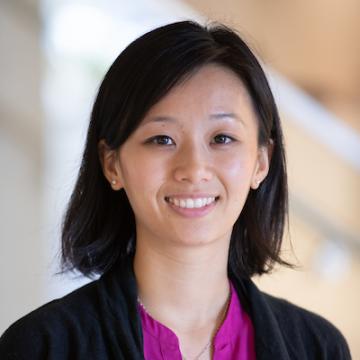
Silvia Han, OD, FAAO, is a full-time Assistant Professor at the Southern California College of Optometry (SCCO), part of Marshall B. Ketchum University. She holds dual affiliations with the University Eye Center at Ketchum Health in Anaheim and Los Angeles, and the Ketchum Health Medical Clinic. Her roles include clinical and laboratory teaching in Pediatric Vision Care and Vision Therapy. Education: BS in Psychobiology from UCLA, OD from SCCO, and a residency in Pediatric Optometry and Vision Therapy at Pennsylvania College of Optometry. She previously served as a part-time clinical instructor before transitioning to her current full-time role in 2014. Research focuses on non-strabismic binocular vision disorders, amblyopia, strabismus, and myopia control. She actively participates in National Eye Institute (NEI)-supported studies through the Pediatric Eye Disease Investigator Group (PEDIG). Professional memberships include the American Optometric Association and California Optometric Association. Recognitions: Fellowships in the American Academy of Optometry and College of Optometrists in Vision Development.
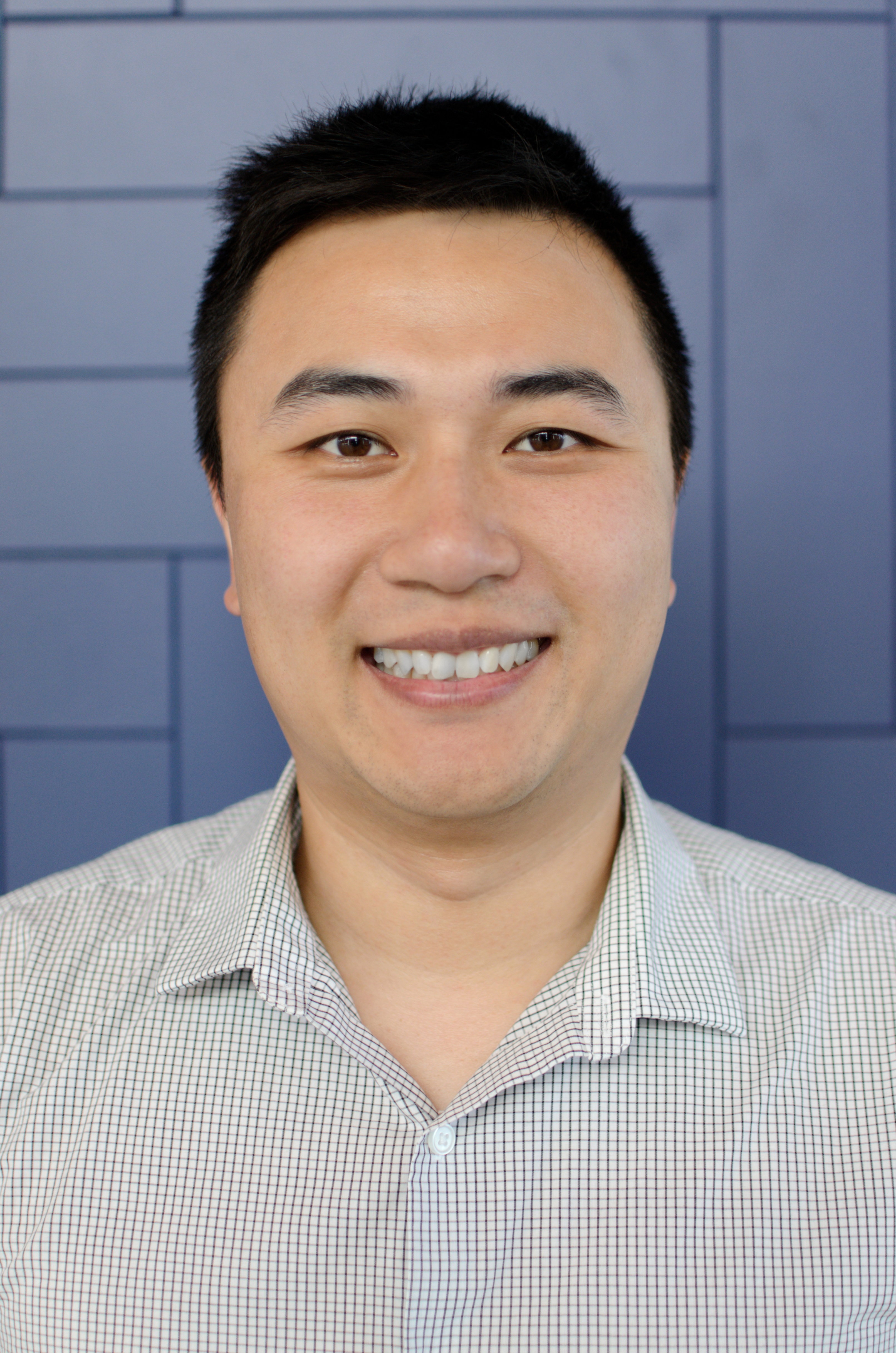
Michael Hunter is an Adjunct Associate Professor at the School of Population and Global Health, The University of Western Australia (UWA), and Director of the BPMRI Busselton Health Study Centre. He oversees operational management, community engagement, and research protocols for the centre since 2005, ensuring its sustainability and promotion of interdisciplinary collaboration. His roles include multi-faceted administrative duties alongside research, focusing on longitudinal cohort studies in Busselton, WA. Education: PhD (Distinction) in Molecular Biology & Genetics from UWA (2003–2006), focusing on the CMT4D gene NDRG1. BSc Hons (First Class) in Molecular Genetics from Edith Cowan University (2000), studying GALK1 gene in galactokinase deficiency. BSc in Human Biology from Edith Cowan University (1997–1999). Research Interests: Dr. Hunter’s work centers on healthy aging, chronic disease epidemiology (e.g., COPD, diabetes, cardiovascular disease), genetic risk factors, and biomarker development. He investigates associations between body composition, inflammation, and aging-related outcomes, as well as the impact of lifestyle and genetic factors on conditions like myopia, vitamin D deficiency, and mental health. His studies often leverage large cohort data from the Busselton Health Study, contributing to UN Sustainable Development Goals related to health and well-being. Recent Research Trends: His articles from 2023–2025 highlight themes such as long-COVID effects, polygenic risk scores for glaucoma, NMR-derived biomarkers of inflammation, and the role of visceral adipose tissue in accelerated aging. These reflect a focus on translational research with implications for population health management and clinical practice. Awards: WAIMR PhD Scholarship Top Up Award (2003). Australian Postgraduate Award (APA) (2001). Advising & Grants: As a key researcher in the Busselton Health Study, he has managed grants including the NHMRC Project Grant (2019–2023) and led multi-institutional teams in WA cohort studies. He has supervised three HDR students on topics like airway microbiota and sleep apnea treatment utilization. His grants often address under-resourced regional health research and integrate cutting-edge technologies (e.g., NMR spectroscopy, genetic profiling). Labs & Teams: He leads the Busselton Health Study Research Enabling Platform and collaborates with institutions like the NHMRC, Charlies Foundation, and the Woolcock Institute of Medical Research. His work emphasizes interdisciplinary approaches to chronic disease prevention and aging-related health challenges.
Adjunct Associate Professor Alex Hui is a leading academic in ocular drug delivery and contact lens innovation at UNSW Sydney's School of Optometry and Vision Science. His work focuses on developing novel drug delivery systems via contact lenses for ocular diseases, including antibiotics, anti-inflammatory agents, and myopia control solutions. He holds advanced qualifications including a PhD in Vision Science from the University of Waterloo and is a Fellow of multiple professional optometry organizations. Research Interests: Dr. Hui's primary research includes drug-eluting contact lenses, antimicrobial therapies, myopia progression control, and ocular surface health. His interdisciplinary approach combines biomaterials engineering, clinical pharmacology, and vision science. His Myopia Research Group and Ocular Surface Research initiatives drive advancements in vision preservation and disease treatment. Education: PhD in Vision Science, University of Waterloo (2014) OD in Optometry, University of Waterloo (2010) GradCertOcTher, UNSW Sydney (2018) Awards and Recognition: Hui has received prestigious awards including the UNSW Vice-Chancellor's Teaching Excellence Award (2018), W.B Pearson Medal (2015), and multiple fellowships from the American Optometric Foundation. His research has been supported by grants from NSERC and the Australian Government. Labs and Teams: He leads the Ocular Therapeutics Lab and collaborates with the Myopia Research Group to advance drug delivery systems and contact lens technologies. His work bridges academia and clinical practice, emphasizing translational solutions for eye health challenges.
Linda Lundström is a Professor at KTH Royal Institute of Technology, leading the Bio-Opto-Nano Physics (BON) division. Her research focuses on visual and physiological optics, including myopia control mechanisms, peripheral vision optimization, and optical instrumentation. She holds academic roles in the Department of Molecular Biosciences, contributing to interdisciplinary research at the intersection of physics, biology, and health sciences. Teaching responsibilities include courses such as Waves (SK1120), Photography for Media (SK1140), and supervision of degree projects in applied physics and technology education. Her work emphasizes practical applications of optics in healthcare, particularly in improving vision correction technologies. Research highlights include the Stockholm Myopia Study, investigating peripheral refraction dynamics in children, and developing novel methods for evaluating intraocular lens (IOL) designs and peripheral optical quality. She has pioneered instruments like the dual-angle open-field wavefront sensor for simultaneous central and peripheral eye measurements. Her contributions span over 100 peer-reviewed articles, emphasizing advancements in optical correction techniques, contrast sensitivity analysis, and the role of peripheral vision in clinical settings. Lundström’s work bridges fundamental optics research with practical medical applications, aiming to enhance vision quality and reduce myopia progression.
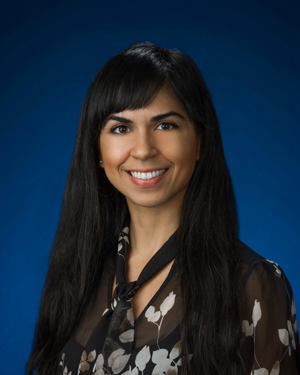
Diana Masolak, OD, is a Clinical Assistant Professor of Optometry at Illinois College of Optometry (ICO) and a part-time faculty member. She combines her academic role with spearheading myopia management at Melrose Park Eyecare, specializing in specialty contact lenses and ocular disease management. Education: Doctor of Optometry (ICO, 2024), Residency in Cornea and Contact Lenses with emphasis on Ocular Disease (ICO, 2025), Bachelor of Science in Molecular and Cellular Biology (University of Illinois at Urbana-Champaign, 2019). Dr. Masolak’s research focuses on advancing corneal health, particularly in conditions like keratoconus, anterior segment diseases, and myopia control. She emphasizes improving patient ocular comfort and functionality through innovative contact lens solutions. Her publications highlight advancements in presbyopia management, corneal cross-linking, and scleral lens applications for complex ocular conditions. These works reflect interdisciplinary collaboration and clinical innovation. Scientific Awards: Summa Cum Laude, Southwest Contact Lens Scholarship, CooperVision Rising Star Award, Beta Sigma Kappa Honor Society, and others. Dr. Masolak mentors students in clinical practice while leading patient care initiatives. Her work bridges academic research with practical applications in optometry, supported by scholarships and honors from ICO and professional organizations.
Dr. Jasleen Jhajj is an Assistant Professor of Pediatrics and Binocular Vision at Nova Southeastern University (NSU) College of Optometry, where she also serves as Clinic Director for Myopia Control and Director of Vision Screenings. She completed her Doctor of Optometry (O.D.) at the University of Waterloo and a residency in Pediatrics and Binocular Vision at the Illinois College of Optometry. Her research focuses on pediatric eye care, binocular vision disorders, vision therapy, and vision-related learning challenges. She actively participates in clinical trials such as the Convergence Insufficiency Treatment Trial-Attention and Reading Trial (CITT-ART) and multiple studies with the Pediatric Eye Disease Investigator Group (PEDIG). Dr. Jhajj oversees vision screenings for Broward County Public Schools and the broader community, and supervises clinical rotations at the NSU Eye Care Institute. She teaches third- and fourth-year optometry students in laboratory settings and lectures nationally/internationally on optometric practices. Awards: FAAO, COVD Fellowships Roles: Clinical Supervisor, Vision Screening Program Lead
Philip Morgan is a Professor of Optometry and Head of Optometry at The University of Manchester, leading the Division of Pharmacy and Optometry. He also holds an Adjunct Professorship at UNSW Sydney. His roles include Director of Eurolens Research, President of the International Association of Contact Lens Educators and the Manchester Statistical Society, and Immediate Past President of the International Society for Contact Lens Research. Education and Professional Qualifications: BSc, PhD, MCOptom, FAAO, FBCLA Research Interests: Focuses on clinical performance of contact lenses, clinical study design, contact lens-associated keratitis, innovative optics, and contact lens discomfort. His work contributes to SDGs related to good health and well-being (SDG 3) and industry innovation (SDG 9). Publications and Impact: Authored over 200 peer-reviewed papers, including seminal studies on global contact lens prescribing trends and presbyopia management. His recent work emphasizes myopia control, presbyopia treatment, and pandemic-related eye care protocols. Awards and Recognition: BCLA Medallist (2014) BCLA Pioneer’s Lecturer (2015) 2019 Max Schapero Award (American Academy of Optometry) Fellowships from the American Academy of Optometry and British Contact Lens Association Teaching and Leadership: Teaches contact lens design and delivery at undergraduate/postgraduate levels, leading global educational initiatives through IACLE. Managed an annual international contact lens prescribing survey since 1996. Grants and Projects: Co-investigator on the Manchester Bioelectronics Network (2018), focusing on interdisciplinary bioelectronics research. Labs and Teams: Directs Eurolens Research, a leading group in contact lens innovation and clinical studies.
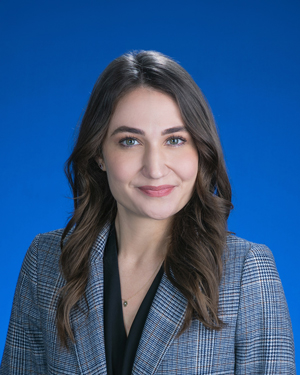
Colleen Govekar, OD serves as a Clinical Assistant Professor of Optometry at the Illinois College of Optometry (ICO), where she has been a part-time faculty member in the Pediatric Department since 2014 while maintaining private clinical practice in western Chicago suburbs. Her academic credentials include: Bachelor's degree from University of Illinois Urbana-Champaign Doctor of Optometry with honors from Illinois College of Optometry Residency in pediatric optometry and binocular vision at ICO Dr. Govekar specializes in pediatric vision care with research emphasis on myopia control mechanisms and adaptive clinical approaches for neurodiverse pediatric populations, directly informing her clinical methodology. Her professional recognition includes: Beta Sigma Kappa academic honor society Tomb & Key Honor Fraternity distinction State of Illinois Optometric Education Scholarship COVD Award for Excellence in Vision Therapy As a Fellow of the American Academy of Optometry, she integrates clinical teaching with active patient care across academic and private ophthalmology settings, though specific grant funding details remain unreported.
Dr. Stacy Zubkousky serves as an Assistant Professor and Resident Education Coordinator at Nova Southeastern University's College of Optometry. Her responsibilities include teaching optometric theory and methods laboratories, precepting students in primary care and contact lens clinics, and facilitating resident education through conferences and case reviews. Her research focuses on ocular surface disease management, specialty contact lenses (scleral and gas permeable), dry eye syndrome, and myopia control strategies. Clinical innovations include developing contact lens protocols for complex ocular conditions. Dr. Zubkousky holds fellowships with the American Academy of Optometry and Scleral Lens Education Society. Awards include: President’s Scholarship Award Beta Sigma Kappa International Optometric Honor Society induction She has presented research at AAO and SECO conferences and published on dry eye management in clinical practice.
Ian Pacey is an Associate Professor and Director of Studies for Optometry at the University of Bradford. His research examines visual perception in amblyopia and glaucoma using ocular imaging techniques, with PhD training at Aston University. Research focuses on: Structural and functional changes in amblyopia Novel approaches for early glaucoma detection Perceptual consequences of visual disorders Recent publications analyze visual outcomes in macular degeneration and prehension in amblyopia. Current projects involve OCT imaging of foveal structure and binocular summation mechanisms.
Dr. Liandra Jung is an Assistant Clinical Professor at the UC Berkeley School of Optometry. She earned her Doctor of Optometry (OD) from Pacific University in 2020 and completed a residency in Primary Care/Contact Lens at UC Berkeley in 2021. Her research interests focus on myopia control and specialty contact lens design, influenced by her early fascination with visual systems sparked by film photography. She has contributed to Dr. Maria Liu's lab and is involved in clinical training initiatives. Education: Doctor of Optometry, Pacific University, 2020 Residency in Primary Care/Contact Lens, UC Berkeley School of Optometry, 2021 Dr. Jung emphasizes creative clinical solutions and has been affiliated with research programs such as the Vision Science Program and ViSUR Program at Berkeley. While no specific awards or publications are listed, her work aligns with ongoing optometric research trends in refractive error management and patient care innovation. Labs/Teams: Collaborated in Dr. Maria Liu's research lab.
Professor John Lawrenson is Professor of Clinical Visual Science and Research Lead for the Centre for Applied Vision Research at City, University of London. He is affiliated with the School of Health & Medical Sciences and contributes extensively to optometry and vision science education and research. Research Interests: His research is centered on ophthalmic public health, with a focus on sight-threatening eye diseases such as diabetic retinopathy, glaucoma, and age-related macular degeneration (AMD). He has a strong interest in myopia control, nutrition and eye health, and the evaluation of eye care service delivery models. He is an expert in systematic reviews and evidence synthesis in vision research. Publication Trends: His recent publications emphasize living systematic reviews and network meta-analyses, particularly in myopia interventions and diabetic retinopathy treatments. There is a strong focus on public health approaches, patient adherence, and the implementation of evidence-based practices in optometry and ophthalmology. Scientific Awards: Life Fellowship, College of Optometrists BCLA Dallos Award Arthur Bennett Prize Advising and Grants: While no formal advisees are listed, Professor Lawrenson has led numerous research projects funded by major bodies including the National Institute for Health Research (NIHR), the International Glaucoma Association, and the College of Optometrists. His grants include studies on tele-ophthalmology, diabetic retinopathy screening, and glaucoma service delivery. Labs and Teams: He leads the Centre for Applied Vision Research, focusing on chronic eye diseases in the elderly and the development of improved models for eye care delivery.
Antony Clark serves as a Senior Research Fellow at the Centre for Ophthalmology and Visual Science within the UWA Medical School at The University of Western Australia, maintaining clinical appointments as an Ophthalmologist at Perth Children’s Hospital, Lions Eye Institute, and Sir Charles Gairdner Hospital since 2016-2017. His academic credentials include a PhD in Public Health from Curtin University (2014) focused on "Blinding Eye Diseases in Western Australia: Perspectives on data integration" and an MBBS (Hons) in Medicine and Surgery from UWA Medical School (2004). Dr. Clark's research centers on ophthalmic epidemiology with dual emphases: myopia control through low-concentration atropine therapies (including rebound effects and choroidal changes) and population-level analysis of eye injuries. His work integrates optical coherence tomography, pediatric ophthalmology, and clinical trial methodology, frequently addressing Australian multi-racial cohorts and pandemic-related impacts on eye health. Recent publications demonstrate a clear trend toward high-impact clinical translation, with 2024 studies on atropine discontinuation effects and myopia progression receiving significant media attention and social media engagement across multiple platforms. His scientific recognition includes: Fellow of the Royal Australian and New Zealand College of Ophthalmologists (FRANZCO) As principal or co-investigator on four major grants, Dr. Clark has led the WA ATOM myopia treatment studies (2016-2018), secured NHMRC funding for OCT imaging systems (2020), and developed zebrafish models for myopia research (2022), demonstrating strong collaborative networks across clinical and research institutions. He operates within the Lions Eye Institute-affiliated research ecosystem at UWA, coordinating multidisciplinary teams that bridge laboratory science, clinical ophthalmology, and public health data analysis to address vision impairment challenges in Western Australia.
Lyndon Jones is a Professor at the School of Optometry & Vision Science at the University of Waterloo and holds cross-appointments with Biology, Chemistry, Chemical Engineering, and Physics departments. He serves as Director of the Centre for Ocular Research & Education (CORE) and is an Adjunct Professor in Biomedical Engineering at McMaster University. BSc from Cardiff University, Wales PhD and DSc from Aston University His research spans contact lens performance , ocular biomaterials , drug delivery systems , and myopia management . Jones has pioneered work in 3D-printed therapeutic contact lenses, dry eye treatments, and international contact lens prescribing trends. His lab focuses on smart materials for ocular applications including biodegradable inserts and enzyme-triggered drug release systems. His recent publications demonstrate leadership in clinical trial design for ocular therapeutics, international contact lens trends , and biomaterial innovation . Key themes include dry eye disease management, myopia control strategies, and advanced contact lens technologies. FCAHS (Fellow of the Canadian Academy of Health Sciences) FCOptom (Fellow of the College of Optometrists) FAAO Diplomate in Cornea & Contact Lenses FBCLA (Fellow of the British Contact Lens Association) As an approved PhD supervisor with Sole-Supervisory Privilege Status, Jones mentors graduate students in ocular research while directing CORE's extensive research program. His team collaborates internationally on TFOS (Tear Film & Ocular Surface Society) initiatives and maintains active partnerships with industry leaders in contact lens development. Current projects focus on sustainable eye care solutions and next-generation biomaterials for ocular drug delivery.