Marta Barzał-Nowosielska is an Adjunct Professor at the Department of Restorative Dentistry within the Faculty of Medicine with the Division of Dentistry and Division of Medical Education at the Medical University of Bialystok. Her research focuses on the intersection of virology, oncology, and dentistry, particularly examining human papillomavirus (HPV) in relation to oral pathology and cancer development. Specializes in HPV infection mechanisms and their role in oral neoplasms Expertise in molecular diagnostics and immunohistochemical analysis Active in interdisciplinary medical education initiatives With 8 documented publications and a Scopus h-index of 2, her work emphasizes tumor suppressor pathways, genetic susceptibility, and environmental risk factors in oral oncology. Her research utilizes polymerase chain reaction techniques and explores metabolic reprogramming in HPV-associated tumors. Current research trends include: HPV genotyping and viral integration analysis Development of diagnostic protocols for oral lesions Regional epidemiological studies in Polish populations Academic productivity metrics (SNIP: 2.674)
Jeffrey A. Bailey is the Mencoff Family Associate Professor of Translational Research and Associate Professor of Pathology and Laboratory Medicine at Brown University. As a core member of the Center for Computational Molecular Biology and co-director of its PhD program, he combines experimental and computational approaches to study Plasmodium falciparum malaria genetics, host-pathogen immunity, and Burkitt lymphoma. His work focuses on segmental duplication analysis, copy number variation, and high-throughput pathogen sequencing for drug resistance tracking. Education : B.A. in Biology (St. Olaf College), MD and PhD (Case Western Reserve University, under Dr. Evan Eichler) Clinical Training : Residency in Clinical Pathology and Fellowship in Transfusion Medicine (Cleveland Citywide Fellowship) His research spans malaria genomic epidemiology (kelch13 mutations, HRP2/3 deletions, drug resistance spread) and cancer virology (Epstein-Barr virus in Burkitt lymphoma). Recent publications highlight collaborations across Sub-Saharan Africa and South America, using amplicon sequencing , molecular inversion probes , and nanopore technology to track resistance markers and parasite diversity. As a board-certified Clinical Pathologist and Transfusion Medicine specialist, he bridges clinical diagnostics with global health research. His lab develops tools like SeekDeep and coiaf for complexity-of-infection estimation and allele-frequency analysis, supporting malaria vaccine efficacy studies and genomic surveillance frameworks.
Linda B. Baughn, Ph.D., FACMG, serves as a Research Professor in the Department of Laboratory Medicine and Pathology at Mayo Clinic's School of Medicine in Rochester, Minnesota. She co-directs the Clinical Genomics Laboratory and maintains board certification in Clinical Molecular Genetics and Genomics. Her research program spans translational cancer biology with emphasis on hematologic malignancies, particularly multiple myeloma. Key focus areas include: Genomic characterization of structural/copy number variations using next-generation sequencing Mechanisms of drug resistance via CyTOF phenotypic profiling Racial disparities in myeloma incidence using ancestry-informative genetic markers Development of clinical diagnostic approaches for plasma cell disorders Analysis of her 15 most recent publications reveals predominant themes in cancer genomics (87%), health disparity research (60%), and diagnostic methodology development (53%). Her work consistently bridges basic science with clinical implementation, particularly in myeloma risk stratification. Key honors include: 2017 Clinical Molecular Genetics Certification (ABMGG) 2015 Clinical Cytogenetics Certification (ABMGG) 2012 AAI Early Career Faculty Travel Grant 2006 ASH Travel Award and Leukemia Society Fellowship Current roles in AACR Basic Cancer Research Grants Review (2025-2027) and ASH Scientific Committee Dr. Baughn directs translational research in the Clinical Genomics Laboratory, collaborating extensively with Mayo's Division of Hematology. Her NIH-funded work examines ancestry-related disparities in plasma cell disorders, while her clinical committee work shapes national guidelines for cytogenetic testing in myeloma through the Cancer Genomics Consortium.
Dr. Matthew J. Binnicker is a Professor of Laboratory Medicine and Pathology at Mayo Clinic College of Medicine, serving as Director of Clinical Virology and Vice Chair of Supply Chain Management in the Department of Laboratory Medicine and Pathology. His work focuses on developing rapid molecular diagnostics for viral infections, particularly in respiratory diseases, transplant patients, and vaccine-preventable illnesses. PhD in Microbiology (University of Iowa, 2004) Residency and Fellowship in Clinical Microbiology (Mayo Clinic, 2006) Dr. Binnicker's research spans next-generation sequencing for cytomegalovirus resistance , molecular assays for measles/mumps , and diagnostic optimization for SARS-CoV-2 . His publications emphasize timely viral detection and clinical management improvements . Young Investigator Award (2014) President-Elect, Pan American Society for Clinical Virology (2018) James F. Jakobsen Award (2004, 2003) Graybill Life Sciences Scholar (1998) He leads committees on laboratory quality , supply chain management , and molecular diagnostics at Mayo Clinic, while maintaining memberships in the American Society for Microbiology and European Society for Clinical Microbiology.
Dr. Erinn Downs, D.O., is a medical educator and pathologist at the Mayo Clinic Comprehensive Cancer Center in Phoenix, Arizona, specializing in Laboratory Medicine and Pathology . She serves as Co-Director of the Histology Laboratory and participates in multidisciplinary tumor boards for breast and colorectal cancers, as well as inflammatory bowel disease conferences. Her career spans institutions including the University of Utah, Cleveland Clinic, and Mayo Clinic, with a focus on diagnostic pathology, cancer genetics, and translational research. Education: Doctor of Osteopathic Medicine (2001), two breast and GI pathology fellowships (2007-2008), residency in Anatomic and Clinical Pathology (2006). Research Interests: Breast cancer pathology, HER2 gene amplification, phyllodes tumors, lobular lesions, and molecular diagnostics. Key themes include cancer microenvironment analysis, biomarker validation (e.g., Ki-67), and diagnostic reproducibility in histopathology. Scientific Awards: Outstanding Teaching Award (2016) Joe Holden Clinical Excellence Award (2015) Janet M. Glasgow Achievement Citation (2001) Professional Memberships: International Society of Breast Pathology Rodger C. Haggitt GI Pathology Society United States and Canadian Academy of Pathology College of American Pathologists
Dr. Joaquin J. Garcia serves as Professor of Laboratory Medicine & Pathology and holds a joint appointment in the Department of Clinical Anatomy at Mayo Clinic Alix School of Medicine. He currently chairs the Division of Anatomic Pathology and the Digital Pathology Program at Mayo Clinic Rochester. His academic journey includes undergraduate studies in Molecular & Cell Biology at UC Berkeley, medical school at Stanford University School of Medicine, and specialized training in Anatomic Pathology at UC San Francisco, Oncologic and Molecular Pathology at Memorial Sloan-Kettering Cancer Center, and Head & Neck Pathology at University of Pittsburgh Medical Center. BA - Molecular & Cell Biology, University of California Berkeley, 1996 MD, Stanford University School of Medicine, 2003 Resident - Anatomic Pathology, University of California San Francisco, 2005 Fellow - Surgical Pathology, University of California San Francisco, 2006 Fellow - Oncologic Surgical Pathology, Memorial Sloan-Kettering Cancer Center, 2007 Fellow - Molecular Pathology, Memorial Sloan-Kettering Cancer Center, 2008 Fellow - Head & Neck Pathology, University of Pittsburgh Medical Center, 2009 Dr. Garcia possesses expertise in head and neck, frozen section, and molecular pathology with a research focus on identifying genetic signatures of salivary gland malignancies to improve diagnostic accuracy and patient management. His work characterizes biological features of oropharyngeal squamous cell carcinoma (OPSCC) tumor cells and microenvironment, and deploys artificial intelligence in anatomic pathology. His team evaluates, generates and deploys AI to revolutionize pathology practice and improve patient care. His research has resulted in over 100 peer-reviewed manuscripts and multiple book chapters. Dr. Garcia's scholarly contributions have been recognized through numerous awards including The Physician's Choice Award from Mayo Medical Laboratories (2012), Stowell-Orbison Certificate of Merit from the United States and Canadian Academy of Pathology (2009), and Trainee Travel Award from the Association for Molecular Pathology (2008). 2012 The Physician's Choice Award Mayo Medical Laboratories 2009 Stowell-Orbison Certificate of Merit United States and Canadian Academy of Pathology 2008 Trainee Travel Award Association for Molecular Pathology 2005 National Medical Association Travel Award National Institute of Health As an active researcher and educator, Dr. Garcia leads multidisciplinary teams investigating salivary gland malignancies and developing laboratory tests to improve diagnostic accuracy. He serves as Medical Director of the Histology Laboratory and Vice Chair of Laboratories within the Division of Anatomic Pathology. His leadership extends to chairing the Executive Laboratory Oversight Team and serving on the Executive Committee Member Division of Anatomic Pathology. His work with the Digital Pathology Program has transformed pathology practice through high-value digital assets spanning over 100 years of surgical pathology cases. Dr. Garcia's laboratory focuses on utilizing fusion transcripts that characterize salivary gland malignancies to improve diagnostic accuracy. His Digital Pathology Program is an enterprisewide effort to revolutionize pathology practice by supplanting glass slides with digital images and deploying artificial intelligence at scale. The program has established high-value digital assets that span over 100 years of surgical pathology cases and is developing AI tools for pathologists, clinicians and investigators to provide better patient care.
Sounak Gupta, MBBS, PhD, is an Associate Professor of Laboratory Medicine and Pathology at Mayo Clinic College of Medicine and Science, with a dual appointment as Assistant Professor of Pathology. His clinical focus includes molecular pathology of solid tumors, urologic neoplasias, and hereditary cancer predisposition syndromes. Rochester, Minnesota Department of Laboratory Medicine and Pathology Division of Laboratory Genetics and Genomics Education: PhD in Molecular Medicine - Pennsylvania State University MBBS - Kasturba Medical College, Manipal University Clinical Fellowship in Genitourinary Pathology - Memorial Sloan-Kettering Cancer Center Clinical Fellowship in Molecular Genetic Pathology - Memorial Sloan-Kettering Cancer Center Residency in Anatomic and Clinical Pathology - Mayo Clinic Post-Doctoral Fellowship in Cancer Biology - University of California, San Diego & Cleveland Clinic Dr. Gupta's research focuses on renal neoplasia (rare kidney cancer subtypes), hereditary oncology (genetic cancer syndromes), and biomarker discovery . His work integrates molecular pathology with clinical applications to improve prognostication and develop diagnostic tests. Scientific Awards: 2023 Teacher of the Year, Mayo Fellows' Association 2021 Pennsylvania State University Alumni Society 2020 Early Career Award, Pennsylvania State University 2017 Excellence in Urologic Pathology Award - ISUP 2016 ASCP 40 Under Forty Honoree
Dr. Rhett P. Ketterling is a Professor at the Mayo Clinic College of Medicine and Science and a key member of the Mayo Clinic Comprehensive Cancer Center and Department of Laboratory Medicine and Pathology . With over two decades of leadership roles in clinical and research committees, he specializes in molecular cytogenetics and fluorescence in situ hybridization (FISH) assays for hematologic and solid tumor malignancies. MD from Mayo Medical School (1996) Residency and Fellowship in Anatomic & Clinical Pathology and Clinical Cytogenetics at Mayo Clinic His research focuses on: Development of molecular cytogenetic/FISH assays for myeloid and lymphoid malignancies Genomic characterization of solid tumors Discovery of novel chromosomal rearrangements in hematologic cancers The 15 most recent publications highlight his work in myeloproliferative neoplasms , genomic instability , and molecular diagnostics , with collaborations spanning Italy, the United States, and international consortia. Articles demonstrate expertise in: Mutation-driven prognostic models Fluorescence in situ hybridization techniques Genetic subtyping of lymphomas Translational research in blood cancers Scientific awards include: Howard Hughes Medical Student Fellowship (1993, 1996) Joseph Collins Scholarship (1992) Howard W. Alkire Scholarship (1991) Professional memberships encompass leadership roles in the Division of Laboratory Genetics and Genomics at Mayo Clinic, the College of American Pathologists , and societies including the American Society of Hematology and American College of Medical Genetics and Genomics .
Erik C. Thorland, PhD, is a prominent Medical Geneticist at the Mayo Clinic College of Medicine within the Laboratory Medicine and Pathology department in Rochester, Minnesota. With a career spanning over two decades, Dr. Thorland has established himself as a leading expert in clinical cytogenetics, genomic disorders, and copy number variant analysis. His work bridges molecular genetics with clinical applications, focusing on diagnostic innovation and guideline development. PhD in Molecular Biology (2001), Mayo Graduate School Clinical Molecular Genetics & Cytogenetics Fellowships (2003-2005) Dr. Thorland's research centers on genomic instability, chromosomal microarray analysis, and variant classification in developmental disorders. His publications frequently address copy number variations, structural genomic variants, and their clinical implications. He has contributed to international standards for genomic variant interpretation through organizations like ACMG and ClinGen. Recent publications highlight his work in prenatal diagnostics, neurocognitive disorders, and cancer genomics. Dr. Thorland has been instrumental in developing consensus guidelines for genomic variant reporting and has published extensively in journals like Genet Med , Am J Hum Genet , and Clin Chem . His 2022 Mayo Clinic Excellence Through Teamwork Award recognizes his collaborative impact. Key professional roles include Co-Chair of ACMG/AMP/ClinGen standards group Active member of American College of Medical Genetics, American Society of Human Genetics, and College of American Pathologists
Dr. Antonio Garcia-Dominguez is a Senior Lecturer in Software Engineering at the Department of Computer Science, University of York, and a member of the Automated Software Engineering group. His research focuses on software testing (mutation and metamorphic testing), model-driven software engineering (applications and technical infrastructure), and software engineering education. PhD (2013) in Model-Driven Engineering from Universidad de Cádiz, Spain PGCert in Higher Education Teaching, UK His career spans roles as Lecturer in Computer Science at Aston University (2016-2022) and Technical Director at Beautiful Canoe (2018-2022). He previously held postdoctoral roles at Universidad de Cádiz (2014-2015) and University of York (2015-2016). He is a committer for the Eclipse Epsilon project and leads the Eclipse Hawk model indexer project. He contributes to knowledge transfer partnerships with Rolls-Royce and Leonardo UK, and leads a work package in the EU-funded MOSAICO project on AI-agent communication protocols. His tools include AutoFeedback (automated code feedback) and MuBPEL (mutation testing for web services). He supervises current and former PhD students, and collaborates on large-scale projects like the £22M UK aerospace initiative. Dr. Garcia-Dominguez serves as Deputy CBoE (Academic Misconduct for On-Campus) and StAMP Committee member. He is based at Deramore Lane, University of York, YO10 5GH, UK, and can be reached at +44 (0)1904 325500 (Office: CSE/034).
Miss Hloni Mthiyane is a Lecturer in the Department of Virology at the University of the Witwatersrand. Her research focuses on viral pathogenesis, drug resistance, and public health implications of infectious diseases, particularly HIV and respiratory syncytial virus (RSV). BTech NDip MMedSc (University of KwaZulu-Natal) Her work spans molecular characterization of viral mutations, development of affordable diagnostic methods, and epidemiological studies of HIV drug resistance trends in South Africa. She contributes to understanding genetic susceptibility to RSV severity in infants and evaluates HIV self-testing practices among university students. Recent publications highlight her expertise in virological failure mechanisms, population-based HIV surveillance, and RSV fusion protein dynamics. All studies emphasize resource-limited settings and translational applications. Contact: hloni.mthiyane1@wits.ac.za | ORCiD
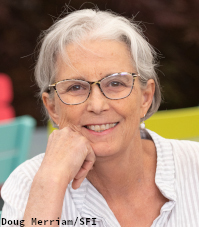
Dr. Stephanie Forrest is a Professor at Arizona State University's School of Computing and Augmented Intelligence (SCAI) and serves as Director of the Biodesign Center for Biocomputation, Security and Society . She is also affiliated with the Santa Fe Institute (SFI) as External Faculty and the ASU-SFI Fellowship . Education: B.A. from St. John's College and M.S./Ph.D. in Computer Science from the University of Michigan. Her research spans the biology of computation and computation in biology , including computational immunology , cybersecurity , automated software repair , evolutionary computation , and complex systems . Recent work focuses on GPU code optimization , malware analysis , and privacy-preserving wastewater epidemiology . Her publications (15 most recent) reveal trends in evolutionary algorithms for software repair, cybersecurity frameworks inspired by biological systems, and high-performance computing applications in epidemiology and genetics. Awards include IEEE S&P Test of Time (2020) , ACM/AAAI Allen Newell (2011) , and ICSE Most Influential Paper (2019) . Cybersecurity: Developed anomaly detection, instruction-set randomization, and CRISPR-inspired DoS mitigation. Software Repair: Pioneered biologically inspired methods for bug fixing, vulnerability closure, and energy optimization. Biological Modeling: Agent-based simulations of SARS-CoV-2 spread, cancer evolution, and immune system dynamics.
Katherine Seley-Radtke is a Professor in the Department of Chemistry & Biochemistry at the University of Maryland, Baltimore County (UMBC) and holds a joint appointment with the University of Maryland, Baltimore (UMB) Biochemistry program. With a Ph.D. from Auburn University (1996) and a B.A. from the University of South Florida (1992), her academic career spans institutions like Georgia Tech (1998-2003) and Auburn University (1997-98). She serves on advisory boards for Wayne State University’s NIH FIRST program and Penn State’s NIH T32 training initiative. Education: B.A., University of South Florida (1992) Ph.D., Auburn University (1996) Her research focuses on Medicinal/Synthetic Bioorganic Chemistry , developing fleximer and flex-base nucleoside/nucleotide analogues to combat viral and cancerous diseases. Key projects include: Antiviral agents targeting coronaviruses (SARS-CoV-2, MERS), filoviruses (Ebola), and flaviviruses (Dengue). Anticancer compounds (thiophene-expanded purines, pyrrolo- and thienopyrimidines) showing sub-nanomolar efficacy against lung, colon, leukemia, and breast cancers. Prodrugs for enhanced oral bioavailability of tricyclic nucleosides active against HCV. Her work integrates SAR algorithms , structure-based drug design , and cross-disciplinary chemical biology to overcome drug resistance via molecular flexibility. Honors and Leadership: Baltimore Sun 2021 Women to Watch ISAR Antonín Holý Memorial Award (2020) UMBC Presidential Research Professor (2015-2018) Editor-in-Chief, Annual Reports in Medicinal Chemistry (2022-present) President, International Society for Antiviral Research (2022-2024) Her lab includes 6 graduate students, 3 postdocs, and 4 undergraduates. She has held leadership roles in NIH review panels, Gordon Research Conferences, and the International Society on Nucleosides, Nucleotides & Nucleic Acids (IS3NA).
Professor Tolga Ayav is affiliated with the Department of Computer Engineering at Izmir Institute of Technology , where he has served as faculty since 2006. He received his BSc in Electrical and Electronics Engineering (1995) from Dokuz Eylül University, MSc in Computer Engineering (1999) from Izmir Institute of Technology, and PhD in Computer Engineering (2004) from Ege University. He was a researcher at INRIA Rhone-Alpes in 2005. Education BSc: Electrical and Electronics Engineering, Dokuz Eylül University (1995) MSc: Computer Engineering, Izmir Institute of Technology (1999) PhD: Computer Engineering, Ege University (2004) Research Interests include formal methods for software testing, hardware component and on-chip system tests, real-time and fault-tolerant embedded systems, blockchain applications, and machine learning. His work focuses on: Formal verification techniques Real-time system optimization Hardware-software co-design Blockchain-based security solutions Mathematical modeling in testing Recent Publications span topics like: Deep learning for livestock monitoring Blockchain in IoT security Fourier expansion in fault analysis Optimized data replication strategies Finite state machine testing Scientific Awards include: Best Paper Award at IEEE CBDCom 2016 for cloud data replication research Teaching includes courses such as: CENG 312: Computer Networks CENG 523: Advanced Topics in Real-Time Systems CENG 215: Circuits and Electronics Projects he has led include: TÜBİTAK TEYDEB: Spectrally Efficient Small Cell Base Station Design BAP: Dedicated Server for Physical Network Applications Lab Leadership : He leads the DCS Research Group at Izmir Institute of Technology, focusing on distributed computing and real-time systems.
Rui Abreu is a Full Professor at the Faculty of Engineering of the University of Porto, Portugal. His academic career spans multiple institutions including IST, ULisbon where he served as an Associate Professor, and the University of Porto where he previously held the position of Assistant Professor. He has also been a Visiting Researcher at Google NYC (2019-2020) and a member of the Model-Based Reasoning group at PARC's System and Sciences Laboratory. Dr. Abreu earned his Ph.D. in Computer Science - Software Engineering from the Delft University of Technology, The Netherlands, and his M.Sc. in Computer and Systems Engineering from the University of Minho, Portugal. His research revolves around software quality with emphasis on automating testing and debugging phases of the software development life-cycle as well as self-adaptation. With extensive expertise in both static and dynamic analysis algorithms, his work spans traditional software engineering, quantum software testing, and security-focused development practices. His recent publications demonstrate a strong focus on applying AI techniques to software engineering problems, quantum software testing, and security vulnerability detection. The trend shows increasing integration of large language models in debugging tools and expanding research into quantum software verification. Dr. Abreu has received significant recognition for his work, including 6 Best Paper Awards and a Distinguished Paper Award at ESEC/FSE 2019. His research has attracted considerable attention in the software engineering community. As an entrepreneur, he co-founded DashDash in January 2017, a platform that allows users to create web applications using only spreadsheet skills. The company secured $9M in Series A funding in May 2018. His industry experience complements his academic work, particularly in the areas of practical software tools and applications. Dr. Abreu has been actively involved in numerous conferences, serving as General Chair for ICST 2020, Program Committee member for multiple tracks across various conferences, and as Steering Committee member for ICST. His leadership in the software engineering community is evident through his extensive service and contributions to the field.