Prof. OĞUZ ÇİLİNGİR is a distinguished academic at Eskisehir Osmangazi University , serving as Professor (2025–Present) in the Department of Medical Genetics within the Medical Faculty . He previously held roles including Associate Professor (2021–2025), Assistant Professor (2006–2021), and Lecturer (2004–2006). He has been Head of Department since 2025 and Director of the Center since 2008. Education: PhD in Medical Genetics from Eskisehir Osmangazi University (2001); MD from İstanbul University-Cerrahpaşa, Cerrahpasa Faculty of Medicine (1992). His research focuses on Medical Genetics , Clinical Medicine , Molecular Genetics , and Cytogenetics , with over 297 publications. Key themes include pediatric cardiomyopathies , autoimmune syndromes , cardiac amyloidosis , and chromosomal abnormalities . He has supervised 13 theses, including PhD and postgraduate studies. Notable Research Trends: He investigates genetic variants in congenital heart defects , neurogenetic disorders , and cancer prognosis , with a focus on lncRNAs , miRNAs , and gene-environment interactions . His work spans genetic counseling , epigenetics , and population-specific mutations . Non-Academic Experience: PhD research at East London University (1993–1994).
Xi Chen is an Assistant Professor at the Department of Biology, Southern University of Science and Technology (SUSTech), since 2019. He previously worked as a Senior Staff Scientist at the Wellcome Sanger Institute (2016–2019) and Postdoctoral Fellow at the European Bioinformatics Institute (2013–2016). His academic journey includes a PhD in Life Sciences (2009–2012) and BSc in Experimental Medicine (2005–2009) from the University of Manchester and Peking University Health Science Center respectively. Education: PhD, Life Sciences, University of Manchester (2009–2012) BSc, Experimental Medicine, Peking University Health Science Center (2005–2009) Research Interests focus on: Developing single-cell epigenetic and transcriptomic sequencing technologies Epigenetic and bioinformatic analysis of genomic data Using T cells and stem cells as models to study transcription factors and chromatin complexes in cell fate determination and memory Recent Publications highlight his work in single-cell genomics (2018–2019), with methodological advances like rapid chromatin accessibility profiling and insights into T helper cell CRISPR screens, embryonic stem cell differentiation, and innate immunity variability. His publications span high-impact journals including Cell , Nature , and Nucleic Acids Research . Labs & Collaborations: Xi Chen leads the xichenlab.com , a hub for single-cell genomics research. The lab recruits postdocs and research assistants for both computational (dry lab) and experimental (wet lab) roles, emphasizing interdisciplinary collaboration and access to SUSTech's supercomputing resources.
Christopher E. Wilmer is an Associate Professor at the Swanson School of Engineering , University of Pittsburgh, specializing in computational materials discovery for energy applications. His work focuses on Metal-Organic Frameworks (MOFs) in gas separation, thermal conductivity, and sensor array design. PhD, Chemical & Biological Engineering, Northwestern University (2013) BASc, Engineering Science, University of Toronto (2007) Wilmer's research integrates computational modeling with hypothetical materials to advance carbon capture , gas sensing , and thermal transport in nanoporous systems. He pioneered genetic algorithms for MOF sensor optimization and studies defect impacts in MOFs like UiO-66. His 15 most recent publications (2024-2021) span Materials Science , Chemical Engineering , and Environmental Technology , emphasizing MOFs for CO2 capture , electronic nose development , and thermal property engineering . Key journals include Journal of Materials Chemistry A , ACS Sensors , and Chemical Science . Scientific honors include Forbes 30-under-30 , ACS Excellence Award , and NSF Visualization Challenge . He has advised co-authors on MOF-based projects but no formal students are listed in the provided data. Wilmer's cyber-physical systems work intersects with infrastructure security , as noted in his faculty profile. He developed MOFUN , an open-source Python tool for molecular design, and contributed to E-waste fraud modeling and light-harvesting MOFs .
Meneghini Vasco is a Fixed-term Researcher (RTD-A) in Human Histology at Vita-Salute San Raffaele University's School of Medicine and Surgery in Milan, Italy. His academic career spans prestigious institutions including San Raffaele-Telethon Institute for Gene Therapy (SR-Tiget), Imagine Institute of Genetic Diseases in Paris, and University of Piemonte Orientale. Ph.D. in Food and Pharmaceutical Biotechnologies, University of Piemonte Orientale (2010) Master Degree in Industrial Biotechnology, University of Milan-Bicocca (2006) Bachelor in Molecular Biotechnology, University of Milan-Bicocca (2003) Dr. Meneghini's research focuses on gene therapy for lysosomal storage diseases , CRISPR/Cas9 genome editing applications , and neural stem cell engineering . His work integrates advanced techniques in viral vector development, iPSC modeling, and hematopoietic stem cell manipulation to address neurological and hematological disorders. Current projects emphasize AAV vector optimization, immune response characterization, and developing allele-specific editing strategies for neurodegenerative conditions. His publication record reveals a strong emphasis on translational neuroscience and regenerative medicine , with recent work (2022-2025) concentrating on AAV vector immunogenicity, neural stem cell safety profiles, and combinatorial genome editing approaches for sickle cell disease. Key trends include developing safer CNS delivery systems, optimizing iPSC-derived neural models, and advancing precision editing techniques for monogenic disorders. NextGenerationEU-PNRR grant, Italian Ministry of University and Research (2022) BGTC AAV Biology research program (Co-PI), Foundation for the National Institutes of Health (2022) Marie Skłodowska Curie Actions Individual Fellowship (2020) Ricerca Finalizzata - Giovani Ricercatori grant, Italian Ministry of Health (2019) Sanofi iAwards Europe (2019) As Project Leader at SR-Tiget's Gene and Neural Stem Cell Therapy Unit, Meneghini directs research on lysosomal storage disease therapies while serving on editorial boards for Frontiers journals. His collaborative network spans European and American gene therapy consortia, with significant contributions to international sickle cell disease research initiatives and European Leukodystrophies Association family-researcher engagement programs. Meneghini maintains active laboratory operations at San Raffaele-Telethon Institute, leading a multidisciplinary team focused on vector development, neural stem cell characterization, and preclinical validation of gene editing approaches. His group collaborates extensively with clinical teams at San Raffaele Hospital and international consortia including the European Society of Gene and Cell Therapy.
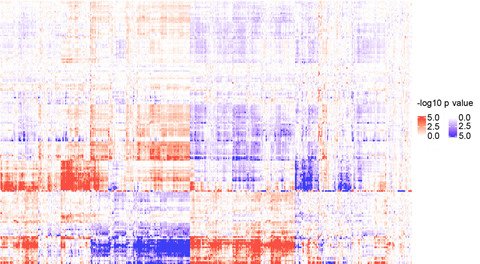
Sigrid Swagemakers is a researcher at Erasmus University Medical Center specializing in Pathology. Active in interdisciplinary research spanning immunology, genetics, and molecular biology, her work focuses on gene expression analysis, DNA repair mechanisms, and immune response profiling in diseases like sarcoidosis, uveitis, and neurodevelopmental disorders. Key research areas: Gene Expression, DNA Repair, Sarcoidosis, Uveitis Collaborative focus on ocular immunology and systemic immune disorders Recent publications examine interferon signaling in tubercular retinal vasculitis and biomarker differentiation of uveitis subtypes Her 2024-2025 work includes murine models for STAT3 gain-of-function syndromes and DNA damage repair variants in pediatric neuropsychiatric conditions. Research outputs primarily appear in journals like Investigative Ophthalmology and Visual Science and Developmental Neuroscience .
Willow Coyote-Maestas is an Assistant Professor in the Department of Bioengineering and Therapeutic Sciences at the University of California San Francisco (UCSF), where she leads the Coyote-Maestas Lab. She holds affiliations with multiple graduate programs, including the Biophysics Graduate Program, Chemistry and Chemical Biology Graduate Program, Pharmaceutical Sciences and Pharmacogenomics Graduate Program, and the Tetrad Graduate Program. Her research focuses on integrating computational biology, molecular biophysics, and pharmacogenomics to understand protein structure-function relationships and their implications in disease and drug development. Education PhD in Biochemistry, Molecular Biology, and Biophysics from the University of Minnesota, Twin Cities (2021) MS in Bioinformatics and Computational Biology from the University of Minnesota (2019) BS in Chemistry and BA in Environmental Studies from Evergreen State College (2014) Research interests span molecular dynamics simulations, deep mutational scanning, and domain engineering in ion channels and drug transporters. Her work addresses critical questions in pharmacogenomics, systems pharmacology, and evolutionary constraints on protein function. Recent projects include the development of computational frameworks like Rosace and ORACLE, and functional studies on the MET receptor tyrosine kinase and OCT1 transporter mutations. Scientific Awards Chan Zuckerberg Biohub Investigator (2023-2028) HHMI Hanna Gray Fellow (2021-2027) QBI Fellow (2021-2023) NSF Graduate Research Fellowship (2017-2018) University of Minnesota Ross A. Gortner Award (2019) Publications highlight her expertise in computational genomics, protein engineering, and biophysics, with recent studies analyzing codon interplay, kinase resistance mechanisms, and bacterial secretion systems. Her methodological innovations, such as DIMPLE and Rosace, provide tools for studying protein variation and functional landscapes.
Dr. David Adams is a Senior Group Leader at the Wellcome Sanger Institute where he leads the Experimental Cancer Genetics Laboratory within the Cancer, Ageing and Somatic Mutation Programme. He also serves as Co-lead of Cell & Molecular Biology at the Cambridge Cancer Centre. As a Fellow of both the Academy of Medical Sciences and the Royal College of Pathologists, Dr. Adams has established himself as a leading researcher in cancer genetics and genomics. Dr. Adams' research focuses on understanding how genetic alterations contribute to cancer development through high-throughput functional genetic screens in human cells and mice. His laboratory investigates several key areas including the Atlas of Variant Effects using saturation genome editing, the Genomic Atlas of Dermatopathology, combinatorial CRISPR screening for synthetic lethal targets, and host regulation of tumor growth. His work combines cutting-edge genomic technologies with computational biology to uncover fundamental insights into cancer biology. Analysis of Dr. Adams' recent publications (2023-2025) reveals a strong emphasis on cancer genomics, melanoma research, and functional validation of genetic variants. His work spans multiple cancer types with particular focus on skin cancers, while also exploring broader applications in ocular diseases, immunology, and therapeutic development. The research demonstrates increasing integration of multi-omics approaches, cross-species comparisons, and translational applications of basic genomic discoveries. Among Dr. Adams' notable scientific achievements are his Fellowship in the Academy of Medical Sciences, the Goudie Medal from the Pathological Society, and an ERC Synergy Grant. He is also a founding member of the Atlas of Variant Effects Alliance and co-chairs Genomel (The Genetics of Melanoma Consortium). Dr. Adams has graduated more than a dozen PhD students and mentored over 50 students and postdocs who now lead research groups worldwide or work in industry and the NHS. His laboratory has received significant funding from Cancer Research UK, the Medical Research Council, and the Royal Society, supporting his advocacy efforts for cancer genetic studies in low- and middle-income countries. The Experimental Cancer Genetics Laboratory utilizes large-scale genomic studies and genome editing technologies to identify cancer genes and explore their function. Dr. Adams co-heads the Sanger Excellence Programme for Black British scientists and is actively involved in promoting diversity and inclusion in scientific research.
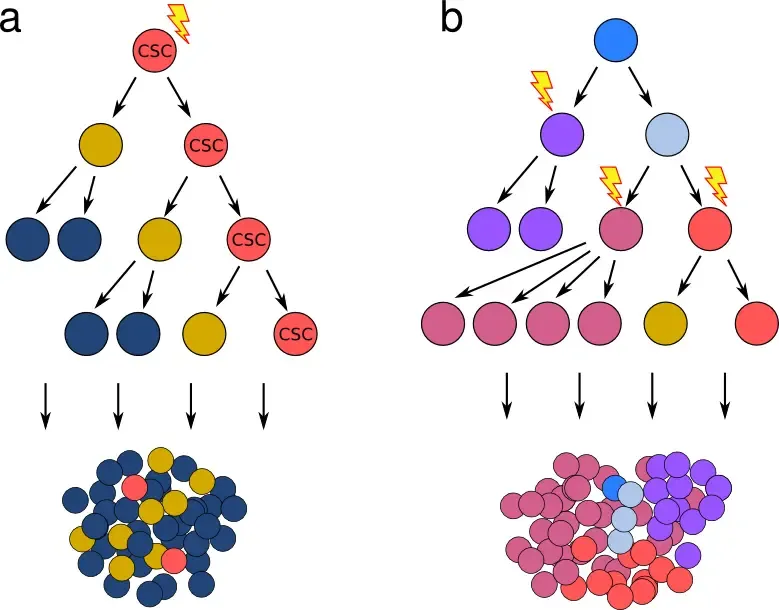
Martin Enge is a Senior Researcher and Associate Professor in the Department of Oncology-Pathology at Karolinska Institutet. He holds a Medicine Doctoral degree (2009) from Karolinska Institutet and has been recognized for developing innovative single-cell multiomics methodologies to study cancer biology. Employment: Senior Researcher (2022-), Associate Professor (2023) Location: Bioclinicum v6, Stockholm His research focuses on clonal evolution , gene regulation , and cell interaction in cancer, particularly in pediatric acute lymphoblastic leukemia (ALL) . He investigates how both genetic and epigenetic changes drive tumor progression and response to treatment, using advanced single-cell techniques to distinguish cancer stem cells from stochastic models of tumor growth. His 15 most recent publications span topics including MYC super-enhancer regulation , single-cell transcriptomics in psoriasis , pre-malignant subclones in neuroblastoma , and chromatin interactome in colorectal cancer . These works integrate genomic , transcriptomic , and computational approaches to decode complex disease mechanisms. Scientific Awards: Swedish Childhood Cancer Foundation grant (2021) He leads the research group Cancer stem cells and clonal structure in acute lymphoblastic leukemia at Karolinska Institutet, which has developed novel methods for analyzing functional and genetic errors in individual cells across leukemias and other cancers. His lab is actively involved in understanding pre-leukemic states , relapse mechanisms , and stromal interactions in tumor microenvironments.
Per Hydbring is a Senior Research Specialist and Lecturer at the Department of Oncology-Pathology, Karolinska Institutet, where he leads his research team focused on coding and non-coding RNAs in cancer. His work intersects with Simon Ekman's Precision Cancer Medicine in Lung Cancer group, emphasizing targeted therapy resistance and RNA-based drug delivery. Academic Affiliation: Department of Oncology-Pathology, Karolinska Institutet Research Focus: MicroRNA mechanisms in therapy-resistant lung and breast cancers, cell cycle regulation via CDKs/cyclins, and systemic RNA delivery using lipid nanoparticles His research employs systematic genomic screens to identify RNA regulators of tumor refractoriness to tyrosine kinase inhibitors (TKIs) like osimertinib, with applications in patient outcome prediction and drug development. Collaborations include teams led by Dr. Simon Ekman and Dr. C. Norberg, supported by the Swedish Research Council and Stockholm Cancer Society. Dr. Hydbring obtained his Docent degree at Karolinska Institutet in 2023.
Professor Angela Morgan is the Group Leader of the Speech & Language research team at the Murdoch Children's Research Institute. Her work focuses on genetic mechanisms underlying childhood speech and language disorders, with particular expertise in neurodevelopmental conditions such as childhood apraxia of speech, stuttering, and genetic syndromes affecting communication. She holds the academic rank of Professor and serves as a Senior Principal Research Fellow. Her primary research domains include: Genomic medicine applications in speech pathology Neurogenetic bases of communication disorders Phenotypic characterization of rare genetic syndromes Development of clinical frameworks for childhood speech disorders Publications (2015-2025) demonstrate consistent focus on genetic architectures of speech disorders, neurodevelopmental trajectories, and clinical translation. Recent work emphasizes large cohort studies, genotype-phenotype correlations, and diagnostic guideline development. Article keywords frequently involve neurogenetics, epigenetic regulation, and neurorehabilitation.
Emanuela Bruscia is an Associate Professor of Pediatrics (Respiratory) at Yale School of Medicine, leading the Bruscia Lab within the Division of Pediatric Pulmonology, Allergy, Immunology & Sleep Medicine. Her research focuses on the role of CFTR mutations in immune dysfunction, particularly in macrophages and monocytes, and developing therapies to address lung inflammation and tissue repair in cystic fibrosis (CF). Education: PhD in Biochemistry and Molecular Genetics (2002) from University of Tor Vergata, Rome, Italy The lab investigates how CFTR deficiency affects immune cell behavior, using CF mouse models, patient specimens, and advanced cellular techniques. Key collaborations include the Yale Combined Program in the Biological and Biomedical Sciences, Yale Stem Cell Center, and the CF Center at Yale New Haven Hospital. Recent publications demonstrate her focus on monocyte/macrophage adaptation in inflamed lungs, CFTR-modulator therapies, and innovative approaches like electrochemiluminescence CFTR immunoassays and mRNA nanoparticle delivery. Her work bridges pulmonary immunology and hematopoietic stem cell biology to identify mechanism-based therapeutic targets.
Dr. Evren Uzun is an Assistant Professor at Gaziantep University Faculty of Medicine, Department of Surgical Medical Sciences, specializing in Medical Pathology. With a medical license from Çukurova University (2004-2010) and pathology specialization from Dokuz Eylül University (2013-2017), they focus on molecular pathology, immunohistochemistry, and surgical oncology. Their research interests include Colorectal cancer molecular profiling Head and neck tumor diagnostics Gynecological pathology Comparative imaging techniques in oncology Drug-induced pathological conditions Recent publications highlight advancements in PET/CT imaging biomarkers, KRAS/BRAF mutation analysis, and novel diagnostic models for endometrial and breast cancer. They have received awards for oral presentations and actively participate in European and national pathology congresses. Scientific Contributions 2017 Best Oral Presentation Third Place (Professional Societies) Co-author of 10 book chapters on immunohistochemistry and surgical pathology Principal investigator and researcher on projects studying colorectal polyps and cholesteatoma
Giorgio Mangino is an Associate Professor at the Department of Medical-Surgical Sciences and Biotechnologies, Faculty of Pharmacy and Medicine, Sapienza University of Rome. His research focuses on HPV tumor microenvironment, exosomes and microvesicles, Signal Transduction, microRNA, and inflammatory diseases. With a career spanning multiple decades, he has established himself as a leading researcher in viral oncology and immunology, particularly in understanding how HPV oncoproteins modulate cellular signaling and immune responses. Dr. Mangino earned his Laurea in Biological Sciences with highest honors (110/110 cum laude) from Sapienza University of Rome in 1995, followed by a PhD in Immunological Sciences in 2006. His educational journey included specialized training in flow cytometry, biostatistics, and English language proficiency (Trinity College Grade 7 certification). He has held various research positions at University of Rome Tre and Sapienza University before securing his current position as Associate Professor. His research trajectory evolved from early studies on interferon signaling in erythroleukemic cells, through investigations of HIV-1 Nef protein's effects on macrophage signaling, to his current focus on HPV-induced carcinogenesis. Dr. Mangino has made significant contributions to understanding how viral proteins manipulate host cell signaling pathways, particularly regarding Nef's role in inducing proinflammatory states and HPV oncoproteins' effects on microRNA expression and tumor microenvironment modulation. Dr. Mangino's recent publications reveal a strong emphasis on translational research, particularly in developing extracellular vesicle-based biomarkers for skin cancer diagnosis and understanding immune profiles in autoimmune disorders. His work bridges fundamental virology with clinical applications, demonstrating consistent evolution from basic mechanisms to potential diagnostic and therapeutic approaches. Scientific Awards: Seymour and Vivian Milstein Travel Award (2005, 2006, 2007, 2011) Eurovirology Travel Grant (2007) Best Poster Award of Società Italiana di Virologia (2008) As a cytometrist, Dr. Mangino collaborates extensively across multiple research projects requiring advanced cellular analysis techniques. He has served as thesis advisor for numerous Master's students and teaches courses in immunology, virology, and laboratory medicine. His current research projects focus on extracellular vesicle-based diagnostics for skin lesions, biomarker discovery in actinic keratosis progression, and immune profiling of patients receiving cancer immunotherapies. Dr. Mangino directs the Flow Cytometry Laboratory at Sapienza University, supporting a wide range of research initiatives within the Department of Medical-Surgical Sciences and Biotechnologies.
Kojo S.J. Elenitoba-Johnson serves as Chair of the Department of Pathology and Laboratory Medicine and holds the James Ewing Alumni Chair of Pathology at Memorial Sloan Kettering Cancer Center. He is a distinguished pathologist specializing in hematopathology and molecular genetic pathology, with over 30 years of clinical and research experience focused on lymphoma pathogenesis. His research interests center on understanding the molecular events underlying lymphoma development, with particular emphasis on genomic and proteomic alterations. Dr. Elenitoba-Johnson's laboratory employs genomic and functional proteomic approaches to discover novel mechanisms of lymphoma pathogenesis, develops conditional murine models for investigating oncogenes and tumor suppressor genes, and conducts translational research utilizing innovative genomic and mass spectrometry-based approaches for diagnostic and therapeutic applications. His recent publications demonstrate a strong focus on precision diagnostics in oncology, with significant contributions to understanding the genomic landscape of various lymphomas including T-cell lymphomas, splenic marginal zone lymphoma, and Sézary syndrome. His work has advanced the field of molecular diagnostics and personalized cancer medicine. Elected Member, National Academy of Medicine (2023) James Ewing Alumni Chair, Department of Pathology, Memorial Sloan Kettering Cancer Center (2022) President, Association for Molecular Pathology (2017-2018) Inaugural Peter C. Nowell, MD, Chair, Founding Director, Center for Personalized Diagnostics, University of Pennsylvania (2015) Outstanding Investigator Award, American Society of Investigative Pathology (2012) Elected Member, American Society for Clinical Investigation (2011) Ramzi Cotran Young Investigator US Canadian Academy of Pathology Award (2006) Dr. Elenitoba-Johnson leads the Elenitoba-Johnson and Megan Lim Lab, which focuses on genomic and proteomic alterations in lymphoma pathogenesis. His work bridges basic science with clinical applications, developing innovative diagnostic approaches and identifying potential therapeutic targets. He maintains active collaborations across multiple institutions and participates in numerous clinical trials focused on advancing cancer diagnostics and treatment.
Julie Brind'Amour is an Adjunct Professor at the Faculty of Veterinary Medicine, Université de Montréal, affiliated with the Department of Veterinary Biomedicine. She is a member of the Centre de recherche en reproduction et fertilité (CRRF) and the Centre d'expertise et de recherche clinique en santé et bien-être animal (CERCL). B.Sc. in Microbiology (Université Laval, 2003) M.Sc. in Molecular and Cellular Biology (Université Laval, 2005) Ph.D. in Medical Genetics (University of British Columbia, 2011) Postdoctoral research in Medical Genetics (University of British Columbia, 2012-2019) Her research focuses on epigenetic remodeling during germline and early embryonic development, particularly examining the effects of interventions or mutations on maternal epigenome establishment and their impact on offspring. Key projects include studies on heterochromatin proteins, maternal genetic effects, and bovine epigenetic markers. Recent publications highlight her work on retrotransposon-driven epigenetic modifications, histone-DNA methylation interplay, and low-input ChIP-sequencing methodologies. These studies span genetics, epigenetics, and developmental biology with applications in reproductive health and veterinary medicine. Post-Doctoral Fellowship Award, Michael Smith Foundation for Health Research (2015) She collaborates with researchers like Greg Fitzharris and contributes to projects funded by agencies including FRQNT, CIHR, and NSERC. Her work bridges fundamental biological mechanisms with practical applications in animal reproduction and epigenetic disorder detection.