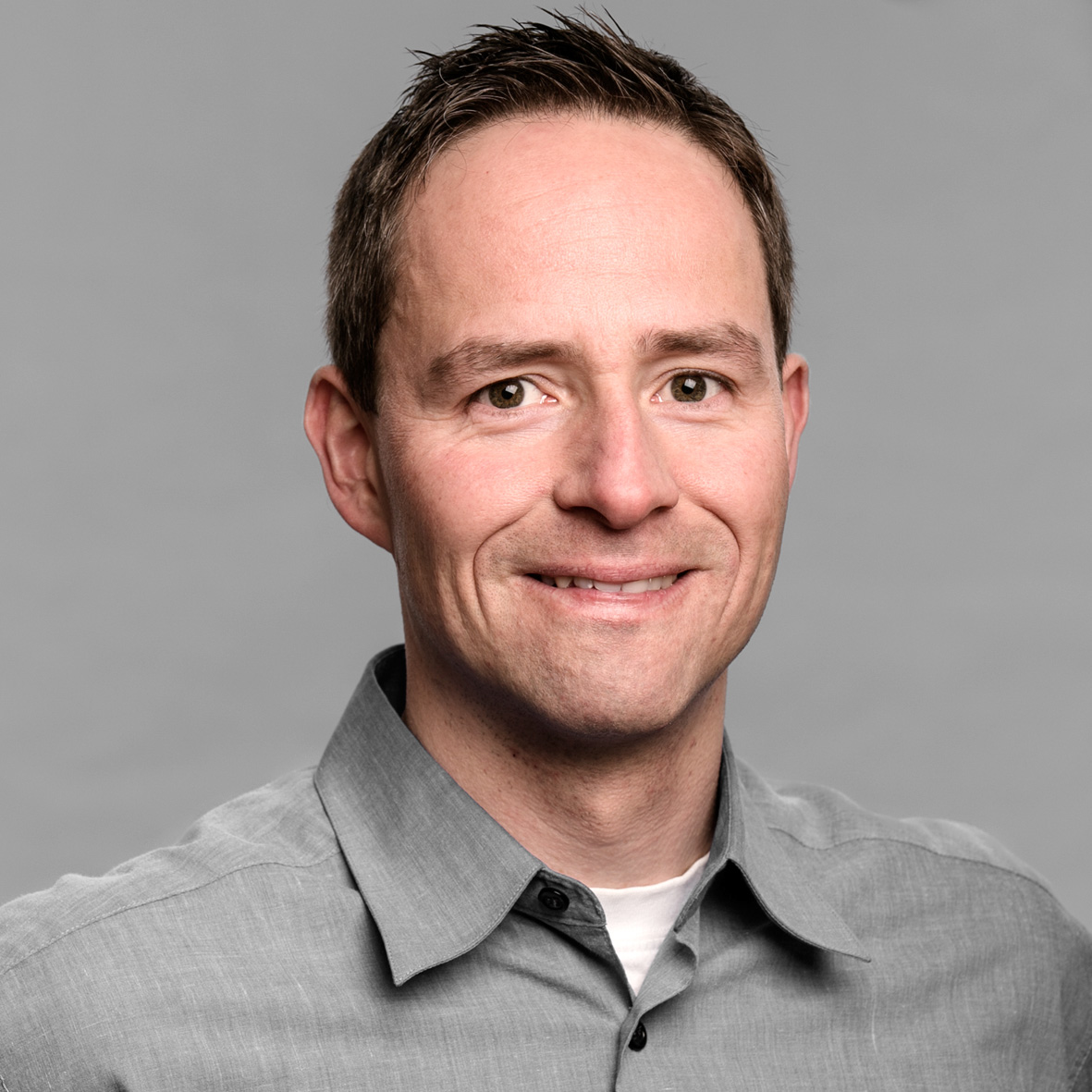
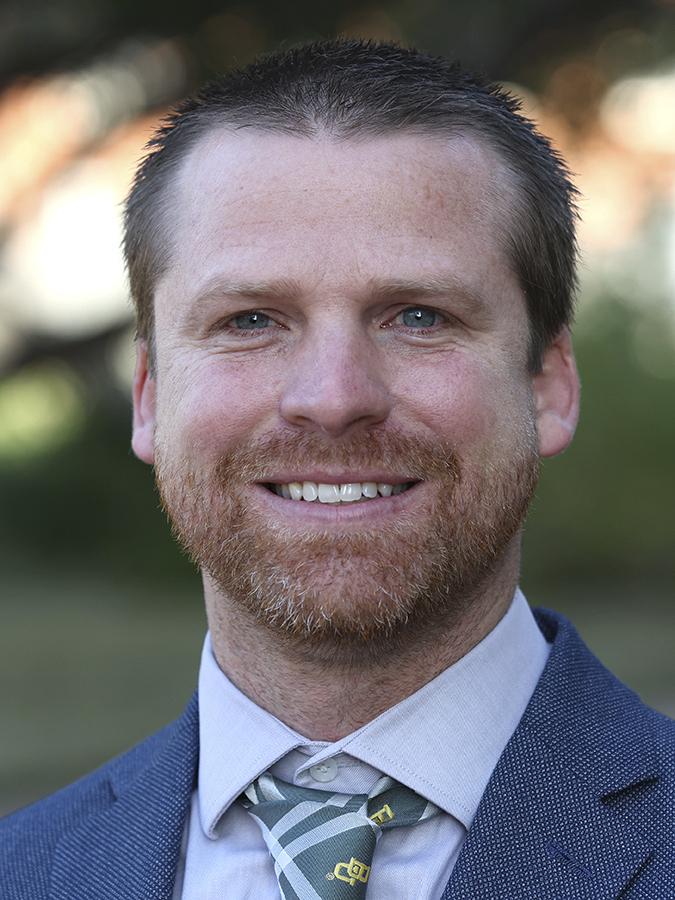
Prof. Dr. Stephan Schiemann is a faculty member at Leuphana University of Lüneburg specializing in Sports Science and Health Sciences . With over 122 publications and active research in physical education, strength training, and rehabilitation, his work focuses on biomechanics, muscle adaptation, and digital health interventions. Key Research Areas: Strength training, flexibility protocols, youth athlete development, inclusive sports, and digital health applications Projects: KITA GUT & GESUND, RoBaTaS (Rollstuhlbasketball), HeaLinGo (health-language integration) Research Trends Recent publications analyze: Strength-performance correlations across sports (basketball, cross-country skiing) Long-term stretching effects on muscle hypertrophy Measurement error differentiation in ultrasound diagnostics Comparative training methods for plantar flexors His work bridges theoretical development with practical applications in school sports and rehabilitation.
Ina Fichtner is a Professor at the Faculty of Digital Transformation of University of Applied Sciences HTWK Leipzig since 2022. Previously, she led the MINT department at the Institute for Applied Training Science (IAT) in Leipzig for 13 years (2009–2022), focusing on integrating mathematics, informatics, and natural sciences into sports research. Her work bridges computer science , biomechanics , and sports informatics , with extensive projects on athlete movement analysis, data systems (IDA), and digital tools for elite sports. PhD in Computer Science (2007) from TU Dresden and Leipzig University Diplom in Mathematics and Computer Science (2002) from Jena, Dresden, and Sheffield Her research spans data science , sports technology , and applied informatics , particularly in ski jumping , dive analysis , and athlete biomechanics . She has co-authored numerous publications in theoretical computer science and applied sports informatics , including studies on 3D body scanning , inertial sensors , and force-velocity profiling . She served as Alumni Representative and Treasurer of the Friends' Association at HTWK Leipzig, with memberships in German Mathematical Society and German Sports Science Association .
Sylvie Dufour is an Associate Research Scientist in the Department of Endocrinology at Yale School of Medicine, part of Yale University. Her research focuses on metabolic disorders, mitochondrial dysfunction, and insulin resistance, with a particular emphasis on liver and muscle metabolism in diabetes and fatty liver disease. She collaborates closely with prominent researchers like Gerald I. Shulman and Kitt Petersen. Key research themes include the role of glucagon in hepatic mitochondrial oxidation, the impact of genetic variants (e.g., PNPLA3 I148M) on lipid metabolism, and interventions like carbohydrate restriction or SGLT2 inhibitors to reverse metabolic dysfunction. Her work bridges basic science and clinical translation, addressing mechanisms underlying insulin resistance, hepatic steatosis, and cardiometabolic risk. Publications span topics such as mitochondrial protonophore therapies, ketogenesis modulation, and the effects of burosumab on muscle function. Her studies frequently employ human and animal models to elucidate metabolic pathways and therapeutic targets.
Christer Malm is a Professor at Umeå University's Department of Community Medicine and Rehabilitation, Section of Sports Medicine. His research spans molecular muscle adaptation, anti-doping technologies, and physical performance optimization for firefighters and athletes. Primary Affiliation: Umeå University, Sweden Key Focus Areas: Exercise physiology, proteomics, anti-doping, muscle disease mechanisms Research Interests: Muscle Adaptation: Revisiting the damage-repair hypothesis using proteomic screening to study cytoskeletal remodeling. Anti-Doping: Developing proteomic methods to detect autologous blood doping and investigate erythrocyte breakdown mechanisms. Work Capacity: Establishing physiological benchmarks for Swedish firefighters through extensive testing. Musculoskeletal Diseases: Comparative proteomic analysis of trapezius, vastus lateralis, and extraocular muscles to uncover disease resistance mechanisms. Exercise Impact: Exploring how physical activity modulates immunity in health and disease contexts. Scientific Contributions: Over 20 years of publications in Journal of Sports Sciences , PLOS ONE , and Scandinavian Journal of Medicine & Science in Sports , including studies on anabolic steroid effects and cold climate physiology. Ongoing Projects: PhD studies on blood doping detection, firefighter performance limits, and cross-country skiing physiology. Contact: christer.malm@umu.se
Dawson Kidgell is an Associate Professor in the Department of Physiotherapy at Monash University, Faculty of Medicine. He is an active researcher and PhD supervisor with a strong focus on the neurophysiology of exercise, particularly neuroplasticity and motor cortex responses to strength training and non-invasive brain stimulation techniques such as Transcranial Magnetic Stimulation (TMS) and transcranial direct current stimulation (tDCS). His research interests include understanding how the nervous system adapts to exercise, rehabilitation, and neuromodulation. He employs advanced electrophysiological methods—TMS, tDCS, EMG, and spinal reflex testing—to explore corticospinal excitability, intracortical inhibition, and motor learning. His work has significant implications for sports science, rehabilitation of neuromuscular injuries, and aging populations. Recent publications (2020–2024) highlight a strong trend in systematic reviews and meta-analyses on tDCS, corticospinal responses to training, and clinical applications in tendinopathy, concussion, and aging. His research frequently investigates bilateral transfer, cross-education of strength, and the neural mechanisms underlying rehabilitation interventions. Scientific Awards: University of Jyväskylä Visiting Fellow grant (2023) Research Funding and Supervision: Associate Professor Kidgell has secured over $2.5 million in research funding. He has successfully supervised 11 PhD students to completion and currently mentors 5 additional PhD candidates. His research projects include NHMRC-funded studies on neurophysiological markers of balance and equipment grants for advanced neurostimulation tools. Laboratories and Research Teams: His work is conducted within neurophysiology and exercise neuroscience labs at Monash, often in collaboration with interdisciplinary teams focusing on motor control, rehabilitation, and sports medicine.
Dr. Cory Smith is an Assistant Professor in the Department of Health, Human Performance, and Recreation at Baylor University, where he directs the Human & Environmental Physiology Laboratory. His applied physiology research focuses on neurophysiological assessment methodologies, extreme environment adaptations, and sensor-based physiological monitoring systems. Current projects examine neuromuscular disease diagnostics, warfighter performance optimization, and cognitive-physiological responses in austere environments through translational research approaches. Primary research interests include: Aerospace/environmental physiology : Investigating human responses to hypoxia, cold, and gravitational stressors Neurophysiological monitoring : Developing fNIRS/EMG methodologies for clinical and tactical applications Sensor data fusion : Integrating multimodal physiological signals for performance assessment Muscle fatigue mechanisms : Studying neuromuscular adaptations during exertion under environmental constraints Analysis of recent publications (2022-2025) reveals dominant themes in neurophysiological monitoring techniques (particularly fNIRS applications), environmental stressor impacts on human performance, and rehabilitation physiology. Research consistently bridges clinical applications (neuromuscular diseases, cerebral palsy) with tactical performance optimization (marksmanship, combat fitness). Methodological innovations in EMG signal processing and hypoxia protocols form significant technical throughlines. Dr. Smith leads a research team collaborating with clinical practitioners to translate physiological insights into practical interventions for military personnel, occupational workers, and clinical populations.
Dr. Young Sub Kwon is a Full Professor in the Department of Kinesiology at Cal Poly Humboldt, affiliated with the School of Applied Health. His research focuses on temperature regulation in high-intensity exercise physiology, virtual exercise laboratories, and fitness assessments for first responders. He holds a Ph.D. in Sports & Exercise Science from the University of New Mexico and has pioneered studies on cooling technologies for military and athletic applications, widely covered by major media outlets like NBC and the Wall Street Journal. Dr. Kwon teaches graduate courses including Exercise Testing and Physiology of Exercise. He has developed innovative virtual labs to enhance accessibility in exercise science education and co-authored a textbook on Exercise Physiology. His work includes collaborations with local fire departments and law enforcement to create fitness programs, involving over 20 students in research projects. Over 30 peer-reviewed publications and presentations at international conferences highlight his contributions to firefighter fitness, HIIT optimization, and thermal physiology. He has secured grants including the CSU Faculty-Student Collaborative Research Grant and led projects funded by the College of Professional Studies. His teaching philosophy emphasizes critical thinking, hands-on lab experiences, and student support through certification exam preparation. Dr. Kwon actively mentors students, fostering their academic and professional growth in kinesiology.
Emilio Villa González serves as a Professor at the University of Granada, Spain, within the Faculty of Sports Sciences and Department of Physical Education and Sports since 2017. As a founding member of the PROFITH research group (established 2013), he bridges academic expertise with a decade of prior professional experience in fitness centers as a personal training specialist. His academic credentials include a Bachelor's in Physical Activity and Sports Sciences from Alfonso X el Sabio University (2004-2009), followed by a Master's and Doctoral Program in Biomedicine at the University of Granada. He earned the Extraordinary Doctorate Award in the health area and holds two additional master's degrees plus four postgraduate expert qualifications. Professor Villa González's research centers on active displacement , physical condition assessment , muscle strength training for youth , physical activity promotion in educational contexts , sports initiation/specialization , and health-oriented fitness trends . His interdisciplinary approach integrates exercise science, public health, and educational theory to develop evidence-based interventions for youth health improvement. Analysis of his 2023-2025 publications reveals consistent focus on school-based interventions, particularly active commuting and muscular fitness. His work employs systematic reviews, meta-analyses, and RCTs with international collaborations, showing significant policy impact—such as influencing U.S. National Institute for Health guidelines through his 2018 active transport review. Emerging trends include gamified resistance training (RETRAGAM protocol) and physical literacy assessment within 24-hour movement frameworks. His scientific recognition includes: Extraordinary Doctorate Award for the health area While specific grant details aren't provided, his international research stays (Ecuador, Chile, New Zealand, Porto) and high-impact publications indicate active involvement in funded projects. His mentorship likely extends through PROFITH group initiatives, though student names aren't specified in source materials. The PROFITH research group forms his primary collaborative environment, uniting exercise scientists, public health experts, and educators to advance physical activity promotion through rigorous, policy-relevant research.
Dr. Kamil Michalik serves as a Lecturer at Wroclaw University of Health and Sport Sciences within the Faculty of Physical Education and Sports, Department of Sports Didactics. He holds the important roles of Supervisor for the Student Scientific Club Sport Performance and Rector's Representative for the Student Scientific Society. With expertise spanning Exercise Physiology, Sports Science, and Exercise Testing, Dr. Michalik has published 74 scientific papers that have garnered 248 citations. His research focuses on physiological responses to training protocols, performance assessment methodologies, and sport-specific adaptations across various athletic disciplines. Analysis of his recent publications reveals a strong emphasis on performance metrics in cycling, speedway riding, ice hockey, and swimming. His work frequently investigates how respiratory physiology, muscle function, and training protocols influence athletic outcomes. He has developed significant expertise in exercise testing reliability, verification protocols for maximal oxygen uptake, and the application of novel training methods like hypercapnic warm-up techniques. Through the Student Scientific Club Sport Performance, Dr. Michalik mentors students on research topics including interval training effects, physical performance assessment, motor skills development, and respiratory adaptations. His consultation hours for the winter semester 2025/2026 are available both in person (room 241) and via Zoom by appointment. Dr. Michalik maintains an active research presence through his ResearchGate profile (https://www.researchgate.net/profile/Kamil-Michalik) and ORCID identifier (0000-0002-1296-0434), facilitating international collaboration and research dissemination within the sports science community.
Dr. Shabnam Sadeghi Esfahlani is an Associate Professor in Robotics at the School of Engineering and the Built Environment, Anglia Ruskin University , where she serves as Deputy Leader of the BORI research group and leads the Automation & Robotics MSc program. Her interdisciplinary expertise spans mechatronics, artificial intelligence, virtual reality, and serious games , with a focus on applications for rehabilitation, medical training, and autonomous systems . As a Chartered Engineer and Senior Fellow of the Higher Education Academy , she has secured significant funding from Innovate UK, Horizon 2020, and GCRF , with grants exceeding £3 million. Education PhD in Mechanical Engineering, Anglia Ruskin University BSc (First Class) in Statistics & Mathematical Science, Shahid Beheshty University Her research integrates AI with robotics for societal impact, exemplified by the open-source SROBO ground robot and projects like Rehabgame and the Assistive Feeding Robot . She has published over 45 peer-reviewed articles and contributes to academic communities as a journal guest editor and conference organizer . Key collaborations include IET, IMechE, and the Nuffield Foundation as a mentor for young students. Scientific Awards & Recognitions: Chartered Engineer (CEng), Engineering Council UK Senior Fellow (SFHEA), Higher Education Academy Student-Voted 'Made a Difference Award' (2018) Post-Graduate Certificate in Higher Education
Michał Krzysztofik is a Professor at the Academy of Physical Education in Katowice, specializing in sports science and exercise physiology. He holds a Master's degree (2014), PhD in Physical Culture Sciences (2018), and a post-doctoral habilitation in Medical and Health Sciences (2022). His research focuses on resistance training strategies, post-activation performance enhancement (PAPE), eccentric training, and blood flow restriction techniques. He collaborates with national sports associations like the Polish Athletic Association and Handball Association, providing scientific support to elite athletes. Notable awards include the Silesian Science Award (2021) and a Ministry of Education Scholarship (2022). Research interests emphasize optimizing athletic performance through biomechanical and physiological interventions. Key areas include sprint mechanics, muscle-tendon stiffness modulation, and training protocols for combat sports. His work integrates practical applications with elite athletes in volleyball, soccer, and track & field. Over 50 peer-reviewed articles since 2021 explore topics like PAPE repeatability, plyometric-isometric combinations, and sprint performance optimization. Personal athletic achievements include Vice-Champion of Poland in Bodybuilding (2017) and Wielkopolska Champion in Bodybuilding (2017). His studies often employ crossover trials and randomized controlled designs to evaluate acute and chronic adaptations in trained populations.
Ryan Colquhoun, PhD, is an Assistant Professor in the Department of Health, Kinesiology, and Sport at the University of South Alabama within the College of Education & Professional Studies (CEPS). He holds a PhD in Health and Human Performance from Oklahoma State University (2019), an MS in Exercise Science from the University of South Florida (2015), and a BSE in Exercise Science and Health Promotion from Florida Atlantic University (2013). His research focuses on neuromuscular adaptations during exercise, nutrition interventions, and fatigue, employing techniques like motor unit decomposition, EMG, and MMG to improve exercise prescription. Colququhon is involved in professional organizations such as the National Strength and Conditioning Association and American Physiological Society. Teaching emphasizes critical thinking and real-world application in courses like Kinesiology and Sport Conditioning. His recent research highlights include studies on thermogenic supplements, salidroside’s effects on exercise performance, and neuromuscular responses to resistance training. He has no listed awards but contributes to over 40 peer-reviewed articles since 2015. Personal interests include powerlifting coaching, weight training, and family life with his wife and dogs.
Professor Mark Halaki holds dual roles as the Head of School and Dean of the Sydney School of Health Sciences at the University of Sydney's Faculty of Medicine and Health. His academic background includes a BSc in Mechanical Engineering, MSc in Biomedical Engineering, and a PhD. His research focuses on biomechanics, motor control, and clinical applications in movement disorders, aiming to enhance patient treatment through understanding movement differences in healthy vs. pathological populations. He leads the Motor Control & Skill Acquisition Research Group and Biomechanics Research Team, collaborating with centers like the Charles Perkins Centre and Sydney Southeast Asia Centre. Education: BSc (Mechanical Engineering) GradCert (Higher Education) MSc (Biomedical Engineering) PhD Research Interests: Professor Halaki's work spans electromyographic studies, musculoskeletal biomechanics, and clinical applications in sports injuries, rehabilitation, and sleep health. Key areas include hamstring injury prevention, actigraphy validation for sleep monitoring, and biomechanical analysis of athletic movements. Grants: 2024: Djiridji Koodjal "Two Hearts" - NHMRC Grant (Indigenous health collaboration) 2019: Binaural beats for sleep induction - Industry Grant (Denso Automotive) Labs/Teams: Motor Control & Skill Acquisition Research Group, Biomechanics Research Team.
Dr Elisabeth Williams is a Senior Lecturer in Sport and Exercise Sciences at Swansea University's School of Engineering and Applied Sciences. Specializing in biomechanics, her research bridges contact sports injury prevention and forensic science, with particular focus on head impact dynamics in rugby union and bloodstain pattern analysis. She co-founded the traumatic head injury research network and led the 2020 Women's Rugby Union Global Survey with 2000+ responses across 62 countries. Her research spans two distinct domains: Sports Biomechanics : Developing instrumented mouthguards for head impact telemetry, analyzing sex differences in neck strength, and creating neck training interventions to reduce concussion risk in female athletes Forensic Science : Innovating in bloodstain pattern analysis through motorized droplet generation devices, computational modeling of blood dynamics, and standardizing forensic reconstruction techniques Dr Williams contributes to academic training through modules like SR-254 Technology and Innovation in Injury Mechanics and EG-238 Experimental Studies for Medical Engineers. She supervises multiple PhD and MSc projects related to head acceleration in men's and women's rugby, collaborating with Dr Hari Arora, Prof Melitta Mcnarry, and industry partners.
Daniel Baum is a Research Professor and Head of the Visual Data Analysis research group at the Zuse Institute Berlin (ZIB), which is affiliated with Freie Universität Berlin. His work spans across scientific visualization, computational biology, and image analysis, with a particular focus on developing methods for analyzing complex biological structures and neural circuits. He is actively involved in multiple interdisciplinary research projects including HFSP Chitons, Geometric Learning for Single-Cell RNA Velocity Modeling, and RobustCircuit. Dr. Baum's research interests center on visual and data-centric computing approaches to solve complex problems in biology and medicine. His work bridges the gap between computational methods and biological applications, with significant contributions to cryo-electron tomography analysis, neural circuit mapping, and geometric morphometrics. He develops innovative algorithms for 3D reconstruction, image segmentation, and visualization of biological structures, from molecular to organismal scales. His publication record demonstrates consistent contributions to visualization techniques applied to biological problems, with recent work focusing on neural circuit analysis in zebrafish and Drosophila, biomechanical studies of animal structures, and advanced methods for analyzing ancient artifacts. The research shows a clear trajectory toward increasingly sophisticated multimodal data integration and machine learning approaches. Dr. Baum leads a productive research group with several key collaborators who frequently appear as co-authors on his publications, indicating a strong mentoring relationship. His projects involve substantial funding from various sources supporting interdisciplinary collaborations across biology, computer science, and engineering. His laboratory at ZIB focuses on visual data analysis for complex biological systems, with particular strength in developing computational methods for neuroscience applications and biomaterial analysis. The group maintains strong collaborations with multiple institutions working on cutting-edge imaging technologies and biological model systems.