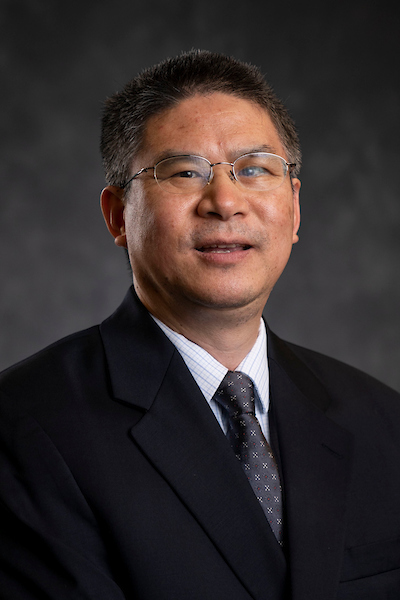
Guoyao Wu is a Distinguished Professor of Animal Nutrition at Texas A&M University's College of Agriculture & Life Sciences, holding dual appointments in the Department of Animal Science and the Graduate Faculty of Nutrition. His expertise spans nutritional biochemistry, protein metabolism, and reproductive physiology. Dr. Wu earned his B.Sc. from South China Agricultural University, M.Sc. degrees from Beijing Agricultural University and the University of Alberta, and a Ph.D. from the University of Alberta, followed by postdoctoral training at McGill University and Memorial University of Newfoundland. His research focuses on amino acid and protein metabolism across molecular, cellular, and whole-animal levels, using models like cattle, pigs, and aquatic species. Key areas include placental nutrient transport, fetal programming, and the role of amino acids in mitigating conditions like sarcopenia and intrauterine growth restriction. He has pioneered studies on glycine, creatine, and citrulline supplementation in livestock and aquaculture. Dr. Wu has received over 15 prestigious awards from China, Canada, and the U.S., including the Thousand-People-Talent Award and Changjiang Scholar Award. He serves on editorial boards of journals like Amino Acids and Frontiers in Bioscience , and teaches graduate courses in protein metabolism. His work bridges basic science and applied nutrition, with implications for improving livestock productivity, human health, and aquaculture sustainability. Current projects address amino acid requirements of companion animals, microgravity effects on metabolism, and placental biology in ruminants.
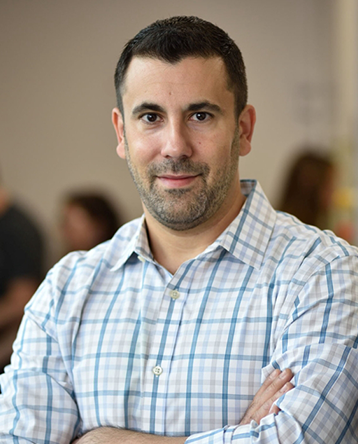
Gustavo Nader, Ph.D., is a Professor of Kinesiology at The Pennsylvania State University's College of Health and Human Development, where he holds the Dorothy Foehr Huck and J. Loyd Huck Endowed Chair in Molecular, Cellular and Integrative Physiology. His research laboratory at 101 Noll Lab focuses on molecular mechanisms of skeletal muscle adaptation, employing human, animal, and cellular models to investigate ribosome biogenesis, transcriptional regulation, and muscle growth control in contexts ranging from exercise hypertrophy to cancer cachexia. Dr. Nader's research examines fundamental processes including: Ribosome biogenesis and its role in muscle growth regulation Epigenetic control of RNA Polymerase I activity Molecular pathways in mechanical overload-induced hypertrophy Tumor-induced muscle wasting mechanisms Biomimicry approaches inspired by hibernator physiology His work spans exercise physiology, cancer biology, and environmental stress responses. Analysis of his 15 most recent publications (2015-2025) reveals predominant themes in muscle hypertrophy mechanisms, cancer cachexia pathophysiology, ribosomal function analysis, and environmental stress impacts on muscle. His work consistently integrates molecular techniques with physiological models across species. Notable scientific recognitions include: Dorothy Foehr Huck and J. Loyd Huck Chair appointment (2024) Huck Institutes Leadership Fellowship (2025-2026) Dr. Nader leads an active research team investigating muscle plasticity, with current projects funded through the Huck Institutes of the Life Sciences. He collaborates extensively through Penn State's Integrative and Biomedical Physiology graduate program and Center for Cellular Dynamics.
Adam Feinberg is a Professor in the Departments of Biomedical Engineering and Materials Science and Engineering at Carnegie Mellon University (CMU). He leads the Regenerative Biomaterials & Therapeutics Group, focusing on cell-material interactions, 3D bioprinting, and bioengineered tissues. His work integrates nanofabrication, molecular biology, and 3D imaging to address challenges in muscle repair, corneal regeneration, and cancer. Key innovations include the FRESH bioprinting platform, enabling soft ECM gel-based constructs, and ECM shrink-wrapping techniques for cell encapsulation. Feinberg holds a Ph.D. and MS in Biomedical Engineering from the University of Florida (2004, 2002) and a BS in Materials Science and Engineering from Cornell University (1999). He has secured major grants, including ARPA-H funding for diabetes treatments and Canada’s New Frontiers Fund for heart disease therapies. His research has led to over 45 peer-reviewed articles and 20 patents. His scientific awards include the NIH Director’s New Innovator Award and NSF CAREER Award. Media highlights include breakthroughs in vascularized tissue models and biodegradable actuators. Feinberg collaborates widely, advancing clinical translation of bioprinted tissues and sustainable bio-bots.
Dijin Xu is an Associate Research Scientist in the Department of Microbial Pathogenesis at Yale School of Medicine, Yale University. His research focuses on lipid metabolism, immunology, and molecular mechanisms underlying metabolic disorders and host-pathogen interactions. He holds a PhD from Tsinghua University (2016). Education: PhD in Microbiology, Tsinghua University, 2016 Research Interests: Dr. Xu’s work spans immunology (e.g., B cell biology and somatic hypermutation), lipid metabolism (lipid droplet dynamics and adipose tissue homeostasis), and virology (antiviral defense mechanisms against SARS-CoV-2). His studies integrate cellular biology, molecular genetics, and biochemical approaches to understand disease processes. Publications Overview: His recent work explores mechanisms of lipid droplet regulation, metabolic disorder prevention, and immune system function. Notable contributions include studies on Rab GTPases in lipid storage and ELOF1’s role in antibody diversification. Labs & Affiliations: He is affiliated with the West Campus Integrative Science & Technology Center at Yale University, focusing on interdisciplinary research in cellular and molecular biology.
Dr. Kibret Mequanint is a full Professor at Western University's Department of Chemical and Biochemical Engineering, with cross-appointments in Biomedical Engineering. Holding a PhD from University of Stellenbosch and postdoctoral experience at Technical University of Darmstadt and McMaster University, his research bridges polymer science, materials engineering, and life sciences with applications in Biomaterials , Tissue Engineering , and Regenerative Medicine . His work spans both fundamental and translational research in cell-material interactions , polymer biomaterial design , and therapeutic radiation dosimeters , with technologies transferred to commercial applications. Leading scholar and educator with awards from NSERC, CIHR, and Western University Fellow of: American Institute for Medical and Biological Engineering (AIMBE), Ethiopian Academy of Sciences, International Union of Societies for Biomaterials Science and Engineering, Canadian Academy of Engineering Extensive editorial and panel service for NSERC, CIHR, and international journals His research program has produced over 170 refereed publications, focusing on conductive hydrogels , bioadhesives , and vascular tissue engineering . Recent work on endoscopy-deliverable bioadhesives and snake venom-derived hemostatic gels has attracted global media attention. He has served in leadership roles at the Canadian Biomaterials Society and university governance bodies including Senate and Board of Governors.
Yibing Qyang is a Professor of Medicine (Cardiovascular Medicine) at Yale University School of Medicine (YSM), affiliated with the Department of Internal Medicine. He serves as Director of the Yale Stem Cell Research Forum since 2010. His expertise spans stem cell biology, cardiovascular disease modeling, and regenerative medicine. Qyang holds a B.S. from Nanjing University, an M.S. from Chinese Academy of Sciences, and a Ph.D. from the University of Texas M.D. Anderson Cancer Center. He completed postdoctoral training at UC San Diego and Harvard Medical School. Research Interests: The Qyang Lab focuses on engineering vascular tissues using induced pluripotent stem cells (iPSCs), elucidating cardiovascular disease mechanisms, and developing therapeutic strategies. Key areas include: Vascular tissue engineering for graft development Stem cell-derived models of diseases like supravalvular aortic stenosis Cardiac progenitor cell therapies for heart repair Biomechanical signaling in hypertrophic cardiomyopathy Preclinical porcine models for translational research Key Achievements: Developed immunocompatible 'universal donor' vascular grafts using CRISPR-engineered iPSCs Pioneered iPSC-derived vascular smooth muscle and endothelial cells for tissue engineering Identified elastin-based therapies for supravalvular aortic stenosis Grants & Awards: Connecticut Stem Cell Program Established Investigator Awards (2011, 2015) ISSCR Membership (2007–Present) Highlighted in Yale News for groundbreaking discoveries in heart disease and vascular grafts Lab Team & Collaborations: The lab includes researchers and students from institutions worldwide, with collaborations at Harvard, UCSD, and Yale’s Cardiovascular Research Center. Projects span iPSC differentiation, biomechanical modeling, and preclinical trials. Future Directions: Expanding studies on universal donor grafts, cardiac tissue engineering, and clinical translation of iPSC-derived therapies.
Tommy Lundberg is a Senior Lecturer and Docent in Physiology at Karolinska Institutet. He works at the Department of Laboratory Medicine, Division of Clinical Physiology. His email address is tommy.lundberg@ki.se, and his postal address is H5 Laboratoriomedicin, H5 Klinisk Fysiologi Gustafsson, 141 52 Huddinge. Lundberg is affiliated with the university library and has held positions since 2022. Research Interests: Lundberg's research focuses on skeletal muscle mass and function adaptation, particularly in athletic performance, disease contexts, aging, and transgender individuals undergoing hormone therapy. He investigates molecular, metabolic, morphological, and functional responses to resistance and aerobic exercises. His work also explores biological maturity selection biases in youth sports, bio-banding applications in soccer and ice hockey, and the impact of anti-inflammatory drugs on muscle hypertrophy. Article Trends: Lundberg's recent publications (2025–2024) cover topics like sex differences in disc golf, muscle atrophy in space exposome, longitudinal hormone therapy effects in transgender individuals, and bio-banding in youth sports. Earlier works delve into molecular pathways in muscle hypertrophy, concurrent training effects, mitochondrial function, and imaging techniques (CT/MRI) for muscle assessment. Scientific Recognition: Most prominent young researcher in Sport Science, Swedish Central Association for Sport Promotion (SCIF), 2017 Teaching and Editorial Roles: Lundberg teaches human physiology and sports science in nursing, physiotherapy, and biomedical analytics programs. He leads a contract education course in advanced exercise physiology and contributes to a PhD course on scientific writing. He is an Associate Editor for Frontiers in Physiology - Exercise Physiology (2022) and a member of the editorial board for Translational Exercise Biomedicine (2024). Collaborations and Expertise: He collaborates with the Swedish Football Association and Swedish Ice Hockey Association on bio-banding studies. Lundberg served as an invited speaker at the ACSM Annual Meeting (2024) on transgender athletes and as an expert panelist for World Rugby's transgender workshop (2020). His supervision includes Andrea Tryfonos (2021) and thesis evaluations at Mid Sweden University and Linköping University.
Tommy Löfstedt is an Associate Professor at Umeå University , affiliated with the Department of Computing Science and the Department of Mathematics and Mathematical Statistics. His research focuses on machine learning , computer vision , and medical image analysis , with applications in life sciences, radiation therapy, and biomedical imaging. He leads multiple research projects, including AI-driven delineation in radiation therapy, quantitative MRI for radiotherapy, and machine learning for plant nutrient uptake. Current research emphasizes structured regularization methods to improve model interpretability and robustness. Key applications include medical image segmentation , Alzheimer's classification , and uncertainty estimation in MRI . Recent publications highlight his work on morphological regularization , adversarial attack mitigation , and multi-task learning in medical imaging contexts. His projects span 2022–2026 with funding for pediatric oncology automation and gynecological cancer staging. Affiliated with both computing and mathematical departments, he bridges algorithm development with applied mathematical frameworks in medical and life science domains.
Gustavo Alberto Nader is a Professor of Kinesiology at The Pennsylvania State University , holding the Dorothy Foher and J. Lloyd Huck Chair in Molecular, Cellular and Integrative Physiology. His research focuses on skeletal muscle growth control , ribosome biogenesis , and transcriptional/epigenetic regulation in health and disease contexts. Affiliated with the Huck Institutes of the Life Sciences and College of Health and Human Development Principal Investigator on NIH-funded projects examining ribosomal control of muscle mass Research Interests span molecular mechanisms of muscle adaptation to exercise, cancer cachexia, chronic disease impacts on muscle, and cross-species Wnt signaling regulation by CO₂ levels. Key methodologies include human/animal/cell models, ribosomal analysis, and epigenetic profiling. Publication Trends show sustained focus on: Ribosome biogenesis in muscle hypertrophy (2012–2025) Cancer-induced muscle wasting mechanisms (2015–2024) CO₂/Wnt pathway interactions (2015–2019) Exercise-induced transcriptional responses (2001–2016) Scientific Awards include the Huck Chair, while his Grants & Collaborations involve NIH-funded studies on transcriptional/epigenetic mechanisms (2019–2026) with cross-disciplinary teams in physiology, oncology, and respiratory medicine.
Dr. Richard W. Gross is Professor of Medicine and Developmental Biology at Washington University School of Medicine and Professor of Chemistry. He holds a PhD from Washington University, MD from New York University Medical School, and BA from Columbia College. His research focuses on the chemical biology of membranes in health and disease, specializing in lipidomics, metabolomics, and membrane signaling. He pioneered shotgun lipidomics technology for direct identification and quantification of lipid molecular species in biological systems. Developed novel shotgun lipidomics technology combining intrasource separation, multidimensional MS, and array analysis Investigates phospholipase regulation and membrane signaling complexes Studies altered lipid metabolism in obesity, diabetes and cardiovascular disease
Karl-Heinz Wagner is Full Professor of Nutrition and Food Quality at the University of Vienna, Faculty of Life Sciences, Department of Nutritional Sciences. He directs an experimental research group investigating how lifestyle factors—diet, specific food components, phytochemicals, physical activity and bioactive non-food compounds—modulate oxidative stress and DNA stability in humans, with emphasis on aging and sarcopenia. He initiated the university-wide “Active Ageing” research platform and coordinates EU projects such as SHIFT2HEALTH. Education & Affiliations: University of Vienna, Faculty of Life Sciences, Department of Nutritional Sciences – Professor and Chair of Nutrition and Food Quality Principal investigator of the Emerging Field “Oxidative Stress and DNA Stability” Head of the “Active Ageing” research platform activeageing.univie.ac.at Research Focus: Prof. Wagner’s group applies state-of-the-art biochemical and molecular techniques to quantify antioxidant compounds, ROS-induced DNA and chromosomal damage, DNA repair capacity and transcriptional regulation of antioxidant defenses. Human intervention trials, cross-sectional cohorts and in-vitro models are used to examine: Impact of plant-based vs. animal-based diets on multimorbidity risk Nitrate-rich beetroot juice effects on microbiome, vascular function and oxidative stress Bilirubin biology and metabolic health in Gilbert’s syndrome High-protein nutrition and resistance training on DNA damage and muscle quality in older adults Microbiota-derived metabolites that enhance CD8 T-cell antitumor immunity after exercise Publication Trends 2023-2025: Recent output demonstrates a strategic shift toward multi-omics integration (metabolomics, lipidomics, proteomics) to dissect diet–microbiome–immune crosstalk and to identify predictive biomarkers of healthy ageing. Papers consistently appear in top-tier journals (Cell, Lancet Healthy Longev, Redox Biol, Mol Nutr Food Res) and embrace large multinational cohorts, randomized controlled trials and mechanistic animal/cellular work. Funding & Networks: Research is mainly funded by the Austrian Science Fund (FWF), National Bank, European Commission (Horizon 2020, Horizon Europe), EU Cross-Border Co-operation and the University of Vienna. A dense national and international partner network ensures continuous biomarker development and knowledge transfer. Student Training & Citizen Science: Prof. Wagner actively involves MSc/PhD students and post-docs in externally funded projects and advertises internships via ERASMUS+. Study participant recruitment portals for projects like SHIFT2HEALTH, NUTRIAGING and bilirubin clinical studies are maintained to engage the public and foster translational impact.
Dr. Stephanie de Alcantara Fernandes is a Minerva Fast Track Group Leader at the Max Planck Institute for Biology of Ageing in Cologne, Germany, where she leads research on muscle metabolism and aging. Her laboratory investigates how spatial and functional regulation of mTORC1 signaling influences skeletal muscle health, growth, and regeneration throughout the lifespan, with implications for understanding and promoting healthy aging. Dr. Fernandes completed her academic training through a distinguished path: PhD in Biology (Summa cum laude, with distinction), University of Cologne/Max Planck Institute for Biology of Ageing (2017-2023) Master of Science in Genetics, University of São Paulo (2015-2017) Bachelor of Science in Biological Sciences, University of São Paulo (2009-2014) Exchange year at University of Birmingham, UK (2013) Her research focuses on skeletal muscle biology, particularly the balance between anabolic and catabolic processes that maintain muscle health. Dr. Fernandes investigates how mTORC1 (mechanistic Target of Rapamycin Complex 1), a central signaling hub, is spatially organized within cells to selectively regulate specific cellular functions in response to different nutrient sources. Her work reveals that mTORC1 is not simply "on or off" but can be finely tuned to control distinct processes in different cellular compartments, particularly in skeletal muscle cells. A key aspect of her research examines how these regulatory mechanisms change with age, contributing to age-related muscle loss (sarcopenia). By understanding the molecular basis of muscle maintenance and regeneration, her laboratory aims to identify targets for interventions that could promote healthier aging and prevent age-related decline in muscle function. Analysis of Dr. Fernandes' publication record shows a clear trajectory of increasingly independent research focused on mTORC1 signaling, nutrient sensing, and their roles in aging and muscle biology. Her most recent work demonstrates sophisticated understanding of mTORC1's spatial regulation, revealing how different pools of mTORC1 respond to distinct amino acid sources to control specific cellular processes. This research bridges fundamental cell biology with translational applications for aging-related conditions. Dr. Fernandes has received numerous prestigious awards recognizing her scientific excellence: Minerva Fast Track Fellowship (2025) - Group Leader Position for Outstanding Female Scientists from Max Planck Society Graduate School for Biological Sciences (GSfBS) doctoral award for 2023 (2025) World Muscle Society Fellowship (2016) Cologne Graduate School of Ageing Research fellowship (2017-2020) Master's scholarship from São Paulo Research Foundation (2015-2017) Science Without Borders Scholarship from Brazilian Council for Scientific and Technological Development (2013) As a newly appointed Group Leader through the Minerva Fast Track program, Dr. Fernandes is establishing her independent research program with substantial institutional support. Her laboratory combines advanced techniques including high-throughput omics approaches (proteomics, metabolomics), molecular biology, biochemistry, cell biology, and super-resolution microscopy. She utilizes multiple model systems including mouse models, skeletal muscle cell lines, and iPSC-derived skeletal muscle cells to identify evolutionarily conserved mechanisms relevant to human health. Dr. Fernandes leads the Minerva Fast Track Group at the Max Planck Institute for Biology of Ageing, which focuses specifically on "Muscle metabolism and aging." Her team investigates how selective mTORC1 signaling is coordinated between different skeletal muscle cell types and how it changes with age, with the ultimate goal of understanding how muscle health can be maintained throughout life.
Dr. Meng Deng is an Associate Professor in Agricultural & Biological Engineering at Purdue University, specializing in biomaterials, regenerative engineering, and drug delivery. He holds a B.E. from Tsinghua University and a Ph.D. from the University of Virginia, with postdoctoral training at the University of Connecticut Health Center and MIT. His research focuses on designing polymeric biomaterials for musculoskeletal tissue regeneration and controlled drug delivery, including nanoparticle-based therapies for obesity and metabolic disorders. He has received awards such as the Society for Biomaterials STAR Award and Young Scientist Award (2012 World Biomaterials Congress). His work integrates nanotechnology and bioengineering to develop inductive materials that modulate cell behavior. Current research interests include bioactive hydrogels, muscle regeneration, and browning of white adipose tissue. Dr. Deng advises postdoctoral fellows, graduate students, and undergraduates in his lab at Regenerative Matter, with publications available via Google Scholar. Affiliations: Purdue University Department of Agricultural & Biological Engineering Key Research Themes: Biomaterials, Drug Delivery, Nanotechnology His lab explores applications in musculoskeletal repair, metabolic engineering, and regenerative medicine. Recent studies include gamma-secretase inhibitors for obesity therapy and glycosaminoglycan-based scaffolds for muscle regeneration. Collaborations include work with MIT’s Robert Langer and University of Connecticut’s Cato Laurencin.
Prof. Dr. Katrien De Bock is a Full Professor and Deputy Head of the Department of Health Sciences and Technology at ETH Zurich. Her research focuses on angiogenesis, metabolic crosstalk in muscle microenvironments, and the impact of exercise on muscle regeneration. She leads a team investigating cellular interactions in skeletal muscle, particularly how metabolic signals regulate blood vessel growth and muscle repair. Key areas include understanding fibroadipogenic progenitors' role in muscle physiology, the role of histamine in exercise responses, and age-related muscle decline. Her work integrates molecular biology, single-cell transcriptomics, and computational approaches to dissect mechanisms underlying tendon pathologies, ischemic muscle injury, and metabolic adaptations to exercise. She supervises Master's programs in Human Movement Science and collaborates on projects involving muscle stem cell therapies and vascular engineering. Prof. De Bock also explores interventions like NAD+ precursors to counteract age-related sarcopenia and promotes translational research in regenerative medicine. Research Interests: Exercise-induced metabolic pathways in muscle repair Angiogenesis regulation in health and disease Hypoxia signaling in tendons and muscles Epigenetic modifications during tissue regeneration Stem cell fate determination in muscle microenvironments Notable Projects: Developing AI-driven histologic analysis for tendinopathy diagnosis Mapping the human brain vasculature at single-cell resolution Testing sulfur amino acid restriction to enhance exercise capacity
Dr Ruan Elliott is Dean of the Doctoral College and Senior Lecturer in Nutrition at the University of Surrey's School of Biosciences. He holds a PhD in Nutritional Metabolism (2017) and BA in Natural Sciences from Cambridge (1988). His research focuses on nutritional modulation of DNA repair mechanisms, functional genomics in nutrigenomics, and micronutrient homeostasis of iron, copper, selenium, and zinc. He has led studies on vitamin D efficacy, food bioavailability, and oxidative stress biomarkers. Education: PhD (University of Surrey, 1992), BA (University of Cambridge, 1988) Previous Roles: Senior Scientist (Institute of Food Research, 1994-2009), Postdoctoral Fellow (University of British Columbia, 1992-1994) His research integrates molecular biology and nutrition to address health impacts of dietary components. Recent work explores oat-based milk alternatives' sensory profiles, vitamin D supplementation efficacy, and DNA repair pathways in cardiovascular disease. He collaborates internationally on projects like the D2-D3 Study and NuGO initiatives. Publications emphasize translational research, including systematic reviews on insect protein efficacy and meta-analyses of vitamin D supplementation. His work bridges lab-based models (e.g., Caco-2 cells for iron studies) and clinical applications. No scientific awards were explicitly listed in the provided texts. He advises on doctoral training programs and has contributed to grant-funded projects like the University of Surrey's food and infection biosciences initiative (2024). Collaborations include studies on probiotics' immune effects and transcriptomic analysis of metabolic conditions.