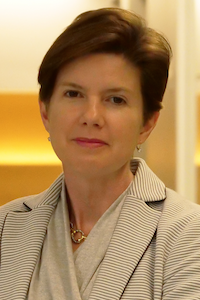
Brenda OgleView profile
Professor
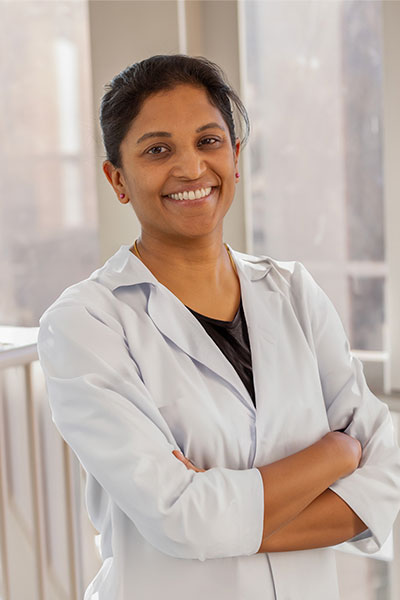
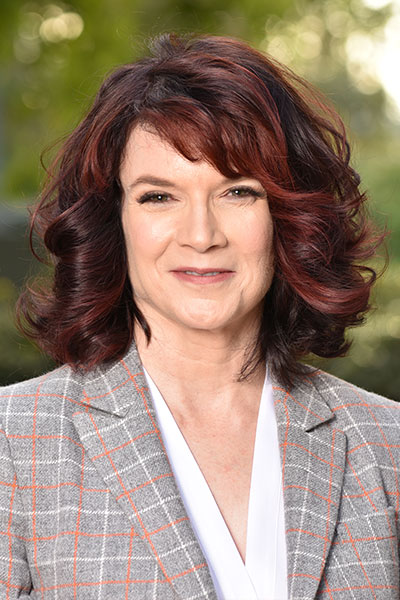
Brenda Ogle is a Professor in the Department of Biomedical Engineering at the University of Minnesota's College of Science and Engineering. She leads the System Regeneration Lab, where her research focuses on cardiac tissue engineering, stem cell differentiation, and advanced 3D bioprinting technologies. Her work bridges multiple disciplines including stem cell biology, extracellular matrix science, and engineering principles to develop novel approaches for cardiovascular regeneration. Dr. Ogle's research interests primarily center on understanding the mechanisms that govern stem cell fate, particularly in the context of the cardiovascular system. Her lab is pioneering 3D bioprinting for cardiac tissue engineering, creating complex model systems that go beyond simple geometric shapes. Key areas of investigation include the role of extracellular matrix proteins in guiding stem cell differentiation, the development of novel tools for analyzing stem cell behavior, and the delivery of stem cells or associated progeny to the body. Her work has led to breakthroughs in creating patch-like structures with micron-scale features that support cardiac cell organization and can be adhered to failing hearts. Dr. Ogle's research has resulted in significant scientific contributions, including the development of unique bioink formulations coupled with multiphoton-based 3D printing to create chambered heart structures based on digital templates. These engineered tissues can sustain flow profiles and exhibit pressure-volume dynamics characteristic of the native heart, making them valuable for studying cardiac disease progression and testing drug efficacy. Her work has received recognition including an NIH R01 award for Epicardial Regulation of Myocardial Function and being named a BMES Fellow. NIH R01 Awarded, Epicardial Regulation of Myocardial Function BMES Fellow (2021) Dr. Ogle mentors a diverse team of researchers including postdoctoral associates, graduate students, and undergraduate researchers. Her lab has produced numerous PhD graduates who have gone on to successful careers in academia and industry. Current research projects in her lab include heart organoid formation using hiPSC-derived cardiomyocytes, investigation of hypertrophic cardiomyopathy mechanisms, cardiomyocyte maturation studies, and development of ECM-based bioinks for cardiac constructs. The lab is also working on creating integrated platforms for high-throughput cardiac organoid production and developing models to study the impact of radiation exposure on cardiac function.