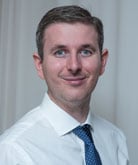
Craig Tears is a Senior Lecturer in Sports Therapy and Rehabilitation at Teesside University's School of Health and Life Sciences, specializing in musculoskeletal medicine and athlete rehabilitation. With extensive experience as a physiotherapist for Sunderland AFC, he focuses on injury prevention strategies and rehabilitation techniques for elite athletes. Research domains include: Sports injury rehabilitation protocols Muscle injury classification systems Online education in physiotherapy Anatomical education methodologies Performance recovery metrics Recent publications examine online curriculum delivery challenges during the COVID-19 pandemic from both faculty and student perspectives, alongside clinical research on muscle injury classification systems and athletic return-to-play criteria. His work bridges clinical practice and educational methodologies in sports rehabilitation.
Stephen Laycock is a Professor of Computer Graphics at the University of East Anglia (UEA), affiliated with the School of Computing Sciences. He holds additional roles as Associate Dean for Admissions in the Science Faculty. His expertise spans Molecular Graphics, Scientific Visualization, Virtual Reality (VR), Haptics, and GPU programming, with applications in Cultural Heritage preservation and biomedical research. Laycock earned his PhD in 2005 and has been a faculty member since 2005, advancing to Professor in 2024. His research focuses on interactive molecular docking, haptic rendering, and GPU-accelerated algorithms. Notable projects include the development of DockIT software for molecular docking and collaborations in precision agriculture and ornithological migration tracking. Laycock’s work has been recognized with the 2017 Biophysics and Physicobiology Editors’ Choice Award. He teaches computer graphics and GPU programming, and actively supervises PhD students in interdisciplinary areas like virtual reality and haptics. Key initiatives include the Digital Preservation and Immersive Heritage project and GPU-accelerated agricultural monitoring systems.
Michael Psarakis is a Lecturer at the School of Behavioural and Health Sciences, Faculty of Health Sciences, Australian Catholic University. His research focuses on biomechanics, neurological disorders, and wearable technology applications in clinical exercise physiology. He holds a PhD from Australian Catholic University (2020) examining ankle contractures in multiple sclerosis (MS). His research interests include gait analysis in MS, musculoskeletal health, and the development of reliable measurement techniques using wearable sensors. Key areas of study involve understanding the relationship between ankle mobility, gait abnormalities, and the efficacy of eccentric exercise interventions in managing MS symptoms. His work bridges clinical practice and technological innovation to improve patient outcomes in neurorehabilitation. Psarakis has published extensively on topics such as the reliability of GNSS units for sprint profiling, biomechanical properties of muscles in MS, and the application of wearable technology to assess gait stability. His studies often emphasize methodological rigor and translational impact in clinical settings. Despite no explicitly listed scientific awards, his research has garnered significant attention, with over 1,600 views and 920 downloads of his outputs to date. His research is conducted in collaboration with institutions like the Clinical Exercise Physio Research Institute and involves interdisciplinary teams focused on movement disorders, sensor technology, and rehabilitation strategies.
Associate Professor Bogdan OANCEA is affiliated with the Department of Motor Performance at the Faculty of Physical Education and Mountain Sports , Tudor Vladimirescu University. His research focuses on sport performance technology, basketball performance analysis, biomechanics, and motor performance optimization. Key interests include the application of technology in sports training, reaction time dynamics in athletes, and regional physiological differences. His work emphasizes basketball-specific studies, such as improving free throw efficacy through technological interventions, analyzing visual stimuli effects, and optimizing training regimens. He also explores broader topics like ethical principles in sports and the impact of rural vs. urban environments on biomechanical parameters. Dr. OANCEA’s publications span from 2008 to 2024, reflecting a sustained focus on sports science and biomechanical analysis. His research often intersects with pedagogical methods, sports nutrition (e.g., β-alanine supplementation), and rehabilitation techniques using exergames. Notably, he examines the physiological and technical nuances of basketball, football, and volleyball performance.
Ioana Mădălina PETRE is a Lecturer at the Department of Engineering and Industrial Management within the Faculty of Technological Engineering and Industrial Management at the University of Technical Education in Brașov (UNITBV). Her research focuses on industrial engineering, human resources management, and the application of pneumatic muscles in rehabilitation equipment and precise positioning systems. She has conducted experimental studies on cutting parameters' influence on machining efficiency, biomechanical analyses of exercise techniques, and the integration of Industry 4.0 principles in sustainable manufacturing. Her work spans diverse fields including e-learning systems, smart horticulture frameworks, and material surface engineering. Notable contributions include developing rehabilitation equipment inspired by biomimetic principles and analyzing the impact of e-learning platforms during crises. She has published extensively in peer-reviewed journals, with a focus on interdisciplinary applications of engineering and technology in education, healthcare, and manufacturing. Her research trends highlight a strong emphasis on practical industrial solutions, sustainable technologies, and the intersection of biomechanics with engineering design. While no specific grants or awards are listed, her publications indicate active participation in collaborative research projects with colleagues from various disciplines. Dr. PETRE’s research group likely engages in experimental setups involving advanced manufacturing processes, robotic systems for rehabilitation, and data-driven analyses of industrial and educational systems. Her work reflects a commitment to bridging theoretical engineering principles with real-world applications in healthcare, education, and sustainable production.
Mihai Duduta is an Assistant Professor in the Department of Mechanical Engineering at the University of Connecticut. His research focuses on interdisciplinary challenges in soft robotics, energy storage, and medical devices. He previously held positions at the University of Toronto and conducted postdoctoral work at the University of Minnesota, supported by NSF I-Corps grants and the Minnesota Robotics Institute. Education: BS in Materials Science and Engineering (MIT), PhD in Harvard University (Thesis: 'Dielectric Elastomer Actuators as Artificial Muscles') Research interests include dielectric elastomer actuators for soft robotics, semi-solid battery technologies, and miniaturized medical tools. His work combines material science, robotics, and energy systems to address real-world applications like wearable haptic devices and endo-vascular interventions. Key achievements include a Gold Award at the 2018 Materials Research Society Meeting and a 2022 Banting Foundation Discovery Award. His articles explore innovations in battery design, actuator performance, and energy efficiency in robotics. Awards: Banting Foundation Discovery Award (2022), Gold Award (MRS 2018) Grants include NSERC Discovery Grants, Canadian Foundation for Innovation funding, and interdisciplinary seed grants. His lab develops novel materials and systems for energy storage and soft robotics, with a focus on clinical and industrial applications.
George Panayiotou is an Associate Professor in Sport & Exercise Physiology at the Department of Life Sciences, European University Cyprus. He has held academic roles since 2005, including Research Centre Director (2008–2012) and Director of EUC Research Center Ltd (2008–2014). His research focuses on exercise physiology, oxidative stress, and chronic disease management. He holds a PhD from Democritus University of Thrace (2008) with a thesis on immune system responses to training. Education: PhD (2008): Democritus University of Thrace MSc (2001): Democritus University of Thrace BSc (1999): Aristotle University of Thessaloniki His research explores how exercise impacts health parameters across populations, including coronary artery disease patients, the elderly, and athletes. Key areas include redox biology adaptations, training efficacy, and vitamin supplementation effects. He has led projects on exercise devices for the elderly, statin effects on muscle function, and obesity treatment through eccentric exercise. Publications emphasize oxidative stress variability, training adaptations, and nutritional interventions. Notable works include studies on vitamin C’s role in physical performance and the anti-aging benefits of exercise. Awards: 1st place in national Strength & Conditioning competition (2000) Multiple academic excellence scholarships (1996–2003) He advises on sports medicine for Omonoia FC and Limassol Nautical Club, coordinating medical/scientific programs. His work bridges clinical practice and research, focusing on preventive health through exercise.
George Pamboris is a Lecturer in Physiotherapy at the Department of Health Sciences, European University Cyprus. He holds a PhD in Sports Health and Exercise Sciences (Biomechanics) from Brunel University, UK, and completed post-doctoral research at the same institution. His research focuses on biomechanical and neuromechanical effects of stretching, muscle function, and rehabilitation techniques in sports and clinical settings. He has contributed to studies on dynamic stretching, shear wave elastography, and neuromuscular performance, with publications in journals like PLoS ONE and Scandinavian Journal of Medicine and Science in Sports. Education includes a BSc in Sports Therapy from the University of Bedfordshire (2006-2009), an MSc in Physiotherapy (Pre-Registration) from Queen Margaret University (2009-2011), and a PhD in Biomechanics from Brunel University (2013-2018). He served as a Post-doctoral Research Fellow at European University Cyprus (2019-2020) and previously held a part-time Lecturer role at the University of Bedfordshire (2016-2017). His research interests span biomechanics, neuromechanics, and rehabilitation strategies. Notable work includes investigating the acute effects of dynamic stretching on muscle properties and running economy, as well as the role of neurodynamic mobilization techniques. He received the 2019 TOP DOWNLOADED PAPER award from Scandinavian Journal of Medicine and Science in Sports for his contributions to the field. He has participated in international conferences such as the ECSS Congress, presenting on topics like shear wave elastography and sensorimotor performance. His work integrates clinical practice with advanced biomechanical analysis, emphasizing evidence-based approaches to injury prevention and therapeutic interventions.
Vassilis Paschalis serves as an Adjunct Associate Professor in the School of Sciences at the National and Kapodistrian University of Athens. His research explores exercise physiology, nutritional interventions, and oxidative stress mechanisms. Key investigations include the metabolic effects of supplements like L-citrulline and N-acetylcysteine, exercise adaptations in aging populations, and the relationship between dietary components and physical performance. Research interests focus on human performance optimization through redox balance, muscle function analysis, and nutritional biochemistry. Studies examine eccentric training effects, antioxidant supplementation efficacy, and metabolic responses in special populations including diabetics and elderly individuals.
Robert A. Jacobs is an Associate Professor in the Department of Human Physiology & Nutrition at the University of Colorado Colorado Springs (UCCS), part of the Helen and Arthur E. Johnson Beth-El College of Nursing and Health Sciences. His research focuses on mitochondrial function in exercise physiology, high-altitude adaptations, and metabolic regulation in skeletal muscle. He is particularly known for studies on mitochondrial respiration in aging, diabetes, and endurance performance optimization. Key research interests include: Exercise-induced mitochondrial adaptations High-altitude effects on muscle and neuroendocrine systems Carbohydrate intake strategies for elite athletes Erythropoietin's role in mitochondrial health and cognition Methodological advancements in high-resolution respirometry His recent work (2020-2024) demonstrates a strong focus on mitochondrial biology, with studies linking metabolic flexibility to aging and disease, and developing predictive models for endurance performance. He has contributed to understanding how environmental stressors like heat and altitude impact human physiology. Publications consistently emphasize translational applications of mitochondrial research, including sports nutrition optimization and disease mechanisms related to mitochondrial dysfunction. His work bridges basic science with clinical and athletic performance contexts.
Professor Athanassios Bissas is a faculty member at the University of Gloucestershire, specializing in Sport and Exercise Biomechanics. His academic journey includes a PhD in Biomechanics from Leeds Beckett University (2008), alongside postgraduate qualifications in Research Methodology (1999) and Sport and Exercise Science (1995). He holds a BA in Physical Education & Sports Studies from the National and Kapodistrian University of Athens (1993). Professional Affiliations: Deputy Chair of the Biomechanics and Motor Behaviour Division at the British Association of Sport and Exercise Sciences (BASES), and member of the European College of Sport Science. Research Focus: Includes biomechanics of gait, imaging techniques, muscle mechanics, neuromuscular function, and motion analysis of athletic movements. Leadership Roles: Directed the Biomechanical projects for the World Athletics Championships in London (2017) and Birmingham (2018). His teaching expertise spans Biomechanics and Research Methodology, with a strong commitment to doctoral student supervision. He contributes to the scientific community via editorial roles, including membership on the Editorial Board of Scientific Data - Nature .
Prof Mark De Ste Croix is a Professor at the University of Gloucestershire, specializing in sports injury prevention and youth sports development. His work focuses on reducing injury risk in youth football and optimizing athletic performance through evidence-based interventions. He has published over 100 articles and presented globally, collaborating with organizations like FIFA, UEFA, and the English FA. Qualifications include a BA Ed (Hons) in Physical Education (University of Exeter, 1995) and a PhD on isokinetic leg strength (University of Exeter, 1998). Awards include the AAHPERD Research Writing Award and a Queen’s Anniversary Award for research at Exeter’s Children’s Health and Exercise Research Centre. His research emphasizes injury prevention through screening and program implementation, particularly with grassroots coaches and PE teachers. Current projects include an Erasmus+ initiative with Spain and the Czech Republic to improve youth injury prevention knowledge. He also works with elite clubs like Bristol City FC and Athletic Club Bilbao. Teaching focuses on the Masters Strength and Conditioning course and research methods at undergraduate and postgraduate levels. He supervises 12 PhD students and serves on editorial boards for Isokinetics and Exercise Science and BMC Pediatrics . External roles include advising the England and Wales Cricket Board, UEFA, and FIFA. He has examined courses at Liverpool John Moores University and Marjon’s BSc Exercise and Health program.
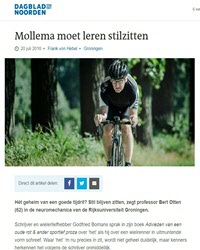
Professor Bert Otten is a distinguished academic specializing in Neuromechanics and Prosthetics at the University of Groningen's Faculty of Medical Sciences. Appointed in 2005 through the Stichting Orthopedische Instrumentmakerij (Orthopaedic Instrument Manufacture Foundation), he is affiliated with both the Interfaculty Centre for Movement Sciences and the Centre for Rehabilitation. His work bridges engineering principles with clinical applications to improve human movement and rehabilitation. Dr. Otten received his biology degree from Leiden University and earned his PhD in 1982 with a thesis titled "Vision and Jaw Mechanism in the Cichlid Fish Haplochromis elegans," which received both "cum laude" honors and the national "Kok" award for originality. He has served as a guest scientist at Harvard University during six summers, working in departments of functional morphology and bio-engineering. His research program focuses on the neural control of human movement, specifically examining the integration of biomechanical, perceptual, and cognitive processes. This work has direct applications in prosthetics development and rehabilitation strategies. Otten has secured two patents related to human body extensions and has published 139 scientific papers across biomechanics, movement control, and rehabilitation engineering. Analysis of his recent publications reveals a strong trend toward applying machine learning techniques to movement analysis, particularly in gait assessment, chronic pain management, and sports performance optimization. His work increasingly focuses on translating biomechanical insights into clinical applications, with significant contributions to understanding central sensitization in chronic low back pain and developing improved prosthetic technologies. "Kok" award for originality (for PhD thesis) Professor Otten has supervised 21 PhD students across diverse projects spanning from biomechanics of jaw systems to prosthetic limb control and motor development in children. His mentorship has produced researchers working in clinical rehabilitation, sports medicine, and biomedical engineering. He has received research funding supporting projects on prosthetic design, ACL injury prevention, and movement analysis technologies, though specific grant details aren't provided in the source text. His work is conducted through the Center for Human Movement Sciences in Groningen, where he collaborates with clinicians, engineers, and rehabilitation specialists. His laboratory work integrates motion capture technology, force plates, electromyography, and computational modeling to analyze human movement. Recent projects include developing a passive polycentric mechanism to improve mediolateral balance in prosthetic walking and validating wearable sensor systems for sports performance assessment.
David Ferguson is an Associate Professor in the Department of Kinesiology at Michigan State University's College of Education. His research focuses on two primary areas: investigating the molecular mechanisms linking early life growth-restriction to chronic disease risk and studying the physiological demands of motorsport athletes. He utilizes animal models (mice, pigs) and human studies to explore cardiovascular adaptations, metabolic dysfunction, and exercise interventions. Dr. Ferguson holds a Ph.D. from Texas A&M University. His work addresses topics like motor skill interventions in growth-restricted rodents, thermal strain in race car drivers, and the impact of low birth weight on lifelong health outcomes. His lab develops countermeasures for cardiovascular dysfunction through exercise-based therapies and explores environmental stressors in extreme sports. Key research themes: Cardiac energetics, motor skill development, motorsport physiology Methodologies: Animal breeding studies, human performance testing, biomarker analysis His interdisciplinary approach bridges kinesiology with clinical research, contributing to both basic science discoveries and applied solutions for athletes and at-risk populations.
Vesna Nemec is a Professor at the Faculty of Physical Education and Sports Management at Singidunum University. Her academic career spans over three decades with prior appointments at the Faculty of Physical Education in Belgrade (1992–2002), Alfa BK University’s Faculty of Management in Sport (2013–2014), and Singidunum since 2014. She holds a PhD from the Faculty of Sport and Physical Education, University of Niš (2012), and postgraduate studies from Alfa BK University (2007). Education: Bachelor’s: Faculty of Physical Education, University of Belgrade (1982–1986) Postgraduate: Faculty of Management in Sport, Alfa BK University (2004–2007) Doctorate: Faculty of Sport and Physical Education, University of Niš (2008–2012) Research Interests: Her work focuses on sports training methodologies, biomechanics of volleyball techniques, adapted physical activity for children with disabilities, and the sociological dimensions of athlete development. She has pioneered methodologies for optimizing aerobic training in judokas and volleyball players, and developed frameworks for measuring force variability through nonlinear models. Her work extends to inclusive education through books like Fizičko vežbanje dece sa smetljama u razvoju (2019) and Autizam - vežbom do spoznaje (2016). Key Contributions: Founder of three volleyball clubs and the Balkan Cultural Center (2013), she organizes international volleyball camps and collaborates with organizations supporting individuals with special needs. Her research emphasizes practical applications, blending theoretical models with real-world athlete development. Over 20 journal articles and conference papers demonstrate her expertise in sports science, biomechanics, and pedagogical frameworks. Labs/Teams: Involved in faculty research teams at Singidunum and previous institutions, focusing on volleyball biomechanics and adapted physical education programs. Active in international collaborations through conference presentations and co-authored works with experts in Greece, Canada, and Montenegro.