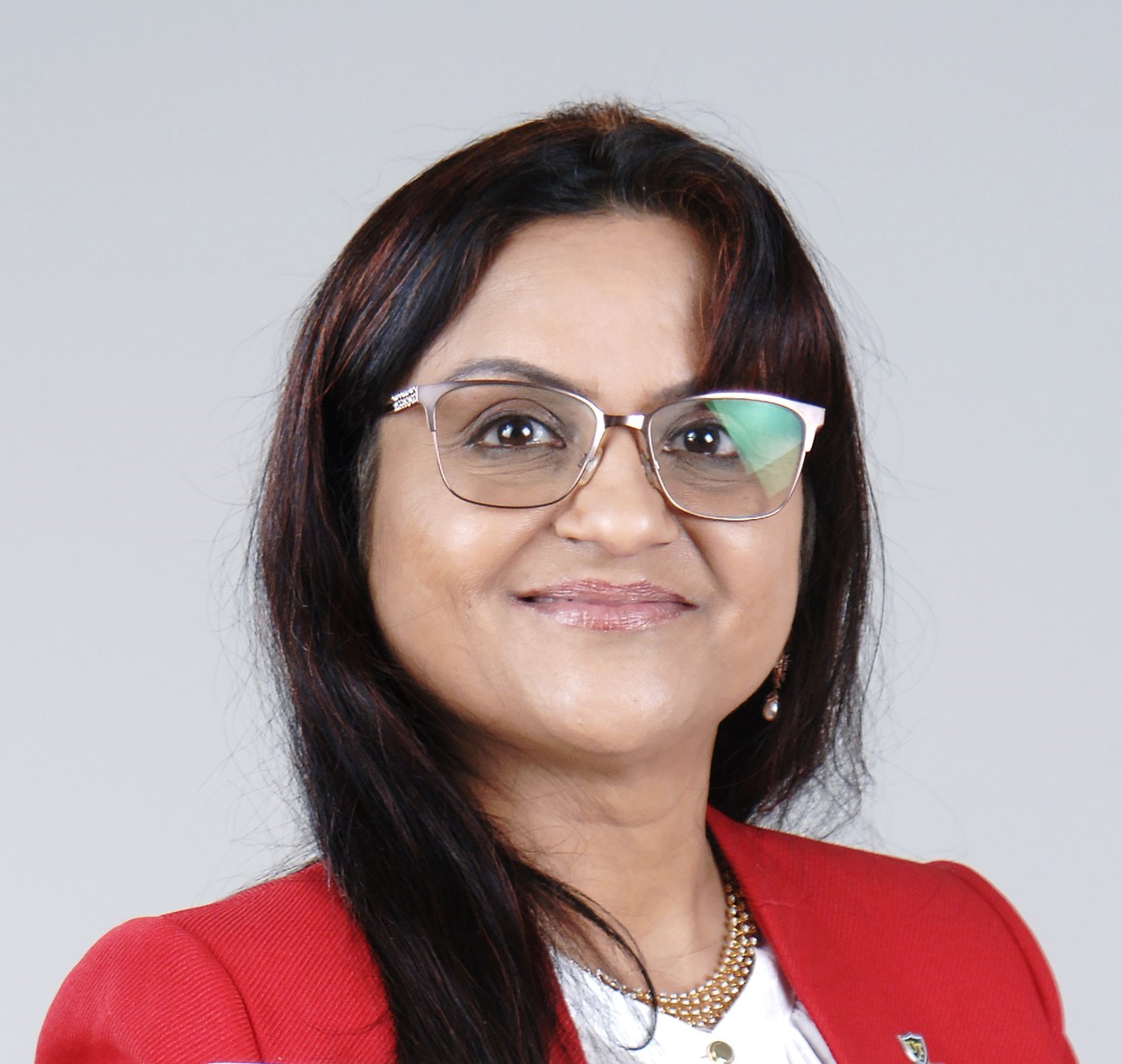
Bradi Bartrug Granger is a Research Professor at Duke University School of Nursing, Director of the Duke Heart Center Nursing Research Program, and adjunct faculty at the University of Gothenburg. She holds core faculty status at the Duke-Margolis Center for Health Policy. With doctorate in nursing from the University of North Carolina at Chapel Hill, an MSN from Duke University, and a BSN from the University of Tennessee at Knoxville, her expertise spans implementation science, heart failure care, workforce stability, hypertension management, and health equity. 2004 - Ph.D., University of North Carolina at Chapel Hill 1991 - M.S.N., Duke University 1988 - B.S.N., University of Tennessee at Knoxville Her recent publications focus on nurse retention strategies, virtual reality rehabilitation for ICU patients, hypertension control in Black populations, and palliative care integration in heart failure management. Key grants include NIH/NINR-funded Nurse LEADS program (2024-2029), NSF research on XR rehabilitation games (2025-2027), and NHLBI-funded urine output tracking studies (2024-2026). She actively promotes evidence-based practice through clinical decision support tools and workforce analytics, maintaining affiliations with Duke's Science & Society initiative and Margolis Center for Health Policy.
Dr. Qunzhou Zhang, PhD, is a Research Assistant Professor in the Department of Oral and Maxillofacial Surgery / Pharmacology at the University of Pennsylvania School of Dental Medicine , Philadelphia, USA, where he has held successive appointments since 2012. He also maintains adjunct/visiting professor affiliations with Guangdong Medical University in China (2008–2016). He earned his doctoral degree in Biochemistry & Molecular Biology from West China University of Medical Sciences (now Sichuan University) in 2000, preceded by an M.Sc. from Guangdong Medical University (1997) and a B.A. in Preventive Medical Sciences from Chongqing Medical College (1990). Dr. Zhang’s research program sits at the intersection of regenerative medicine, stem cell biology, immunomodulation, and cancer . His laboratory focuses on: Immunomodulatory and anti-inflammatory functions of gingiva-derived mesenchymal stem cells (GMSCs) in rodent models of colitis, skin/oral wounds, and allergic dermatitis. Non-genetic induction of neural crest stem-like cells (NCSC) from GMSCs for peripheral nerve regeneration, including 3D bioprinted, scaffold-free nerve grafts . Paracrine mechanisms involving extracellular vesicles (exosomes) secreted by GMSCs that modulate host tissue microenvironments and promote tongue muscle/taste-bud regeneration. Tumor microenvironment studies exploring how mesenchymal stromal cells influence the pathogenesis of ameloblastoma and head & neck squamous cell carcinoma (HNSCC) . Across 50+ peer-reviewed publications since 2004, his work demonstrates a consistent trajectory from basic mechanistic studies to translation-oriented tissue engineering , with particular emphasis on exosome-based therapies and 3D bioprinting technologies . Scientific Awards & Honors Research Support Grant (RSG) , Oral and Maxillofacial Surgery Foundation (2008, 2011, 2014, 2017) Pilot Research Grant , University of Pennsylvania Diabetes Research Center Peter Geistlich Research Award , OsteoScience Foundation (2016) Honored/Adjunct Professor , Guangdong Medical University (2008–2016) Dr. Zhang has served as ad-hoc peer reviewer for more than 25 high-impact journals, including J Invest Dermatol, Stem Cells & Development, Tissue Engineering, PLOS ONE, J Dental Res, Oncotarget and others. While the provided text does not list specific PhD or Master’s students, his role as senior investigator and lab manager implies active mentoring within the university’s research programs. His laboratory is located within the Department of Oral & Maxillofacial Surgery & Pharmacology at Penn Dental Medicine, equipped for in vivo rodent surgery, stem cell culture, 3D bioprinting, and molecular profiling . Future directions include first-in-human trials of GMSC-derived exosome therapeutics and scale-up manufacturing of 3D bioprinted nerve constructs.
Allan Wu, M.D., serves as an Associate Clinical Professor in the Department of Neurology at the David Geffen School of Medicine, University of California, Los Angeles (UCLA). He is based at the Reed Neurological Research Center in Los Angeles, where he contributes to clinical care and research in movement disorders through his academic appointment and active clinical engagement. Dr. Wu's research program centers on movement disorders, with a particular focus on Parkinson's disease and dystonia. His work integrates cutting-edge neuromodulation techniques such as transcranial magnetic stimulation (TMS), deep brain stimulation (DBS), and transcranial direct current stimulation (tDCS) to develop novel therapeutic approaches. Additionally, he explores the application of health informatics and electronic health records to improve patient safety and clinical decision-making in neurology. His interdisciplinary collaborations span neurology, psychiatry, biomedical engineering, and data science, fostering a comprehensive approach to understanding and treating complex neurological conditions. Movement Disorders (Parkinson's, dystonia, tremor) Neuromodulation (TMS, DBS, tDCS) Neurorehabilitation and motor learning Clinical neurophysiology and cortical excitability Health informatics for neurological care Analysis of his recent publications (2017-2024) reveals a strong emphasis on technological innovation in clinical neurology. Key trends include standardizing electronic health record tools for Parkinson's disease management, developing quantitative movement assessment using markerless 3D kinematics, and investigating non-invasive brain stimulation for cognitive and motor rehabilitation. His work consistently bridges laboratory neuroscience with practical clinical applications, focusing on measurable improvements in patient safety, diagnostic accuracy, and therapeutic outcomes for movement disorder patients. Dr. Wu actively collaborates with multidisciplinary teams at UCLA's Reed Neurological Research Center and beyond. His clinical work integrates closely with research initiatives, particularly in developing and validating novel assessment tools and therapeutic protocols for movement disorders. His contributions to clinical neurology demonstrate a commitment to translating scientific discoveries into improved patient care pathways and healthcare system efficiencies.
Joav Prives serves as a Professor in the Department of Pharmacological Sciences at Stony Brook University, where his research centers on the molecular regulation of neurotransmitter receptors in neuromuscular systems. His work bridges cellular and molecular pharmacology with neurobiology through investigations of receptor biogenesis and membrane dynamics. His academic foundation includes: Ph.D. from McGill University Postdoctoral training at Weizmann Institute of Science, Israel Prives' research program systematically dissects the regulation of nicotinic acetylcholine receptor (AChR) expression, with emphasis on endoplasmic reticulum-mediated folding, chaperone-assisted assembly (particularly involving calnexin), and phosphorylation-dependent topogenesis. His laboratory employs primary chick muscle cells and transfected models to investigate how N-linked glycosylation, disulfide bond formation, and cytoskeletal interactions govern receptor clustering and dispersal at neuromuscular junctions. This work provides fundamental insights into receptor trafficking disorders and synaptic maintenance mechanisms. Analysis of his publication record (1993-2000) reveals a cohesive trajectory exploring AChR biogenesis through biochemical and cell biological approaches. His work consistently integrates signal transduction principles with receptor pharmacology, demonstrating how small GTPases (Rac/Cdc42) and phosphorylation events regulate receptor clustering. The research spans molecular neuroscience, membrane biology, and protein biochemistry with implications for myasthenia gravis and related neuromuscular pathologies. No scientific awards were documented in the source materials. While the texts confirm active laboratory research through 2000, specific details regarding graduate student mentorship, grant funding, or collaborative teams were not provided in the available documentation.
Timothy A Blenkinsop is an Associate Professor at the Icahn School of Medicine at Mount Sinai , affiliated with the Department of Ophthalmology and Cell, Developmental & Regenerative Biology . His research focuses on retinal regeneration, particularly the biology of the retinal pigment epithelium (RPE) , with an emphasis on developing in vitro disease models, epigenetic profiling, and transplantation strategies for RPE-related pathologies. Education: PhD in Developmental Biology, New York University BS in Cell Biology, University of Wisconsin at Whitewater His work bridges regenerative medicine and translational ophthalmology , with key contributions to understanding RPE dysfunction in diseases like Age-Related Macular Degeneration (AMD) and Proliferative Vitreoretinopathy (PVR) . Recent publications highlight advancements in stem cell-derived RPE therapy, contractility inhibition, and viral ocular infection models. Dr. Blenkinsop's laboratory develops 3D eye organoids , epigenetic profiling tools , and NRF2 signaling modulators to address retinal degeneration. His research has implications for therapeutic development, including preclinical models and biofunctional polymers to prevent retinal scarring. Office Location: Annenberg Building, Floor 22, Room A22-08, 1468 Madison Ave, New York, NY 10029 .
Oriol Guasch Fortuny is Full Professor at the Department of Engineering, La Salle, Ramon Llull University in Barcelona, specializing in computational acoustics and aeroacoustics. He holds a five-year Physics degree from Universitat de Barcelona and a PhD in Computational Mechanics from UPC. His research spans acoustic black holes , graph theory in vibroacoustics, parametric array technology , and numerical voice production . Current projects: GENIOVOX (expressive voice generation), EUNISON (voice simulation) Editorial roles: Subject Editor , Journal of Sound and Vibration Leadership: Heads acoustics research in the GTM group His 15 most recent publications focus on acoustic black hole applications in vibration control, parametric loudspeaker optimization , and chaotic vocal fold modeling . Work combines finite element analysis with theoretical acoustics . Collaborations include: CIMNE (UPC, Barcelona) GIPSA-LAB (Grenoble, France) INSA Lyon (France) Northwestern Polytechnical University (Xi’an, China) KTH Stockholm (Sweden) Patents: NºU-201230809: Horn amplifier for parametric arrays Nº201230043: Omnidirectional ultrasonic sound source
Joakim Sundnes is a Chief Research Scientist and Research Professor at the Department of Scientific Computing, Simula Research Laboratory. He specializes in computational physiology, cardiac biomechanics, and mathematical modeling of cardiovascular systems. Key Research Areas: Cardiac electromechanics, computational fluid dynamics in cardiology, uncertainty quantification in cardiac models, and mechano-electric feedback mechanisms Recent Trends: Focus on patient-specific modeling, left atrial flow dynamics, right ventricular mechanics in pulmonary hypertension, and personalized treatment simulations Scientific Contributions: Active participant in international conferences and editorial work. Co-author of multiple benchmark studies and educational texts on physiological modeling.
Katsuhiko Suzuki is a Professor at the Faculty of Sport Sciences, Waseda University and former Adjunct Professor at Institute of Biomedical Innovation, Queensland University of Technology . His research bridges preventive medicine, immunology, and sports nutrition , focusing on exercise-induced inflammation, muscle recovery, and nutritional interventions . PhD in Medicine (Hirosaki University) M.S. in Human Sciences (Waseda University) Research Highlights : • Enduromics and Resistomics for personalized training • Sulforaphane , flavonoids , and polyphenols in oxidative stress modulation • Neutrophil dynamics in post-exercise recovery and renal injury prevention • 85% dark chocolate for PMS-related performance optimization in female athletes Scientific Leadership : Editorial roles in Frontiers in Physiology and Nutrition President of International Society of Exercise and Immunology (2015-2017) Awards : • Incentive Award, Japanese Society of Physical Fitness and Sports Medicine (2023) • Young Investigators Award, International Society of Exercise and Immunology (2001) Recent Publication Trends : • 2025: 11 articles on nutraceuticals (probiotics, capsaicin, dark chocolate) for muscle recovery and inflammatory modulation • 2024: 7 papers on epigenetic aging , remote training for Alzheimer's , and Caveolin gene interactions • 2023: 4 studies on caffeine dosing , flavonoids in sarcopenia , and keto diet mechanisms
Tsuyoshi Morito serves as an Assistant Professor at Waseda University's School of Sport Sciences, where he focuses on rehabilitation science and sports medicine. His academic journey includes a PhD in Sports Science from Waseda University (2023) and a Master's in Medical Engineering from Hiroshima International University (2020). He maintains dual professional roles as both an academic researcher and a practicing physical therapist at Kasumigaura Rehabilitation Orthopedic Clinic. Waseda University, School of Sport Sciences (2023-Present) Medical Corporation Sakawakai Kasumigaura Rehabilitation Orthopedic Clinic (2021-Present) Professional memberships in 10+ organizations including Japanese Society of Low Back Pain, Japanese Orthopaedic Sports Association, and Sacroiliac Medical Expert Group Dr. Morito's research centers on musculoskeletal rehabilitation with particular expertise in sacroiliac joint disorders, motor control mechanisms, and pregnancy-related musculoskeletal conditions. His work integrates clinical practice with biomechanical analysis, focusing on practical applications for athletes, patients with chronic pain, and perinatal women. Recent studies examine core stability mechanisms, pelvic alignment changes, and innovative rehabilitation techniques like paper balloon-based motor control exercises. His publication record demonstrates consistent output in high-impact journals including Journal of Biomechanics, European Spine Journal, and Frontiers in Sports and Active Living. Research trends show progression from foundational anatomical studies to applied clinical interventions, with increasing focus on workplace wellness programs and community-based prevention strategies. His work bridges basic science with practical applications across sports medicine, occupational health, and women's health. Outstanding Presentations Award, Japanese Society for Measurement and Evaluation of Physical Education (2025) Academic Encouragement Award, Orthopedic Rehabilitation Society (2013) Principal investigator for multiple government-funded research projects including MEXT's Basic Research (C) and Sports Agency's Sport in Life Promotion Project Dr. Morito actively contributes to academic mentoring through teaching Sports Education Seminars at Waseda University and has received research funding totaling over 10 million yen from MEXT, JSPS, and the Sports Agency. His community engagement includes public health initiatives like the SAFE Consortium's workplace wellness programs and municipal prevention projects focused on musculoskeletal health. Current research directions emphasize translating high-performance athlete conditioning techniques to improve general population health and developing evidence-based preventive strategies for perinatal women.
Dr. Yuya Morimoto is a Professor at the Faculty of Science and Engineering , Waseda University , focusing on biohybrid robotics, micro/nano systems, and tissue engineering since 2025. His research bridges robotics, biomechanics, and regenerative medicine through innovative microfluidic and biofabrication techniques. Ph.D. in Information Science and Technology (2014), The University of Tokyo His research interests span microfluidics , biohybrid actuators , organ-on-a-chip systems, and biomechanics . Recent work explores muscle-tendon co-cultures , alginate microfiber fabrication , and biohybrid robots with skeletal muscle actuation. Analysis of his 15 most recent articles (2022-2025) reveals trends in: Microfluidic organoid manipulation for intestinal models Biohybrid robotics with 3D-printed components Lipid bilayer devices for ion channel studies Perfusable vascularized tissues in skin equivalents Modular tissue assembly for cultured meat Scientific awards include Shipley Academic Award (2022), JSME Paper Award (2022), and MEXT Minister's Award for Young Scientists (2021). He serves on committees for Japan Society of Mechanical Engineers and Institute of Electrical Engineers , advancing micro/nano biomedical applications. His work enables self-healing robot skin , weight-training systems for muscle maturation , and high-throughput organoid fusion . Collaborative projects with Shoji Takeuchi's lab dominate his publications.
Martijn Froeling serves as an Assistant Professor at University Medical Center Utrecht, actively contributing to the Precision Imaging research group within the High Field division. His work bridges advanced MRI technology development with clinical applications targeting critical health domains including brain cancer, circulatory health, dementia, and musculoskeletal disorders. His academic foundation includes: Master's in Biomedical Engineering from Eindhoven University of Technology (July 2009) PhD in Diffusion Tensor Imaging of the human forearm from Amsterdam University Medical Center and Eindhoven University of Technology (October 2012) Dr. Froeling's research centers on pioneering quantitative MRI methodologies, with specialized expertise in Diffusion Tensor Imaging (DTI) across multiple organ systems (brain, peripheral nerves, muscle, kidney, heart). He drives innovation in 7T MRI hardware development—including specialized coils for multi-nuclei imaging—and conducts clinical studies focused on neuromuscular diseases. His QMRITools software platform for Mathematica enables sophisticated quantitative MRI analysis, directly supporting his mission to 'see the unseen' for advancing clinical diagnostics in cancer, cardiovascular disease, stroke, and MSK conditions. Analysis of his 2024-2025 publications reveals a cohesive research trajectory: DTI applications dominate clinical studies (hamstring injuries, fasciculation mapping), while parallel technical work advances ultra-high-field hardware (double-tuned coils for ²H/³¹P imaging). This dual focus on clinical impact and technological innovation demonstrates his commitment to translating engineering breakthroughs into tangible medical solutions. No scientific awards were documented in the provided materials. While the text confirms Dr. Froeling's role in supervising PhD work (evidenced by his PhD completion under prominent supervisors), no current students or specific grant funding details are explicitly mentioned in the source material. He operates within the High Field group at University Medical Center Utrecht, leading the Precision Imaging research initiative. This team specializes in developing cutting-edge MRI hardware (particularly for 7T systems), maintaining the QMRITools analysis platform, and executing clinical trials targeting neuromuscular pathologies alongside broader applications in oncology and cardiovascular medicine.
László Csernoch is a University Professor at the University of Debrecen, Faculty of Medicine, Department of Physiology since 2005. His research focuses on skeletal muscle physiology, calcium signaling, and mechanosensitive channels. Education: Degree in Physics (1985), Candidate (1990), Doctor of the Hungarian Academy of Sciences (2001), Habil (2001). Research interests include muscle function regulation via endocannabinoid systems, Piezo1 channel roles in musculoskeletal health, and microRNA adaptation in exercise physiology. Publications span journals like International Journal of Molecular Sciences and Journal of Physiology-London , emphasizing molecular mechanisms in muscle diseases and regeneration. Collaborations with researchers such as Peter Szentesi and Beatrix Dienes have produced over 200 publications (1987-2025), with significant contributions to SCImago categories like Biochemistry, Genetics, Molecular Biology, and Physiology.
Michel C Milinkovitch is a Full Professor in the Department of Genetics and Evolution at the University of Geneva, leading the Laboratory of Artificial & Natural Evolution (LANE) . His research merges biology, physics, and computational modeling to unravel the developmental and evolutionary mechanisms behind life's complexity, focusing on reptiles and mammals. Institution: University of Geneva Contact: Sc3 4024B | +41 22 379 33 38 Research Interests span evolutionary developmental biology, biomechanics of skin appendages, reaction-diffusion systems, mechanical instabilities in morphogenesis, and computational modeling. He investigates how physical constraints interact with genetic networks to generate patterns in scales, feathers, and pigmentation. Scientific Contributions include groundbreaking work on mechanical vs. chemical patterning in crocodile scales, snake scale organization via somitic cues, and the role of the sonic hedgehog pathway in avian feather development. His team employs advanced imaging, CRISPR-Cas9, and 3D simulations to bridge micro- and macro-scale biological phenomena. Collaborators & Alumni include Senior Lecturer Athanasia Tzika and researchers like Pierre-Yves Helleboid and Gabriel N. Santos-Durán. The lab maintains strong ties with interdisciplinary institutions and contributes to open-access protocols in reptilian genome assembly.
Lee E Miller is a Professor in the Department of Physical Medicine and Rehabilitation at Northwestern University's Feinberg School of Medicine, with research spanning neural mechanisms of movement control and neuroprosthetic development for spinal cord injury rehabilitation. Education: PhD from Northwestern University (1990) Postdoctoral Fellow at University of Nijmegen (1992) His work focuses on deciphering the brain's "language" for movement commands, understanding neural network dynamics, and translating these principles into therapeutic applications. Key research areas include spinal cord injury rehabilitation, neural engineering, and brain-computer interface development, with collaborations spanning Biomedical Engineering and the Interdepartmental Neuroscience Program (NUIN). Recent publications (2025) reveal strong emphasis on clinical translation of neural interfaces, featuring studies on intracortical microstimulation safety, advanced neural probe mechanics, customizable body-machine protocols, and stability optimization through latent dynamics alignment—demonstrating integration of fundamental neuroscience with engineering solutions. Scientific recognition includes: Elected fellow in the American Institute for Medical and Biological Engineering (2016) Senior Visiting Fellow, Institute of Neurology, University College London (2002) European Community ESPRIT II Post Doctoral Fellowship (1990) Murphy Fellowship, Northwestern University (1981) Research Fellowship at Turner Precision X-ray Measurements Lab (1978) Miller has mentored numerous students and postdocs throughout his career, now transitioning the Miller Limb Lab from animal research to computational analysis and a final major project developing muscle-based BCIs for spinal cord injury patients through collaborations with Cortical Bionics and Shirley Ryan AbilityLab. His Miller Laboratory of Limb Motor Control remains an active interdisciplinary hub after nearly four decades, currently focusing on human applications while winding down primate studies but maintaining data analysis and new computational projects with a reduced team.
Bina Joe , Ph.D., is a Distinguished University Professor and Chair of the Department of Physiology and Pharmacology at the University of Toledo College of Medicine and Life Sciences. She serves as the Founding Executive Director of the Center for Hypertension and Precision Medicine and Principal Investigator of the Program in Physiological Genomics. With appointments at the University of Toledo since 2004 and current roles in leadership and research, her work bridges genetic, physiological, and microbiome-based mechanisms in cardiovascular diseases. Research areas include hypertension genetics, gut microbiome-cardiovascular links, and precision medicine Key methodologies: systems biology, CRISPR engineering, and microbiome profiling Scientific Awards & Honors Fellow of the American Heart Association (FAHA, 2010) Distinguished University Professor (2017) President’s Awards for Excellence in Grantsmanship (2019, 2017, 2015) Ernest Starling Distinguished Lectureship (2022) Over 20 national/international awards and fellowships Her research team utilizes rat models to dissect genetic and microbiotal contributions to hypertension, with translational applications in human disease. Recent work emphasizes gut microbiota-diet-host interactions, epigenetic mechanisms (e.g., histone β-hydroxybutyration), and novel therapeutic targets for metabolic and cardiovascular disorders. Publications span top-tier journals like Cell , Nature Communications , and Physiological Genomics , with recurring themes of sex-specific regulation and microbiome engineering.