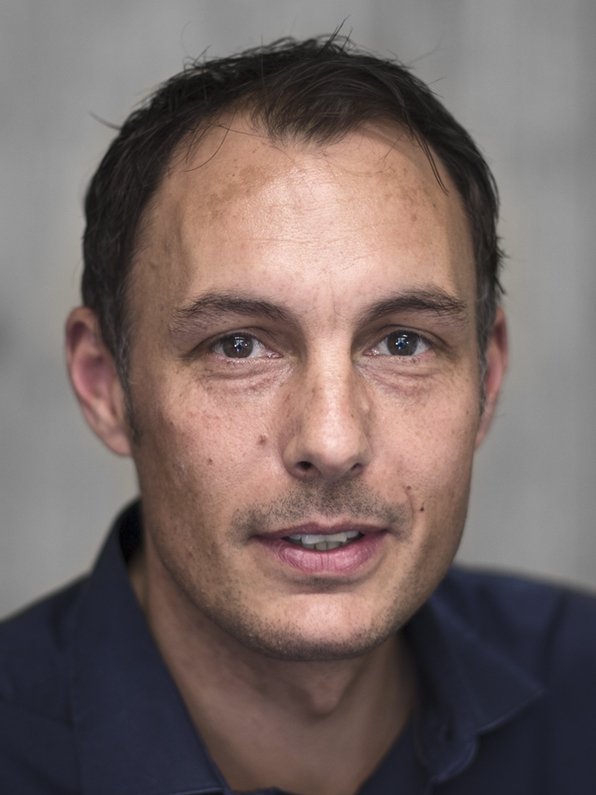
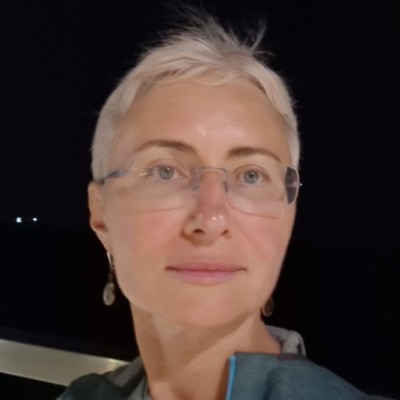
Prof. Marcy Zenobi-Wong is a Full Professor at ETH Zurich's Department of Health Sciences and Technology, specializing in biofabrication and tissue engineering. Her research focuses on cartilage regeneration using advanced biomaterials, including nanofilm coatings and 3D printing techniques. She holds patents in tissue engineering and has pioneered methods like filamented light (FLight) biofabrication for creating anisotropic tissues. Her academic journey includes a B.Sc. from MIT (1985), M.Sc. and Ph.D. from Stanford (1987, 1990), followed by postdoctoral work at the University of Michigan. She leads the Biofabrication Group at ETH, developing therapies for joint repair and regenerative medicine. Courses taught include Biomedical Engineering and Materials and Mechanics in Medicine . Research highlights include engineered hydrogels for cartilage protection, CRISPR-driven gene editing in chondrocytes, and biohybrid neural interfaces. Her work bridges material science, cell biology, and clinical applications, with a focus on translational medicine. Collaborative projects involve creating elastic cartilage grafts for microtia reconstruction and volumetric printing of complex tissue constructs.
Swiss Federal Institute of Technology in LausanneSwitzerland
Silvestro Micera is a Full Professor at the Swiss Federal Institute of Technology Lausanne (EPFL) and holds the Bertarelli Foundation Chair in Translational Neuroengineering. He directs the Translational Neural Engineering Laboratory and teaches courses including Neural signals and signal processing and Translational neuroengineering . His research bridges neural interfaces, robotics, and neuroprosthetics to restore motor functions in spinal cord injuries, stroke, and amputations. Micera's research integrates implantable neural interfaces, robotic rehabilitation, and hybrid neuro-prosthetic systems. Key focus areas include: Robotic neurorehabilitation for mobility restoration Neural control mechanisms in movement CNS/PNS neural interface development Bioelectronic modulation for sensory feedback His recent publications emphasize machine learning-driven motor recovery prediction, closed-loop sensory feedback systems, and minimally invasive neuroprosthetics. Trends include AI-optimized stimulation protocols, multimodal data fusion for rehabilitation, and clinical translation of neural bypass technologies. Awards: IEEE EMBS Early Career Achievement Award (2009) IEEE EMBS Technical Achievement Award (2021) Micera leads EU-funded projects such as TIME, CLONS, and NeuWalk, focusing on neural prostheses. He advises 8 current and 18 former PhD students in neuroengineering. His lab collaborates with MIT, Harvard, and industry partners (e.g., Plexon) to advance translational neurotechnologies.
Swiss Federal Institute of Technology in LausanneSwitzerland
Kristina Schoonjans is an Associate Professor at EPFL’s School of Life Sciences, where she leads the Laboratory of Metabolic Signaling (UPSCHOONJANS). Her research focuses on the molecular mechanisms of bile acid signaling, nutrient sensing, and intermediary metabolism, particularly in the context of metabolic disorders such as obesity, fatty liver disease, and cancer. She investigates how the liver-gut-brain axis integrates metabolic signals through nuclear receptors and mitochondrial dynamics. Her research interests include: Bile acid signaling and its role as a hormonal regulator Nutrient and metabolite sensing in energy homeostasis Intermediary metabolism and metabolic disorders Role of nuclear receptors (e.g., TGR5, LRH-1) in liver, gut, and adipose tissue Mitochondrial dynamics and fission in metabolic regulation Organoid models for studying liver and intestinal metabolism Systems genetics using BXD mouse populations The most recent articles highlight a strong focus on bile acid signaling, particularly through TGR5 and LRH-1, in regulating metabolic health. Themes include the conversion of white fat to beige fat (beiging), hepatic tumorigenesis, mitochondrial fission, and the use of organoid and genetically engineered mouse models. There is a consistent emphasis on translational applications for obesity, fatty liver disease, and cancer. Scientific honors include: Windaus Prize from the Dr. Falk Foundation (2010, shared with Johan Auwerx) for the discovery of the signaling/endocrine function of bile acids Prof. Schoonjans actively supervises PhD students and has advised numerous doctoral candidates who have since completed their theses. Her lab is supported by multiple grants from Swiss and international funding agencies, including the Swiss National Science Foundation, EPFL, CONACYT, and the Foundation for Health and Education. She teaches in several doctoral programs at EPFL, including Life Sciences Engineering, and contributes to education through the SSV and EDBB/EDCB/EDMS-ENS programs. The Schoonjans Lab brings together scientists, doctoral assistants, and technicians working on projects related to metabolic signaling. The team uses advanced techniques such as genetically modified mouse models, organoid cultures, and multi-omics (metabolomics, proteomics, transcriptomics) to study the liver-gut and brain-liver axes. The lab has a strong track record of high-impact publications and collaborations with institutions worldwide.
Prof. Dr. Katrien De Bock is a Full Professor and Deputy Head of the Department of Health Sciences and Technology at ETH Zurich. Her research focuses on angiogenesis, metabolic crosstalk in muscle microenvironments, and the impact of exercise on muscle regeneration. She leads a team investigating cellular interactions in skeletal muscle, particularly how metabolic signals regulate blood vessel growth and muscle repair. Key areas include understanding fibroadipogenic progenitors' role in muscle physiology, the role of histamine in exercise responses, and age-related muscle decline. Her work integrates molecular biology, single-cell transcriptomics, and computational approaches to dissect mechanisms underlying tendon pathologies, ischemic muscle injury, and metabolic adaptations to exercise. She supervises Master's programs in Human Movement Science and collaborates on projects involving muscle stem cell therapies and vascular engineering. Prof. De Bock also explores interventions like NAD+ precursors to counteract age-related sarcopenia and promotes translational research in regenerative medicine. Research Interests: Exercise-induced metabolic pathways in muscle repair Angiogenesis regulation in health and disease Hypoxia signaling in tendons and muscles Epigenetic modifications during tissue regeneration Stem cell fate determination in muscle microenvironments Notable Projects: Developing AI-driven histologic analysis for tendinopathy diagnosis Mapping the human brain vasculature at single-cell resolution Testing sulfur amino acid restriction to enhance exercise capacity
Professor Alfredo Franco-Obregón is a Research Associate Professor at the National University of Singapore (NUS), with multiple appointments across the Yong Loo Lin School of Medicine. He holds positions in the Department of Surgery and the Department of Physiology, and is affiliated with the Institute for Health Innovation & Technology, the Healthy Longevity Translational Research Programme, the NUS Centre for Cancer Research, and the Nanomedicine Translational Research Programme. He leads the Biolonic Currents Electromagnetic Pulsing Systems (BICEPS) Laboratory, which focuses on developing non-invasive electromagnetic technologies to enhance muscle function and systemic health, particularly for aging populations and those with mobility limitations. Dr. Franco-Obregón's research centers on understanding how biophysical forces, particularly mechanical and electromagnetic stimuli, translate into tissue regeneration and survival. His work specifically investigates the role of Transient Receptor Potential (TRP) channels, particularly TRPC1, in skeletal muscle development and how magnetic fields can activate mitochondrial respiration through a process he terms "Magnetic Mitohormesis." This research has significant implications for metabolic health, cancer therapy, and aging interventions. His laboratory has demonstrated that brief (10-minute) weekly exposure to low-energy pulsed electromagnetic fields (PEMFs) can enhance muscle development, improve metabolic efficiency, and even produce anticancer effects through the activation of muscle secretome responses. His recent publication record demonstrates a strong focus on translating these findings into clinical applications, with numerous randomized controlled trials examining the effects of PEMF therapy on conditions including knee osteoarthritis, Achilles tendinopathy, metabolic disorders, and breast cancer. His research bridges fundamental cellular mechanisms with practical clinical applications, showing how magnetic field exposure can serve as a non-invasive exercise mimetic for populations unable to engage in physical activity. 2020: Innovation of the Year Product Winner by the Ageing Asia World Ageing Festival (for QuantumTx) 2015: Wong Hock Boon Society Best Mentor Award (NUS) 2008: Goldenen Eule (The Golden Owl Excellence in Teaching Award) (ETH) 1990: Martin Luther King Mentorship Award (UCSF) Dr. Franco-Obregón is actively engaged in mentoring students and collaborating on international research projects. He has established the BICEPS Laboratory as a hub for interdisciplinary research, bringing together engineers, clinicians, and basic scientists. His work has led to the founding of QuantumTx Pte. Ltd., a NUS spin-off company developing magnetic therapeutic devices, and he is currently conducting human clinical trials in Singapore, China, Southeast Asia, and the US to evaluate the efficacy of his magnetic therapeutic platforms. The BICEPS Laboratory operates at the intersection of engineering and clinical medicine, with a mission to develop non-invasive technologies that enhance muscle function and bioenergetics. The lab's research has significant potential to transform clinical practice, particularly in preventative medicine and rehabilitation. Dr. Franco-Obregón is also working to establish international collaborations, including potential student exchange programs between ETH/UZH and NUS, to further advance this field of research.
Liliane Michalik is an Associate Professor at the University of Lausanne (UNIL), affiliated with the Center for Integrative Genomics within the Faculty of Biology and Medicine. She holds leadership roles, serving as Vice-Director (2011–2019) and Director (2019–2021) of the School of Biology and currently as Vice-Rector overseeing the "Equality, Diversity and Careers" department. Her academic journey includes a PhD from the University Louis Pasteur in Strasbourg (1993), followed by postdoctoral training and research at UNIL, culminating in her promotion to Associate Professor in 2018. Her research focuses on understanding cellular responses to environmental cues, particularly skin repair, UV-induced skin cancer, and angiogenesis, leveraging nuclear hormone receptors like PPARs. Her work integrates genomic approaches and mouse models to explore transcriptional regulation and disease mechanisms. Notable collaborations include studies on PPARβ/δ's role in UV-induced inflammation and Src activation in skin cancer. Michalik’s funding includes support from the Swiss National Science Foundation and the Swiss Foundation for Excellence and Talent in Biomedical Research. Her contributions extend to policy, as seen in her 2024 publication on strategies to promote gender equality in academia. She oversees a research group and has contributed to over 30 peer-reviewed articles, emphasizing interdisciplinary approaches in biology, pharmacology, and translational medicine. Her administrative leadership and scientific expertise position her as a pivotal figure in advancing both academic research and institutional equity initiatives.
Professor Luis Filgueira is a Full Professor in the Department of Medicine at the University of Fribourg, affiliated with the Faculty of Mathematics, Natural Sciences and Medicine. He serves as Head of the Gross Anatomy domain and teaches gross anatomy, histology, embryology, cell biology, and immunology. His research focuses on clinical anatomy, medical education, cell biology, immunology, and stem cells, particularly in malaria and viral infection mechanisms. Key research interests include microglia-mediated neuroinflammation, extracellular vesicle biology in malaria, and anatomical innovations in medical education. His work bridges clinical anatomy with advanced microscopy techniques and pedagogical strategies. Recent publications emphasize viral neuropathology (Japanese encephalitis), metabolic gasotransmitters, and anatomical advancements in orthopedic surgery. His educational contributions include integrating ultrasound and peer-teaching methods to enhance musculoskeletal learning. Professor Filgueira coordinates the Certificate of Advanced Studies in Clinical Anatomy and collaborates with initiatives like the Toxin Academy. His work spans anatomical dissection techniques, cadaveric studies, and translational research in regenerative medicine.
Christian Stockmann is an Associate Professor at the Institute of Anatomy, Faculty of Medicine, University of Zurich. His research focuses on hypoxia-driven immune modulation , angiogenesis , and tissue remodeling in fibrosis and cancer. Hypoxia-inducible factors (HIFs) in immune cells Therapeutic vaccination against fibrotic diseases Immune-vascular crosstalk in pathology His research connects chronic tissue repair processes to cancer progression and organ fibrosis , investigating how immune cell metabolism under hypoxia influences disease outcomes. Recent projects funded by the Swiss National Science Foundation explore NK cell biology and metabolic immunotherapy . Notable collaborations include teams at ETH Zurich, VIB Leuven, and the Paris Cardiovascular Research Center. He received the Travel award from Molecular Life Sciences (UZH, 2022).
Dr. Patrick Weber is a researcher at the Institute for Biomechanics (ETH Zürich) specializing in Tissue Engineering and Biofabrication . His work focuses on developing zwitterionic hydrogels for cartilage regeneration and osteoarthritis treatment, with recent studies evaluating their anti-inflammatory and lubricating properties in vivo and ex vivo models. Research Highlights: Zwitterionic polymer conjugates, cartilage surface damage quantification via micro-CT, bioprinting of cartilaginous constructs, immune response modulation via biomaterials Labs: Affiliated with the Tissue Engineering and Biofabrication group at ETH Zürich His publications demonstrate a trend toward zwitterionic hydrogels for osteoarthritis therapy, bioprinting techniques for tissue engineering, and novel diagnostic tools (e.g., Cartilage Roughness Score 2D). No scientific awards or student advisement details are mentioned in the provided texts.
Zurich University of Applied Sciences (ZHAW)Switzerland
Mathias Weyland is a researcher at the Zurich University of Applied Sciences (ZHAW) School of Engineering, specializing in the Applied Complex Systems Science research focus. His work bridges computational modeling, medical physics, and oncology through interdisciplinary projects. Projects : Deputy project leader for Bio-HhOST (bio-hybrid tissue models), PHARAO (pandemic response), and SARS-CoV2 Intervention Modeling , among others. Research Interests : He focuses on computational biology, medical physics, and hyperthermia applications in cancer therapy. His work includes: 3D tissue engineering with live/artificial cell integration Thermoradiation synergy in veterinary oncology Artificial life and droplet-based programmable chemistries Radiation dose optimization for diagnostic imaging Mathematical modeling of biological repair dynamics Publication Trends : His recent work (2024-2020) spans CT scan optimization, thermoradiation effects, and droplet-based artificial life systems. Collaborative projects with institutions like MIT Press, Springer, and Springer Nature dominate his publication record. Methodology : Combines phantom studies, Monte Carlo simulations, and RNA sequencing with a strong emphasis on computational modeling for medical applications.
Dr. Chris Steffi is a Researcher affiliated with the Department of Biomechanics at ETH Zürich. Their work focuses on developing advanced biomaterials and bioprinted systems for bone tissue engineering, osteoporosis treatment, and orthopaedic applications. Key areas of research include patient-specific organoid models for bone diseases, functionalized titanium surfaces, and mesoporous bioactive glass nanoparticles. Affiliation: ETH Zürich, Institute of Biomechanics (GLC H20.2) Contact: chris.steffi@hest.ethz.ch Research emphasizes biomaterial-cell interactions, osteogenesis imperfecta modeling, and strategies to enhance bone-implant integration. Recent work explores 3D bioprinting techniques for creating heterocellular organoids that emulate physiological bone remodeling processes. Studies also investigate polyphenol-based functionalization of titanium implants to modulate osteoclast activity and improve implant longevity.
Charna Dibner is an Associate Professor and group leader at the University of Geneva, working within the Department of Surgery and the Division of thoracic and endocrine surgery at Hôpitaux Universitaires de Genève (HUG). Her research focuses on circadian rhythms and biological clocks, particularly their relationship with metabolic processes, diabetes, obesity, and cancer (especially thyroid cancer). Dr. Dibner has established an experimental system for long-term recording of circadian reporter oscillations in human primary cultured cells from different tissue types at both population and single-cell levels. Her laboratory investigates the molecular basis of circadian rhythmicity in pancreatic islets (particularly α- and β-cells), skeletal muscle, white adipose tissue, and thyroid tissue. She explores how circadian regulation impacts metabolic function in physiological contexts and under conditions of diabetes-associated insulin resistance. Analysis of her recent publications reveals a strong focus on the intersection of circadian biology with metabolic diseases, particularly examining lipid metabolism rhythms, pancreatic islet function, and the emerging connection between circadian clocks and cancer development. Her work increasingly incorporates multi-omics approaches and wearable technology for monitoring circadian parameters in clinical populations. Dr. Dibner has supervised numerous PhD students whose research has contributed significantly to understanding circadian regulation in metabolic tissues and cancer. Her laboratory maintains active collaborations across multiple disciplines including endocrinology, oncology, and systems biology.