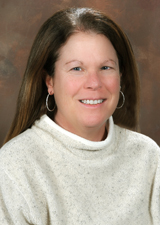
Lori Bolgla is a Professor and Kellett Chair of Allied Health Sciences at Augusta University, with joint appointments in the College of Allied Health Sciences (Department of Physical Therapy) and the Medical College of Georgia (Departments of Orthopedic Surgery and Surgery: Orthopedic). She holds a Ph.D. in Rehabilitation Science from the University of Kentucky, advanced degrees in Physical Therapy from the Medical College of Georgia, and accounting qualifications from the University of Georgia. Her research focuses on patellofemoral pain management , biomechanical analysis of movement disorders, and sports-related musculoskeletal injuries . She investigates gender differences in injury mechanisms and develops evidence-based rehabilitation protocols for conditions like ACL tears and patellofemoral syndrome. Recent publications (2018–2019) emphasize clinical guidelines, gender-specific biomechanics, and biomarker studies in orthopedics. Her work consistently integrates physical therapy, sports medicine, and kinesiological electromyography. 2020 Augusta University Boundless Teaching Award 2020 Outstanding Research Manuscript Excellence Award (International Journal of Sports Physical Therapy) 2017 Excellence in Research Finalist (APTA Sports Physical Therapy Section) 2015 CAHS Faculty Research Award 2015 Faculty Development Fellowship (Georgia Regents University) She mentors students through Augusta University's Pre-Physical Therapy Honors Program and serves as a Student Health Physical Therapist. Institutional service includes chairing the CAHS Research Council and Faculty Council.
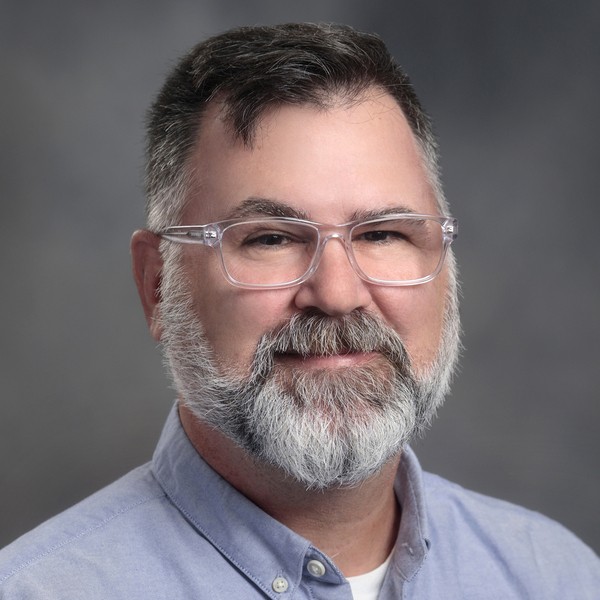
Hans van Dijk serves as a Senior Researcher in the Signal Processing Systems group within the Department of Electrical Engineering at Eindhoven University of Technology. He simultaneously holds leadership and research positions at multiple institutions, heading the Clinical Physics department at Kempenhaeghe (an institute specializing in Epileptology and Sleep medicine) and working as a Senior Researcher at the University Hospital in Ulm, Germany. His multidisciplinary career bridges engineering, clinical neurophysiology, and sleep medicine. Dr. van Dijk's research focuses on biomedical engineering applications in Clinical Neurophysiology, with particular expertise in electrophysiological techniques including EEG, EMG, and ECG. His work centers on developing and applying signal processing methods to diagnose neurological disorders, with specific emphasis on seizure detection using EEG , High-Density EMG for facial and masticatory muscles , and alternative diagnostic methods for sleep disorders . His recent publications demonstrate a strong focus on applying machine learning techniques to sleep medicine and epilepsy monitoring. Analysis of Dr. van Dijk's recent publications (2021-2025) reveals a consistent research trajectory in developing advanced signal processing methods for clinical neurophysiology. His work spans three main domains: epilepsy monitoring and seizure detection (particularly in children), sleep disorder diagnostics (using multimodal approaches beyond traditional polysomnography), and advanced EMG techniques for motor unit analysis. His research increasingly incorporates deep learning and multi-modal sensor fusion approaches to improve diagnostic accuracy while reducing the invasiveness of monitoring procedures. 2699 citations according to Scopus metrics 101 research outputs documented in institutional repository Active research collaboration with Philips Research and Kempenhaeghe Contributions to UN Sustainable Development Goals through medical diagnostics research Dr. van Dijk supervises research activities with 8 documented supervised works, collaborating extensively with clinical and engineering researchers across multiple institutions. His research program integrates signal processing expertise with clinical needs in neurology and sleep medicine, developing practical solutions for monitoring and diagnosing neurological disorders. His work at Kempenhaeghe focuses on translating engineering innovations into clinical practice for epilepsy and sleep disorder patients.
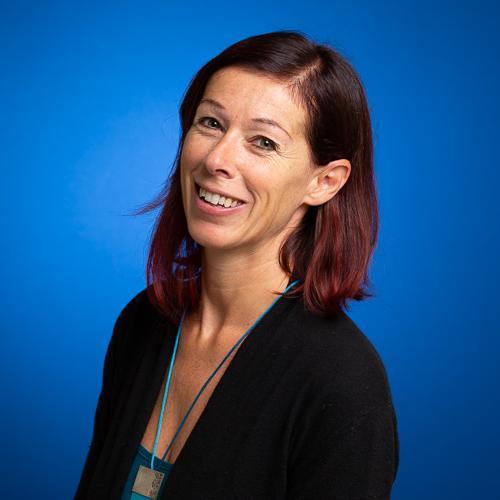
Cate d'Este is a Conjoint Professor and Honorary Professor at the University of Newcastle's School of Medicine and Public Health, specializing in Biostatistics. She has accumulated approximately 18 years of experience in health research and teaching in national and international arenas, primarily within the Faculty of Health and Discipline of Statistics at the University of Newcastle. She also maintains an Honorary Research Consultant position at the Centre for Military and Veterans Health at the University of Queensland. Professor d'Este holds the following qualifications: Doctor of Philosophy, University of Newcastle Graduate Diploma in Medical Statistics, University of Newcastle Diploma in Education, University of Newcastle Bachelor of Mathematics, University of Newcastle (majoring in statistics) As a biostatistician and methodologist, Professor d'Este's research spans various health domains with common themes including cardiovascular disease, randomized controlled trials, longitudinal studies, and meta-analysis. Her work emphasizes multidisciplinary research and capacity building in biostatistical methodology. She has extensive consulting experience nationally and internationally, providing quantitative and methodological input to numerous state and national committees, government agencies, and non-government organizations. Her recent publications demonstrate a strong focus on implementation science in stroke care, dementia prevention, cancer care, and public health interventions across multiple countries. There's a clear pattern of applying biostatistical expertise to complex health problems, particularly in the areas of stroke management, dementia risk reduction, and cancer care. Her work frequently involves cluster randomized trials, process evaluations, and multi-country comparative studies, reflecting her expertise in challenging methodological areas. Professor d'Este has received the following scientific recognition: Faculty of Health, University of Newcastle, Excellence in Teaching Award (2003) Professor d'Este has been an investigator on over 35 grants totaling more than $17 million and has co-authored nearly 100 peer-reviewed journal articles, book chapters, and commissioned reports. She has successfully supervised or co-supervised to completion six research masters students and six PhD students, with additional PhD students currently under supervision. Her supervisory approach encompasses a range of content areas and study designs with varying statistical complexity, including off-campus and international students. Her administrative roles, including Deans Representative for Research Higher Degree and Research Development Manager, have provided her with substantial understanding of the research higher degree process across the Faculty of Health. Professor d'Este has played key roles in several research centers and initiatives, including the Centre for Clinical Epidemiology and Biostatistics (CCEB), where she served on multiple committees. Her national and international committee work demonstrates her integration into broader research networks focused on health services research, clinical epidemiology, and biostatistics methodology. She has been instrumental in developing and coordinating distance learning programs in biostatistics, including managing cohorts of international students from Zimbabwe and Japan.
Christopher Earing is a Senior Lecturer at Wrexham Glyndŵr University, specializing in Post-Registration education. He also works as a Clinical Scientist in Respiratory and Sleep Physiology at Betsi Cadwaladr University Health Board, conducting cardio-pulmonary exercise testing, lung function assessments, and sleep apnoea diagnostics. Key Roles: Clinical Scientist, Betsi Cadwaladr University Health Board Senior Lecturer, Wrexham Glyndŵr University Research Focus: His research explores Exercise Physiology, ventilatory control, and respiratory muscle fatigue, particularly in patients with obstructive sleep apnoea. He investigates hypercapnic/hypoxic responses, inflammatory markers, and the endocannabinoid system. Teaching Expertise: Lectures on the MSc Professional Practice in Health program, covering compassionate leadership, service improvement, and Public Health. Professional Contributions: Chaired conferences and taught at ARTP advanced lung function courses. Scientific Awards: Welsh Clinical Leadership Fellow
Andrea Tigrini serves as a Researcher in the Department of Information Engineering at Marche Polytechnic University's School of Engineering in Ancona, Italy. His scientific sector is Bioengineering (IBIO-01/A), with research spanning biomedical signal processing and human motion analysis. Dr. Tigrini's research interests focus on the intersection of biomedical engineering and machine learning, particularly in developing innovative approaches for human motion analysis through electromyography (EMG) and inertial sensing. His work emphasizes creating minimal-sensor solutions for practical applications in rehabilitation technologies, gait analysis, and assistive devices. He investigates neuromuscular control mechanisms during various activities including walking, balance maintenance, and hand gestures. Analysis of his recent publications (2023-2025) reveals a strong trend toward developing accessible diagnostic and assistive technologies using machine learning approaches. His research consistently addresses real-world challenges in diabetic neuropathy detection, prosthetic control, and rehabilitation monitoring, with particular emphasis on creating solutions that require minimal sensor setups to enhance practicality and adoption in clinical settings. His work demonstrates significant contributions to understanding the relationship between neuromuscular signals and movement patterns, with applications spanning rehabilitation engineering, human-computer interaction, and clinical diagnostics. The interdisciplinary nature of his research bridges engineering principles with physiological understanding to create practical healthcare solutions.
GÖRÖG Péter is an Associate Professor at the Department of Engineering Geology and Geotechnics , part of the Faculty of Civil Engineering at Budapest University of Technology and Economics . His research focuses on geotechnical engineering, rock mechanics, and structural stability analysis, particularly in historic masonry structures and underground cavities. He has taught courses such as Engineering Geology, Rock Mechanics, and Hydrogeology, and has contributed to projects involving numerical modeling and seismic risk assessment. Email: gorog.peter@emk.bme.hu Research Trends : His recent work emphasizes creep modeling in soft rocks, stability analysis of underground structures, and the impact of geological parameters (e.g., GSI, joint dip) on engineering projects. Publications from 2025-2024 highlight advancements in fractional derivative-based models, seismic load effects, and failure mode simulations for masonry bridges. Scientific Awards : Építő250 Scholarship Academic Contributions : Active in both theoretical and applied geotechnics, GÖRÖG Péter has led field investigations in Hungary and Croatia, analyzed historic stone bridges, and developed models for porous limestone stability. His work bridges material science and civil engineering challenges.
Karen Reynolds is a Matthew Flinders Distinguished Professor of Biomedical Engineering in the College of Science and Engineering at Flinders University, where she has been a faculty member since 1997. She serves as Director of both the Medical Device Research Institute and the Medical Device Partnering Program, a national initiative supporting early-stage innovation in medical devices. Her leadership extends to external roles including Board Member of the National Imaging Facility, Director of the Academy of Technological Sciences & Engineering Board, and Chair of the Health and Technology Forum. Professor Reynolds' educational background includes a Masters in Biomedical Engineering from the University of Oxford, followed by research positions at both Oxford and Leicester Universities where she earned her PhD. Her academic credentials also include MSc, MA, BA(Hons), and a Graduate Certificate in Tertiary Education. Her primary research interests focus on medical device innovation, physiological monitoring, bone biomechanics, and surgical instrumentation and training. Her work bridges engineering principles with clinical applications, particularly in developing technologies that solve real end-user problems in healthcare. She has made significant contributions to virtual reality medical simulation, non-invasive monitoring techniques, and bone imaging and modeling. Analysis of her recent publications reveals a strong focus on practical biomedical engineering solutions with immediate clinical relevance. Her work spans orthopedic biomechanics (particularly shoulder and knee modeling), respiratory monitoring systems, and rehabilitation robotics. The consistent theme across her research is the development of engineering solutions that address specific clinical challenges, with emphasis on validation and practical implementation. Fellow of the Australian Academy of Technological Sciences & Engineering (FTSE) Fellow of the Australian Academy of Health & Medical Sciences (FAHMS) Honorary Fellow, Engineers Australia (HonFIEAust) Australian Professional Engineer of the Year, 2010 South Australian Scientist of the Year, 2012 David Dewhurst Award, Engineers Australia, 2016 Medical Technology Association of Australia Outstanding Achievement Award, 2014 Top 100 Most Influential Engineers in Australia (2012, 2013, 2015) Professor Reynolds has supervised 15 principal and 1 associate PhD/Master's students in Biomedical Engineering. Her research is supported through the Medical Device Partnering Program, a significant national initiative that facilitates collaboration between researchers, clinicians, and industry partners. She has received numerous research grants supporting her work in medical device development and validation. She leads the Medical Device Research Institute at Flinders University, which serves as a hub for interdisciplinary research involving engineers, clinicians, and industry partners. The Institute works closely with the Medical Device Partnering Program, creating a comprehensive ecosystem for medical device innovation from concept through to commercialization. Her research teams specialize in biomechanical modeling, medical device prototyping, and clinical validation studies.
Dr. Daniel Jose Moreno Fernandez-Ayala is a Professor at the University Pablo de Olavide, specializing in Physiology, Anatomy, and Cell Biology . He is affiliated with the Andalusian Center for Developmental Biology (CABD) and the research group "Physiology and Biochemistry of Cell Growth." Research focus: Cell Biology, Mitochondrial Diseases, Coenzyme Q Deficiency, Aging, Biochemistry Email: dmorfer@upo.es Research Interests Dr. Moreno Fernandez-Ayala's work centers on mitochondrial biology, particularly coenzyme Q (CoQ) deficiency and its implications in diseases and aging. His studies employ Drosophila melanogaster and mammalian models to investigate: Genetic and molecular mechanisms of CoQ biosynthesis Therapeutic potential of caloric restriction in mitochondrial myopathies Role of mitochondrial dysfunction in aging and age-related diseases Bioenergetic imbalances in pathological conditions Article Trends His publications over the past decade emphasize mitochondrial diseases, CoQ deficiency, and aging. Key themes include: Development of Drosophila models for human mitochondrial disorders Impact of metabolic interventions (e.g., CoQ10 supplementation, caloric restriction) Genetic rescue strategies for CoQ deficiencies Interplay between mitochondrial ROS, apoptosis, and longevity Clinical correlations in CoQ10 deficiency syndromes Academic Affiliations Doctoral Programs: Biotechnology, Biomedicine and Health Sciences PAIDI Areas: Biology and Biotechnology
Dr. Jeffrey Stratford is Professor and Chair of the Biology Department at Wilkes University, based in the Cohen Science Center. His research examines landscape-scale ecological transformations including urbanization impacts on birds, mine reclamation, river restoration, and recently, soil microbial dynamics in grassland ecosystems. Educational Background: Bachelor's in Biology from Rutgers University Master's from Southeastern Louisiana University studying rainforest fragmentation effects on birds Ph.D. from Auburn University on urbanization impacts on southeastern birds Research Focus: Dr. Stratford's interdisciplinary work spans: Avian ecology in fragmented landscapes Tropical conservation biology Urban ecosystem dynamics Soil-plant-microbe interactions in grasslands Wildlife responses to habitat restoration Physiological and behavioral adaptations in birds Publication Trends: His 15 most recent articles (2014-2025) reveal: Early focus on tropical birds, forest fragmentation, and avian parasites Mid-career expansion into rodent foraging ecology and reclamation studies Recent pivot toward grassland microbial ecology and plant-soil interactions Consistent themes in urbanization impacts and conservation applications
Lucia Seminara serves as an Associate Professor in the Department of Naval, Electrical, Electronic, and Telecommunications Engineering (DITEN) at the University of Genoa's Polytechnic School. She teaches Electronic Devices, Sensors, and Sensing Systems for Master's programs in Electronic Engineering and Engineering for Natural Risk Management, while also contributing to Philosophy of Medicine for Philosophical Methodologies. As a member of the Joint Teacher-Student Commission, she bridges academic governance with pedagogical innovation in engineering education. Her research pioneers tactile sensing systems using piezoelectric polymers (PVDF) and electronic skin for robotics and prosthetics. She investigates indentation mechanics on soft electronic skin, grasping speed sensitivity, and hierarchical sensorimotor control frameworks for human-in-the-loop robotic hands. Key innovations include machine learning-based contact force estimation and electrotactile feedback systems that restore natural touch perception in prosthetic devices, addressing critical gaps in sensory substitution technology. Analysis of her 2021-2025 publications reveals escalating integration of machine learning with tactile sensing, particularly in symmetry detection for efficient haptic exploration and transdisciplinary human-in-the-loop applications. Recent work emphasizes real-world implementations like post-stroke rehabilitation systems and high-bandwidth human-machine interfaces, demonstrating a strategic shift from foundational sensor development toward clinically viable solutions with measurable user impact. Dr. Seminara's research lineage includes significant contributions to the Roboskin project (2013), which established large-area tactile sensor arrays for robotics. Her current work extends this foundation through investigations into viscoelastic properties, stress transmission modeling, and AI-driven tactile perception, positioning her at the forefront of intelligent electronic skin development with active collaborations across engineering, neuroscience, and clinical rehabilitation domains.
Claudia Landi is an Associate Professor at the Department of Life Sciences, University of Siena. She currently teaches PROTEOMICS and TRANSLATIONAL BIOLOGY courses in the second-cycle degree (Laurea Magistrale) program in Biology for the 2025/2026 academic year. Her office hours are scheduled via email consultation. Research Focus: Dr. Landi's work spans proteomics, molecular biology, and translational research with applications in: Respiratory diseases (asthma, IPF, lung cancer) Reproductive biology (sperm/ovarian function, infertility biomarkers) Proteomic methodology development Multi-omics integration in extracellular vesicles Publication Trends: Her recent articles (2021-2025) demonstrate strong emphasis on: Clinical proteomics for biomarker discovery in pulmonary and reproductive disorders Mechanistic studies of fibrosis and cancer resistance pathways Innovative sample preparation and analytical techniques Translational applications of extracellular vesicle research Collaborative Work: Research involves extensive national/international collaborations as evidenced by multi-author publications across European research institutions.
Professor Krishna Chatterjee is a leading academic in the field of Genetic and Molecular Endocrinology at the University of Cambridge , affiliated with the Institute of Metabolic Science and the Department of Medicine . His research focuses on disorders of nuclear hormone synthesis and action, particularly Resistance to Thyroid Hormone due to defective receptor beta or alpha, and multisystem selenoprotein deficiency disorders . He directs the Cambridge Clinical Research Centre and the PhD for Health Professionals Programme , which trains health professionals as researchers and future leaders. Professor of Endocrinology, Department of Medicine Director, Cambridge Clinical Research Centre Director, PhD for Health Professionals Programme Principal Investigator, Institute of Metabolic Science Collaborator with British Thyroid Foundation His laboratory investigates the molecular mechanisms of thyroid hormone resistance, employs candidate gene and whole exome approaches to identify novel genetic aetiologies, and conducts human phenotypic studies to understand how thyroid hormones affect physiological processes via receptor subtypes. Current work includes studying selenoprotein deficiency disorders and translating research into diagnostic technologies and selective thyromimetics for metabolic disorders. Recent publications highlight his expertise in thyroid hormone resistance syndromes, MCT8 deficiency, and selenoprotein-related pathologies. His clinical research has informed guidelines for managing genetic thyroid disorders and developed NHS gene panels for diagnosis. He collaborates on public engagement initiatives with the British Thyroid Foundation, including patient education materials and webinars. Key research trends include: Elucidating genotype-phenotype correlations in thyroid hormone resistance Developing diagnostic biomarkers for genetic endocrine disorders Trialing novel therapies like TRIAC for thyroid hormone resistance syndromes Investigating selenoprotein deficiency's role in cardiovascular and metabolic dysfunction Integrating genomic, structural, and functional analyses for precision medicine
Karen Barker is Professor of Physiotherapy at the Nuffield Department of Orthopaedics, Rheumatology and Musculoskeletal Sciences (NDORMS) at the University of Oxford. She concurrently serves as Clinical Director for Trauma & Orthopaedics at Oxford University Hospitals Foundation Trust and Head of Physiotherapy at the Nuffield Orthopaedic Centre, while maintaining a Visiting Professor role at Oxford Brookes University. Her academic credentials include: MSc in Ergonomics from University of Loughborough (1991) PhD from Oxford Brookes University (2001) focused on muscle function recovery in limb lengthening surgery Professor Barker's research program integrates clinical practice with scientific investigation across rehabilitation post-arthroplasty, chronic pain management, and musculoskeletal condition interventions. Her methodology spans quantitative clinical trials and qualitative approaches to examine implementation science and patient-centered outcomes, particularly emphasizing service delivery models and non-surgical back pain management. Recent publications reveal strong thematic concentration on evidence-based rehabilitation for knee arthroplasty recovery and vertebral fracture management, with emerging exploration of psychosocial dimensions in chronic conditions like osteoporosis. Her work consistently bridges quantitative efficacy studies with qualitative patient experience analyses. Professional recognition includes: Fellowship of the Chartered Society of Physiotherapy (2013) She currently leads two major Health Technology Assessment-funded trials: the PROVE trial evaluating physiotherapy for osteoporotic vertebral fractures and the CORKA trial assessing community-based rehabilitation after knee replacements. These projects demonstrate her commitment to generating practice-changing evidence through rigorous methodology. Professor Barker actively contributes to multiple collaborative research initiatives including ACL, SNNAP, BOOST, CORKA, FAIT, GRASP, PEP-TALK, and PROVE groups, focusing on translational musculoskeletal science and rehabilitation innovation.
Sabrina Pacor is an Associate Professor in Applied Biology (BIO/13) at the University of Trieste , where she teaches Pharmacology in the Pharmacy LM and STB BSc programs. With over 30 years of research experience in experimental oncology and host defense peptides, she has made significant contributions to studying antimicrobial peptides (AMPs) and their interactions with bacterial membranes. Her research focuses on: Direct antimicrobial activity of AMPs against Gram-positive and Gram-negative bacteria Indirect immunomodulatory effects of host defense peptides Development of drug delivery systems using nanomaterials (carbon nanotubes, gold nanoparticles) Mechanistic studies of ruthenium-based antimetastatic drugs She leads extensive cytofluorimetry research using flow cytometry platforms, particularly for evaluating: Cytotoxicity (necrosis/apoptosis, proliferation index) Modulation of host biological responses (chemotaxis, phagocytosis, ROS production) Peptide-bacterial membrane interactions through fluorescent labeling Her recent work demonstrates trends in: Proline-rich antimicrobial peptides against ESKAPE pathogens Hybrid antibiotic design (peptide-aminoglycoside conjugates) Structure-activity relationships in membranolytic peptides Evolutionary insights into defensin and cathelicidin families Prof. Pacor has co-authored over 100 peer-reviewed publications and actively mentors students, having supervised: 70 experimental/thesis reviews for Pharmacy/CTF Master's students 20 Bachelor's degree theses
Eva D'Hondt is a distinguished academic at Vrije Universiteit Brussel (VUB), where she serves in the Faculty of Movement and Sport Sciences. She leads the research group "Movement and Nutrition for Health and Performance" and holds additional leadership positions including Department Chair and Head of Research Group. Her extensive research portfolio spans over 226 publications and she has secured multiple research grants totaling millions in funding. Dr. D'Hondt earned her PhD in Physical Education and Movement Sciences and previously held positions at Ghent University as a Postdoctoral Research Fellow (2011-2013) and FWO PhD Fellow (2007-2011). She currently maintains an honorary research assistant position at Ghent University while leading major research initiatives at VUB. Her research focuses on motor control, motor learning, and motor development in children, with particular emphasis on kinanthropometry, childhood obesity, and the relationship between physical activity and health. Her work bridges the gap between theoretical understanding and practical applications for improving children's motor competence and overall health. Dr. D'Hondt's recent research has emphasized toddler motor development, aquatic literacy, and inter-limb asymmetry in athletes. She leads major projects including the 1-2-3-MOVE! initiative focused on motor competence in toddlers and the ALFAC project addressing aquatic literacy in children across Europe. Her work demonstrates a consistent pattern of interdisciplinary collaboration and practical application of research findings. Gaston Beunen VBSW price for young promising researchers (2021) Public Young Investigator Award PhD student (2023) Young Investigators Award (YIA): Poster presentaties, 1ste plaats (2009) Dr. D'Hondt actively mentors PhD students including Lore Daelman and Lisa Mertens through joint VUB-UGent doctoral projects. She has supervised approximately 90 students throughout her career. Her research has attracted significant funding through projects like BASGO29 (MOVE research group funding until 2029) and FWOSBO55 (1-2-3-MOVE! project). She leads the MOVE research group which focuses on motor competence development in young children, particularly toddlers. The group collaborates extensively with daycare centers and educational institutions to implement and study interventions that promote fundamental motor skills. Recent work has expanded into aquatic literacy through the European ALFAC project.