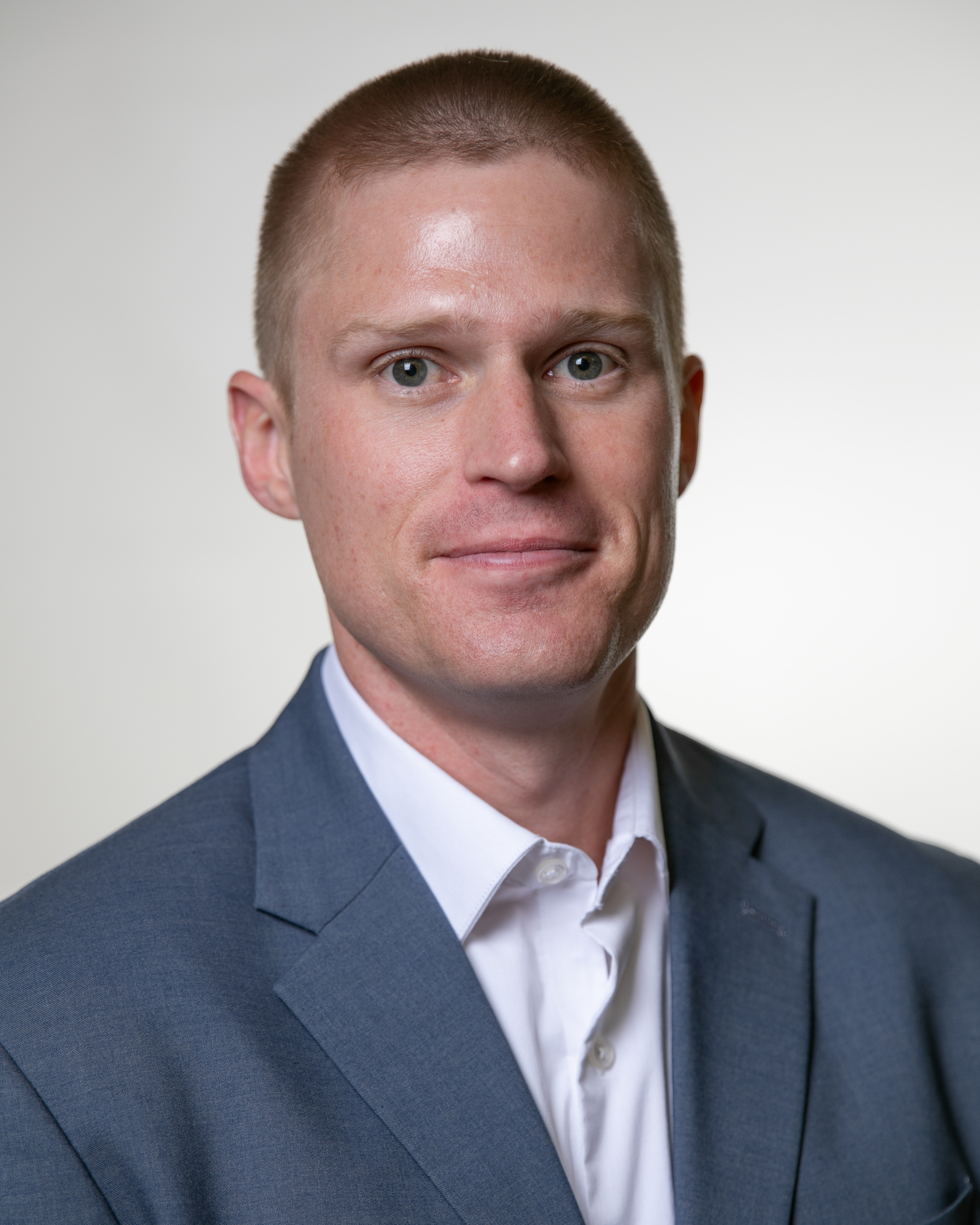
Hamid Nawab is a Professor in the Department of Electrical and Computer Engineering at Boston University, with an affiliated appointment in the Department of Biomedical Engineering. He holds a PhD from MIT (1982) and has been recognized for exceptional teaching, including the College of Engineering inaugural Teaching Excellence in the Core Curriculum Award (2025) and multiple ECE Department Excellence in Teaching Awards. His research focuses on computational signal processing, applied artificial intelligence, and biomedical signal analysis, particularly in EMG and patient activity monitoring. He has taught courses such as Signals and Systems, Digital Signal Processing, and graduate teaching seminars. His work integrates signal processing with biomedical applications, including Parkinson’s disease monitoring via wearable sensors and EMG signal decomposition. He has authored influential texts like Signals and Systems and contributed to over 50 peer-reviewed publications. Awards include Fellow of the American Institute for Medical and Biological Engineering (2006) and the Metcalf Award for Excellence in Teaching (1993). His advising and grants emphasize interdisciplinary engineering education and biomedical signal processing. Collaborations span clinical and academic institutions, focusing on translational research in healthcare technology.
Edward Balog serves as an Associate Professor in the School of Biological Sciences within the College of Sciences at Georgia Institute of Technology. His research focuses on ryanodine receptors (RyRs), the largest known intracellular ion channels critical for calcium release in skeletal and cardiac muscle. His primary research areas include: Regulation of RyR channels by endogenous effectors (ions, metabolites, proteins) Mechanisms linking RyR dysfunction to diseases like malignant hyperthermia and ventricular tachycardia Age-related alterations in RyR function Structural determinants of calmodulin-RyR interactions Dr. Balog employs multi-level experimental approaches: Sarcoplasmic reticulum vesicle [ 3 H]ryanodine binding for population channel analysis Artificial lipid bilayer recordings for single-channel kinetics Calcium release assays in permeabilized muscle fibers His laboratory maintains active research projects on: Molecular features for ligand action via RyR adenine nucleotide binding sites RyR function in aging skeletal muscle Structural requirements for calmodulin regulation of RyRs Educational background: Ph.D. in Physiology from Marquette University (1988) M.S. in Exercise Physiology from University of South Carolina (1988) B.A. in Exercise Science from Furman University (1983) The Ryanodine Receptor Laboratory operates under Dr. Balog's direction, with research goals centered on understanding intracellular calcium regulation and identifying pharmacological targets for calcium-related disorders.
Yuming Lei is an Assistant Professor in the Department of Kinesiology and Sport Management at Texas A&M University. His research focuses on understanding neural mechanisms underlying motor control and learning in individuals with and without neurological disorders, employing techniques such as biomechanics, robotics, electrophysiology, and neuroimaging. Key interests include neuroplasticity, cortical circuit modulation, and the interplay between sensory input and motor output. His work addresses deficits in movement control post-neurological injury, such as spinal cord injuries, and explores therapeutic interventions like neuromodulation and rehabilitation engineering. Recent studies include personalized motor cortex neuromodulation via ultrasound, touch sensation effects on motor cortical activity, and memory consolidation dynamics in motor learning. Publications span topics like spinal cord injury biomechanics, sensorimotor adaptation deficits, and the role of the cerebellum in motor recovery. His interdisciplinary approaches bridge clinical and experimental neuroscience, with implications for neurorehabilitation and motor neuroscience.
Antonios Pantazis is an Associate Professor and Docent at Linköping University, affiliated with the Department of Biomedical and Clinical Sciences (BKV) within the Faculty of Medicine and Health Sciences. He leads the Pantazis Laboratory of Cellular Excitability (PaLaCE), focusing on ion channel biophysics and their role in health and disease. His work integrates electrophysiological, optical, and computational methods to study ion channel structure-function relationships, particularly in cardiac and neuronal systems. Research interests include voltage-gated ion channels, cellular excitability, and the molecular mechanisms underlying arrhythmias and neurological disorders. Key contributions involve understanding mutations in genes like SCN5A and KCNA2, which are linked to epilepsy and cardiac arrhythmias. He has been awarded the Swedish Fernström Prize (2021) for his work on ion channels. Publications span topics such as ion channel regulation, molecular transitions in voltage-dependent processes, and drug targets for arrhythmia suppression. His laboratory also explores cutting-edge techniques like voltage-clamp fluorometry and optical methods to visualize protein dynamics. Collaborations include institutions like the Wallenberg Centre for Molecular Medicine (WCMM) at Linköping University, emphasizing translational research in medical technology and bioengineering.
Christopher Proppe is an Assistant Professor in the Department of Exercise Science at Wichita State University. His research focuses on neuromuscular adaptations, blood flow restriction (BFR) exercise, and rehabilitation applications in clinical populations such as Multiple Sclerosis (MS). He holds credentials including a PhD, ATC (Athletic Trainer), and CSCS (Certified Strength and Conditioning Specialist). His work explores BFR’s effects on muscle swelling, fatigue, and pain perception, with studies on low-load resistance training protocols, gas exchange kinetics during exercise, and neuromuscular responses in untrained populations and athletes. Key areas include optimizing BFR applications for functional recovery in MS patients and understanding mechanisms behind exercise-induced hypoalgesia. Publications emphasize BFR’s role in muscle damage (e.g., DOMS), neuromuscular efficiency, and perceptual responses. He has also investigated BFR’s impact on sprint performance, gender differences in exercise physiology, and biomechanical adaptations during fatiguing bouts. Dr. Proppe’s studies often combine experimental protocols with advanced metrics like mechanomyography (MMG), oxygen uptake analysis, and motor unit recruitment tracking. His research bridges clinical rehabilitation and exercise science, targeting both healthy populations and individuals with neurological disorders.
Frédéric JEAN is a Professor and Director of the Unité de Mathématiques Appliquées (UMA) at ENSTA Paris. His expertise lies in nonlinear control theory and geometric control, with applications in neurophysiology modeling. He holds an HDR (Habilitation à Diriger des Recherches) and advises doctoral students across multiple domains. Research Interests: Frédéric’s research focuses on geometric control theory, sub-Riemannian geometry, optimal control, and nonholonomic systems. His work bridges theoretical advancements with practical applications in neurophysiology and aerospace engineering. Recent studies include trajectory planning for planetary landings and robust control strategies under uncertainty. Teaching: He teaches courses on applied differential geometry, dynamical systems analysis, and control systems at ENSTA Paris. Publications: His recent work emphasizes sub-Riemannian geometry, stochastic control, and aerospace applications. Key trends include optimal control in constrained systems and geometric approaches to robotic and biological movement. Students: Co-supervised over 10 doctoral theses, including those by Clara Leparoux (2023), Meryem Kafnemer (2022), and Sofya Maslovskaya (2018). Labs/Teams: Active within the Optimization and Commande team at UMA, contributing to interdisciplinary research in control systems and applied mathematics.
Dr. Weiwei Ai is a Research Fellow at the Auckland Bioengineering Institute , University of Auckland, New Zealand. With a multidisciplinary background in biomedical engineering and computational modeling, he focuses on developing energy-consistent physiological models and closed-loop validation frameworks for implantable medical devices. Education PhD in Bioengineering, University of Auckland (2019) Master of Engineering (ME) in Electrical Engineering, Beijing University of Technology (2005) BSc in Electronic Engineering, Qingdao University (2002) Dr. Ai's research centers on computational physiology and medical device validation , utilizing bond graph formalisms and hybrid automata to create thermodynamically consistent models for glucose transport, cardiac pacemakers, and gastrointestinal systems. His work bridges mathematical modeling with clinical applications through formal verification techniques. His recent publications highlight trends in closed-loop biomedical device design and energy-based physiological modeling , including: (1) bond graph models for SLC transporter dynamics, (2) adaptive respiratory pacemaker frameworks with biofeedback, (3) formal verification of cardiac devices using timed automata, and (4) compositional cyber-physical epidemiology models. He also explores AI-driven integration of digital twins in healthcare through FAIR data principles. Supervision Opportunities : Dr. Ai is an accredited PhD supervisor at the University of Auckland, offering projects on AI-driven energy-based platforms for credible digital twins in healthcare. Labs : Affiliated with the Auckland Bioengineering Institute, focusing on computational models and in-silico validation systems.
Nick A. Ritucci, Ph.D., serves as a Senior Lecturer in the Department of Neuroscience, Cell Biology, and Physiology within the College of Science and Mathematics at Wright State University. He directs multiple core physiology courses including Human Anatomy & Physiology I/II and Human Structure & Function I/II, demonstrating extensive pedagogical leadership through course coordination roles since earning his doctorate from Wright State in 1997. Education: B.S. in Natural Sciences, Xavier University (1989) M.S. in Physiology & Biophysics, Wright State University (1992) Ph.D. in Biomedical Sciences, Wright State University (1997) Dr. Ritucci's research centers on respiratory neurophysiology , specifically investigating neuronal and astrocytic responses to hypercapnia and intracellular pH regulation in brainstem chemosensitive regions. His work employs advanced techniques like fluorescence pH imaging in brainstem slices to elucidate mechanisms in areas including the retrotrapezoid nucleus and locus coeruleus, with implications for sleep apnea and respiratory disorders. His publication record (1995-2005) reveals consistent focus on chemoreception mechanisms, particularly how medullary neurons regulate acid-base balance during hypercapnia. These studies, primarily in the American Journal of Physiology , established foundational knowledge in respiratory control neurobiology through innovative single-cell pH measurement methodologies. Scientific Awards: Boonshoft School of Medicine Excellence in Undergraduate Edcuation (2025) College of Science and Mathematics Undergraduate Students' Choice Award (2015) Wright State University Teaching Excellence Award (2010) Research Training Fellowship, American Lung Association (2000-2002) Comroe-Forster-Lambertsen Young Investigator Award (1999) Dr. Ritucci secured significant research funding including the American Lung Association Fellowship (2000-2002), while his course co-director roles across six physiology programs demonstrate sustained educational leadership. His dual focus on rigorous laboratory research and curriculum development has shaped neuroscience education at Wright State for over two decades.
Ana Maria Lopez Beceiro is a contracted professor at the Faculty of Veterinary Medicine , University of Santiago de Compostela , specializing in the Department of Anatomy, Animal Production and Veterinary Clinical Sciences . Her research focuses on Animal Medicine and Surgery within the MIV Veterinary Internal Medicine and Experimental Surgery groups. She earned a PhD in 1997 for her thesis on pharmacological agents in inhalation anesthesia for common voles. Her work spans Veterinary Hematology Infectious Disease Diagnostics Ruminant Health Reproductive Pathophysiology Toxicology . Her recent publications analyze: Canine Leishmaniosis diagnostics Rifampicin efficacy in monocytic ehrlichiosis Hematologic impacts of zearalenone Diagnostic cytology techniques Postpartum metabolic disorders Reproductive activity stress in rams .
Dr. Dawn MacIsaac is an Associate Professor in the Department of Computer Science at the University of New Brunswick’s Faculty of Computer Science, where she has served for over 14 years. She holds a PhD and Master of Science in Engineering from the same institution. Her research focuses on Biomedical Engineering, Software Engineering, Knowledge Engineering, and Signal Processing, particularly in the context of myoelectric control systems and biomedical signal analysis. Dr. MacIsaac has authored 49 peer-reviewed publications and supervised 25 graduate students. Her work emphasizes improving the performance and robustness of myoelectric prosthetics through advanced machine learning techniques, signal processing algorithms, and adaptive control strategies. Notable contributions include developing the Myosim 2.0 EMG simulation tool and pioneering self-supervised learning approaches for pattern recognition in unclear-label environments. She currently serves on the Editorial Board of the Journal of Electromyography and Kinesiology and is a Professional Engineer (PEng) registered with the Association of Professional Engineers and Geologists of New Brunswick (APEGNB). Her research bridges engineering and healthcare, addressing challenges in signal quality assessment, fatigue monitoring, and human-machine interface design. Key themes in her publications include enhancing EMG signal analysis for medical applications, optimizing control systems for prosthetic devices, and advancing methodologies for automated biosignal evaluation. Her interdisciplinary work impacts rehabilitation technology, clinical diagnostics, and biomedical instrumentation.
Professor Ken Nosaka is Lead of Exercise and Sports Science at Edith Cowan University's School of Medical and Health Sciences. With over 310 peer-reviewed publications, he is an internationally recognized expert in eccentric exercise research. His research spans neuromuscular fatigue, muscle damage mechanisms, and exercise as medicine, supported by numerous grants from organizations including the National Health and Medical Research Council and Defence Science and Technology Group. His research interests focus on eccentric exercise physiology, muscle damage mechanisms, thermoregulation during exercise, and strength training adaptations. His work has practical applications in sports performance, rehabilitation, and public health initiatives. Professor Nosaka's publications demonstrate consistent focus on neuromuscular physiology, exercise interventions, and methodological innovations in sports science. Recent work shows increasing emphasis on clinical applications in cardiac/pediatric populations and advanced biomechanical analysis techniques. He has received significant recognition including the ECU Vice-Chancellor's Award for Research Engagement (2020) and Excellence in Research (2012), plus multiple citations honors. Current research projects include implementing eccentric exercises for submarine crews and muscle training for spinal cord injury patients. Professor Nosaka directs the Centre for Exercise and Sports Science Research, supervising 6 PhD and 2 Master's students while coordinating the school's PhD program. His research collaborations span multiple continents, with over 70% of publications involving international partners.
Omid Haji-Ghassemi is an Assistant Professor in Biological Sciences at the University of Calgary and Principal Investigator of the Haji-Ghassemi Lab. Affiliated with the Libin Cardiovascular Institute and Arnie Charbonneau Cancer Institute, his research combines structural biology techniques to investigate protein kinase regulation of ion channels and neuromuscular proteins. His work has significant implications for understanding cancer mechanisms and cardiovascular diseases. Education: PhD Biochemistry, University of Victoria (2015) BSc (Honours) Microbiology, University of Victoria (2009) Research focuses on calcium signaling pathways and structural determination of disease-related proteins using cryo-EM and crystallography. Recent publications demonstrate consistent investigation into ryanodine receptor modulation and kinase interactions.
Associate Professor Amit Pujari is a biomedical engineer and neuroscientist at the University of Hertfordshire, leading the Neu(RAL)² Laboratory. He holds an honorary position at the University of Aberdeen and is a Royal Academy of Engineering Industrial Fellow. His work focuses on developing non-invasive neuromodulatory devices for stroke and spinal injury rehabilitation. Education: PhD in Biomedical Engineering, University of Aberdeen (2016) MSc in Biomedical Engineering, University of Strathclyde (2007) BE in Instrumentation & Control Engineering, Pune University (2003) Research Interests: Optimizing neuromodulatory stimuli (vibrotactile/electrical) for rehabilitation, neurophysiological basis of vibration therapy, and assistive technologies. His lab is equipped with advanced tools like high-density EMG systems, TMSi devices, and custom vibration stimulators. Awards: Academy of Medical Sciences’ Top 25 Emerging Leaders (2023) British Science Association Award Lecture (2022) Winston Churchill Memorial Trust Fellowship (2017) Grants/Projects: VECTOR: Randomized controlled trial for Crohn’s disease rehabilitation (2024–2027) SPASMS: Wearable sensor technology for spasticity management (2023–2025) User-led design of neurotechnologies for stroke survivors (2023–2025) Labs: Neu(RAL)² Laboratory focuses on neural systems rehabilitation, housing state-of-the-art equipment for EMG/EEG, TMS, and custom devices.
Amador García Ramos is a Permanent Contract Professor in the Department of Physical Education and Sports at the Faculty of Sports Sciences, University of Granada. His research focuses on strength training specificity, biomechanics, and physiological responses to exercise. His work spans multiple subfields: Resistance training adaptations Force-velocity profiling Neuromuscular performance Ocular pressure responses during exercise Virtual reality applications in physical training Strength assessment methodologies Recent publications analyze: Free-weight vs. machine-based training Velocity-based training metrics Supplementation effects on training outcomes Adapted physical activity for special populations Technical aspects of sprint and throwing performance
Simon Sponberg is the Dunn Family Associate Professor at Georgia Institute of Technology, holding joint appointments in the School of Physics and School of Biological Sciences within the College of Sciences. He directs the Agile Systems Lab and serves as Physics & Biological Sciences Director. His research bridges physics, biology, and engineering to understand the principles of animal locomotion. Dr. Sponberg received his Ph.D. in Integrative Biology from UC, Berkeley and completed postdoctoral research at the University of Washington. His academic journey began with undergraduate studies at Lewis & Clark College, where he first explored biomechanics research focusing on gecko adhesion. Dr. Sponberg's research centers on neuromechanics - an integrative science examining how physics and physiology enable animals to achieve remarkable stability and maneuverability. His work specifically investigates insect flight mechanics, particularly in hawkmoths (Manduca sexta), exploring how nervous systems interact with muscle mechanics to produce locomotion. Key research areas include: Mechanisms of Maneuverability: How animals maintain stable flight during perturbations Sensing in Complex Environments: Multisensory integration of vision and mechanosensation Multiscale Physics of Muscle: How muscle structure relates to function across scales Evolution of Flight: Comparative studies of different insect flight strategies His publication record reveals a strong focus on the intersection of biomechanics, neuroscience, and physics, with recent work emphasizing resonant mechanics in insect flight, precise neural control of movement, and multisensory integration for robust performance across varying environmental conditions. A notable trend is the integration of experimental biology with computational modeling and robotics to extract general principles of movement. Dr. Sponberg's scientific achievements have been recognized with numerous awards and fellowships: Hertz Fellow (since 2002) National Science Foundation Fellowships American Physical Society Awards Society of Integrative and Comparative Biology Awards Woods Hole Marine Biological Institute Fellowships University of California Fellowships International Association of Physics Students Awards As an advisor, Dr. Sponberg mentors a diverse team of graduate students and postdoctoral researchers through the Quantitative Biosciences Graduate Program, Neuroscience and Neurotechnology Graduate Program, and Bioengineering Graduate Program. His lab has received significant funding, including an NSF-funded Biological Integration Institute (the Integrative Movement Sciences Institute) and a FLAP MURI grant. His mentoring philosophy emphasizes interdisciplinary collaboration and hands-on research experience, with over 120 undergraduate students having participated in his lab through Georgia Tech's Vertically Integrated Projects program. The Agile Systems Lab, housed in the Howey Physics Building at Georgia Tech, brings together researchers from physics, biology, engineering, and neuroscience to study the fundamental principles of movement. The lab features state-of-the-art equipment for high-speed videography, electrophysiology, robotic flower tracking systems, and X-ray diffraction studies of living muscle. Current collaborative projects include the NSF-funded Integrative Movement Sciences Institute, which explores movement across scales from molecules to organisms, and the FLAP MURI grant investigating resonant mechanics in flapping flight.