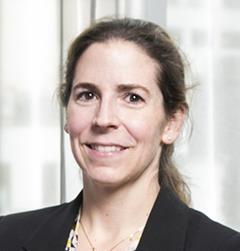
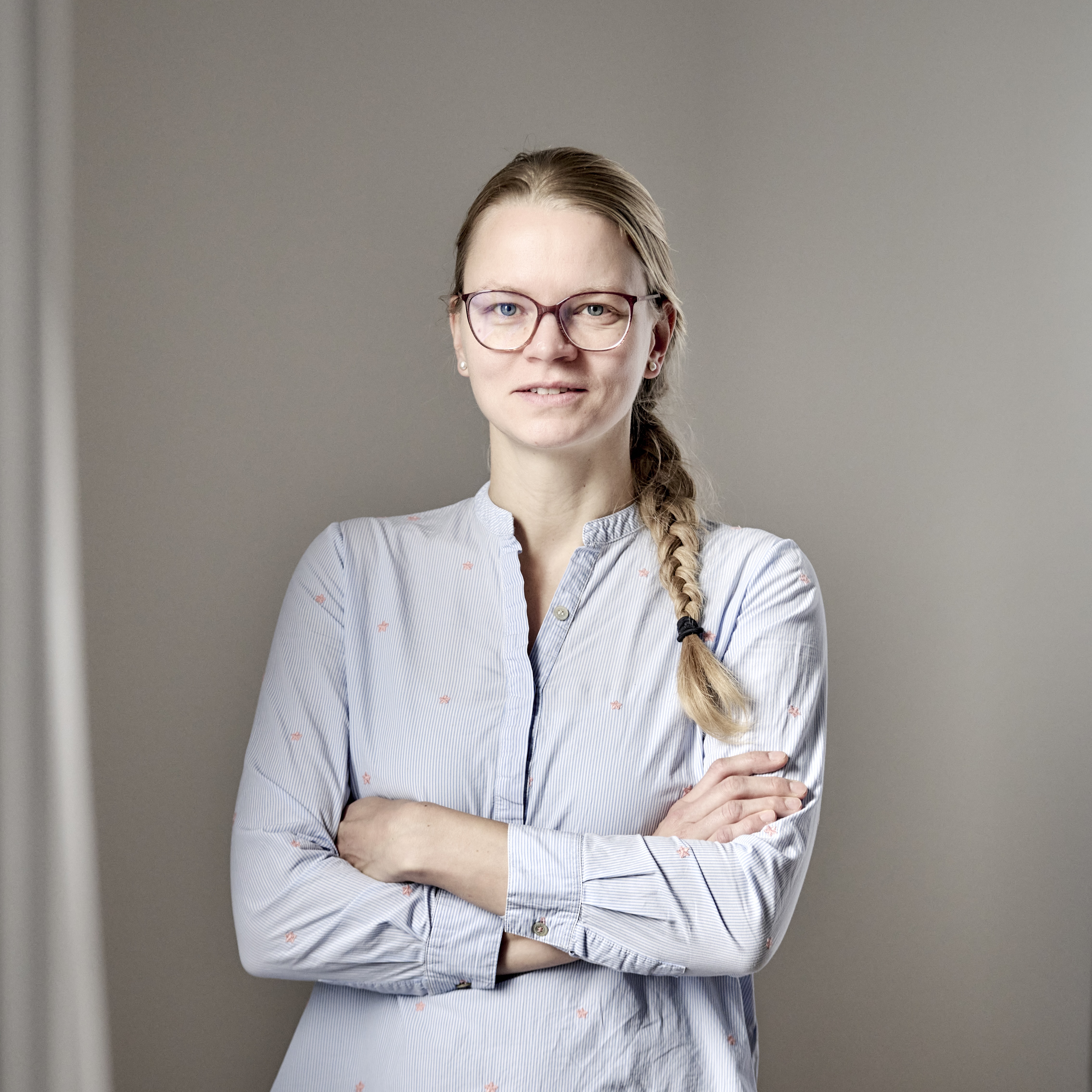
Nancy Margaret Reid is a University Professor of Statistical Sciences at the University of Toronto, holding the Canada Research Chair in Statistical Theory and Applications. She has served as Scientific Director of the Canadian Statistical Sciences Institute (2015–2019) and led the Department of Statistical Sciences as Chair (1997–2002). Her research focuses on theoretical statistics, particularly likelihood inference and foundational aspects of statistical methodology. Reid earned her PhD from Stanford University (1979) under Rupert G. Miller, with Brad Efron and Vernon Johns on her committee. Reid's accolades include Fellowships from the Royal Society, Royal Society of Canada, and National Academy of Sciences, as well as the Guy Medal in Gold (2022) and David R. Cox Award (2023). She has authored influential books like *Theory of the Design of Experiments* and contributed to courses on mathematical statistics and likelihood inference. Active in academic service, she teaches graduate-level courses and has advised numerous students and postdocs in theoretical and applied statistical research.
Ji Zhu is the Susan A. Murphy Collegiate Professor of Statistics at the University of Michigan, Department of Statistics. He holds affiliations with the Michigan Institute for Data Science (MIDAS) and the Michigan Integrated Center for Health Analytics and Medical Prediction (MiCHAMP). His research focuses on statistical machine learning, network analysis, and health science applications. Education: B.Sc. in Physics (Peking University, 1996), M.Sc. and Ph.D. in Statistics (Stanford University, 2000 and 2003). Notable awards include the NSF CAREER Award (2008), Fellowships from the ASA (2013) and IMS (2015), and recognition as a Web of Science Highly Cited Researcher (2014–2020). Research interests span statistical methodologies for networks, survival analysis, and high-dimensional data. He co-authored influential papers on community detection, network cross-validation, and latent space models. Current editorial roles include Editor-in-Chief of the Annals of Applied Statistics and Action Editor for the Journal of Machine Learning Research. Advising: Supervised over 50 students and postdocs, many now in academia and industry. Notable former advisees include Tianxi Li (University of Minnesota), Yuan Zhang (Ohio State University), and Weijing Tang (Carnegie Mellon University). Labs/Teams: Active in interdisciplinary projects at MIDAS and MiCHAMP, focusing on healthcare analytics and predictive modeling for diseases like hepatitis and cardiovascular outcomes.
Sanjay Purushotham is an Assistant Professor in the Department of Information Systems at the University of Maryland Baltimore County (UMBC), with a PhD in Electrical Engineering from the University of Southern California (USC) and a postdoctoral background in Computer Science at USC's Integrated Media Systems Center (IMSC). His research focuses on machine learning, data mining, and their applications in biomedical informatics, social network analysis, and multimedia data mining. Key contributions include survival analysis models using pseudo values and federated learning frameworks for healthcare data. He has received awards including the Best Paper Award at SIGSPATIAL 2014 and a Best Poster Runnerup at SCMLS 2016. Education: PhD in Electrical Engineering (USC), Postdoc in Computer Science (USC) His work spans interdisciplinary areas such as domain adaptation for remote sensing, thermal face translation, and interpretable neural networks for medical applications. Recent projects include federated survival analysis models and climate-informatics frameworks for cloud property retrieval. He teaches courses in artificial intelligence, healthcare informatics, and statistical learning at UMBC. Research highlights include developing MedFuseNet for multimodal medical question answering and VDAM for multi-sensor cloud data analysis. His work on fair survival analysis models addresses algorithmic bias in healthcare predictions. Current grants include a NSF CAREER award for trustworthy federated learning in computational healthcare.
Richard J. Cook is a University Professor and Mathematics Faculty Research Chair in the Department of Statistics and Actuarial Science at the University of Waterloo. He holds cross-appointments at the School of Public Health and Health Systems at the University of Waterloo and the Faculty of Health Sciences at McMaster University. Previously, he held a Tier I Canada Research Chair in Statistical Methods for Health Research from 2005 to 2019. His educational background includes: BSc in Statistics from McMaster University MMath in Mathematics from University of Waterloo PhD in Statistics from University of Waterloo Professor Cook's research focuses on developing and applying statistical methods for public health research. His primary areas of interest include the analysis of life history data, longitudinal data analysis, methods for incomplete data, clinical trial design, and multivariate analysis. His work provides critical methodological frameworks for understanding disease progression and evaluating interventions in complex health settings. He has made significant contributions to the development of multistate models for disease processes and methods for handling interval-censored data. His extensive publication record demonstrates consistent focus on methodological innovations addressing real-world health research challenges. Recent work emphasizes estimand specification in clinical trials, transportability of research findings, and causal inference methods. His research bridges theoretical statistics with practical applications in autoimmune diseases, transfusion medicine, and public health. Professor Cook has received significant professional recognition: Tier I Canada Research Chair in Statistical Methods for Health Research (2005-2019) Mathematics Faculty Research Chair at University of Waterloo His students have earned prestigious awards including multiple Pierre-Robillard Awards, ISCB Student Conference Awards, and ENAR Distinguished Student Paper Awards, with notable achievements like Dr. Shu (Joy) Jiang being named in the Forbes Top 30 Under 30 North America (2023) for Healthcare. Professor Cook has advised numerous graduate students throughout his career, with many going on to successful academic and industry positions. His research has been supported by various grants, and he collaborates extensively with researchers in rheumatology, transfusion medicine, and public health through affiliations with the Centre for Prognosis Studies in Rheumatic Diseases, the International Psoriasis and Arthritis Research Team, and the McMaster Centre for Transfusion Research. He leads a vibrant research team that includes research associates, post-doctoral fellows, and graduate students working on cutting-edge statistical methodology. His research group maintains strong connections with multiple institutions and research centers focused on health outcomes and disease progression.
George H. Chen is an Associate Professor at Carnegie Mellon University , with dual affiliations in the Heinz College of Information Systems and Public Policy and the Machine Learning Department . His research focuses on trustworthy machine learning methods for temporal reasoning , particularly in health applications such as time-to-event prediction (survival analysis) and electronic health records analysis . He has extensive experience in nonparametric methods requiring minimal data assumptions. Educational Background PhD in Electrical Engineering and Computer Science, MIT (2015) SM in Electrical Engineering and Computer Science, MIT (2012) BS in Electrical Engineering and Computer Sciences & Engineering Mathematics and Statistics, UC Berkeley (2010) His work spans survival analysis , deep learning , and time series modeling , with applications in neurological prognostication , medical adherence , and health equity . He has developed self-contained educational resources including a 2024 monograph on deep survival analysis and tutorials at CHIL and SIGMETRICS. His 2025 course 95-865: Unstructured Data Analytics focuses on practical unstructured data analysis techniques. Notable projects include advising the AgriTech startup CoolCrop , which provides cold storage and market forecasts for Indian farmers serving 9,000+ farmers across 7 states. His Google Scholar publications reveal a strong focus on temporal modeling in healthcare, with recent advancements in neural survival analysis and fairness-aware temporal prediction.
Professor Shaomin Wu is a faculty member at the University of Kent's Kent Business School, where he holds the academic rank of Professor of Business/Applied Statistics. He earned an MSc and PhD in applied statistics and has extensive industry experience, including a five-and-a-half-year stint at a global manufacturer in Shanghai before moving to the UK in 2001. He has held roles as a postdoctoral researcher and lecturer before joining Cranfield University and later the University of Kent. His research focuses on recurrent event data analysis, machine learning, and reliability mathematics, with funding from the EPSRC and ESRC. His research projects include managing risk in warranty servicing policies, smart data analytics for local government, and sustainable supply chain demand forecasting. He teaches modules such as risk analysis, reliability engineering, and machine learning. Currently supervising PhD students in time series forecasting, explainable AI, and recurrent event data analysis, he also serves as a co-chair of international conferences, editorial board member, and external examiner for doctoral degrees. Notably, he ranks among the top 2% of global scientists by Stanford University. His work integrates machine learning with business analytics, resilience engineering, and environmental sustainability. Key contributions include IoT-driven resilience methodologies for smart grids and unmanned systems, as well as frameworks for corporate carbon disclosure and maintenance optimization under uncertainty.
Yuguo Chen is a Professor in the Department of Statistics at the University of Illinois at Urbana-Champaign (UIUC), serving as Interim Department Chair and Director of the Illinois Statistics Office. He holds affiliations with the Department of Computer Science, Information Trust Institute, Coordinated Science Lab, and Illinois Informatics Institute. Chen earned his PhD in Statistics from Stanford University (2001) and a B.S. in Mathematics from the University of Science and Technology of China (1997). His research focuses on Monte Carlo methods, network data analysis, state space models, bioinformatics, and Bayesian inference. Key interests include scalable network estimation, community detection, and applications in public health, education, and computational biology. Recent work highlights include advancements in dynamic network modeling, Bayesian latent class models for cognitive diagnosis, and statistical methods for analyzing multi-layer networks. His contributions have been recognized through awards such as the American Statistical Association Fellowship (2018) and the Charles Edison Lectureship (2018). Editorial Roles: Associate Editor of Journal of the American Statistical Association , Journal of Computational and Graphical Statistics , and Journal of Algebraic Statistics . Grants & Consulting: Directs the Illinois Statistics Office, providing interdisciplinary research support. Active in collaborative projects involving healthcare, education, and computational infrastructure. Labs & Teams: Leads initiatives at the Coordinated Science Lab and Information Trust Institute, integrating statistical methods with cybersecurity and data-driven decision-making.
Matthew Wills is Professor of Evolutionary Palaeobiology in the Department of Life Sciences at the University of Bath. He is affiliated with the Milner Centre for Evolution and the Centre for Mathematical Biology, where he leads research into macroevolutionary processes using fossil and molecular data. His work integrates phylogenetics, morphological disparity, and stratigraphic congruence to understand large-scale evolutionary patterns. His research interests focus on the role of fossils in building phylogenies, the evolution of morphological complexity, and the testing of macroevolutionary trends such as early high disparity and increasing complexity. He investigates how developmental shifts underpin major evolutionary transitions and how fossilization biases affect our understanding of the Tree of Life. His lab conducts projects on arthropod supertrees, molluscan ontogeny, and the phylogeny of Eumalacostraca using molecules, morphology, and fossils. His recent publications reveal a strong focus on quantifying morphological complexity, vertebral evolution in mammals, species richness in birds, and the impact of boundaries on trait evolution. These works frequently appear in high-impact journals like Nature Communications and Nature Ecology & Evolution , indicating a trend toward integrative, data-rich evolutionary analyses combining paleontological, morphological, and phylogenomic approaches. Principal Investigator, Biodiversity and The Sixth Mass Extinction (Royal Commission for the Exhibition of 1851) Principal Investigator, Susceptibility to Mass Extinctions: Ammonites as a Case Study (NERC) Principal Investigator, PLUTO Project (BBSRC) Principal Investigator, Arthropod Supertree of Life (BBSRC) He has supervised 17 research students and contributes to public discourse through platforms like The Conversation . His work supports UN Sustainable Development Goals related to life on land and climate action through deep-time biodiversity research.
Ye Zhisheng is the Dean’s Chair and Associate Professor in the Department of Industrial Systems Engineering & Management at the National University of Singapore (NUS). His research focuses on reliability engineering, inventory control, emergency response systems, and statistical modeling. He holds a PhD in Industrial and Systems Engineering from NUS, along with a BEng in Material Science and Engineering and a BEco in Economics from Tsinghua University. His work emphasizes practical applications in mission-critical systems, predictive maintenance, and data-driven decision-making. Current research initiatives include optimal maintenance policies for manufacturing systems, degradation analysis of bearings, and federated learning approaches for battery lifecycle prediction. He has pioneered methods for integrating physics-informed neural networks into prognostics and health management (PHM) systems. Key technical contributions span advanced statistical methodologies like sieve estimation for survival data, phase-type distributions modeling, and condition-based maintenance optimization. His interdisciplinary approach bridges operations research, mechanical engineering, and computer science to address complex reliability challenges. Recent projects include resilient consensus-based power grid management and contamination source identification frameworks. Notable collaborations involve developing intelligent cross-domain fault diagnosis systems using transformer networks and advancing the Internet of Federated Things (IoFT) for distributed data analytics. His work has been applied in aerospace, telecommunication infrastructure, and medical emergency response systems.
Professor Arcot Sowmya is a distinguished academic at the University of New South Wales, serving as Professor in the School of Computer Science and Engineering. With a strong background in both computer science and mathematics, she has established herself as a leading researcher in machine learning and computer vision applications, particularly in medical imaging and diagnostics. Dr. Sowmya earned her PhD in Computer Science from the Indian Institute of Technology, Bombay, along with an MTech in Computer Science, MSc in Mathematics, and BSc in Mathematics from the same institution. Her academic journey has positioned her at the intersection of theoretical computer science and practical medical applications. Her research interests span multiple domains with a primary focus on Machine Learning for Computer Vision . She has made significant contributions to learning object models, feature extraction, segmentation, and recognition techniques. Her work extends into medical image analysis, computer-aided diagnostics, high-resolution remote sensing, and biomedical informatics. More recently, she has applied similar techniques to social sciences domains, developing improved forecasting models for genocide and politicide. Her earlier work also includes contributions to real-time, concurrent, and embedded systems. Analyzing her recent publications reveals a strong trend toward medical applications of computer vision and deep learning. Her work spans from OCT-based glaucoma diagnosis to tumor segmentation, lung disease detection, and breast cancer prognosis. She has successfully bridged computer science with clinical medicine, developing practical tools for disease diagnosis and prediction that incorporate explainable AI approaches. Professor Sowmya's collaborative approach is evident in her extensive publication record across multiple journals and conferences. She has worked with researchers from diverse fields including ophthalmology, oncology, neurology, and public health, demonstrating the interdisciplinary nature of her research. Her laboratory work focuses on developing robust deep learning architectures for medical image analysis, with particular attention to segmentation networks, transformer models, and multimodal data fusion techniques. Her team has developed specialized networks for lung segmentation, tumor detection, and disease classification that address specific challenges in medical imaging.
Haipeng Shen is a Professor of Innovation and Information Management at HKU Business School, The University of Hong Kong, serving as Associate Dean (EMBA and IMBA) and holding the Patrick S C Poon Professorship in Analytics and Innovation. He chairs the Business Analytics and Innovation program and joined HKU in 2015 after previously holding a professorship at the University of North Carolina at Chapel Hill. His academic credentials include: PhD in Statistics, The Wharton School of Business, University of Pennsylvania, 2003 MA in Statistics, The Wharton School of Business, University of Pennsylvania, 2000 BS in Mathematics, School of Mathematical Sciences, Peking University, 1998 Professor Shen's research focuses on data-driven decision making under uncertainty, with expertise spanning big data analytics, business analytics, healthcare analytics, and service engineering. He develops advanced statistical and machine learning methodologies to solve complex operational problems in call centers, optimize stroke care protocols, and enhance financial risk modeling, emphasizing real-time applications in high-stakes environments. Analysis of his recent publications reveals a consistent interdisciplinary approach bridging operations research, statistics, and domain-specific knowledge. His work demonstrates strong methodological innovation in time-series forecasting for service systems, risk assessment frameworks for medical complications, and covariance structure analysis for financial markets, with direct translational impact on business operations and clinical outcomes. His scientific contributions have been recognized with prestigious awards including: Most Influential Publication Award from China Stroke Association (2018) Fellow of the American Statistical Association (2015) Best Advisor of the Year Award from Academy of Asian Business (2018) Elected Member of International Statistical Institute (2015) Cluster Chair for Big Data Analytics at INFORMS International (2015) As an academic leader, Professor Shen has secured significant research funding from organizations including The Xerox Foundation and National Institute on Drug Abuse. He serves as Associate Editor for Management Science, Journal of the American Statistical Association, and Technometrics, while mentoring graduate students in statistical methodology and applied analytics. His current initiatives position HKU Business School at the forefront of healthcare innovation through big data analytics, driving collaborations with medical institutions to transform stroke care and hospital operations in Asia.
Dr. Charlotte Kuperwasser is a distinguished Professor in the Department of Developmental, Molecular, and Chemical Biology at Tufts University School of Medicine . She directs the Tufts Convergence Laboratory and focuses on molecular mechanisms governing breast tissue development, cancer prevention, and organoid technologies. Her work integrates stem cell biology, epigenetics, and environmental influences such as endocrine disruptors. Education: Bachelor of Science (1997), University of Massachusetts Amherst PhD (2000), University of Massachusetts Amherst Jane Coffin Childs Postdoctoral Fellow (MIT/Whitehead Institute) Research Interests: Her lab develops 3D breast organoid models to study cancer initiation, microenvironmental interactions, and BRCA1-related mechanisms. Recent efforts include analyzing HPV-driven cancers via circulating tumor DNA and studying fibroblast signaling (e.g., DDR1) in tumor progression. Grants & Awards: Howard Hughes Fellowship, Merck Fellowship COG/Aventis Young Investigator Award Natalie V. Zucker Award NIH grants on V-ATPases and obesity-cancer links Professional Contributions: She chairs Tufts’ Sackler Convergence Laboratory and serves on AACR committees. Teaching includes courses on Molecular Cell Biology of Development and Cancer Genetics . Labs/Teams: Leads the Kuperwasser Lab, focusing on translational cancer research with cross-disciplinary collaborations in organoid engineering and clinical diagnostics.
Halina Frydman is a Professor in the Department of Statistics and Operations Research at the Leonard N. Stern School of Business, New York University, where she has been a faculty member since 1978. Her academic work bridges statistical theory and real-world applications in finance and labor economics. Institution: New York University School: Leonard N. Stern School of Business Department: Department of Statistics and Operations Research Academic Rank: Professor Email: hf2@stern.nyu.edu Education: Ph.D. in Mathematical Statistics, Columbia University, 1978 M.A. in Mathematical Statistics, Columbia University, 1974 B.S. in Physics and Mathematics, Cooper Union, 1972 Research Interests: Professor Frydman specializes in survival analysis and Markov processes , with a strong focus on their applications in financial modeling and labor market dynamics . Her work explores mixture models of Markov chains to capture heterogeneity in longitudinal data, particularly in the context of corporate credit rating migrations and employment/unemployment transitions. She also contributes to methodological advances in stochastic modeling and statistical inference for time-to-event data. Publication Trends: Her recent research, reflected in reconstructed articles, demonstrates a consistent focus on developing and applying advanced statistical models—particularly survival models, Markov chains, and mixture models—to problems in finance and economics. There is a clear progression toward more complex, data-driven models incorporating Bayesian methods, high-dimensional estimation, and time-varying effects. Scientific Awards: No awards explicitly mentioned in the source text. Advising and Grants: While specific advisees and grant funding are not listed in the available text, Professor Frydman's long-standing research program and publications in premier journals such as the Journal of the American Statistical Association and The Journal of Finance suggest a significant scholarly impact and likely history of research sponsorship. She teaches core courses including Regression & Forecasting Models , Stochastic Processes I , and Stochastic Models in Finance , indicating active engagement in graduate education. Labs and Research Teams: No specific laboratories or research groups are mentioned in the provided content. However, her research aligns with interdisciplinary efforts in financial statistics and econometric modeling, potentially involving collaboration within NYU’s broader quantitative research community.
Johanna Ziegel is a Professor of Statistics at ETH Zurich, Switzerland, since 2024, and a Visiting Scientist at the Heidelberg Institute for Theoretical Studies (HITS). Previously, she held positions at the University of Bern, where she was promoted to Full Professor in 2023. Her research focuses on decision-theoretically sound methods for forecast evaluation, probabilistic forecasting, risk measures in finance, and applications in meteorology, medicine, and climate science. She is actively involved in editorial roles for journals like Bernoulli , JASA: Theory & Methods , and SIAM Journal on Financial Mathematics . Education: PhD in Stereological Analysis of Spatial Structures from ETH Zurich (2010), supervised by Paul Embrechts and Eva B. Vedel Jensen. Postdoctoral research at the University of Melbourne and Heidelberg University. Research Interests: Forecast evaluation, elicitable functionals, risk measures, isotonic regression, statistical calibration, and applications in finance, climate science, and biostatistics. Her work bridges theoretical statistics with practical challenges in uncertainty quantification and decision-making under uncertainty. Advising & Collaborations: Supervised 7 PhD students and mentored several postdocs. Collaborates with the Computational Statistics group at HITS and the Oeschger Centre for Climate Change Research. Her group explores distributional regression under order constraints and novel methods for forecast comparison. Recognition: Credit Suisse Award for Best Teaching (2022), H.I.T. Program for Academic Leadership (2021–2022). Active in professional service, including the Bernoulli Society Council and editorial boards.
Xiaoxiao Zhou is an Assistant Professor in the Department of Biostatistics at the University of Alabama at Birmingham (UAB), affiliated with multiple centers including the Center for Outcomes and Effectiveness Research and Education (COERE), Center for Clinical and Translational Science (CCTS), and the Global Center for Craniofacial, Oral and Dental Disorders (GC-CODED). She holds a PhD in Statistics from The Chinese University of Hong Kong (2022) and completed a postdoctoral fellowship at Duke University's Department of Statistical Science. Her research focuses on causal inference, Bayesian methods, longitudinal data analysis, and survival analysis, with applications in Alzheimer’s disease, cardiovascular conditions, and neurodegenerative disorders. Dr. Zhou’s work integrates advanced statistical techniques with medical and behavioral data, including neuroimaging and latent variable modeling. Key areas include handling intercurrent events in clinical trials, causal mediation analysis, and joint modeling of longitudinal and survival outcomes. She collaborates widely with clinicians and biostatisticians to address real-world challenges in healthcare and disease progression studies. Her scholarly contributions span over a dozen peer-reviewed articles, emphasizing methodological innovations in biostatistics and their practical applications. She advises students such as Zhenying Ding and actively participates in academic committees. Outside academia, she enjoys outdoor activities like mountain hiking and weight lifting.