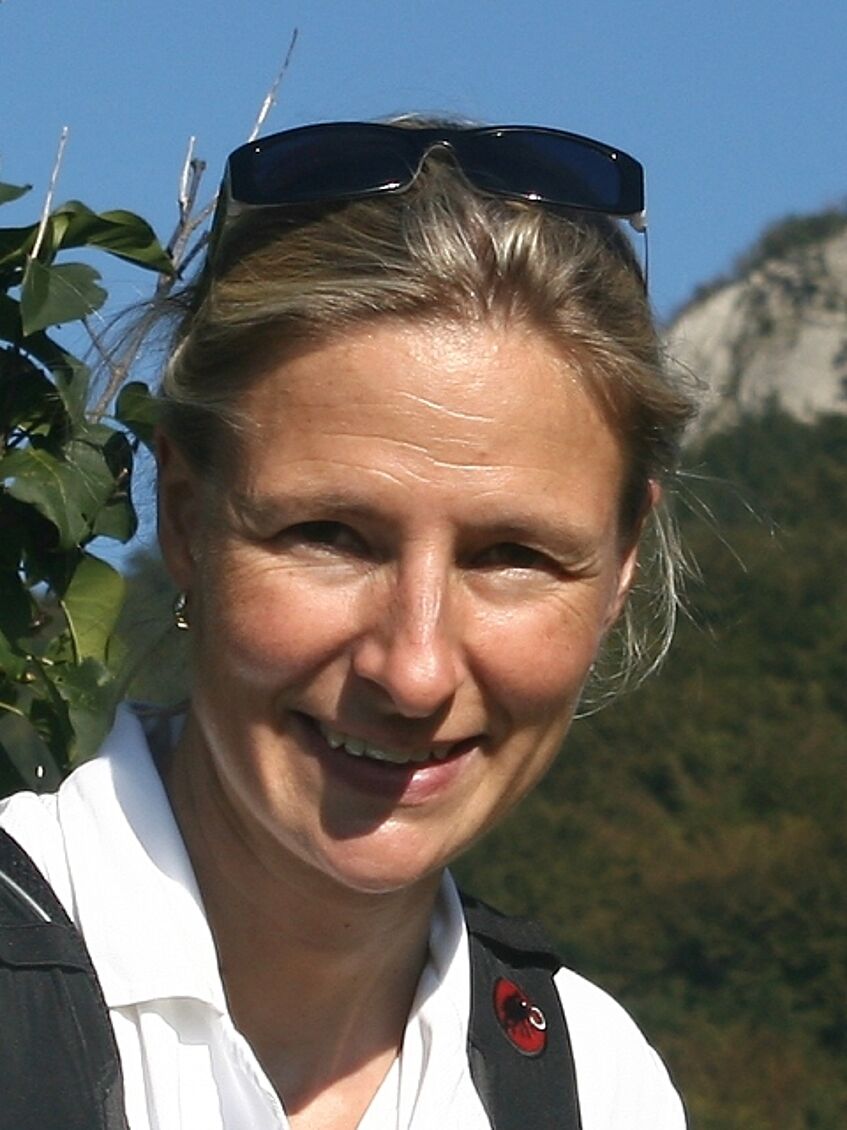
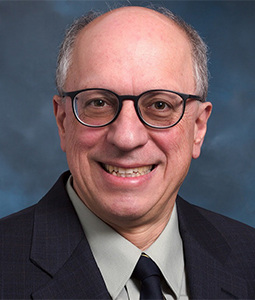
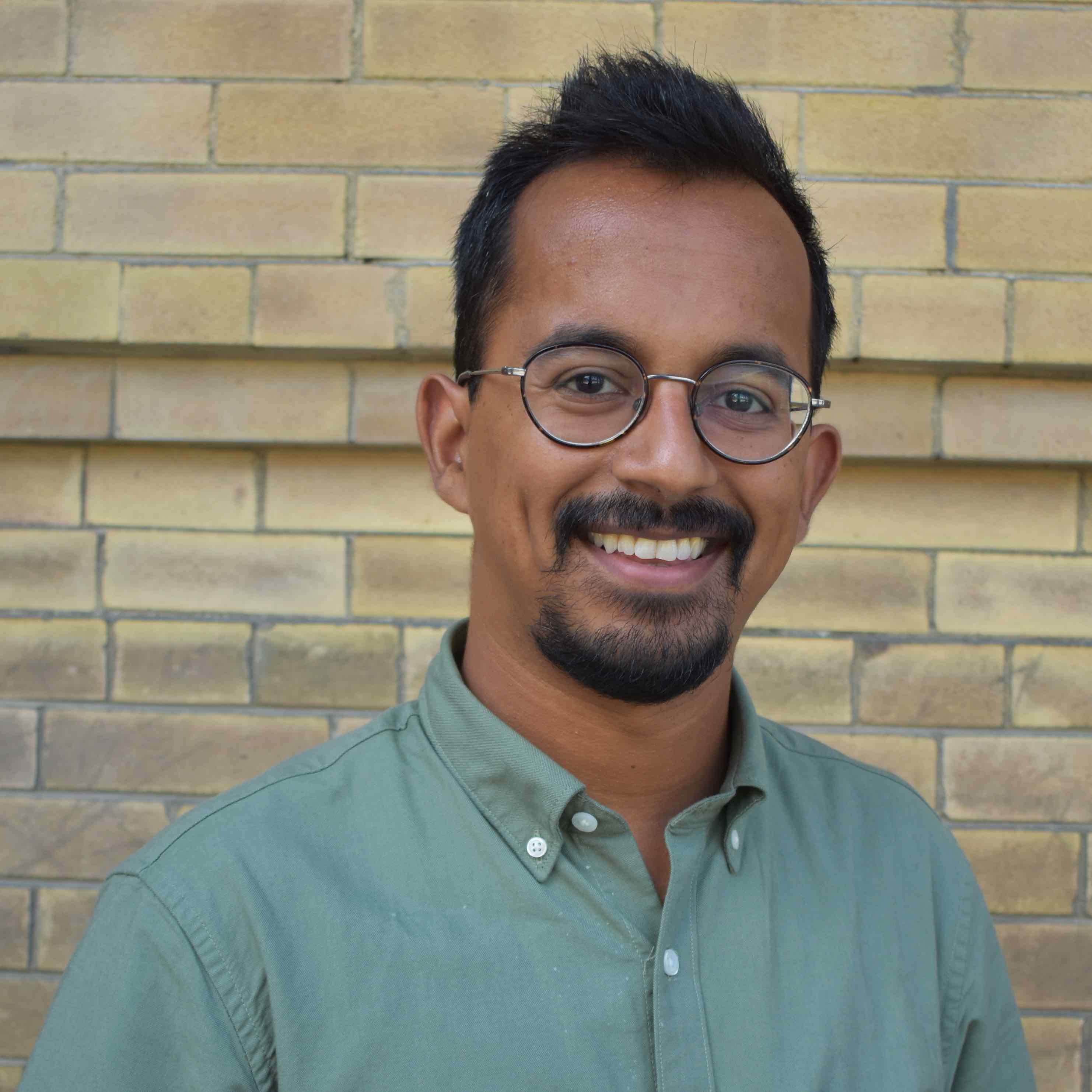
Sabine Glasl-Tazreiter is a Lecturer at the University of Vienna's Faculty of Life Sciences , specifically within the Department of Pharmaceutical Sciences and its Division of Pharmacognosy . Her office is located in room 2E 412 on the 4th floor at Josef-Holaubek-Platz 2, Vienna, Austria (1090). Contact details include telephone number +43-1-4277-55207 and email sabine.glasl@univie.ac.at . Principal research focus: Phytochemistry & Biodiscovery Specialization: Secondary metabolites from ethnomedicinally used plants across Europe, Mongolia, and Latin America Key techniques: Isolation of bioactive compounds, structural elucidation, pharmacological evaluation Quality control expertise: Macroscopic/microscopic identification, chemical analytics Recent publications highlight her work in: 2024 - Development of the VOLKSMED Database for Austrian folk medicine wound healing plants 2025 - Advanced mucociliary clearance research in respiratory systems 2023 - Innovations in optoacoustic imaging technology 2019 - Structure-function analysis of phycobiliproteins for medical imaging 2017 - Phytochemical characterization of Latin American antidiabetic plants
Bin Nan serves as Chancellor's Professor in the Department of Statistics at the University of California, Irvine, where he develops statistical and machine learning methodologies to advance biomedical research and improve human health outcomes through rigorous data analysis. His educational credentials demonstrate a strong quantitative foundation: Ph.D. in Biostatistics, University of Washington (2001) M.S. in Biostatistics, University of Washington (1999) M.S. in Statistics, Virginia Commonwealth University (1997) M.S. in Aerospace Engineering, Beijing University of Aeronautics & Astronautics (1987) B.S. in Aerospace Engineering, Beijing University of Aeronautics & Astronautics (1984) Nan's research program focuses on developing cutting-edge statistical methods for survival analysis, longitudinal data, high-dimensional inference, and machine learning, with direct applications to epidemiology, bioinformatics, and brain imaging. His work addresses critical challenges in biomedical data such as temporal dependence in neuroimaging sequences, estimation of large correlation matrices, and analysis of disease onset with terminal events, all aimed at identifying biomarkers for earlier disease diagnosis. Analysis of his recent publications (2015-2023) reveals a consistent trajectory toward methodological innovation in handling complex biomedical data structures, particularly through de-biased lasso techniques for survival models, neural network applications to censored data, and specialized approaches for longitudinal data with terminal events. These advances predominantly support Alzheimer's disease research and transplant outcome studies. No specific scientific awards were documented in the source material. His research program maintains continuous funding through National Science Foundation and National Institutes of Health grants, including a recent $1.8 million award for Alzheimer's disease methodology development. Nan actively collaborates with the UCI Alzheimer's Disease Research Center and UCI Center for the Neurobiology of Learning and Memory, though student advising details were not provided. His teaching portfolio includes advanced graduate courses in probability theory, survival analysis, and high-dimensional inference. Nan operates within interdisciplinary biomedical research teams focused on translating statistical innovation into clinical applications, particularly through brain imaging analysis and biomarker identification for neurodegenerative diseases.
Dr. Sara Schmitt is the Bricker-Squires Faculty Chair in Early Intervention and an Associate Professor in the Department of Special Education and Clinical Sciences at the University of Oregon's College of Education. She holds affiliations with the Prevention Science Institute and the Prevention Sciences Graduate Program. Her research focuses on early childhood self-regulation, social-emotional development, and school readiness, particularly for underserved populations. Dr. Schmitt designs evidence-based interventions, such as the Early Learning Matters curriculum implemented in military child development centers. She has received accolades including the 2021 Society for the Study of Human Development Early Career Award and the 2021 Purdue University Trailblazer Award. Education: Ph.D., 2013, Human Development and Family Sciences, Oregon State University M.A., 2009, Developmental Psychology, San Diego State University B.A., 2003, Psychology, University of Wisconsin-Madison Research Interests: Dr. Schmitt investigates contextual and individual predictors of self-regulation, designs interventions to strengthen skills in disadvantaged children, and examines factors impacting school readiness. Her work emphasizes low-cost, scalable strategies and policy implications for educational equity. Publications: Her recent work includes studies on preschool program efficacy, block play’s impact on math skills, and the role of classroom quality in social-emotional development. These contributions underscore her focus on translational research bridging theory and practice. Awards & Grants: Funded by federal agencies and foundations, her research addresses socioeconomic disparities in early learning. She leads training initiatives for educators and has authored over 30 peer-reviewed articles. Labs/Teams: Active in the Prevention Science Institute and the Ballmer Institute Leadership Council, she collaborates on multidisciplinary teams advancing early childhood policy and practice.
Prosper Dovonon serves as a Full Professor in the Department of Economics at Concordia University in Montreal, Canada, where he holds a prestigious Concordia University Research Chair, Tier 1, in Econometrics of Large Datasets. He previously held positions as Associate Professor (2015-2023) and Assistant Professor (2010-2015) at the same institution. Additionally, he maintains an adjunct professorship at the University of Adelaide's School of Economics since 2021 and previously served as a Visiting Professor at HEC Montreal's Department of Finance (2017-2018). His educational background includes a PhD in Economics from Universite de Montreal (2007), an MSc in Statistics and Economics from ENSEA, Abidjan, Cote d'Ivoire (2000), and an MSc in Mathematics from Universite Nationale du Benin, Abomey-Calavi, Benin (1996). Dovonon's research focuses on advanced econometric methodologies, particularly in time series analysis and financial econometrics. His work addresses complex identification issues, develops robust estimation techniques, and creates innovative testing procedures for economic models. He specializes in moment condition models, GMM estimation, volatility modeling, and handling identification failures in econometric frameworks. His publication record shows a consistent focus on theoretical econometrics with practical applications in finance. Recent work emphasizes mixed identification strength scenarios, instrument exogeneity testing, and specification testing under challenging identification conditions. His research demonstrates increasing sophistication in handling complex econometric problems with real-world financial data applications. His notable recognition includes the Concordia University Research Chair, Tier 1, in Econometrics of Large Datasets, highlighting his significant contributions to the field. Dovonon has supervised numerous graduate students and collaborated extensively with leading econometricians worldwide. His research has been supported by institutional funding through his Research Chair position, enabling significant contributions to econometric theory and methodology. He maintains active research collaborations across international institutions and continues to push the boundaries of econometric theory with applications to financial markets and economic modeling.
Dr. Matteo Fasiolo is a Senior Lecturer in the School of Mathematics at the University of Bristol, specializing in Statistical Science. His research focuses on advanced statistical modeling with significant applications in electricity demand forecasting and medical statistics, leveraging Generalized Additive Models (GAMs) as a core methodology. His primary research interests span: Generalized Additive Models and their extensions for complex data structures Covariance matrix modeling for high-dimensional energy forecasting Probabilistic forecasting techniques for uncertainty quantification Statistical machine learning including variational inference and contrastive learning Applications in electricity grid management and medical diagnostics Recent publications (2023-2025) reveal a dual focus: developing scalable statistical methods for electricity net-demand prediction in Great Britain using additive covariance models, and applying distributional regression to medical challenges like kidney function decline and cardiovascular risk prediction. His work on SoftCVI demonstrates innovation in variational inference, while extensions to GAMs address both mean modeling and full distributional forecasting. Dr. Fasiolo has supervised at least one student as indicated by university records. His research outputs include 16 publications and 2 publicly available datasets, reflecting active contributions to methodological statistics and domain-specific applications in energy systems.
Tamás Keleti is a Professor in the Department of Analysis at Eötvös Loránd University (ELTE) in Budapest, Hungary. He has been actively teaching various mathematics courses since at least 2006, including Univariate Analysis, Multivariate Analysis, Real Function Theory, Geometric Measure Theory, and Descriptive Set Theory. His office is located at Pázmány Péter sétány 1/c, Budapest, 1117 Hungary, with contact information including phone (36-1)-209-0555 / ext. 8510. Professor Keleti's research primarily focuses on Geometric Measure Theory , with special emphasis on Hausdorff Dimension and dimensional properties of sets in Euclidean spaces. His work investigates how dimension behaves under transformations, projections, and other operations, making significant contributions to understanding sets avoiding certain patterns and structures. He has developed deep connections between geometric measure theory, combinatorial geometry, and harmonic analysis. Analysis of his recent publication record reveals a consistent research trajectory in dimensional properties, with particular attention to Fubini-type theorems for Hausdorff dimension, Kakeya-type problems, and tiling problems with connections to Diophantine approximation. His work often bridges pure mathematical theory with applications in fractal geometry and combinatorial number theory. Scientific Awards and Achievements: Led ELTE's team to win the International Mathematics Competition for University Students in 2007 Led ELTE's team to win the International Mathematics Competition for University Students in 2008 As an advisor and mentor, Keleti has cultivated exceptional mathematical talent. In the 2007 and 2008 International Mathematics Competitions, his students Endre Csóka, Demeter Kiss, Péter Pál Pach, Roland Paulin, András Béla Rácz, and Balázs Strenner won first prizes, while Márton Hablicsek won a second prize. Several achieved remarkable individual rankings, with Roland Paulin placing 3rd overall and András Béla Rácz 5th in 2008. Professor Keleti has developed extensive course materials and problem sets for his analysis courses, contributing significantly to mathematics education at ELTE. His teaching spans from introductory analysis for first-year mathematics teacher training students to advanced topics like Geometric Measure Theory and Descriptive Set Theory for specialized students, demonstrating his commitment to both research and education.
Pavel P. Kuksa is a Research Assistant Professor in the Department of Pathology and Laboratory Medicine, specializing in bioinformatics, computer science, and functional genomics. His work focuses on high-throughput sequencing analysis, chromatin interaction data, and developing scalable software platforms for genomics research.
Ethan McCormick is an Assistant Professor in the School of Education at the University of Delaware, specializing in longitudinal and psychometric modeling. He holds a Ph.D. in Psychology from the University of North Carolina at Chapel Hill (2020) and a B.S. in Biochemistry from the University of Arkansas (2013). His research focuses on integrating short-term and long-term longitudinal models to study behavioral and cognitive changes across the lifespan, with recent emphasis on educational data analysis and nonlinear random effects modeling. He is a Resident Faculty member of the University of Delaware’s Data Science Institute and previously served as an Assistant Professor of Methodology & Statistics at Leiden University (2022–2024). Dr. McCormick’s grants include the NWO Veni SSH Grant (2024–2027) for tracking educational outcomes via statistical modeling and the Jacobs Foundation Fellowship (2024–2026) for studying complex growth in math ability. His work bridges methodological rigor with applied neuroscience, examining brain-behavior relationships in developmental contexts through large-scale collaborations. Professional Experience : Assistant Professor, University of Delaware (2024–present); Assistant Professor, Leiden University (2022–2024) Key Research Themes : Longitudinal modeling, time series analysis, psychometrics, developmental cognitive neuroscience Awards : NWO Veni SSH Grant, Jacobs Foundation Fellowship His recent articles emphasize improving time-series methodologies, addressing limitations of two-time-point studies, and advancing models for asymmetric temporal dynamics. He collaborates internationally on projects simulating developmental datasets and analyzing neural correlates of behavior.
Marco Valtorta is a Professor and Graduate Director in the Department of Computer Science and Engineering at the University of South Carolina’s Molinaroli College of Engineering and Computing. He specializes in Artificial Intelligence, with a focus on normative reasoning under uncertainty, Bayesian networks, causal models, and computational complexity. His work includes developing algorithms for structure learning in graphical models, causal inference, and applications in multiagent systems. Education: Ph.D., Computer Science, Duke University (1987) M.A., Computer Science, Duke University (1984) Laurea, Electrical Engineering, Politecnico di Milano (1980) Research Interests: Dr. Valtorta’s work integrates logical and probabilistic reasoning, with contributions to causal models, chain graphs, and adversarial machine learning. His funded projects include collaborations with the Office of Naval Research (ONR), IARPA, and the U.S. Department of Agriculture (USDA). Notable collaborations include applying Bayesian networks to healthcare and developing frameworks for trustworthiness assessment in AI systems. Grants & Collaborations: Multi-institution IARPA project on Wigmorean/Bayesian networks for argumentation ONR-funded research on Markov properties of directed hypergraphs with Dr. Linyuan Lu Causal analysis for performance modeling of configurable systems His recent publications emphasize causal inference in AI, automated evaluation of text and sentiment analysis systems, and robustness of foundation models. He has pioneered algorithms for learning chain graphs and addressing adversarial attacks in probabilistic models.
David Rossell is an Associate Professor at the Department of Economics, Universitat Pompeu Fabra (UPF) in Barcelona, Spain. He is affiliated with the Statistics@UPF research group and directs the Master in Data Science at the Barcelona School of Economics (BSE). Previously, he held positions at IRB Barcelona as head of the Biostatistics Unit and at the University of Warwick's Statistics Department. He obtained his PhD in Statistics from Rice University, Houston (USA), and conducted postdoctoral research at M.D. Anderson Cancer Center under Professors Valen Johnson and Veera Baladandayuthapani. Research Interests: Rossell specializes in high-dimensional statistical inference, Bayesian methods, computational statistics, and applications in biomedicine and social sciences. His work emphasizes methodology for complex data integration, variable selection, graphical models, and experimental design. Key areas include non-local priors, scalable Bayesian computation, and the development of R packages for statistical analysis (e.g., casper , chroGPS , gaga ). Publications: His recent work focuses on advancing Bayesian variable selection, graphical models with external data, and causal inference. Themes include leveraging external datasets for improved model accuracy, robustness to model misspecification, and applications in healthcare and complex mixture analysis. His contributions span methodological innovation and computational tools for high-dimensional problems. Funding & Grants: Rossell has secured funding through Spanish and European grants, including Juan de la Cierva Fellowships, AGAUR fellowships, and Marie Slodowska-Curie Actions. He supports PhD and postdoctoral researchers through programs like La Caixa InPhD and Beca Beautriu de Pinós. Labs & Teams: He leads the BSE Data Science Center and contributes to interdisciplinary collaborations at UPF and IRB Barcelona, bridging statistical theory and practical applications in genomics, epigenomics, and health data analysis.
Koushik Maharatna is a Professor in the Digital Health and Biomedical Engineering department at the University of Southampton. His research spans biomedical signal processing, digital health, and embedded systems, with a focus on neurological and cardiovascular disorders. Active in EU Horizon Europe and FP7 projects Member of the Institute for Life Sciences and Centre for Internet of Things and Pervasive Systems Specializes in EEG analysis, arrhythmia detection, and autism spectrum disorder diagnostics His recent publications highlight applications of phase-space reconstruction, machine learning, and wavelet transforms in medical diagnostics. Collaborations include researchers across Europe and Malaysia, with emphasis on interdisciplinary digital health solutions. Current research projects funded by UKRI, EPSRC, and European Union grants include PUREMIND and ETHEREAL, focusing on mental health prevention and energy-harvesting electronics. He supervises PhD students in Human Development & Health and Electronics & Electrical Engineering.
Professor Nikolaos Koutsouleris serves as a Research Group Leader for the Max Planck Fellow Group for Precision Psychiatry at the Max Planck Institute of Psychiatry and holds a position as Senior Physician in the Department of Psychiatry and Psychotherapy at Ludwig Maximilian University (LMU) Munich. His work bridges clinical practice with advanced computational approaches to transform psychiatric diagnostics and treatment. Dr. Koutsouleris specializes in predictive psychiatry, focusing on extracting meaningful patterns from neurobiological, neurocognitive, and clinical data to improve early recognition of functional psychoses. His research employs structural MRI, neuropsychological testing, and clinical evaluations within cross-sectional and longitudinal studies, utilizing advanced machine learning methods to identify and validate biomarkers for single-subject prediction of psychosis. As head of the Early Psychosis Studies and the Workgroup for Neurodiagnostic Applications, he drives initiatives to implement predictive models across healthcare settings for personalized management of high-risk individuals. His publication record reveals a consistent focus on machine learning applications in psychiatry, with recent work addressing critical issues like the generalizability of clinical prediction models, brain aging patterns in large populations, and multimodal approaches to psychosis prediction. His research spans from fundamental methodological challenges to clinical applications, demonstrating how AI and machine learning are transforming psychiatric practice toward precision medicine. Dr. Koutsouleris actively trains pre- and post-doctoral investigators in advanced data analysis techniques, emphasizing comprehensive analysis of complex, high-dimensional datasets using multivariate methods. His leadership in the PRONIA Consortium and other collaborative efforts highlights his commitment to advancing the field through international cooperation and rigorous scientific inquiry.
Jeffrey Doser is an Assistant Professor in the Department of Forestry and Environmental Resources at North Carolina State University (NC State), within the College of Natural Resources. His research focuses on ecological modeling, species distribution analysis, spatial statistics, and biodiversity monitoring. He specializes in developing R software tools for ecological data analysis, such as the spAbundance and spOccupancy packages. His work emphasizes improving statistical methods for occupancy models, integrating acoustic and survey data, and addressing environmental challenges like invasive species and climate change impacts on ecosystems. Key research themes include species-environment interactions, spatially varying coefficients in ecological models, and functional reproducibility in scientific coding. His recent studies address topics such as American chestnut restoration, wild bee community dynamics, and early detection of invasive aquatic species. Doser collaborates on interdisciplinary projects involving forest inventory, avian soundscapes, and long-term ecological monitoring. His publications (2020–2025) highlight methodological advancements in species distribution modeling, occupancy frameworks for multi-season data, and applications of Bayesian approaches. He advocates for rigorous statistical practices and reproducible research in ecology.
Wendy Meiring is a Professor in the Department of Statistics and Applied Probability at the University of California, Santa Barbara. Her research focuses on statistical methods for analyzing complex data in neuroscience, environmental science, and biomedical applications. She specializes in spatial and temporal processes, computational statistics, machine learning, and uncertainty quantification. Her work integrates advanced statistical techniques with real-world challenges, such as analyzing brain imaging data, pharmacokinetic models, and environmental monitoring. She has contributed to methodologies for functional data analysis, clustering-based correlation estimation, and spatial-temporal modeling. Dr. Meiring has published extensively in top journals, including The Journal of Computational and Graphical Statistics , focusing on topics likeFréchet regression, pharmacokinetic modeling, and environmental phenology. Her research bridges theoretical statistics with practical applications in health, neuroscience, and ecology. She collaborates across disciplines, contributing to programs like the Interdepartmental Graduate Program in Dynamical Neuroscience at UCSB. Her lab develops innovative statistical tools for analyzing high-resolution datasets, emphasizing reproducibility and methodological rigor.
Asif Ali Zaman is an Associate Professor in the Department of Mathematics at the University of Toronto's Faculty of Arts and Science. He specializes in analytic and probabilistic number theory, with applications to algebraic structures and arithmetic statistics. His work intersects prime distribution, zeros of L-functions, Chebotarev density theorem, random multiplicative functions, and binary quadratic forms, extending to elliptic curves, modular forms, and mass equidistribution. PhD in Mathematics (2017), University of Toronto NSERC Postdoctoral Scholar (2017–2019), Stanford University MSc in Mathematics (2012), University of British Columbia BSc in Mathematics (2010), Simon Fraser University His research leverages log-free zero density estimates, Deuring-Heilbronn phenomenon, and Artin's holomorphy conjecture to derive bounds for primes, ℓ-torsion class groups, and equidistribution on modular surfaces. Recent publications (2025–2022) focus on Tauberian theorems, multiplicative chaos, and large sieve inequalities. Grants include sponsored research on L-functions (2022–2027) and computational projects (2025). He supervises Masters and PhD students in number theory and teaches multivariable calculus and cryptology courses.