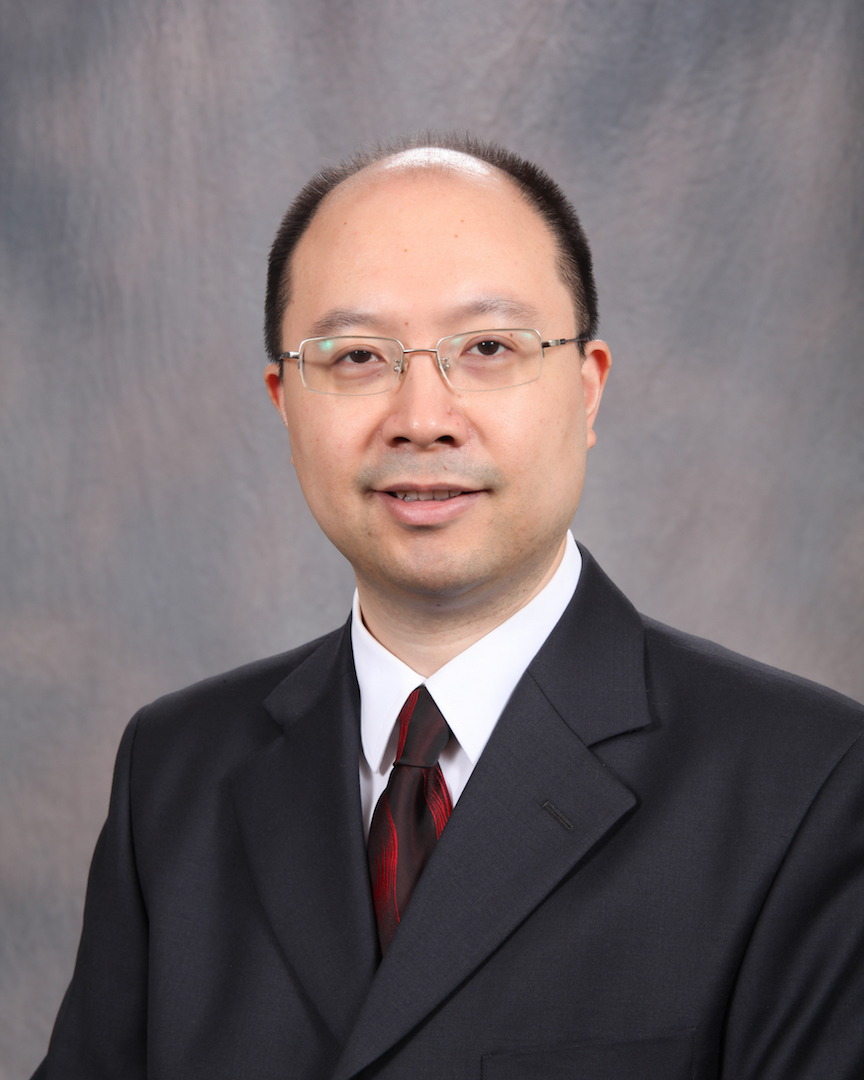
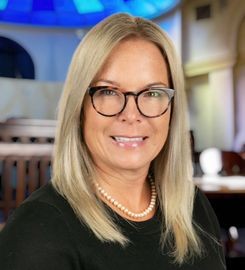
Julie M. Goddard is a Professor of Food Science at Cornell University , affiliated with the College of Agriculture and Life Sciences and the Department of Food Science . Her research focuses on Biomaterials and Biointerfaces , with emphasis on food quality, safety, and sustainability. She leads the Goddard Research Group, which develops innovative polymeric materials and coatings for food packaging, bioprocessing, and equipment. Key projects include antimicrobial/nonfouling coatings, biocatalytic materials, and active packaging to reduce synthetic additives and food waste. Dr. Goddard holds a Bachelor of Science (1999) and Ph.D. (2008) in Food Science from Cornell University. Her work is supported by grants from USDA NIFA, NIH, NSF, and FFAR. Notable awards include the National Excellence in Multistate Research Award (2019) , APLU Junior Moulton Medal (2015) , and Institute of Food Technologists Young Scientist Award (2013) . Her research spans nonmigratory active packaging (e.g., antioxidant, antimicrobial films), biofilm inhibition , and enzyme immobilization . Recent articles highlight advancements in PETase engineering for microplastic degradation and optimization of curcumin-grafted biodegradable materials. She collaborates across disciplines, including materials science, chemical engineering, and microbiology. Labs/Teams: The Goddard Group operates in Stocking Hall, Cornell. Projects include biocatalytic packaging , hydrogen sulfide formation in canned beverages , and consumer acceptance of novel food technologies . Key grants fund exploration of bio-based materials and food safety innovations.
Trevor J Jones is an Assistant Professor in the Department of Mechanical Engineering at Carnegie Mellon University's College of Engineering, where he leads the Mechanically Intelligent Engineered Structures (MInEnS) Lab. His research integrates soft matter mechanics, nonlinear dynamics, and indigenous knowledge to develop novel technologies in soft robotics, meta-materials, and manufacturing. Education: Ph.D., Chemical Engineering, Princeton University (2023) B.S., Chemical Engineering, Vanderbilt University (2017) His research focuses on harnessing mechanical instabilities, fluid-solid interactions, and granular matter to create intelligent, adaptive materials. Inspired by natural phenomena and Ojibwe beadwork traditions (reflected in the MInEnS Lab's name from the Ojibwemowin word manidoominens ), his work spans soft robotics, deployable structures, and beadwoven metamaterials. He employs an interdisciplinary approach combining crafting, experimentation, and theoretical modeling. His recent publications (2022–2024) demonstrate a strong trend in leveraging buckling, plasticity, and fluid dynamics to achieve emergent intelligence and multifunctionality in soft engineered systems, particularly through innovative fabrication techniques like bubble casting and beadwork-inspired design. Scientific Awards: AISES Lighting the Pathway Fellow Trailblazer in Engineering Rising Star in Soft and Biological Matter Jones actively mentors graduate and undergraduate researchers, including PhD students Eddie Beck and Angela Lee, and undergraduates Eleni Georgountzos and Adela Qiu. He is currently recruiting PhD students and postdocs for projects in bead-woven materials and soft matter mechanics. The MInEnS Lab fosters a highly interdisciplinary environment that values curiosity, craftsmanship, and the integration of diverse cultural perspectives in scientific inquiry.
Mengsen Zhang is an Assistant Professor at Michigan State University (MSU) in the Department of Computational Mathematics, Science and Engineering and the Neuroscience Program. She bridges complex systems science, neuroscience, computational mathematics, and topological data analysis (TDA) to study brain dynamics and coordination mechanisms across scales. Education: B.S. in Psychology and Pharmaceutical Sciences (Peking University); M.S. in Criminology (University of Pennsylvania); Ph.D. in Complex Systems and Brain Sciences (Florida Atlantic University, with Drs. Emmanuelle Tognoli and J. A. Scott Kelso). Postdoctoral Training: Stanford University (with Dr. Manish Saggar) and University of North Carolina at Chapel Hill (with Dr. Flavio Frohlich). Her research focuses on the intersection of topological data analysis and dynamical systems, particularly in understanding brain oscillations, neural networks, and social coordination dynamics. She explores how third-party interventions can stabilize or disrupt coordination in biological and social systems, using both empirical and theoretical approaches. Her recent publications (2022–2025) highlight applications of transcranial alternating current stimulation (tACS) in psychiatric disorders, metastability in brain dynamics, and novel computational methods for analyzing neural and behavioral data. These works span neuroscience, psychiatry, and computational modeling. She teaches courses such as CMSE 381: Fundamentals of Data Science Methods (MSU) and STT 381: Fundamentals of Data Science Methods, integrating computational tools into academic training.
Pekka Martikainen is a leading researcher in population health and demography, affiliated with the Population Research Unit at the Faculty of Social Sciences, University of Helsinki . He is also actively involved with the MaxHel Center and the Laboratory of Population Health , contributing to major research initiatives such as the Monitoring Mortality Inequalities Consortium and studies on immigrant-native health disparities. His research focuses on social and economic determinants of health and mortality over the life course, using extensive Finnish register data. Key interests include fertility and family dynamics , health inequalities , migration and health , early-life determinants of health, and behavioral factors influencing mortality. His work often explores intergenerational linkages and the role of socioeconomic status in shaping health outcomes. The most recent publications reflect a strong emphasis on mental health , genetic and social interactions , educational and occupational influences on health , and disparities in cancer and reproductive health . Studies frequently employ longitudinal, register-based designs across Nordic and European populations, highlighting cross-national comparative insights. Behavioral Determinants of Health and Mortality Costs and Gains of Postponing Parenthood Immigrant-Native Health Disparities Over the Life Course Linked Lives: Family and Socioeconomic Attainment Medically Assisted Reproduction Mortality Disparities at Subnational Level His research has been published in top journals including The Lancet , Demography , Social Science and Medicine , and European Journal of Epidemiology . He collaborates extensively with researchers at the Max Planck Institute for Demographic Research and leads or contributes to multiple large-scale projects analyzing health and demographic trends in Finland and beyond. Martikainen’s work informs public health policy and contributes to understanding how social structures and individual behaviors interact to shape population health and longevity. He plays a central role in advancing register-based demographic research in Europe.
Giovanni Petri is a Professor in the Network Science Institute at Northeastern University London, where he joined in June 2023. Previously, he held positions at CENTAI as a Principal Researcher and at IMT Lucca as a Guest Scholar, with earlier affiliations at ISI Foundation and Imperial College London. His educational background includes a PhD in Complex Networks from Imperial College London (2012), an MSc in Theoretical Physics from the University of Pisa (2008), and a BSc in Physics from the University of Pisa (2005). Petri's research spans the analysis of neuroimaging data and AI systems with topological techniques, the formalization of cognitive control models with tools of statistical mechanics and network theory, and the study of the predictability of socio-technical systems. His work in Topological Neuroscience explores brain architecture using algebraic topology, while his research in Cognitive Neuroscience focuses on neural mechanisms underlying human cognition. He is particularly known for his work on higher-order networks, using mathematical frameworks like hypergraphs and simplicial complexes to model systems with multi-way interactions. His recent publications (2023-2025) demonstrate a strong focus on higher-order network theory applied to neuroscience, with particular emphasis on topological approaches to brain connectivity, social contagion models, and the physics of complex systems. These works reveal consistent themes in understanding how multi-body interactions shape system dynamics across biological, social, and technological domains. European Research Council Consolidator Grant (RUNES: Reconstruction and unification of neural and ecological systems, 2024) As Principal Investigator of the NPLab, Petri advises numerous PhD and postdoctoral researchers including Marilyn Gatica, Andrea Santoro, and Simone Poetto. His RUNES project, funded by the ERC Consolidator Grant, represents a significant research initiative. The lab maintains active collaborations with CENTAI, Project CETI (Cetacean Translation Initiative), and various international institutions. The NPLab investigates the role of topology and geometry in the collective dynamics of complex systems, ranging from neuroscience to society, using statistical mechanics, algebraic topology, and innovative computational approaches. Current projects include Topological Neuroscience, Cognitive Neuroscience, Higher-order Networks, Project CETI, and RUNES.
Nathalie Katsonis is a Professor of Chemistry at the University of Groningen, affiliated with the Faculty of Science and Engineering and the Molecular Active Systems department within the Stratingh Institute of Chemistry. Her research focuses on understanding and designing active molecular systems inspired by biological mechanisms, emphasizing the transmission of movement across molecular to macroscopic scales, particularly in liquid crystals, supramolecular chemistry, and molecular machines. She holds a Ph.D. in Chemistry from Sorbonne Université (2004), followed by postdoctoral research at the University of Groningen (2004–2007) and a Veni Fellowship (2009–2011). Prior to her current position, she held academic roles at the University of Twente, including Professor, Associate Professor, and Assistant Professor from 2011–2020. Her research explores molecular motion mechanisms, chirality control, and the creation of functional materials like light-responsive polymers and self-actuating systems. Key contributions include studies on rotaxane-based liquid crystal switches and macroscopic motion driven by molecular dynamics. She leads an international research group and chairs committees such as the Binding Study Advice Commission (FSE) and the Van't Hoff Foundation. Notable awards include the Professor-Werdelmann Award (2022), Koninklijke Hollandsche Maatschappij der Wetenschappen membership (2021), and an ERC Consolidator Grant (2017). Her work bridges fundamental science and applications in soft robotics, smart materials, and origins-of-life research.
Gomez Melis, Guadalupe is a Professor at the Universitat Politècnica de Catalunya (UPC), affiliated with the GRBIO research group (Bioestadística i Bioinformàtica) and the Department of Statistics and Operations Research. She collaborates with the Institut de Recerca i Innovació en Salut (Health Research Institute) and the Faculty of Mathematics and Statistics (FME). Her work focuses on biostatistics, survival analysis, multistate models, and clinical trial design, with significant contributions to understanding disease progression and outcomes, particularly in pandemic-related studies. She has supervised doctoral theses and leads various research projects funded by EU and national grants. Her research spans statistical methodologies for healthcare data, including censored data analysis and adaptive clinical trial designs. Key activities include leading over 450 research outputs, including articles in high-impact journals like Biostatistics and BMC Medical Research Methodology , and collaborations on projects like the EU-funded Siemens Energy AI Chair initiative. Her work often integrates statistical modeling with real-world health data, addressing challenges in infectious disease dynamics, elderly patient care, and genomic analysis. Notable contributions include developing the GofCens package for goodness-of-fit methods and the MSMpred interactive tool for predicting patient trajectories via multistate models. She actively participates in international conferences and serves on scientific committees, demonstrating her role in advancing biostatistical methodologies globally.
Annamaria Olivieri is a Professor of Actuarial Science at the Department of Economics and Business , School of Business , University of Parma , Italy. Her research focuses on actuarial mathematics for life insurance and pension funds , particularly in longevity risk valuation, solvency requirements, and risk-sharing frameworks. She has held visiting positions at the School of Actuarial Studies and CEPAR , University of New South Wales , and contributed to institutional teaching and PhD programs in Italy. Her work appears in leading journals such as Insurance: Mathematics & Economics and ASTIN Bulletin . Degree in Business Economics, University of Parma Degree in Statistics and Actuarial Science, University of Florence PhD in Mathematics for Financial Markets, University of Brescia Her research spans stochastic mortality modeling , capital allocation for life annuities, and multistate models for insurance valuation. Recent publications explore longevity-linked annuities , time-restricted annuity benefits , and mortality shock risk . As an Associate Editor of the European Actuarial Journal , she contributes to advancing actuarial research. Scientific Awards: Bob Alting von Gesau Prize 2010 (with Ermanno Pitacco) for longevity risk research She has participated in Italian MUR-funded projects and served on PhD scientific committees at the University of Udine , University of Parma , and University of Trieste . Her editorial and refereeing roles include ASTIN Bulletin , Insurance: Mathematics & Economics , and Journal of Risk and Insurance .
Corrado Maurini is a Professor in Mechanics at Sorbonne University , Paris, France. He leads two international master programs: Mécanique des Solides (Solid Mechanics) and Computational Mechanics .
Professor Tomasz Kapitaniak is a distinguished academic in the field of nonlinear dynamics and theoretical mechanics. He serves as a Professor of Theoretical and Applied Mechanics and Head of the Division of Dynamics at the Faculty of Mechanical Engineering, Technical University of Lodz, Poland. His career spans over three decades at the university, where he has made significant contributions to the understanding of nonlinear systems, chaos theory, and mechanical oscillations. Professor Kapitaniak holds advanced degrees in both mechanics and applied mathematics from the Technical University of Lodz and the University of Lodz. His educational background includes: M.Sc. in mechanics, Faculty of Mechanical Engineering, Technical University of Lodz (1982) M.Sc. in applied mathematics, Faculty of Mathematics, Physics and Chemistry, University of Lodz (1985) Ph.D. in mechanics, Faculty of Mechanical Engineering, Technical University of Lodz (1985) D.Sc. in mechanics, Faculty of Mechanical Engineering, Technical University of Lodz (1988) Professor of technical science, title given by the President of Poland (1995) His research focuses on nonlinear dynamics, with particular emphasis on mechanical oscillations, stability, bifurcations and chaos, stochastic dynamics, and applications of nonlinear dynamics in mechanical engineering. Professor Kapitaniak is renowned for his work on the development of methods for controlling chaos without feedback, identification of new types of bifurcations, synchronization mechanisms in coupled mechanical oscillators, and explaining the origin of randomness in mechanical systems. His research has evolved from fundamental theoretical work to increasingly applied studies involving complex networks, biological systems, and engineering applications. Professor Kapitaniak has published over 300 scientific papers in renowned journals, cited over 8,000 times. His work exhibits a consistent focus on understanding complex nonlinear phenomena across various physical systems. The trend in his recent publications shows continued exploration of synchronization phenomena, extreme events in dynamical systems, and applications of nonlinear dynamics to biological, mechanical, and physical systems. His most recent work demonstrates a growing interest in multistability, chimera states, and the prediction of tipping phenomena in complex systems. Among his notable scientific achievements and distinctions are: Election as a member of the Polish Academy of Sciences (corresponding member in 2013, ordinary member in 2019) Election to Academia Europaea in 2021 Honorary doctorates from Saratov State University (Russia, 2001) and Lublin University of Technology (Poland, 2014) Multiple prestigious fellowships including the British Council Fellowship (1989), King Abdul Aziz Award Fellowship (1990), and Fulbright Fellowship (1997) Editorial roles including Associate editor of Chaos, Solitons and Fractals since 1990 and member of editorial boards of several other prestigious journals Throughout his career, Professor Kapitaniak has been actively involved in mentoring the next generation of researchers, having supervised numerous PhD students including Jerzy Wojewoda, Anton van Wyk, Barbara Błażejczyk-Okolewska, Andrzej Stefański, Andrzej Kozłowski, and Przemysław Szumiński. He has secured significant research funding from various national and international sources including the Ministry of Science and Higher Education (Poland), Deutscher Akademischer Austauschdienst, The Royal Society of London, and others. His research team has maintained strong international collaborations with institutions worldwide, including universities in the United States, United Kingdom, Germany, Brazil, Russia, and Ukraine. He leads the Division of Dynamics at the Technical University of Lodz, which serves as a hub for research in nonlinear dynamics, mechanical oscillations, and related fields. The division maintains strong international collaborations with institutions worldwide and continues to produce cutting-edge research in the field of nonlinear dynamics and its applications.
Meritxell Sáez Cornellana serves as a Contracted Professor of Ph.D in the Department of Mathematics and Data Analytics at IQS School of Engineering, part of Universitat Ramon Llull in Barcelona, Spain. She leads the ADAMIQS (Applied Data Analytics and Modelling IQS) research group funded by AGAUR, and participates in multiple interdisciplinary projects including CERTERA (advanced therapies development), NFT value drivers research, and international collaborations with China on sustainable development in population medicine. Her research focuses on applying mathematical modeling to biological systems, particularly in understanding cell fate decisions through dynamical landscapes and chemical reaction networks. She has developed geometrical frameworks for analyzing gene regulatory dynamics and cell differentiation processes, bridging mathematical theory with biological applications. Her work spans mathematical biology, dynamical systems theory, and data analytics, with particular expertise in bifurcation analysis, model reduction techniques, and statistical approaches to biological decision-making. Analysis of her publication record reveals a clear trajectory from foundational mathematical work in algebraic geometry toward increasingly biological applications, with a significant shift around 2016 toward systems biology. Her most impactful work involves creating geometrical landscapes that capture decision-making dynamics during cell fate transitions, which has been cited over 60 times. Recent publications show expansion into statistical approaches for university education and continued development of mathematical frameworks for understanding biological networks. Research leadership and funding: Principal Investigator for ADAMIQS project (Applied Data Analytics and Modelling IQS) funded by AGAUR (2022-2025) Researcher in CERTERA consortium for advanced therapies development (Carlos III Health Institute, 2024-2026) Researcher in NFT value drivers project (Fundación Ramón Areces, 2023-2026) Researcher in PoPMeD-SuSDeV project on sustainable development and global health (2023-2026) Researcher in 2IDLATRL project on learning analytics tools (2022-2023) Professor Sáez Cornellana directs the Applied Data Analytics and Modeling research line at IQS, supervising multiple research projects that integrate mathematical theory with practical applications in biology and education. Her team collaborates across disciplines, connecting mathematical modeling with biological experimentation and educational innovation, creating a unique interdisciplinary research environment focused on extracting meaningful insights from complex data systems.
Sheng Sang is an Assistant Professor in the Department of Engineering Sciences at Bethany Lutheran College. His research lies at the intersection of Mechanical Engineering and Biomedical Engineering, with a strong emphasis on machine learning applications in composite materials and elastic metamaterials. His research interests include: Mechanical & Biomedical Engineering Machine Learning on Composites Elastic Metamaterials and Composites Optimization of Medical Devices Finite Element Modeling and Simulation Dr. Sang's recent publications demonstrate a consistent focus on integrating deep learning techniques with mechanical systems, particularly in predicting composite microstructures, tracking particles in complex systems, and optimizing wave propagation in metamaterials. His work frequently employs 3D CNNs and other neural architectures to solve inverse problems in material science. Scientific awards and recognition include: Dr. Lehtola Fellowship Research Grant ($9,000, PI), 2021–2023 Graco Engineering Lab Development Grant ($60,000), 2020–2022 He has been actively involved in teaching a wide range of engineering courses such as Fluid Mechanics, Solid Mechanics, Thermodynamics, and Computer-Aided Design. His research is supported by external grants, indicating active supervision and project leadership. Dr. Sang has collaborated with researchers across disciplines, including neuroscience and medical imaging, particularly in studies involving deep brain stimulation and fMRI. He is affiliated with research teams working on: Active elastic metamaterials design Machine learning for material characterization Optimization of biomedical devices using swarm intelligence Development of advanced simulation tools for composite systems
Yang Shen is an Associate Professor in the Department of Electrical and Computer Engineering at Texas A&M University, affiliated with the Department of Computer Science and Engineering and the Institute of Biosciences and Technology. He holds a B.E. in Automation from the University of Science and Technology of China (2002) and a Ph.D. in Systems Engineering from Boston University (2008). His research focuses on algorithms for modeling biological molecules, systems, and data, with applications in protein docking, drug design, systems biology, and omics. He has received prestigious awards such as the NSF CAREER Award (2020) and MIRA Award (2017). His work integrates machine learning, optimization, and graph theory to address challenges in computational biology. Notable contributions include generative AI for protein design, interpretable models for compound-protein affinity prediction, and Bayesian active learning for protein docking. Shen has advised numerous students, including Yuning You, Mostafa Karimi, and Arghamitra Talukder, who have received awards like the Chevron Scholarship and NSF Graduate Fellowships. His lab actively collaborates on projects in drug discovery, synthetic biology, and precision medicine. Shen has led funded projects totaling over $3.5 million from NIH and NSF, exploring topics like molecular mechanisms of cancer mutations and AI-driven drug design. He serves on editorial boards for journals like the Journal of Biological Systems and has organized workshops such as the International Workshop on Biomedical Informatics with Optimization and Machine Learning (BOOM). His research bridges computational methods and biological systems, advancing both theory and practical applications in healthcare and biotechnology.
Peter D. Ditlevsen is a Professor at the Niels Bohr Institute , University of Copenhagen, specializing in Physics of Ice, Climate and Earth (PICE) . With a background in theoretical physics, he transitioned to climate dynamics and turbulence. Dr. Scient (2004), University of Copenhagen PhD (1991), Technical University of Denmark Research Interests : Focuses on Tipping Points in the Earth System , especially AMOC collapse , using stochastic dynamical systems , alpha-stable processes , and nonlinear climate modeling . His work bridges climate physics , dynamical meteorology , and time series analysis . Recent Publications : 2025 work on ice-core-based Dansgaard–Oeschger event modeling , 2024 studies on AMOC multistability and complex system predictability , and 2023 Nature Communications paper on AMOC collapse early warning (cited 4000+ times in media). Scientific Leadership : Leads CriticalEarth H2020 (2021-24) and contributed to TiPES (2019-23). Holds Carlsberg Fellowship and Ole Rømer Prize . Outreach : Produces weekly climate science podcast with David Trads, delivers 4-6 public lectures/year, and has appeared in 40+ media outlets. Teaches Electrodynamics , Thermodynamics , and Turbulence courses.
Leah Christensen serves as Professor of Legal Writing at the University of San Diego School of Law, where she joined the faculty in 2018 after teaching positions at Thomas Jefferson School of Law, University of St. Thomas School of Law, and University of Wisconsin School of Law. Her educational background includes a JD from the University of Iowa College of Law (1995) and BA from the University of Chicago (1992). Her academic journey began with a clerkship for Justice William A. Bablitch of the Wisconsin Supreme Court, followed by legal practice in medical malpractice, environmental law, and public education law. Her research focuses on innovative legal pedagogy with special emphasis on neurodiverse learners, professional responsibility training, and evidence-based learning strategies for law students. Christensen's scholarly output reveals consistent thematic development across 13 publications from 2006-2018, demonstrating evolving expertise in legal education psychology. Her work increasingly addresses learning differences in legal training while maintaining strong connections to professional ethics and practical lawyering skills, reflecting both theoretical depth and practical application in legal education reform. Among her distinctions: Professor of the Year (2006-2013) Lewis and Clark Award for Innovation (2013) Awards from Black Allied Law Students Association (BALSA) Awards from Women Law Students Association (WLSA) She has received research grants from the Legal Writing Institute and Association of Legal Writing Directors. Christensen actively contributes to legal education discourse through presentations at American Association of Law Schools (AALS), Legal Writing Institute, and Law School Admissions Council conferences. Her empirical research methodology, particularly regarding student learning patterns and editorial processes in legal scholarship, demonstrates rigorous academic approach to improving legal education outcomes.