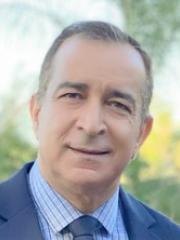
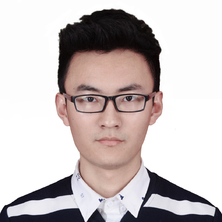
Dr Lee Yee Ying is a Senior Lecturer at the Malaysia School of Science, Monash University. She holds a PhD in Food Science and Technology from Universiti Putra Malaysia (2016), where her doctoral research focused on functional oil development via enzymatic interesterification of palm oils for obesity management. Her research interests include enzymatic/chemical modification of edible fats, functional lipid synthesis, in vivo health studies, and sustainable palm oil utilization. She teaches courses in Food Science and Functional Foods. Dr Lee has led multiple research projects, including biorefinery of microalgae and synthesis of medium-long chain triacylglycerols (MLCT). She has published over 80 peer-reviewed articles and book chapters, with a focus on lipid chemistry, structured lipids, and food product development. Notable awards include the Best PhD Award (2016) and innovation awards for plant-based milk products (2024). Her work aligns with UN SDGs related to sustainable consumption and health. Recent research trends emphasize functional lipid applications in health management, emulsion stabilization using nanocellulose, and mitigation of harmful oil processing byproducts like 3-MCPDE and glycidol esters.
Dr. Elliot Carr is a Senior Lecturer in the School of Mathematical Sciences at Queensland University of Technology (QUT), Faculty of Science. He holds a PhD in Mathematics from QUT and has been a faculty member since 2015, progressing from Lecturer to his current rank. His research and teaching focus on applied and computational mathematics, with strong interdisciplinary applications. Education: PhD in Mathematics, Queensland University of Technology, 2009–2012 Bachelor of Applied Science (Honours) in Mathematics, QUT, 2008 Bachelor of Mathematics, QUT, 2005–2007 Elliot Carr's research lies at the intersection of applied mathematics and real-world physical systems. His work centers on developing and analyzing mathematical models of advection, diffusion, and reaction processes, particularly in heterogeneous media. He employs both deterministic (PDE-based) and stochastic (random walk) frameworks, contributing to analytical solutions, multiscale modeling, surrogate models, and numerical methods such as finite volume and Newton-Krylov techniques. His research has been applied to diverse fields including groundwater contamination, drug delivery, heat transfer, and tumor spheroid modeling. The latest publications reflect a consistent focus on transport phenomena in complex geometries and heterogeneous environments. Key themes include dual-grid mapping for contaminant transport, analytical modeling of drug release from spherical capsules, thermal diffusivity in shell geometries, and stochastic models of biological systems. His methodological contributions span analytical, numerical, and statistical approaches, demonstrating versatility across applied mathematics. Scientific Awards and Recognitions: JH Michell Medal, ANZIAM (2022) ARC DECRA Fellowship (2015) QUT Outstanding Doctoral Thesis Award (2012) University Medal, QUT (2008) Dean’s Award for top graduate in both Honours and Bachelor programs Keynote and plenary speaker at major conferences including ANZIAM and Forum “Math-for-Industry” Dr. Carr actively supervises PhD and Masters students, with completed and ongoing projects on diffusive transport, tumor modeling, and sports analytics. He has secured competitive research funding, including an ARC Discovery Project on multiscale modeling. His teaching includes computational mathematics, linear algebra, and differential equations, with a focus on MATLAB-based implementation. He is a member of the Australian Mathematical Society (AustMS) and ANZIAM. Research Labs and Teams: While not explicitly tied to a named lab, Carr is part of the broader Applied Modelling and Computation research environment at QUT. He collaborates extensively with researchers such as Ian Turner, Matthew Simpson, and Chris Drovandi, contributing to interdisciplinary teams in mathematical biology, environmental modeling, and statistical computation.
Dr. Yu Jing is a Scientia Senior Lecturer in the School of Minerals and Energy Resources Engineering at the University of New South Wales (UNSW). She holds a PhD in Petroleum Engineering from UNSW and specializes in characterizing subsurface formation rocks to understand underground fluid flow behaviors including natural gas, oil, and groundwater. Education: Doctor of Philosophy, Petroleum Engineering, University of New South Wales, Australia Master of Engineering, Petroleum Engineering, University of New South Wales, Australia Bachelor of Engineering, Petroleum Engineering, Southwest Petroleum University, China Dr. Jing's research focuses on pore-scale characterization of rocks using micro-CT imaging and modeling multiphysics flow transport in underground formations. Her work spans digital core analysis, fractured formation rock characterization, flow simulation of underground fluids, and micro-CT imaging techniques. She has developed computational tools like DigiCoal for coal core characterization. Her publication portfolio shows a strong trend toward advanced imaging techniques for understanding coal properties, particularly related to carbon sequestration, coalbed methane extraction, and fluid flow in fractured media. Recent work emphasizes multiscale modeling approaches and experimental validation of transport phenomena in porous media. Scientific Awards: Asian-Australian Leadership Award Finalist in Education, Science & Medicine (2024) The Rising Stars, Asian Deans' Forum (2023) Equity & Diversity Excellence Award - UNSW (2020) Future Women Leaders Conference Award - UNSW (2019) Scientia Fellowship - UNSW (2019) Dr. Jing actively supervises numerous PhD students working on diverse topics from CO2 geosequestration to critical metal recovery. She has secured significant research funding including ARC Research Hub for Fire Resilience Infrastructure ($4.9 million), UNSW-Chinese Academy of Sciences Collaboration Grant, and multiple ANSTO Australian Synchrotron Beamtime grants. Her professional engagement includes serving as Associate Editor for the Journal of Energy Engineering and as Communication Officer for the InterPore Australian Chapter. She leads research activities through the MUTRIS research group (www.mutris.unsw.edu.au), focusing on digital core analysis, fractured media characterization, and subsurface flow simulation. Her work bridges fundamental research with practical applications in energy transition and sustainable resource extraction.
Professor Luming Shen is a distinguished academic in the School of Civil Engineering at The University of Sydney. With over two decades of experience in mechanical behavior of materials research, he leads cutting-edge investigations at the intersection of civil engineering, materials science, and computational mechanics. His work spans multiple scales from nano to macro, focusing on fundamental understanding that can be applied to real-world engineering challenges in water purification, structural safety, and sustainable infrastructure. Professor Shen's educational background includes: Bachelor's degree in Building Engineering from Tongji University, China Master's degree in Structural Engineering from Tongji University, China PhD in Civil Engineering from the University of Missouri-Columbia, USA Professor Shen's research focuses on the mechanics and behaviors of materials across multiple scales. His primary interest lies in understanding both brittle materials (concrete, rock, glass) and ductile materials (aluminum, titanium, metals). Two major thrusts of his work include nano-mechanics and materials research, particularly developing carbon nanotube membranes for water purification, and studying novel composite materials under impact and extreme loading conditions for applications in blast-resistant structures and vehicle safety. He employs high-performance computing for molecular and macro-level analyses, complemented by physical laboratory testing. Professor Shen's extensive publication record demonstrates a consistent focus on multiscale modeling of materials behavior, with recent work emphasizing granular materials dynamics, carbon nanotube applications, 3D-printed concrete technology, and energy storage systems. His research shows a clear evolution toward increasingly complex multiphysics problems that integrate mechanical, thermal, and fluid dynamics phenomena at multiple scales. The interdisciplinary nature of his work bridges civil engineering, materials science, computational mechanics, and environmental engineering, with applications spanning from fundamental material science to practical civil infrastructure solutions. Professor Shen actively supervises multiple research students, including Yifang Cao working on 3D printing concrete, Jiangshuai Meng studying granular materials under impact loads, and Runda Wang applying machine learning to rock burst prediction. His research is supported by access to advanced computational resources and laboratory facilities at The University of Sydney, particularly through his membership in The University of Sydney Nano Institute. The university has provided specialized space and equipment necessary for conducting physical tests on materials under high-speed impact conditions. Professor Shen maintains active laboratory facilities for conducting physical tests on materials under various loading conditions, particularly high-speed impact testing. His work is supported by computational resources for molecular dynamics and multiscale modeling. As a member of The University of Sydney Nano Institute, he collaborates with interdisciplinary researchers working at the nanoscale, particularly in applications related to water purification technologies using carbon nanotube membranes.
Professor Eduardo Goldani Altmann is a faculty member in the Department of Mathematics at the University of Sydney. His research focuses on understanding complex systems through mathematical models and computational techniques, with a particular emphasis on nonlinear dynamics, statistical physics, and data science. He explores applications ranging from network theory to text analysis and biological systems like honeybee colony health. Research Interests: Altmann investigates the interplay between complexity and data-driven approaches, including chaotic systems, network dynamics, and the statistical properties of language. His work bridges disciplines such as physics, computer science, and biology. Grants & Collaborations: 2023: Learning the meso-scale organization of complex networks (Australian Research Council) 2021: Reducing the Morbidity of Head and Neck Cancer Treatment (Cancer Institute NSW) 2019: A complex systems approach to preventing colony failure in honey bees (Australian Research Council) Labs/Teams: Altmann leads a research group focused on complex systems analysis, with a webpage dedicated to their work: Group Website .
Professor Azharul Karim is a leading academic and researcher in the Faculty of Engineering at Queensland University of Technology (QUT), specifically within the School of Mechanical, Medical & Process Engineering . He holds the rank of **Professor** and is the Director of the Advanced Drying and Sustainable Energy Research (ADSER) Group . His research focuses on advanced drying processes, renewable energy, food engineering, and lean manufacturing, with over 230 peer-reviewed publications and an h-index of 46. He has secured A$4 million in research grants and pioneered innovations like ultrasonic washing machines and solar drying systems. Education: PhD in Engineering from the University of Melbourne. Leadership Roles: Academic Lead for International and Engagement at QUT, Course Leader for the Master of Engineering Management, and Editor of journals like Drying Technology and Nature Scientific Reports . Awards: Advance Queensland Fellow, Smart Queensland Fellow, Global Engineering Education Award (2018), and multiple international recognitions for interdisciplinary contributions. Teaching: Leads real-world project-based learning (PBL) programs and teaches units in Heating, Ventilation, Advanced Manufacturing, and Quality Management. Patents: Includes ultrasonic washing/dishwashers, solar drying systems, and microwave-convective drying technologies. Research Impact: Focuses on sustainable energy, food quality preservation, and lean healthcare systems to optimize resource use in emergency departments. Grants and Projects: 21 grants totaling A$4M, including A$555K for Microwave-Assisted Solar Dryer research. His work bridges fundamental science and industrial applications, addressing global challenges in food processing, energy efficiency, and healthcare logistics.
Scott McCue is a Professor of Applied Mathematics at the School of Mathematical Sciences, Queensland University of Technology (QUT), Brisbane, Australia. His academic journey includes a PhD from the University of Queensland (2000), followed by postdoctoral roles at the University of Nottingham and University of Wollongong. He joined Griffith University in 2004 before moving to QUT in 2007, progressing through academic ranks to full Professor in 2016. Education: PhD in Applied Mathematics, University of Queensland (2000) Bachelor of Science, University of Queensland Research Interests: Scott's work spans fluid mechanics, mathematical biology, and free boundary problems. Key areas include Stefan problems (melting/freezing), free surface flows, Hele-Shaw flows, and droplet impaction. His research integrates theoretical analysis with computational modeling, addressing challenges in biological systems, agricultural fluid dynamics, and complex fluid phenomena. Grants & Awards: EO Tuck Medal (2019) for research and service to ANZIAM JH Michell Medal (2009) Australian Competitive Grants: 'Mathematical and Computational Analysis of Ship Wakes' (DP180103260), 'Mathematical and computational models for agrichemical retention on plants' (LP160100707) Teaching & Supervision: Scott teaches courses in differential equations, fluid flow, and perturbation methods. His supervision focuses on moving boundary problems, nonlinear waves, and stochastic models of cell proliferation. He has advised numerous PhD and MPhil students on topics ranging from drug release modeling to ship wake analysis. Professional Engagement: Editor for journals including Proceedings of the Royal Society A and European Journal of Applied Mathematics . Active member of ANZIAM, SIAM, and the Australasian Fluid Mechanics Society.
Jishan Liu is a Professor in the School of Engineering at The University of Western Australia, specifically within the Civil, Environmental and Mining Engineering department. His academic profile shows extensive research contributions with 241 research outputs and 20 granted research projects. Professor Liu's primary research interests focus on Unconventional Reservoir Multiphysics (URM) with applications to: Coal seam gas extraction Shale gas extraction $$\text{CO}_2$$ sequestration in coal Coal mine safety Caprock sealing safety His specific expertise includes examining the effects of local mass transfer, momentum transfer, and deformation compatibility between rock matrix and fracture on physical processes, and incorporating these into the framework of Geo-Multiphysics. His research contributes to UN Sustainable Development Goals related to energy and environmental sustainability. His work spans across the fields of Energy and Mining and Resources, with specific expertise in Unconventional Gases, Geomechanics, Modelling, Coupled Multiphysics, and Porous Flow. Professor Liu has been involved in significant research projects including: Four Stage Permeability Evolution Theory for Low Permeable Rocks (2020-2024) Impact of coal-fluid interaction on the effectiveness of fracturing during coal seam gas drainage (2014) CarbonNet Dynamic Seal Capacity (2012-2013) Development of a Novel Experimental Approach for the Evolution of Coal and Shale Permeability (2012) Multiscale Dynamics of Ore Body Formation (2010-2015) These projects demonstrate his long-standing commitment to advancing knowledge in reservoir engineering and geomechanics. His recent publications show continued productivity with focus on permeability evolution, coal mechanics, and advanced modeling approaches. His work has garnered significant attention with an h-index of 63 and over 11,815 citations according to Scopus. Professor Liu has supervised 14 research students throughout his career, contributing to the development of the next generation of researchers in his field.
Associate Professor Saiied Aminossadati is a faculty member at the University of Queensland's School of Mechanical and Mining Engineering, with affiliate positions at the Future Autonomous Systems and Technologies (FAST) and Centre for Multiscale Energy Systems. He holds a BEng (1989), MEng (1994), and PhD (1999) in Mechanical Engineering, along with a Graduate Certificate in Higher Education. His research focuses on thermofluids, mine ventilation systems, computational fluid dynamics applications in mining, fibre-optic sensing technologies, and gas management systems. Specific interests include porous media flow, underground mine ventilation optimization, energy systems modeling, and industrial fluid dynamics. With 180+ publications spanning mining ventilation, energy systems, and fluid mechanics, recent work demonstrates strong emphasis on computational modeling of industrial processes. Research trends show increasing focus on renewable energy applications (solar collectors, nanofluids), mining safety (methane dispersion, aerosol transmission), and sustainable resource recovery (plastic depolymerization, hydraulic fracturing). He has secured 16 research grants totaling $2.65M and serves as academic advisor for 26 research higher degree students (18 graduated, 8 current). Keynote speaker at international conferences including Mine Ventilation Symposium (2009) and Fibre Optic Sensing Conference (2015). Reviewer for 30+ international journals in mechanical and mining engineering disciplines.
Professor Spiridon Penev is a faculty member at the School of Mathematics & Statistics , University of New South Wales (UNSW), Sydney. After completing his PhD in Mathematical Statistics at Humboldt University, Berlin, he worked at Technical University of Sofia (Bulgaria) for 10 years, becoming Associate Professor in 1991. He joined UNSW in 1992, progressing from Lecturer to Professor in 2019. His teaching focuses on Statistical Inference , Multivariate Analysis , Longitudinal Data Analysis , and related advanced courses. Research Interests: Wavelet Methods in Non-Parametric Curve Estimation, Edgeworth Expansions, Saddlepoint Approximation, Structural Equation Models, Inference in Semiparametric Models, and Stochastic Risk Modelling. Article Trends: His work spans from foundational wavelet methods (pre-2010) to modern applications in climate model ensembles , portfolio optimization , marine engineering , and machine learning . Keywords include Statistics, Finance, Climate Science, Structural Health Monitoring, and Optimization. Awards: DAAD Award, Elected Member of the International Statistical Institute (ISI). Grants: Led ARC Discovery Project (2016–2018), ARC Linkage Project (2018–2022), and industry collaborations like SCA water quality analysis (2014–2019). Location: School of Mathematics and Statistics, UNSW Sydney, Room 1038, The Red Centre.
Dr. Bo Zhang serves as a Postdoctoral Research Fellow at the School of Mechanical & Mining Engineering, The University of Queensland, within the Faculty of Engineering, Architecture and Information Technology. His research focuses on computational modeling of hydraulic fracturing processes and proppant transport mechanics in unconventional energy reservoirs. His educational background includes: Masters (Research) in Mining Engineering from Chongqing University Doctor of Philosophy in Civil Geotechnical Engineering from Monash University Dr. Zhang's research spans petroleum engineering, geomechanics, and computational fluid dynamics with emphasis on hydraulic fracturing optimization. His work investigates proppant transport dynamics in shale and coalbed methane reservoirs using hybrid CFD-DEM modeling, stress-permeability relationships in fractured media, and fracture propagation mechanics. Key methodologies include stochastic fracture network modeling and supercritical CO 2 applications for enhanced recovery. Analysis of his 2019-2025 publications reveals a consistent research trajectory focused on improving hydrocarbon extraction efficiency through advanced fracture characterization. His work demonstrates increasing sophistication in multi-scale modeling, with recent studies addressing cross-scale proppant transport and secondary fracture dynamics. The research shows strong alignment with energy transition themes through CO 2 -based recovery techniques. No scientific awards were documented in the source materials. Dr. Zhang is explicitly available for research supervision, indicating active mentorship responsibilities. While specific grant details aren't provided, his publications suggest affiliation with UQ's Multiscale Energy Systems research theme. The absence of grant documentation prevents comprehensive assessment of funding sources. His work is contextually associated with UQ's Multiscale Energy Systems research group through thematic alignment with fracture network modeling and reservoir simulation, though explicit laboratory affiliations aren't specified in the source materials.
Dr. Trang Cao is a Research Fellow at the School of Psychological Sciences and Turner Institute for Brain and Mental Health, Monash University, Australia. She completed her PhD in Engineering (2020), M.Eng in Electronics and Radio Engineering (2015), and B.Eng in Electronics and Telecommunications (2012) from the University of Melbourne, Kyung Hee University, and Posts and Telecommunications Institute of Technology (Vietnam), respectively. PhD in Engineering (2020) - University of Melbourne M.Eng in Electronics and Radio Engineering (2015) - Kyung Hee University B.Eng in Electronics and Telecommunications (2012) - Posts and Telecommunications Institute of Technology Her research focuses on neuroimaging and molecular communication , particularly on understanding brain anatomy and function using MRI and designing molecular communication systems for biomedical applications. She integrates computational neuroscience with signal processing to derive functional biomarkers in neurodegenerative diseases like Friedreich Ataxia. Recent publications highlight trends in neuroimaging techniques (e.g., mode-based morphometry for brain mapping) and molecular communication optimization (e.g., chemical detection mechanisms, equalization techniques). Her work bridges neuroscience and engineering to address both theoretical and applied challenges. Scientific Awards: Best Poster Award (2019) Diane Lemaire Scholarship (2018) Student Travel Grant (2019) She contributes to peer review for journals like IEEE Transactions on Network Science and Engineering and conferences such as the Organization for Human Brain Mapping (OHBM) . Current projects include deriving fMRI biomarkers for Friedreich Ataxia using structural MRI data alone.
Aurina Arnatkeviciute is a Research Fellow at Monash University's Turner Institute for Brain & Mental Health within the Faculty of Medicine, Nursing and Health Sciences. Her work focuses on the intersection of neuroscience, genetics, and psychiatry, with particular emphasis on brain connectivity, neuroimaging, and the genetic underpinnings of psychiatric disorders. She actively contributes to large-scale international collaborations including the ENIGMA consortium. Dr. Arnatkeviciute's research interests span multiple domains of cognitive neuroscience and psychiatric research. She investigates how genetic factors influence brain connectivity and network organization, with applications to understanding conditions like schizophrenia, ADHD, and autism spectrum disorders. Her work bridges molecular neuroscience with systems-level brain organization, utilizing advanced neuroimaging techniques combined with genetic and transcriptomic data. She has made significant contributions to imaging transcriptomics - the integration of brain-wide gene expression data with neuroimaging findings. Her publication record demonstrates expertise across multiple methodologies including genome-wide association studies, diffusion MRI connectomics, and large-scale international collaborations. Her recent work examines how socioeconomic factors like gender inequality impact brain structure, how genetic variations affect inhibitory control, and the neuroanatomical signatures of schizotypy across diverse populations. Australasian Cognitive Neuroscience Society (ACNS) Emerging Researcher Award (2020) Australasian Neuroscience Society Paxinos-Watson Award for the most significant neuroscience paper published by a member of the Society (2022) Discovery Early Career Researcher Award (DECRA) (2022) Monash University Dean's Award for Doctoral Thesis Excellence for "Genetics of brain network hubs" (2020) Monash University Early Career Researcher Publication Prize for "A practical guide to linking brain-wide gene expression and neuroimaging data" (2020) Dr. Arnatkeviciute serves as a supervisor for Honours students at Monash University, teaching units including PSY4215: Advanced Data Science and PSY4130: Developmental Psychology and Clinical Neuroscience. She is a Chief Investigator on the NHMRC-funded project "Neuropharmacology of decision-making: causal brain network modelling across species" (2022-2026), demonstrating her leadership in securing competitive research funding. Her supervisory activities extend through 2025, indicating ongoing commitment to mentoring the next generation of neuroscience researchers. As a member of the Turner Institute for Brain & Mental Health, Dr. Arnatkeviciute collaborates with a multidisciplinary team of neuroscientists, clinicians, and data scientists. Her work within the ENIGMA consortium connects her with researchers across more than 30 countries, facilitating large-scale analyses of brain structure and function across diverse populations. This collaborative environment supports her research at the intersection of genetics, neuroimaging, and psychiatric disorders.
Dr Borrego Acevedo Rodney is a Research Fellow at the School of the Environment , University of Queensland , within the Faculty of Science. His expertise lies in marine and environmental sciences, with a focus on coral reef ecosystems and remote sensing applications. He holds a PhD in Environmental Science from the University of Queensland (2014), specializing in microphytobenthos dynamics using remote sensing technologies. His research integrates field data collection, spectral analysis, and spatial modeling to understand benthic habitats and coral reef health. Research Interests : Coral reef ecology, microphytobenthos distribution, remote sensing techniques, environmental monitoring, and geospatial data analysis. His work emphasizes global-scale coral reef habitat mapping and ecosystem conservation strategies. Publications : His work includes high-impact studies on global coral reef mapping, benthic habitat classification, and microphytobenthos abundance modeling. Key contributions involve developing methodologies for expert-derived training data in remote sensing and applying multiscale earth observation frameworks for coral reef assessment. Grants & Supervision : Available for postgraduate supervision in marine remote sensing and coral reef science. Active in collaborative projects with international research teams. Additional Contributions : Data collection on microphytobenthos composition at Heron Reef (Australia) using HPLC analysis, published via Pangaea datasets. Presented research at the IGARSS 2013 conference on coral reef spatial modeling.
Dr. Benjamin Noble is a Research Fellow in the School of Engineering at RMIT University. His research focuses on materials modeling, nanotechnology, biomaterials, and computational chemistry. He is open to supervising Masters and PhD students and can be contacted at benjamin.noble2@rmit.edu.au . His research interests include the design of functional materials, such as dynamic metal-phenolic networks and sequence-defined macromolecules, as well as the application of multiscale molecular simulations to study electromagnetic bioeffects and biomolecular interactions. He collaborates with industry partners like BlueScope to develop advanced materials for biomedical and industrial applications. Dr. Noble’s recent work emphasizes polymer synthesis methodologies (e.g., RAFT polymerization), drug delivery systems, and the development of contamination-resistant surfaces. His studies also explore photochemical reactivity prediction and mitochondrial uncouplers for pharmacological applications. He contributes to the Materials Modelling and Simulation Group led by Distinguished Professor Irene Yarovsky, which investigates nanomaterials for biomedicine and industry. The group’s research has led to innovations in drug delivery materials, biosensors, and sustainable surfaces.