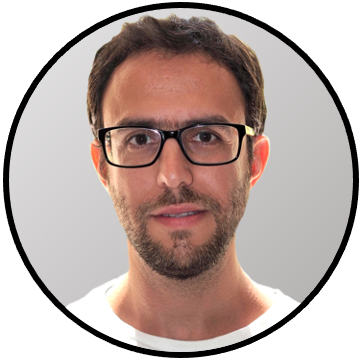
Omer Bobrowski is a Professor in Mathematical Data Science at Queen Mary University of London, affiliated with the School of Mathematical Sciences. His research focuses on stochastic topology, topological data analysis (TDA), and their applications in signal processing and natural language processing. He explores theoretical aspects like phase transitions in stochastic topology and noise distribution in TDA tools, while developing statistical methods for practical applications. His work has been supported by grants from the EPSRC (£396,018, 2024–2027) and the Leverhulme Trust (£330,778, 2024–2027). Collaborators include Primoz Skraba and others in the Centre for Probability, Statistics, and Data Science. Research Interests include: Random Topology, Applied Topology, Stochastic Geometry, and Probability Theory. His lab includes Research Staff Dr. Shu Kanazawa, Dr. Uzu Lim, and Dr. Duncan Parker. Bobrowski’s publications span foundational TDA theory and applied methodologies across diverse datasets.
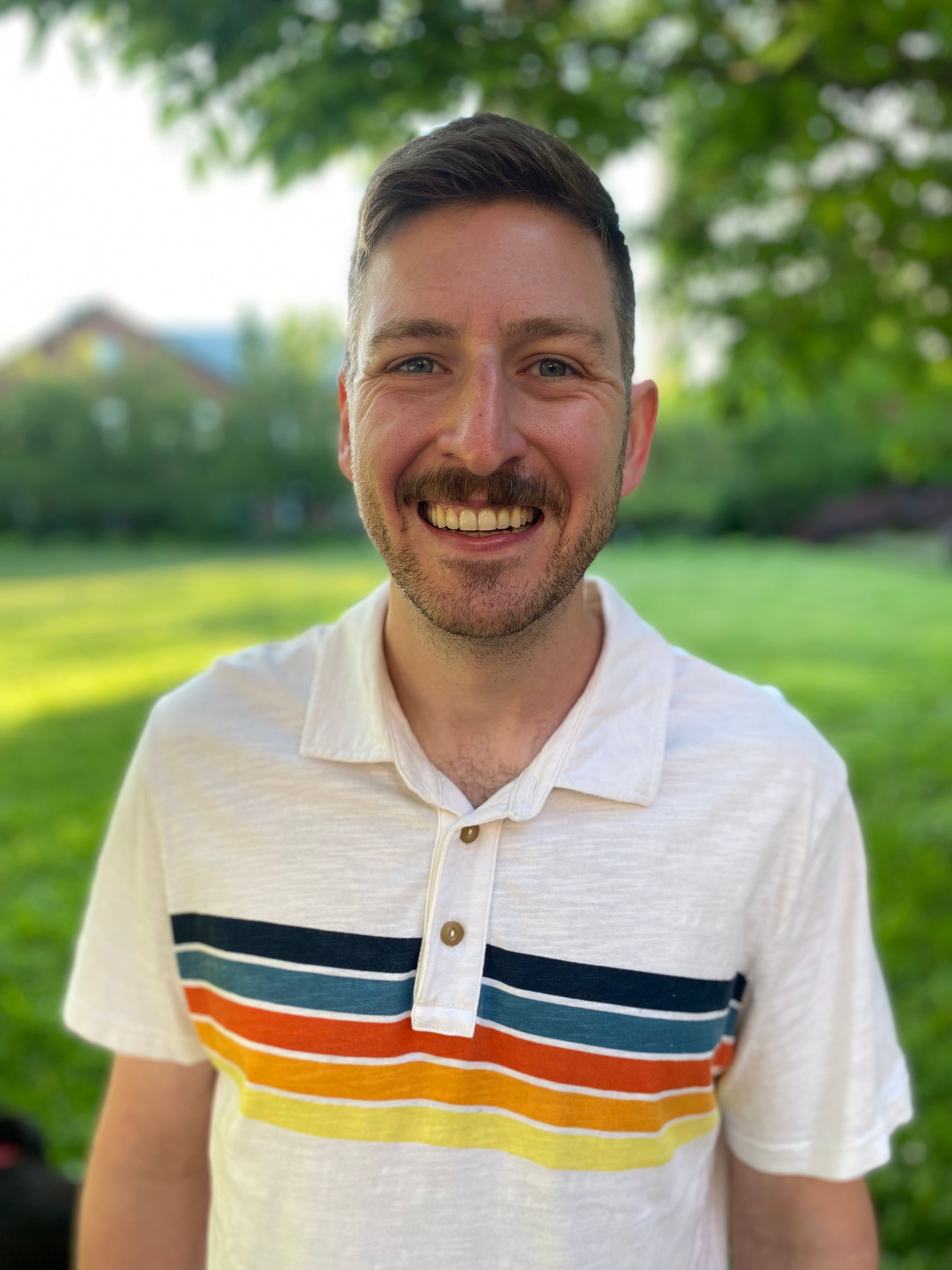
Jason Bramburger is an Assistant Professor at Concordia University and an adjunct professor at McGill University. He is a member of the CRM Applied Math Lab and contributes to the Physica D Editorial Board. His research focuses on dynamical systems, data-driven discovery, pattern formation, and polynomial optimization applied to differential equations. He holds a Ph.D. from the University of Ottawa (2017), with postdoctoral fellowships at Brown University and the University of Victoria, and prior experience as an acting instructor at the University of Washington. Research interests include multiscale dynamics, nonlinear Floquet theory, and Koopman operator methods. Recent work emphasizes data-driven analysis of dynamical systems, with applications to Poincaré maps, invariant measures, and control systems. Key contributions include methods for discovering Poincaré maps via sparse regression and bounding long-term system behaviors using convex optimization. Notable publications span topics like real-time motion detection, localized patterns in networks, and ergodic optimization. Bramburger actively contributes to open-source projects, including a textbook on Data-Driven Methods for Dynamic Systems , and maintains GitHub repositories for computational tools in dynamical systems and neural networks.
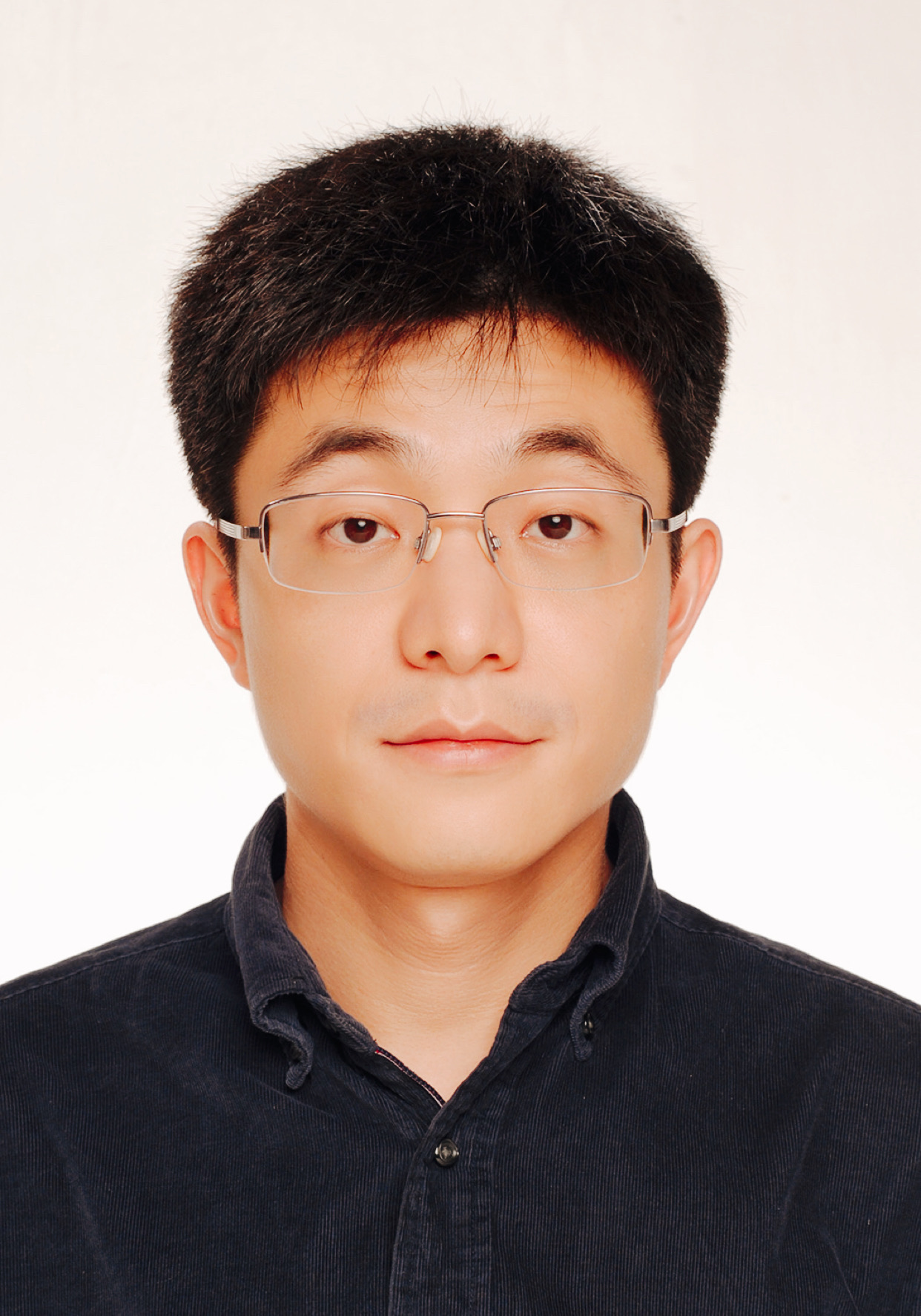
Sarah Tymochko is a Hedrick Assistant Adjunct Professor in the Department of Mathematics at the University of California, Los Angeles (UCLA), where she collaborates with Mason Porter. She earned her Ph.D. in Computational Mathematics, Science, and Engineering (CMSE) from Michigan State University under the guidance of Liz Munch. Her research focuses on topological data analysis, dynamical systems, network science, and opinion dynamics. She is set to join the College of the Holy Cross as an assistant professor in Fall 2025 and is actively involved in interdisciplinary projects, including the WiSDM workshop at UNC Chapel Hill in August 2025. Her work emphasizes applying topological methods to diverse datasets, such as time series analysis, image resolution impacts, and emergency resource evaluation. She has developed the TeaspoonTDA Python package, published in the Journal of Open Source Software, which provides tools for topological signal processing. Her research spans applications in climate science (hurricane diurnal cycles), healthcare (sleep stage classification), and manufacturing (chatter diagnosis in milling).
Dimitri Van De Ville is a Full Professor of Bioengineering at École Polytechnique Fédérale de Lausanne (EPFL) and the University of Geneva (UniGE), affiliated with the School of Engineering at EPFL and the Faculty of Medicine at UniGE. He leads the Medical Image Processing Laboratory (MIP:Lab) at Campus Biotech in Geneva and is a key figure at the CIBM Center for Biomedical Imaging. His work bridges signal processing, computational neuroscience, and clinical neuroimaging. Education: M.S. and Ph.D. in Computer Science, Ghent University, Belgium (1998, 2002) Post-doctoral Fellow, Biomedical Imaging Group, EPFL (2002–2005) His research focuses on advancing non-invasive brain imaging through methodological innovations in signal and image processing. He investigates the dynamic and network aspects of brain function using fMRI and EEG, with a special emphasis on dynamic functional connectivity, graph signal processing, and real-time neurofeedback. His work has demonstrated that EEG microstate sequences exhibit scale-free dynamics, linking fast electrophysiological events to slow hemodynamic changes. He pioneered connectivity decoding and contributed to the development of sparsity-based deconvolution methods for fMRI. The recent articles reflect a strong trend toward modeling brain function as a dynamic network process. Key themes include graph signal processing on brain connectomes, decomposition of transient brain activity, and the use of machine learning to decode brain states. His work increasingly integrates structural and functional data to understand brain organization at multiple scales. Scientific Awards: Technical Achievement Award, IEEE EMBS (2024) Fellow, EURASIP (2023) Distinguished Lecturer, IEEE Signal Processing Society (2021–2022) Fellow, IEEE (2020) Leenaards Award (2016) NARSAD Independent Investigator Award (2014) NeuroImage Editors' Choice Award (2013) Pfizer Research Award (2012) Van De Ville has secured substantial research funding through grants such as the SNSF Professorship and has advised numerous researchers. He plays a major role in the scientific community as founding chair of the EURASIP BISA SAT and former chair of the IEEE BISP TC. He has held editorial roles in top journals including IEEE Transactions on Signal Processing , SIAM Journal on Imaging Sciences , and Imaging Neuroscience . He leads the Medical Image Processing Laboratory (MIP:Lab) at Campus Biotech, which specializes in developing advanced signal processing tools for neuroimaging. The lab is part of a broader collaborative ecosystem involving EPFL, UniGE, and the CIBM, fostering interdisciplinary research in biomedical imaging and brain science.
Robert Krauthgamer is the Harry Weinrebe Professor of Computer Science and currently serves as Department Head in the Department of Computer Science & Applied Mathematics at the Weizmann Institute of Science , within the Faculty of Mathematics and Computer Science . He is a leading researcher in theoretical computer science, particularly in the analysis of algorithms. Research Interests: His research focuses on Analysis of Algorithms , with deep expertise in Data Analysis and Massive Data Sets , Combinatorial Optimization , Approximation Algorithms , Hardness of Approximation , Embeddings of Finite Metrics , and Routing and Peer to Peer Networks . He also maintains a broad interest in Discrete Mathematics and High-Dimensional Geometry . His recent publications highlight work in graph algorithms, parameterized complexity, streaming algorithms, and metric embeddings. Publication Trends: His most recent work, including papers from SODA 2016, demonstrates a strong trend in the design and analysis of efficient algorithms for fundamental problems in graph theory, optimization, and data streams. Key themes include kernelization and sampling techniques for dynamic graph streams, subexponential parameterized algorithms, deterministic derandomization of the polynomial method, and structural results for graph modification problems. His research often bridges theoretical insights with applications in computational biology and network science. Service and Recognition: Journal Editorial: Editor-in-Chief of SIAM Journal on Computing (2019–2025), Associate Editor (2012–2017); Managing Editor of Theory of Computing (2007–2018), and current Editorial Board Member. Conference Leadership: Program Committee Chair for SODA 2016 and HALG 2018; Steering Committee member for SODA, ESA, and HALG; and committee member for the Gödel Prize (2019–2021). Workshops: Organizer of numerous workshops on sublinear algorithms, fine-grained complexity, and high-dimensional data. Teaching and Mentorship: He regularly teaches advanced courses such as Randomized Algorithms and Sublinear Time and Space Algorithms . He advises a large group of MSc and PhD students and hosts postdoctoral researchers, demonstrating a strong commitment to training the next generation of computer scientists. His former students have gone on to successful academic and research careers. Laboratories and Research Groups: He is a key member of the Foundations of Computer Science (theory) seminar at Weizmann and has organized the TheoryLunch and Reading Group in Algorithms, fostering a vibrant research community within the department.
Reka Z. Albert is a Distinguished Professor in the Department of Physics at Penn State University, with significant interdisciplinary affiliations including the Huck Institutes of the Life Sciences and the Penn State Cancer Institute (Next-Generation Therapies). Her research bridges physics, biology, and computational science through innovative network-based approaches to complex biological systems. Her primary research interests focus on network science applied to biological contexts, particularly in signal transduction pathways , gene regulatory networks , plant-pollinator ecological networks , and network medicine . She develops and applies Boolean and dynamic network models to understand the structure, dynamics, and control principles of complex biological systems. Analysis of her recent publications reveals a strong emphasis on applying network theory to solve biological problems across multiple scales - from molecular signaling to ecological communities. Her work demonstrates particular strength in translating abstract network concepts into concrete biological insights, with applications spanning plant biology, cancer research, and traditional medicine systems. Sloan Research Fellowship (2004-present) Numerous National Science Foundation grants as Principal Investigator Professor Albert maintains an active research program with significant mentoring responsibilities, overseeing multiple graduate students and postdoctoral researchers. Her work has generated substantial external funding, including continuous support from the National Science Foundation since 2004. She leads interdisciplinary collaborations that bridge physics, biology, and computational sciences, creating innovative approaches to understanding complex biological phenomena through network theory.
Matteo Icardi is an Associate Professor in Applied Mathematics at the University of Nottingham's School of Mathematical Sciences, appointed in October 2017. His research bridges numerical methods, mathematical modeling, and engineering applications with emphasis on complex flow systems and computational frameworks. Education: BSc and MSc in Engineering Mathematics from Politecnico di Torino PhD in Chemical Engineering from Politecnico di Torino (2012) with thesis on 'Computational models for turbulent poly-dispersed flows: LES and QBMM' Research Interests: Professor Icardi specializes in multiphase flow modeling, porous media transport, multiscale methods, uncertainty quantification, and computational fluid dynamics. His work leverages OpenFOAM-based solvers for applications in environmental fluid dynamics, lithium-ion battery simulation, and industrial transport processes. Current research focuses on model reduction techniques and physics-informed neural networks for complex systems. Publication Trends: Recent work (2023-2025) demonstrates strong focus on homogenization methods (HiPhom), topological data analysis for infrastructure resilience, and multiscale modeling of peatlands, bubble dynamics, and electrochemical transport. The research consistently addresses heterogeneous porous media using advanced computational frameworks with applications spanning environmental systems and energy storage. Scientific Awards: No scientific awards mentioned in source material Advising and Grants: Professor Icardi advises PhD students and collaborates with postdoctoral researchers. He participates in the MultiForm research group and Multiscale Modelling Research Theme, though specific grant details are not provided in the source material. Labs and Teams: Co-founder of the MultiForm research group (Multiscale Fluid Dynamics and Porous Media) and initiator of the Multiscale Modelling and Heterogeneous Media Research Theme at Nottingham, fostering interdisciplinary collaboration between Mathematics and Engineering departments.
Assad Anshuman Oberai is a Professor at the University of Southern California's Viterbi School of Engineering . His research spans computational mechanics, inverse problems, and machine learning applications in nuclear engineering and biomedical imaging. Key Research Areas: Multi-fidelity modeling, Bayesian inference in mechanics, conditional GANs for posterior estimation, ultrasonic sensing of nuclear fuel canisters, mechano-microscopy for tumor elasticity imaging Methodological Contributions: Novel operator network architectures, dimension-reduced Bayesian frameworks, active noise cancellation techniques, and error estimation in variational multiscale methods Recent work focuses on non-invasive nuclear fuel inspection using ultrasonic sensing and machine learning, achieving significant signal-to-noise ratio improvements with active noise cancellation. In biomedical domains, his team develops cGAN-enhanced elasticity imaging for cancer differentiation, outperforming traditional algebraic methods. Methodologically, he pioneered VarMiON (Variationally Mimetic Operator Networks) with rigorous error analysis, demonstrating superior performance over DeepONet in partial differential equation approximations. His publications address high-dimensional inverse problems through generative models, with applications in epidemic modeling (capturing algebraic decay via behavioral feedback), 3D traction microscopy accounting for cell-induced matrix degradation, and compressible phase change simulations using discontinuous finite element methods. Co-authors include researchers from mechanical engineering, biomedical informatics, and nuclear safety domains.
Prof. Dr. Vladimir Mladenović is a Full Professor at the Department of Information Technologies , Faculty of Technical Sciences in Čačak , University of Kragujevac , Serbia. A 1975 native of Paraćin, he earned his Dipl. Ing. from the Faculty of Electronic Engineering, University of Niš (2000), followed by an M.Sc. (2005) and Ph.D. in Technical Sciences (2009) from the University of Kragujevac. His career spans industry (IT Manager, Serbian Glass Factory, 2001–2004), secondary education (teacher, 2004–2009), and academia (Professor of Vocational Studies, 2009–2013) before joining the University of Kragujevac. Research Focus: Symbolic software & tools, higher integration in IT systems Signal & multimedia processing, computer vision & AI/ML 5G/IoT architectures, edge computing, data protection Modern communication systems, web & network technologies He directs the Digital Innovation Lab at his faculty and has authored over 100 peer-reviewed publications in leading journals and conferences, with a strong emphasis on cross-layer modeling, deep learning, and IoT applications. He also co-holds 18 Serbian utility patents covering smart IoT systems ranging from greenhouse monitoring to smartwatch data collection, fire detection, and pedestrian safety. Honors & Professional Standing: Licensed Technology-Transfer Engineer – WIPO & Intellectual Property Office of Serbia (2012) Member, Union of Engineers and Technicians of Serbia Teaching Portfolio: Undergraduate: Modern Software Architectures, Multimedia Systems, Data Protection Master: Modern Communication Systems, Web Programming Doctoral: Modern Network Technologies, Applied Computer Vision
Md Morshed Alam is a Part-Time Lecturer at the Faculty of Engineering and Information Technology , University of Technology Sydney. He holds a B.Sc. in Electrical and Electronic Engineering from Khulna University of Engineering and Technology, an ERASMUS MUNDUS certificate in Power Systems from University do Porto, and an M.Sc. in Electronics Engineering from Kookmin University. Focuses on Artificial Intelligence integration in Smart Grids Specializes in Energy Consumption Forecasting and Renewable Energy Optimization Proficient in Python, MATLAB/Simulink , and Arduino His 15 most recent publications analyze topics like AI-driven microgrid control, drone detection systems, and air quality prediction models, with significant citations in energy storage and wireless communication domains. While no scientific awards are explicitly listed, his work spans diverse applications from Terahertz communication to IIoT security frameworks . He contributed to Wireless Communication and AI Lab projects during his time at Kookmin University.
Yu Guang Wang is an Associate Professor at Shanghai Jiao Tong University, holding positions across multiple institutes including the Institute of Natural Sciences, School of Mathematical Sciences, Department of Computer Science and Engineering, and AI Biomedicine Center of Zhangjiang Institute for Advanced Study. He also serves as Adjunct Associate Professor at both UNSW Sydney and Shanghai AI Laboratory, demonstrating his significant interdisciplinary reach. His research spans artificial intelligence, computational mathematics, statistics, and data science, with particular focus on geometric deep learning, graph neural networks, applied harmonic analysis, and Bayesian inference. His work bridges theoretical foundations with practical applications in biomedicine and protein design, creating impactful connections between mathematics and real-world problems. Wang's publication record shows a clear progression toward increasingly sophisticated applications of geometric deep learning, particularly in graph neural networks for protein engineering and biomedical applications. His recent work demonstrates strong interdisciplinary collaboration, combining topological data analysis with machine learning for complex biological systems. ICERM Semester Postdoctoral Fellowship of Brown University (2018) IPAM visitor of UCLA (2019) Long-term visitor of AI Group of Prof Pietro Lio at University of Cambridge (2022) ICML Top Reviewer (2020) University International Postgraduate Award, UNSW (2011-2015) As an advisor, Wang has successfully mentored multiple PhD and Master's students working on graph neural networks, geometric deep learning, and applications to biomedicine. His research has been supported by prestigious funding from Shanghai Jiao Tong University, Huawei Central Research Institute, Ministry of Education Key Lab in Scientific and Engineering Computing, Shanghai National Center for Applied Mathematics, National Natural Science Foundation of China, and the European Research Council. He leads an active research group focused on geometric deep learning and its applications to science and medicine.
Alfredo Braunstein is an Associate Professor at the Department of Applied Science and Technology (DISAT), Politecnico di Torino, and a member of SmartData@PoliTO laboratory. His research spans combinatorial optimization, statistical physics of complex systems, epidemic inference, and computational biology . He leads the Simultaneous Inference from Multiscale Biological Data (SIMBAD) project (2023-2027) and previously led Statistical Inference via Belief Propagation for Epidemics (SIBYL) (2015-2017). He has supervised multiple PhD students in Physics of Complex Systems . Research Interests : Statistical physics, machine learning, network science, epidemic modeling, and optimization. Key Collaborations : Collegio Carlo Alberto, Human Genetics Foundation, and interdisciplinary teams. His recent publications focus on epidemic risk estimation , network dismantling , and message-passing algorithms . He received the La Ricerca dei Talenti award from Fondazione CRT (2015).
Dr. Luke E. K. Achenie is a Professor of Chemical Engineering and Professor of Health Sciences at Virginia Polytechnic Institute and State University (Virginia Tech). He holds dual appointments in the Department of Chemical Engineering (College of Engineering) and the Faculty of Health Sciences. His research focuses on interdisciplinary areas including multi-scale molecular modeling, machine learning, blood-brain-barrier modeling, and process design. He has a Ph.D. from Carnegie Mellon University (1988) and undergraduate degrees from MIT (B.S., 1981) and Northwestern University (M.S., 1982). Education: Ph.D., Carnegie Mellon University (1988); M.A.M., Carnegie Mellon (1984); M.S., Northwestern University (1982); B.S., MIT (1981). Research interests span agent-based modeling, molecular dynamics, AI-driven catalyst design, and systems pharmacology. Notable projects include computational drug delivery modeling, membrane separation systems, and collaborations on autism screening via machine learning. Awards include AIChE Fellow (2014), Black Achiever in Chemical Engineering (2008), and induction into the Connecticut Academy of Engineering (2007). Grants and affiliations include leadership roles in AIChE and SJI. Current lab members include Shih-Han Wang, Juliana Cardona, and others. His work bridges computational methods with experimental validation, emphasizing sustainability and translational applications.
Maria Giulia Preti is a Senior Scientist at MIPLAB, Research Staff Scientist at the CIBM Center for Biomedical Imaging (Switzerland), and a Lecturer (Maître-Assistante) at the University of Geneva. She holds a PhD in Bioengineering from Politecnico di Milano (2013) and completed postdoctoral research in Dimitri Van De Ville’s group at EPFL. Her work focuses on integrating neuroimaging techniques (fMRI, DTI, EEG, fNIRS) with graph signal processing to study brain function-structure relationships in health and disease. Key clinical applications include Alzheimer’s disease, epilepsy, multiple sclerosis, and stroke. She has pioneered methods like groupwise fMRI-guided tractography to study neurodegenerative pathologies. Education: PhD in Bioengineering (2013), Politecnico di Milano MSc in Biomedical Engineering (2009), Politecnico di Milano BSc in Biomedical Engineering (2007), Politecnico di Milano Research emphasizes multimodal neuroimaging integration and computational neuroscience. Notable achievements include developing connectome embedding techniques and demonstrating brain fingerprinting via spectral signatures. She received the Progetto Rocca fellowship (2011) supporting her work at MIT/Harvard Medical School. Ongoing projects investigate structure-function coupling dynamics, drowsiness markers, and DBS mechanisms in depression. Labs/Teams: MIP:Lab (part of the Van De Ville group at EPFL and University of Geneva collaborations).
Dr. Moshe Eliasof is a researcher at the University of Cambridge's Department of Computer Science and Technology. His primary research focuses on advancing graph neural networks (GNNs), temporal modeling, and generative AI systems. He develops novel architectures like adaptive autoregressive models and diffusion-based frameworks to enhance performance in graph-based learning tasks. His research spans machine learning fundamentals, including: Graph neural network architectures and optimization Temporal and sequence modeling techniques Efficient training methodologies for large-scale networks Generative modeling for image and graph synthesis Inverse problems and regularization in graph domains Dr. Eliasof's publications demonstrate consistent focus on improving GNN performance through innovations in message-passing frameworks, positional encodings, and multiscale approaches. His recent work emphasizes efficiency optimization and invariance properties in graph representations.