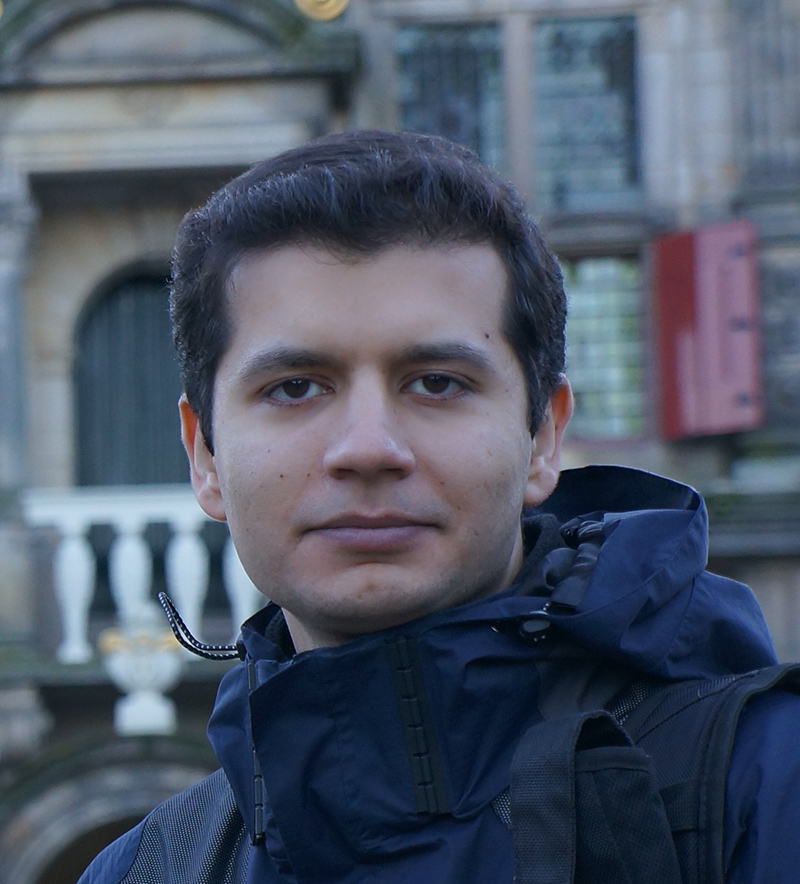
Dr. Abbasali Saboktakin is a current faculty member at Izmir University of Economics, affiliated with the Department of Aerospace Engineering. He holds a PhD in Mechanical/Aerospace Engineering from Canada and focuses on hypervelocity impact, composite materials, and next-generation aircraft research. Biography : PhD in Mechanical/Aerospace Engineering from Canada. Fields : Hypervelocity, Composite Materials, Next Generation Aircrafts. Industrial Collaborations : Propulsion Components Manufacturing, Heavy Industry. His research bridges theoretical and industrial applications, with publications on vibrothermography, 3D textile preforms, and space propulsion. Key trends include multiscale damage analysis and non-destructive testing for aerospace structures.
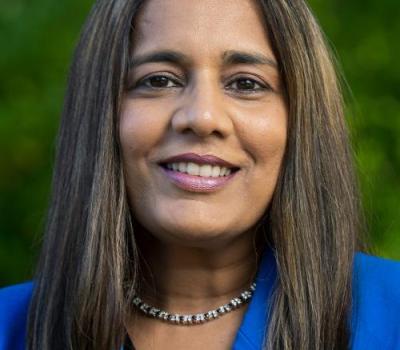
Somdatta Goswami serves as Assistant Professor in Civil and Systems Engineering and Applied Mathematics and Statistics at Johns Hopkins University, with dual affiliations at the Institute for Data Intensive Engineering and Science (IDIES) and Hopkins Extreme Materials Institute (HEMI). She leads the Centrum IntelliPhysics research group developing AI-driven methodologies for scientific discovery. Her educational trajectory includes: Bachelor's in Civil Engineering from Birla Institute of Technology, Mesra (2011) Master's in Structural Engineering from Indian Institute of Engineering Science and Technology (2013) PhD in Civil Engineering and Structural Mechanics from Bauhaus University-Weimar, Germany (2020) funded by DAAD Dr. Goswami's research pioneers Scientific Machine Learning at the intersection of computational mechanics and AI, focusing on neural operator architectures that accelerate physics-based simulations. Her group develops methods for long-time horizon prediction, multiscale multiphysics modeling, and real-time inference in complex systems through latent space representations and physics-informed learning. Current emphases include cardiac digital twins, structural response under natural hazards, and RNA electrophoresis modeling. Analysis of her 2024-2025 publications reveals dominant trends in latent operator learning, physics-informed neural networks, and hybrid solvers combining traditional numerical methods with deep learning. These innovations enable breakthroughs in computational efficiency across engineering and biological domains, particularly in multiscale modeling and uncertainty-aware simulation. Her scientific recognition includes: National Science Foundation’s National Artificial Intelligence Research Resource (NAIRR) Pilot Johns Hopkins University Discovery Award 2024 Dr. Goswami mentors PhD candidates including Dibakar Roy Sarkar (Creel Family Engineering Fellow), Sharmila, and Maryam. Major research funding comprises: NSF grant for "Cardiac Digital Twins" with Kevrekidis, Trayanova, and Maggioni NSF grant for exascale AI-integrated simulations with UT Austin DOE grant for uncertainty-informed latent operators with Shields, Graham-Brady, and Kevrekidis Johns Hopkins Discovery Award for biological systems modeling The Centrum IntelliPhysics group operates within JHU's Latrobe Hall, collaborating with IDIES and HEMI on interdisciplinary projects spanning computational mechanics, materials science, and biological systems. Their work integrates high-performance computing with novel neural architectures to solve previously intractable scientific problems.
Hadi Hajibeygi is a Professor of Geo-Energy Solid and Fluid Mechanics at Delft University of Technology, leading subsurface storage research and multiscale modeling initiatives. He serves as the Subsurface Storage Theme Lead (2016–present) and Energi Simulation Chair holder (2022–present), with a focus on underground hydrogen storage, CO2 sequestration, and geothermal energy systems. His research integrates multiphase flow in porous media , multiscale simulation , and geomechanical stability , supported by NWO-Vidi and Interpore awards. He leads the DARSim and ADMIRE projects, developing frameworks like Adaptive Dynamic Multiscale Integration and pEDFM-U for fractured reservoirs. Key awards include: Interpore Award for Porous Media Research (2021) NWO-Vidi Laureate (2019) Interpore Rosette (2017) ETH Zurich PhD Medal (2012) TU Delft Innovative Teaching Talent (2018) His teaching portfolio spans Dynamics of Solids and Fluids , Numerical Methods for Subsurface Simulation , and Multiscale Modeling , while advising a team of postdocs and PhD candidates on projects spanning induced seismicity, microbial interactions, and fractured reservoir mechanics.
LU Chun serves as Chair Professor in the Department of Mechanics and Aerospace Engineering at Southern University of Science and Technology's College of Engineering. Previously, he held leadership roles as Director of International Sector at King Abdullah University of Science and Technology (2008-2015) and Senior Research Fellow/Director of Research Department at Singapore High-performance Computing Research Institute (1997-2008). His academic foundation includes: Doctorate in Mechanical Engineering, National University of Singapore (1991-1994) Master's in Mechanics Engineering, Beijing Institute of Technology (1984-1987) Bachelor's in Mechanics, Peking University (1980-1984) Professor LU's research integrates Computational Mechanics , High-Performance Computing , and Nanomechanics to solve complex problems in biomedical engineering and advanced materials. His pioneering work on nonlocal elasticity models enables accurate simulation of nanoscale phenomena, while his biomechanics research directly impacts vascular stent design and flexible electronics development. Current investigations focus on multiscale modeling techniques bridging quantum effects to macroscopic behavior in nanomaterial systems. His publication trajectory (2006-2010) demonstrates consistent innovation across interdisciplinary boundaries, with significant contributions to Science , Nano Letters , and specialized mechanics journals. Key thematic evolution shows progression from fundamental nanomechanics (2006-2007) to applied biomedical solutions (2010), reflecting strategic integration of computational methods with practical engineering challenges. Major recognitions include: Firefly Leadership Development Scholarship (Singapore Ministry of Trade and Industry) Golden Prize for High-Performance Computing (Singapore) Golden Prize at CAD Symposium (Australia) Professor LU's leadership extends beyond research through international collaboration initiatives established during his KAUST tenure. While specific grant details aren't provided, his award portfolio indicates sustained funding for high-impact computational research projects. His laboratory work focuses on computational simulation environments for nanomechanical systems, utilizing high-performance computing resources to model carbon nanotube behavior and biomedical device interactions without physical prototyping constraints.
Jean-Baptiste Colliat is a Full Professor at Polytech Lille , Lille University, specialized in Numerical Simulation of Materials and Structures within Civil Engineering. His work bridges computational mechanics with practical applications in concrete durability, geothermal systems, and biomedical simulations. Develops Enriched Finite Element Methods for heterogeneous materials Focuses on Uncertainty Quantification in multi-scale systems Key applications: Nuclear Waste Containment , Rockfill Stability , and Obstetric Biomechanics Recent research trends include 3D fracture network modeling, stress-permeability coupling in porous media, and stochastic analysis of material heterogeneity. His work integrates X-ray Micro-CT , DEM , and Multiscale Homogenization techniques. Professor Colliat leads computational frameworks for Embedded Finite Element Methods and Excursion Set Theory applications. He actively collaborates with LaMcube (Laboratoire de Mécanique Multi-physique Multiéchelle) on problems ranging from microstructural evolution to large-scale infrastructure failure.
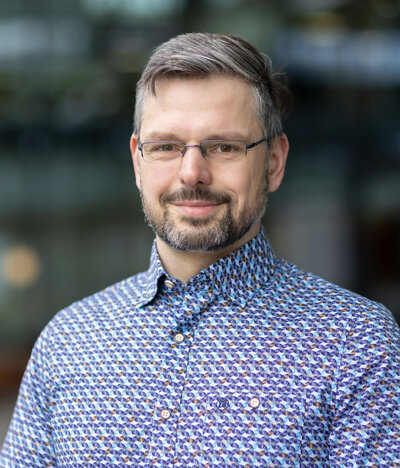
Tobias Gebäck is an Associate Professor at Chalmers University of Technology's Applied Mathematics and Statistics department, affiliated with the SuMo Biomaterials research center. His work focuses on mathematical modeling and numerical methods for mass transport in soft porous materials , with applications in drug delivery systems and absorbent product development . He also investigates charged particle transport mechanisms relevant to cancer radiation therapy . Key research areas: mathematical modeling, numerical methods, transport in porous media, radiation therapy applications Active collaborations: SuMo Biomaterials research center Recent publications emphasize stochastic modeling of 3D structures , Lattice Boltzmann simulations for transport phenomena in complex materials, and multi-scale diffusion analysis of bio-based systems. This work connects fundamental mathematics with industrial applications in pharmaceutical and consumer product development.
Xiang Zhang serves as Associate Professor in the Department of Mechanical Engineering at the University of Wyoming, where he has held a faculty position since 2019. He directs the Computations for Advanced Materials and Manufacturing Laboratory (CAMML), focusing on establishing microstructure-processing-performance relationships through advanced computational models. His work bridges material microscale phenomena with structural-scale applications in high-performance materials and manufacturing processes. His educational foundation includes: Ph.D. in Civil Engineering from Vanderbilt University (2017) M.S. in Solid Mechanics from Beihang University (2012) B.S. in Engineering Mechanics from Northeastern University (2009) Dr. Zhang's research centers on multiscale and multiphysics computational modeling, with emphasis on deformation and damage mechanisms in metals and composites. His group develops crystal plasticity finite element models, interface-enriched generalized finite element methods (IGFEM), and reduced-order homogenization techniques. Current projects target frontal polymerization for composite 3D printing, metal additive manufacturing, and microstructure-informed material design. This work integrates computational modeling with experimental validation to solve challenges in structural integrity and manufacturing efficiency. Recent publications (2019-2023) reveal strong thematic continuity in multiscale modeling of composite manufacturing processes, particularly frontal polymerization applications in 3D printing. His work consistently connects microscale material behavior (e.g., crystal plasticity, interface damage) with structural performance through reduced-order modeling frameworks. Key journals include Computer Methods in Applied Mechanics and Engineering , Composite Science and Technology , and Additive Manufacturing , demonstrating cross-disciplinary impact in computational mechanics and materials engineering. His honors include: NSF CAREER Award (2023) for multiscale modeling of hybrid composites Dolling & Scott Faculty Research Award (2022) Multiple national conference awards including Melosh Medal Finalist (2017) Student paper competitions at Engineering Mechanics Institute (2016) Dr. Zhang actively mentors graduate researchers through CAMML, currently advising three PhD students and one MS student, with eight alumni completing degrees under his supervision. His NSF CAREER grant enables integrated research, education, and workforce development partnerships with Idaho National Laboratory, industry collaborators, and university centers including the School of Computing and Advanced Research Computing Center. The lab maintains strong industry connections for technology transfer in advanced manufacturing. The CAMML laboratory operates within the University of Wyoming's R1 research infrastructure, maintaining collaborations with Vanderbilt University, University of Illinois, and national laboratories. Current projects involve metal 3D printing, frontal polymerization composites, and reduced-order modeling frameworks, supported by state-of-the-art computational resources. The team actively recruits graduate students for positions requiring expertise in computational mechanics, materials science, and programming.
Hans van Dommelen is Associate Professor of Micromechanics at Eindhoven University of Technology (TU/e), Department of Mechanical Engineering, where he leads the Group Van Dommelen . His research couples microstructure to mechanical and functional behaviour of materials spanning nuclear fusion, additive manufacturing, polymers, and biomechanics. Education PhD in Mechanical Engineering, TU/e (2003) – Micromechanics of particle-modified semicrystalline polymers Visiting researcher, MIT (1999–2000), University of Virginia (2003–2004), and Cambridge University (2010–2012) Research Interests Van Dommelen’s work focuses on multi-scale mechanics and structure–property relationships . Using microstructural modelling and homogenization techniques, he links phenomena at the microscale to macroscopic response in: Crystalline and heterogeneous materials Nuclear fusion reactor materials (tungsten, liquid-metal shields) Additive manufacturing (wire-arc, selective laser sintering, vat photopolymerization) Semi-crystalline polymers and short-fiber composites Traumatic brain injury biomechanics Scientific Output He has authored over 230 peer-reviewed publications (h-index > 40) in leading journals such as Journal of the Mechanics and Physics of Solids , Biomechanics and Modeling in Mechanobiology , Nuclear Fusion , and Additive Manufacturing . Recent trends include viscoelastic-viscoplastic metamaterials, anisotropic food printing, recrystallization kinetics of tungsten under fusion loads, and multiscale fracture of additively manufactured metals. Teaching & Supervision Van Dommelen coordinates and lectures in: Structure and Properties of Materials Computational and Experimental Micro-mechanics Fusion Reactor Materials and Plasma-Wall Interaction He has supervised >85 MSc and PhD theses to date. Laboratory & Collaborations He heads the Group Van Dommelen within the Mechanics of Materials section, maintaining strong collaborations with DIFFER, ITER, and international partners on liquid-metal technologies for fusion blankets and advanced additive manufacturing processes.
Ondrej Rokos is an Assistant Professor in the Mechanics of Materials section at Eindhoven University of Technology (TU/e), Department of Mechanical Engineering. He is actively involved in research and teaching related to multiscale materials modeling, with a focus on computational mechanics, metamaterials, and homogenization techniques. He leads Group Rokos and is affiliated with the Institute for Complex Molecular Systems (ICMS). PhD in Civil Engineering (2014) from Czech Technical University in Prague Postdoctoral positions at CTU Prague and TU/e Visiting researcher at TU/e (2015) and University of Luxembourg (2016) His research centers on understanding multiscale physical phenomena in materials engineering to enable optimal material design. Key areas include: Homogenization and quasicontinuum methods for discrete microstructures Machine learning integration in surrogate modeling Stochastic structural dynamics and experimental-computational frameworks Mechanical metamaterials with pattern transformation capabilities Recent publications emphasize the application of machine learning (e.g., symmetric positive definite convolutional networks) and advanced homogenization techniques (e.g., similarity-equivariant graph neural networks) to optimize metamaterials. Notable trends include: Development of data-driven models for modular structures Geometrical parameterization of elastomeric metamaterials Active stiffness control in pneumatic systems Extended quasicontinuum methodologies for heterogeneous systems He teaches courses in: Computer Aided Engineering Solid Mechanics Machine Learning for Multi-Physics Modeling and Design Research is conducted within the Mechanics of Materials group, with affiliations to ICMS and collaborations across institutions.
Dr. Boban Stojanović serves as an Associate Professor at the Institute of Mathematics and Informatics within the Faculty of Natural Sciences and Mathematics at the University of Kragujevac. His academic career is deeply rooted in computational methodologies applied across multiple scientific domains. Stojanović earned his PhD in Technical Sciences from the University of Kragujevac, establishing a foundation for his interdisciplinary research approach that bridges mathematics, computer science, and engineering applications. His educational background has equipped him with expertise spanning theoretical frameworks to practical implementations. His research focuses on computational modeling and computer simulations , with particular emphasis on optimization methods , bioengineering applications (especially muscle modeling), and hydroinformatics . Stojanović has developed significant expertise in numerical simulations and has contributed to advancing methodologies in finite element analysis for complex biological systems. His work demonstrates a consistent pattern of applying computational techniques to solve real-world engineering and medical challenges. Analysis of his publication record reveals a strong trajectory in biomechanics and computational engineering, with increasing sophistication in modeling approaches from 2007-2012. His work shows particular strength in developing specialized finite element models for biological systems, transitioning from muscle mechanics to respiratory and swallowing physiology. The publications demonstrate collaborative work with international institutions including Steward/St. Elizabeth Hospital in Boston. Stojanović has participated in multiple international scientific projects including FP7 and TEMPUS initiatives. He serves as lead researcher on a bioengineering project with Steward/St. Elizabeth Hospital in Boston. Additionally, he is a co-founder of the Serbian Society for Computational Mechanics and serves on the Entrepreneurship Committee of the University of Kragujevac, demonstrating commitment to both academic advancement and practical application of research. He leads the Group for Mathematical Modeling and Computer Simulations, which serves as his primary research unit. This group focuses on developing advanced computational frameworks for engineering and biomedical applications, with particular attention to creating practical software solutions based on theoretical models.
Dr. Vrushali A. Bokil is a Professor of Mathematics and currently serves as Executive Associate Dean of the College of Science at Oregon State University (October 2024 - Present). Previously, she served as Interim Dean of the College of Science (August 1, 2022 - October 30, 2023) and Associate Dean for Research & Graduate Studies (October 2020 - July 2022; November 2023 - September 2024). She earned her Ph.D. in Mathematics from the University of Houston in 2003 under Professor Roland Glowinski and completed postdoctoral research at North Carolina State University under Professor H.T. Banks. Her research spans applied mathematics with focus on numerical methods for wave propagation problems, particularly Maxwell's equations using finite difference and finite element methods, and mathematical ecology involving deterministic and stochastic models for population dynamics, epidemiology, and spatial ecology. She has secured significant funding including NSF grants for computational mathematics and mathematical biology projects. Dr. Bokil's recent publications demonstrate expertise in virtual element methods for magnetohydrodynamics, convergence analysis of numerical schemes for Maxwell's equations, and optimal control of plant disease epidemics. Her work bridges computational mathematics with biological applications, particularly in plant virus modeling and control strategies. Scientific Awards: Champion of Science award (2022) Inclusive Excellence Award (2019) ELATES Fellow (2021-2022) ADVANCE Faculty Fellowship Thomas Jefferson Fund award recipient As an advisor, Dr. Bokil has mentored several Ph.D. students including Sebastian Naranjo Alvarez, Brady Bowen, and Puttha Sakkaplangkul. She has served as PI or co-PI on multiple major grants including NSF DMS #1720116 (Collaborative Research: Compatible Discretizations for Maxwell Models in Nonlinear Optics), NSF DMS #2012882 (Computational and Multi-Scale Methods for Nonlinear Electromagnetic Models), and FACE Foundation funding for mathematical epidemiology of plant viruses. Dr. Bokil leads initiatives in diversity, equity, and inclusion as Chair of the SIAM Career Opportunities Committee, member of the AMS-MAA-SIAM Committee on Employment Opportunities, and past member of OSU's President's Commission on the Status of Women. She co-organized the AWM Aligning Actions at Crossroads Workshop to improve culture in mathematical sciences.
David Moens is Full Professor and Chair of the Department of Mechanical Engineering at KU Leuven's Faculty of Engineering Technology. He leads the Mecha(tro)nic System Dynamics (LMSD) research group at De Nayer Campus, where his research focuses on reliability engineering, structural dynamics, and computational mechanics. Moens serves in multiple leadership roles including membership in the university's Research Policy Council and heads Subdivision 10 of the De Nayer Campus. His research integrates computational mechanics with uncertainty quantification methods to address challenges in mechanical system reliability. Primary research domains include: Non-deterministic numerical analysis techniques for structural systems Fatigue and lifetime prediction methodologies Spatial uncertainty quantification in composite materials Physics-informed machine learning for engineering applications Robust design optimization under uncertainty Moens' recent publications demonstrate strong emphasis on computational uncertainty frameworks with applications spanning composite pressure vessels, manufacturing process twins, and neural network uncertainty estimation. Research consistently intersects finite element analysis, experimental validation, and emerging machine learning techniques to solve reliability challenges in mechanical systems. He leads significant research initiatives including RISQ (Random and Interval Spatial Uncertainty Quantification, 2025-2027) and projects on hydrogen storage vessel reliability (2024-2028). As primary supervisor for multiple PhD candidates, Moens actively contributes to academic training through courses including Reliability of Mechanical Systems, Dynamic Behavior of Machines, and Design for Safety and Reliability.
Dr. Krishnagoud Manda is a Lecturer in the School of Mechanical and Aerospace Engineering at Queen’s University Belfast (UK), specializing in computational biomechanics, biomaterials, and tissue engineering. His research focuses on 3D biofabrication of scaffolds, mechanobiology, and multiscale modeling of bone and cartilage. He accepts PhD applications in bone/cartilage tissue engineering, mechanobiology, and computational mechanics. Education: M.Tech (IIT Delhi, India), PhD (KTH Royal Institute of Technology, Sweden) Prior roles: Postdoctoral Research Associate (University of Edinburgh), Senior Research Associate (University of Portsmouth) Teaching: Coordinates modules in Mathematics (MEE1001) and Laboratory Programme 1 (MEE1011), and lectures on Mechanical Properties of Materials (MTS7002) Key research areas: Bioresorbable scaffolds, nonlinear viscoelasticity, in vitro tissue regeneration, predictive mechanobiological models Collaborations: Active in international bioengineering conferences, peer-review work for journals like Nature Scientific Reports and The Knee
Dr. Lukas Keller is a Researcher at the Zurich University of Applied Sciences (ZHAW), School of Engineering, within the Department of ICP Multiphysics Modeling and Imaging. He leads multiple projects focused on clay rock characterization, including ongoing work on fracture sealing in clay rock and completed studies on gas transport mechanisms in clay materials. His research centers on the geophysical and mechanical properties of clay formations, particularly Opalinus Clay. Key interests include 3D microstructure analysis using X-ray computed tomography (XCT), hydromechanical behavior of fractures, permeability modeling, and pore-scale simulations. His work bridges experimental data with computational approaches to understand fluid flow, elastic properties, and transport phenomena in geological materials. Keller's publications (2014-2023) demonstrate consistent focus on clay microstructure, digital rock physics, and multiscale modeling. Recent articles explore pore geometry effects on rock elasticity, anisotropy in shale mechanics, and advanced tomography techniques. His research provides critical insights for applications in nuclear waste containment and geotechnical engineering.
Dionisios Margetis is a Professor in the Department of Mathematics at the University of Maryland, College Park. He is affiliated with the Institute for Physical Science and Technology (IPST), Center for Scientific Computation and Mathematical Modeling (CSCAMM), and Maryland NanoCenter. His research lies at the intersection of applied mathematics, theoretical physics, and materials science, focusing on connecting continuum laws (e.g., PDEs) to microscopic models in classical and quantum systems. Education: Diploma (summa cum laude), Electrical Engineering, National Technical University of Athens (1992) SM, Applied Physics, Harvard University (1994) PhD, Applied Physics, Harvard University (1999) Current research interests include mathematical modeling of materials surfaces/interfaces, plasmonics on 2D materials, quantum dynamics of Bose-Einstein condensation, quantum information, classical wave diffraction, and crystal growth under extreme pressure. Application areas span nanoscale light propagation, surface evolution in epitaxy, quantum computing decoherence, and microscale effects at large scales. Selected scientific awards: NSF CAREER Award (2009-2014), two RASA Awards (2013-14, 2018-19), Dean’s Excellence in Teaching Award (2011), and early career prizes from IEEE and Sigma Xi. He has organized numerous workshops on multiscale modeling, quantum systems, and non-equilibrium dynamics. Students & Mentees: Advisees include PhD graduates in Applied Mathematics, Physics, and Mathematics, many of whom now hold academic or research positions. Undergraduate mentees from NSF REU programs worked on topics like Schrödinger equation solutions and crystal-step interactions. Collaborators & Labs: Key collaborators include researchers from MIT, Harvard, Duke, and NIST. He contributes to interdisciplinary teams within the University of Maryland’s CSCAMM and NanoCenter, integrating computational methods with experimental validation.