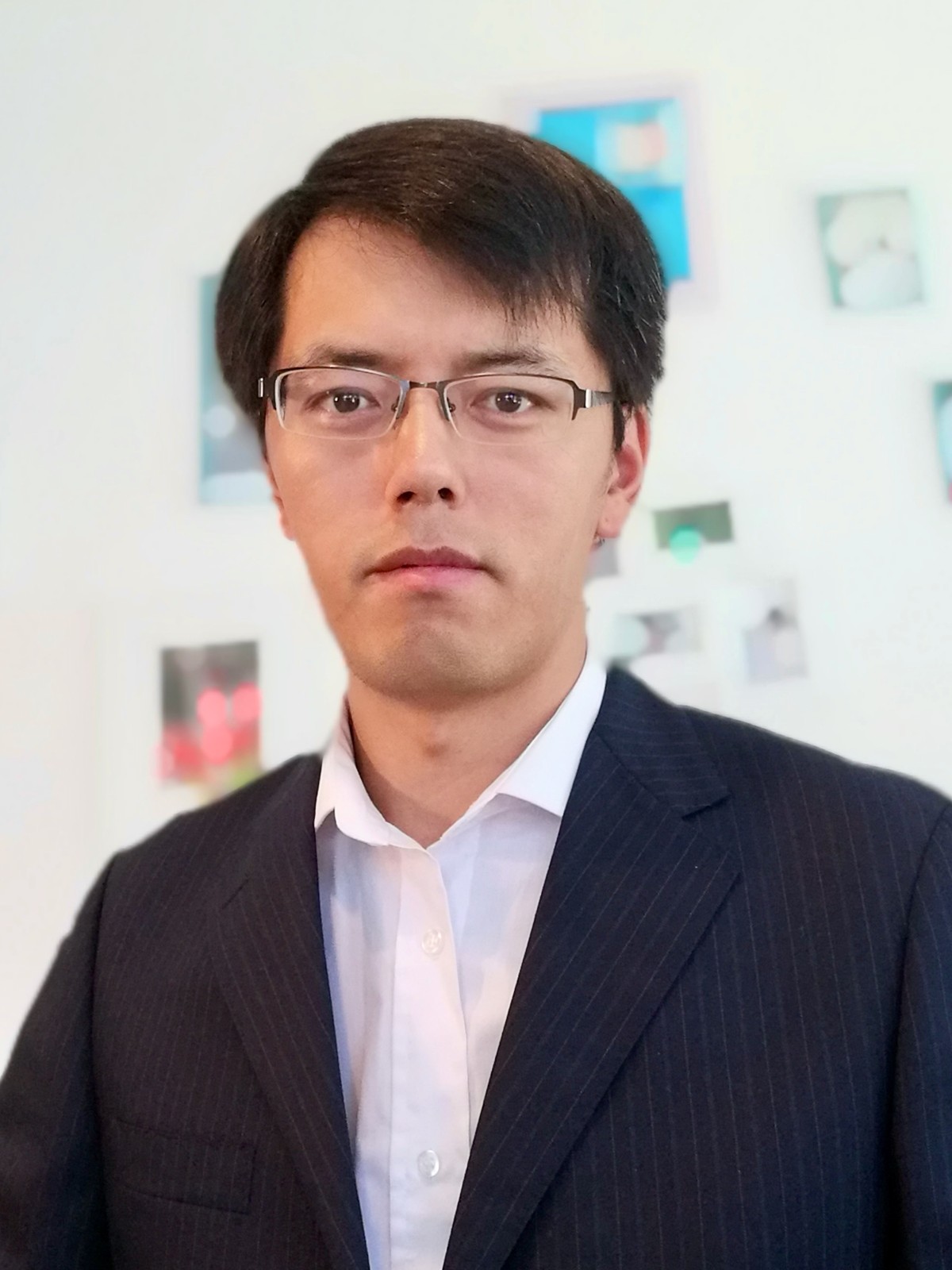
Yong ZhuView profile
Professor
Yong Zhu is a Professor of Materials Science and Engineering at North Carolina State University, affiliated with the College of Engineering. His research focuses on nanomaterials, flexible electronics, and wearable sensors, with an emphasis on sustainability and biomedical applications. He leads projects on recyclable nanowire networks, biodegradable electronics, and functional textile integration. His work often bridges material science with engineering innovations for healthcare, agriculture, and environmental monitoring. Dr. Zhu maintains an active laboratory and collaborates on multidisciplinary projects, as evidenced by his extensive publication record and industry partnerships. Education: Details not explicitly provided in the text. Research Interests: Dr. Zhu's work explores cutting-edge domains such as: Design of stretchable and recyclable nanowire-based devices Integration of sensors into wearable and textile platforms Development of eco-friendly materials for flexible electronics Advanced ultrasound and bioelectronic sensing systems Mechanical behavior of nanomaterials under diverse conditions His research underscores a commitment to both technological innovation and environmental responsibility. Article Trends: Recent publications highlight advancements in biodegradable electronics, ultrasonic transducers with tunable focusing, and novel sensor designs for real-time health monitoring. He consistently addresses challenges in materials durability, scalability, and sustainability. Emerging themes include wearable systems for plant health and non-invasive medical diagnostics. Awards/Grants: No specific awards are mentioned in the provided text, though his extensive publication record suggests recognition in materials and biomedical engineering circles. Active grants are likely tied to his research projects but details are not provided here. Advising & Labs: While specific advisees are not listed, Dr. Zhu's laboratory focuses on nanomaterials and soft electronics, likely training graduate students in these areas. His work frequently involves collaborations with industry and other academic institutions. Future Work: Priorities include scaling sustainable nanowire technologies, advancing wearable systems for clinical and agricultural applications, and improving the recyclability of electronic components. His lab continues to explore the mechanical and electrical limits of nanomaterials in dynamic environments.