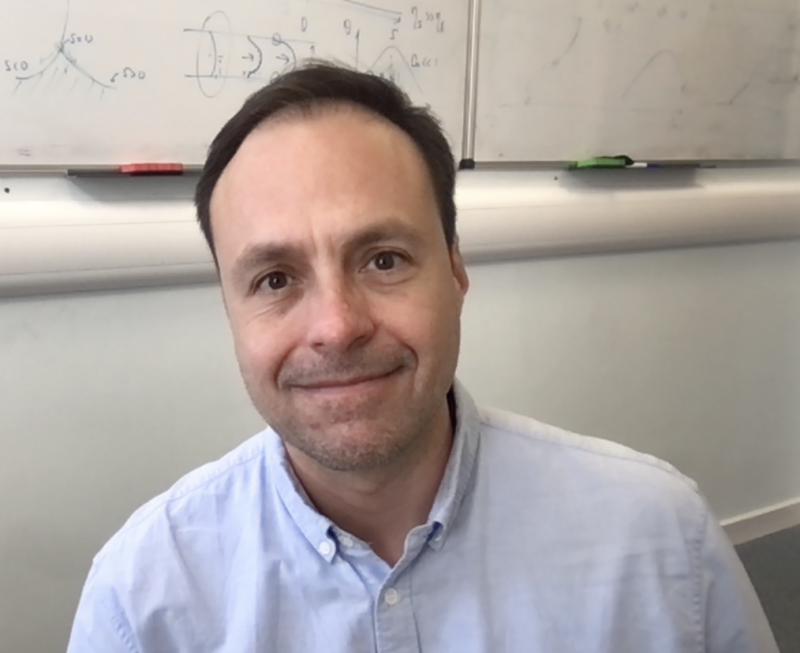
Dr. Joel Daou is a Senior Lecturer in Applied Mathematics at the School of Mathematics, The University of Manchester. His research focuses on combustion theory, fluid mechanics, and numerical methods. He has supervised four PhD students and contributed to over 50 publications on flame propagation, turbulent combustion, and stability analysis. His work integrates analytical and computational techniques to study inhomogeneities in combustion processes. Key research areas include flame stability in shear flows, premixed flame dynamics under Darcy’s law, and diffusion-thermal instabilities. He is affiliated with research groups such as Energy & Multiphysics and Turbulence Mechanics. His research has explored topics like triple flames in mixing layers, droplet combustion in supercritical conditions, and the role of heat loss in flame quenching. Daou’s academic contributions span theoretical models for reaction zones, Taylor dispersion effects, and bifurcation analysis in combustion systems. His work bridges fundamental combustion science with engineering applications, addressing challenges in energy and environmental systems.
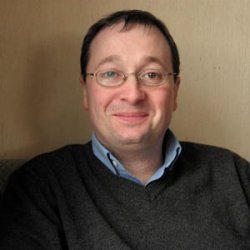
Jianfei Xie is a Senior Lecturer in Mechanical and Manufacturing Engineering at the College of Science and Engineering. His research focuses on thermal energy systems, fluid dynamics, and the application of machine learning in engineering. Key areas include thermal energy storage, combustion optimization, and nanomaterials for enhanced heat transfer. He has published extensively on topics such as packed bed reactors, molecular dynamics simulations, and AI-driven predictive modeling for engine performance. Research Interests: • Thermal systems engineering • Nanofluids and phase change materials • Machine learning applications in energy systems • Combustion processes and fuel efficiency • Micro/nanochannel flow dynamics • High-temperature material characterization Notable contributions include studies on solar thermal power generation, chaos synchronization using reinforcement learning, and the enhancement of molten salt thermal storage using nanoparticles. His work often bridges computational methods with practical engineering challenges, emphasizing interdisciplinary approaches. Publications span Energy Conversion and Management , Fuel , and Chaos, Solitons & Fractals , reflecting a strong focus on energy systems and fluid dynamics. While no awards are explicitly mentioned, his prolific output highlights sustained academic engagement in impactful research areas.
Dr. Omar Sharaf is an Assistant Professor of Mechanical Engineering at the School of Engineering and Physical Sciences, Heriot-Watt University Dubai Campus since January 2023. His expertise lies in solar polygeneration systems and multi-phase flow modeling. He teaches courses in renewable energy, thermodynamics, and fluid mechanics at both undergraduate and postgraduate levels. Education: BSc in Mechanical Engineering (2013) - American University of Sharjah MSc in Mechanical Engineering (2015) - American University of Sharjah PhD in Mechanical Engineering (2020) - Khalifa University Research interests focus on developing smart particle-laden fluids for sustainable solar and thermal solutions, integrating them into polygeneration energy systems. Key areas include thermal sciences, energy engineering, CFD, colloid science, and multiphase flow modeling. His work aims to leverage the abundant solar resources in the MENA region for economical and sustainable energy solutions. Publications span solar nanofluids, phase-change materials, and photovoltaic/thermal collectors. He actively supervises MSc and PhD students, collaborates on grant writing, and engages in research partnerships. Notable collaborations include work on encapsulated phase-change materials and nano-encapsulated dispersions for solar applications. His contributions align with UN SDGs related to affordable clean energy (SDG7) and climate action (SDG13).
Prof. Bert Blocken is a Full Professor of Mechanical Engineering (Aerodynamics) at Heriot-Watt University and part-time Full Professor of Civil Engineering (Building Physics) at KU Leuven. He leads research in subsonic aerodynamics, CFD, and wind tunnel testing, with applications in urban physics, building aerodynamics, and sports engineering. His work bridges academia and industry, supporting elite sports achievements like Tour de France wins and world records in marathon running and triathlon. Education: PhD in Civil Engineering/Building Physics (KU Leuven, 2000), MSc in Mechanical Engineering. Research focuses on aerodynamic optimization for sports equipment and urban environments. He has published 253 peer-reviewed articles (h-index: 80/86/101 on Web of Science/Scopus/Google Scholar), advised 34 PhD students, and developed a MOOC in Sports & Building Aerodynamics. His awards include Clarivate's Highly Cited Researcher (2018-2024) and Engineering.com's 'Engineers Who Mattered' (2020). Media contributions include TV appearances on cycling aerodynamics, Wall Street Journal features, and podcasts. He collaborates with organizations like the UCI, INEOS, and Red Bull on world record projects. Leads the design of Heriot-Watt's state-of-the-art wind tunnel and serves as Editor for Building & Environment and Associate Editor for Sports Engineering .
Florian Doster is a Professor at Heriot-Watt University, affiliated with the School of Energy, Geoscience, Infrastructure and Society and the Institute for GeoEnergy Engineering. He leads the MuPhi Research Group, focusing on multi-scale modeling of subsurface flow phenomena, particularly in porous media and fractured reservoirs. His work addresses challenges in CO2 storage, hydrocarbon production, and groundwater management. He actively supervises PhD students, including Amanzhol Kubeyev, and collaborates with industry and research councils. Research interests include multi-scale simulation, reactive transport, and AI-driven uncertainty quantification, with applications to geological carbon sequestration and reservoir engineering. His group develops open-source tools, such as the Carbonate Reservoir Group HWU code. Notable projects include regional screening of saline aquifers in Malaysia and fracture mechanics studies. Publications highlight advancements in AI for subsurface modeling, CO2 leakage risk assessment, and pore-scale interactions. Funding sources include industry partnerships and research councils. The MuPhi Group’s activities span geomechanics, fracture network analysis, and environmental sustainability.
Kamaljit Singh is an Associate Professor at the Institute for GeoEnergy Engineering (IGE) within the School of Energy, Geoscience, Infrastructure and Society at Heriot-Watt University in Edinburgh, UK. He has held this position since 2021, after serving as an Assistant Professor at the same institution from 2019 to 2021. Prior to joining Heriot-Watt, he held research positions at Imperial College London, the European Synchrotron Radiation Facility in France, and the Max-Planck Institute in Germany. His research employs advanced imaging techniques to study fluid dynamics in porous media with applications to energy storage and environmental challenges. Dr. Singh's educational background includes: PhD in Civil Engineering from the University of New South Wales at Australian Defence Force Academy, Australia (2004-2009) M.E. in Environmental Engineering from Punjab Engineering College/Panjab University, India (2000-2002) B.E. in Civil Engineering from GNE/Punjab Technical University, India (1996-2000) His primary research focuses on 3D imaging of fluid flow in permeable media using both in-house and synchrotron X-ray micro-CT. His current projects investigate H 2 and CO 2 storage in subsurface rocks, pore-to-core scale fluid displacement dynamics, wettability effects on multiphase flow, multi-scale rock characterization, and thermoregulation in termite nests for bio-inspired building design. Dr. Singh's work directly contributes to UN Sustainable Development Goals related to clean energy and climate action, with his research group ( https://digiporflow.site.hw.ac.uk ) advancing digital imaging techniques for porous flow systems. Analysis of Dr. Singh's recent publications (2024-2025) reveals a strong emphasis on hydrogen storage mechanics in geological formations, particularly examining permeability evolution and deformation in sandstones under cyclic loading. His work also maintains significant focus on CO 2 sequestration in carbonate reservoirs and has produced notable interdisciplinary research on termite nest ventilation as a model for sustainable building design. His methodological approach consistently integrates advanced imaging techniques with computational modeling to address energy transition challenges. Dr. Singh serves as Global Course Leader for Reservoir Engineering (MSc) and teaches Introduction to Petroleum Engineering (undergraduate). His research has received considerable media attention, including coverage in The New York Times, The Straits Times, and Süddeutsche Zeitung for his work on bio-inspired ventilation systems. With 41 research publications, 4 datasets, and 7 invited talks, he maintains an active research program focused on solving critical challenges in subsurface energy storage and sustainable engineering.
Dr. Tehmina Ambreen is a Senior Lecturer in Mechanical Engineering at the University of Hertfordshire's School of Physics, Engineering & Computer Science. She holds a PhD from Kyungpook National University, South Korea, and has held research positions at Kyungpook National University (Postdoctoral Researcher, 2021–2022) and the University of Sheffield (Research Associate, 2022–2023). Her research focuses on thermal management, nanofluids, phase change materials, and heat transfer in energy systems. Education: PhD in Mechanical Engineering, Kyungpook National University (2021) BEng (Hons) in Mechanical Engineering Research interests span thermal management of electronics/EV batteries, biomimetic heat exchangers, and thermal energy storage using phase change materials. She has published extensively on nanofluids, porous media, and heat sink optimization. Notable projects include designing thermal management systems for electric vehicle inverters and optimizing parabolic trough collectors. Her work integrates computational fluid dynamics (CFD) and experimental validation. Collaborations include studies on geothermal heat pumps and microfluidic fuel cells. Current affiliations include the Centre for Engineering Research at the University of Hertfordshire.
Konstantina Vogiatzaki is an Associate Professor of Engineering Science and Tutorial Fellow at Somerville College, University of Oxford. She leads research in multiscale computational modeling for fluid dynamics, phase change, turbulence, and heat transfer, with applications in energy systems, propulsion, and carbon capture. Her work combines analytical methods, supercomputing datasets, and machine learning to develop high-fidelity models for complex systems like gas turbines, injection devices, and human organs. Education: BSc in Applied Mathematics from National Technical University of Athens; PhD in Combustion Modeling from Imperial College London. Postdoctoral and research roles at Imperial College London, MIT, and multiple UK institutions. Research focuses on sustainable energy solutions, including cryogenic fluid dynamics, turbulent combustion, and multiphase flow modeling. Collaborates with industries to optimize environmentally responsible energy systems. Awards include the Bernard Lewis Fellowship (2010) and Hinshelwood Prize (2016). Advancing numerical methods for CFD simulations, including LES/Eulerian-Lagrangian frameworks and machine learning integration. Active in professional organizations such as the Combustion Institute and Institute of Physics.
Rex Thorpe is a Professor of Chemical Engineering at the University of Surrey 's School of Chemistry and Chemical Engineering. His work spans multiphase flow analysis, energy optimisation in wastewater treatment, and innovative chemical recycling technologies. Former Head of Chemical and Process Engineering (2008-2015), he has pioneered research in anaerobic digestion flexibilisation and membrane technology for water treatment. Key research areas: multiphase flows in industrial systems Energy recovery from sewage sludge Advanced plastic recycling methods Volatile organic compound (VOC) abatement His recent publications focus on direct contact heat exchangers , dynamic biogas systems , and salinity effects on membrane permeability . The studies frequently combine experimental validation with mathematical modelling across scales from pilot plants to full municipal operations. Scientific accolades include: Fellow of the Institution of Chemical Engineers (FIChemE) Chartered Engineer (CEng) Fellow of the Higher Education Academy (FHEA) As an educator, he teaches Energy and Industrial Systems and Process Equipment Design modules. His legacy includes foundational work on pipe bend forces, fluidised bed conveying, and computational fluid dynamics (CFD) calibration techniques.
Dr. Estefania Lopez-Quiroga is an Associate Professor at the University of Birmingham's School of Chemical Engineering, specializing in Model-Driven Formulation Engineering. She leads the Centre for Doctoral Training in Formulation Engineering for Net Zero and coordinates Industry 4.0 modules for MSc programs. Her work integrates computational tools with process engineering to advance sustainable manufacturing in food, pharma, and FMCG sectors. Education: MEng in Mining Engineering, MSc in Mathematical Engineering, PhD in Applied Mathematics. She holds Fellow of the Higher Education Academy (FHEA) credentials. Research focuses on digital manufacturing, Industry 4.0 applications, and sustainable production. Key areas include model-based approaches for crystallization, freeze-drying, and production-scale optimization. Her work bridges soft matter physics with engineering solutions for product performance and process efficiency. Publications highlight sustainability assessments across production scales, energy-efficient processes, and computational modeling innovations. Awarded the IChemE Hutchison Medal 2020 for groundbreaking work on decentralized food manufacturing. Teaching responsibilities include undergraduate plant optimization and postgraduate Industry 4.0 modules. Supervises PhD/EngD students in formulation engineering, emphasizing real-world industrial collaboration. Labs/Teams: Active in the EPSRC Centre for Doctoral Training in Formulation Engineering, collaborating with industry partners on scalable and sustainable manufacturing solutions.
Rodrigo Ledesma Aguilar is a Reader in Chemical Engineering at the University of Edinburgh, School of Engineering, affiliated with the Institute for Multiscale Thermofluids. His research focuses on interfacial phenomena, including multiphase flows, wetting, capillarity, and engineered liquid-infused surfaces. He teaches undergraduate and postgraduate courses in Process Dynamics and Control and Chemical Engineering Research Projects. Education: PhD in Physics, University of Barcelona DEA in Physics, University of Barcelona Diploma in Chemical Engineering, National Autonomous University of Mexico Research Interests: His work centers on fundamental and applied aspects of fluid-surface interactions, particularly in engineered surfaces with tailored wettability. He investigates phenomena such as contact line dynamics, capillary imbibition, droplet snapping, and biofilm resistance, with applications in microfluidics, antifouling coatings, and heat transfer. His research combines experimental, theoretical, and computational approaches. Publication Trends: His recent publications (2019–2025) show a consistent focus on liquid-infused and slippery surfaces, with emphasis on stability, wettability control, droplet dynamics, and antibiofilm performance. Key journals include Langmuir , ACS Applied Biomaterials , and Physical Review Fluids , reflecting interdisciplinary work at the intersection of fluid mechanics, materials science, and chemical engineering. Scientific Awards and Memberships: Fellow of the Higher Education Academy Member of the Institute of Physics Member of the EPSRC College of Reviewers Member of the UK Consortium of Mesoscale Engineering Sciences Advising and Grants: Dr. Ledesma Aguilar supervises PhD students and postdoctoral researchers. He has served as Principal Investigator and Co-investigator on multiple research projects funded by the Leverhulme Trust, EPSRC, and UK government bodies. These projects focus on wettability-patterned liquid surfaces, biofilm-resistant coatings, and antiviral surfaces, with total funding spanning from 2019 to 2026. Labs and Teams: He leads a research group within the Institute for Multiscale Thermofluids, collaborating closely with Professors Glen McHale and Gary Wells. His team works on experimental and theoretical aspects of fluid-surface interactions, utilizing facilities in microfluidics, surface characterization, and materials synthesis.
Chris Breward is a Professor at the Mathematical Institute, University of Oxford, and serves as Co-Director of the EPSRC Centre for Doctoral Training in Industrially Focused Mathematical Modelling (InFoMM CDT). His work bridges industrial problem-solving and bioscience applications through advanced mathematical techniques. His academic credentials include: MA MSc DPhil Professor Breward specializes in fluid mechanics with emphasis on surfactant behavior, tear film dynamics, and polymer-surfactant mixtures. His research develops asymptotic models for complex industrial and biological systems, focusing on stability analysis and reaction kinetics in multiphase flows. Current projects address ocular surface mechanics and industrial decontamination processes. Analysis of his publication record (2009-2025) reveals consistent application of fluid mechanics to porous media, surfactant solutions, and industrial material processing. Recent work (2023-2025) emphasizes contaminant transport in drying media and metallurgical processes, while earlier studies (2009-2011) established foundational models for tear films, micellar solutions, and liquid film stability. As InFoMM CDT Co-Director, Breward oversees doctoral training programs that connect academic research with industrial partners through EPSRC-funded projects. He actively mentors students in mathematical modelling for real-world applications. He contributes to the Oxford Centre for Industrial and Applied Mathematics (OCIAM), collaborating on industrially relevant mathematical challenges across multiple sectors.
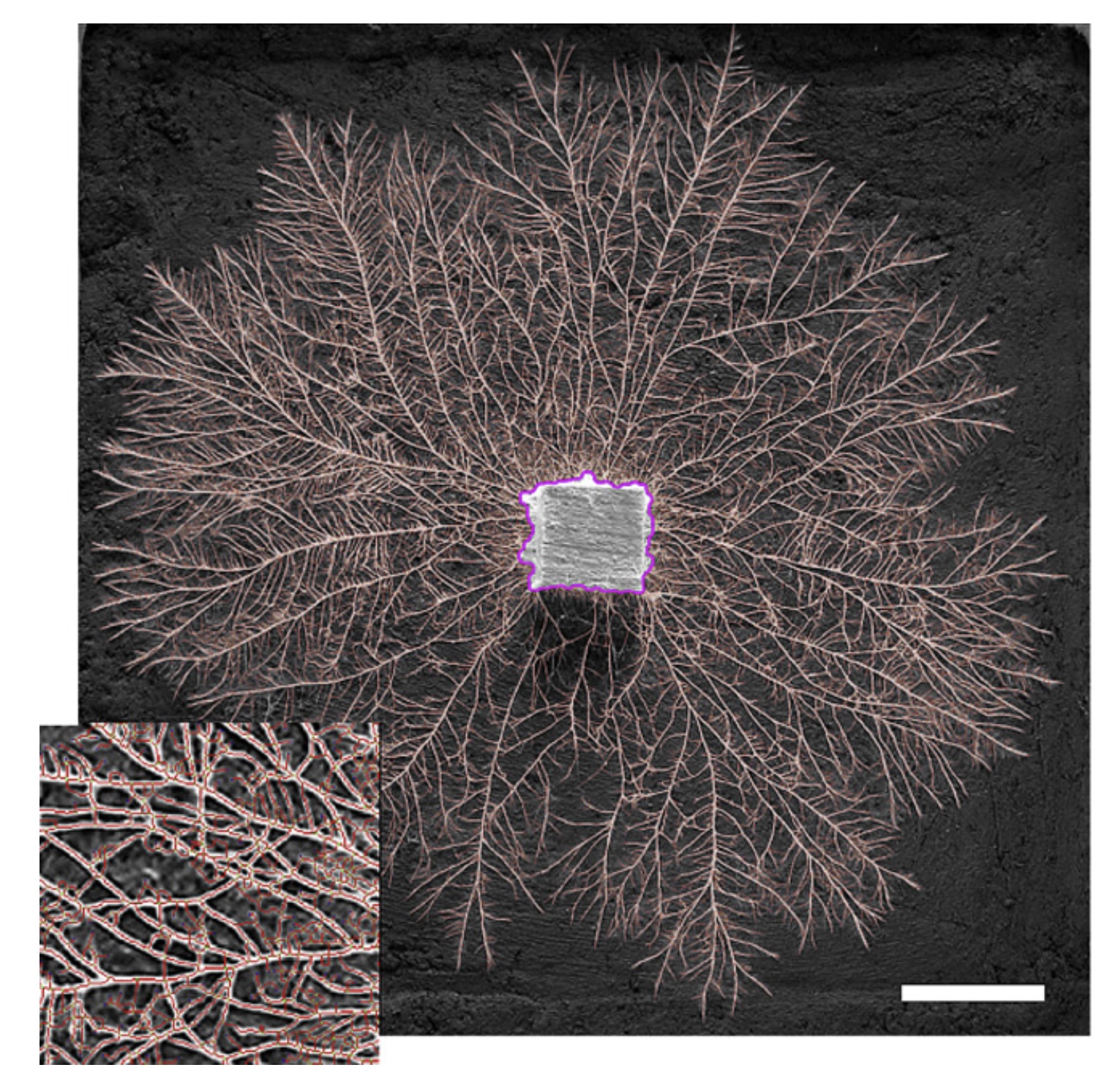
Dr. Vatsal Sanjay is an Assistant Professor at the Department of Physics , Durham University. He leads the Computational Multiphase Physics (CoMPhy) Lab, focusing on fundamental fluid dynamics research with applications in energy, manufacturing, and natural systems. Education: PhD in Physics (University of Twente, 2022) Research Areas: Soft Matter Singularities, Non-Newtonian Flows, Viscous Free-Surface Flows His work explores topological transitions in fluid systems through continuum simulations , collaborative experiments , and theoretical analysis , addressing phenomena like droplet impact , bubble bursting , and sheet fragmentation . Recent studies span microgravity fluid mechanics , viscoelastic jet formation , and mycofluidic transport in fungal networks. Articles reveal interdisciplinary trends combining fluid dynamics , materials science , and applied physics , with subfields spanning from Worthington jet dynamics to yield-stress fluid rupture . His Ammodo Science Fellowship enables research into fungal internal transport systems , bridging physics and biology. Supervision: Mentors PGR student Sam Walker Labs: Founder of CoMPhy Lab (moving to Durham in 2025) Open Science: Advocates code sharing and transparent research practices
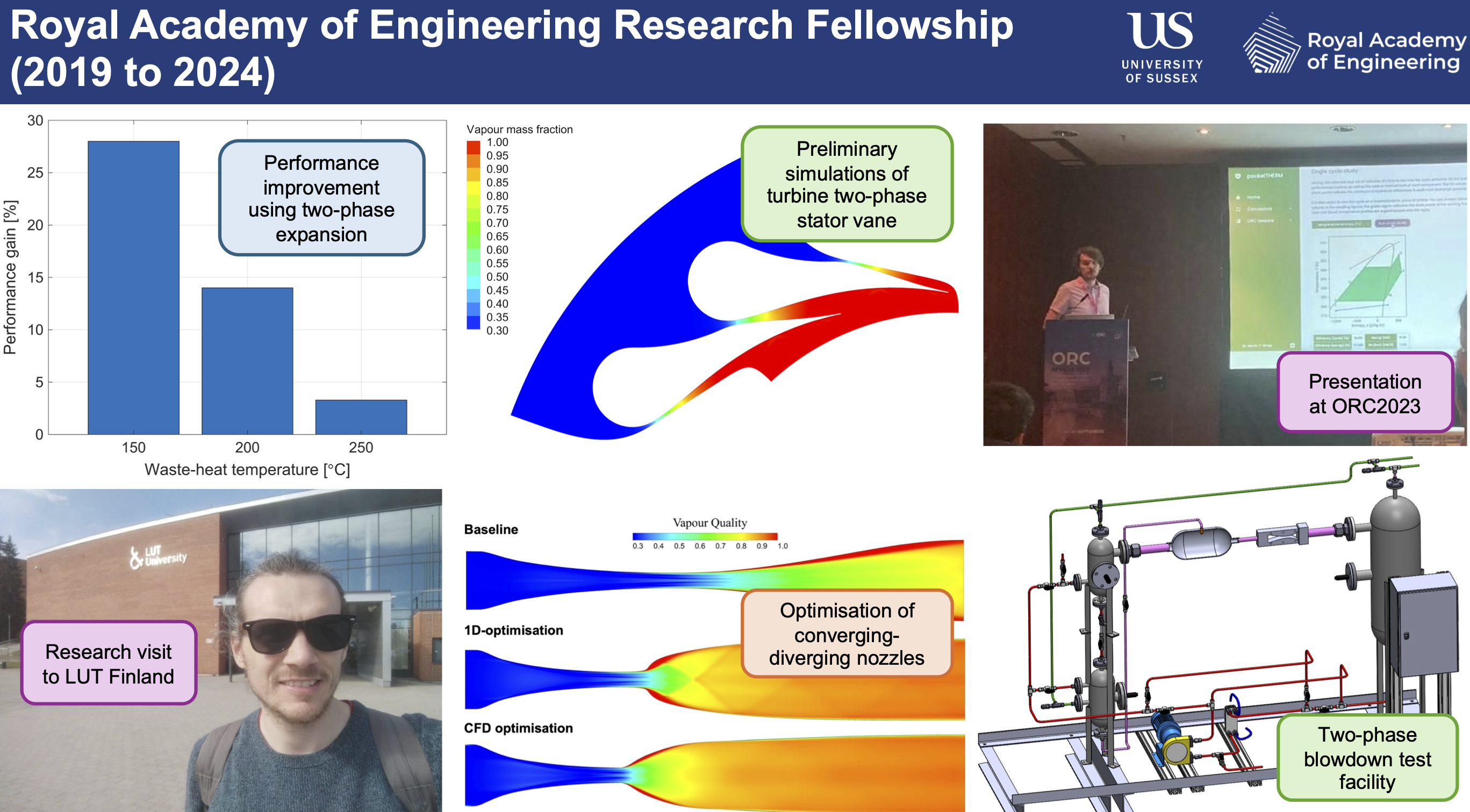
Dr. Martin T. White is an Associate Professor in Mechanical Engineering at the University of Sussex, part of the School of Engineering and Informatics and the Energy and Materials Engineering Research Centre (EMERC). He holds a PhD from City, University of London (2015) and an MEng in Mechanical Engineering from the University of Southampton (2011). Prior to his current role, he served as Senior Lecturer (2022–2024) and Lecturer in Thermal Power (2019–2022) at City, University of London, and held postdoctoral roles at Imperial College London and City. He is a Fellow of the Higher Education Academy and a member of the Institution of Mechanical Engineers. His research focuses on novel thermal power systems, particularly organic Rankine cycles (ORC), supercritical carbon dioxide (sCO₂) turbines, and waste-heat recovery. He leads the development of experimental test rigs and computational tools like pocketTHERM and pocketORC , which enhance education and design in thermodynamics. Key projects include the EU-funded SCARABEUS initiative, designing axial turbines for concentrated solar power, and optimizing turbine blades for CO₂ blends. Recent work includes advancing wet-to-dry expansion in ORC systems using non-equilibrium CFD simulations and experimental rigs. He has supervised PhD students (e.g., Charlie Westpfel, Pawel Ogrodniczak) and co-supervised Salma Salah, who successfully completed her viva in 2023. His research spans turbine aerodynamics, fluid dynamics, and educational technology, addressing global energy challenges through innovative thermal systems. Key achievements include the Royal Academy of Engineering Research Fellowship (2019–2024), which supported studies on two-phase expansion in ORC turbines. His work integrates academic and industrial collaboration, exemplified by the SCARABEUS turbine design with industrial partners. Future directions include experimental validation of two-phase expansion and exploring CO₂-blend applications in heat pumps and refrigeration systems. Awards and recognition include the IMechE awards for student projects supervised and the University of Sussex’s Brian Roberts Prize for academic excellence. His interdisciplinary approach bridges fundamental research, engineering design, and educational innovation in sustainable energy systems.
Dr. Ed Long is a Senior Lecturer in Fluids Engineering, focusing on interdisciplinary research at the intersection of fluid dynamics, combustion systems, and environmental applications. His work spans experimental and analytical studies in laser cutting gas dynamics, aerosol technology, and sustainable energy solutions. He has contributed to advancements in engine emissions reduction, battery thermal management, and soil erosion modeling. His research often involves cutting-edge diagnostic techniques such as particle imaging velocimetry and electrochemical analysis. Key research areas include combustion optimization in compression ignition engines, mitigation of hazardous fumes in industrial processes, and improving drug delivery systems through aerosol dynamics. His studies also address environmental challenges like pollution control and sustainable manufacturing. Dr. Long's experimental work frequently employs advanced imaging and sensor technologies to analyze fluid flow, particle behavior, and thermal interactions in complex systems. Though no specific awards are noted, his prolific publication record (over 30 articles from 2006–2024) demonstrates sustained contributions to mechanical, biomedical, and environmental engineering. His research bridges theoretical models with practical applications, such as low-cost turbidity sensors and novel designs for exhaust cleaning modules. Collaborations likely span academic and industrial partners, though specific affiliations are not detailed here.