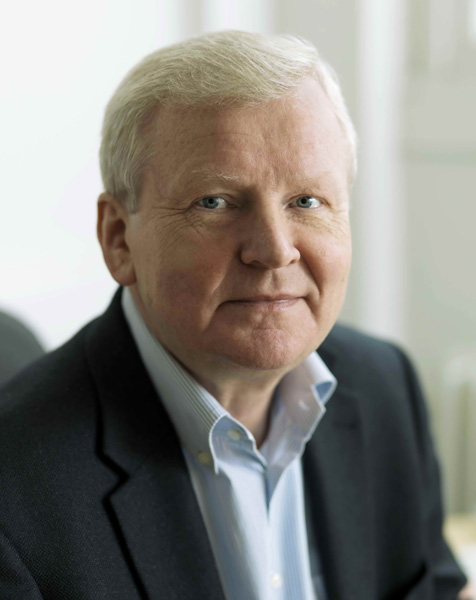
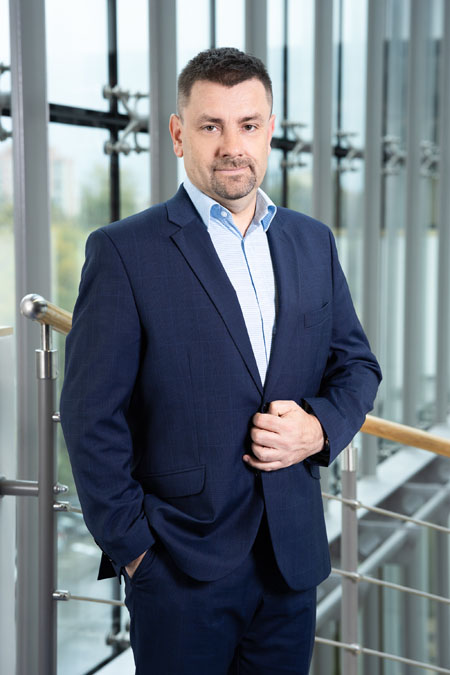
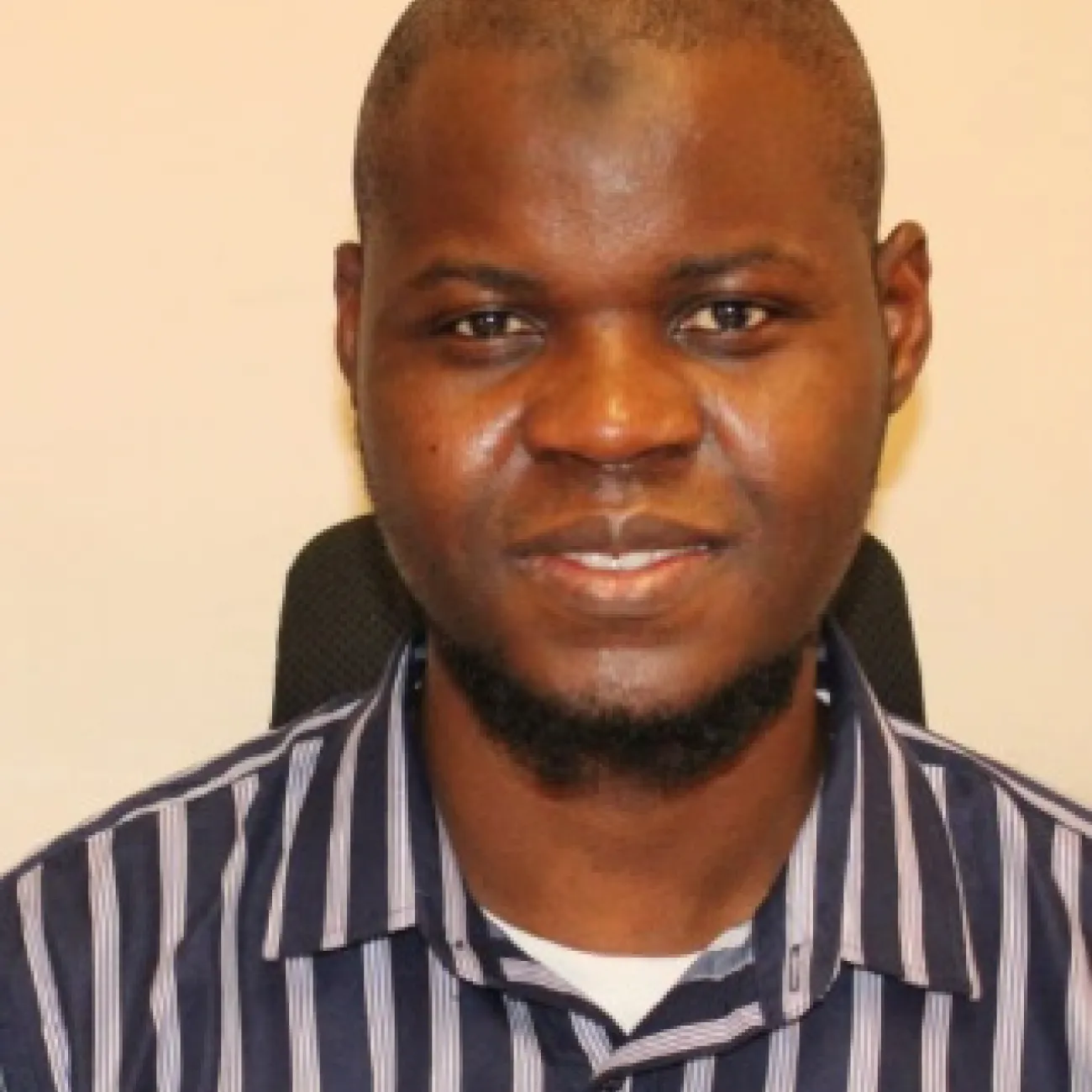
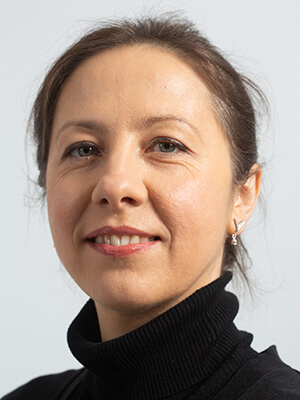
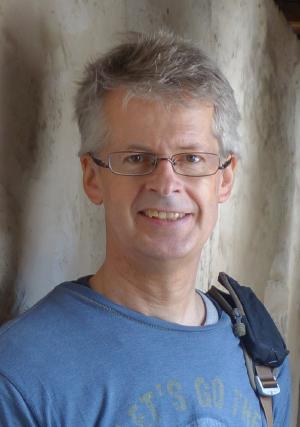
Kalyanmoy Deb is a Professor at the Department of Electrical and Computer Engineering, Michigan State University. Previously affiliated with Indian Institute of Technology Kanpur and Indian Institute of Technology Madras, he is a leading researcher in evolutionary algorithms and multi-objective optimization. Research Focus : Multi-Objective Optimization, Genetic Algorithms, Constraint Handling, Machine Learning-assisted Optimization Key Contributions : Development of NSGA (Non-dominated Sorting Genetic Algorithm) series, hybridization of machine learning with evolutionary algorithms, fidelity evaluation techniques Scientific Accomplishments : With over 347 publications and 19,618 citations, his work on NSGA algorithms has become foundational in evolutionary computation. His recent research explores mixed-fidelity evaluations, innovized knowledge extraction, and neural architecture search.
Associate Professor Wei-Yu Chiu is an academic at Deakin University, affiliated with the Faculty of Science, Engineering and Built Environment/School of Information Technology. His research spans system optimization, multi-objective optimization, evolutionary computation, machine learning, and control theory, with applications in smart energy systems, control systems (bilinear matrix inequality), and robotics (warehouse automation). His work focuses on smart energy systems (demand response), control systems (bilinear matrix inequality), and robotics (warehouse automation). He actively supervises Masters and PhD students and seeks postdoctoral collaborators through the Deakin Fellowship. Recent publications (2023–2026) emphasize multiagent reinforcement learning for microgrid resilience, energy-efficient textile manufacturing with deep transfer learning, and bilinear matrix inequality optimization for control systems. Topics include blockchain-enabled energy trading, path planning in robotics, and risk-constrained battery utilization. Education: PhD in Mathematics, National Tsing Hua University, Hsinchu, Taiwan Collaborations are centered on multirobot systems, transactive energy, and synthetic data generation for energy networks.
Lakhmi C. Jain is a distinguished academic affiliated with the University of South Australia. They specialize in Artificial Intelligence, Neural Networks, Fuzzy Logic, and Intelligent Systems, with a focus on applications in robotics, data mining, and biomedical engineering. Their work often bridges theoretical advancements and practical implementations, contributing to fields like computational intelligence, decision-making systems, and multi-agent frameworks. As an editor for multiple journals, including the International Journal of Intelligent Decision Technologies, Jain has significantly shaped academic discourse in AI and related domains. Roles: Editor-in-Chief for several journals, researcher in AI and computational intelligence. Affiliations: University of South Australia. Research interests include neural networks, fuzzy logic systems, and their applications in robotics, biomedical signal processing, and smart technologies. Their publications emphasize interdisciplinary approaches to solving complex problems in engineering and computer science. Articles highlight contributions to multi-agent systems, decision support systems, and risk assessment models, reflecting a commitment to both theoretical rigor and practical relevance. Despite extensive contributions, no specific awards or student advisees are explicitly documented in the provided data.
Roman Słowiński is a full Professor at the Institute of Computing Science , Poznań University of Technology, Poland, and holds a professorial position at the Systems Research Institute of the Polish Academy of Sciences in Warsaw. He is a Full Member of the Polish Academy of Sciences and served as President of its Poznań Branch (2011–2014). His career spans decades of contributions to decision support systems and computational intelligence. His research focuses on Multiple criteria decision aiding Rough set theory and fuzzy set theory Multiobjective optimization Ordinal data mining Robust decision analysis with applications in medicine, economics, and environmental studies. He is renowned for pioneering the use of rough sets in decision analysis, collaborating with Zdzisław Pawlak and others. His recent work emphasizes robust ordinal regression, dominance-based methods, and monotonicity constraints in classification. Scientific awards include EURO Gold Medal (1991) Edgeworth-Pareto Award (1997) Annual Prize of the Foundation for Polish Science (2005) Doctor Honoris Causa from three international universities He has advised 26 Ph.D. theses and served as Coordinating Editor for European Journal of Operational Research , alongside leadership roles in the International Rough Set Society and the EURO Working Group on Multiple Criteria Decision Aiding. He founded the Laboratory of Intelligent Decision Support Systems at PUT.
Dr hab. Radosław Pietrzyk, prof. UEW, is a Professor at the Department of Financial Investments and Risk Management within the University of Economics in Wrocław. His research focuses on financial risk management, household financial planning, cryptocurrency markets, and econometric modeling. He specializes in developing integrated risk models for households, evaluating Value at Risk (VaR) forecasts, and analyzing market dynamics during crises such as the subprime mortgage collapse, the global pandemic, and geopolitical conflicts like the Russo-Ukrainian war. His work often intersects with practical applications, including stress testing financial instruments, optimizing investment portfolios, and assessing mutual fund performance in Polish and global markets. Pietrzyk’s methods emphasize statistical rigor, with contributions to Divisia Index applications for stock exchange analysis and multi-objective optimization frameworks for household financial goals. Recent articles highlight his exploration of green bonds’ governance effectiveness and cryptocurrency exchange rate volatility. His research frequently addresses longevity risk, risk aversion in retirement planning, and the integration of environmental factors into financial decision-making. Pietrzyk maintains active academic engagement, offering consultations via email (radoslaw.pietrzyk@ue.wroc.pl) and through Microsoft Teams. His consultancy hours are Monday 8:00-9:30 AM. He collaborates with external institutions and contributes to the academic community through platforms like ResearchGate and ORCID.
Hans Friedrich Koehn serves as an Associate Professor in the Department of Psychology at the University of Illinois Urbana-Champaign within the College of Liberal Arts & Sciences. His academic profile centers on advancing quantitative methodologies in psychological science, with particular expertise in psychometric theory and computational approaches to human cognition assessment. Dr. Koehn's research program integrates three core domains: combinatorial analysis of individual differences through proximity matrices, machine learning applications in scaling/clustering/classification, and cognitive diagnosis frameworks including Q-matrix theory. His methodological innovations address critical challenges in educational measurement, such as validating diagnostic models and improving classification accuracy in high-stakes testing environments. This work bridges theoretical statistics with practical assessment design, emphasizing mathematical rigor in psychological measurement. Analysis of his publication trajectory (2011-2024) reveals a sustained focus on cognitive diagnosis models, particularly the Deterministic Input, Noisy "And" gate (DINA) framework. His contributions establish foundational conditions for Q-matrix completeness and identifiability, while recent work increasingly incorporates machine learning techniques to enhance diagnostic precision. The consistent collaboration with Ching-Yun Chiu demonstrates a productive research partnership driving theoretical advances in psychometrics. As an active faculty member, Dr. Koehn maintains regular office hours (Fall Semester 2024: Mondays and Wednesdays 5-6pm) and contributes to graduate education in quantitative psychology. His research program continues to shape methodological standards in cognitive diagnosis through rigorous mathematical frameworks and innovative computational approaches.
Josias Láng-Ritter is a Postdoctoral Researcher at Aalto University's Department of Built Environment and Water and Environmental Engineering. He holds a PhD in Environmental Engineering and focuses on hydrometeorological extremes, water resources management, and socio-economic interactions in a changing climate. His work aligns with UN Sustainable Development Goals, particularly addressing flood risk, rural population dynamics, and sustainable food systems. Research Interests: His primary areas include flood early warning systems, global streamflow alterations, and community-centric disaster risk reduction. He explores interdisciplinary solutions for climate adaptation and resource management, emphasizing the intersection of technology and socio-economic resilience. Publications: Recent work highlights include studies on rural population underrepresentation in global datasets, flood impact forecasting systems, and sustainable food pathways. His research often integrates mixed methods and geospatial tools to enhance disaster preparedness and policy-making. Awards: He received the Allianz Climate Risk Research Award (2018) for innovative climate risk analysis. He collaborates internationally, contributing to projects in Nepal and Europe. Labs/Teams: Active in interdisciplinary teams at Aalto University, focusing on environmental engineering and disaster resilience. His work leverages open-source tools like ReAFFINE for real-time flood impact modeling.
Fernando Garcia is a Professor at the Universitat Politècnica de València , affiliated with the School of Economics and Social Sciences. His research focuses on Financial Economics, Portfolio Optimization, Risk Management, and Sustainable Finance, with a strong emphasis on Multicriteria Decision Analysis and Computational Finance. PhD in Business Administration and Management (Universitat Politècnica de València, 2005) Licenciado in Business Administration and Management (Universitat de València, 1999) Diplom. Kaufmann (Hochschule für Wirtschaft Bremen, 1998) His publications highlight trends in socially responsible investing, index tracking, and credit risk management using advanced methodologies like fuzzy logic, neural networks, and goal programming. He has collaborated extensively with researchers such as Jairo González-Bueno, Francisco Guijarro, and Javier Oliver across 21 works since 2009.
Dr. Lateef Jolaoso is a Lecturer in Mathematical Sciences at the University of Southampton, specializing in the Operational Research group. He joined the university as a Research Fellow in 2021 and was promoted to Lecturer in 2023. His research focuses on developing algorithms for continuous optimization, machine learning, and image processing, with over 40 peer-reviewed publications (1,700+ citations, h-index 27). He holds a PhD in Mathematics from the University of KwaZulu-Natal (2019) and a Postgraduate Certificate in Academic Practice from the University of Southampton (2023). He teaches undergraduate and postgraduate modules in Operational Research, Financial Portfolio Theory, and Python Programming. As a member of CORMSIS (Centre for Operational Research, Management Sciences, and Information Systems), he supervises postgraduate students on optimization, data analytics, and machine learning projects. His work includes collaborations with international teams and contributions to journals as a referee. Key research areas include proximal point frameworks for bilevel programming, gradient-based algorithms for machine learning, and image restoration techniques. He has been recognized as a Fellow of the Institute of Mathematics and its Applications (FIMA) and the Higher Education Academy (FHEA).
Maria BARBATI is an Associate Professor at the Department of Economics of Ca' Foscari University of Venice. She is affiliated with the Research Institute for Digital and Cultural Heritage and the Research Institute for Social Innovation. Her work focuses on decision support systems, multicriteria optimization, and environmental/economic planning. Education: PhD in Science and Technology Management (2013) from University of Naples Federico II. Holds a Master Degree in Management Engineering (cum laude), and certifications in Automotive Engineering and Industrial Engineering. Research Interests: Development of mathematical methods for decision-making under multiple criteria, optimization techniques in logistics and territorial planning, and applications of operations research in environmental and socioeconomic contexts. Current projects include neural network forecasting, healthcare resource optimization, and sustainable ecovillage design. Teaching: Teaches Mathematics for Economics/Finance, Decision Sciences, and Quantitative Methods across undergraduate and graduate programs like Global Development & Entrepreneurship, Digital Management, and Economics & Commerce. Recent courses include 'Mathematical Models for Decision Making' (Master's level). Awards & Grants: Recipient of prestigious awards for her journal publications (2016, 2018) and multiple Brunel Schemes grants (2017-2019). Supervised a PhD project on multicriteria analysis in the automotive sector. Professional Background: Previously held senior lecturer positions at the University of Portsmouth (UK) from 2013-2021, teaching Business Analytics and Quantitative Methods. Conducted research visits at University of Catania, Naples Federico II, and University of Murcia.
Iryna Yevseyeva is an Associate Professor in Computer Science at De Montfort University, affiliated with the Faculty of Computing, Engineering and Media and the School of Computer Science and Informatics. She leads the Cyber Security subject group and serves as Deputy Director of the Cyber Technology Institute. Her academic journey includes research roles at Newcastle University, the University of Leiden, Polytechnic Institute of Leiria, INESC Porto, and the University of Algarve. PhD in Multicriteria Decision Aiding, University of Jyväskylä, Finland Postdoctoral experience in the Netherlands, Portugal, and the UK Fellow of the Higher Education Academy (FHEA) Her research focuses on the application of operational research methods—particularly multi-criteria decision analysis and multiobjective optimization—to critical challenges in cyber security, including risk assessment, investment decisions, threat intelligence, and human behavior. She integrates decision science with cybersecurity to develop practical, data-driven frameworks for security governance and incident response. The recent publications highlight a strong trajectory in applying advanced computational and optimization techniques to cybersecurity problems. Themes include evolutionary optimization for privacy metrics, gamified training for incident response, human error modeling (IS-CHEC), and portfolio optimization in both drug discovery and security controls. The interdisciplinary nature spans computer science, operational research, behavioral psychology, and healthcare informatics. DMU Commercialisation Award (2018) Academy of Finland Grant (2008) Erasmus Mundus Grant (2008) Iryna has supervised 4 PhD students to completion and currently co-supervises 5 others. She has led over 10 research projects and secured more than 10 small grants as Principal Investigator, along with industrial grants from Innovate UK and Airbus. Her academic service is extensive, including guest editing for Springer journals, organizing international workshops (LeGO 2018, EMO 2023 track), and peer reviewing for top-tier journals and funding councils like EPSRC, MRC, and Horizon2020. She is actively involved in the Cyber Technology Institute and leads research within the Multi-Criteria Decision Making and optimization domain. Her collaborations span Brazil (Unijuí), Finland, the Netherlands, and Portugal, reflecting a globally connected research profile.
Professor Jarosław Arabas is a distinguished academic at Warsaw University of Technology's Faculty of Electronics and Information Technology, currently serving as Head of the Division of Artificial Intelligence (since 2024) and previously as Director of the Institute of Computer Science (2016-2024). His institutional leadership includes roles as Head of the Scientific Council for Information and Communications Technology and Head of the Faculty Council Committee on Research since 2009. His educational background includes M.Sc. (1993), PhD (1996), and D.Sc. (2006) degrees. Key research areas span Evolutionary Computation, Global Optimization, Artificial Intelligence, Neural Networks, Decision Making Under Uncertainty, Smart Grids, and Energy Markets. His work demonstrates strong interdisciplinary connections between computational methods and energy systems applications. Analysis of his 15 most recent publications reveals dominant trends in surrogate-assisted optimization, particularly for JADE and CMA-ES algorithms, with significant focus on step-size adaptation, matrix-free implementations, and performance benchmarking. His research consistently bridges theoretical algorithm development with practical applications in energy markets and smart grid systems, while maintaining strong contributions to evolutionary computation theory. Rector's Award in Science (2020) Rector's Award in Education (2021) Professor Arabas has supervised 50 promoted theses and led 15 research projects, demonstrating exceptional mentorship capacity. His leadership extends to directing the Institute of Computer Science and heading the Artificial Intelligence Division. Current research activities involve the Zespół Metaheurystycznych Metod Optymalizacji i Ich Zastosowań (Metaheuristic Optimization Methods and Their Applications Team), which he leads, alongside membership in the Koło Naukowe Sztucznej Inteligencji 'GOLEM' (Scientific Circle of Artificial Intelligence).
Professor Jeya Jeyakumar is a leading applied mathematician at the School of Mathematics and Statistics of the University of New South Wales (UNSW) , internationally recognized for pioneering contributions to mathematical optimization. His work bridges rigorous theoretical analysis with practical computational methods, advancing fields like global optimization, robust decision-making, and machine learning-inspired models. PhD in Optimization, University of Melbourne His research focuses on transforming complex mathematical concepts into robust optimization frameworks for uncertainty quantification, risk minimization, and multi-stage decision-making. Key applications include medical decision support tools (e.g., Alzheimer’s detection via handwriting analysis), radiation therapy planning, and Huntington’s disease characterization. Recent work spans distributionally robust optimization, polynomial optimization, and convexifiable systems. His 15 most recent publications address topics like data-driven optimization over measure spaces, adjustable robustness in medical contexts, and algebraic approaches to fuzzy sets. 2025: Marguerite Frank Award for EURO Journal on Computational Optimization 2019: Joint winner of Journal of Global Optimization Best Paper Prize 2017: Optimization Letters Best Paper Prize Professor Jeyakumar has secured multiple ARC Discovery Project grants (e.g., $471,300 in 2025 for risk-aware optimization) and industry collaborations. He supervises HDR students in areas like two-stage robust optimization and feature selection under uncertainty.
Prof. Dr. Martin Middendorf is a faculty member at the Department of Computer Science , Faculty of Mathematics and Computer Science , Leipzig University , Germany. He leads the Swarm Intelligence and Complex Systems Group and focuses on interdisciplinary research at the intersection of computational methods and biological systems. Fields of Interest Swarm Intelligence Bioinformatics Genome Rearrangement Analysis Combinatorial Optimization Evolutionary Algorithms Task Allocation in Multi-Agent Systems His recent research emphasizes mitochondrial genome annotation , predator-prey dynamics in swarm systems , and metaheuristic algorithms for dynamic optimization . Key trends include de-Bruijn graph applications , pheromone-dependent movement modeling , and automated behavior tracking in social insects . Supervised Students Dr. Nicolas Wieseke Dr. Hoang Thanh Le Dr. Fatma Turna Tobias Jagla Carsten Seemann Prof. Middendorf's group develops tools like DeGeCI 1.1 for mitochondrial gene annotation and explores swarm-controlled emergence in ant clustering systems. They apply swarm intelligence principles to solve real-world problems in vehicle routing , sewer network design , and biomedical signal processing .
Dr. Peter Hollingsworth is a Senior Lecturer in Mechanical and Aerospace Engineering at The University of Manchester. He holds a PhD in Aerospace Engineering from Georgia Institute of Technology (2004), alongside a Bachelor of Engineering (1999) and Master of Science (2000). His research focuses on Value-Driven Design methodologies, systems engineering, and reducing aviation's environmental impact. He co-chairs the AIAA Value Driven Design Program Committee, advocating for standardized taxonomies and industry education. His work spans aircraft design optimization, climate-conscious technologies, and UAV applications for emissions monitoring. Key collaborators include the US Joint Planning and Development Office (JPDO), IATA, and CAAFI. He leads the Aerospace Engineering research group, overseeing projects on space systems design, small satellite constellations, and sustainable aviation fuels. His interdisciplinary approach bridges academia, industry, and policy to address global environmental challenges. Education: PhD in Aerospace Engineering, Georgia Institute of Technology, 2004 Master of Science in Aerospace Engineering, Georgia Institute of Technology, 2000 Bachelor of Engineering in Aerospace Engineering, Georgia Institute of Technology, 1999 Research Interests: Value-Centric Design Frameworks Climate Impact of Aviation Alternative Fuels and Propulsion Systems Unmanned Aerial Systems (UAS) for Environmental Monitoring Space Systems Architecture and Certification Grants and Projects: Principal Investigator for multiple aerospace engineering projects, including small satellite deployment and UAV emissions studies Contributed to initiatives like the US Commercial Aviation Alternative Fuels Initiative (CAAFI) Co-lead on AIAA Value Driven Design Program Committee Labs and Teams: Aerospace Research Institute at The University of Manchester Space Systems Research Group