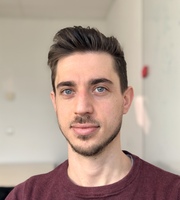
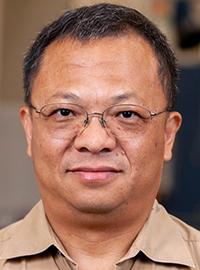
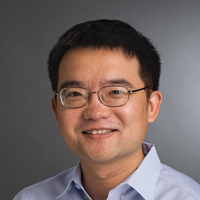
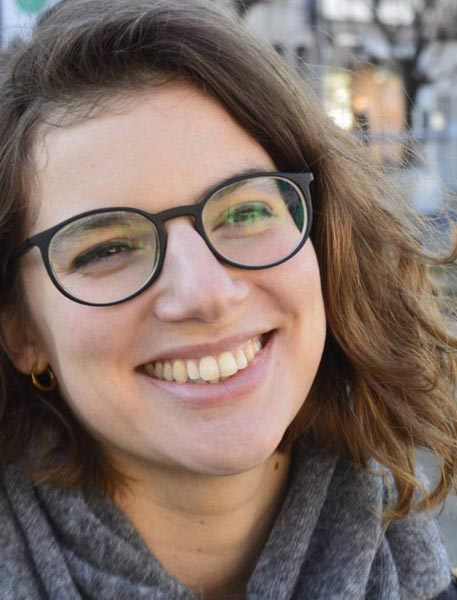
Alberto De Luca is an Assistant Professor at the Image Sciences Institute, Division Imaging & Oncology, University Medical Center Utrecht. He holds a BSc in Biomedical Engineering (2011), MSc in Bioengineering (2013), and PhD (2017) from the University of Padova, Italy, where his thesis focused on non-Gaussian diffusion in the brain and skeletal muscle. His research specializes in diffusion MRI methodologies for neurological diseases and cancer, with key interests including: Fiber-specific quantification in grey/white matter Multi-center MRI data harmonization Physiological parameter estimation via inverse methods Response prediction modeling He leads projects in cerebral small vessel disease and pediatric oncology, utilizing advanced 7T MRI and AI techniques. Recent publications (2025) demonstrate strong focus on: AI-driven lesion-symptom mapping in vascular cognitive disorders Diffusion MRI harmonization across research sites Advanced tractography validation frameworks Pediatric cancer imaging biomarkers He contributes to the Translational Neuroimaging Group and International Society for Tractography, with external collaborations including Erasmus MC (Frontotemporal dementia research) and Hogeschool Utrecht (guest lecturing on brain networks).
Zhiyong Liang serves as Professor, Director of the High-Performance Materials Institute (HPMI), and Associate Dean for Research at Florida State University's College of Engineering. He holds dual appointments in the Industrial and Manufacturing Engineering and Materials Science & Engineering departments. His research drives innovation in advanced composite materials and nanotechnology through leadership in multiple centers including the Florida Center of Excellence in Advanced Materials (CEAM). His educational background includes a Ph.D. (2000), M.Sc. (1990), and B.Sc. (1987) in Materials Science and Engineering from Beijing University of Aeronautics & Astronautics. His research focuses on carbon nanotube buckypaper materials, multifunctional composites, and nanoscale manufacturing processes. Key achievements include developing roll-to-roll manufacturing techniques for aligned carbon nanotubes and creating novel nanocomposite structures with enhanced thermal/electrical properties. Liang's publication portfolio demonstrates consistent innovation in nanomaterials science, with emphasis on carbon nanotube alignment mechanisms, buckypaper composite fabrication, and energy storage applications. His work bridges fundamental nanoscale characterization with practical manufacturing solutions, particularly in aerospace and energy sectors. Recent publications highlight advancements in atomic-resolution interface analysis, flexible sensor design, and sustainable composite recycling methods. As principal investigator, Liang has secured over 50 research grants from NSF, AFOSR, ONR, and industry partners like Cytec Engineering Materials. His leadership has generated significant intellectual property including 25 US patents related to carbon nanotube processing and composite manufacturing. The Florida Center of Excellence under his direction represents major state investment in advanced materials research. Liang has mentored 36 graduate students (10 Ph.D. and 26 Master's graduates) and 22 postdoctoral researchers. His former students hold prominent positions in academia (including two U.S. professors), national laboratories, and industry leaders like Honeywell and M.C. Gill Corp. His research group maintains strong industry partnerships through sponsored projects and technology transfer initiatives.
Feng Cui is an Associate Professor in the Thomas H. Gosnell School of Life Sciences at Rochester Institute of Technology (RIT), where he serves as Graduate Director of the Bioinformatics MS Program and is an affiliated faculty member of the Golisano College for Computing and Information Sciences. He holds the position of Faculty Senator (Alternate) and maintains an active research laboratory focused on computational biology and bioinformatics. His educational background includes an MS from Truman State University, a Ph.D. in Bioinformatics and Computational Biology from Iowa State University, and an MD from Hunan Medical University in China. Following his doctoral studies, he completed postdoctoral training at the National Cancer Institute (NCI). Dr. Cui's research spans three primary areas: exploring nucleosomal DNA diversity, developing machine learning approaches to predict nucleosome-binding proteins, and applying artificial intelligence to medical and systems biology challenges. His work combines computational approaches with biological insights to address fundamental questions in chromatin structure and develop practical applications for disease diagnosis and treatment. His publication record from 2012-2023 demonstrates consistent output in high-impact journals including Nucleic Acids Research, BMC Bioinformatics, and Frontiers in Bioinformatics. His recent work shows a clear progression toward increasingly sophisticated AI applications in biology, with a growing emphasis on deep learning techniques for medical applications, particularly in cancer research and virology. Dr. Cui actively mentors students at multiple levels, with numerous undergraduate and graduate researchers contributing to his projects. His laboratory has been supported by funding from the National Institute of General Medical Sciences (NIGMS) of the National Institutes of Health under award number R15GM149587. The Cui Research Group maintains a strong focus on the interface between computer science and biology, with current projects investigating nucleosomal DNA patterns, machine learning prediction of protein-DNA interactions, and AI applications for medical diagnostics. The lab has developed several computational tools including nuMap for nucleosome positioning prediction and ProtGauss for predicting nucleosome binding modes.
Dr. Marta Orlando is a Research Fellow at Charité - Universitätsmedizin Berlin's Neuroscience Research Center and a core member of Collaborative Research Center SFB 1315 "Excitatory Neuronal Networks of the Hippocampus". Her work investigates cellular mechanisms of memory formation through hippocampal circuit analysis and synaptic function. Her research focuses on: Synaptic vesicle dynamics and presynaptic plasticity CA3 pyramidal neuron connectivity subtypes Mossy fiber synaptic transmission mechanisms Ultrastructural analysis via electron microscopy Computational modeling of neural networks Machine learning applications in neuroanatomy Recent publications reveal her pivotal role in discovering asymmetric connectivity between thorny/athorny CA3 neurons governing sharp wave sequences (eLife 2025) and synapsin's regulatory role in mossy fiber plasticity (eNeuro 2024). She pioneered an automated CNN-based synaptic vesicle detection system applicable across species (eNeuro 2022). As part of SFB 1315, she collaborates with Prof. Dietmar Schmitz's team using multimodal approaches—combining electrophysiology, super-resolution microscopy, and computational analysis—to dissect how hippocampal networks encode and replay memory sequences.
Jaspreet Kaur Daniil is an Assistant Professor at the Center for Translational Neuromedicine (CTN) within the Faculty of Health and Medical Sciences at the University of Copenhagen, Denmark. She also serves as a Guest Researcher in the Department of Neuroscience, focusing on Neuronal Signalling. Her academic journey spans institutions across Europe and India, with a strong foundation in biophysics and neurobiology. Dr. Daniil's educational background includes: PhD in Neurobiology from Scuola Internazionale Superiore di Studi Avanzati (SISSA), Trieste, Italy (2013-2017) Master of Science in Biophysics from Panjab University, Chandigarh, India (2010-2012) Bachelor of Science in Biophysics from Panjab University, Chandigarh, India (2007-2010) Her research focuses on unraveling the complex motor system, particularly examining how movement is generated in mammals and orchestrated from the brain to the spinal cord. Dr. Daniil employs advanced techniques including Adeno-associated viruses (AAV), optogenetics, in vivo electrophysiology, and chronic neural implants such as optical fibers and high-density probes in rodent models. Her work spans multiple model systems including adult rats (in-vivo) and post-mortem human spinal cord tissue, with particular emphasis on understanding spinal population dynamics during locomotion and movement arrest. Analysis of Dr. Daniil's research publications reveals a strong focus on neural interfaces, motor control systems, and neural regeneration. Her work bridges the gap between basic neuroscience and translational applications, particularly in developing novel approaches for spinal cord injury treatment and neural repair. The recurring themes in her research include optogenetic manipulation of neural circuits, development of advanced neural interfaces, and understanding the fundamental mechanisms of motor control. Dr. Daniil has received several prestigious awards and grants throughout her career: PhD fellowship from International School for Advanced Studies (SISSA) FENS-IBRO/PERC Grant A.P. Møller Fonden Grant for Medical Science Advancement Graduate Aptitude Test in Engineering at national level in India Special Student trophy from SISSA Federation of European Neuroscience Virtual Forum Grant Her collaborative work with Dr. Rune W. Berg has been particularly influential in advancing our understanding of motor control systems. Dr. Daniil's research has significant implications for developing therapeutic interventions for movement disorders and spinal cord injuries. She works within interdisciplinary teams that combine expertise in neuroscience, engineering, and clinical medicine to translate basic research findings into potential clinical applications.
Laurence Trussell is a Professor and Interim Director of the Oregon Hearing Research Center at Oregon Health & Science University (OHSU), with concurrent appointment as a Scientist at the Vollum Institute. His research focuses on neural mechanisms of hearing, particularly brainstem circuitry and synaptic physiology in auditory processing. Education: Ph.D. in Biology, University of California, Los Angeles (1983) Research Interests: Dr. Trussell investigates how brainstem circuits encode acoustic signals and how synaptic physiology preserves auditory information. His seminal work demonstrates that timing-encoding neurons are molecularly specialized, reveals synaptic learning mechanisms at early sensory stages, and elucidates co-release of transmitters acting on single receptors. His research integrates molecular, biophysical, and circuit-level approaches to dissect auditory processing. Publication Trends: His 2013-2025 publications consistently explore dorsal cochlear nucleus physiology, emphasizing synaptic transmission mechanisms ( e.g. , glutamate dynamics, KCNQ channels), neural oscillations, electrical coupling, and cell-type-specific circuitry. Key themes include calcium channel nanodomains, inhibitory neuron subtypes, and multimodal integration, reflecting his focus on fundamental mechanisms of auditory signal processing from cellular to circuit levels. Advising and Grants: Publicly available information does not specify doctoral advisees or grant funding details, though his leadership of major research centers implies significant mentorship and extramural support. Labs and Teams: He directs research at the Oregon Hearing Research Center and Vollum Institute, leading teams studying auditory pathways through electrophysiology, imaging, and molecular techniques to decode hearing mechanisms and disorders.