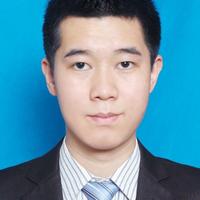
Zhou Zhou is an Assistant Professor (tenure track) in Neuronic Engineering at KTH Royal Institute of Technology's Department of Biomedical Engineering and Health Systems. He is affiliated with the Digital Futures Faculty, a cross-disciplinary research center focusing on digital technologies for societal challenges. His research focuses on neurotrauma prevention, prediction, and protection through computational modeling, machine learning, and biomechanical validation. Dr. Zhou holds a PhD from KTH (2019) and completed postdoctoral training at Stanford University, specializing in sports safety and concussion prevention. His work is supported by VINNOVA, Swedish Research Council, and others. He received the 2025 Göran Gustafsson Prize for young researchers. Research interests include in silico modeling, fluid mechanics, and safety standardization for helmets. Zhou teaches courses such as Biomechanics and Neuronics (HL2035/CH213V) and leads labs in human and animal neurotrauma modeling. He seeks postdoctoral candidates for rat neurotrauma research. Education: PhD in Biomedical Engineering, KTH (2019); Postdoc at Stanford University (Sports Safety) Key Projects: InSilicoHealth ITN, helmet evaluation via virtual testing Labs/Teams: Neuronic Engineering Division, Digital Futures Collaboratory
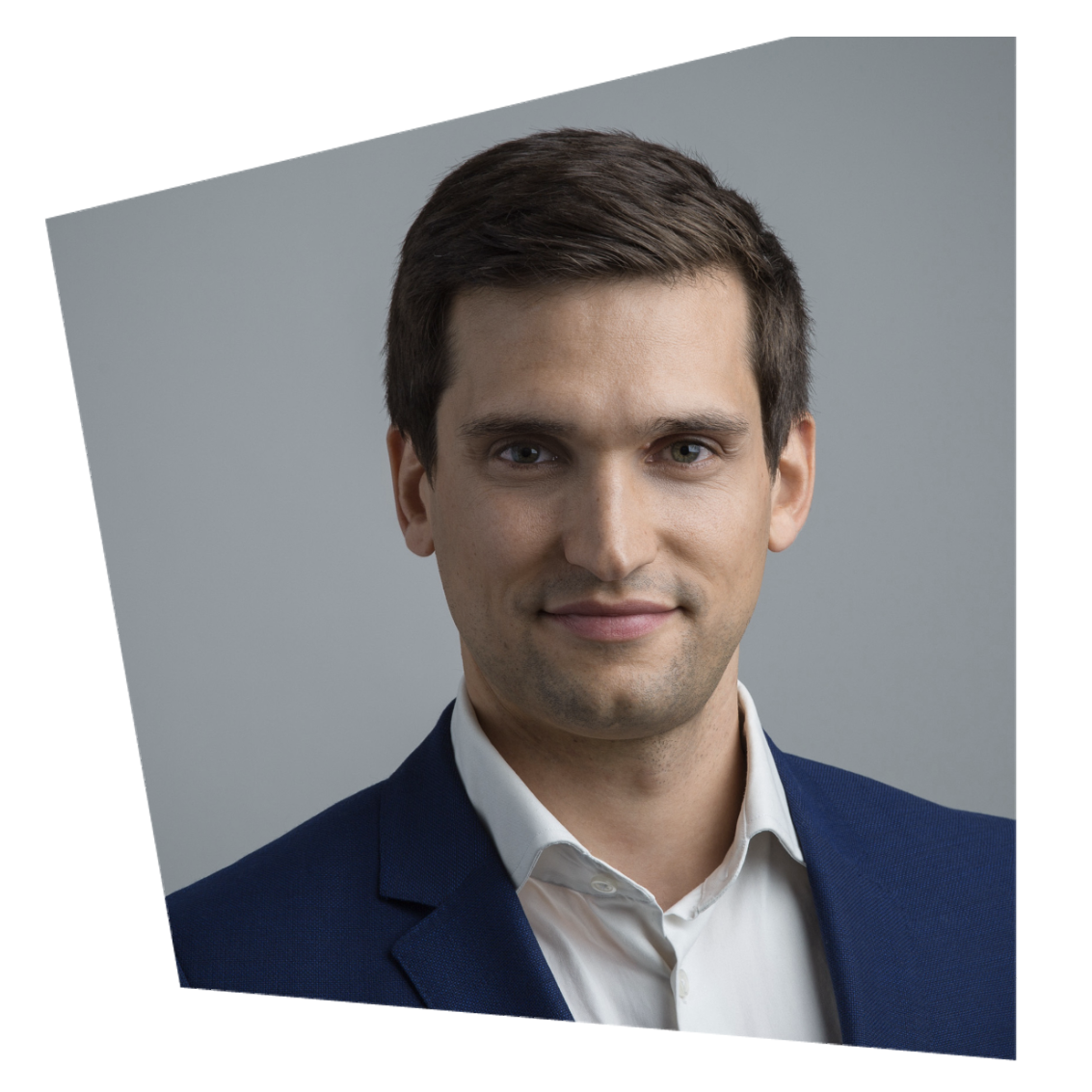
Eric Mörth is a PhD Scientist in Multimodal Medical Visualization at the University of Bergen's Department of Informatics, collaborating with the Mohm Medical Imaging and Visualization Center (MMIV). His research focuses on innovative medical data visualization techniques, such as MuSIC and ICEVis, which enhance clinical decision-making. Currently on a research stay at Harvard University's VCG Group, he holds a Master's in Medical Informatics from the Medical University of Vienna and a degree in Biomedical Engineering from the Technical University of Vienna. His awards include the Best Paper Honorable Mention (VCBM2022) and Best Short Paper (VINCI2022). Mörth's work spans cancer imaging, scrollytelling narratives, and interactive visualization tools, supported by grants from Trond Mohn Stiftelse. He advises through Team Smit and has contributed to projects like RadEx and ParaGlyder, advancing medical data exploration and communication.
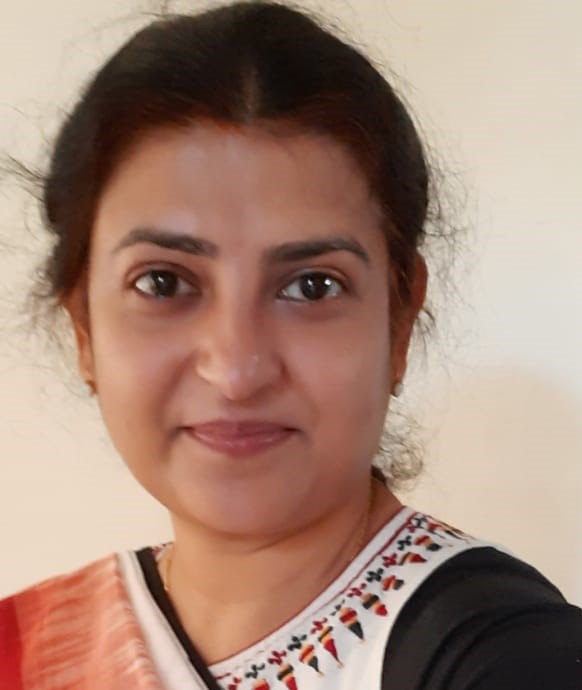
Jennifer Gahee Kim is an Assistant Professor in the School of Interactive Computing at Georgia Institute of Technology. She holds a Ph.D. in Computer Science from the University of Illinois at Urbana-Champaign and an M.S. from Georgia Tech. Her research focuses on Human-Computer Interaction (HCI), Digital Health, and Neurodiversity, aiming to design technologies that promote inclusivity, empathy, and advocacy, particularly for neurodiverse populations. Key projects include Workplace Playbook VR for autism support, BEDA (Behavioral and External Data Analysis tool), and co-design initiatives for neurodivergent individuals. Education: Ph.D. in Computer Science (UIUC), M.S. in Computer Science (Georgia Tech) Research Themes: Neurodiversity advocacy, healthcare technologies, and collaborative systems design Teaching: Courses in Personal Health Informatics and Human-Computer Interaction Her work emphasizes co-design methodologies and ethical technology integration, with notable contributions to VR-based training systems and sensor data analytics tools. Collaborations include projects with behavioral scientists and healthcare practitioners to bridge gaps between technology and real-world needs.
Andreas Hein is an Assistant Professor of IT Management at the University of St. Gallen's Institute of Information Systems and Digital Business (IWI-HSG). His research focuses on digital services, AI literacy, conversational agents, and ethical design in education and business contexts. He holds a PhD (summa cum laude) from the University of Kassel and has led projects funded by SNSF and Innosuisse. Hein is an AIS Distinguished Member Cum Laude and has received numerous awards for research and academic service, including the AIS Best Conference Paper Award (2024) and Best Paper Awards at DESRIST (2023) and HICSS (2020). His work bridges design science and interdisciplinary collaboration, addressing topics like privacy nudges, gamification in learning, and lawful technology development. Hein actively contributes to academic communities, serving as associate editor for ECIS, ICIS, and AOM divisions, and has organized conferences like the Wirtschaftsinformatik-Nachwuchs-Treffen 2023. His teaching spans undergraduate to graduate levels, emphasizing data-driven service innovation and research practices. Hein's research has been published in top journals (ISR, JAIS, EJIS) and frequently recognized for innovation and impact. Education: PhD in Business Information Systems (Kassel University, 2018), Master of Arts in Communication Management, Diplom in Economic Sciences (Kassel University). Key Achievements: Over €2.2m in third-party funding, 60+ co-authors, and impactful contributions to digital education and AI ethics. His work on privacy nudges and conversational agents has been featured in leading conferences and journals.
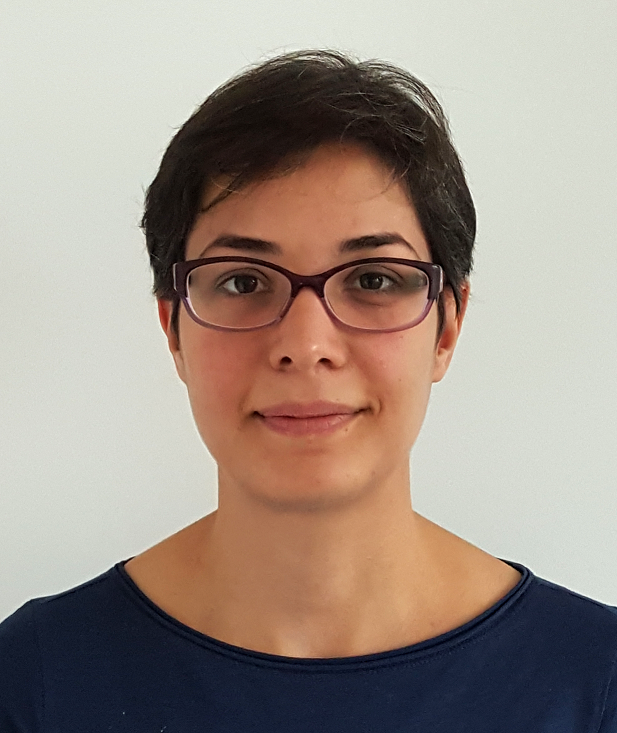
Dr. Dipanwita Thakur serves as Assistant Professor at the Department of Computer Engineering, Modeling, Electronics and Systems (DIMES) at the University of Calabria, Italy since July 2023. She is an active member of the European Cooperation in Science & Technology (COST Action CA22104) focusing on cybersecurity and serves in the IEEE Future Networks Working Group for Artificial Intelligence/Machine Learning. Previously, she held a 15-year Assistant Professor position at Banasthali University, Rajasthan, and has industry experience at TechMahindra and C-DAC. Education: Ph.D. in Smart Healthcare from West Bengal University of Technology, Kolkata M.Tech. in Software Engineering from Banasthali Vidyapith MCA from NIELIT, Government of India B.Sc. from University of Calcutta Her research pioneers Green Artificial Intelligence with emphasis on energy-efficient federated learning and smart healthcare applications. She develops privacy-preserving human activity recognition systems using multimodal data fusion, focusing on performance evaluation and environmental sustainability. Her work bridges theoretical machine learning with practical healthcare solutions, optimizing AI systems for reduced carbon footprint while maintaining clinical efficacy through hardware-algorithm co-design and quantization techniques. Recent publications reveal a strong trajectory toward sustainable AI, with increasing focus on energy-aware federated learning frameworks, multimodal medical segmentation, and non-IID data handling. Her work consistently addresses the critical balance between model accuracy, convergence speed, and energy consumption across edge devices, with growing emphasis on quantization techniques and hardware-algorithm co-design for real-world deployment. Scientific Awards: Elevated to IEEE Senior Member (2024) Dr. B.C. Roy Memorial Scholarship for outstanding 10th Board results (1992) Student Science Seminar Award by West Bengal Government (1990) Dr. Thakur actively mentors students as evidenced by her congratulations to advisee Farwa for paper acceptances. She serves as Associate Editor for Information Fusion (Elsevier) and IEEE Sensors Journal, and holds editorial roles at Scientific Reports. Her research is advanced through COST Action CA22104 and IEEE working groups, though specific grant details aren't listed in the source material. She has organized key workshops including Green-Aware AI 2024 and Green Federated Learning at IJCNN 2025. She leads research within the MONAI community on data quality and federated learning, and contributes to IEEE IoT and Future Networks initiatives. Her work with the COST Action CA22104 Behavioral Next Generation in Wireless Networks connects cybersecurity with sustainable AI development, while her Missouri S&T visiting scholar position focuses on energy optimization for federated learning systems.
Alexander Mertens serves as Associate Professor and Department Head of the Institute of Industrial Engineering within RWTH Aachen University's Faculty of Mechanical Engineering, concurrently leading the Ergonomics and Human-Machine Systems group. His dual doctorates (Dr.-Ing. and Dr. rer. medic.) underpin his interdisciplinary approach bridging engineering and medical sciences. His research centers on human-centered technology integration , with core interests in Ergonomics , Human-Machine Systems , and Virtual Reality applications . He investigates physiological workload monitoring, human-robot collaboration, and inclusive workplace design—particularly through AR/VR systems and sensor-based interventions for manufacturing and healthcare contexts. His work emphasizes translating biomechanical and psychosocial insights into practical solutions for worker safety and performance. Analysis of his 2024-2025 publications reveals three dominant trends: human-robot collaboration in manufacturing (evident in VR-based robot assistance studies), physiological workload assessment (using pupillometry and multimodal signals), and workplace health innovation (addressing interruptions, musculoskeletal disorders, and aging populations). These threads consistently prioritize human factors in digital transformation across automotive, healthcare, and industrial domains. Prof. Mertens directs the Ergonomics and Human-Machine Systems laboratory, driving initiatives like AixistenzRobotik (Aachen Competence Center for Interactive Robotics in Health/Care) and workHEALTH (holistic prevention of work-related musculoskeletal disorders). His team develops adaptive interfaces for inclusive factories and evaluates digital escape signage through age-differentiated studies, maintaining strong industry partnerships for real-world implementation.
Raghavendra Ramachandra is a Professor at the Department of Information Security and Communication Technology (IIK) , within the Faculty of Information Technology and Electrical Engineering at the Norwegian University of Science and Technology (NTNU) in Gjøvik. His research focuses on biometric systems, particularly in face, fingerprint, and finger vein recognition, with emphasis on presentation attack detection, morphing attack detection, and deep learning applications. Current research projects include: SALT (2022-2026) : Developing privacy-preserving facial biometric authentication systems. OffPAD (2022-2025) : Creating cryptographic tools and presentation attack detection for fingerprint biometrics. SWAN (2015-2020) : Developing biometric countermeasures against presentation attacks. His recent publications demonstrate technical expertise in: Face morphing attack detection using vision transformers and point cloud networks Image fusion techniques for multispectral biometrics GAN-based synthetic data generation for security evaluation Explainable AI approaches for biometric verification Professor Ramachandra also supervises PhD and Master’s students, and has extensive experience in leading national and EU research initiatives.
Milica Popović Stijačić is an Assistant Professor at the Faculty of Media and Communications (Singidunum University), specializing in cognitive psychology, psycholinguistics, and experimental methodology. She earned her degrees in psychology (University of Novi Sad) and applied statistics (University of Novi Sad), with a doctoral thesis titled The influence of perceptual information in word processing - the perspective of embodied cognition . Graduate and Master's in Psychology, University of Novi Sad Master's in Applied Statistics, University of Novi Sad PhD in Cognitive Psychology, University of Novi Sad Her research focuses on perceptual richness in semantic processing, embodied cognition, and statistical modeling of cognitive tasks. She leads a student research group at the FMK Lab, collaborating on projects related to cognitive psychology presented at domestic and international conferences. Key publications include studies on attribute framing effects (2024), emotional word processing during the pandemic (2023), and perceptual influences on memory recall (2022). Recent collaborative work explores AI applications in sustainable fashion (2022) and socioeconomic impacts on preschool intelligence (2020). She contributes to methodological advancements through comparative statistical approaches (2018) and investigates multisensory learning mechanisms (2015). Current collaborations include projects on sensorimotor deficits in psychosis/dementia (University of Zagreb, since 2021) and research on fundamental psychic processes (Ministry of Serbia-funded, 2018-2020). Teaching responsibilities include courses on lower/higher cognitive processes, contemporary psychological research, and scientific methodology.
Lisa M. Bedore is a Professor and Chair of the Department of Communication Sciences and Disorders at Temple University's College of Public Health. She also serves as Undergraduate Program Director and leads the HABLA (Human Abilities in Bilingual Language Acquisition) Lab. A certified speech-language pathologist, her work bridges clinical practice, research, and education in bilingual language development. PhD in Audiology and Speech Sciences, Purdue University MA in Communicative Disorders, San Diego State University BA in Speech Pathology/Audiology and Spanish, San Diego State University Her research focuses on how children integrate linguistic information across domains, particularly in bilingual contexts and developmental language disorders (DLD). Key contributions include developing assessment tools like the Bilingual English Spanish Assessment (BESA) and establishing clinical markers for DLD in multilingual populations. Current work examines grammatical difficulties across Spanish, English, and Mandarin, and their implications for literacy development. Recent publications highlight trends in bilingual home environment effects on literacy, nonword repetition tasks as diagnostic tools, and cross-linguistic cognitive flexibility studies. Findings emphasize the interaction between language exposure, cognitive skills, and cultural context in bilingual development. National Institutes of Health (NIH) funding for over 20 years Lisa's grantsmanship includes NIH funding for longitudinal studies on bilingualism and DLD. She teaches undergraduate courses like Introduction to Communication Disorders and graduate courses in health research grantsmanship. The HABLA Lab maintains an extensive database on bilingual children's language skills, informing theoretical models and clinical interventions.
Jayneel Parekh is a Postdoctoral Researcher in the MLIA (Machine Learning and Artificial Intelligence) team at ISIR (Institut des Sciences et Industries du Réel), Faculty of Science, Sorbonne University, working with Prof. Matthieu Cord. His research focuses on understanding and enhancing large multimodal models, with applications across audio, visual, and multimodal domains. Parekh completed his PhD at LTCI, Telecom Paris under Prof. Florence d'Alche and Prof. Pavlo Mozharovskyi, researching neural network interpretability applied to image and audio data. He earned his undergraduate degree in Electrical Engineering from IIT Bombay, where he worked with Prof. Preeti Rao and Prof. Yi-Hsuan Yang on Speech-to-Singing conversion. His research spans neural network interpretability, audio processing, computer vision, and multimodal models, with emphasis on explainable AI. His work demonstrates a consistent trajectory from foundational audio/image interpretability methods to cutting-edge large multimodal model analysis, showing increasing complexity and impact across NeurIPS, ICML, and ICCV publications. L2I paper awarded 2nd prize for STIC Best Scientific Contribution 2023 Top Reviewer at NeurIPS 2023 Parekh actively contributes to the academic community through workshop organization (ICCV on Explainable Computer Vision, ELLIS Unconference on Robustness/Fairness/Explainability) and presentations at institutions including IIT Jodhpur, Deezer Research, and IBM Research. His collaborative network spans MPI Informatics, TU Darmstadt, TU Munich, and Télécom Paris.
Dr. Fariba Mostajeran is a Researcher at the Human-Computer Interaction research group within the Department of Informatics at the University of Hamburg. Her interdisciplinary work bridges computer science, psychology, and environmental science to investigate the psycho- and physiological effects of immersive media on users across different age groups, with particular focus on therapeutic applications of virtual and augmented realities. Her educational background includes: B.Sc. in Computer Engineering-Software from the University of Isfahan (Iran) M.Sc. in Digital Media from the Universität Bremen Ph.D. in Human-Computer Interaction at the Universität Hamburg Dr. Mostajeran's research centers on Medical Mixed Reality , Digital Health , and Human-Computer Interaction , with emphasis on how virtual environments can enhance cognitive performance, psychological well-being, and therapeutic outcomes. She systematically investigates the impact of virtual nature exposure on memory, attention, and mood, developing applications for mental health treatment, rehabilitation, and workplace design. Her methodological approach combines controlled experiments with user-centered design to create effective immersive interventions. Analysis of her recent publications reveals three major research thrusts: (1) the therapeutic applications of virtual nature for mental health and cognitive enhancement, (2) the development and evaluation of intelligent virtual agents for healthcare applications, and (3) understanding the cognitive and physiological mechanisms underlying user responses to immersive environments. Her work increasingly focuses on multimodal interaction with virtual agents and their implementation in clinical settings. Her scholarly contributions have been recognized through: Ideas and Venture Fund (IVF), Universität Hamburg, 2024-2025 EXIST-Gründerstipendium (EXIST Founder Scholarship), 2014-2015 Deutschlandstipendium (German Scholarship), 2012-2013 Dr. Mostajeran has supervised over 30 master's and bachelor's theses focusing on virtual reality applications across diverse domains including mental health interventions, cognitive training, and therapeutic environments. Her research has received support from university innovation funds and national scholarship programs. She serves on multiple academic committees including professorship selection committees and examination boards, contributing significantly to institutional governance. Her active participation in major conferences as program committee member and reviewer demonstrates her standing in the HCI and VR research communities. She works within the Human-Computer Interaction research group at the University of Hamburg led by Prof. Dr. Steinicke, which maintains strong connections with clinical partners and industry collaborators to translate research findings into practical healthcare applications. The group's facilities include state-of-the-art VR laboratories equipped for comprehensive user studies measuring both behavioral and physiological responses.
Dr. Almila Akdag is an Assistant Professor in Human-Centered Computing at Utrecht University's Faculty of Science, Department of Information and Computing Sciences. As a Digital Humanities scholar with expertise spanning new media analysis, bibliometrics, and information visualization, she combines qualitative and quantitative methods to study humanities and social data. Research Focus Her interdisciplinary research bridges: Digital Humanities : Computational analysis of cultural artifacts including paintings, poetry, and oral histories Human-Centered AI : Developing empathetic and accessible AI systems Trauma Informatics : Analyzing breathing patterns in oral histories of trauma survivors Cultural Analytics : Studying art communities and online creative platforms Following the 2023 Turkey/Syria earthquake, she is creating an oral history archive to document collective memory of the disaster, with particular focus on Turkish, Kurdish and Syrian diaspora experiences. Awards and Recognition NWO VENI laureate for 'deviantArt: Mapping the Alternative Art World' project Co-initiator of Mellon Grant: 'Tools for Analysis and Visualization of Large Image/Video Collections for Humanities' Leadership and Service Workgroup leader of 'Visual Media and Interactivity' for DARIAH-EU Founding member of International Society for Knowledge Organization (ISKO LC Low Countries Chapter)
Grzegorz Chrupała is an Associate Professor at the Department of Cognitive Science and Artificial Intelligence , Tilburg University, where he leads research in computational approaches to multimodal communication. Previously, he was a postdoctoral researcher at Saarland University's Spoken Language Systems group and earned his PhD from Dublin City University's School of Computing. His research bridges biological and artificial computation , focusing on enabling machines to learn language from multimodal data (speech, gestures, visual-auditory stimuli) as children do naturally. This involves developing and interpreting deep learning architectures, analyzing emergent representations, and advancing speech technology for under-resourced languages. Key themes include Visually grounded speech modeling Feature attribution and model interpretability Human-inspired learning paradigms BlackboxNLP workshop leadership His recent publications examine speech model reliability , lexical tone encoding , and contextual dependencies in NLP systems. He mentors a team of PhD candidates and alumni working on topics like user-centric interpretability, bioacoustics, and disentangled speech representations. He also serves on the board of the Dutch Open Speech Technology Foundation, chairs Interspeech 2025 tutorials, and contributes as an Action Editor for TACL.
Lorenzo Pavesi is a Full Professor of Experimental Physics at the Department of Physics, University of Trento (Italy), where he leads the Nanoscience Laboratory with 25 members. His academic career spans over 30 years, including roles as Assistant Professor (1990), Associate Professor (1999), and Full Professor (2002). He founded semiconductor optoelectronics research at the university and established photonics laboratories focused on growth and advanced treatment of materials. Research Focus: Silicon photonics, quantum optics, nonlinear optics, optical sensors, and neuromorphic computing. Leadership: IEEE Italian Chapter on Nanotechnology founder, editorial board member for Frontiers in Physics , ETRI Journal , and Sensors . His work bridges photonics and electronics, with recent advancements in integrated quantum photonics and neuromorphic systems. He has managed numerous national and international projects, holds 9 patents, authored over 500 papers, and edited 15+ books. Awards include the Cavaliere title (2001), IEEE Distinguished Speaker (2010-2011), and fellowships from IEEE, SPIE, and SIF.
Dimitri Darzentas is a Lecturer at the School of Computing Engineering and the Built Environment , Edinburgh Napier University. His work bridges Interaction Design , Internet of Things , and Cultural Informatics , focusing on hybrid digital-physical experiences in museums and sustainable technology practices. Research Themes: Museum technology, hybrid gifting, IoT sustainability, data-driven co-design Projects: Library of Inspiration (Royal Academy of Engineering grant), UbiFix (repairability in smart devices) His design practice emphasizes emotional interpretation, temporal engagement, and ethical technology use. Recent work explores substitutional reality with museum objects and user-generated content in historical games. PhD Supervision: Guided students in Digital Storytelling (Gengyi Wang) and Mixed Reality Education (Suzi Cathro).